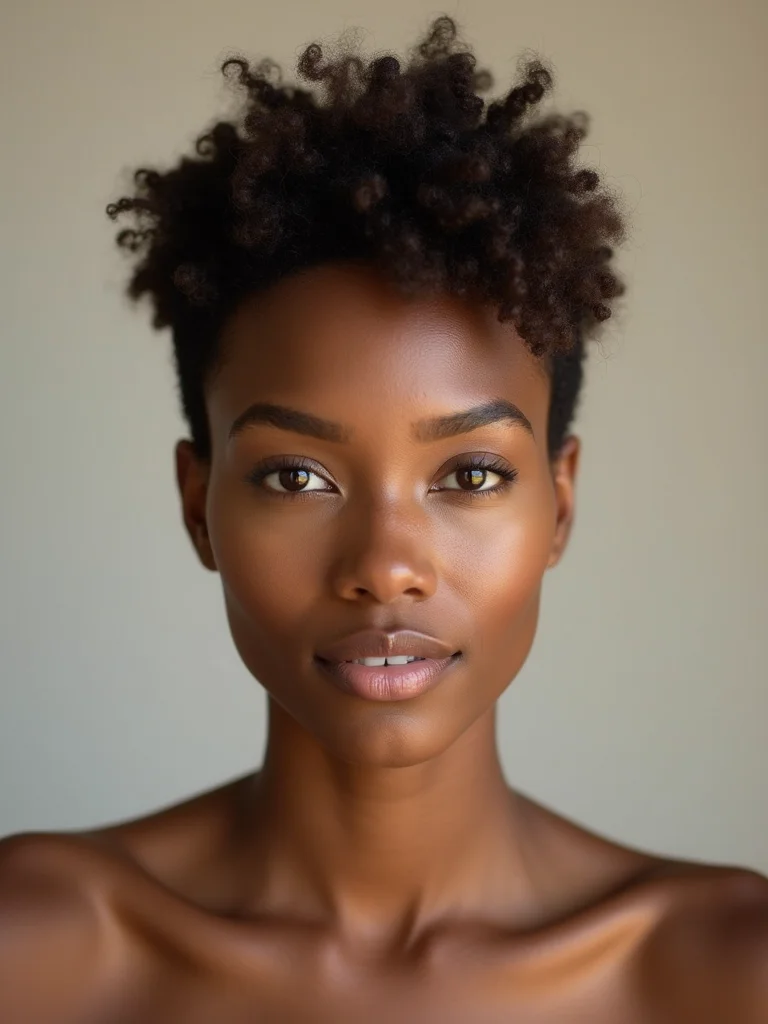
Somewhere along the way, curly pixies picked up a bad reputation: heavy shrinkage, a shape that looks sharp on day one and shapeless by day five, curl that seems impossible to control once it’s short. That reputation comes from crops designed for straight hair and handed to curl as an afterthought. A coil that clumps, springs, and reacts to humidity isn’t a flaw to manage around on a pixie. It’s the entire reason to cut one.
The fifteen shapes below all start from the same place: how tight or loose your curl actually behaves once it’s dry. Requests lean toward looser, shaggier versions right now, but the cut that actually holds is still the one built for your real pattern.
The Two Things That Actually Matter
A curly pixie comes down to two things, and neither of them is the specific look you pick from the fifteen below. The first is a cut done dry, coil by coil, so the stylist can see exactly how much a coil pulls up before deciding how much to take off.
The second is moisture. Coily and curly texture runs drier than straight or wavy hair, and a short cut shows dryness fast since there’s no length left to hide it in. A leave-in, a satin bonnet at night, and a specialist who works with textured hair every week cover most of what tends to go wrong.
A Tapered Crop That Keeps the Crown Full
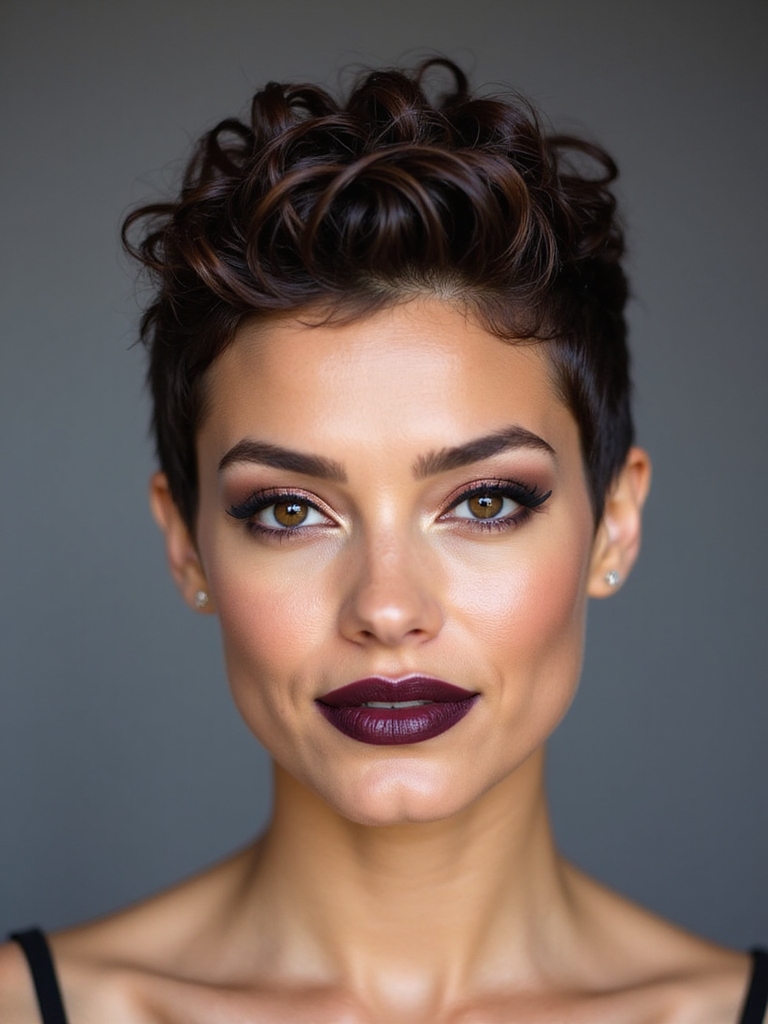
A tapered crop is the safest starting point for anyone easing into short curly hair, and it’s the shape most first-timers land on. The sides taper in close while the coils stay full up top, so all the volume sits exactly where the curl springs hardest.
- The taper is cut dry, coil by coil, so the barber can see exactly where each curl lands before shortening it.
- A lightweight curl cream defines the top without weighing the shrinkage down.
- The sides need a shape-up before the taper line starts to blur, usually somewhere around the one-month mark.

Loose, Tousled Layers With Room to Move
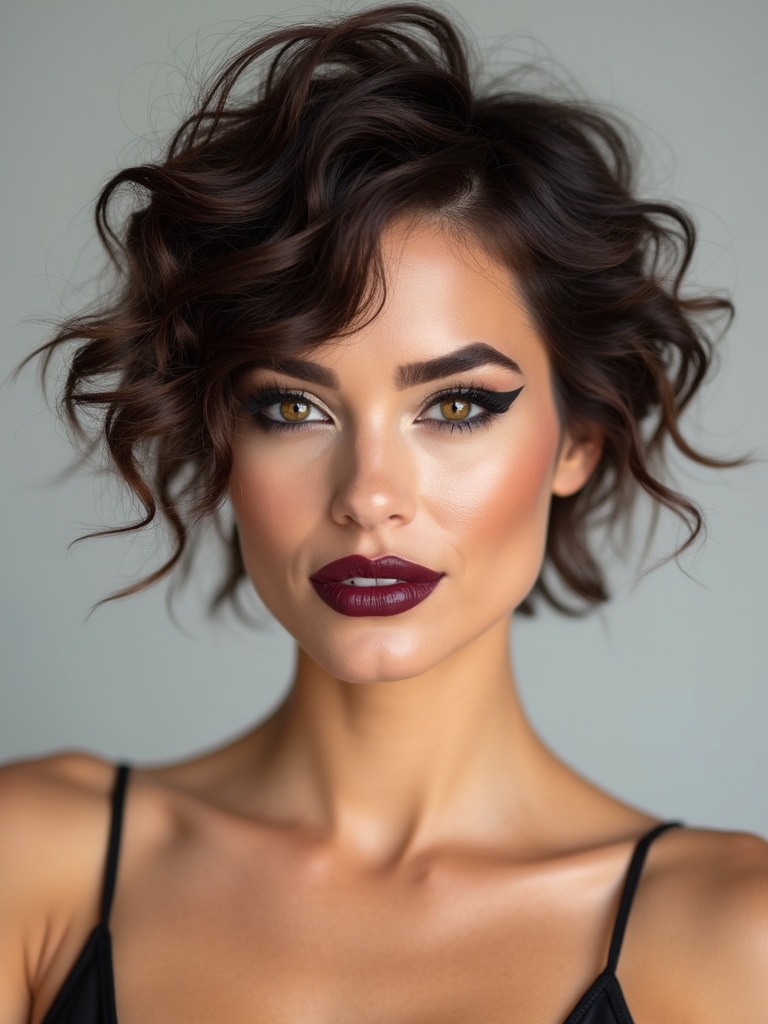
Soft layering lets the curl fall loose, breaking up the dense, rounded block a solid crop can turn into. The layers thin the ends just enough that the coils move independently, giving the crop a relaxed, easy-going shape. Clients who found a tighter, more structured crop too stiff for their taste tend to ask for this version next.
Styling stops at a finger-fluff through the roots once a light curl cream sets, which is why it forgives a day without a full refresh. For anyone who wants even more of that loose, undone texture, a shaggy pixie pushes the same idea further.
ℹ️Curl Behaves Differently Short
Loose, soft curl patterns lose noticeably less length to shrinkage than tight coils do, which is one reason a soft, tousled crop like this one keeps most of its length after the cut, while a tighter pattern can pull up an inch or more once it dries.
Bangs Swept Off to One Side
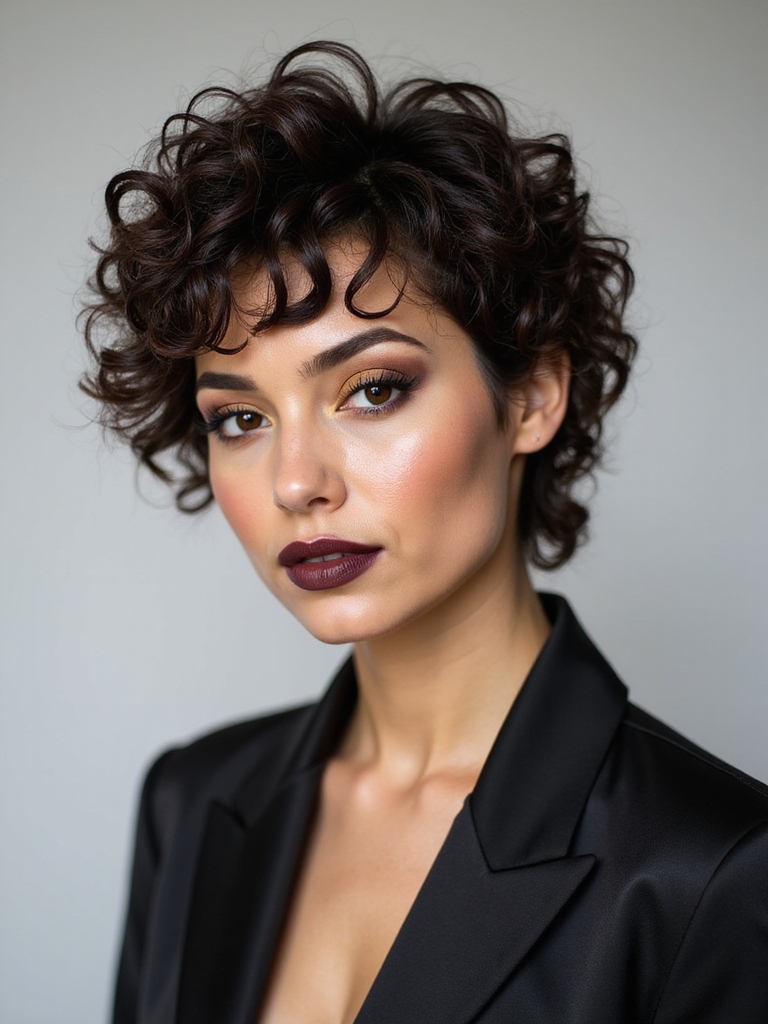
Side-swept bangs pull the front coils across the forehead on a soft diagonal, which breaks up a strong brow line without any cutting trickery. The curl does most of the softening on its own.
Keeping the Front Coils Defined
This is one of the lower-commitment ways to wear bangs on a pixie. As the fringe grows, it folds into face-framing pieces on its own, skipping the awkward in-between stage most bang grow-outs go through.
By week three, that’s usually the point a client asks whether to keep pushing the fringe longer or trim it back, and the honest answer depends on how much curl definition survives a diffuser versus plain air-drying.
Extra Lift Built Into the Crown
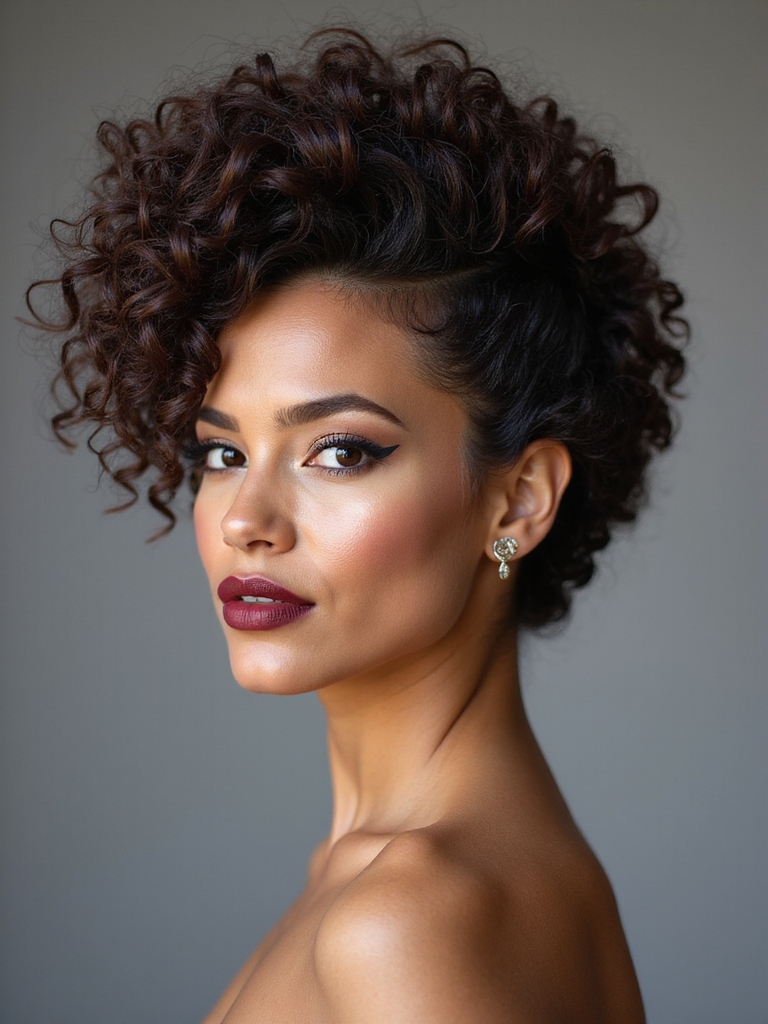
Leaving extra length at the crown while everything else stays short is what turns a flat set of coils into real height. It’s the easiest way to balance a rounder face shape or add proportion to a longer one.
- Diffuse upward at the roots, angling the dryer so the crown actually lifts as it dries.
- Pick the roots out gently once they’re dry for another half-inch of height.
- A curl custard holds crown lift better than a soft cream on tighter coil patterns.
An Undercut Under a Full Curly Top
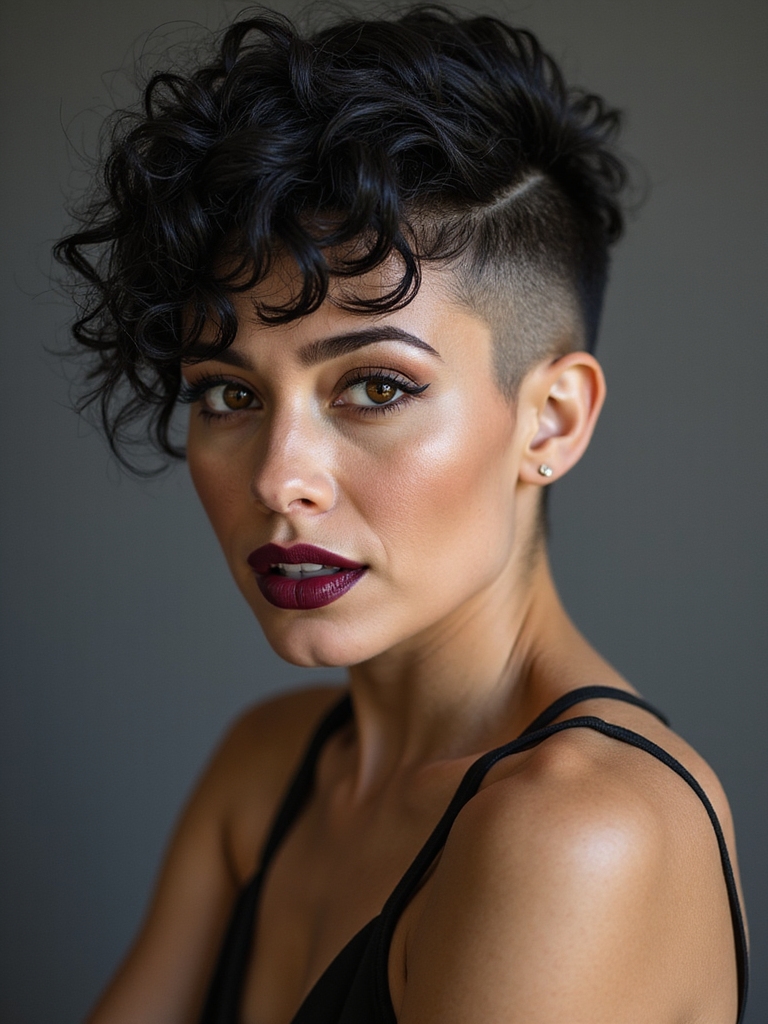
Shaving the sides close beneath a full curly top is the boldest contrast on this list, and it does real work on thick, dense coils by lifting weight off the sides so all the volume shows up on top.
- The shaved sides lighten dense coils, so the whole head sits cooler in warm weather.
- A crisp undercut edge makes the curl on top look even fuller by comparison.
- Keep the line sharp with a quick edge-up before it starts growing into stubble.
Shag Layers Cut Into a Short Crop
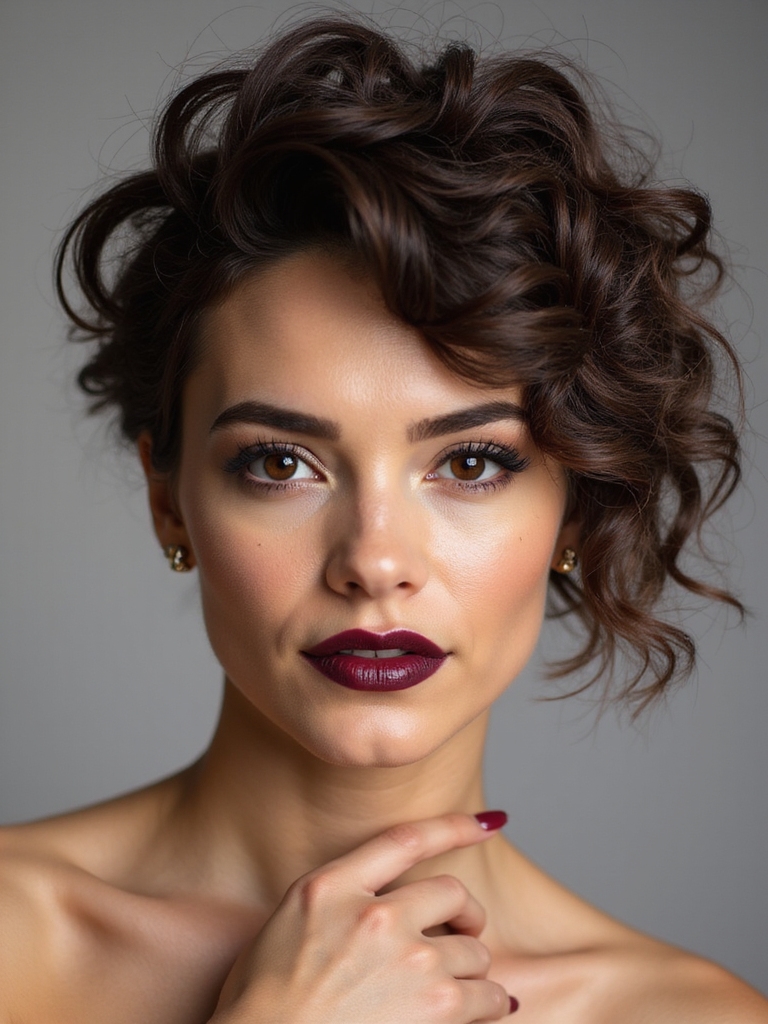
Shag layering blends into a pixie for a rumpled, undone finish that leans retro without trying too hard. The layers break up any dense, rounded block of curl into something looser and more textured. Anyone drawn to more length in that same layered idea can look at a full curly shag haircut instead.
Clients who’ve been growing out a pixie for months, unsure whether to commit to a fresh cut again, tend to land here first. It’s the shape that disguises that undecided phase the best.
- Shag layers add texture without adding actual length, so the crop still looks short.
- A quick scrunch-and-fluff through dry curl is close to the entire styling routine most mornings.
- Trims can stretch a little longer than a cleaner crop, since the shag layers hide regrowth.
| Coil Pattern | Product | What It Does |
|---|---|---|
| Loose, springy curl | A whipped curl cream | Defines shape without extra weight |
| Tight, clumped coils | A curl custard or gel | Locks the clump so it survives the day |
Clean, Sculpted Edges on Short Coils
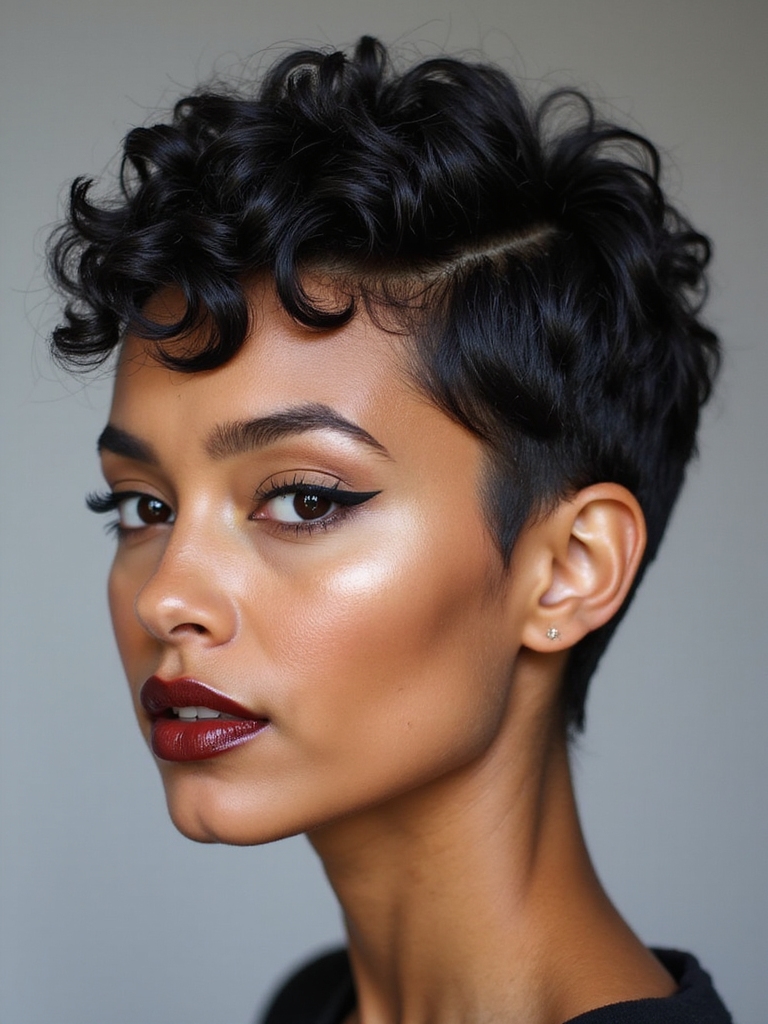
A sculpted crop with lined edges looks polished and deliberate, a step up from the tousled, undone looks earlier on this list. The barber lines the perimeter sharply while the coils on top stay full and shaped, so the whole thing looks put together.
This version rides almost entirely on the edge work, which is a real skill that only some stylists practice daily on textured hair. Ask specifically whether line-ups on coily hair are a regular part of their week.
A specialist visit for the line-up runs higher than a walk-in trim, often somewhere around $45 to $85 depending on your area, but it’s the visit that keeps the shape from drifting into something patchier between appointments.
Ringlets Left Clumped and Defined
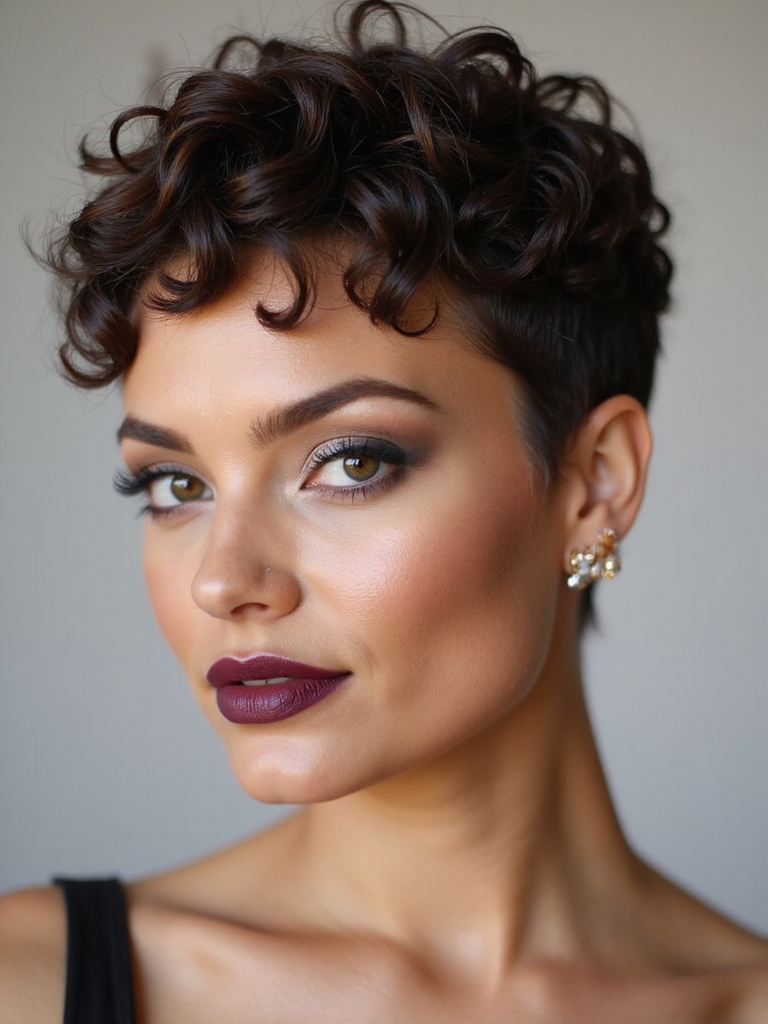
A defined-ringlet cut pushes for clear, springy spirals, with each coil clumped and defined on purpose. That deliberate clumping is what gives the short shape its most eye-catching texture.
Why Definition Fades by Midday
Definition comes almost entirely from product and drying technique, more so than the cut itself. A curl custard, scrunched through soaking-wet hair and left alone until it’s dry, produces the cleanest ringlet.
The one rule worth following here: hands off while it dries. Touch a clumped coil halfway through and the definition breaks, leaving frizz where a clean ringlet should be.
👍What a Defined-Ringlet Cut Gives You
- +Crisp, camera-ready texture that reads as intentional, not just curly
- +Shows off a tighter coil pattern at its fullest
- +A short length that still looks detailed instead of plain
👎What It Asks in Return
- –A completely hands-off drying process. Touch it too soon and the clumps break
- –More sensitive to humidity than a looser, tousled crop
- –A slower morning on wash days, even though the daily styling is simple
An Asymmetrical Line Through the Curl
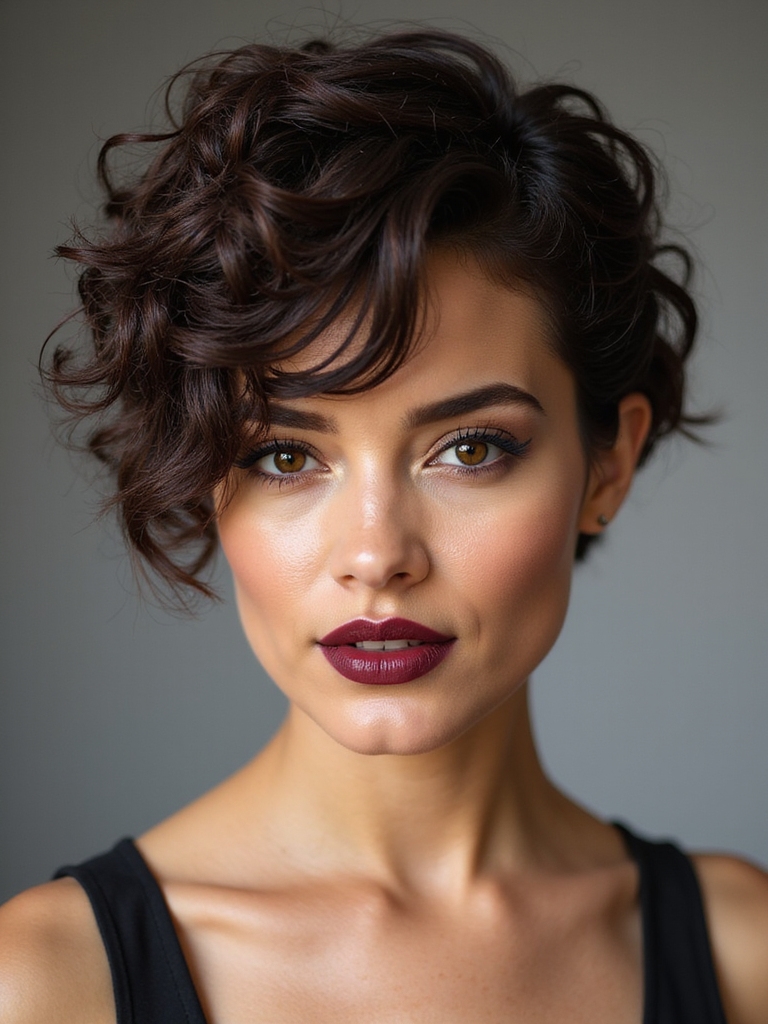
An asymmetrical crop leaves one side noticeably longer and fuller, sweeping the coils into a bold diagonal line across the crown. The off-balance shape plus natural curl movement gives the whole thing a deliberate, modern edge.
It’s a statement cut for someone ready for a little more edge than a straightforward pixie cut offers, and it’s forgiving of growth, since the longer side simply gets longer.
- Wear the longer side full and let it fall across the cheek for more drama.
- Deepen the part on the shorter side when you want a sharper contrast.
- Curl cream on the longer side keeps the defined coils from separating into frizz.
A Micro Fringe Right at the Brow
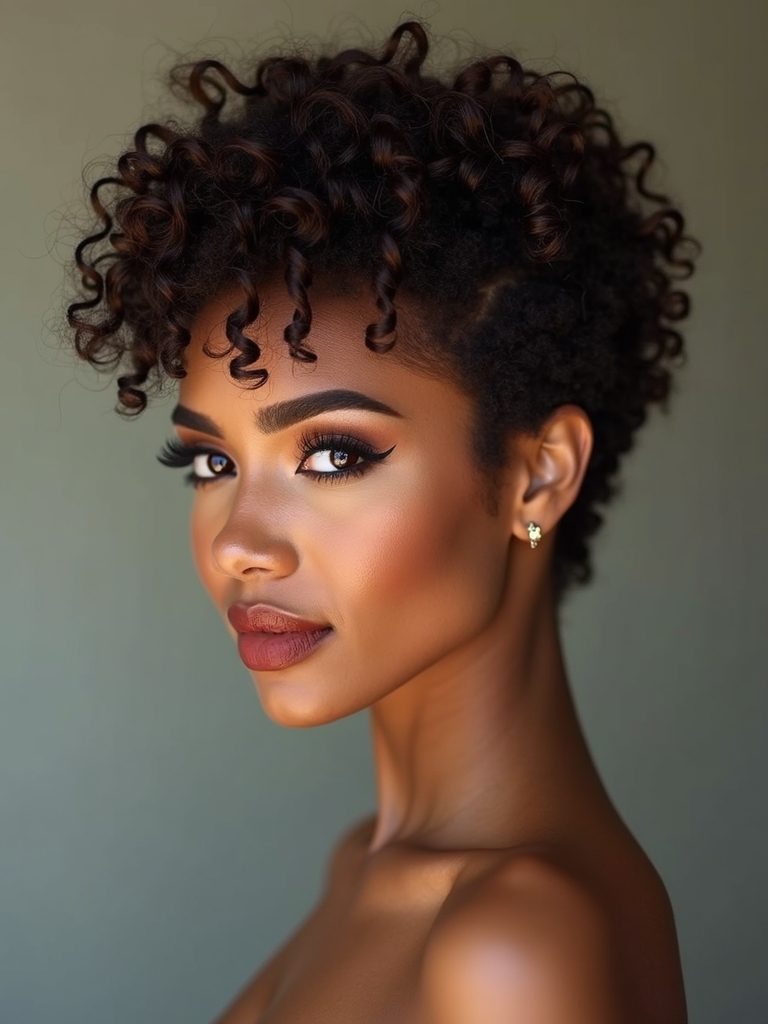
A micro fringe crops the front coils into a short, springy baby bang that sits high and frames the brow. It’s the boldest single detail you can add to a curly crop, and it changes the whole face far more than its size suggests.
- The fringe is cut dry, since curl pulls up once it finishes drying, and a wet cut would land too long.
- Expect the shrinkage to sit noticeably higher than it looked mid-cut. That’s normal, not a mistake.
- It grows into face-framing pieces well before it turns awkward, similar to the grow-out on a pixie cut with bangs.
Two ideas keep talking curly-pixie hopefuls out of the chair. Neither holds up.
❌ Myth: Short hair makes tight coils look thinner.
✅ Reality: Cutting the weight off is what lets tight coils spring up and read fuller. The length was dragging them flat, not adding volume.
❌ Myth: Wash-and-go only works on looser curl patterns.
✅ Reality: Tighter coils wash-and-go just as well with the right product and a diffuser. The technique changes, not whether it’s possible.
The No-Styling Wash-and-Go Version
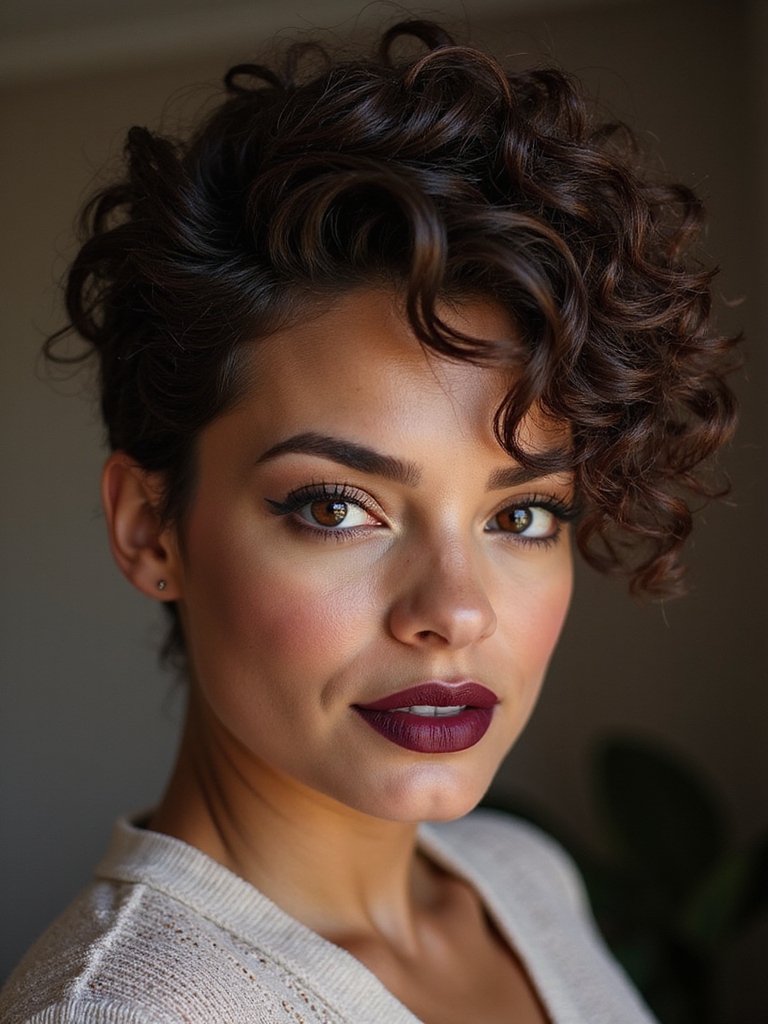
A wash-and-go pixie takes about five minutes from the shower to done, which is the entire appeal for anyone who doesn’t want a morning routine.
- Apply a curl cream or custard to soaking-wet hair before any air touches it.
- Scrunch upward, then let it dry on its own or diffuse on a low, cool setting.
- There’s no real styling step beyond that. The cut itself is what’s doing the work.
Coils Framing the Front of the Face
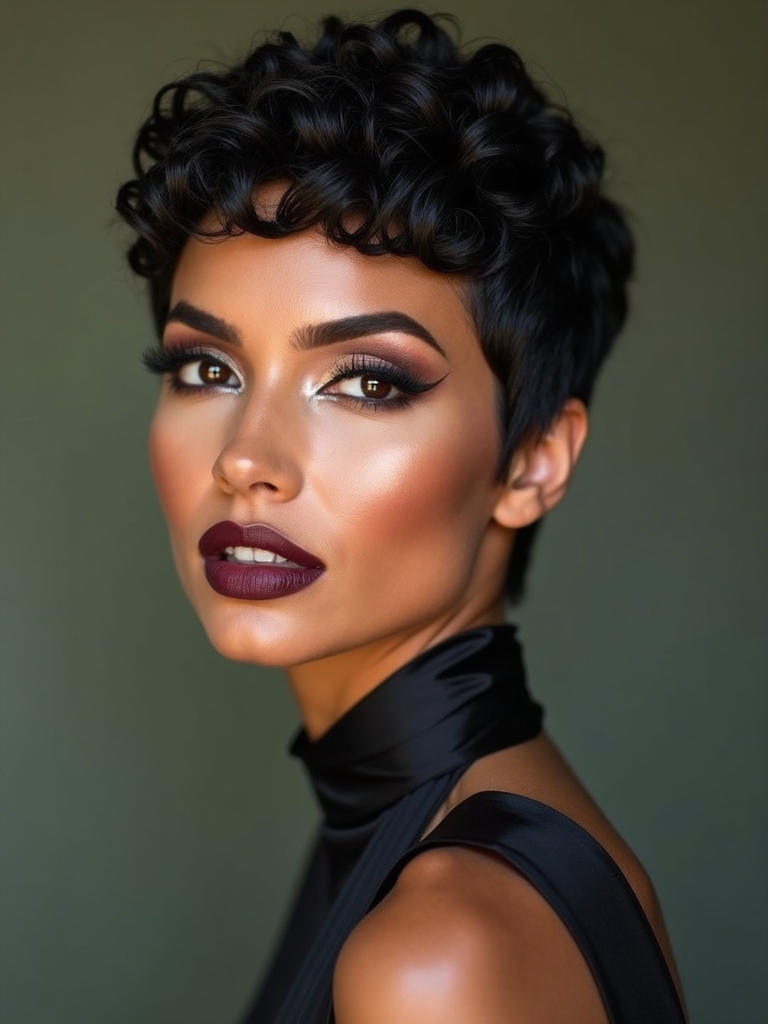
Face-framing coils shape the front curls to skim the cheekbones, softening the crop without changing much else about the cut. Nearly every face shape can wear this detail.
It’s a small addition that does a lot of work. The front pieces carry the softness while the rest of the crop stays clean and low-maintenance.
- Define the framing pieces with a small amount of cream, applied while everything is still damp.
- A deep side part pushes more coil toward the face for extra softening.
- This detail works whether the overall crop is tapered, shaggy, or sculpted.
More Lift for Fine, Loose Curl
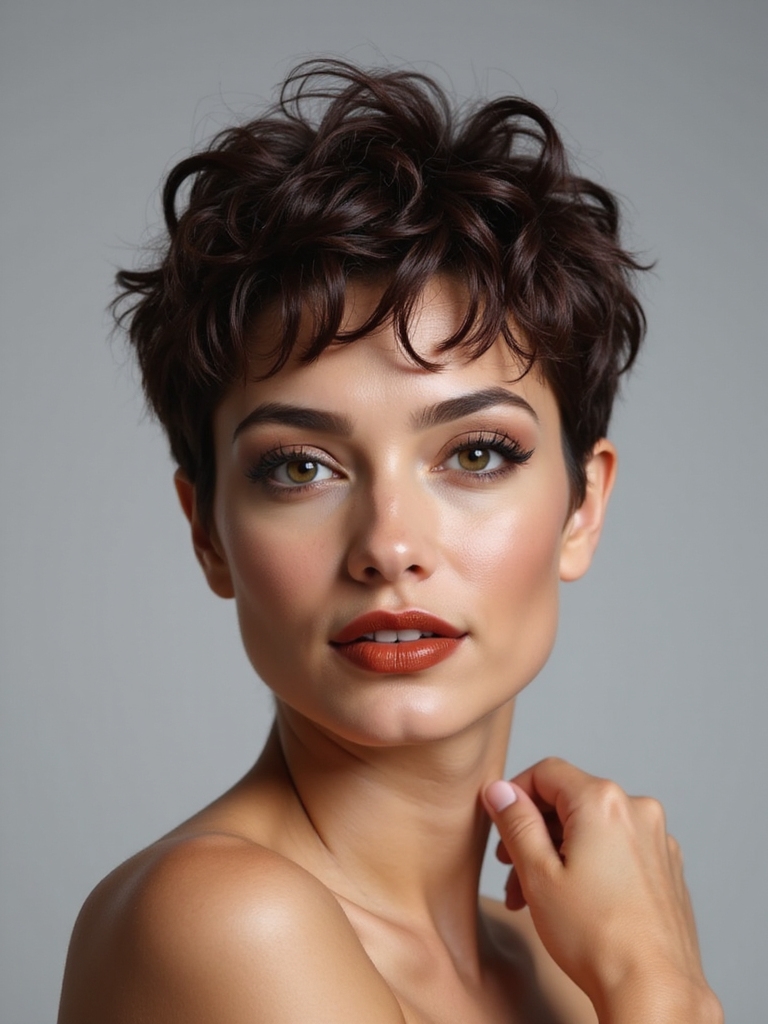
Fine, loose curl tends to do better short than long, which surprises people who assume more length means more volume. Removing the weight that drags loose curl flat lets it lift and spring, so a fine-haired crop can look fuller than the same hair worn long.
- A light cream defines without adding the weight that flattens fine curl.
- Diffusing at the roots is where the volume actually builds, more than at the ends.
- Skipping heavy oils matters more here than on thicker, tighter coils.
A Rounded Crown Built for Tight Coils
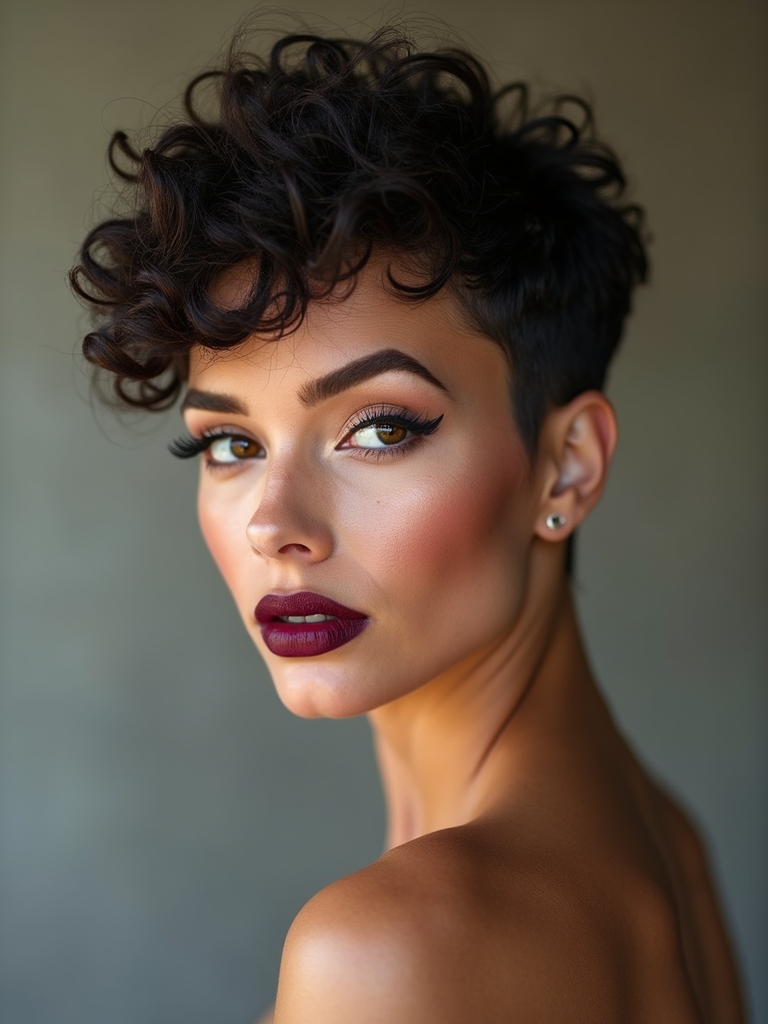
Tight coils lose close to half their stretched length once they finish drying, which is exactly why a crop built for this texture looks fuller than it measures on the comb.
This is the cut that shows off a tighter coil pattern at its fullest, and it depends entirely on being shaped dry. Cut it wet and the crop finishes shorter and more uneven than planned, since nobody can see the true spring until it’s dry.
Watching that play out on a client who insisted on a wet cut is what turns a skeptic into a believer in dry-cutting coily hair. The shape she left with wasn’t close to the one she asked for.
A Defined Part That Adds Structure
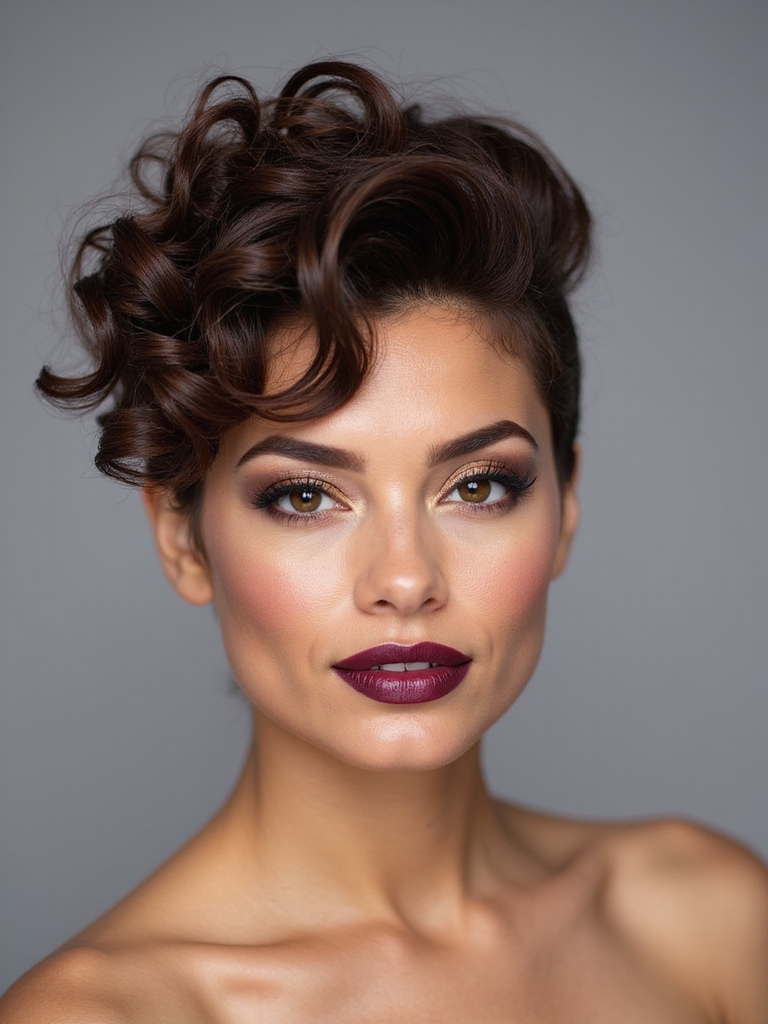
A crisp part organizes the coils and adds lift to one side, turning a grown-out, undefined crop into something clean and deliberate again.
It’s the simplest way to reshape a curly pixie on a slow morning, using nothing but what’s already in the bathroom. It also works well on the way toward a short pixie hairstyles look if you’re deciding how much longer to keep the top.
- Set the part with the end of a comb while the hair is still slightly damp.
- Lift the fuller side at the root for a little extra height.
- No heat and no fresh styling product needed. Just the comb and your fingers.
Common Mistakes to Avoid
The most common mistake is a wet cut. Curl shrinks as it dries, so a stylist working on wet hair is guessing at where the coil will actually land. On a crop this short, that guess gets expensive fast, since there’s no length left to hide it in.
The second mistake is styling like straight hair got cut short: heavy oils, brushing through dry curl, skipping moisture because it’s just short now. Coily and curly texture runs drier the shorter it gets, and skipping a specialist shape-up to save a little now usually shows up later, once the ends start looking rough between visits.
Curly Pixie Questions Worth Asking Before You Book
?Why does my curly pixie look shorter than what I actually asked for?
Shrinkage. Tight and curly coils can pull up to half their stretched length once they’re fully dry, so a length that looked right mid-cut often measures shorter the next morning. A stylist who cuts dry accounts for this before the scissors ever touch the hair.
?Can a curly pixie work on fine, loose curl, or only tight coils?
Both. Fine, loose curl actually benefits from going short, since removing the weight lets it lift and spring back to life. Tighter coils show off more volume at this length, and the cut adjusts to either pattern.
?How do I know when it’s time for another shape-up?
Judge it by the edges. Once the tapered or sculpted line along the sides starts to blur and lose its crispness, that’s the real signal, for most people somewhere around the one-month mark and sooner for tighter coils, since they grow up more than they grow out.
?Can I switch between a wash-and-go and a more defined, diffused look with the same cut?
Yes. The same curly pixie can dry loose and wash-and-go one day and get scrunched with custard and diffused for more definition the next. The difference comes entirely from the product and drying method used that day.
Let the Curl Lead the Cut
A curly pixie takes its shape from whatever your coils actually do once they’re dry: loose or tight, springy or clumped. Any of the fifteen versions above can work on the same head, but the one that actually holds is the one cut for your real curl pattern.
If you’ve been told your curl is too much for short hair, that’s usually a sign of the wrong stylist, not the wrong texture. Take a clear photo of the shape you’re drawn to a specialist who works with coily and curly hair every week, and let the cut do what it’s supposed to do. Still on the fence about committing? A grown-out pixie shows what the in-between stages actually look like.
More to Browse