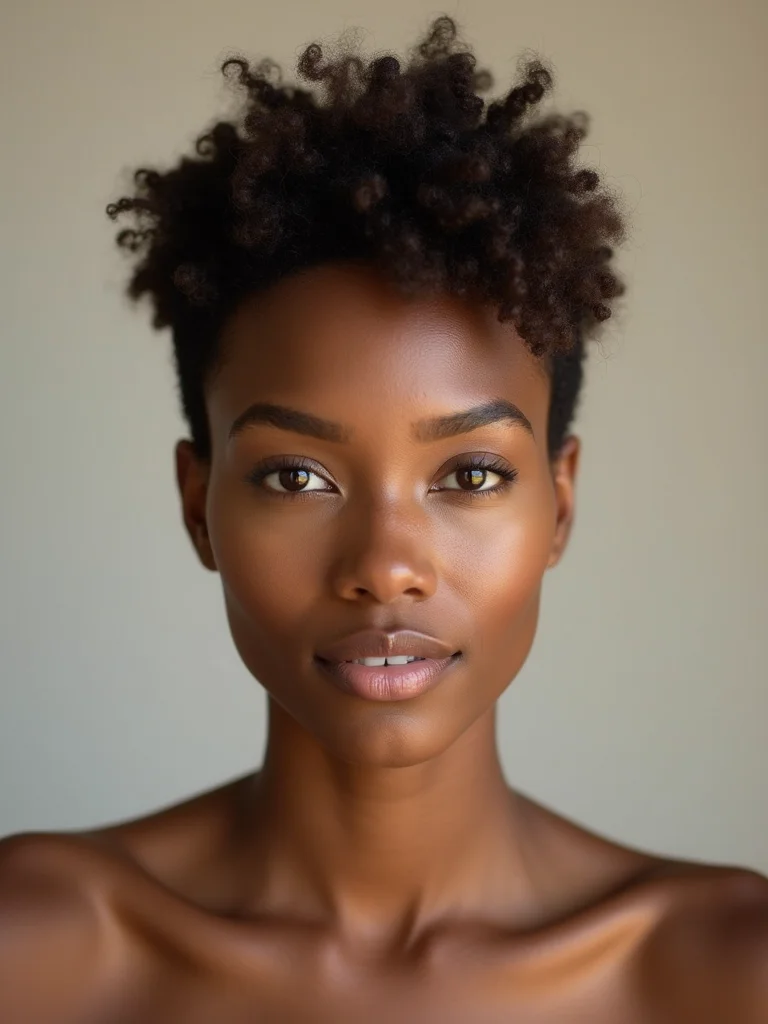
The curl springs back the second it dries, and that is the whole challenge of a wolf cut on short curly hair. Cut it wet and you lose two inches of bounce you never planned for. I read every curl dry before I shape it, because shrinkage decides where the shag layers land and where the nape should sit.
Done right, this cut gives you lift at the crown, a tapered edge that respects your curl pattern, and shape that grows out without turning into a shapeless mess. Below are fifteen ways I tailor it, from tight coils to loose waves, with the upkeep and the missteps worth dodging.
Match the Wolf to Your Curl
| Curl type | Best short wolf take | Upkeep rhythm |
|---|---|---|
| Tight coils (4a-4c) | Micro wolf, cropped nape | Dust and shape every 8-10 weeks |
| Loose waves (2a-2b) | Soft wavy wolf with curtain bangs | Trim every 10-12 weeks |
| Fine curls | Airy crown layers, root lift | Refresh roots between washes |
| Thick, dense curls | Diffused volume wolf, internal debulk | Shape-up every 9-10 weeks |
Tousled Layered Curls With Crown Lift

The tousled layered version is where most people start, and lately it is the one I cut most. Short, stacked crown layers sit over softer, longer edges so the shape moves when you turn your head. That contrast is what builds real shape and swing.
Styling stays simple. Scrunch a coin of lightweight mousse into soaking-wet hair, then diffuse on low with your head tilted, cupping curls toward the roots. A mist of sea-salt spray once it dries pulls the layers apart for separation without crunch.
This take suits medium-density 2c to 3a hair best. Very fine hair can fall flat by afternoon, and very thick hair needs more internal debulking than the basic shag. A wolf cut for curly hair like this wants a dusting every eight to ten weeks to keep the ends buoyant.

Micro Wolf Cut for Tight Coils
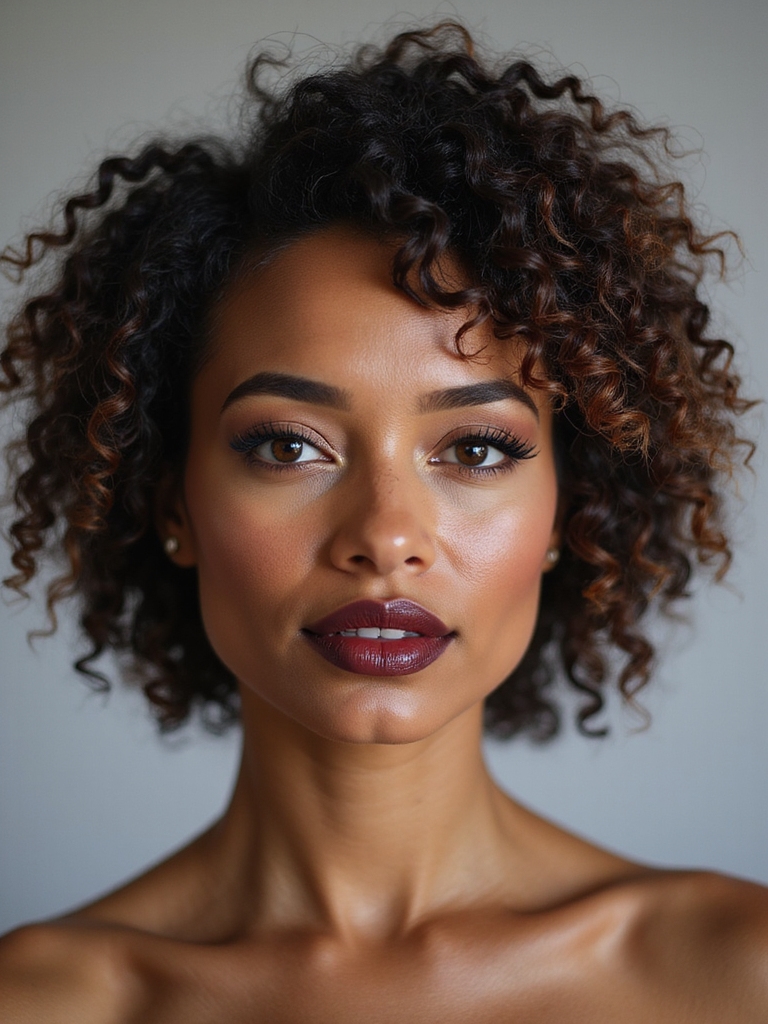
Tight coils carry shape beautifully in a cropped wolf, and the micro version leans all the way in. I keep the crown short and layered, then taper the nape close so the silhouette stays narrow and clean at the sides. What I tell every first-timer with 4a to 4c hair is that this cut is read and shaped dry, in its natural coil, with the shrinkage built in. That shrinkage is the whole map.
Product stays light so the coils keep their spring. A pea of curl cream, a little gel over the top, and a pick at the root for height is the entire routine.
- Ask for dry shaping so your stylist works with real coil spring, not stretched length
- Keep length off the nape so the shape does not widen at the sides
- A satin bonnet at night preserves the cut between wash days
“Before you book, snap a photo of your hair fully dry and unstyled, not freshly defined. That undone state is the canvas I actually cut on, and it tells me where your curl springs and how much length the nape can take.”
Soft Wavy Wolf With Face-Framing Pieces
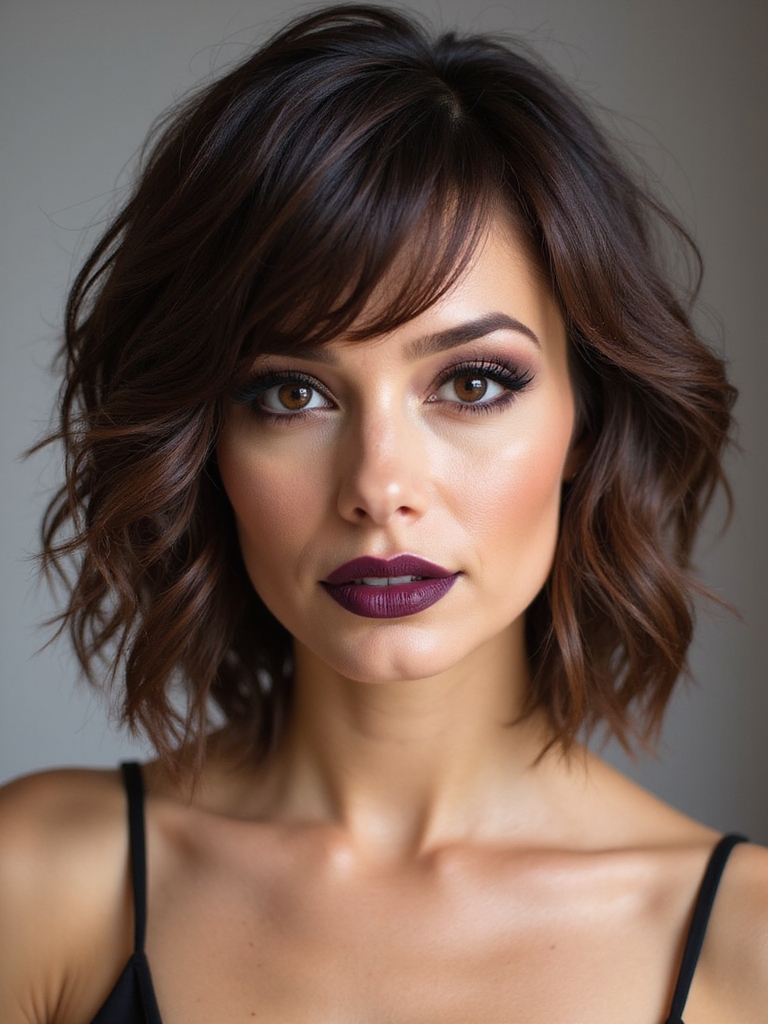
Looser 2a to 2b waves get a gentler version of the cut. Instead of tight cropped layers, I shape longer cheek-skimming pieces and airy crown layers so the wave can swing and skim. The face-framing tendrils are the part people fall for, since they soften a strong jaw or a high forehead.
A razor finish on the ends keeps wavy hair from looking blunt and heavy. I follow with a light mousse and a low diffuser pass, or a simple air-dry if you want a softer, less defined look.
Waves this length grow out kindly, which makes the soft wolf an easy first step if you are nervous about going short. Compare it with a fuller wavy wolf cut before you decide how much length to keep.
Choppy Pixie-Wolf Hybrid
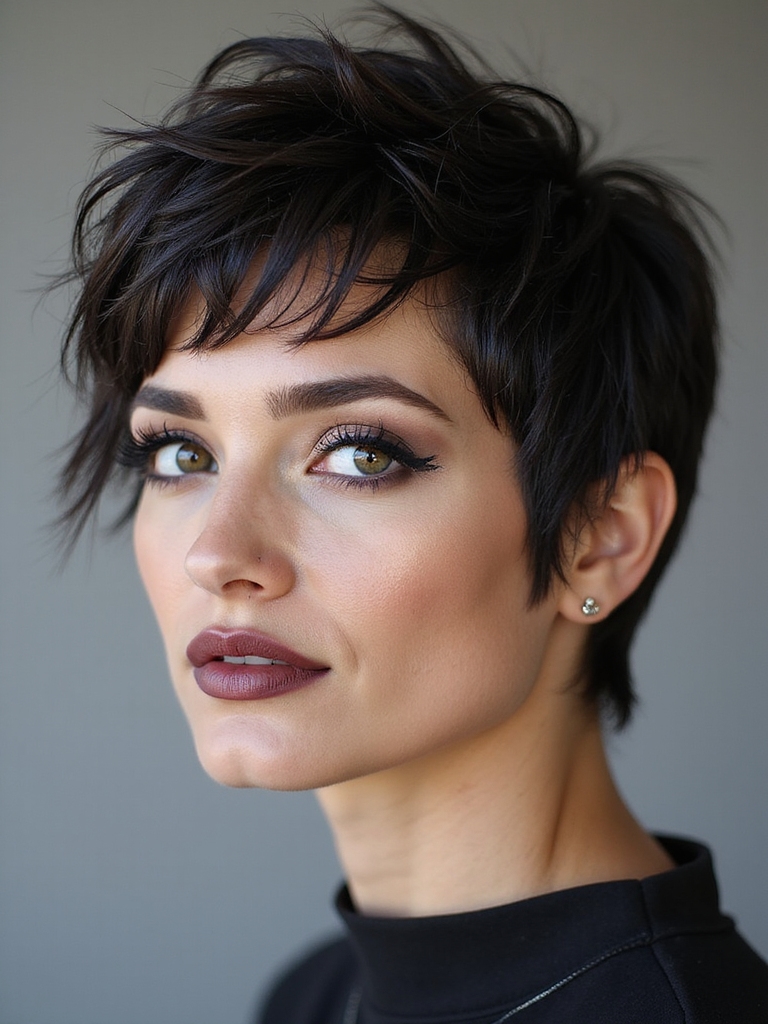
When you want short and bold in one move, the choppy pixie-wolf hybrid delivers. It keeps tousled texture up top with cleaner control underneath, and a micro-fringe can open the face and put the spotlight on your cheekbones. This is the most committed cut on the list, so walk in sure about it.
- Best on curl that holds its own shape, since there is little length to weigh it down
- Plan a shaping visit roughly every six weeks to keep the contrast crisp
- Reach for a matte paste for separation; it keeps the curl light
📋What to bring to your wolf cut consult
- ✓A dry, unstyled photo of your natural curl
- ✓Two reference cuts you like and one you do not
- ✓An honest note on how many minutes you will spend styling each day
Airy Crown Lift for Fine Curls

Fine curls have the opposite problem from thick hair: not too much bulk, but too little lift. The mistake I correct most often here is over-layering, which thins the ends until the curl has nothing to spring from. A short wolf solves it by building height right at the root, where fine curl needs it most.
- Ask for airy crown layering and light root texturizing, and skip aggressive thinning at the ends
- Diffuse roots first, upside down, with a coin of mousse for volume that holds
- Finish with a micro-dust of volumizing powder at the crown to lock height
- Skip heavy oils and butters that drag fine curl flat
Shaggy Wolf With Curtain Bangs

Add curtain bangs and the shaggy wolf turns into the cut everyone screenshots right now. The airy fringe parts down the middle and sweeps toward the cheekbones, which flatters most curl patterns because it breaks up width at the temples. I shape the fringe dry and a touch longer than you think you want, since curly bangs spring up as they dry.
- Warn your stylist how much your curl shrinks so they leave the fringe long enough to settle
- Refresh the bangs with a quick water spritz and a finger-coil on day two
- A short wolf cut with bangs looks softer than the blunt versions
🅰️Curtain Bangs
Soften the face and flatter most curl patterns, but need a dry trim every few weeks to stay shaped.
🅱️No Fringe
Lower upkeep and an easier grow-out, with all the focus on crown volume and face-framing length.
Tapered Sides, Textured Top

Want something sharper than the curtain-bang softness? The tapered-sides, textured-top wolf trades swing for edge. I keep the sides lean with clipper-sculpted edges, then load the crown with airy curl volume and movement.
How to keep the taper from growing fuzzy
It elongates a rounder face and controls side bulk while still reading a little rebellious. I style it with a matte paste, a root-lift spray, and one quick diffuser pass so the top stays full while the sides stay clean.
Because the sides are clippered, this version needs the most frequent upkeep on the list. Plan a tidy-up every three to four weeks if you want the taper to stay crisp.
Defined Ringlets in a Short Wolf
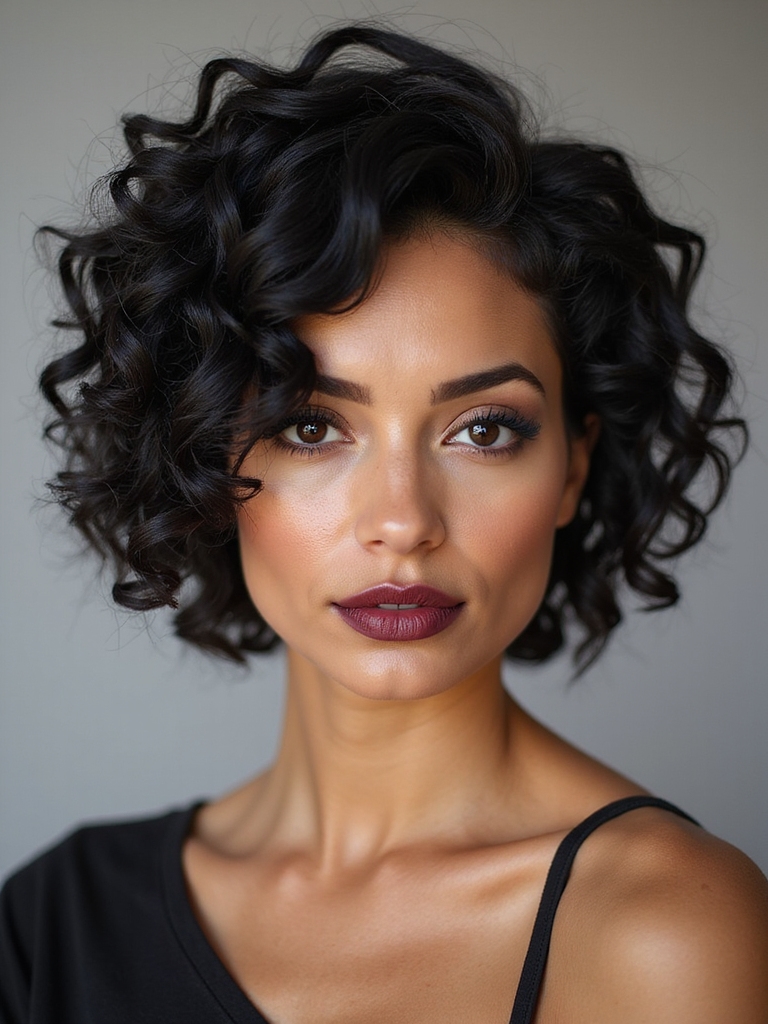
Ringlets need shaping that lets each spiral separate. For 3a to 3b curls I cut soft, graduated layers that lighten the very ends so the curl springs and stacks into separate spirals. I map the curl clumps first, then cut on the curl, following each spiral as I go.
The styling that makes ringlets pop is a gel cast. Rake a curl cream through drenched curls, smooth a light gel over the top, then leave it completely alone until it dries hard. Scrunch out the crunch with a drop of oil and the cast breaks into glossy, defined spirals.
Protect the perimeter with regular micro-dustings so the shag-meets-mullet shape stays sharp. A curly-hair wolf cut built for ringlets rewards patience on wash day.
💡Pro tip
If your curl shrinks more than two inches when it dries, say so before the first cut. Most shapeless wolf cuts come from cutting curly hair wet and underestimating that spring.
Asymmetrical Sculpted Short Wolf

An asymmetrical short wolf is the move when you want edge without much fuss. I tilt the volume to one side and carve lighter layers on the other, letting the curls stack into a directional, sculpted shape. It is intentional imbalance, editorial but still wearable, and it frames cheekbones the way a good side part does.
- Works on most curl patterns, since the shape comes from the cut, not the curl
- Style it fast by diffusing the heavier side with more lift
- Tell your stylist which side you part on so the weight falls correctly
Bold Nape Under a Wolfy Crown

For real attitude, pair a clean nape with a fuller wolfy crown. A soft undercut at the nape ventilates bulk and makes the curls on top look taller and denser by contrast. This is the high-impact end of the curly wolf family.
I have watched an undercut surprise a client whose curl was looser than she thought, so I always dry-test the nape first. Tight curl blends into the regrowth easily; looser waves can leave an awkward shelf as it grows out. A scissor-over-comb nape is the gentler middle ground.
One honest caution: keep tension off the hairline. If you wear the top in a tight pineapple every night, alternate with a loose satin scrunchie so the edges around an undercut are not pulled. Nape upkeep runs about once a month.
Diffused Volume Wolf for Thick Hair
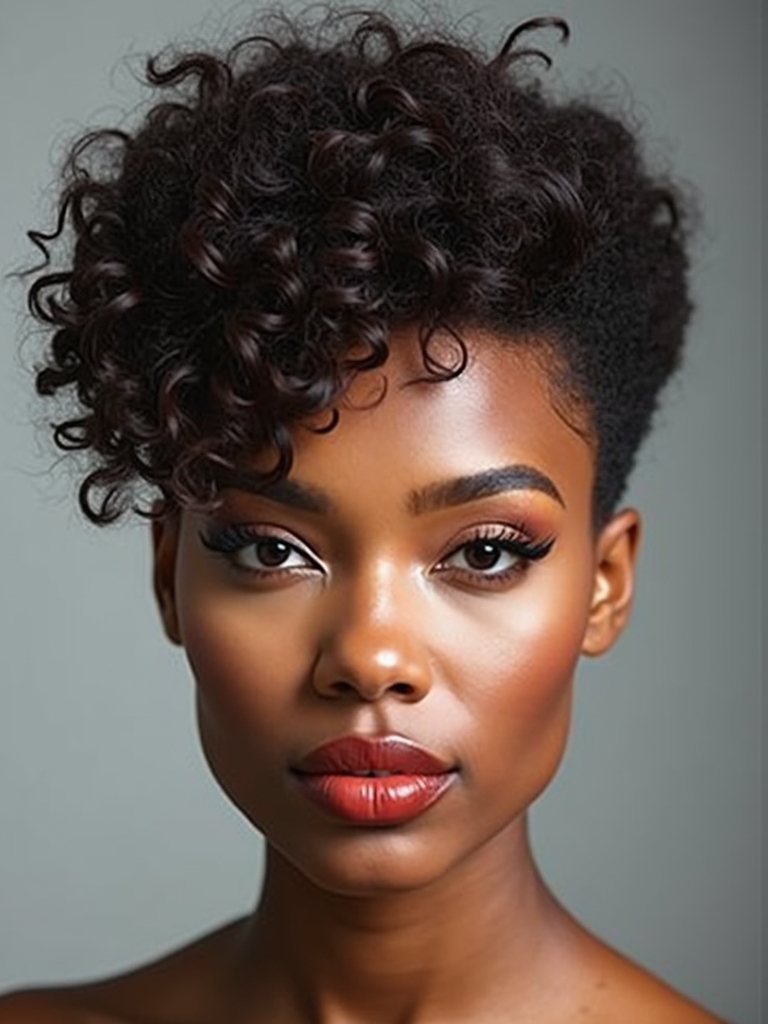
Thick, dense curls already carry volume; what they need is bulk released without losing the shaggy shape. The fix is graduated crown debulking and a textured perimeter so the cut breathes and falls close at the sides. Handled well, thick hair gets the most dramatic wolf of anyone.
- Ask for internal debulking at the crown, and avoid surface thinning that causes frizz halos
- Diffuse on low heat to lift without roughing up the cuticle
- Scrunch a lightweight curl foam plus a touch of cream for hold without weight
- Book a shape-up every nine to ten weeks, since thick hair regains bulk fast
Wet-Look Gel Cast Curls
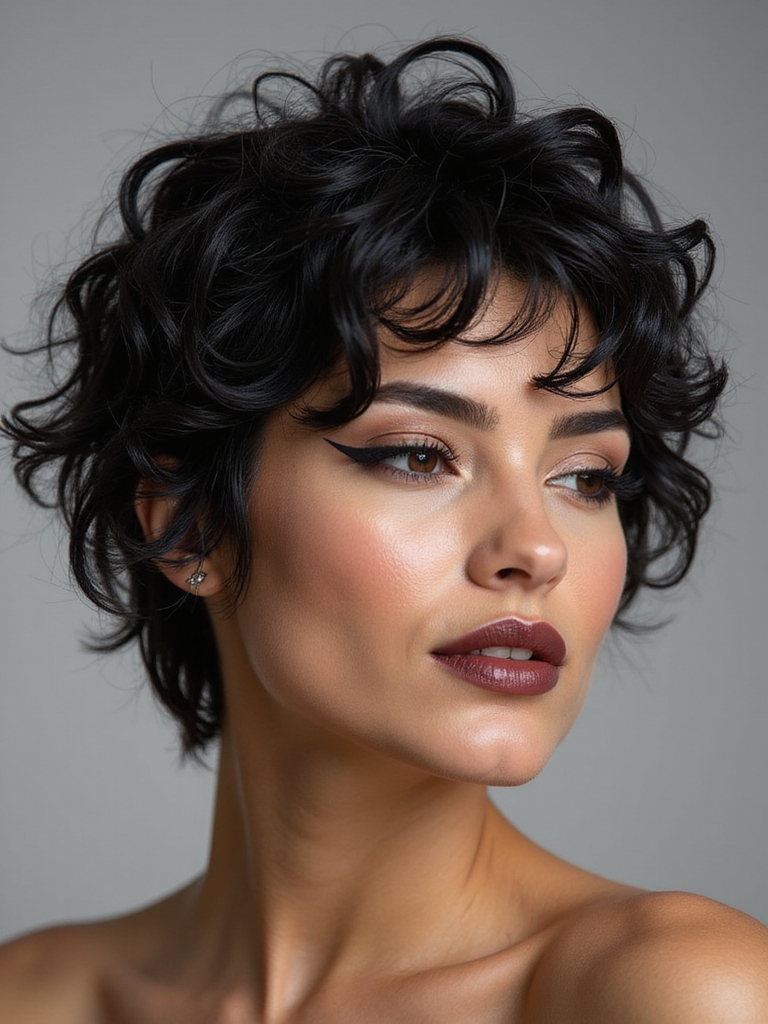
The wet look is less a cut than a styling choice, and it suits a short curly wolf especially well. Rake a nickel-sized scoop of curl-defining gel through soaking-wet hair, smooth the canopy, then scrunch upward for glossy separation. The shorter length keeps the wet finish looking sharp and glossy.
When the wet look works best
Hold comes from the cast. Once the gel is in, do not touch the hair until it sets fully hard, then either leave it glossy or scrunch the cast soft. You can diffuse on low for crown lift or air-dry for a sleeker, flatter sheen.
This finish photographs well and lasts a full day, but it is not a sleep-on-it style. Plan to redo it after one night or refresh with a water-and-gel spritz.
Low-Maintenance Textured Curl Wolf
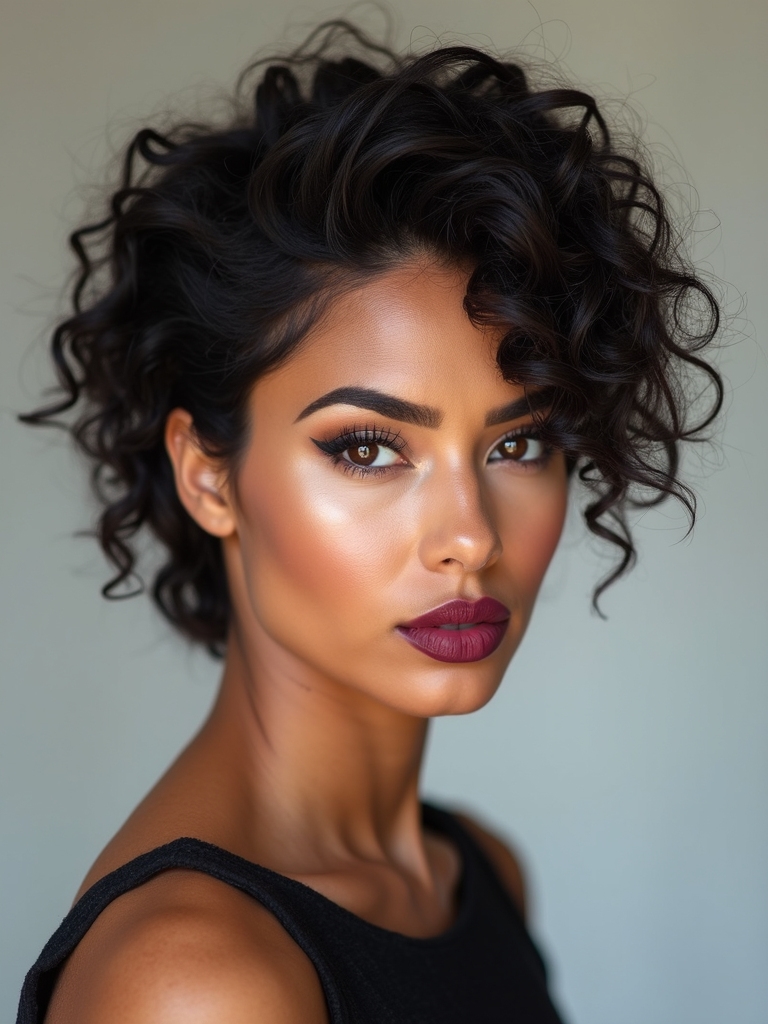
If mornings are chaos, the low-maintenance wolf is built for you. Airy layers and a cropped neckline mean your texture does the work, so a curl cream, a water spritz, and a quick scrunch get you out the door. There is no blow-dry step at all.
A two-minute morning refresh
The mindset matters as much as the cut. I coach busy clients to let a little frizz pass as natural movement, because chasing a perfect curl every single day is what burns people out on curly hair. Pineapple at night, refresh in the morning, done.
Keep the routine cheap and simple: a glycerin-friendly styler, a satin pillowcase, and a micro-trim roughly every two months. A soft wolf cut in this spirit is the easiest curly cut to live with.
Sun-Kissed Highlights Through the Layers
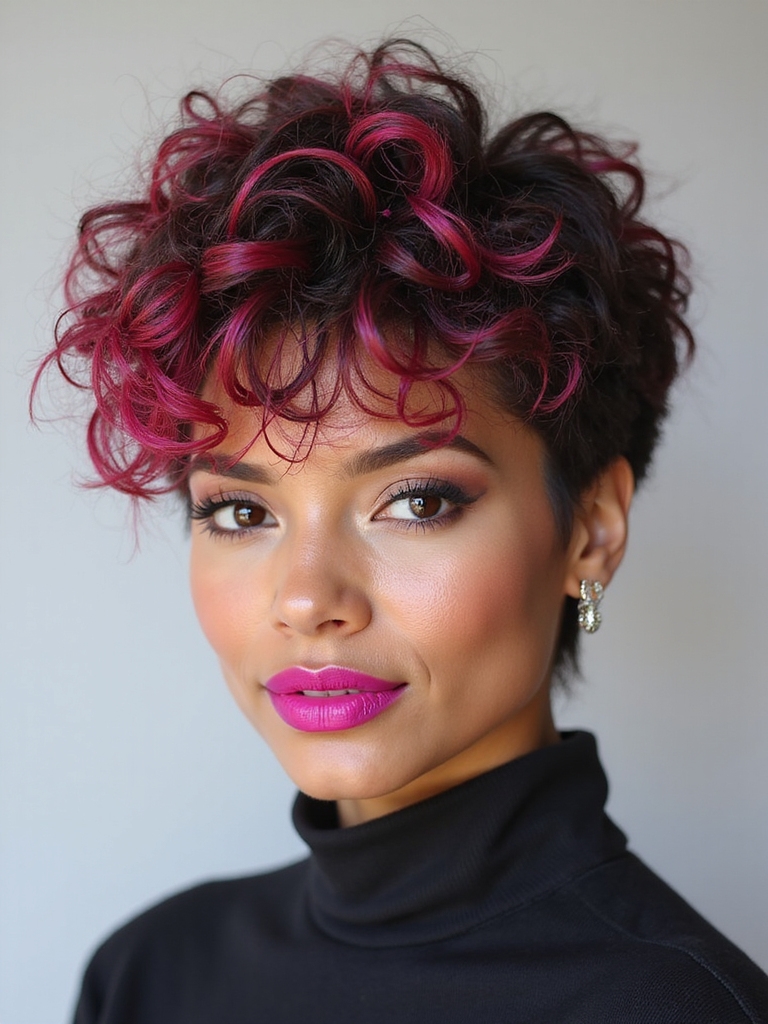
Color adds another layer of dimension to a curly wolf. I place lighter ribbons along the crown and the face frame to amplify the movement, then shadow the roots so the grow-out stays soft and the upkeep stays low. Strategic foiling avoids bulk and keeps the curl pattern intact.
Think warm honey, amber, or a soft champagne pop, matched to your own undertone for a custom finish. Highlights add roughly $120 to $250 on top of the cut, depending on how much you place.
- Ask for face-framing money pieces if you want the brightest payoff for the least damage
- Use a bond-building treatment, since lightened curls need extra moisture
- Glaze every few months to keep the tone from going brassy
Air-Dried Textured Curls That Last

You can skip heat entirely and still keep the shape sharp, as long as you set it right after wash day. I glaze damp curls with a light gel-cream, then micro-plop in a cotton tee for ten minutes to coax lift before the curl sets.
Air-dry inside a satin-lined scarf to cut frizz, then preserve it overnight by pineappling the layers up loosely. A heatless routine on a short wolf cut can hold its shape three to four days between washes.
- Apply product with praying hands, then scrunch upward to coax the curl
- Clip the roots while damp for lasting crown height
- Swap to a satin pillowcase to protect the cast every night
Pick the Curl, Then the Cut
The short curly wolf is not one haircut, it is a framework that bends to whatever curl you walk in with. Tight coils want a cropped micro shape, loose waves want longer face-framing pieces, fine curls want crown lift, and thick hair wants its bulk released. Start from your real, dry curl pattern and the right version almost picks itself.
If you have been curious, save the two or three looks here that match your hair and take a dry photo to your stylist. Ask them to cut on the curl, and you will walk out with shape that lasts instead of a cut you fight every morning.
Keep Reading