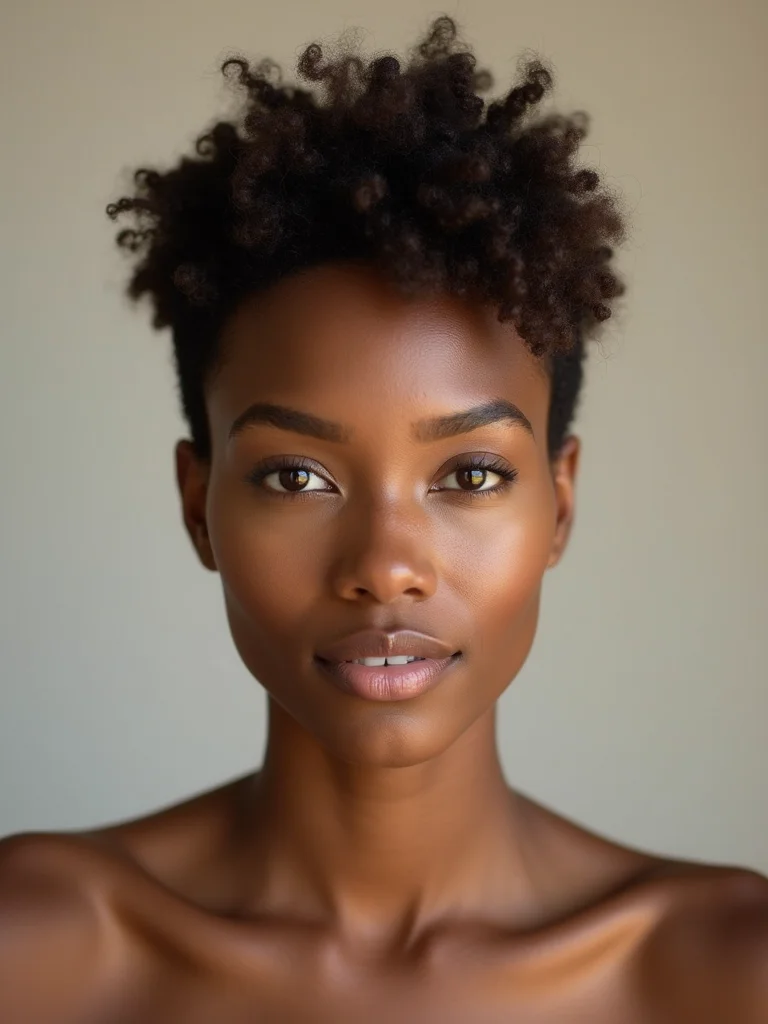
Most haircuts make you choose. Volume or movement. Polish or edge. A wash-and-go you can ignore, or a real shape you have to tend. The shag refuses to pick a side, and that stubborn flexibility is why it keeps showing up on my appointment book year after year. Shag hairstyles layer short pieces over longer ones so the whole head moves, holds its shape, and feels modern.
Below are sixteen versions worth knowing, from a blunt-edged choppy bob to a soft razor-cut fringe, with honest notes on who each one flatters and what it costs to keep up. Some are five-minute cuts. Others ask for a real commitment at the salon. The price and upkeep numbers here are real, not guesses.
The Short Version
A shag works by removing weight, not length. Choppy internal layers let fine hair fake fullness and let thick hair shed bulk, while the face-framing pieces do most of the styling for you. The cut suits nearly every texture, though the layering has to be tailored to yours, which is the whole game.
Expect a trim every eight to ten weeks to keep the layers from blurring, and budget $60 to $150 for the cut depending on length and salon. Curly and coily hair should be cut dry; straight and wavy hair can go either way.
The Classic 70s Shag

The original shag is the one a hundred rock photographs made famous, and it still stands as the blueprint. Long curtain bangs melt into face-framing layers, the crown gets lift, and the ends stay feathery with a soft, tapered finish. This is the version most people picture when they ask for a shag.
Why it still works
What keeps it current is restraint. A modern shag uses softer layers and longer bangs so the shape grows out gracefully and skips the mushroom stage at week six. Ask for piece-y texture you can run your fingers through.
It is a forgiving starting point if you have never had layers, because the length stays familiar while the movement is new. Our 70s shag breakdown covers the variations in detail.

The Wolf Cut Shag

The wolf cut is the shag’s louder cousin, borrowing the mullet’s shorter crown and the shag’s heavy face-framing to make something deliberately undone. The top is cropped and spiky, the lengths stay long, and the contrast between them is the whole point.
It photographs well, which is why it spread so fast online, but it asks for confidence and a little daily styling. This one is for someone who wants their hair to make a statement every time they walk into a room.
- Best on straight to wavy hair, where the choppy crown holds its shape
- Style with a matte paste at the roots for grip and separation
- See the long version in our wolf cut guide
Not sure which shag length to start with? Match it to the styling time you actually have.
🎯Short shag
Five-minute styling, but a quick reshape every six weeks to hold the shape.
🎯Long shag
More forgiving grow-out and versatility, though the layers need product to show.
The Choppy Bob Shag

Take a shag and stop it at the jaw and you get the choppy bob, the cut I point most nervous clients to when they want a change but panic at the word short. The layers give it real movement, and the cropped length makes the texture pop.
It flatters most face shapes because the face-framing pieces soften a strong jaw and add angle to a round face. The honest trade-off is upkeep: a chin-length shape loses its line fast, so plan on a six-to-eight-week trim cycle.
Long Layered Shag With Face Framing

If you want to keep your length, a long shag adds movement without the chop. The layers start around the cheekbones and cascade down, so the hair still falls long in back while the front does the framing.
Keep it from going flat
This is the lowest-commitment shag here, because it grows out as soft layers with no awkward stage. I cut a lot of these for women growing out a fringe or a shorter style they regretted.
The catch is that fine hair can lose the effect by afternoon. Skip the two-minute rough-dry and those long layers flatten, taking all the movement with them.
I have talked more women into a shag through the choppy bob than any other length. It feels like a big leap in the mirror but behaves like the cut they already know.
Curly Shag for Natural Texture

Curly hair and the shag were made for each other. The layers give coils room to spring and keep them from packing into a heavy triangle, and the shape honors the texture you already have. Cut dry, curl by curl, a curly shag turns frizz-prone length into defined, separated pieces.
The rule that matters most: have your curls cut dry, while they sit in their natural shape. Wet curls stretch long, and the layers land in the wrong place once they dry and bounce back up. Gentle handling at the chair keeps coils from snapping mid-cut.
- Refresh second-day curls with a quick water-and-leave-in mist
- Expect the dry cut to add 20 to 30 minutes and some cost to the visit
- A trim every ten to twelve weeks is plenty for most curls
Micro Shag With Baby Bangs

The micro shag shrinks everything down: a short, layered shape paired with high baby bangs that sit well above the brow. It is punky, French, and polished all at once, and it has quietly become the request I hear most from clients in their twenties who want something sharp without much length.
- Best on straight or fine hair, where the blunt micro fringe stays put
- The baby bangs need trimming every two weeks, so factor that in
- Soften it with a center part, or play it up with a deep side sweep
💡Stylist tip
Bring a photo of your hair air-dried, not styled. A curly shag is cut to the curl pattern you actually live with, so your stylist needs to see it in its real state.
The Shaggy Pixie-Mullet Hybrid

This is where the shag gets brave. A pixie-short crown meets a longer, shaggy nape, giving you a cut that is cropped up front and rebellious in back. It is the modern mullet, softened by shag layering so it lands as cool rather than costume.
It needs the right face and the right attitude. Strong features carry it best, and you will be back in the chair roughly monthly to keep that crown short. For low daily effort and high impact, little else competes.
Wavy Mid-Length Shag

Hitting between the chin and collarbone, the wavy mid-length shag is the everyday workhorse of this whole family. The length flatters almost everyone, and natural waves slot right into the layers without much help.
Run a texturizing spray through damp hair, scrunch, and let it air-dry for the kind of soft, undone wave the cut is built around. This is the version I would hand to anyone who wants a shag but cannot spare more than five minutes. Our shoulder-length shag breaks the length down further.
“The pixie-mullet hybrid is the boldest cut on this list and the one clients second-guess most. If you are nervous, start at a shoulder-length shag and work shorter over two appointments.”
Shag With Debulking Layers for Thick Hair

Thick hair often gets treated like a problem to thin out, but a shag puts the volume to work. Debulking layers strip weight from the interior so the hair moves, while the surface stays full.
What to avoid
Done well, this is the cut that finally makes thick hair feel easier to live with. Done badly, with a razor on every section, it frizzes and puffs. Technique matters more here than on any other texture.
Tell your stylist you want weight taken from underneath, not all over. That single instruction keeps the shape from expanding into a pyramid by midday.
Shag for Fine Hair Volume

Fine hair is where the shag quietly shines, and it is the case that surprises my clients most. Choppy layers trick the eye into seeing fullness by breaking the hair into separate pieces so it stops hanging as one flat sheet. The shorter, stacked sections at the crown do the real lifting.
- Keep the length shorter, around the shoulders, so the ends stay full
- Use a lightweight mousse at the root and skip heavy oils or creams
- A near-blunt baseline under the layers keeps fine ends from looking stringy
Shag With Shattered Ends

Shattered ends take the shag’s texture to its sharpest point. The ends are cut into irregular, piece-y points that look broken on purpose. It is edgy and a little punk.
How to style it
The effect is high-fashion but the upkeep is real. Those fine points wear down and need recutting often, so this is a look for someone who enjoys regular salon visits.
It pairs best with straight or slightly wavy hair, where each shattered piece stays visible and crisp.
Razor-Cut Shag for Airy Movement

A razor in skilled hands gives the shag its softest, most feathery finish, tapering each layer to a fine point so the hair floats with no blunt shelves. The movement is lighter and airier than scissors alone can manage, which is why it is the go-to for that windblown, barely-cut look.
- Only for healthy hair, since a razor can split dry or damaged ends
- Best on straight to wavy textures, rarely on tight curls
- Ask specifically for a razor finish; not every stylist offers it
Bold Bangs Shag

Bangs change everything about a shag, and a bold, full fringe is the fastest way to make the cut feel deliberate. Whether you go for a heavy curtain or a blunt brow-skimmer, the bang anchors all that layering around your eyes.
A fringe is also the highest-maintenance part of any shag. Budget for a bang trim roughly every other week, which most salons do for free between cuts. Skip it and the shape loses its focal point fast.
If you are fringe-curious but cautious, start with longer, parted curtain bangs you can tuck away. Our shag with bangs guide walks through the options.
Beachy Wave Shag

Styled with loose, beachy waves, the shag looks like you woke up already put-together, the layers and the soft waves working together for that undone texture. It is the most relaxed way to wear the cut.
A texturizing spray plays up the soft feel, and the shape holds the waves well thanks to all the built-in layering. This is summer-hair logic applied year-round, and it is the styling I default to on my own days off.
Shoulder-Grazing Shag With a Flip

Hitting right at the shoulders, this shag flips out at the ends for a playful, retro bounce. The length is flattering and easy, and the flip gives the layers a lively finish with a wink to the seventies.
Get the flip
It is a grown-up, versatile shag that swings from the office to the weekend with a change of styling. Wear it sleek with the flip for work, tousled and waved for the weekend.
The flip takes a round brush and a minute of effort, so it is a touch more hands-on than the air-dry versions above.
Color-Blocked Shag for Extra Edge

Adding blocks of contrasting color to a shag plays up the layers, the placement catching the choppy texture and giving the cut another dimension. Color and shape amplify each other here.
It is a bold, expressive option, best for anyone happy to keep up both a textured cut and a statement color. Let the cut lead: the color should follow the layers, so a good colorist places it to highlight the movement the shag already has.
Be ready for the commitment. Expect $120 to $250 for the color work and a root or tone refresh every eight weeks or so. Worn this way, the shag becomes a canvas for real personality.
How to Ask Your Stylist
Photos help, but words help more. Say choppy face-framing layers and curtain bangs I can grow out, because the word shag on its own means six different cuts to six different stylists. Point to where you want the shortest layer to hit your face.
Be honest about your routine. If you will not use a texturizing spray or a diffuser, say so, and your stylist will cut a shape that survives air-drying. Ask how often you will need a trim, because that number, usually a couple of months between visits, decides the real yearly cost of the cut.
Shag Questions, Answered
?How is a shag different from regular layers?
Regular layers mostly thin the ends. A shag layers the whole head, including short pieces at the crown and around the face. That interior layering is what creates the volume and movement a standard layered cut cannot.
?Will a shag make thin hair look thinner?
No, the opposite. Choppy layers create the illusion of density by breaking up the hair so it does not hang flat. The trade-off is that very fine hair needs a texturizing product to keep the ends from looking wispy.
?How much does a shag cost to maintain?
Budget $60 to $150 for the cut, plus a trim every eight to ten weeks. If you add color or a fringe refresh between cuts, factor in another visit. The day-to-day styling is cheap, mostly a texturizing spray.
Find the Shag That Fits Your Life
The shag earns its comeback by being adaptable. Whether you take it short and spiky or long and waved, the cut bends to your texture and your morning routine, and that is the rare quality that keeps it in style.
If one of these caught your eye, save the photo and book a consultation before you commit to a length. Talk through your hair’s density and how much time you really spend on it, and let the layers be built around your life, not a model’s.
Worth a Look