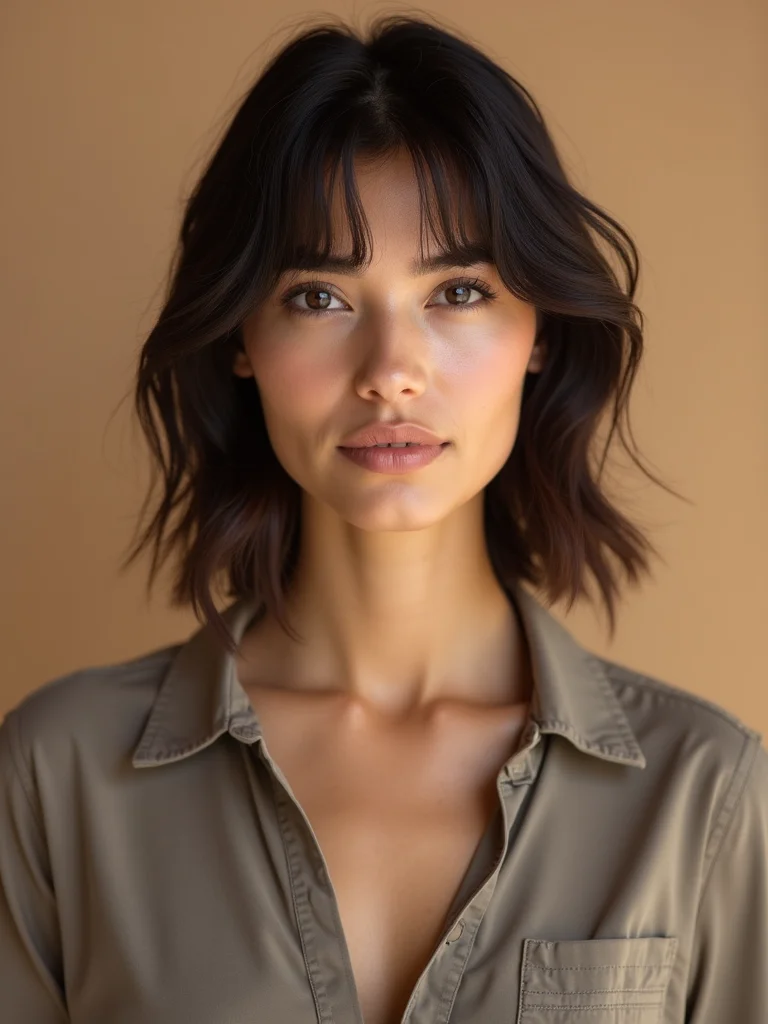
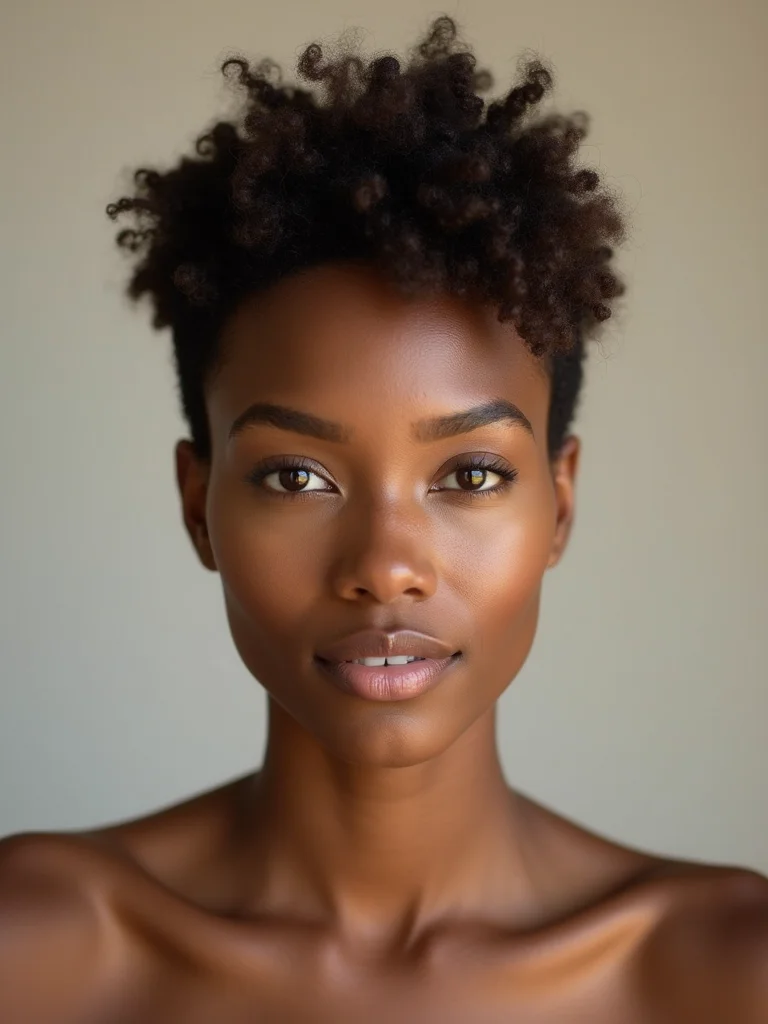
How short is too short? It’s the question everyone asks before committing to a bob, and the nineties answer is reassuring: not very. The 90s short bob, cropped somewhere between the ear and the chin, was the decade’s signature short cut, and it’s sharp, low-effort, and far more flattering than most people expect.
This guide runs through the short-bob shapes worth knowing, from the glossy blunt to the French crop to a sculpted curly version, then covers the practical side: matching one to your face, the color that suits it, and how to style, grow out, and maintain it. By the end you’ll know exactly which short bob to ask for and how to live with it.
Short Bob Lengths at a Glance
| Length | Where it hits | Best for |
|---|---|---|
| Chin-length | At the chin | The safest, most versatile start |
| Jaw micro bob | At the jawline | Bold, graphic, high-impact |
| French bob | Around the ear | Chic, fringe-friendly, retro |
The Versatile Chin-Length Bob
If you’re new to short hair, start here. A chin-length bob is the most forgiving short cut going, long enough to tuck behind an ear or feel familiar, short enough to read as a real change. It’s the gateway bob, and the one I point most first-timers toward.
The chin length flatters an unusually wide range of faces, since it sits right where the jaw softens. It works blunt or lightly layered, sleek or textured, which is why it’s the most adaptable length on this list.
- The safest length to try if you’ve never gone short.
- Flatters most faces, since it lands where the jaw softens.
- Wears blunt or layered, sleek or textured, with equal ease.
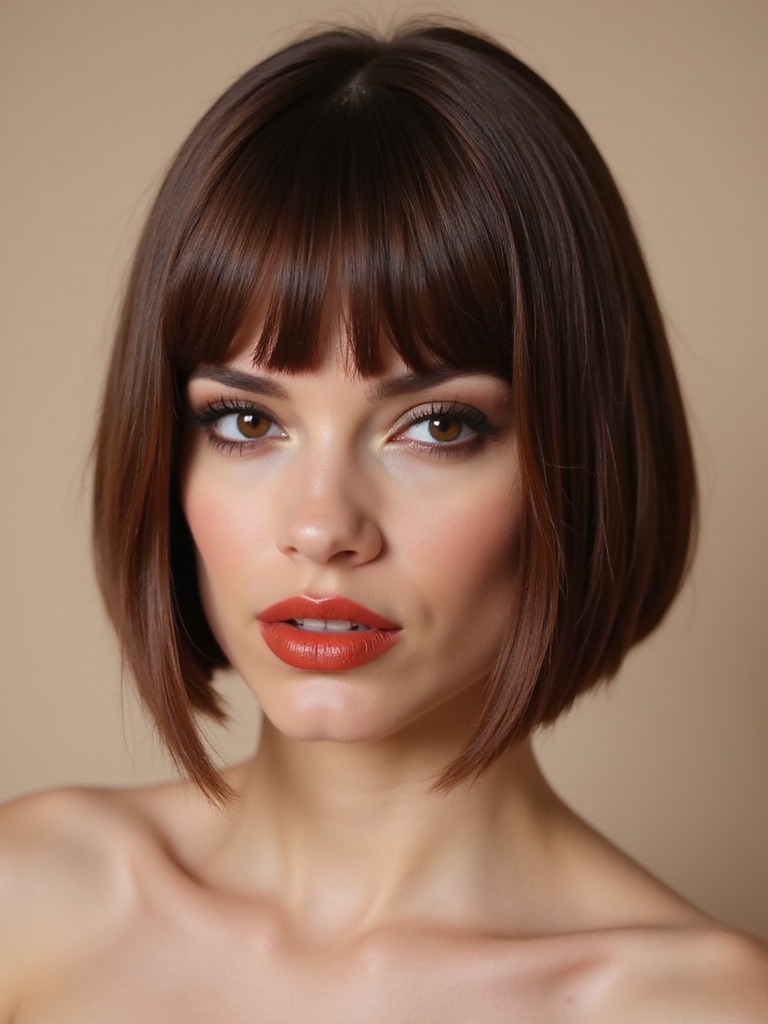
The Glossy Blunt Bob
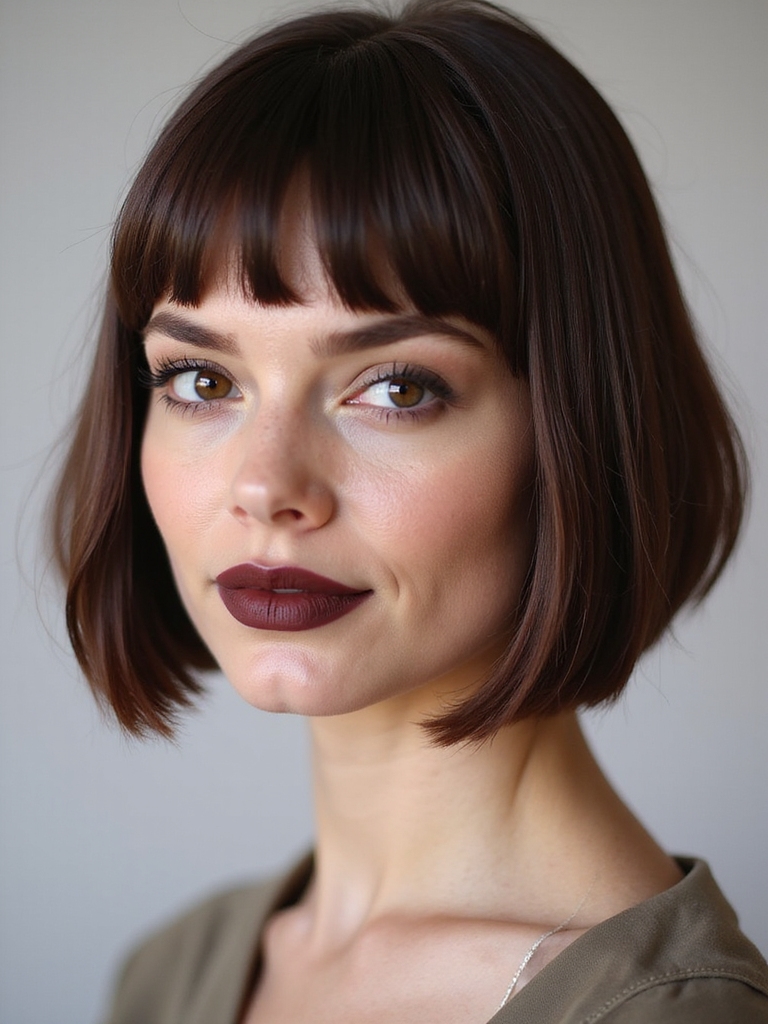
The sharpest short bob is a blunt one, cut in a single clean line and finished glossy-smooth. It’s the polished, put-together version, all precision and shine, and it makes fine hair look thick by keeping every strand at the same length. To wear it:
- Ask for a precise, blunt perimeter with no layers.
- Blow it smooth and add a drop of serum for the glossy finish.
- Keep up with trims, since a blunt line shows grow-out fast.
The Jaw-Skimming Micro Bob
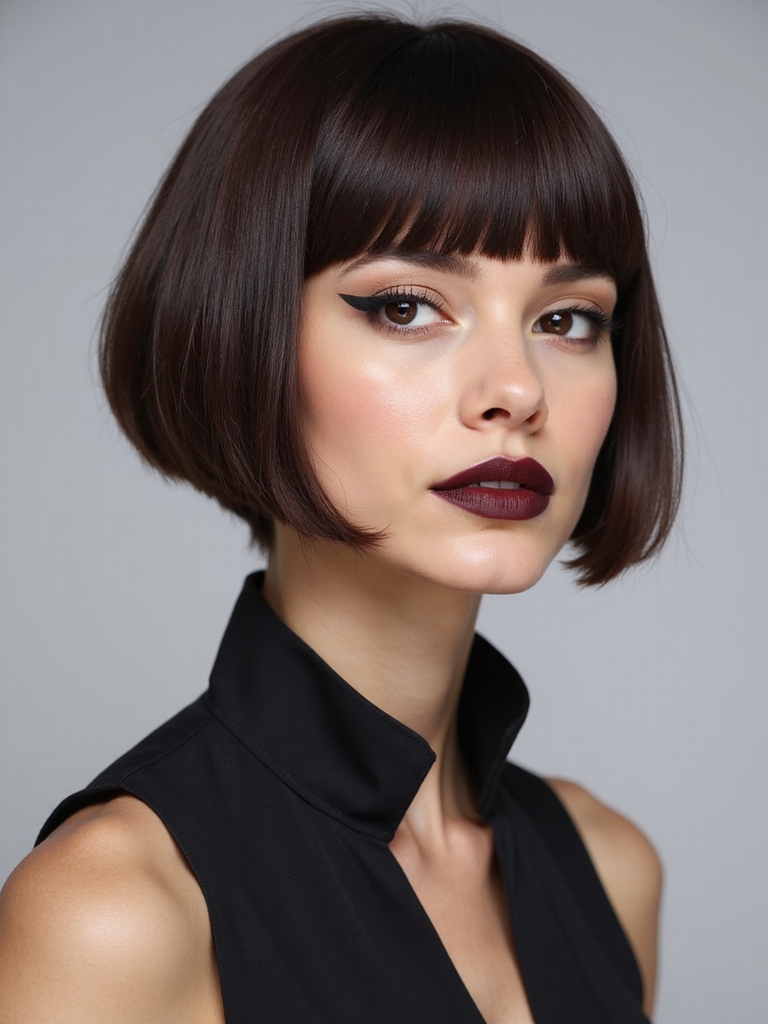
For maximum impact, the micro bob crops the length right up at the jaw, the boldest, most graphic short cut of the bunch. It’s short, sharp, and full of confidence, and it puts your whole face and neck on display.
Because it sits so high, it flatters slim necks and strong bone structure best, and fine hair especially, which reads thick and full at this length. It’s a commitment, though, since there’s no hiding behind length.
Style it sleek for a graphic edge or tuck the ends under for a softer take. Either way, it’s the short bob that turns the most heads, and the one that asks for the most nerve.
ℹ️The Short-Bob Payoff
Short bobs are secretly great for fine hair. Cutting the length off concentrates all the weight in one place, so thin hair instantly looks denser and fuller than it does long.
The Precision Sleek Bob
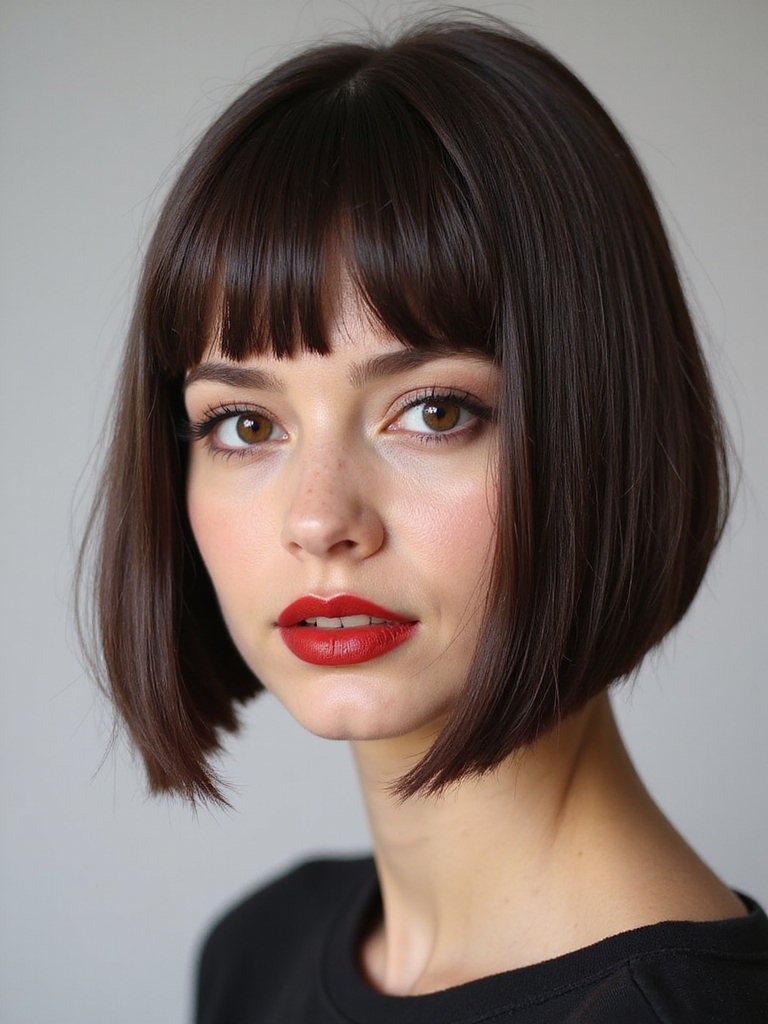
Where the blunt bob is about the line, the precision sleek bob is about the finish, pressed dead-straight and smooth so the whole shape looks crisp and architectural. It’s the most exacting version to keep up, but nothing looks sharper. What it takes:
- A precise cut, since a sleek finish hides nothing.
- A flat iron plus a smoothing serum for the pressed-straight surface.
- Best on healthy hair without heavy frizz or damage.
The Piecey, Textured Bob
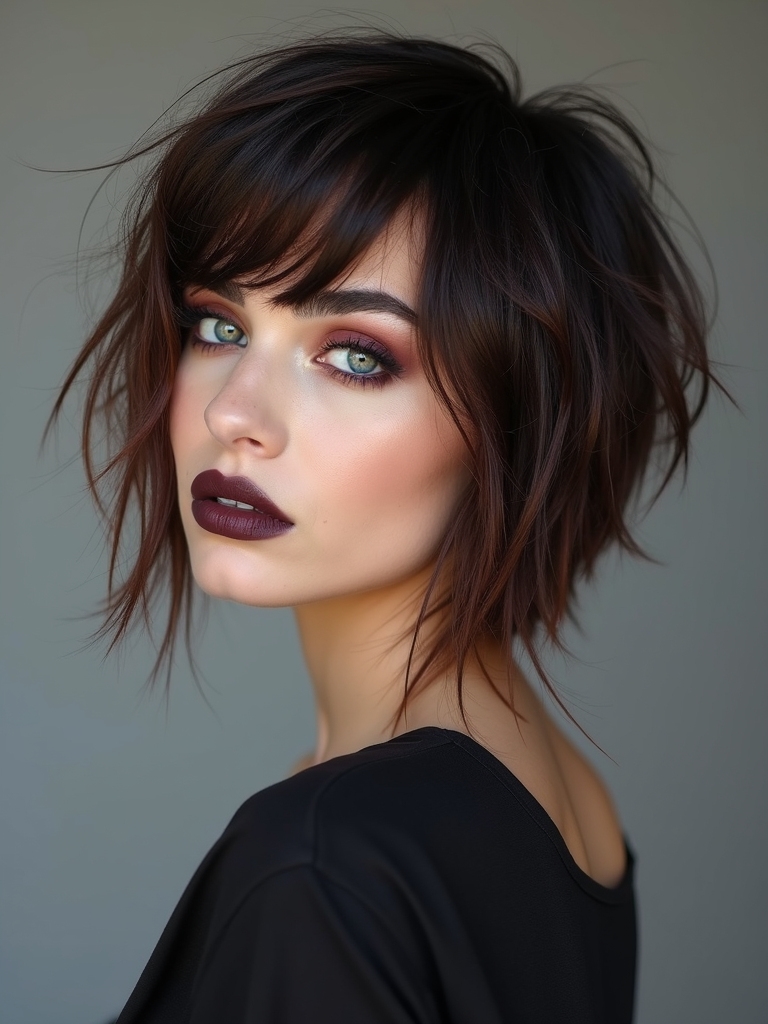
At the opposite end sits the piecey bob, all soft, worn-in texture with zero interest in polish. The ends are broken up and separated, so the whole thing looks undone and easy, the grungier, cool-girl short cut.
It’s the low-maintenance choice, forgiving on both styling and grow-out. A texture spray and your fingers are the entire routine, and a little mess only helps.
It suits anyone who finds a sharp blunt bob too severe, and it works on hair with natural texture especially well. Wavy hair barely needs any help to fall into the piecey, undone shape naturally.
The Mirror-Smooth Straight Bob
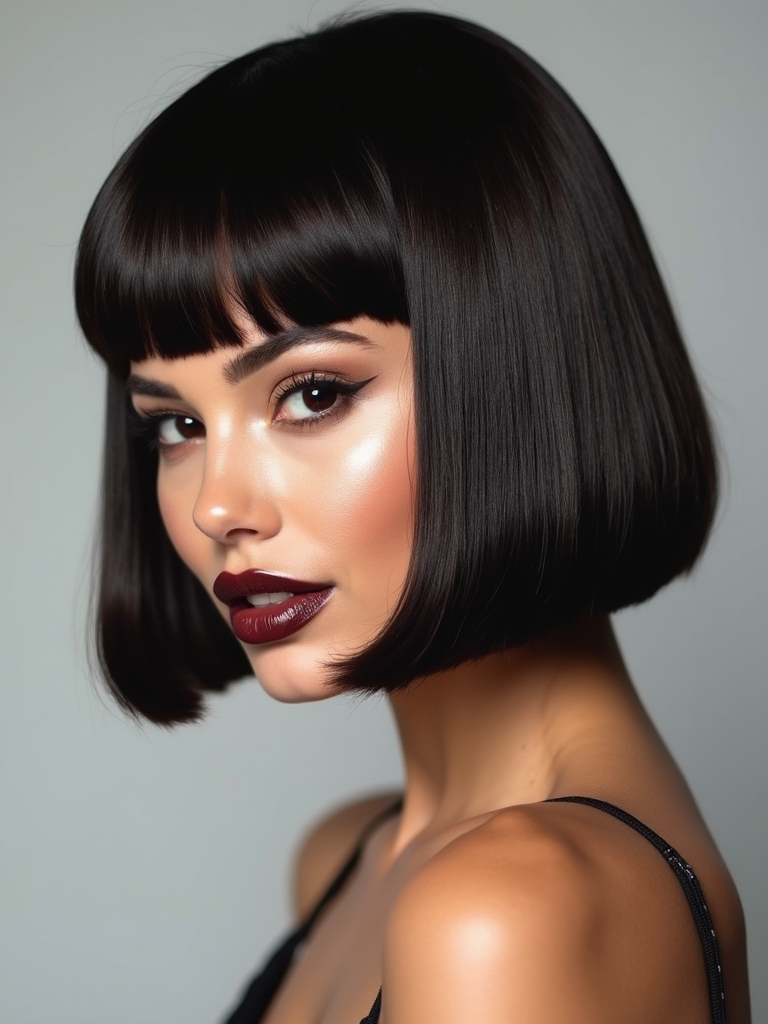
Take a short bob, press it poker-straight, and polish it to a high shine, and you get the mirror-smooth version, the most refined short cut of all. It’s the bob at its most elegant, all clean lines and reflective surface.
Keeping It Sleek
The shine is the whole effect, so it lives on smooth, healthy hair. A smoothing treatment before you style and a gloss serum after keep the surface reflective, and a flat-iron pass seals down any flyaways.
Upkeep is the price of admission: a mirror finish shows every bit of frizz and grow-out, so it asks for regular trims and a careful daily routine. If you love polish and don’t mind the maintenance, nothing else looks quite so sharp.
The Soft French Bob With Fringe
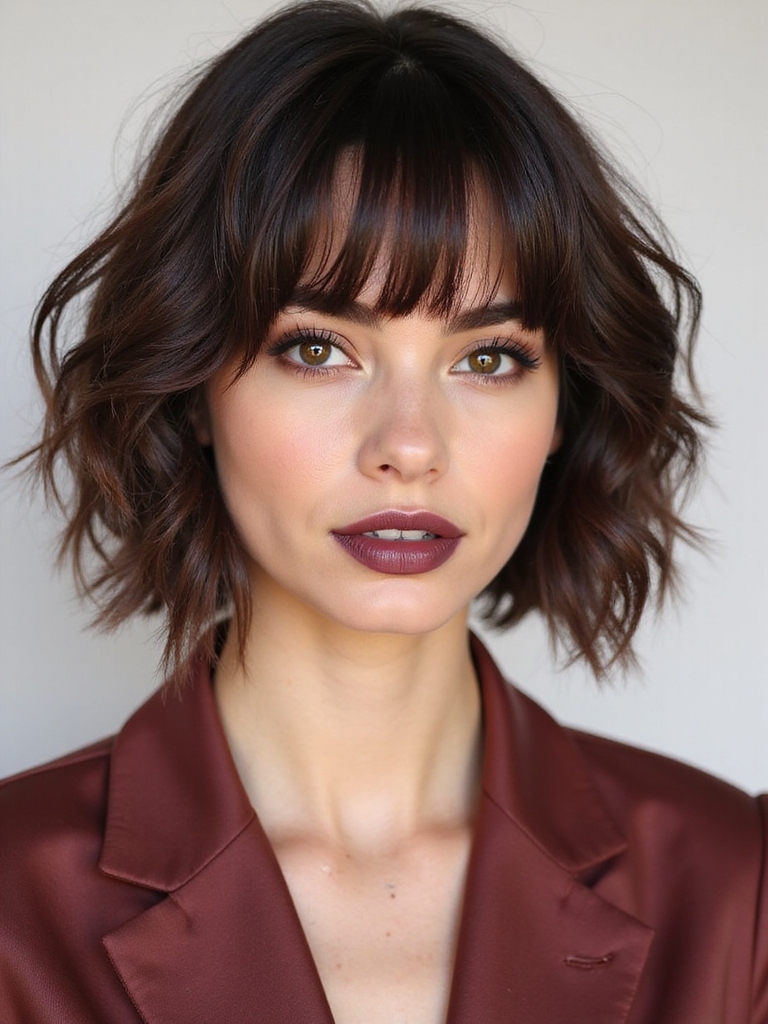
The French bob crops the length up around the ear and pairs it with a soft fringe, for a chic, undone look that feels straight off a Paris street. A French bob is shorter than a classic bob and always a little tousled, never too neat.
The fringe is central to the whole thing, usually a soft, wispy bang that frames the eyes. It’s a bold, fashion-forward crop, best on those who want a cut with real personality.
- Ear-length or just below, shorter than a classic bob.
- Always paired with a soft, wispy, or blunt fringe.
- Styled a little undone, never overly polished.
The Sculpted Curly Bob
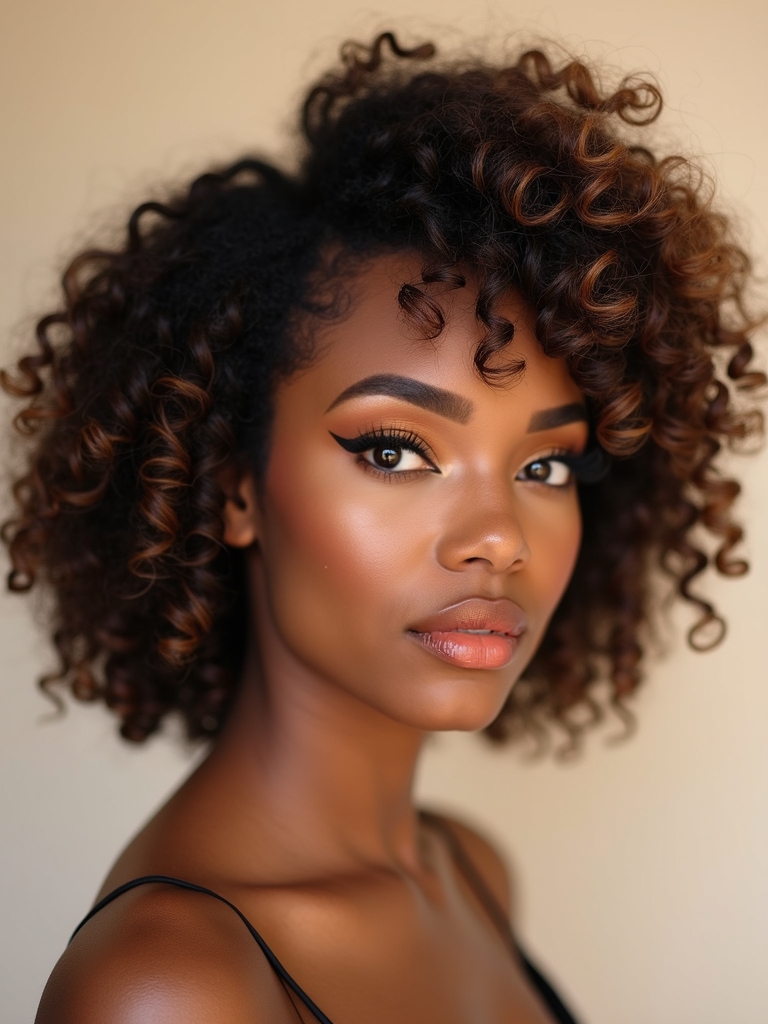
On curls and coils, a short bob sculpts into a rounded, springy shape that sits full at the jaw. Curls love it. A curly bob this short needs a cut shaped for the curl, done dry so the length lands where the coils actually spring to.
Get the shape right and it’s among the most striking short cuts there is, all volume and bounce. Cut it too short or on stretched curls, though, and shrinkage can take it far shorter than planned, so length and a curl specialist really matter here.
The Stacked Layered Bob
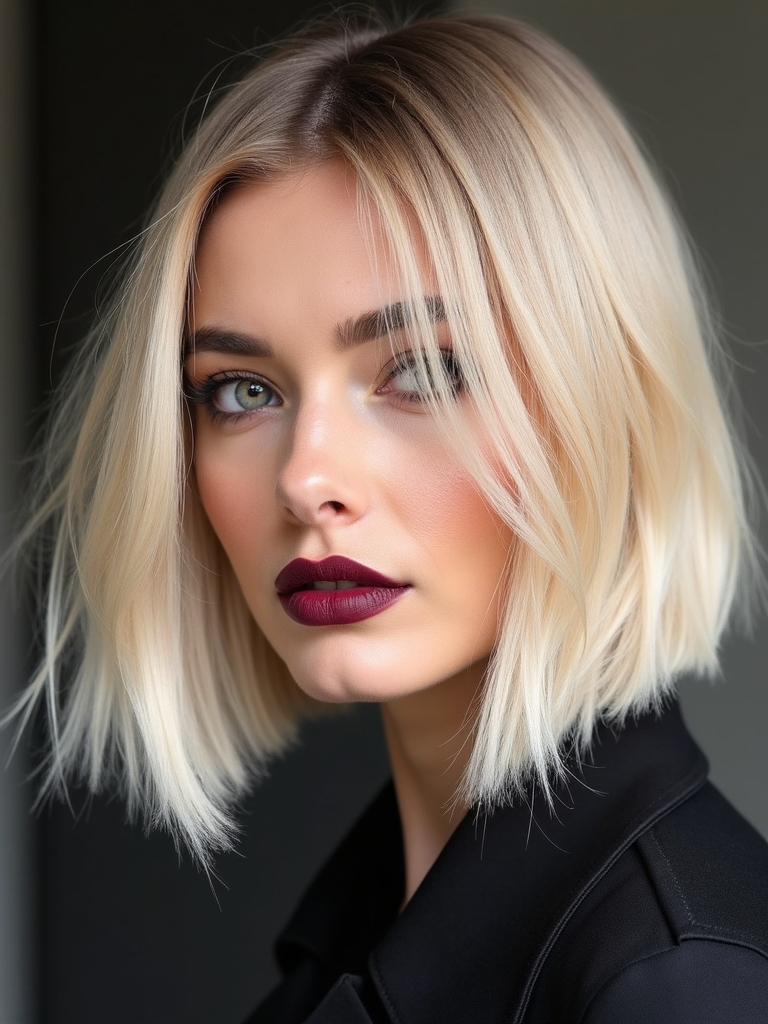
A stacked bob layers the back into short, graduated tiers that build height and round the shape, while the front stays longer. It’s the version with built-in volume, angling up from the nape so the back looks full and lifted.
Stacked vs Blunt
The stacking gives fine or flat hair the body it lacks, and the longer front keeps it flattering. A stacked bob is more of a styled shape than a wash-and-go one, so it suits people who like a little structure.
Where a blunt bob is one flat length, a stacked bob is all graduation and volume in the back. Pick stacked if you want lift and shape; pick blunt if you want a sharp, graphic line. Many people land in between, asking for just a soft graduation at the back, well short of a fully stacked shape.
| Shape | Volume | Best for |
|---|---|---|
| Blunt | Low, all in the line | Sharp, graphic looks |
| Stacked | High in the back | Fine or flat hair |
| Piecey | Soft and textured | Low-effort, undone styling |
Matching a Short Bob to Your Face
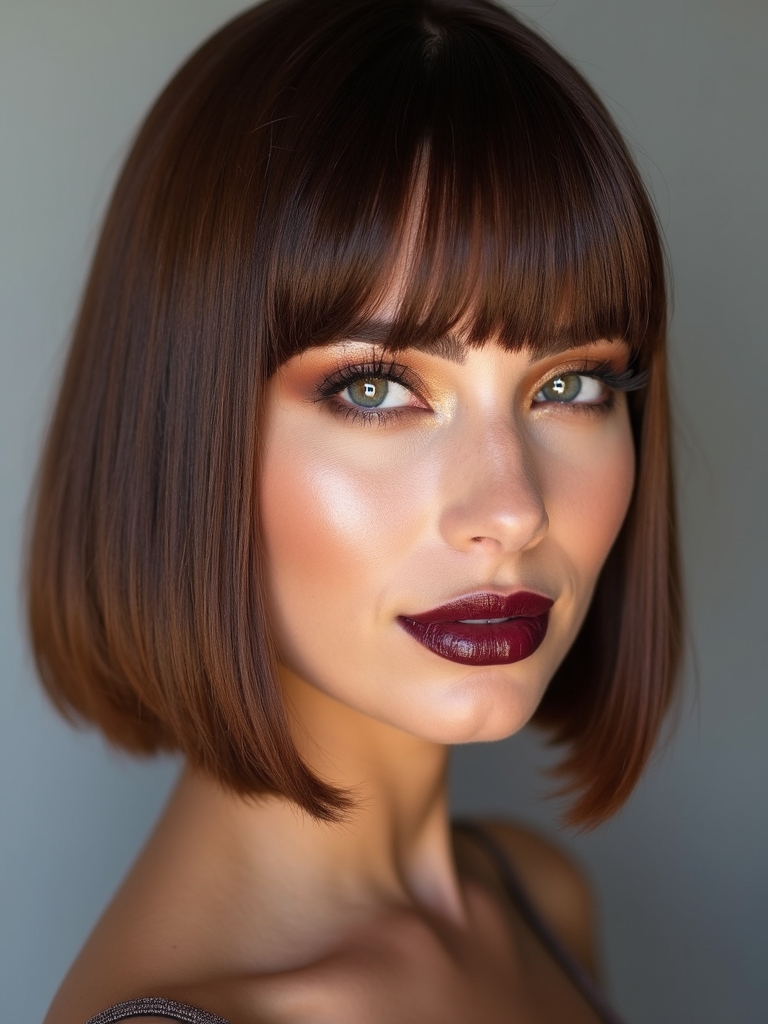
The secret to a flattering short bob is tailoring it to your face, and a good stylist does it with tiny adjustments to length and part. A short cut sits close to the face, so those details matter more than they do with long hair.
Small Tweaks, Big Difference
Round faces do best with a bob that hits just below the jaw and a side or off-center part, which adds length and angles. Long faces suit a chin-length bob with a fringe or soft layers, which fill in width and shorten the face.
Square faces soften with wave or a rounded, tucked shape; a blunt line right at the jaw only sharpens the angle further. Heart faces balance with a bob that’s slightly longer at the front. The takeaway: bring your face shape to the consultation, and let the length and part do the flattering.
Color for a Short Bob
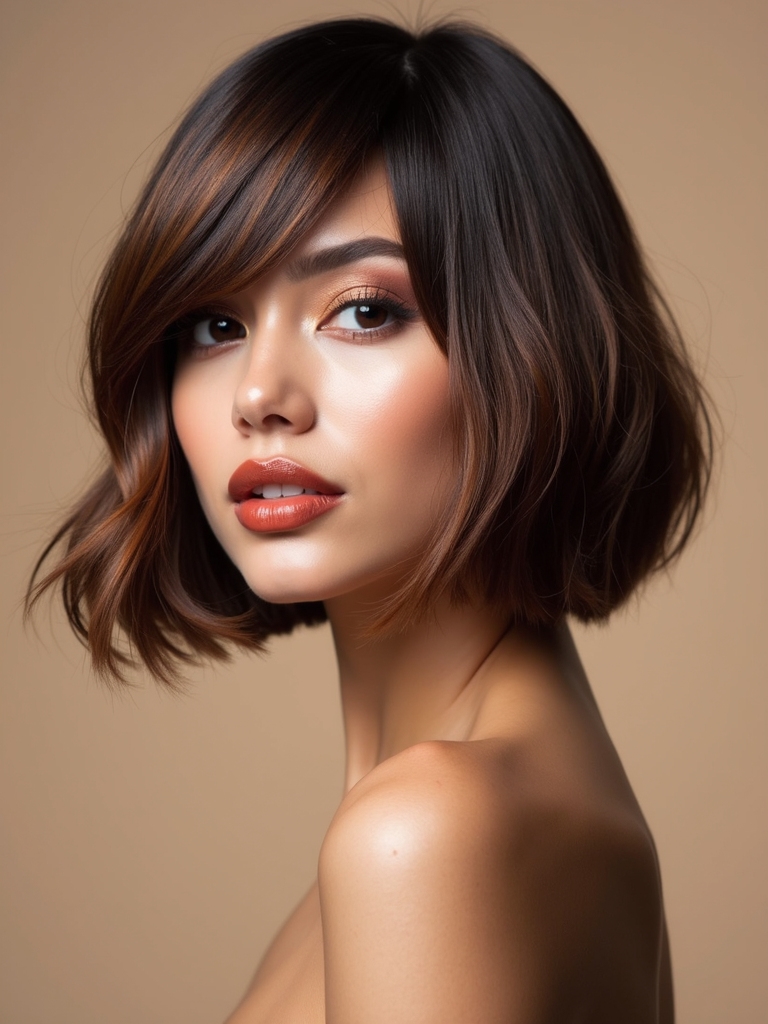
A short bob is a small canvas, which makes it perfect for color, since there’s less hair to treat and every shade shows. The nineties went two ways, bold chunky highlights or a single glossy tone, and both suit the cut. Your options:
- Chunky, face-framing highlights for the true retro effect.
- A single glossy brunette or black for sharp, high-shine polish.
- Either way, budget for upkeep, roughly $90 to $150 with the cut and a gloss.
💡A Color Shortcut
Because a short bob is so little hair, a glaze or gloss goes a long way and costs less than full color. It’s the cheapest way to keep a short bob looking shiny and expensive between bigger appointments.
Protecting a Short Bob From Heat
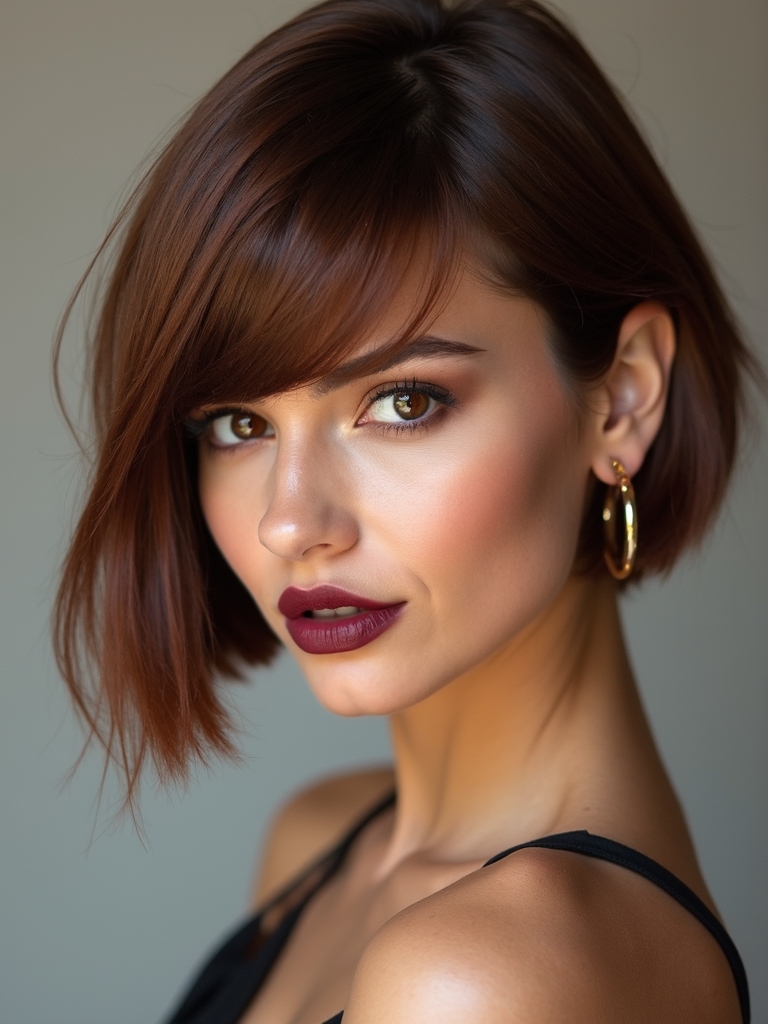
Here’s the honest downside of a short bob: you style it more. A blunt or sleek bob usually wants a daily flat-iron or round-brush, which means more heat on your hair than a wash-and-go long style.
Styling Smart
So heat protection stops being optional. A heat-protectant spray before every hot tool is the single most important habit, and turning the iron down to a moderate temperature protects the ends, which take the most passes.
Give your hair a break where you can, since an air-dried piecey day between sleek ones saves a lot of heat over a month. And a weekly mask keeps short, heat-styled ends healthy, since damage shows fast on a cut this precise.
A Short Bob Daily Routine
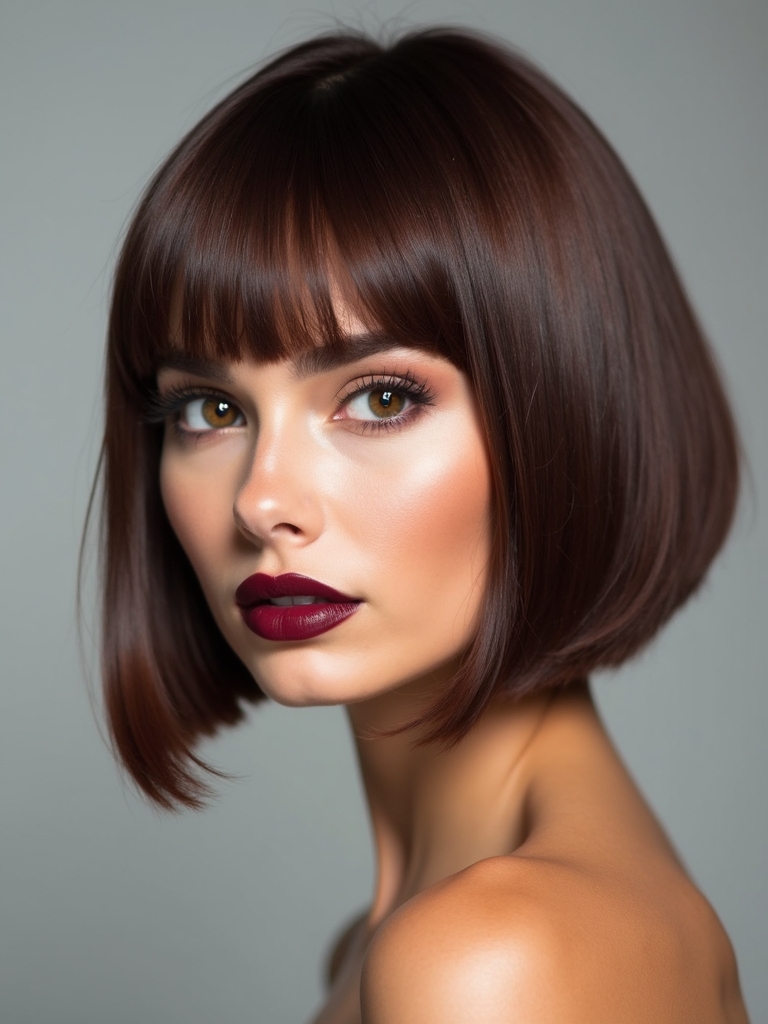
The upside of all that styling is that it’s quick. A short bob takes a fraction of the time long hair does, so even a daily blow-dry clocks in at five real minutes.
For a sleek finish, rough-dry the roots for lift, then smooth the lengths and turn the ends under with a round brush or a quick flat-iron pass. For a piecey day, skip the heat entirely, scrunch in a texture spray and go.
On non-wash days, a quick spritz of dry shampoo up top and a reshape of the ends revives the whole thing in seconds. That speed is the quiet reason short bobs are so easy to live with once you’ve settled into the routine.
Growing Out a Short Bob
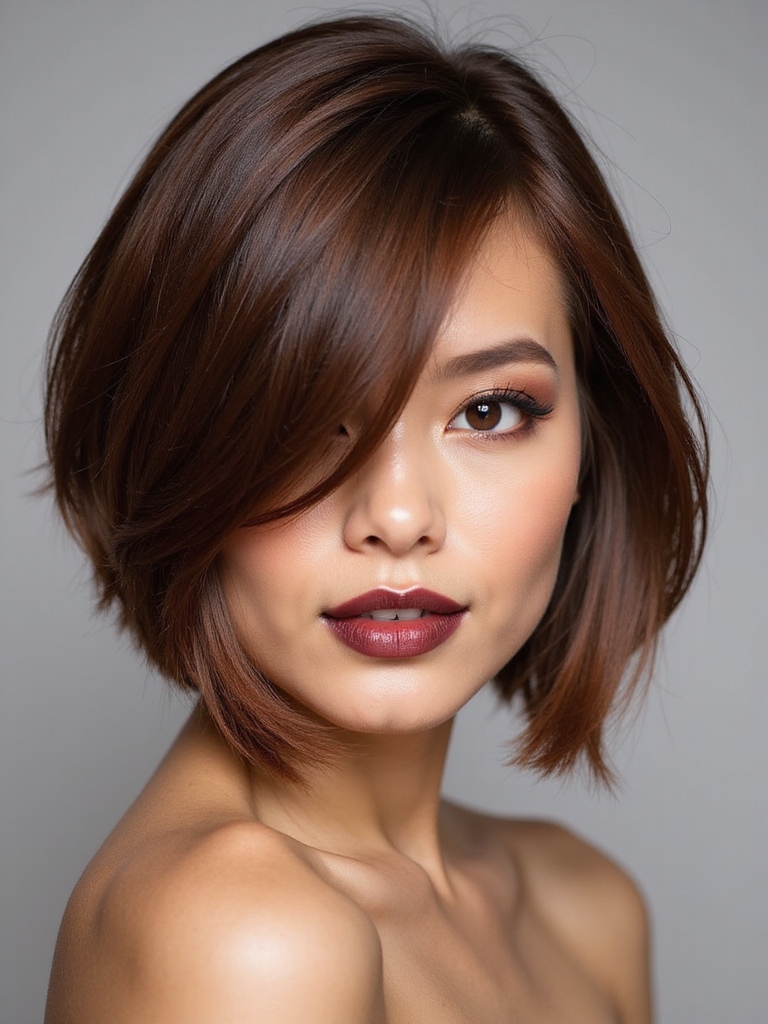
Every short cut grows out, and having a plan for it beats just waiting around. Left alone, a short bob goes shapeless and heavy at the sides; with a few strategic trims, it drifts gracefully into a longer bob and then a lob.
Keep shaping it as it grows: let the back catch up to the front and add a few layers once there’s length to work with. A stylist can keep every stage of the grow-out looking deliberate and on-purpose.
Face-framing pieces are your friend during the grow-out, since they keep the front flattering while the length fills in. With that approach, there’s no truly awkward stage, just a series of shorter-to-longer bobs on the way.
The Short Bob Upkeep Plan
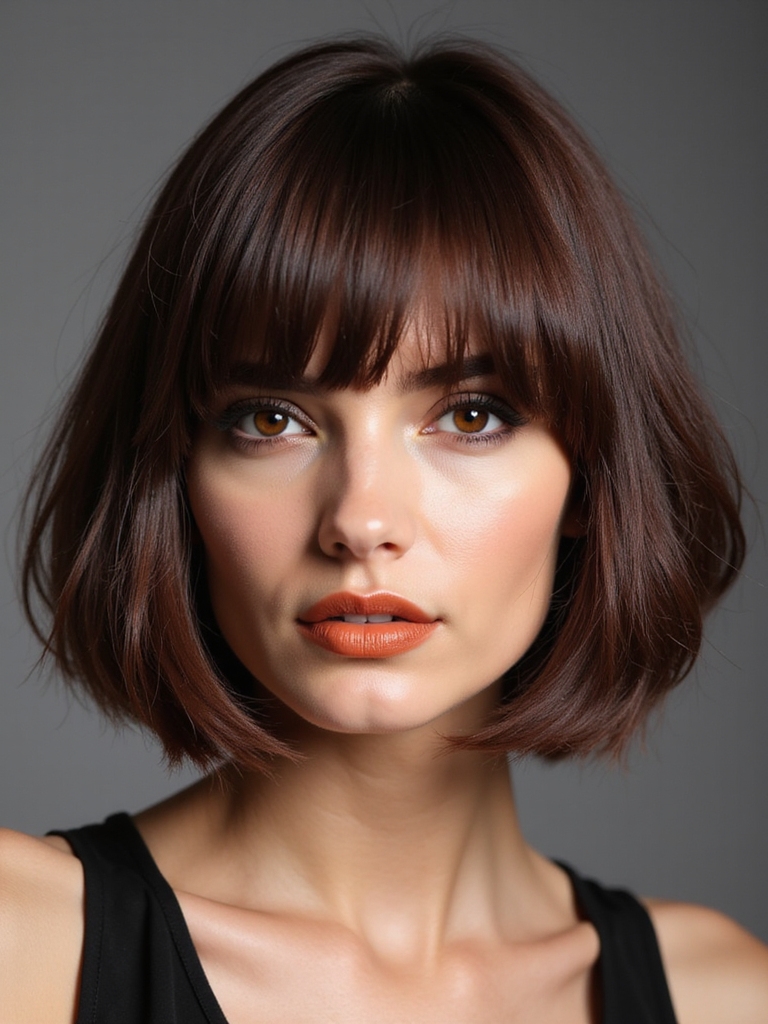
A short bob asks for the most trims of any length, and there’s no way around it: the shorter the cut, the faster it loses its shape. A jaw micro bob wants a shape-up about every four weeks, while a chin-length one can stretch to six or seven.
Between cuts, the daily styling keeps it sharp, and a periodic gloss keeps any color bright. It’s the trade-off for a cut that looks this good with so little daily time, a bit more in the salon chair, a lot less in the bathroom mirror.
A couple of short-bob care terms worth knowing:
📖Gloss or glaze
A quick, semi-permanent shine treatment that refreshes color and adds polish between full appointments.
📖Shape-up
A maintenance trim that re-cuts the outline without taking real length, keeping a short bob crisp.
Everyday Short Bob Inspiration
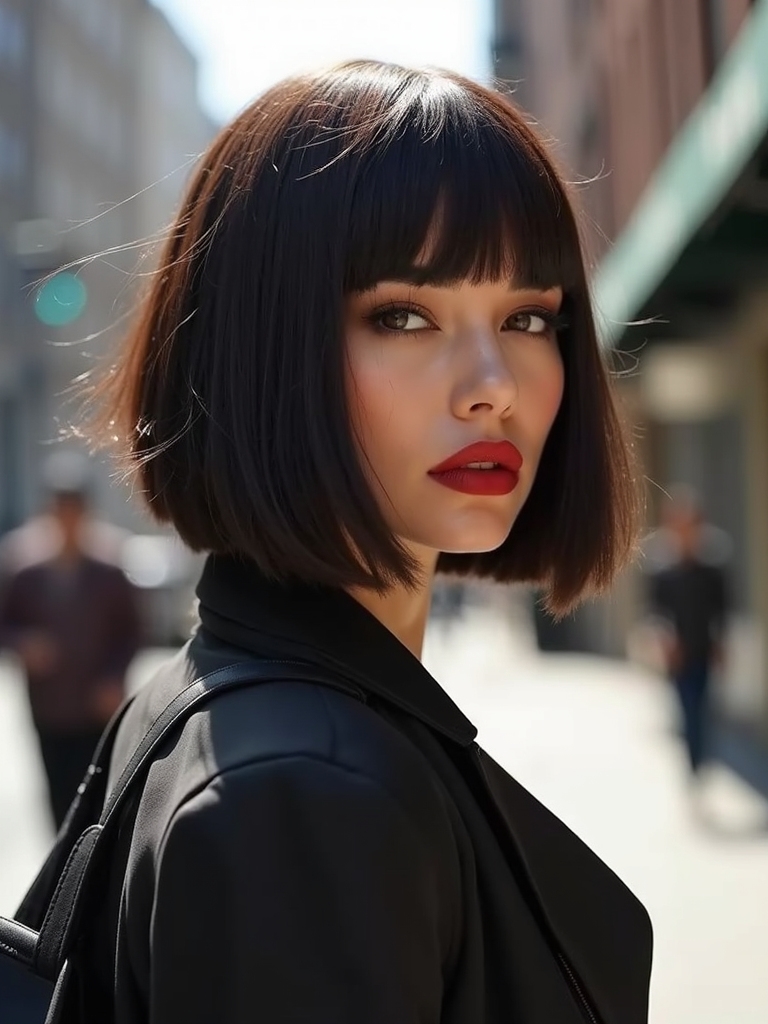
Beyond the polished, editorial versions, the short bob really shines in everyday, real-life styling. Worn a little undone, tucked behind one ear, or thrown up with a clip, it looks cool and easy, unbothered by fuss, the kind of cut that works on an ordinary Tuesday.
That’s what makes the short bob such a workhorse: it’s as at home running errands as it is at an event. Save a few real-world photos alongside the glossy ones, so you know how it’ll actually look on a normal day and on a dressed-up one.
How to Get the Look
It starts, as ever, with the consultation. Take in a photo of the exact length and shape you want, and be specific: name the length (chin, jaw, or ear), whether you want it blunt, stacked, or piecey, and whether you’re adding a fringe. A short bob is precise, so a vague ask gets you a generic crop.
Then be honest about upkeep. A short bob needs regular trims and a few minutes of daily styling, so make sure the version you choose fits your actual routine, the one you really live, not the one you wish you had time for. Get that right, and it’ll be one of the easiest, sharpest cuts you’ve ever had.
Short Bob Questions, Answered
?How short should my first bob be?
Start at the chin. A chin-length bob is the most forgiving short cut, long enough to feel familiar and flatter almost any face, but short enough to be a real change. You can always go shorter next time once you know you like it.
?Does a short bob work on curly hair?
Yes, and it can look spectacular, a rounded, springy shape full of bounce. The key is a cut shaped for your curl pattern and done dry, plus a little extra length banked in, since curls shrink up shorter than they look when wet.
?How much upkeep does a short bob really need?
More than longer hair, mostly in trims. Expect a shape-up every four to seven weeks depending on how short you go, since a short cut loses its outline fast. The daily styling is quick, though, usually just a few minutes, which balances out the salon time.
?Will a short bob make my thin hair look thinner?
Just the opposite. Cutting the length off concentrates the weight in one place, so a blunt or stacked short bob makes fine hair look noticeably denser and fuller. Few cuts do more for thin hair, as long as you keep the layers restrained.
Your Short Bob, Sorted
The short bob endures because it delivers so much for so little: a sharp, modern shape, a five-minute routine, and a look that flatters far more people than its bold reputation suggests. Whether you go glossy and blunt or soft and piecey, the cut does the work once you’ve chosen the right length.
If any of these caught your eye, save the ones that fit your face and your routine, and take them to your next appointment. The hardest part of a short bob is deciding to do it. Everything after that is easy.
Related Reads