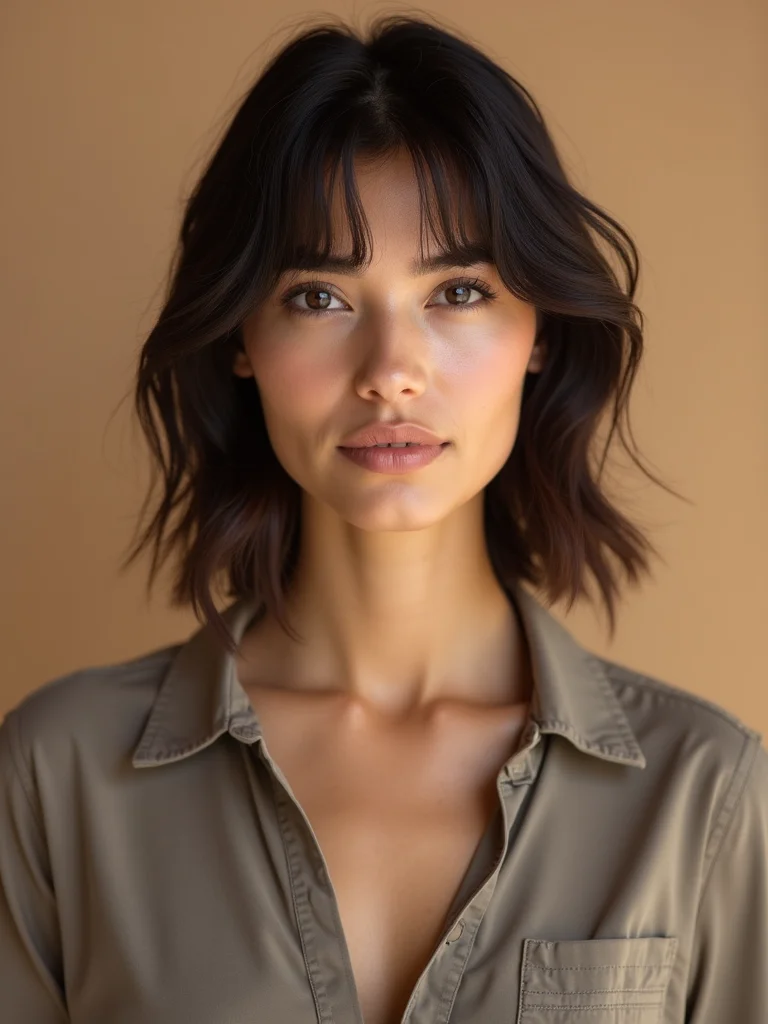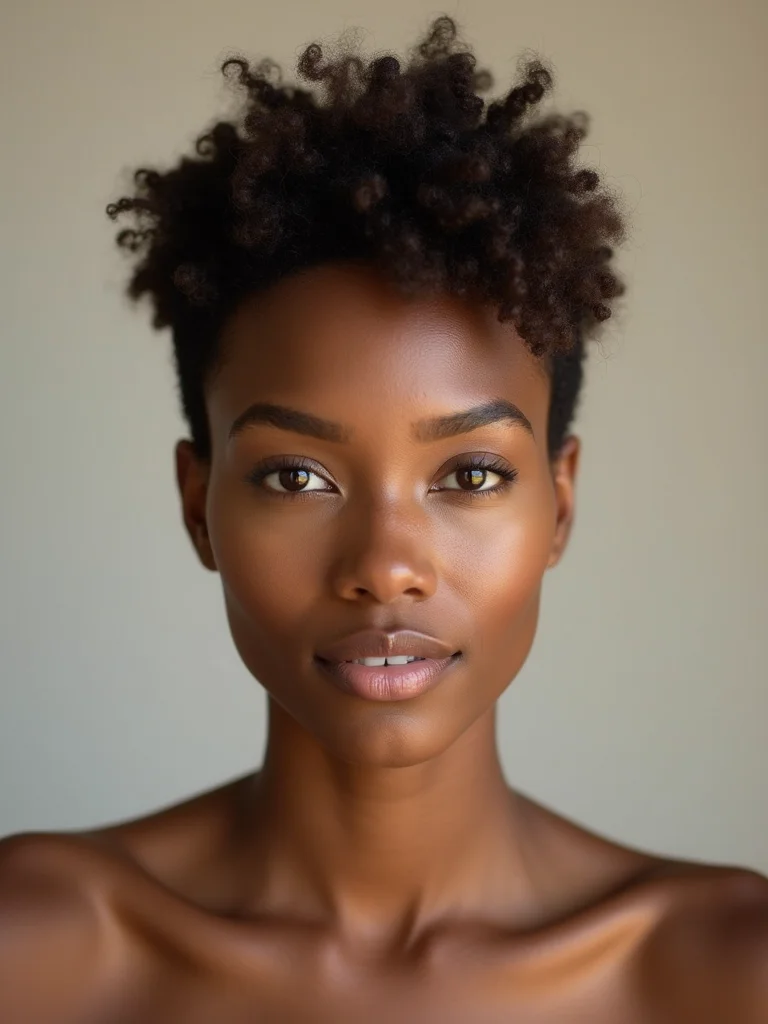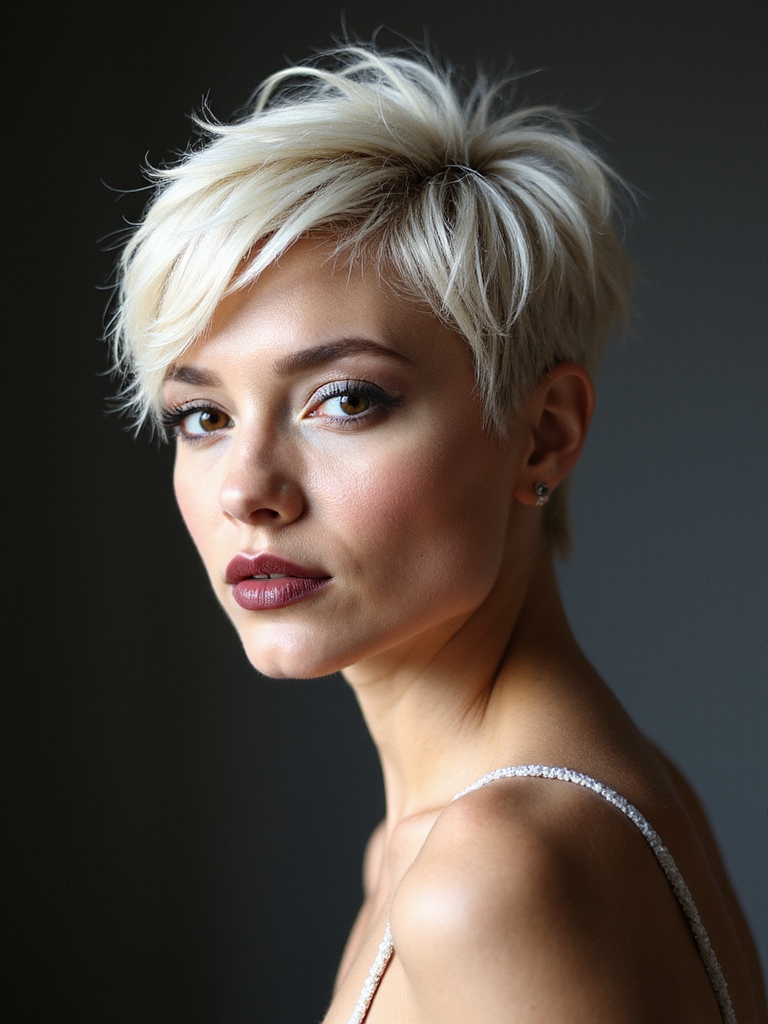
Watch a stylist cut a pixie and you will see how many decisions hide in such a small amount of hair: how high the crown sits, how close the nape goes, whether the ends fall soft or sharp. That precision is why the same length can look like a dozen different cuts.
The pixie never really goes away because it reinvents itself every season, soft one year, choppy the next, always modern and low-fuss. These fifteen pixie cuts cover the shapes worth knowing, from a classic crop to a shaved undercut, plus how to find the one that fits you.
One Length, Many Shapes
The pixie is not one haircut; it is a whole family of them. The same short length goes sleek or choppy, soft or shaved, curly or wavy, which is exactly why it keeps coming back in a new form every season.
Knowing the names is half the battle. Once you can tell a soft crop from a choppy one, a long-top from a micro, you can walk into the salon and ask for the exact shape that fits your face, your hair, and your life. These are the fifteen worth knowing.
Classic Crop With a Modern Edge
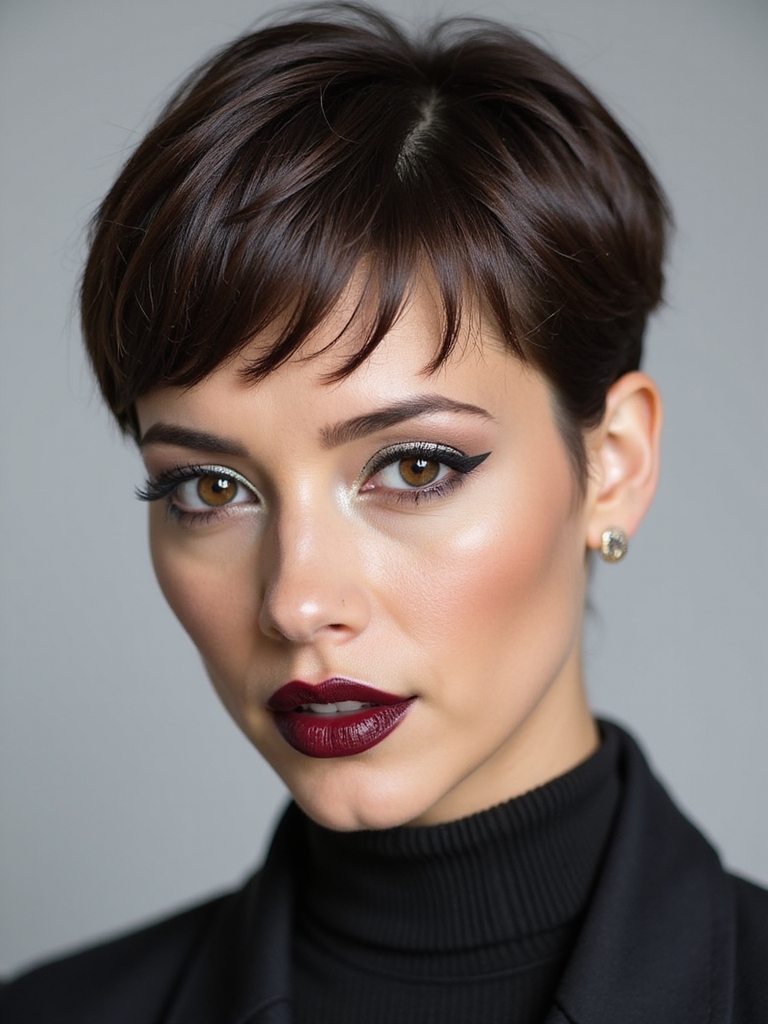
The classic crop is the pixie everyone pictures, short all over with a little length on top, except the modern version trades the helmet shape of decades past for soft, tapered texture. It is the baseline every other pixie builds on, and the safest place to start if you are not sure which shape is yours. A texture spray is all it asks.
- The foundational pixie shape, updated with soft texture
- The safest starting point if you are undecided
- See our pixie cut guide for more classics
Soft Wispy Pixie

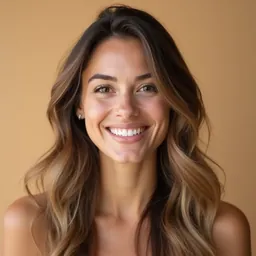
A soft wispy pixie keeps the edges feathery and light, the gentlest, most romantic shape in the family. Most stylists recommend it first to anyone worried a pixie will look too severe, since the wispy ends soften every line and flatter nearly every face. It grows out kindly, too, with no hard stages.
- Feathery, light edges for a soft, romantic shape
- The least severe pixie, flattering on most faces
- The feathery edges blur as they grow, no hard line
“When a client is not sure which pixie shape suits her, I start with three questions: how much time she has in the morning, how bold she wants to feel, and how her hair behaves on its own. The answers point straight to a shape, soft and wispy for the cautious, choppy or undercut for the bold, long-top for the undecided.”
Choppy Pixie

A choppy pixie cuts the layers piecey and irregular for texture and attitude. It is the cool, undone end of the family, the shape for someone who wants short hair with grit rather than polish.
For the texture lover
The layers here are cut heavier and more irregular than a shag’s, chunky pieces you separate with your fingertips for real grit. It forgives a grow-out far better than a precise crop.
This is the request clients make by name when they want texture over polish. Running a hand through it counts as styling here, nothing more.
Micro Sleek Pixie
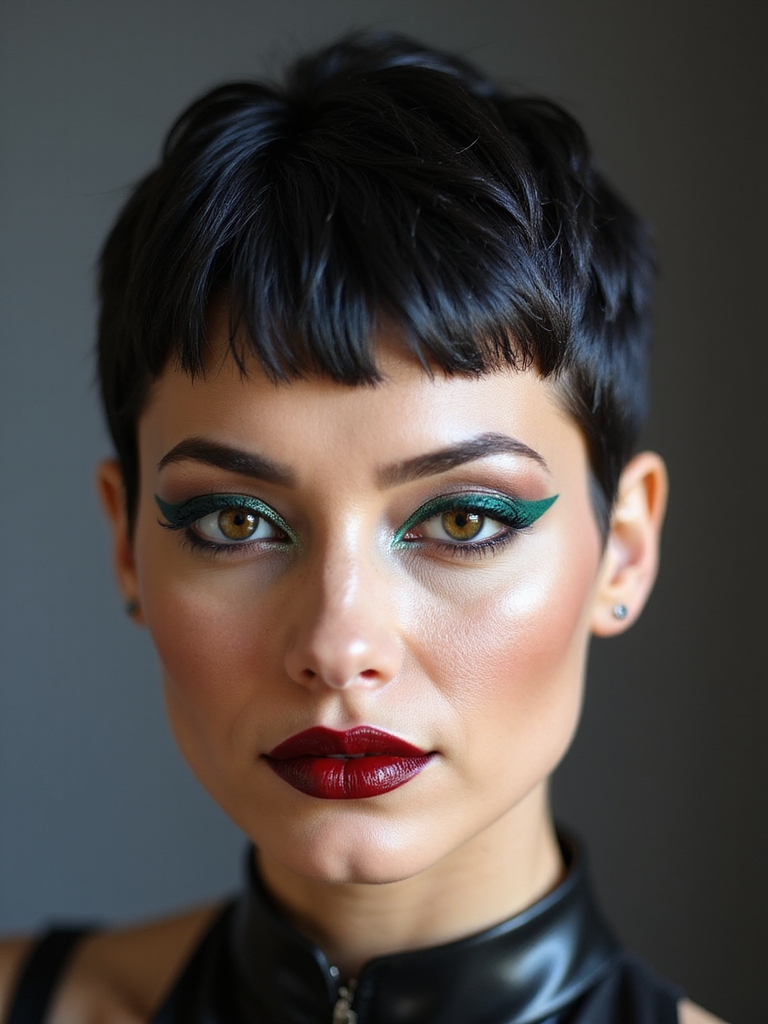
A micro sleek pixie crops everything close and smooths it down for a sharp, minimalist silhouette. It is the boldest, most confident shape here, putting your features fully on display.
There is almost nothing to style, but the trade is the salon: a crop this short shows growth fast and wants frequent trims. The shape lives or dies on its upkeep.
Strong bone structure carries this version particularly well, since there’s almost nothing left on the head to soften or distract from the face.
Know Before You Go Micro
A micro pixie asks for real commitment, since regret here means waiting out a long, awkward growth stretch with very little to work with in the meantime. A trial wig, or starting one length longer and going shorter at a follow-up visit, is the safer way to test the look before the scissors do anything permanent.
Curly Pixie

A curly pixie lets natural coils spring into a soft, full crown, the shape that finally works with curly texture instead of against it. The one rule that makes it work is a dry, in-pattern cut, so each coil is shaped where it actually falls; cut wet, it springs up short and uneven. Working a small amount of curl cream through damp coils, then scrunching, is typically the whole routine.
- Coils spring into a full, rounded crown
- Cut dry, in-pattern, so the shape fits how curls fall
- See our curly pixie styles for more
Shaggy Pixie

A shaggy pixie borrows the shag’s heavy, piecey layering for cool, worn-in volume and movement. It’s built to look better the less anyone fusses with it, the most relaxed option on this whole list.
What sets it apart is where the layering sits: cut deep into the interior, so it grows out softer and longer than any other pixie, straight into a wearable shag.
- Shag layering for relaxed, worn-in volume
- Interior layering builds body without product
- Grows out longer and softer than any other pixie
ℹ️Good to Know
The pixie flatters by drawing the eye straight to your face. With so little hair to distract, your features take center stage, which is why the shape can be tailored with layers, a fringe, or an undercut to balance them. It is less about the hair than about framing you.
Side-Swept Tapered Pixie
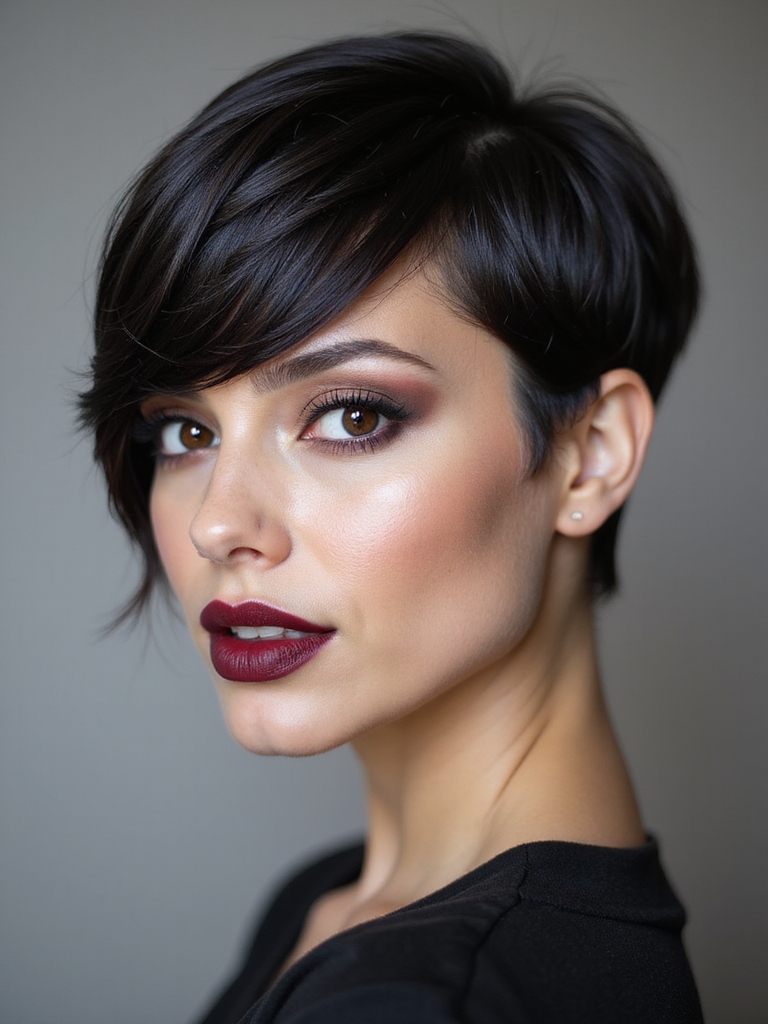
A side-swept tapered pixie keeps the sides close and sweeps a longer top across to one side, a polished, flattering shape that suits almost everyone. The diagonal sweep slims and softens the face while the taper keeps the silhouette sharp. It is the crowd-pleaser of the family, refined enough for work and easy enough for every day. It is the shape the most clients I see end up happiest in.
- Close sides with a longer, side-swept top
- The diagonal slims; the taper keeps it sharp
- A flattering, work-friendly crowd-pleaser
Undercut Pixie

An undercut pixie buzzes the sides or nape under a fuller top, the edgiest shape in the family. You can hide the undercut or reveal it, which keeps a daring cut surprisingly wearable.
The boldest of the family
The removed bulk also lightens thick hair, so the edge is practical as well as bold. Style the top sleek or textured depending on your mood.
The trade for that attitude is upkeep: the buzzed sides need refreshing roughly every three weeks to stay sharp. See our edgy pixie cuts.
The pixie shape vocabulary, so you can ask for the right one.
📖Crop
The foundational all-over-short pixie shape.
📖Taper
Sides cut gradually shorter toward the neck.
📖Undercut
A buzzed section under a longer top, hidden or shown.
📖Long-top
A pixie with real length left on top to style.
Tousled Airy Pixie
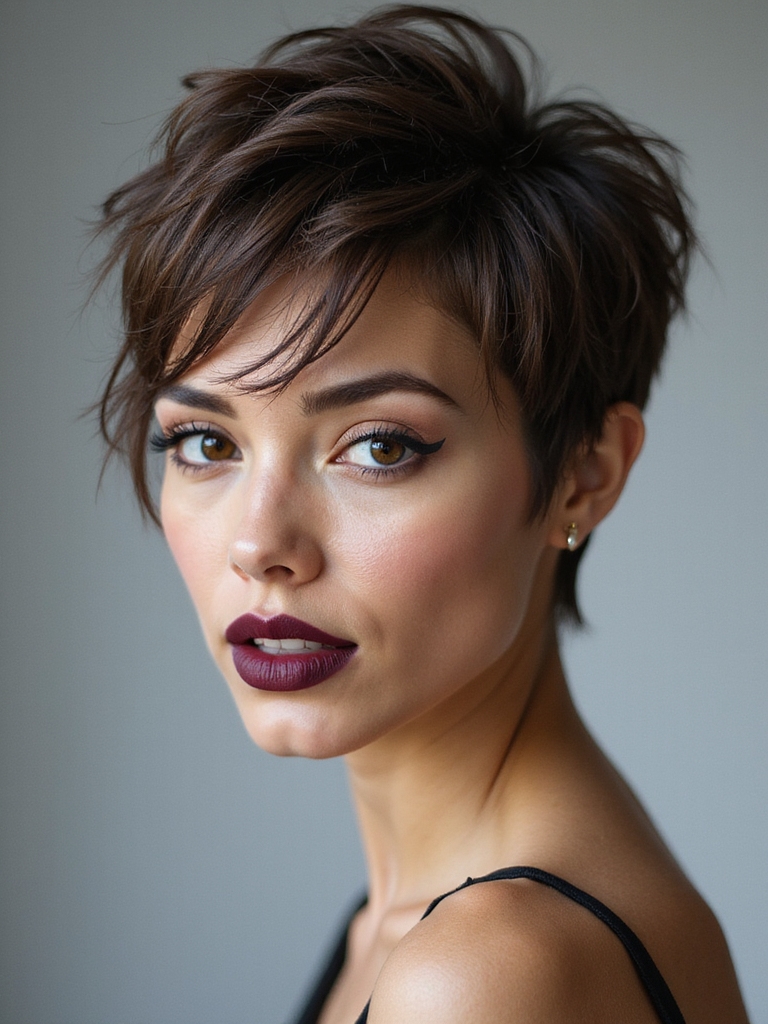
A tousled airy pixie wears its texture loose and windswept, all soft movement and no hard lines. It is the breeziest shape here, looking like you ran your fingers through it and walked out.
Soft and windswept
Where the choppy version is heavy and gritty, this one stays soft and windswept, the lightest texture in the family and a gift for fine hair that wants movement without weight.
The whole appeal sits in how little it asks: no precision, no daily reset, just texture that looks good slightly wrecked.
Long-Top Pixie

A long-top pixie leaves real length up top over short or tapered sides, which makes it the friendliest first pixie. You can pin it, tuck it, or wear it forward, and if you lose your nerve it grows into a bob without a fuss. Most stylists hand this to first-timers before anything shorter.
- Real length on top, short sides for versatility
- The most beginner-friendly, grow-out-friendly shape
- See our pixie bob ideas for a longer take
Pixie-Bob Hybrid
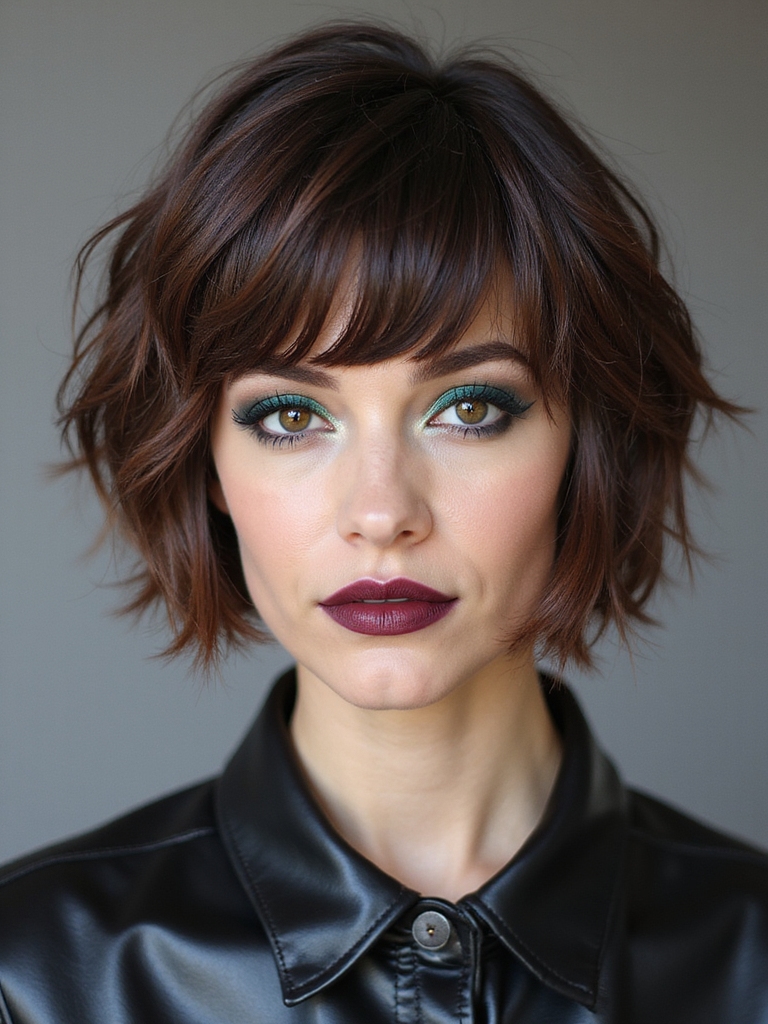
The pixie-bob hybrid keeps a touch more length than a true pixie, landing between the two. It works as a gateway shape for anyone not quite ready to go all the way short, with enough length to tuck and sweep like a tiny bob. As it grows, the transition stays soft rather than passing through an obvious in-between stage, making it one of the easier short shapes to commit to.
- Between a pixie and a bob, the most flexible length
- The easiest short shape to ease into
- Enough length up top to tuck and sweep like a tiny bob
Spiky Pixie
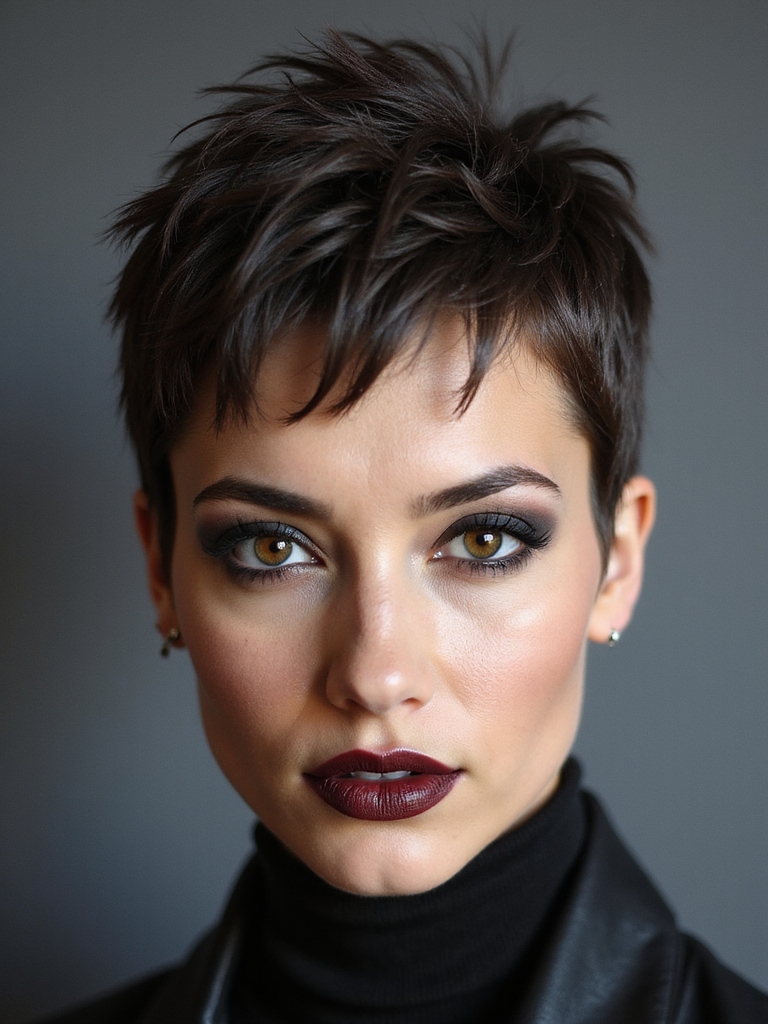
A spiky pixie spikes the top up tall and textured for a punky, high-energy shape with real attitude. It is the most architectural pixie in the family, all vertical movement and confidence.
A strong matte paste builds the spikes and keeps them from looking dated or gelled. It fits the bold, the creative, and anyone who wants their short hair to make some noise.
Asymmetrical Pixie
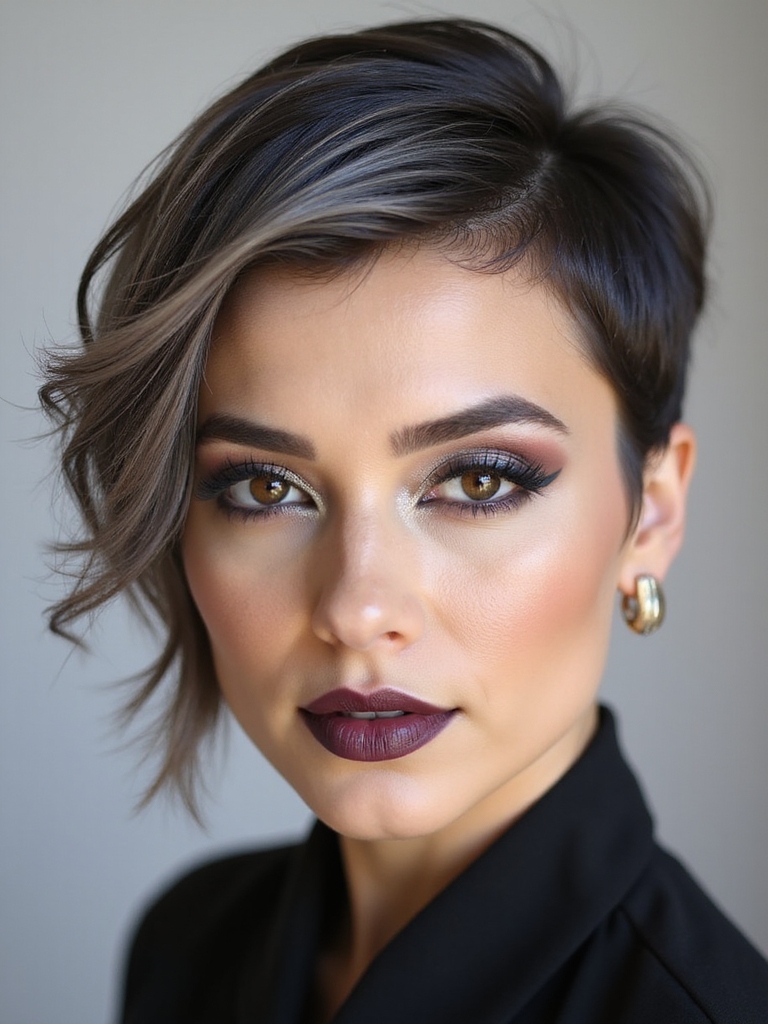
Cutting one side to sit noticeably longer than the other builds deliberate, modern imbalance into an otherwise familiar shape. The uneven line slims the face and draws the eye on a diagonal, giving the cut visible movement even while the hair itself is perfectly still. See our asymmetrical pixie for the full cut.
- One longer side for off-balance, modern movement
- The diagonal slims and reads fashion-forward
- An easy way to make a classic pixie feel current
Retro Polished Pixie
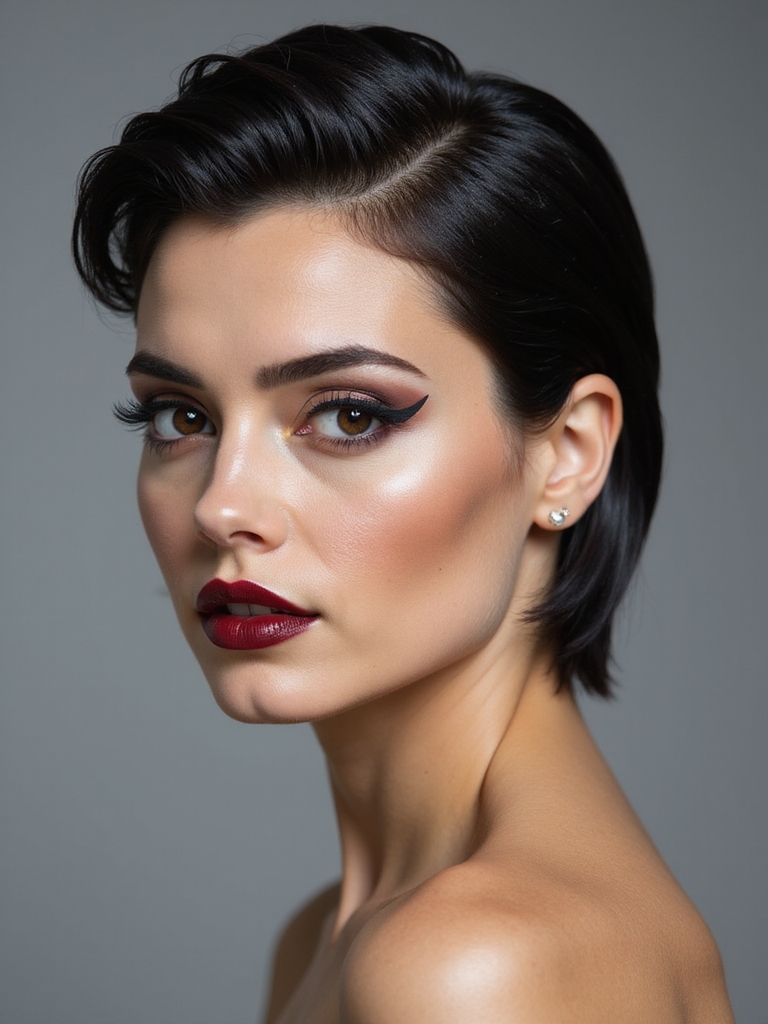
A retro polished pixie smooths the crop into sleek, glossy, vintage-leaning lines, the most dressed-up shape in the family. The clean finish nods to old-Hollywood glamour while looking completely current.
Old-Hollywood, made current
Building the polish takes a round brush pulled through with a little shine product, favoring a refined, intentional finish over anything undone.
It shows up most at events and photo-ready mornings, less often on an average Tuesday.
Low-Maintenance Pixie
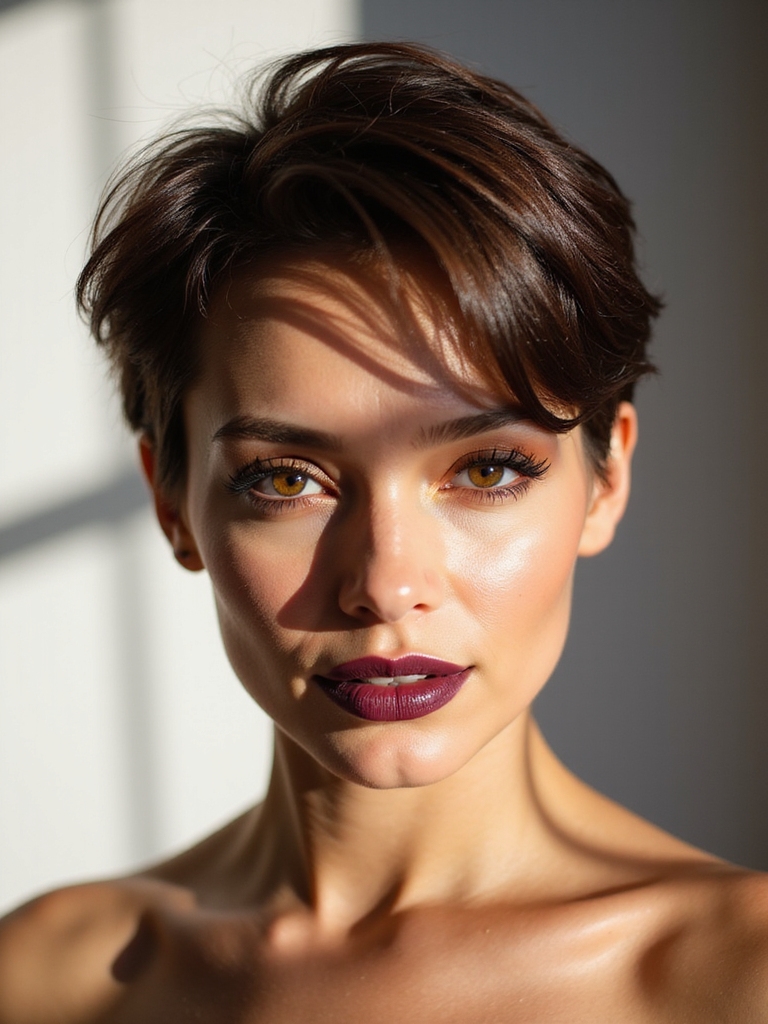
A low-maintenance pixie is cut specifically to need as little as possible, soft, blended layers that look intentional with zero styling and grow out without a fuss. It is the shape for the busy and the practical.
Wash, air-dry, run a hand through it, and the routine is done; no tools, no products, no time. The appeal is entirely about what it skips: no precision cutting to maintain, no daily styling ritual to keep up.
What to Expect
Whatever shape ends up chosen, a few truths hold across the whole family. A pixie is the easiest hair to style daily, often under five minutes, and the most demanding at the salon, since most versions need a reshape on a five-to-six-week cycle, running around $40 to $65 a visit. The sharper and shorter the cut, the more often that visit comes around.
The other truth is that the right shape depends on the person wearing it, not the trend. Plenty of clients sure they wanted an edgy undercut end up far happier in a soft wispy crop once they actually see it on themselves. Bring a photo, but describe hair type and morning routine honestly too, and let the shape follow from there.
Pixie Cut Questions
?What should I bring to a consultation besides a photo?
Photos alone can be misleading, since a shape that reads dramatic on someone with a different face and hair texture may translate very differently on yours. Describe how much time is realistically available each morning and how the hair behaves left alone, and let the stylist adjust the reference photo’s shape to fit those specifics.
?Which pixie is best for first-timers?
A long-top pixie. It keeps real length on top to style and grows out into a bob if you change your mind, so it is the lowest-risk way to try short hair. A soft wispy crop is the next gentlest option.
?Is there a way to stretch time between salon visits?
A slightly longer, softer shape like a long-top or a pixie-bob hybrid stretches noticeably further than a micro or a sharp undercut, since a little growth just adds length rather than blurring a precise line. Choosing a shape with built-in forgiveness matters more here than any product or technique.
?What if my hair has a natural cowlick or strong part?
A stylist should cut around it rather than fight it, letting a cowlick’s swirl inform where the shortest layers sit instead of forcing the hair against its own grain. Point this out at the very start of the consultation so it shapes the plan rather than becoming a surprise mid-cut.
?Will a pixie suit my face shape?
Almost every face can wear some version, since the shape is so adaptable. Your stylist adjusts the crown height, the fringe, and the sides to flatter your features. Strong bone structure shows off a micro crop; softer features lean on a long-top with a fringe.
Finding Your Shape
If there is one thing to take away, it is that a pixie is a family of shapes, not a single haircut. Soft or choppy, micro or long-top, polished or undone, there is a version cut to fit your face, your hair, and how much you want to fuss.
So do not ask whether a pixie would suit you; ask which one would. Picture the shapes here against your own features and your real routine, then bring two or three to a stylist and let them help you find your fit.
Hand-Picked for You