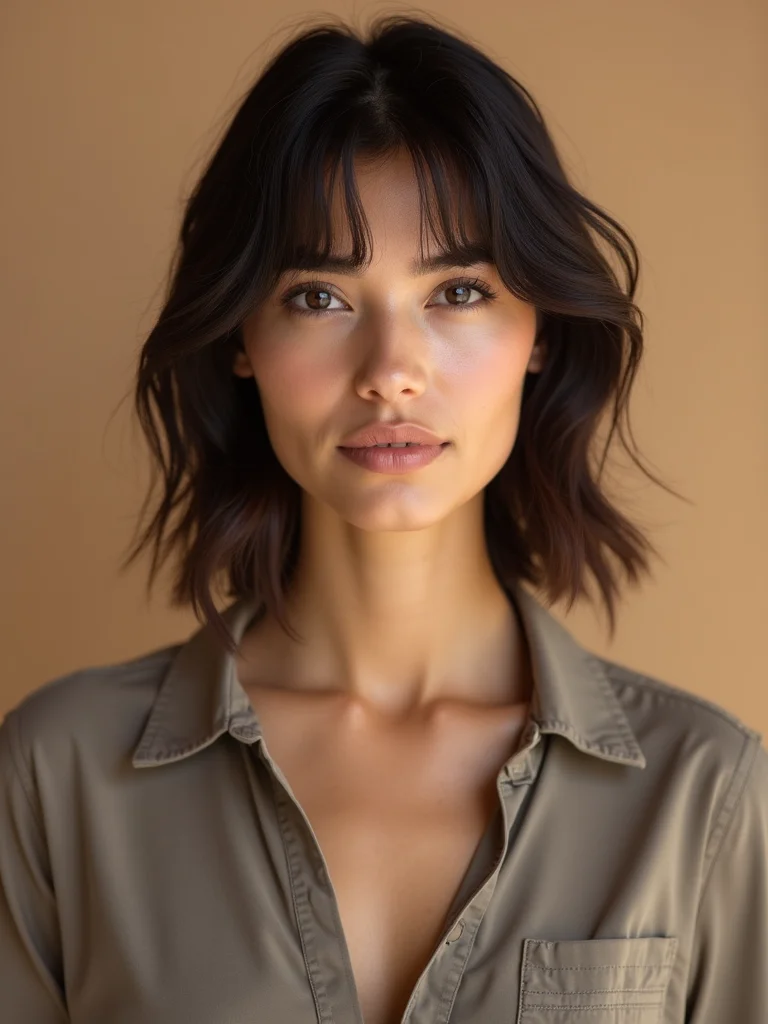
Does a fringe actually change more on short hair than long? On a long pixie cut with bangs, yes — with so little hair to work with, the bangs end up doing most of the visual work on their own. Getting the length, weight, and angle right for a specific face matters more here than on almost any longer style.
Fifteen ways to pair a long pixie cut with bangs follow, sorted by face shape, texture, and how much daily upkeep each version actually asks for.
Bangs Matched to Face and Texture
| Face Shape | Best Fringe | Avoid |
|---|---|---|
| Round | Long, angled, side-swept | Blunt, straight-across |
| Square | Soft, wispy, feathered | Heavy, blunt |
| Oval | Almost anything, including baby bangs | No strong restriction |
| Fine hair | Wispy, shallow section | Dense, heavy fringe |
Matching Pixie Bangs to Your Face Shape
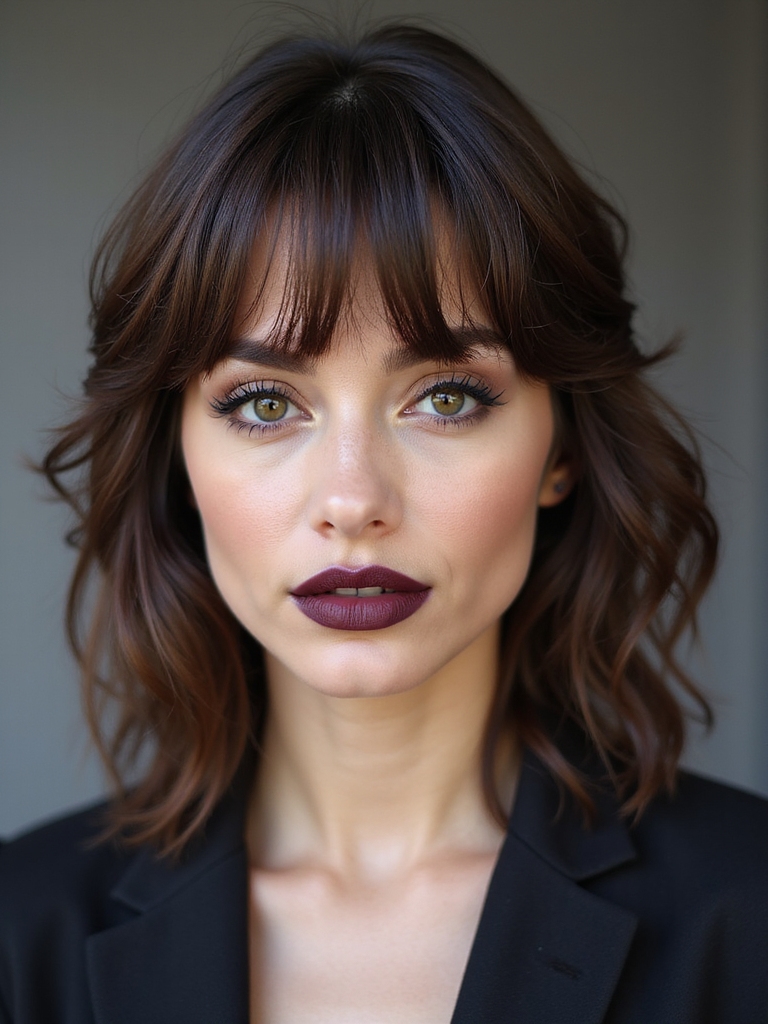
On a pixie, the fringe sits front and center with very little surrounding hair to soften a mismatch, so getting it wrong shows up faster than it would on a longer cut.
Why Face Shape Comes First
Length, weight, and the angle of the sweep all shift depending on the face underneath, which is why this whole roundup starts there, before any specific fringe shape gets chosen.
Most stylists sketch out two or three options at the consultation before committing to a single shape, since a fringe this visible is worth getting right the first time.
Pixie Bangs for a Round Face
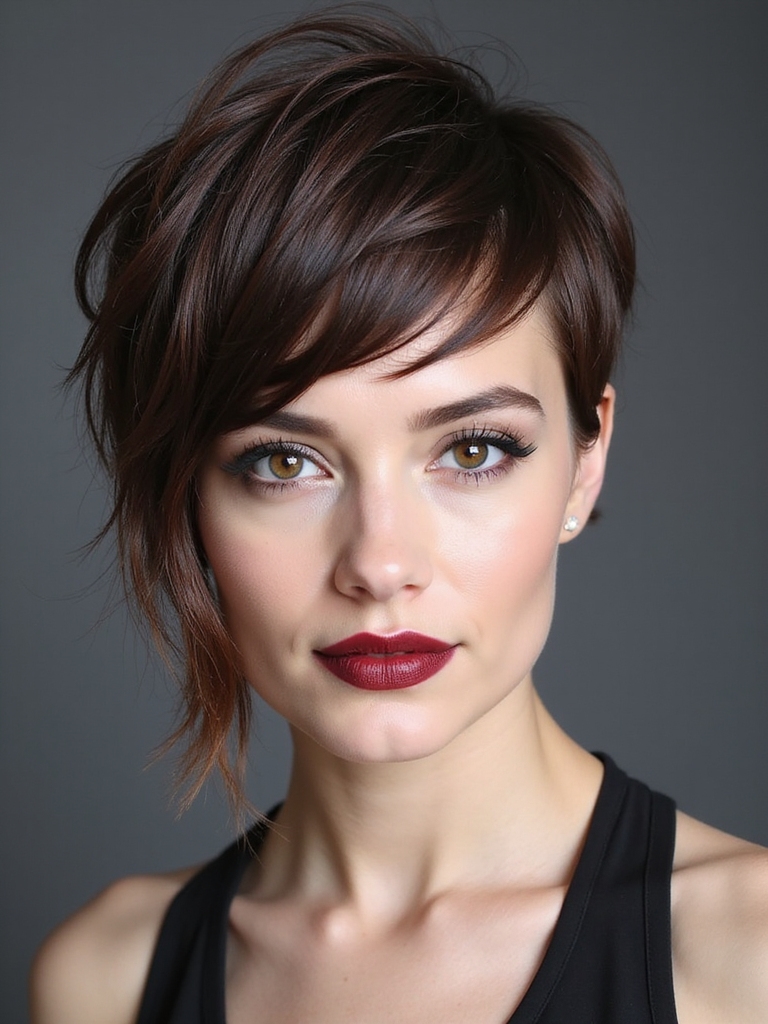
A round face benefits from length more than almost anything else, and on a pixie the fringe becomes the main tool for adding it.
Building a Vertical Line
Long, angled bangs swept down past the brow draw a line on each side of the face, pulling the eye downward along that line.
A short, straight-across fringe works against that goal here, adding a horizontal line right where a round face needs less width. A closer look at the shape lives at bangs for round face.
A quick check before committing to length or angle:
1Does the widest part of the face sit at the cheekbones?
That’s the classic round-face marker, and it’s exactly where a long, angled fringe helps most by drawing the eye down instead of across.
2Is the jawline on the softer side?
A soft jaw plus round cheeks usually means length and a diagonal sweep will read better than anything cut straight across.
Pixie Bangs for a Square Jaw
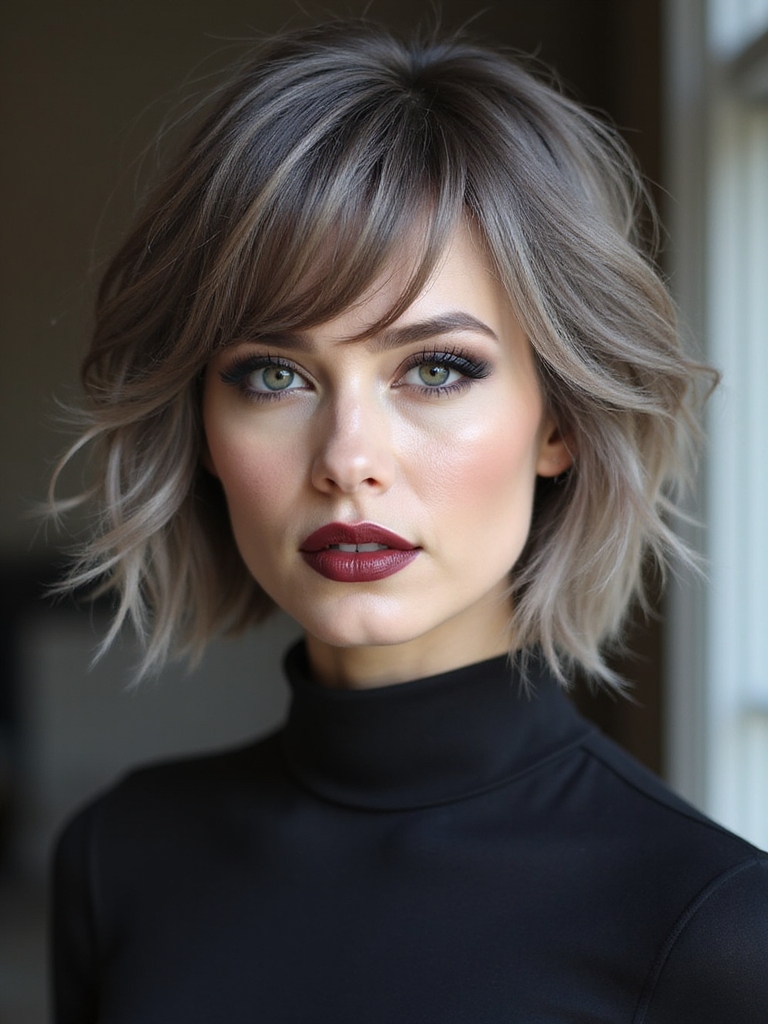
A square jaw carries strong, straight lines, and the fringe’s job here is introducing curve rather than adding more structure. Even a small amount of softness at the forehead changes how the whole face reads.
Softness Where the Angles Are
Soft, wispy, feathered pieces falling around the forehead bring in the roundness a square face is missing, especially when swept slightly to one side for extra softness.
A heavy, blunt fringe does the opposite, doubling down on the jaw’s existing angles.
Curtain Bangs on a Long Pixie
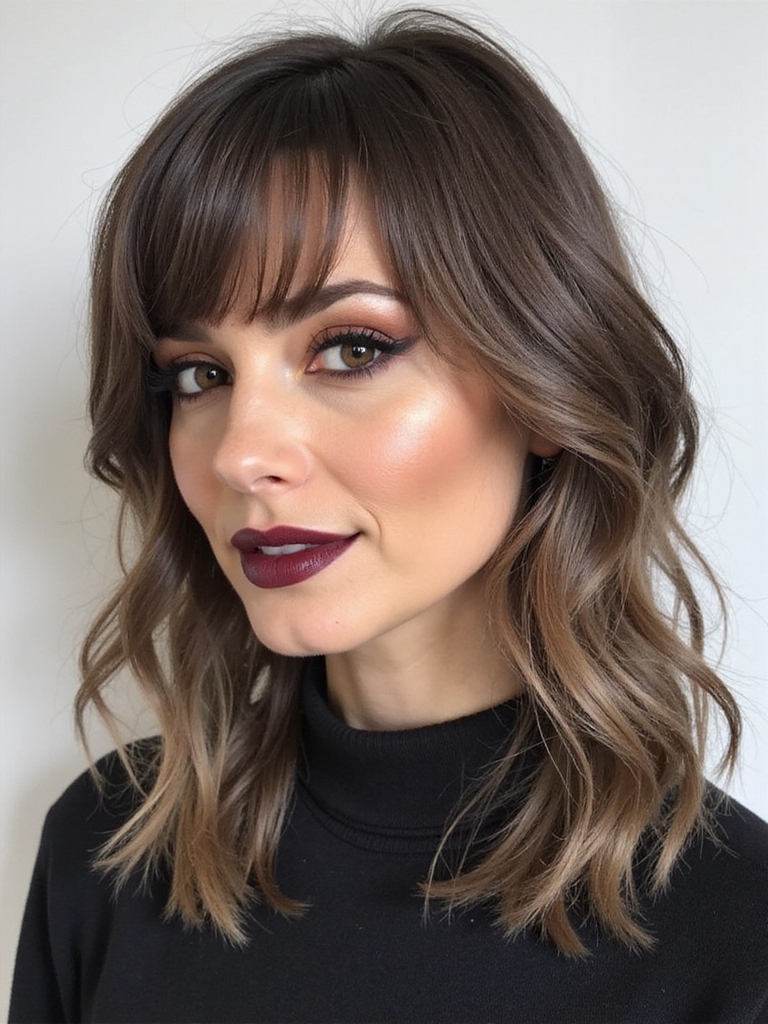
Curtain bangs are the safest first fringe for a long pixie, parted in the middle and sweeping to both sides for a soft, open line.
Why They Flatter Almost Everyone
The two soft sides open the face and blend straight into the longer top, lengthening a round face and softening a square one at roughly the same time. More on the fringe alone lives at curtain bangs.
Kept long enough to sweep into the top of the pixie, curtain bangs also grow out with barely any awkward stage.
📋Before Committing to Curtain Bangs
- ✓Confirm the part sits where hair already wants to fall, not where it’s forced.
- ✓Ask specifically for length that reaches past the cheekbone so the sweep has somewhere to go.
- ✓Expect a few minutes with a round brush most mornings to set the direction.
Baby Bangs on a Long Pixie
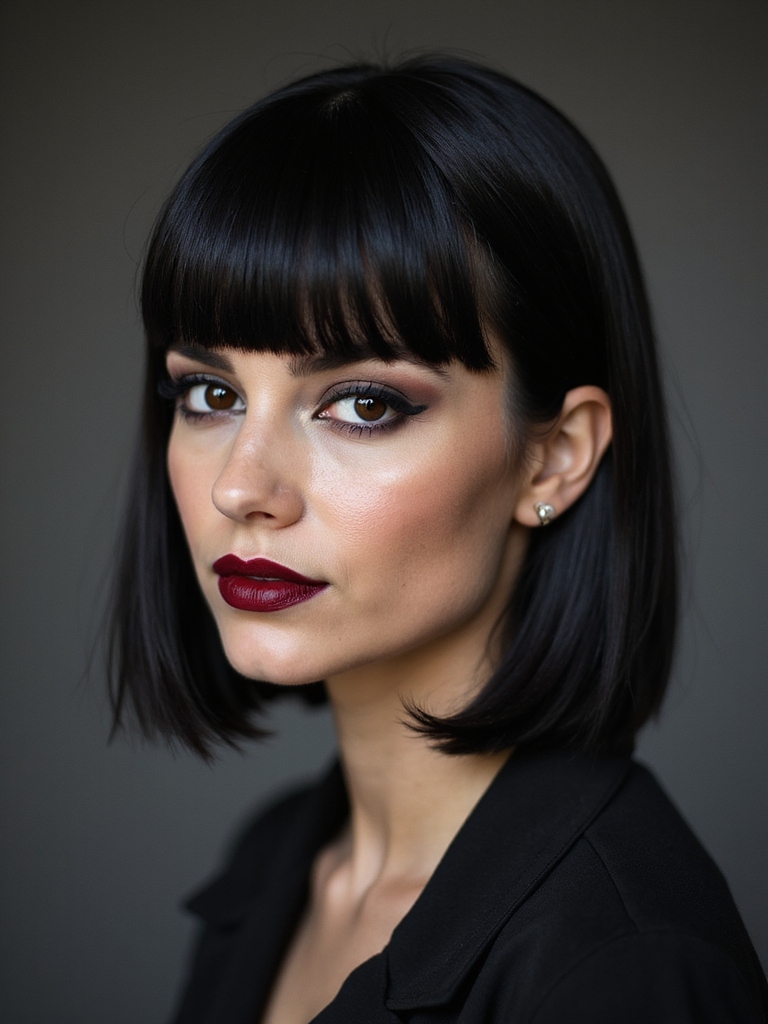
For the boldest option here, baby bangs sit high above the brows in a short, blunt line, the contrast against the longer, sweeping top doing most of the visual work.
This isn’t a fringe to try halfway. A micro fringe shows every uneven edge and asks for a reshape close to every three weeks to stay sharp.
It suits balanced, oval faces especially well, where the boldness doesn’t throw off already-even proportions. More styles like it live at baby bangs.
Pixie Bangs for Fine Hair
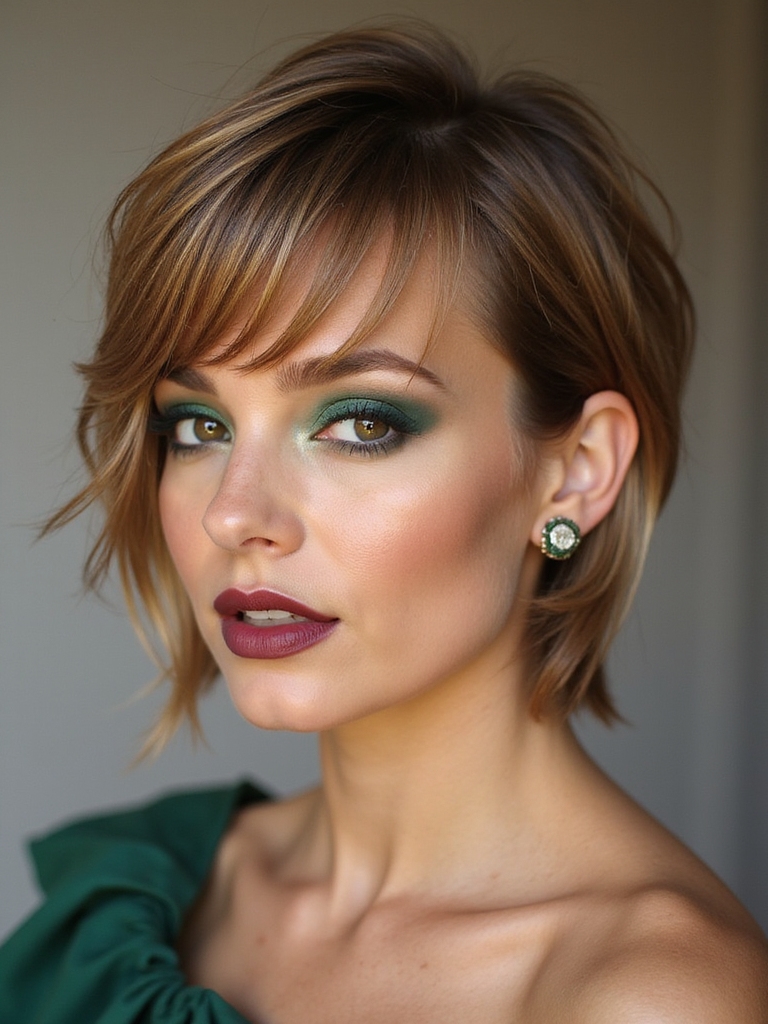
Fine hair and a pixie fringe generally get along, as long as the bangs stay light rather than dense, since a heavy fringe on fine hair looks thin and stringy right where it parts.
- A shallow section kept into the fringe helps it stay airy and full of movement.
- Feathering the ends separates the pieces so the fringe looks intentional, not sparse.
- Light cream, applied sparingly, is usually the only product this fringe needs.
Pixie Bangs for Thick Hair
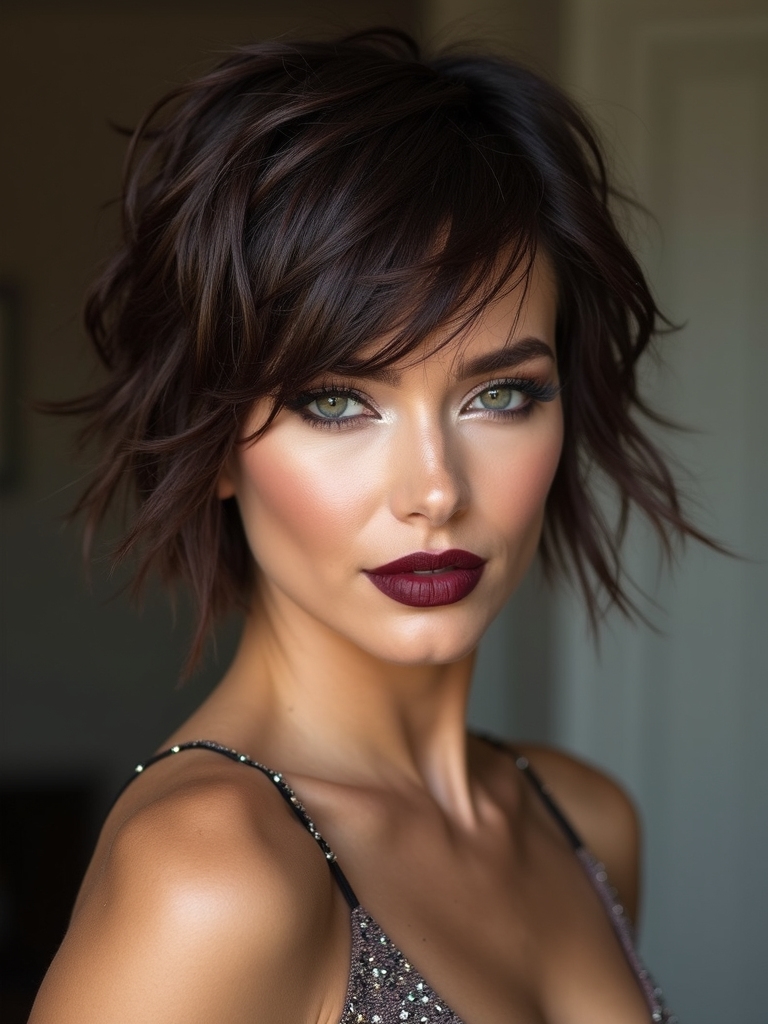
Thick hair makes a striking pixie, but the fringe needs real thinning so it sweeps and moves freely across the forehead instead of sitting like a dense curtain.
- Point-cutting and texturizing break up the density without shortening the length.
- A stylist debulks the fringe from underneath, keeping the surface soft and easy to move through with just fingers.
- A pea-sized bit of texture paste keeps the thinned pieces separated through the day.
A Low-Maintenance Pixie Routine
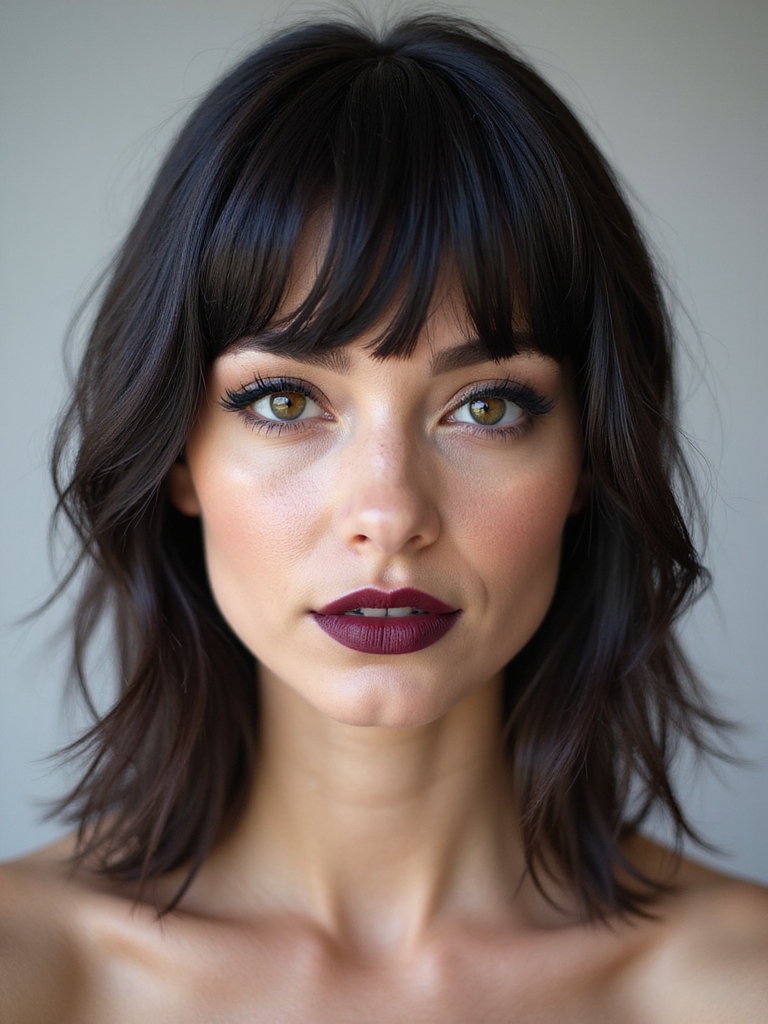
Despite how precise it looks, a long pixie with bangs can be a properly easy cut to live with day to day.
With so little hair overall, the morning routine stays short: a rough-dry, a light pass of product through the top and fringe, and one sweep into place covers most of it.
- The perimeter and fringe both grow fast, so upkeep concentrates almost entirely there.
- Plan on a bang trim twice as often as the full reshape; many salons fold a quick fringe trim into the full cut’s price at no extra charge.
- A full pixie reshape typically runs about $50, roughly half what a longer, more involved cut costs at the same salon.
Two assumptions about low-maintenance pixies worth checking:
❌ Myth: Short hair always means more products, not fewer.
✅ Reality: The opposite tends to be true here; less hair overall usually means a smaller product routine, not a bigger one.
❌ Myth: A precise-looking cut always takes longer to style.
✅ Reality: The precision comes from the cutting, not the daily styling, which is often faster on a pixie than on longer hair.
Heat-Free Styling for Pixie Bangs
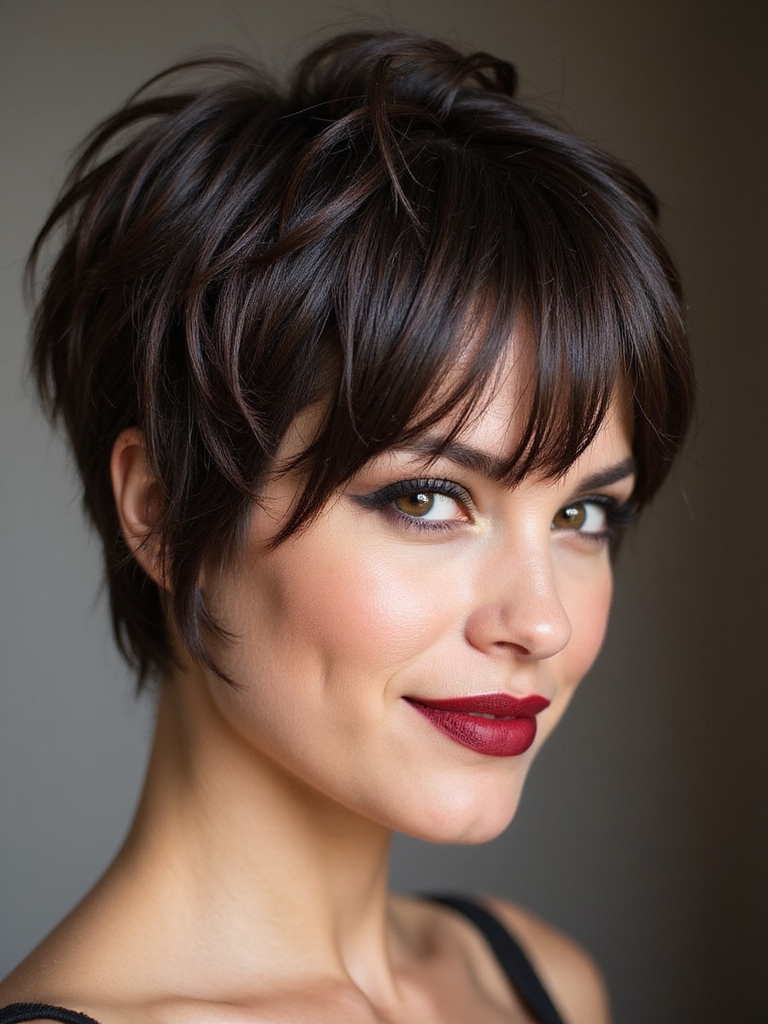
Pixie bangs don’t need hot tools to look finished. Because the fringe is short, it air-dries in minutes, so fingers and a light touch of product usually get the job done.
- Smooth a little cream through damp bangs, sweep into place, and let them set as they dry.
- Pressing the bangs up at the root for a minute before they fully dry builds a little lift without heat.
- Clipping the fringe back briefly while it dries works the same way for anyone in a hurry.
Color Placement on a Long Pixie
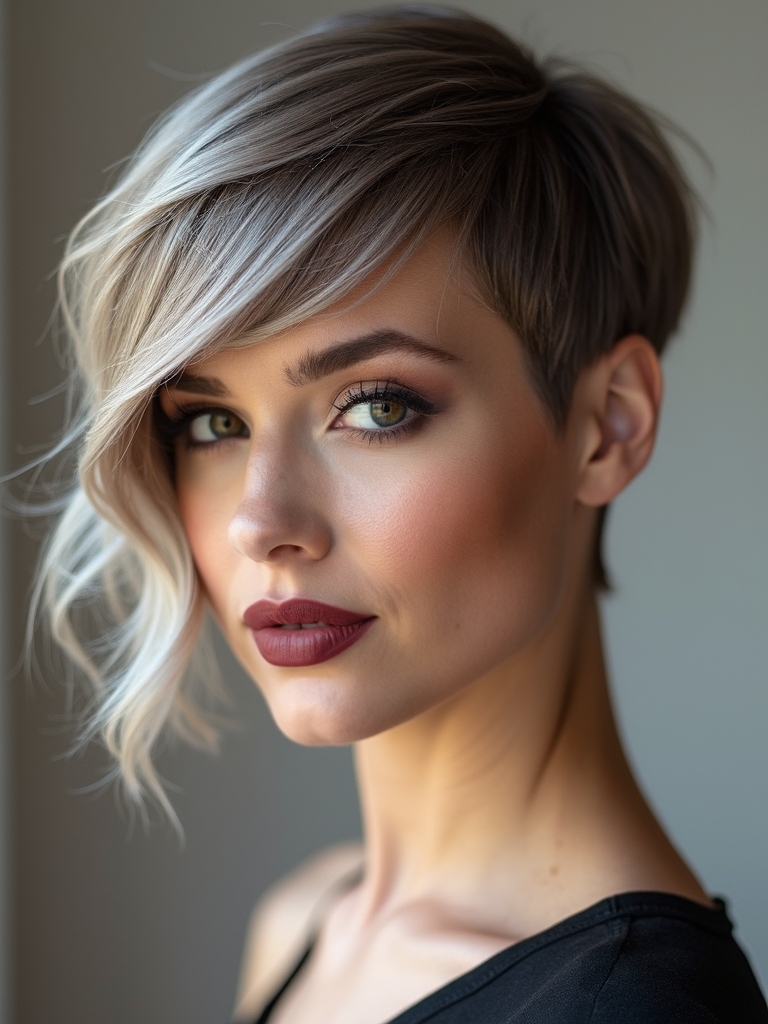
Color reads boldly on a pixie simply because there’s so little hair carrying it, which makes placement matter more than it would on a longer cut.
- A few bright pieces through the fringe or a lighter panel over a darker base make a visible impact on a small canvas.
- Because a pixie holds less hair overall, color changes typically cost less than the same placement on longer hair.
- Concentrating brightness near the fringe draws attention right where the cut already wants the eye to land. More ideas live at long pixie cut.
Growing Out Pixie Bangs

Growing out pixie bangs is easier than most people expect, especially when the fringe was cut long and blended into the top from the start. A few well-timed trims along the way make most of the difference.
As they grow, a soft or curtain fringe lengthens straight into the rest of the pixie with barely any awkward stage. Baby bangs and blunt fringes take longer to blend, since they’re starting from a much shorter point.
The Hardest Fringe to Grow Out
A blunt baby fringe has the furthest distance to travel before it blends into the top, so expect a longer stretch of clips and pins compared with a softer, longer starting fringe.
The Pixie Bangs Consultation
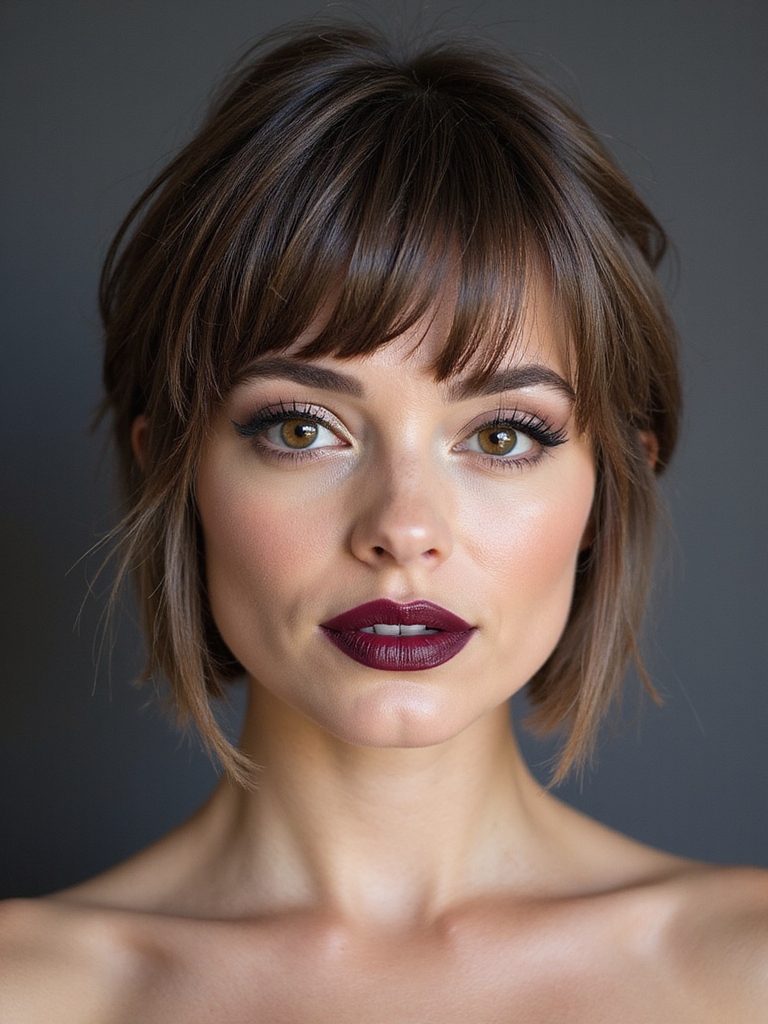
Because the fringe on a pixie is so visible, the consultation matters more here than on almost any other cut.
- Walk in already knowing the face shape being worked with and roughly how much daily styling time is realistic.
- Bring a photo for general direction, but ask for the fringe to be custom-fit to the actual face during the appointment.
- A few honest minutes of conversation upfront is usually what separates a fringe that works from one that gets grown out early.
Products for Pixie Bangs
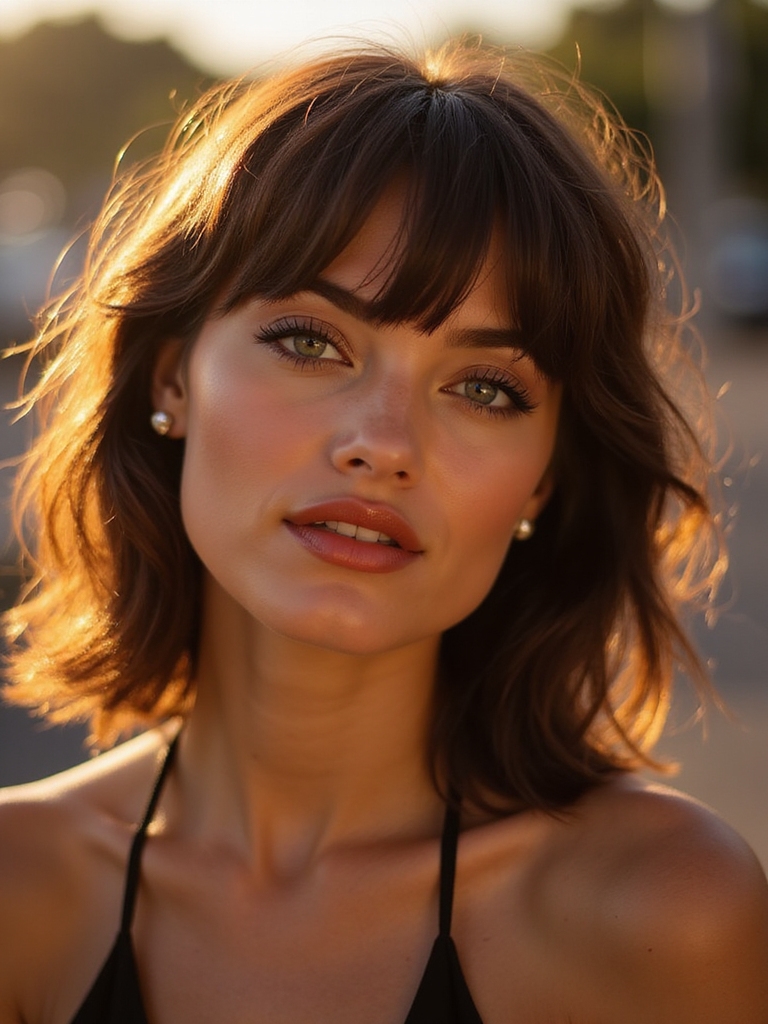
This fringe wants a small kit and a light hand. Nothing more elaborate.
A small amount of cream or paste shapes and separates the pieces, a light texture spray adds hold without stiffness, and dry shampoo keeps the fringe fresh between washes, since bangs show oil first.
- Less is almost always better here; too much product weighs a short fringe down fast.
- A fingertip is plenty for the whole fringe.
- A travel-sized version of whatever’s used at home makes midday touch-ups realistic.
The Midday Pixie Bangs Refresh

Because the fringe sits directly against the forehead, it’s usually the first part of a pixie to look flat or oily during the day.
- A light dusting of dry shampoo at the roots of the fringe brings back lift fast.
- A dab of paste re-separates the pieces that have started to stick together.
- The whole refresh takes under a minute and works fine at a desk or in a car.
Finding Your Pixie Bangs Inspiration
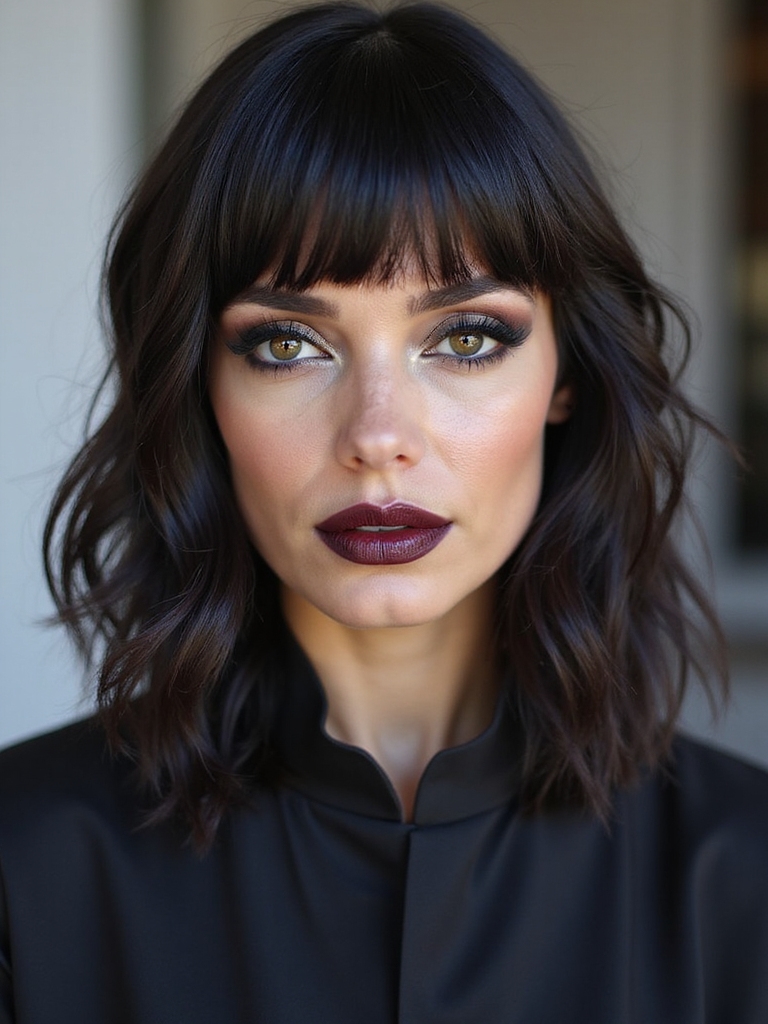
When gathering reference photos for this cut, the most useful ones aren’t necessarily the most stylish; they’re the ones on a face shaped roughly like the one in the mirror.
- Save a couple of options at different fringe lengths and weights before narrowing down to one.
- Bring those references into the consultation as a starting point, not a strict copy request.
- The combination of the right reference photo and an honest conversation about texture is what actually gets this cut right. More pixie inspiration lives at pixie cut styles.
The Fringe Is the Cut
On a long pixie, bangs aren’t a small add-on; they’re close to the whole point, framing the eyes and balancing the face more than any single other detail of the cut.
Matched to the right face shape and texture, and paired with an honest conversation about upkeep before the first cut, a fringe this visible has a much better chance of being one worth keeping past the first trim.
You Might Also Like