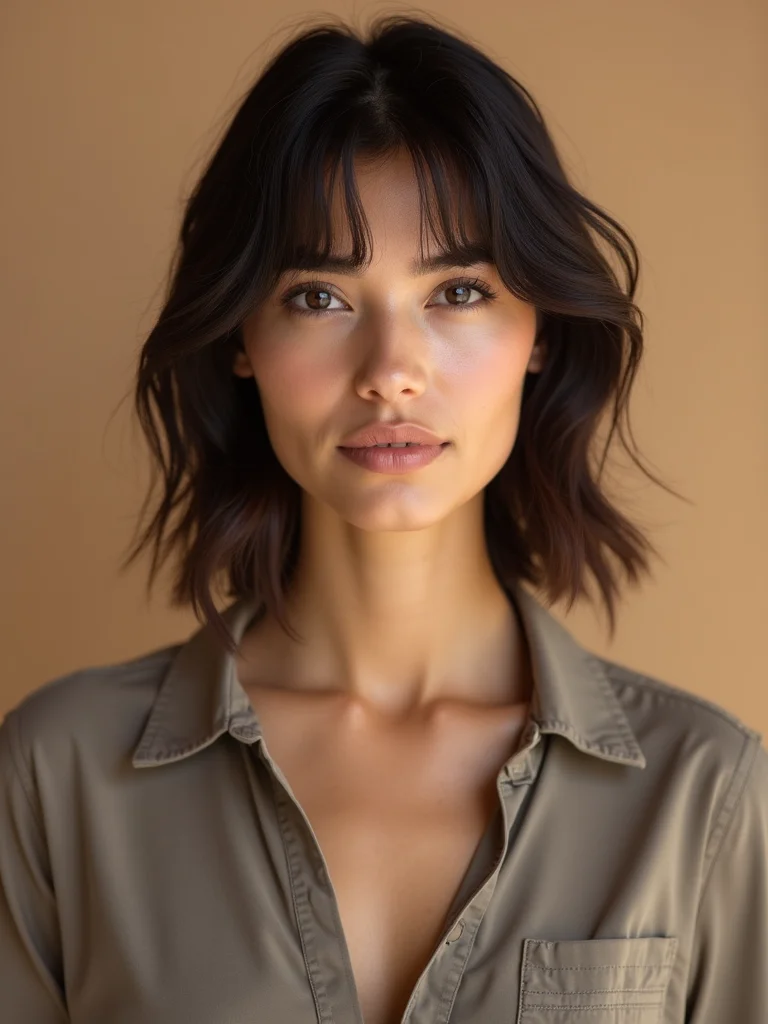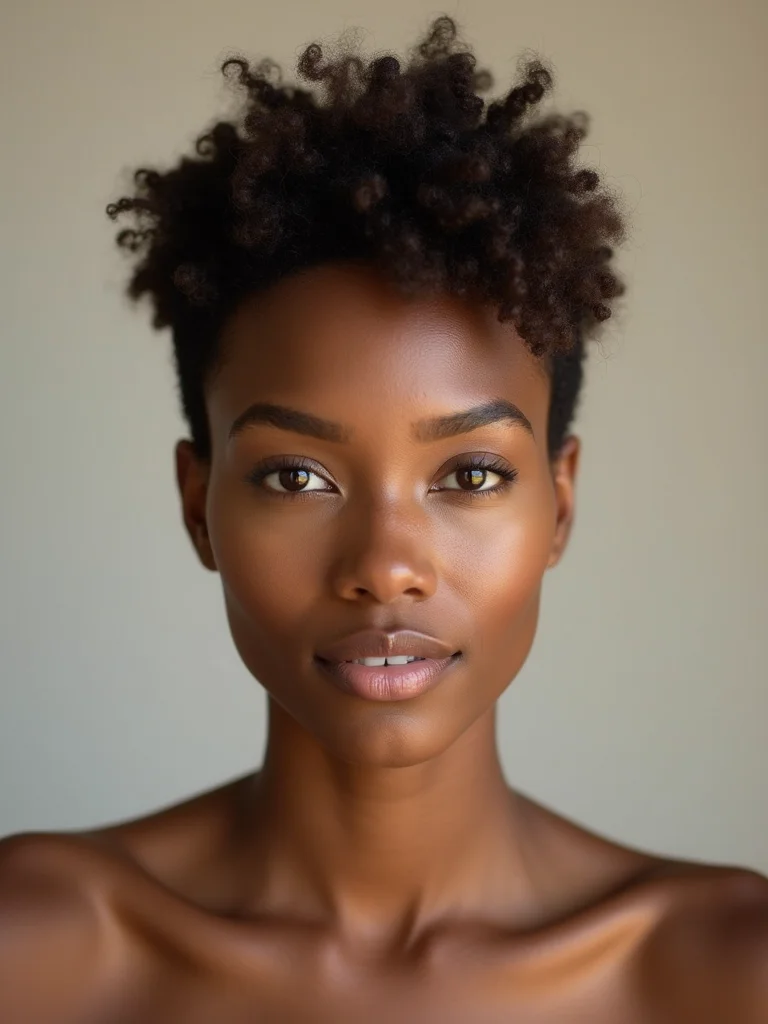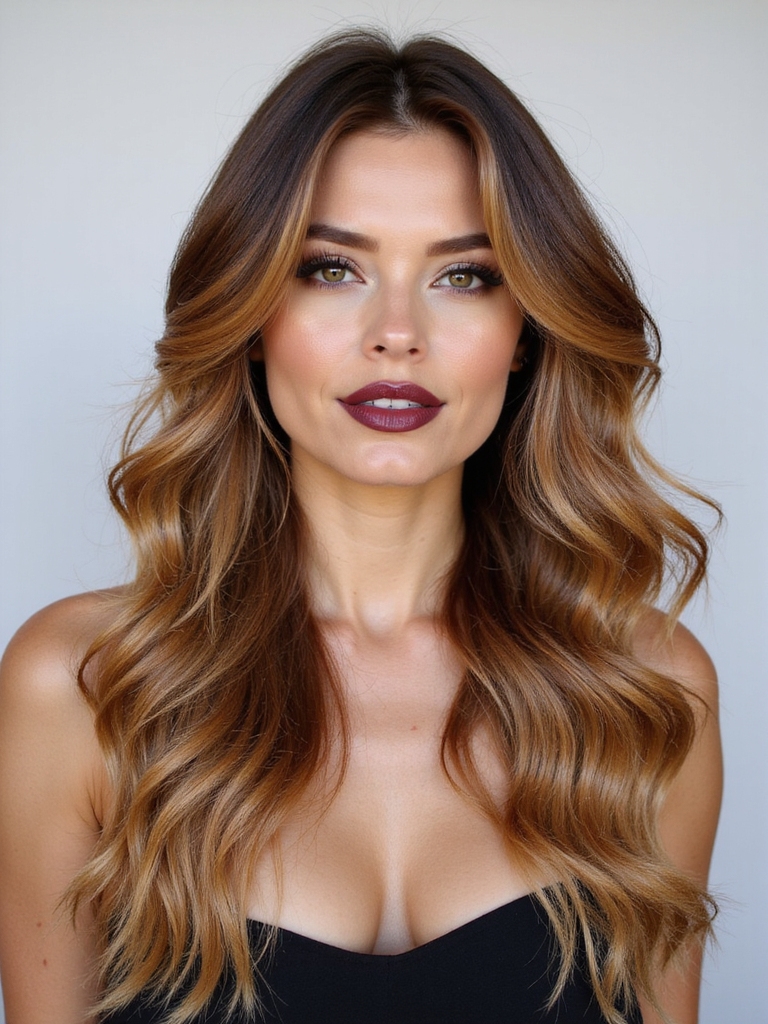
Picture two women with the same length of hair standing side by side. One’s ends swing loose with every step; the other’s hair sits like a curtain, barely moving at all. The only difference between them is where the layers were cut.
The fifteen shapes below all chase that same swing, sorted by how much weight they take out and where. Expect an honest read on which hair type each one actually suits, and which ones will disappoint you if your texture doesn’t match the photo.
The Fast Read Before You Book
- Decide first whether you want weight removed (a V-cut) or kept (a U-cut); that choice matters more than which photo you bring in.
- Match the layer intensity to your hair type: restraint for fine hair, real interior thinning for thick hair, a dry cut for curls and coils.
- Most of these shapes need collarbone-length hair or longer to actually show; shorter than that, the cut is basically a blunt trim with texture.
Face-Framing Pieces That Lift Without Cutting Length

The easiest place to add movement to long hair is the front. Face-framing layers shape and lighten the pieces closest to your cheeks while the back stays completely untouched, so you keep every inch of length everywhere else. Nothing behind your shoulders changes at all.
Those shorter, lighter pieces catch the air more easily than a full, heavy length ever could, giving the front real lift away from your cheeks. The lift holds up on its own, no styling required, and it works on almost any face shape you’re working with.

Shag Layers Stacked From Crown to Tip

A shag spreads its texture everywhere, from crown to tip. Layers stack from the top all the way down, so the bounce shows up evenly through the whole length.
Worn rough-dried and a little undone, a long shag looks finished the moment it’s dry. The bounce holds all day, and that even distribution is why the cut never feels heavy, even at real length.
Scrunch a little product through while it’s damp, let it air-dry, and separate the pieces with your fingers once it’s set.
“Ask specifically for the shag layers to start at the crown, not lower down the back. Starting too low is the difference between real texture and a cut that just looks a little rough at the ends.”
Curtain Bangs Blended Into Soft Layers
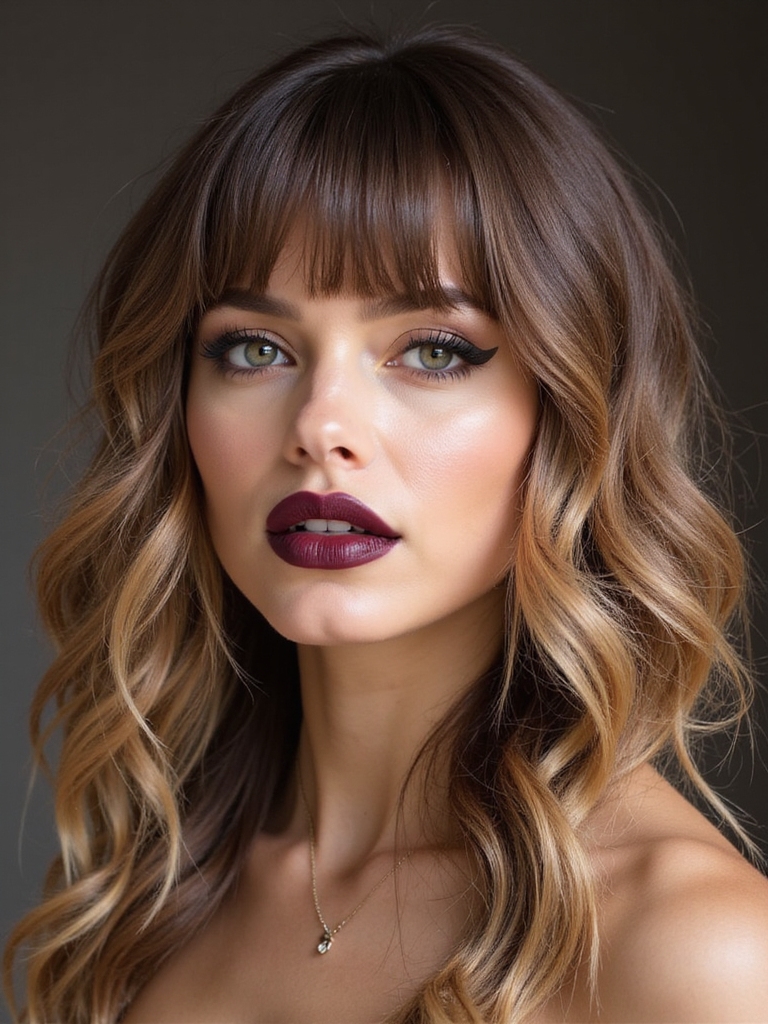
Curtain bangs paired with soft long layers move as one connected frame. The center-parted fringe blends smoothly with the face-framing pieces around it, so the whole front sweeps together.
Keep the fringe long enough to tuck behind your ears on a rough day, and the whole thing grows out with no awkward stage. For the side-swept version of this pairing, see long layered hair with side bangs.
- The fringe and the layers should graduate at close to the same rate
- A round brush lifting the roots as you dry brings out the sweep
- Works well on straight through wavy textures; curls need the fringe cut separately
A V-Cut That Sends the Layers Swinging
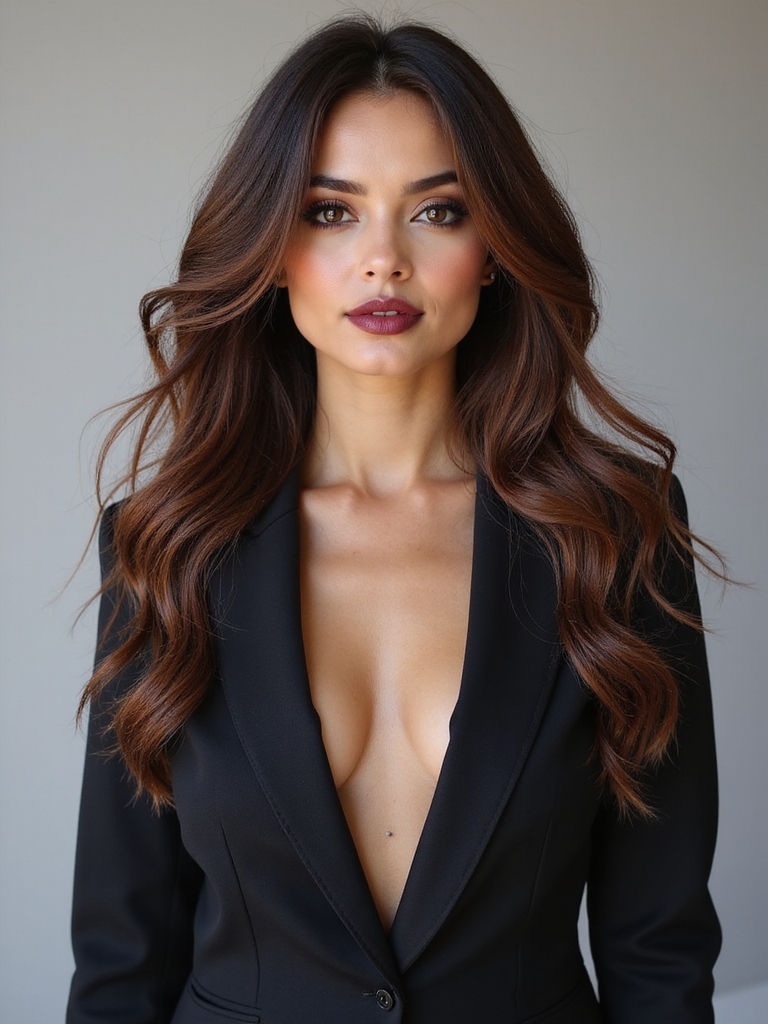
A V-cut tapers the back to a single point, with the layers graduating steeply toward the face. That steep taper sheds real weight down the length, letting the hair separate and swing when you move.
It’s built for thick or medium hair carrying weight worth removing. The swing is the whole point; on already-fine hair, the same cut can go sparse fast instead.
- The point at the back should sit right at your longest length
- Suits hair with enough density that losing bulk still leaves body behind
- Air-dry with your head tipped forward for a few minutes to see the swing settle
ℹ️V or U, Not Both
A V-cut removes weight; a U-cut keeps it. If you’re not sure which you want, ask to see both shapes traced against your own length before the scissors come out. The difference is almost impossible to picture from a flat photo.
A U-Shape That Keeps the Fullness Intact
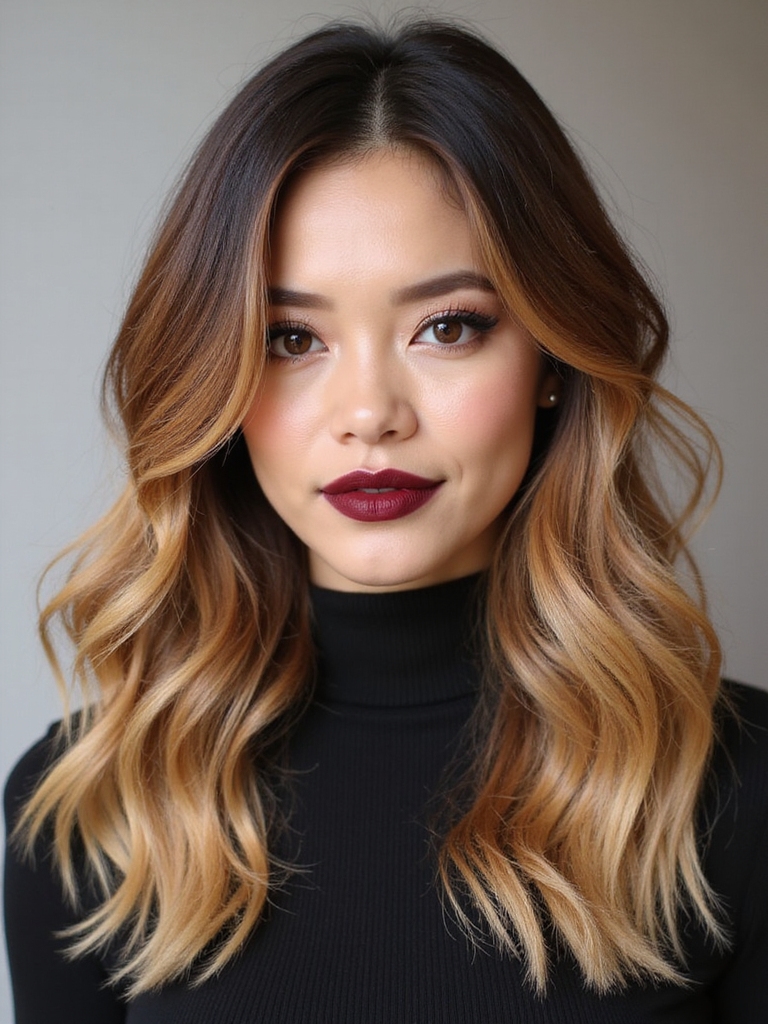
A U-cut keeps almost all the weight a V-cut removes. The perimeter rounds into a soft U while the internal layers stay long, adding gentle movement without touching the density that made the length worth growing out.
It’s the shape for hair that’s already thick enough and just wants a little more motion. A long layered bob borrows this same rounded logic at a shorter length.
- Best on hair that already has thickness to spare
- Internal layers do the lifting; the outline barely changes
- A blow-dry with a large round brush shows the roundness best
Feathered Ends for Movement Right at the Tips
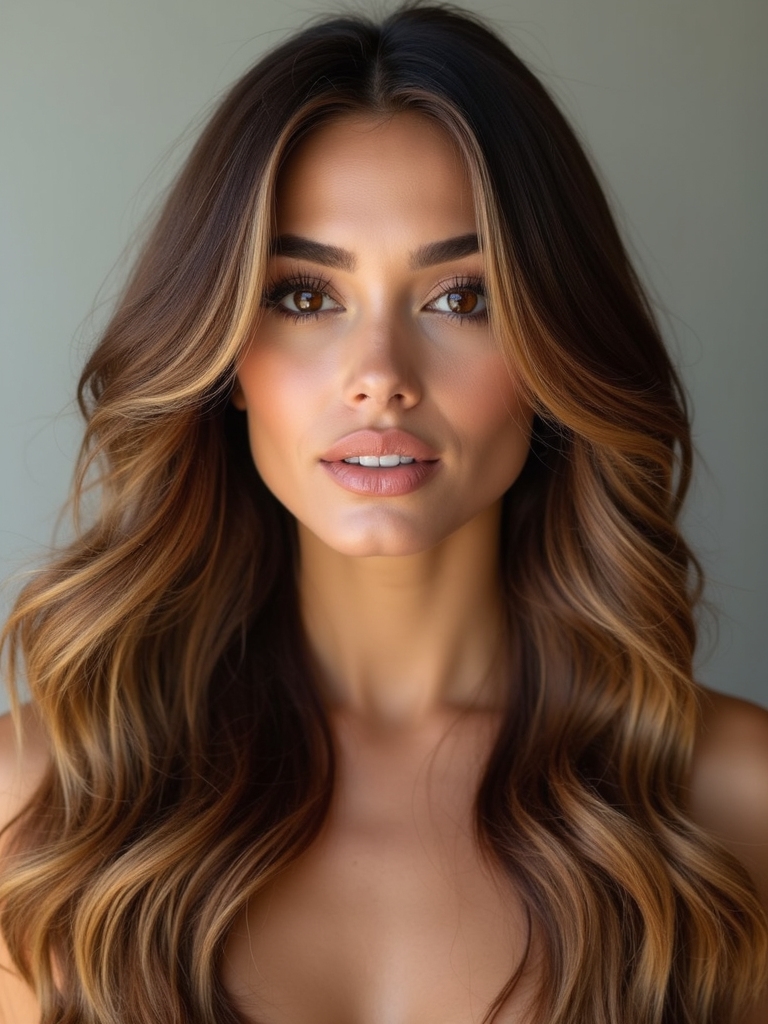
Feathering is the lightest possible way to get long layers moving. Only the very ends taper into fine points, so movement shows up right where hands and wind actually touch the hair.
Where the Movement Actually Shows
Nothing above the tips changes. It’s a low-effort way to bring life to a heavy length that isn’t ready for more aggressive layering yet.
Straight and wavy hair show off the flick best; curls tend to absorb the feathering into their own pattern instead.
A Razor Cut for Soft, Worn-In Body

A razor slices through the ends, leaving a soft, feathered edge scissors can’t quite copy. The edge stays soft, and the whole cut takes on a weightless quality that moves with almost no effort. It’s a small technical swap with a real visible payoff.
Fine or already-fragile hair can fray under a razor. Check your hair’s condition with your stylist before they reach for the blade over the shears.
A few terms come up constantly when you’re discussing long layers with a stylist. Here’s what they actually mean.
📖Point-cutting
Snipping vertically into the ends with scissors to soften them, without the extra thinning a razor gives.
📖Interior layering
Layers cut beneath the surface so the outline of the hair stays intact while weight comes out from underneath.
A Long Wolf Cut, Shag Meets Mullet

The wolf cut borrows from both the seventies shag and a soft mullet, piling heavy texture at the crown and letting it taper through the rest of the length. On long hair that means serious volume up top, with bounce running through everything below it.
It’s the boldest shape on this list, built for hair that’s meant to make a statement. Because of all the crown-heavy shaping involved, plan on spending around $85 at a mid-range salon for this one, more than a simpler layer job runs.
Very fine hair struggles to hold up that crown volume. I’ve watched it fall flat within a day when there isn’t enough natural density to carry the weight the cut depends on.
Invisible Layers for Fullness Nobody Can Trace
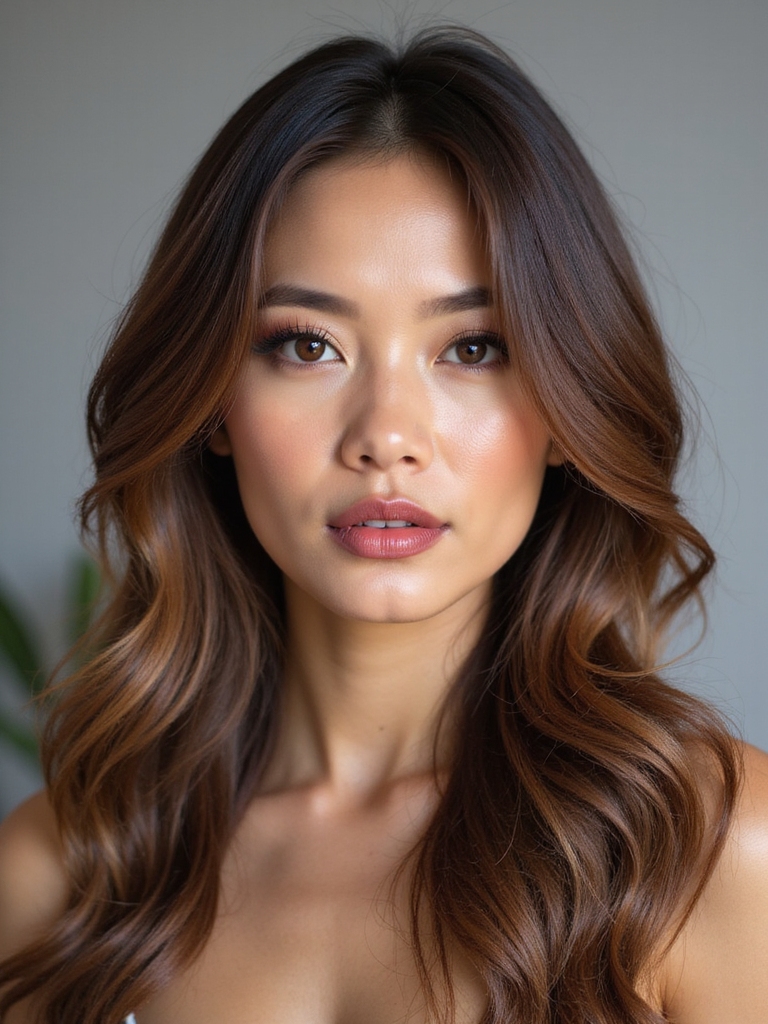
Invisible layering removes a little weight from underneath the surface while the outside keeps its smooth, single-length appearance. Nothing about it shows.
- Best for fine hair that can’t afford to lose any visible density at the ends
- Ask specifically for interior layering by name when you book
- The body it adds is real; it simply never announces itself
Cascading Layers for a Fuller, Bouncier Fall
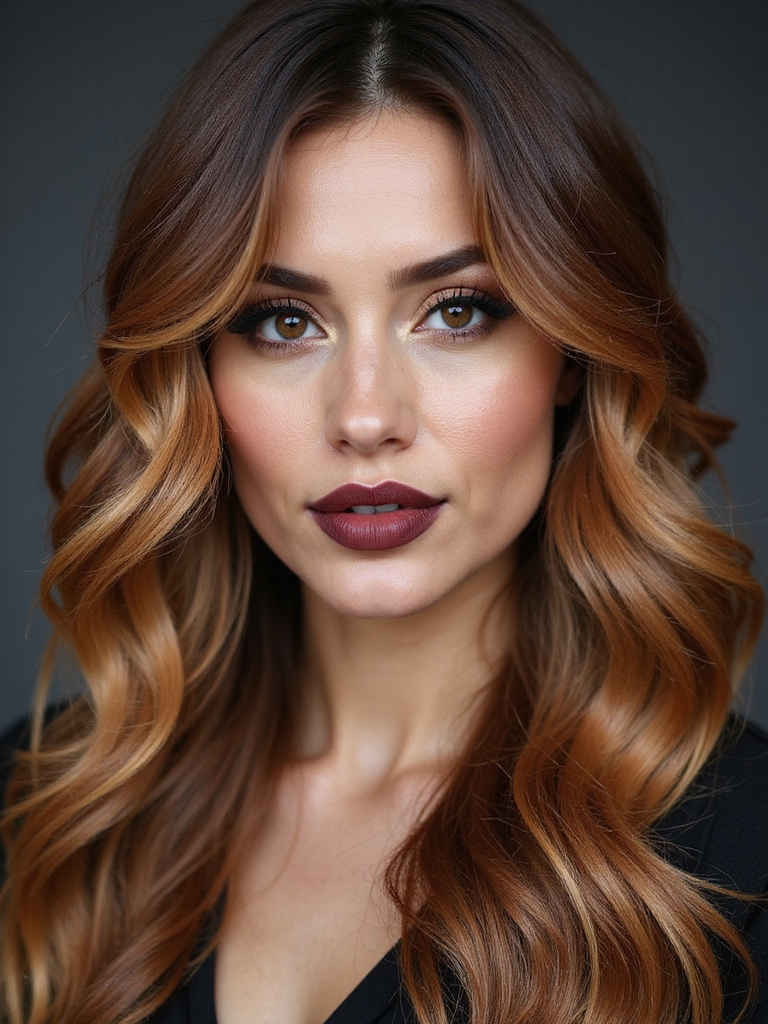
Cascading layers graduate in soft, rolling tiers, giving long hair a romantic, done-up flow with real lift through the back.
- Pairs especially well with a wave that lets each tier roll on its own
- A large barrel iron or hot rollers brings out the cascade fastest
- Reads more polished than most cuts on this list; a lower-effort routine suits it less
Restrained Layers Built for Fine Hair
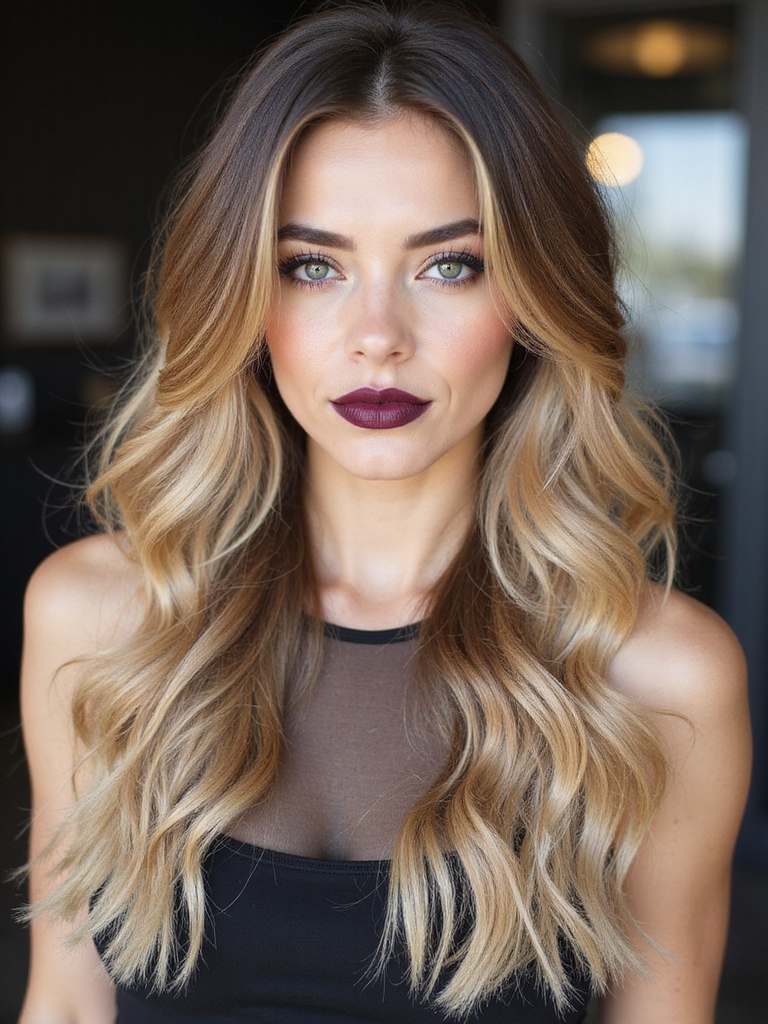
Fine hair and long layers can work together with real restraint. The danger is over-thinning the ends until they go sparse and stringy; the fix is soft, minimal layering plus a little lift at the crown to fake the fullness fine hair can’t build alone.
Keep the perimeter strong and the internal layers gentle, and fine hair gains real movement while keeping the density it already has. For the full roster of trending layered shapes, see layered haircuts.
- Invisible layers plus a touch of face-framing is usually the safest combination
- A volumizing mousse at the roots does more here than any cut can
- Heavy layering throughout thins fine hair the fastest of any option here
Debulking for Hair With Too Much Weight

Thick, heavy hair carries the opposite challenge from fine hair: there’s real bulk to shed. Removing weight from deep inside the cut, while leaving the outer perimeter full, gives thick long hair the swing that a solid, un-thinned length can’t manage on its own.
The goal is keeping the debulking hidden. The bulk simply goes; thinned from underneath, the length still looks clean and full at the ends.
- Ask for interior thinning, worked in from underneath the cut
- A stylist who works section by section, checking as they go, avoids over-thinning
- The result should feel lighter in your hand without looking any different in the mirror
Layers That Give Curls and Coils Real Shape
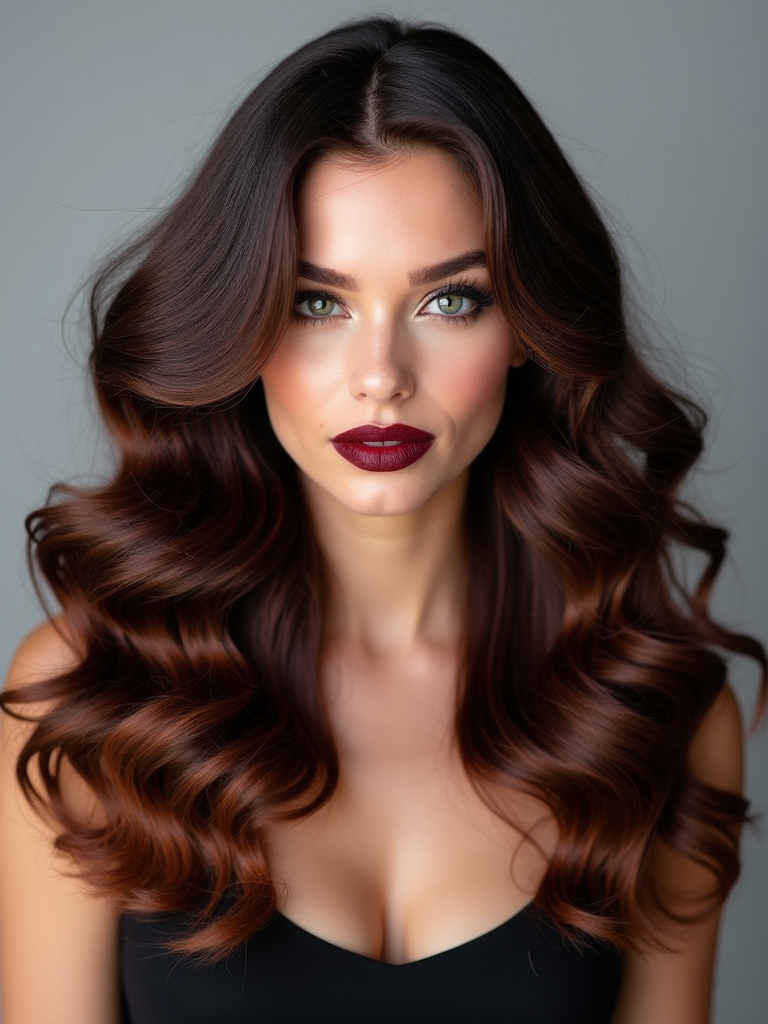
Long curls and coils need layering just as much as straight hair does, or the weight piles into a heavy triangle with a flat crown and dense ends.
Why Curls Need a Dry Cut
The right layers let each curl stack and spring into a rounded silhouette, with lift at the top and defined movement running through the length.
A diffuser on low heat, with a curl cream scrunched through damp hair, defines the shape once it’s been cut.
Layers That Let a Beach Wave Show Off

Layers and a loose wave amplify each other on long hair. The layers give the wave somewhere to bend and break, so the hair falls into dimensional, undone sections that a flat, one-length trim never shows.
The Undone Version of Long Hair
It’s the most casual shape on this list, with no hint of a polished blowout anywhere in it.
A sea-salt spray scrunched through damp hair builds the wave and the texture together. The wave does the rest.
Every client who asks for beachy waves is really asking for the version of their hair that looks good on day two without any extra work.
Layers Cut Specifically for a Blowout

Some long layers exist purely to take a blowout. Graduated pieces are placed so a round brush has something to grip, roll, and curve under, giving the finished style body it could never get from one-length hair.
Built to Hold a Blowout’s Shape
The layers are what keep the style holding its shape into the afternoon.
A large round brush, rolling each section up and under while the hair is still slightly damp, builds most of the volume before any heat finishes it. Paired with a fringe, this same blowout logic shows up in long layered hair with bangs.
Who It Suits Best
Long layers reward hair with enough length to actually show the cut off, collarbone and past. Shorter than that, most of these shapes read closer to a blunt trim with a little texture at the ends.
Match the shape to what your hair is already doing: shed weight with a V-cut if it hangs flat, keep it with a U-cut if it’s already thick, and go invisible if it’s fine and every inch of density counts. For the broader range of long layering, long layered hair covers more variations.
Long Layer Questions Worth Sorting Out First
?How do I ask for movement without losing noticeable length?
Ask specifically for interior layering or a light V-cut rather than an all-over trim. Both remove bulk from inside the length instead of cutting off inches at the bottom, so most of the visible length stays exactly where it was.
?Can I go from a blunt, one-length cut straight into heavy layers in one visit?
Usually yes, since layering removes hair rather than adding it. A stylist may still hold back on the most dramatic shaping, a full wolf cut, for instance, until they see how your texture actually falls once the first layers are cut.
?Will long layers work on hair that’s already color-treated and a little dry?
Layering itself doesn’t add stress to color-treated hair, though fragile ends may do better with point-cutting than a razor. Mention any dryness or breakage before the appointment so your stylist can adjust the technique as well as the shape.
?What’s the real difference between a V-cut and a U-cut if the photos look so similar?
A V-cut tapers to a single point at the back and removes real weight; a U-cut rounds the perimeter and keeps almost all of it. Side by side, a V-cut swings more and a U-cut sits fuller, and the difference shows most clearly once the hair is actually moving.
The Weight Decides Everything
Every long layered haircut on this list solves the same basic problem from a different angle: where the weight needs to come out, and how much of it. A V-cut, a wolf, a set of invisible layers underneath — they’re all answers to that one question.
Bring a photo, but bring your actual hair type into the conversation too. The shape that looks best on a stranger with different density and texture rarely behaves the same way on yours.
Related Reads