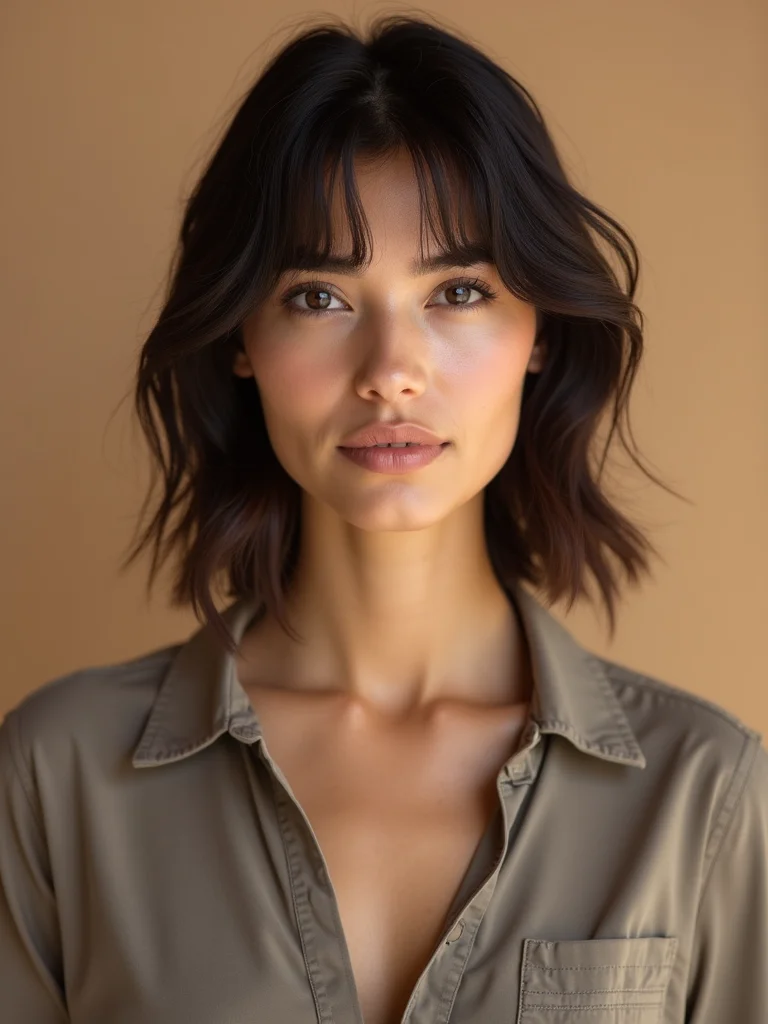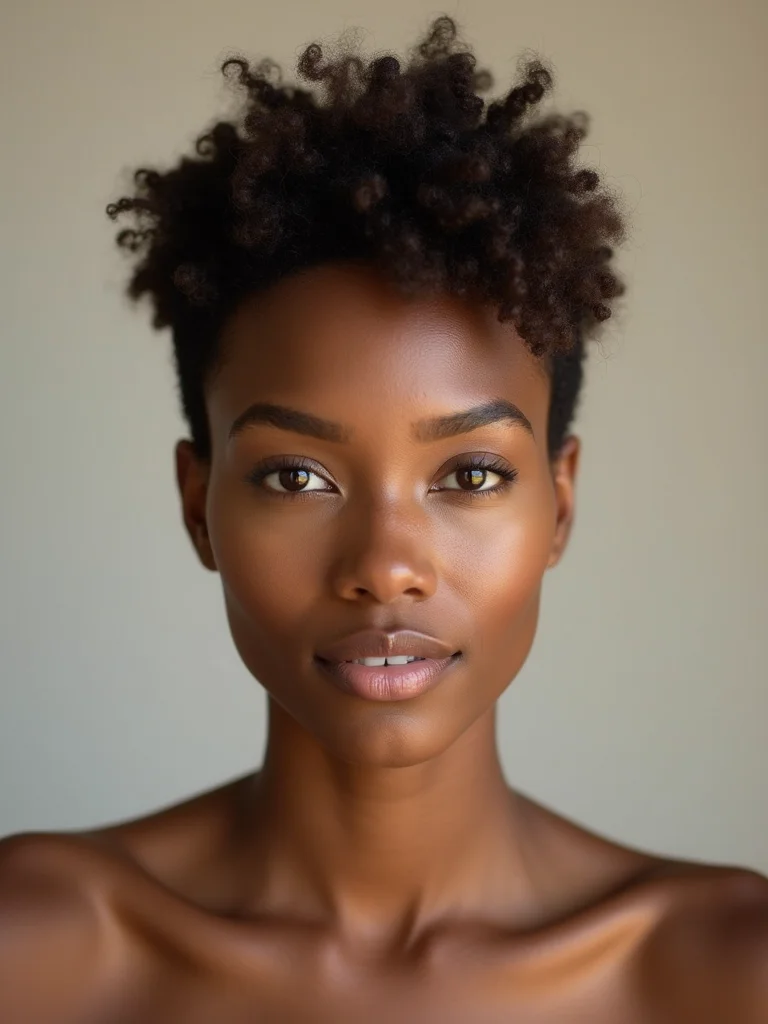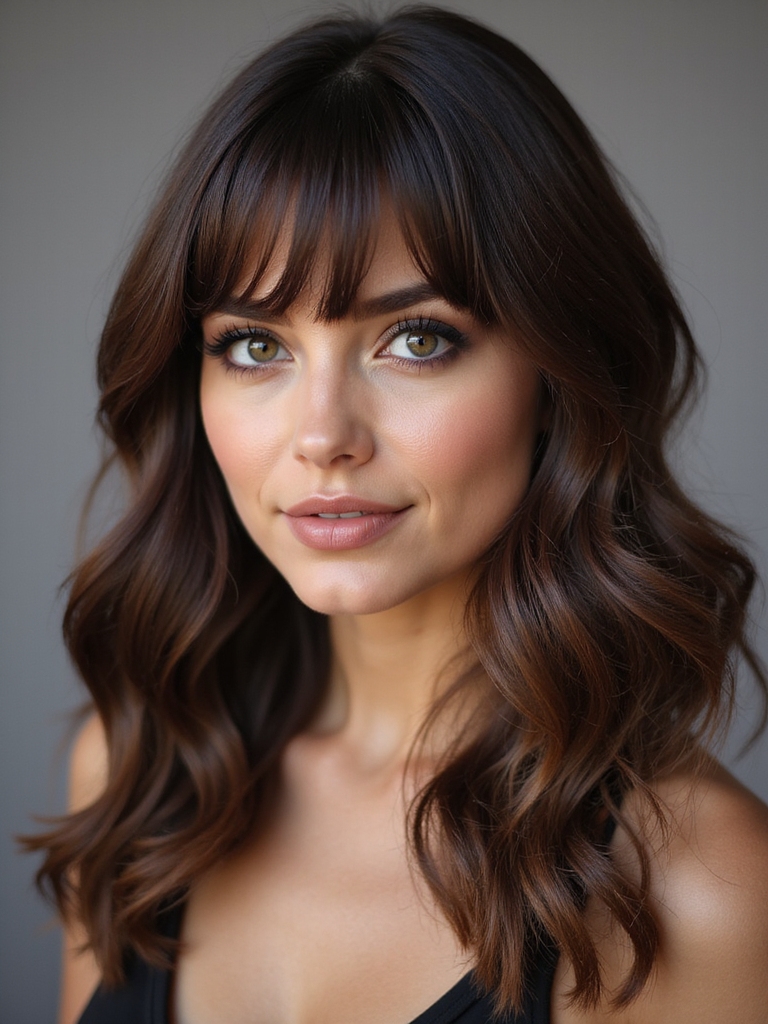
Heavy, blunt bangs make a statement, but they also demand a blow-dry every morning and a lot of forehead real estate. Light bangs work the opposite way: they soften the face, skim the brow, and blend into the cut without taking over the routine.
Fifteen ways to wear light bangs follow below, matched to face shape and texture, plus the styling and trim notes that actually decide whether a soft fringe stays easy to live with.
Light Bangs, Quickly
- Light bangs work through sparse density more than any soft cutting technique, which is what actually lets the brow show through.
- Match the shape to your face first: airy, longer sides for round faces, feathered edges for square, a brow-grazing veil for long faces.
- Plan on around $60 for a standalone trim, and expect to book one roughly every five to six weeks to keep the fringe grazing the brow.
Matching Light Bangs to Your Face Shape

Face shape decides more about a light fringe than any trend photo does. Density and length get mapped to open up the eyes and soften whatever angle needs it most, which is worth sorting out before booking anything.
- A rounder face tends to want airy, slightly longer sides to slim and lengthen.
- A square jaw softens under feathered, wispy edges rather than a straight line.
- Long or heart-shaped faces balance well with a brow-grazing veil or piecey strands.
Soft Curtain Bangs, Center-Parted
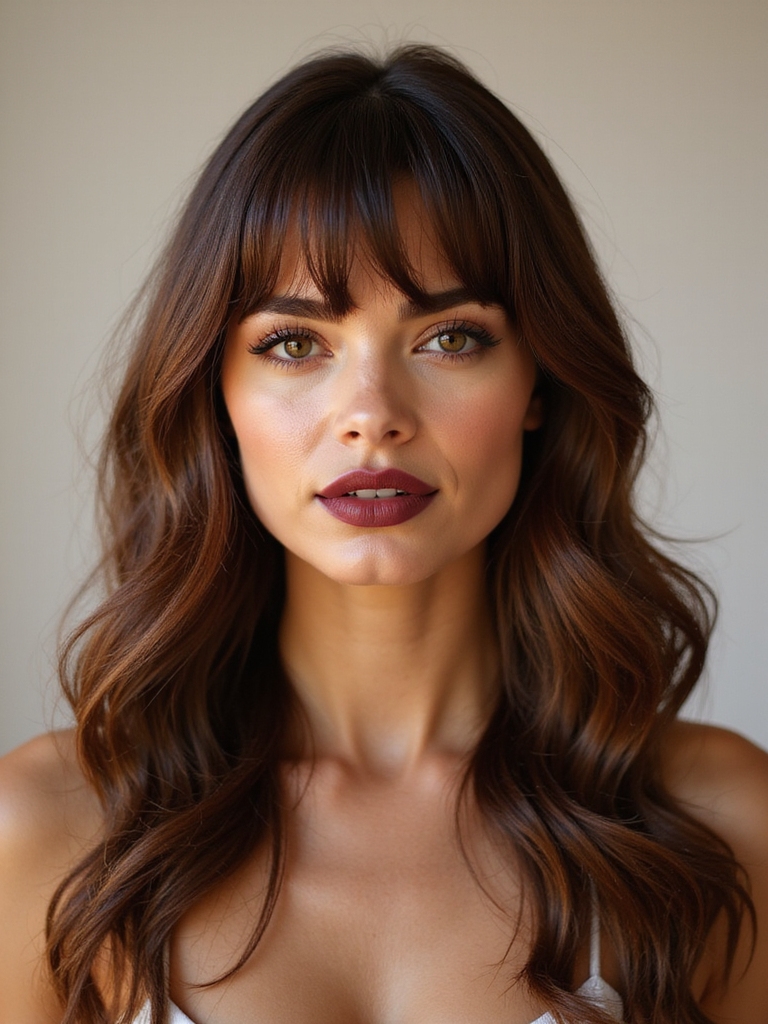
Curtain bangs are the most universally flattering light fringe, since they open from the middle and settle on either side of the face as two soft pieces. Kept sheer and brow-length, they balance almost any feature. For a fuller take on the same idea, curtain bangs cover more density.
- Parts naturally down the middle, with no hard line to commit to.
- Brow-length and see-through, which is what keeps it soft.
- Forgiving on most face shapes, which is why it’s the entry point most people try first.
Wispy Bangs Blended Into Long Layers

Wispy bangs paired with long, feathered layers give the softest possible frame without cutting off length. The fringe melts into the layers around it, so there’s no obvious start or stop, and the whole thing grows out without a rough stage.
- The fringe blends directly into the face-framing layers.
- Point-cut edges throughout keep anything from looking blunt.
- Grows out with no awkward in-between phase to manage.
| Face Shape | Best Density | Length |
|---|---|---|
| Round | Airy, longer sides | Just past the brow |
| Square | Feathered, wispy edges | Brow-length |
| Long or heart | Sheer veil or piecey strands | Grazing the brow |
Airy Micro Bangs, Cut High and Sheer

Micro bangs sit high on the forehead and make a delicate, fashion-forward statement, and keeping them light is what stops them from reading severe at that height. They’re a bigger commitment than most versions here, worth walking through before booking. Baby bangs cover the same height without the sheer approach, for comparison.
- Cut short but truly see-through, which is what keeps the edge feeling soft.
- Expect a trim roughly every other week to keep the length in check.
- Best suited to straight or lightly wavy hair that lies flat on its own.
Feathered Bangs on a Brow-Skimming Bob
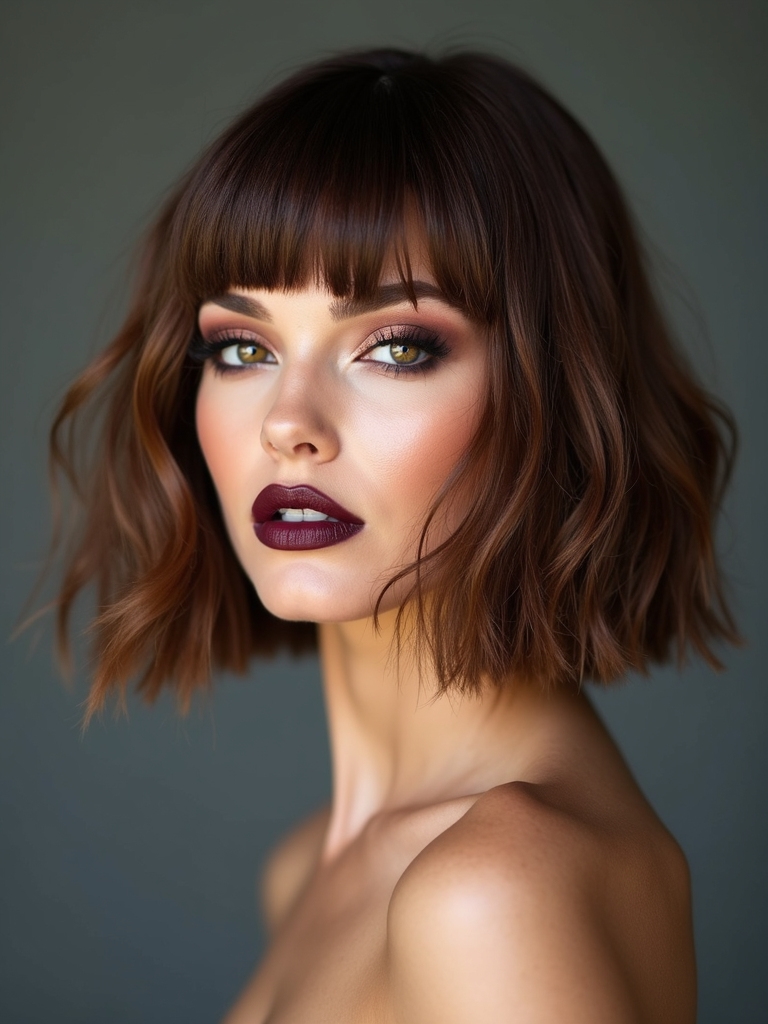
A bob and feathered bangs are a classic pairing, and keeping the fringe light stops it from reading heavy against the blunt cut underneath. The bangs skim the brow while the bob frames the jaw, and that contrast in weight is what makes the pairing feel current.
Matching the Fringe to a Blunt Line
The fringe gets feathered to break up the bob’s strong line, with the ends of the cut texturized to match. A little texture spray keeps both parts moving as one connected shape.
This suits anyone who wants a low-effort wash-and-go with a polished shape. A trim roughly every six weeks keeps the bob line crisp underneath it.
Side-Swept Bangs for a Gentle Entry Point

Side-swept light bangs are the gentlest way into a fringe, since they melt into the surrounding layers and never sit straight across the forehead. Sweeping to one side and grazing the cheekbone gives a soft diagonal frame.
Cut a touch longer than a straight fringe, they tuck behind the ear easily on lazy days. That flexibility is exactly why they suit anyone still deciding whether bangs are for them at all.
- Swept to one side, grazing the cheekbone rather than sitting flat.
- Long enough to tuck away whenever it’s easier.
- An easy way to test whether a fringe suits you before going shorter.
Two things people assume about light bangs that don’t hold up:
❌ Myth: Light bangs are high-maintenance because they’re delicate.
✅ Reality: Usually the opposite. Less density means less product and less daily styling, not more.
❌ Myth: A sparse fringe always looks thin or unfinished.
✅ Reality: Sparse is the density, not the effect. Cut with intention, it reads soft and deliberate, not unfinished.
Light Bangs That Follow Natural Waves

Hair that waves on its own lets light bangs ride that same texture, so the fringe never looks stiff or pasted flat against the forehead. Air-drying with a salt spray lets the bangs move with everything else, smoothing only the front pieces if they kink.
- The fringe follows your natural wave pattern on its own.
- Salt spray and air-drying handle most of the work, no heat needed.
- Smooth only the front pieces by hand if they kink out of place.
A Whisper-Thin Fringe on a Shaggy Cut
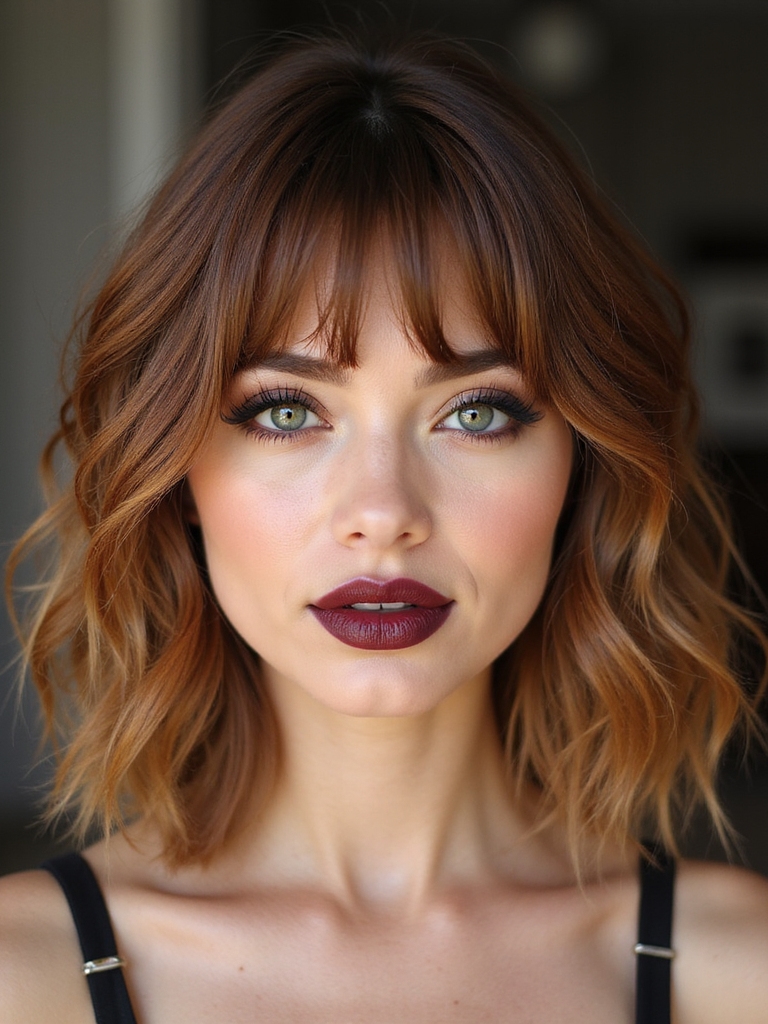
A shaggy cut and a whisper-thin fringe suit each other naturally, both built around lightness and movement over any defined line. The wispy bangs echo the choppy, textured layers so the whole shape hangs together as one piece.
Keeping the fringe barely there stops it from competing with the shag’s texture underneath. A pinch of matte paste through the ends ties both pieces into one look. The broader fringe bangs guide covers other density options for a similar shaggy base.
- A whisper-thin fringe matches choppy layers without competing for attention.
- Matte paste defines the texture on both the fringe and the layers.
- Real movement, very little daily upkeep required.
A Blunt Cut Paired With Sheer Bangs
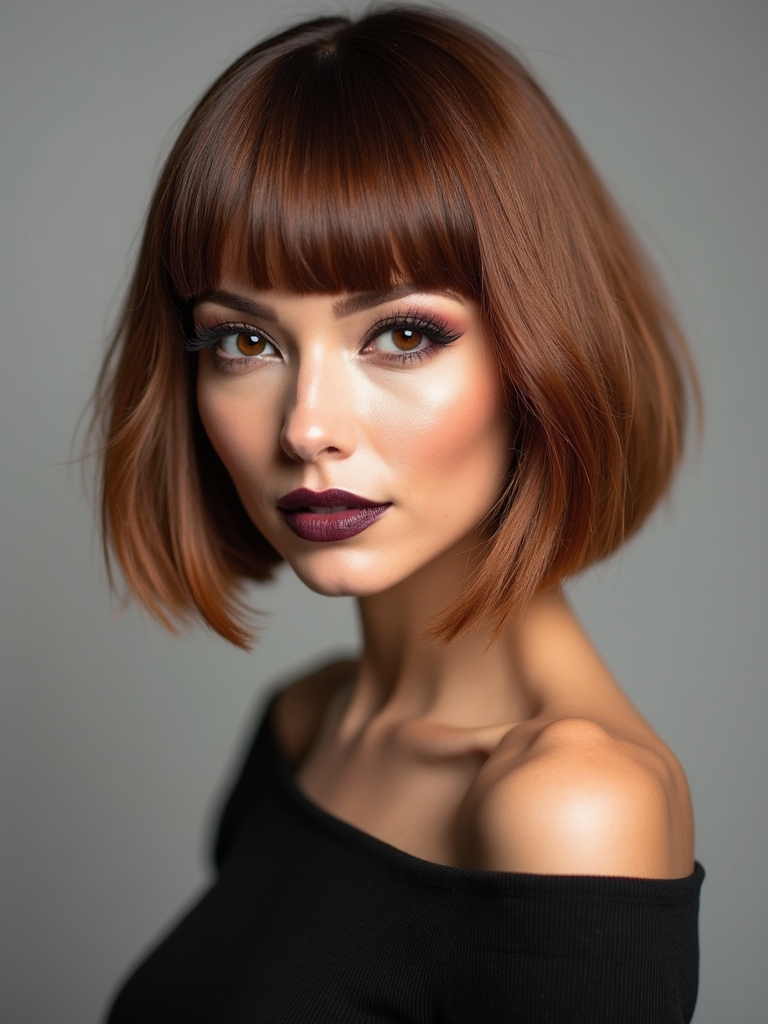
Pairing a sharp, blunt cut with soft, see-through bangs is a real study in contrast. The blunt perimeter reads strong and precise while the airy fringe keeps the whole face soft.
Why Density Matters More Than the Cut Itself
The bangs have to stay truly sheer, or they clash with the clean lines underneath. Checking the result once it’s fully dry is what catches density that still looks too heavy while everything is wet.
This look photographs sharp and polished, one reason it shows up so often in editorial work. It does ask for a precise stylist, so clear reference photos at the consultation matter more here than usual.
💡Checking Density Dry
Wet hair always looks thinner than it is. Any stylist worth trusting will dry the fringe before making a final call on how much more to remove.
Low-Maintenance Styling, Most Mornings
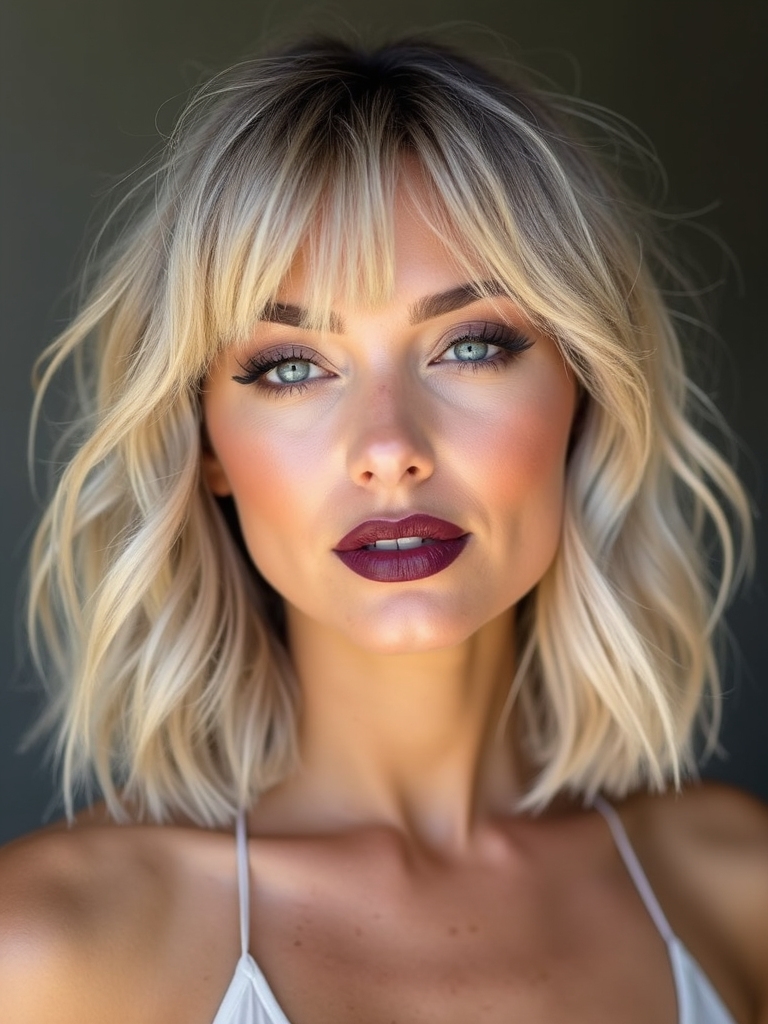
The whole point of light bangs is that they ask very little day to day. A quick finger-comb and a spritz of water reset most mornings, and if the fringe kinks overnight, a thirty-second pass with the brush barrel and cool air sorts it out.
A travel-size dry shampoo is worth keeping close, since the fringe is usually the first part of the head to look oily. A light mist right at the roots of the bangs buys an extra day between washes.
Styling Light Bangs Without Heat
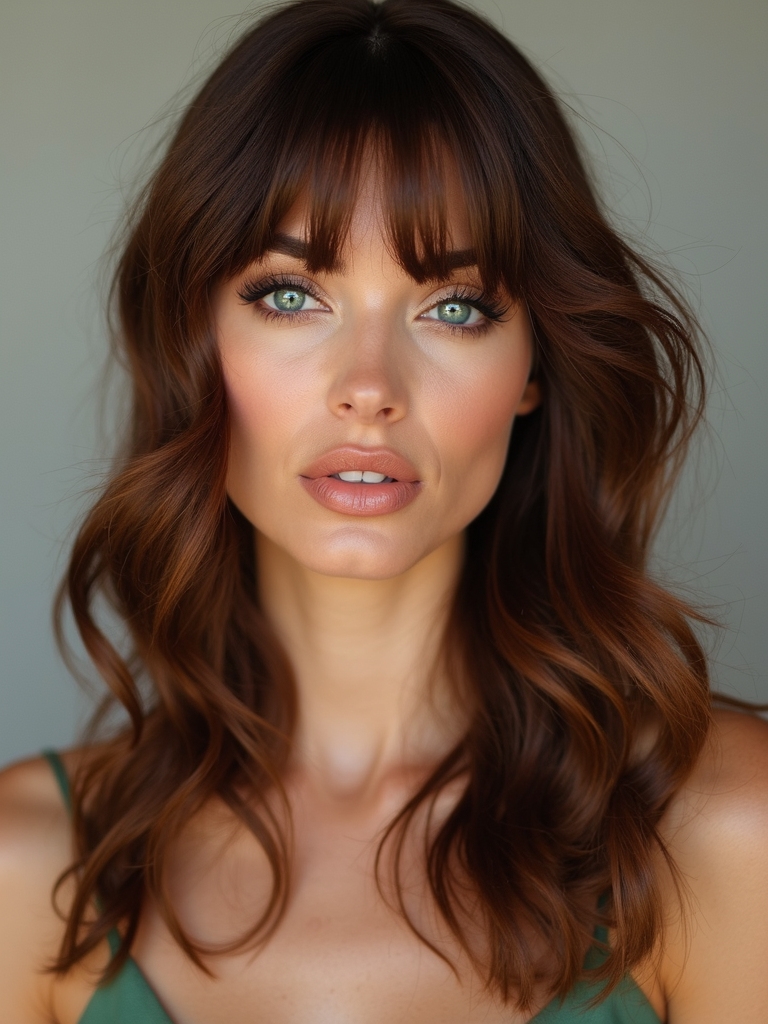
Light bangs can stay feathery without ever reaching for a hot tool, which protects the delicate fringe from the breakage heat causes over time. A few tricks handle most of the work in under a minute each:
- Wrap damp bangs around two fingers and pin briefly to set a soft bend.
- Sleep with the fringe smoothed flat under a silk scarf or pillowcase.
- Refresh dry bangs with a damp brush and a touch of light cream.
Weightless Products for an Airy Fringe

Product choice makes or breaks light bangs, since anything heavy drags them into stringy clumps almost instantly. Sticking to the lightest formulas available matters more here than anywhere else on the head.
A flexible-hold spray, a fine texture mist, and dry shampoo cover nearly every situation the fringe runs into. Oils and rich creams are worth keeping away from this section entirely.
A little goes a long way. One light spritz is usually plenty; more than that flattens the bangs by midday.
Trimming and Growing Light Bangs Out
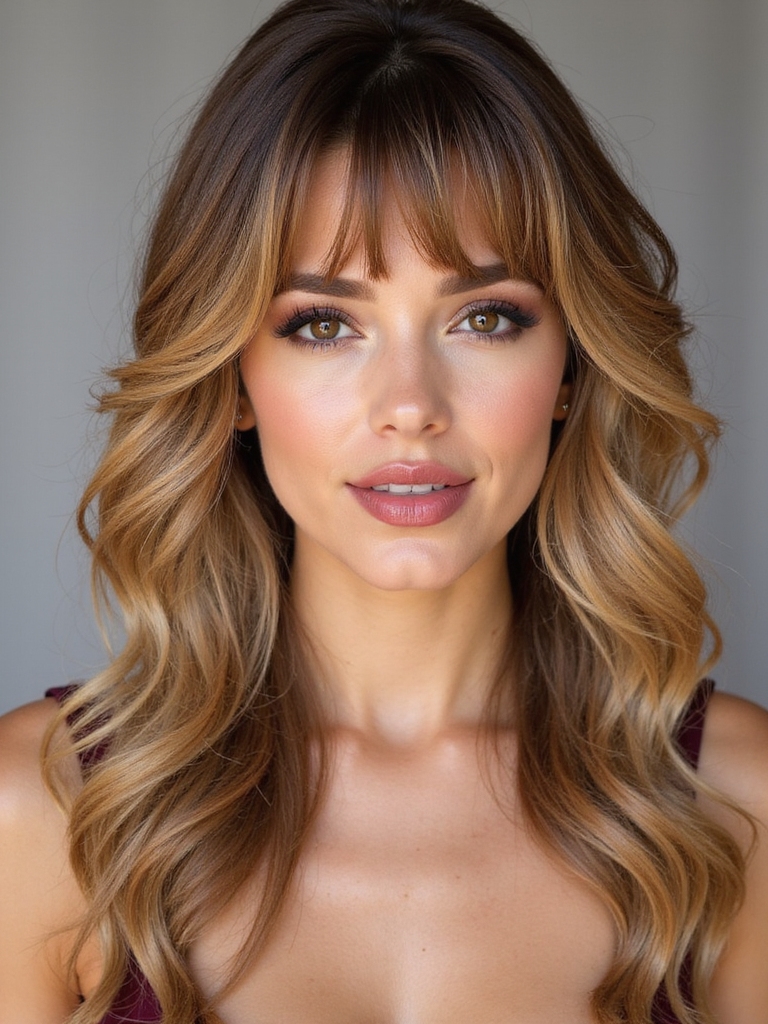
Light bangs want a trim on roughly a monthly rhythm to stay grazing the brow, and plenty of salons include a quick bang trim free between full cuts. Booked as a standalone service, plan on around $60.
When it’s time to grow them out, the light, blended shape works in your favor. They lengthen into soft framing pieces around the face with no rough in-between stage, so sweeping them to the side works until they reach the cheekbones. The face-framing layers with bangs guide picks up once they reach that length.
What a Good Consultation Actually Covers

A good consultation is what separates bangs worth keeping from bangs that get grown out within a month. Three questions matter most going in: where the part naturally falls, where any cowlicks sit, and how much time will actually go into styling.
Bringing two or three photos and being specific about how sheer the fringe should read helps more than a single reference image ever does. Cowlicks at the hairline can lift a fringe in ways no photo predicts, so flagging them early matters.
Asking a stylist to cut conservatively at first and check the bangs dry before going shorter is worth the extra few minutes. More can always come off later; there’s no adding it back for weeks.
📋Before Your Light Bangs Appointment
- ✓Bring two or three photos, and specifically use the word ‘sheer’ or ‘see-through.’
- ✓Point out where you naturally part your hair and any cowlicks along the hairline.
- ✓Be honest about how much time you’ll actually spend styling on an average morning.
Adjusting Light Bangs Through the Seasons
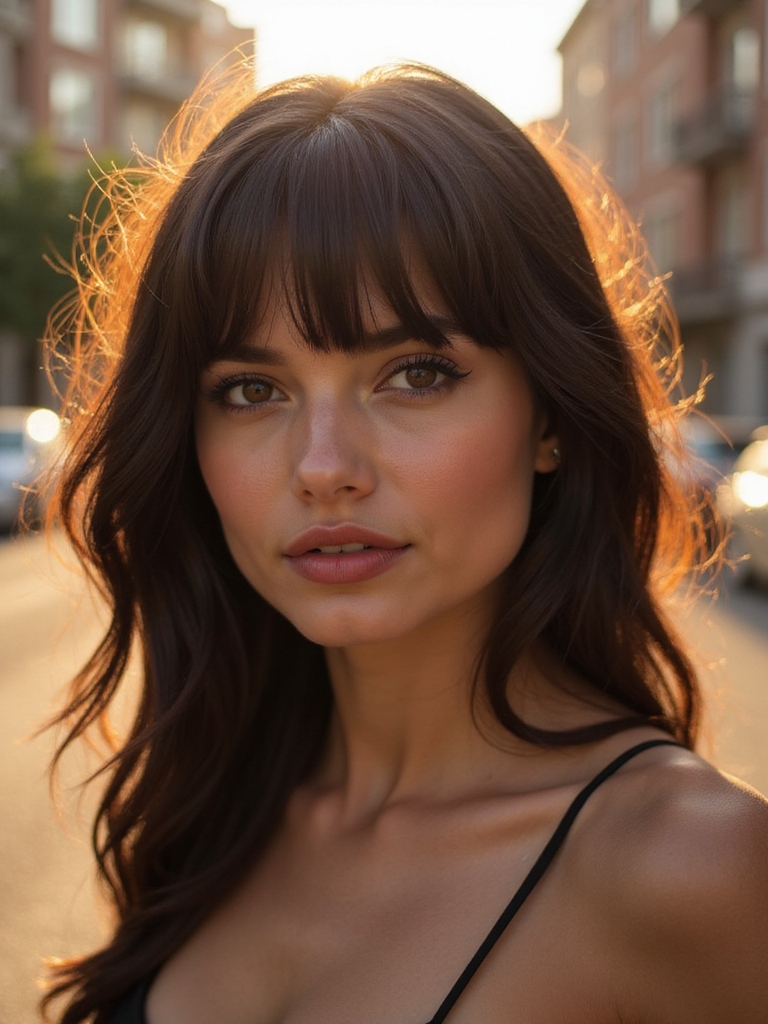
Light bangs respond to weather more than the rest of the head does, since the fringe sits directly against the forehead. In humid months, a touch of light cream tames the frizz that makes wispy bangs puff up and lose their shape.
In dry, cold weather, static becomes the bigger problem instead. A small amount of oil smoothed over just the surface, worked in with clean palms, calms flyaways without weighing the fringe down.
Right now, the direction most stylists are leaning is toward the sheerest, most see-through fringe density in years, so there’s no need to hold back when asking for the density to stay low. The same sheer, see-through approach is the whole idea behind Korean bangs, if this direction appeals to you.
Light Bangs Questions
?Do light bangs work on thick hair?
Yes. A stylist thins the fringe more heavily so it stays see-through against the extra density underneath. The real skill is in the texturizing, so it’s worth confirming your stylist is comfortable thinning a fringe specifically, not just cutting length.
?How often do light bangs actually need trimming?
Roughly once a month works for most people, and many salons include a quick bang trim free between full cuts. Booking the moment the fringe starts dipping toward the eyes keeps it from ever feeling overgrown.
?Can light bangs be styled without any heat at all?
Most days, yes. Dampening the fringe and finger-combing it back into place is often enough on its own, and a damp brush smooths out any overnight kinks in under a minute.
Soft, Floaty, and Easy to Live With
Light bangs deliver the flattering, face-softening effect of a fringe with a fraction of the usual upkeep. Whether the choice lands on wispy curtain bangs, a side-swept sweep, or whisper-thin micro bangs, the common thread is keeping the density low so the fringe stays airy and grows out kindly.
Anyone who has been on the fence about bangs because of the maintenance stories has a real, low-stakes way in here. Bring a photo, ask for see-through density by name, and give it a full season before deciding either way.
Where to Next