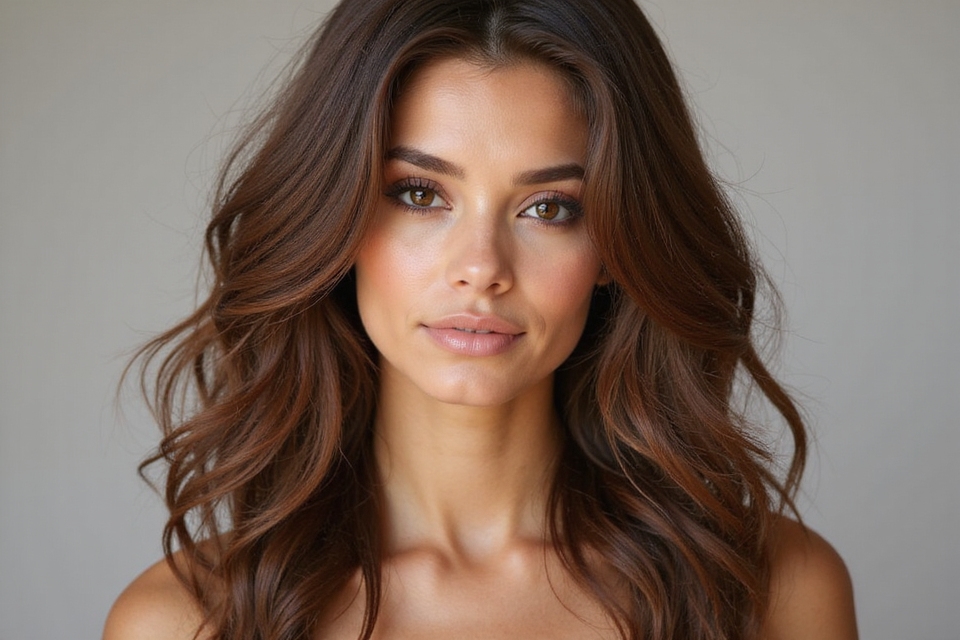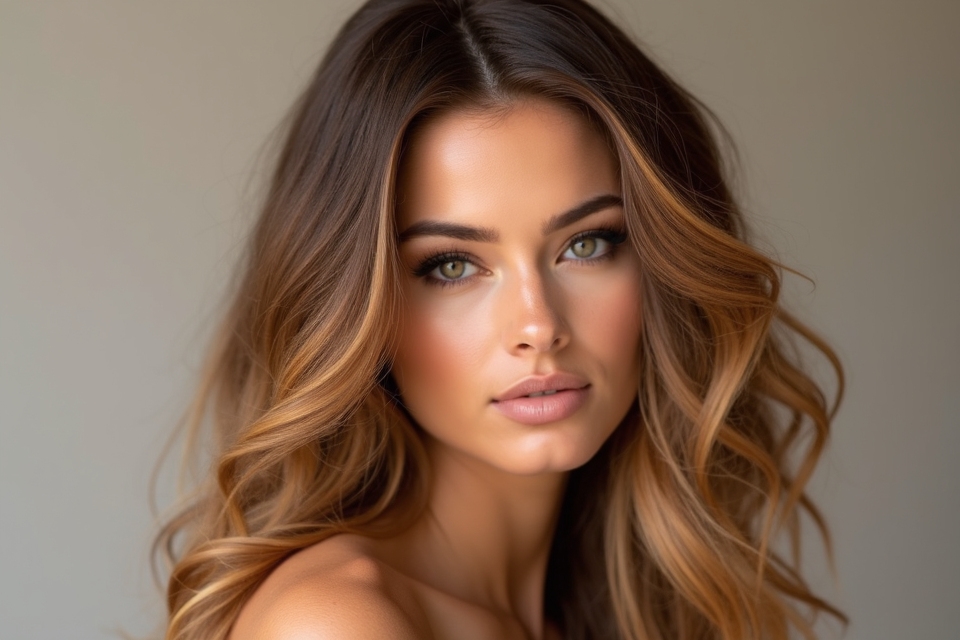
Why does light brown hair take highlights better than almost any other base? It sits in the middle of the tonal range: light enough that color lifts cleanly without heavy bleaching, dark enough that the lifted pieces show up with real contrast against it.
Twenty ways to work with that base follow below, covering the techniques, the shade families, and the maintenance each one actually asks for.
Reading This Before You Book
Technique decides more than shade does here. Balayage and babylights grow out softly with no visible line, which is why they need fewer salon trips than foils or chunky pieces, which show regrowth within a couple of months and need more frequent upkeep to stay sharp.
Shade matching follows undertone first, ahead of personal preference alone: warm, golden or olive skin tends to glow next to caramel and honey, while cool, pink-toned skin usually looks brightest beside ash and beige. A weekly toning shampoo and a color-safe routine matter almost as much as the initial appointment, since even a well-placed highlight fades toward brass without upkeep behind it.
Choosing a Highlighting Technique First
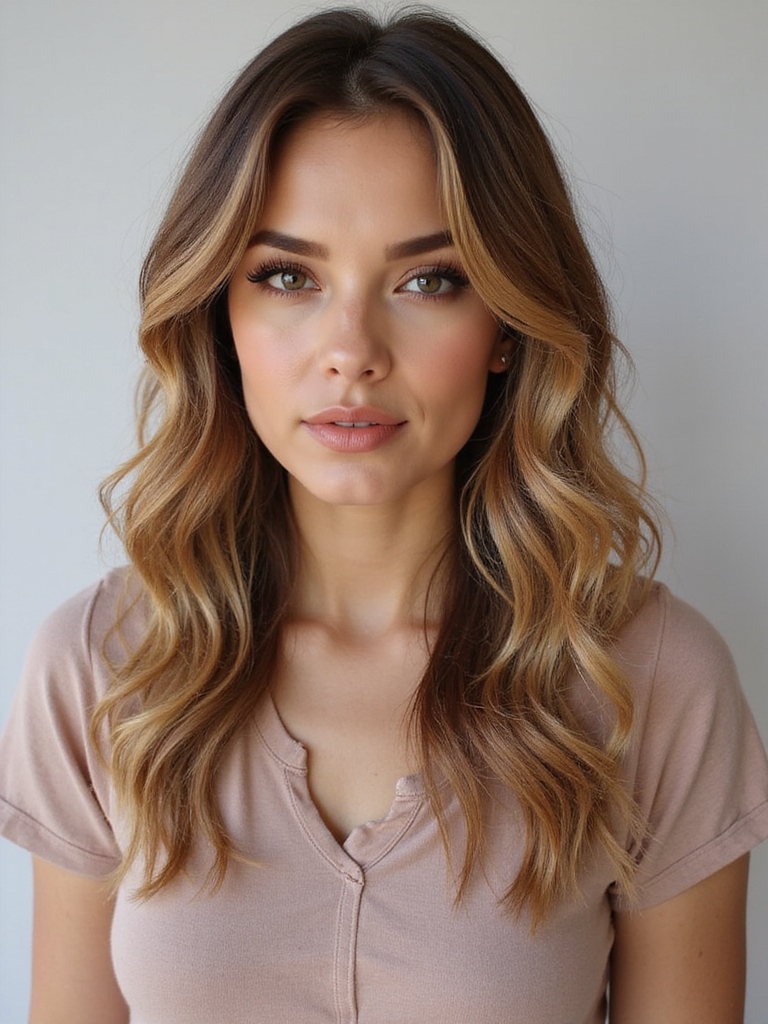
Technique gets decided before shade, because how the color is applied shapes the maintenance schedule as much as the look itself. The four main approaches are balayage (hand-painted, freehand), foils (precise, even brightness), babylights (ultra-fine and natural), and ombre (a gradient from dark roots to light ends). Lowlights, darker strands woven in alongside the lighter ones, often get paired with any of these to add real depth, not just brightness.
A colorist consultation usually starts here, weighing how much upkeep someone realistically wants against how much contrast they’re after. A full foil or balayage session commonly fills two to three hours in the chair, while a face-framing touch-up can wrap in under an hour. The technique sets the return-visit clock more than the shade choice does.
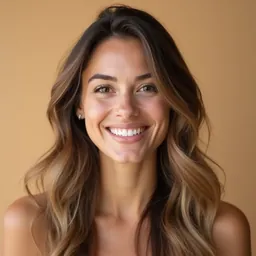
Balayage for a Sun-Kissed Effect

Balayage sweeps color on freehand, heavier toward the ends and softer near the roots, so the finished look reads like a summer’s worth of natural sun. On light brown, the technique lifts easily and blends smoothly into the base.
- Hand-painted, so no two heads turn out identical.
- Grows out with no visible line at the roots.
- The lowest-maintenance technique on this list, often stretching three to four months between visits.
Ombre for a Dramatic Root-to-Tip Fade
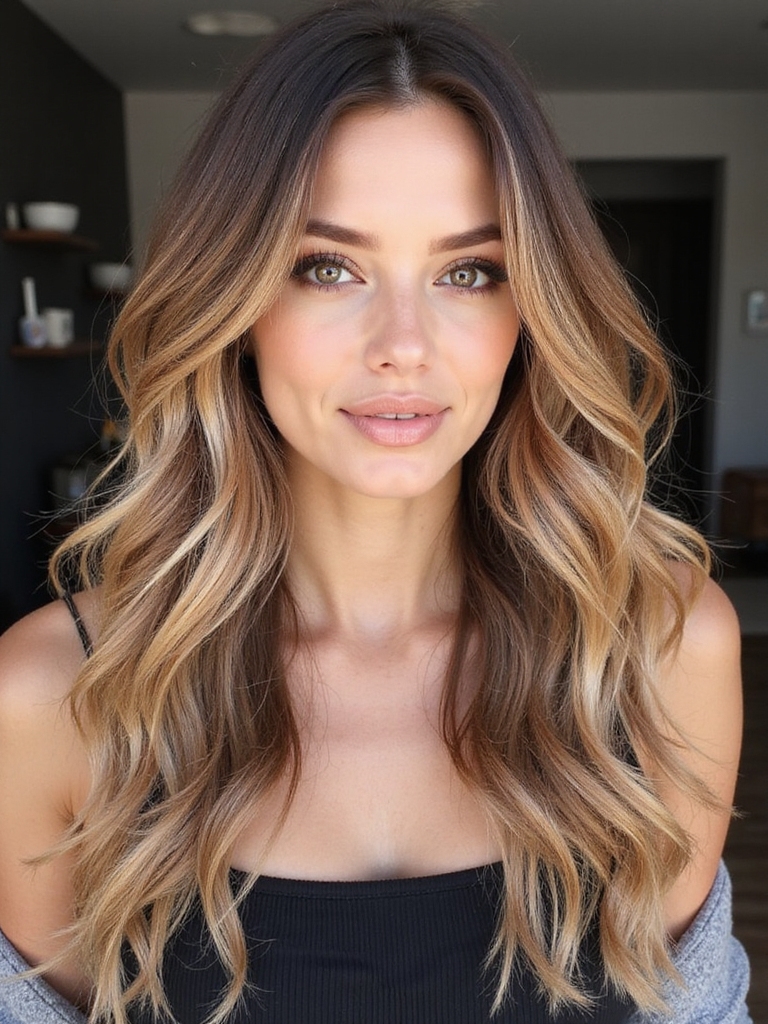
Ombre keeps the roots dark and melts into much lighter ends, concentrating the brightness at the bottom for a bold top-to-bottom transition. Where balayage scatters lighter pieces throughout, ombre commits the drama to one end of the strand:
- A dark-to-light gradient, dramatic by design.
- Roots stay dark on purpose, so regrowth barely registers.
- Suits anyone after a bolder, more graphic result than a scattered balayage gives.
Babylights for Barely-There Dimension
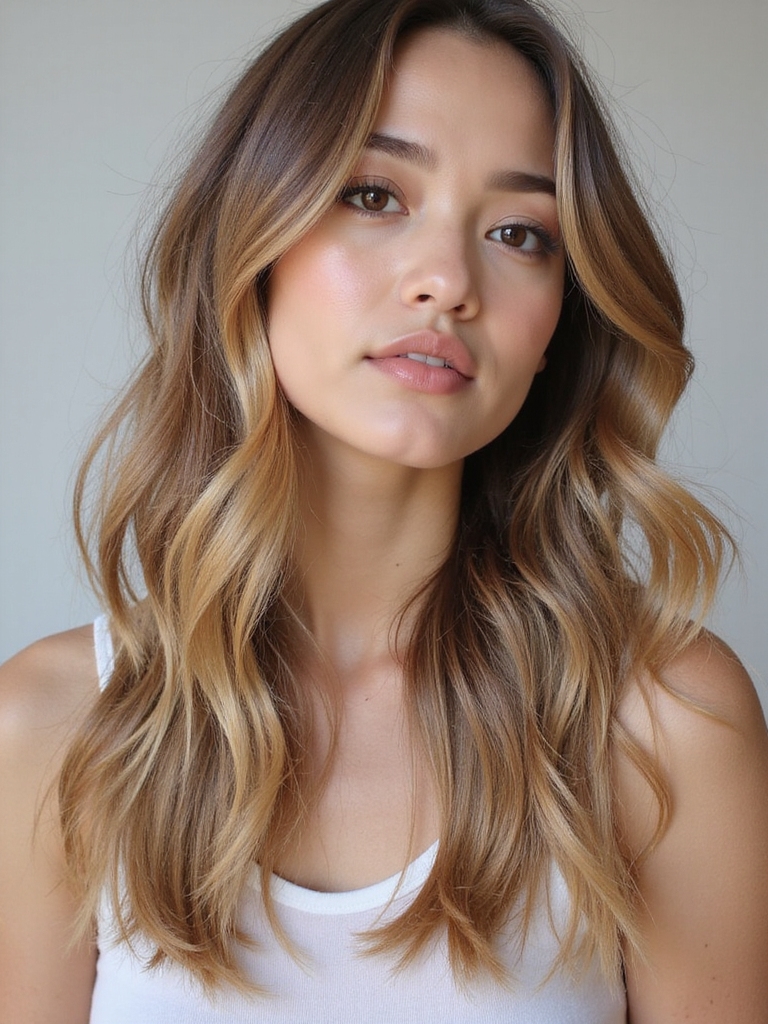
Babylights are the finest highlight available, hair-thin strands lifted just a shade or two above the base, mimicking the sun-lightened pieces hair naturally picks up in childhood. Up close on light brown, they’re almost undetectable, which is the entire appeal.
By week six or so, the color has usually just softened at the edges, with barely a line to speak of, since the strands started too subtle to leave one.
- Ultra-fine strands, a shade or two above the base.
- A soft glow, not a set of visible stripes.
- Grows out so gently that upkeep stays minimal.
Face-Framing Highlights for an Instant Lift
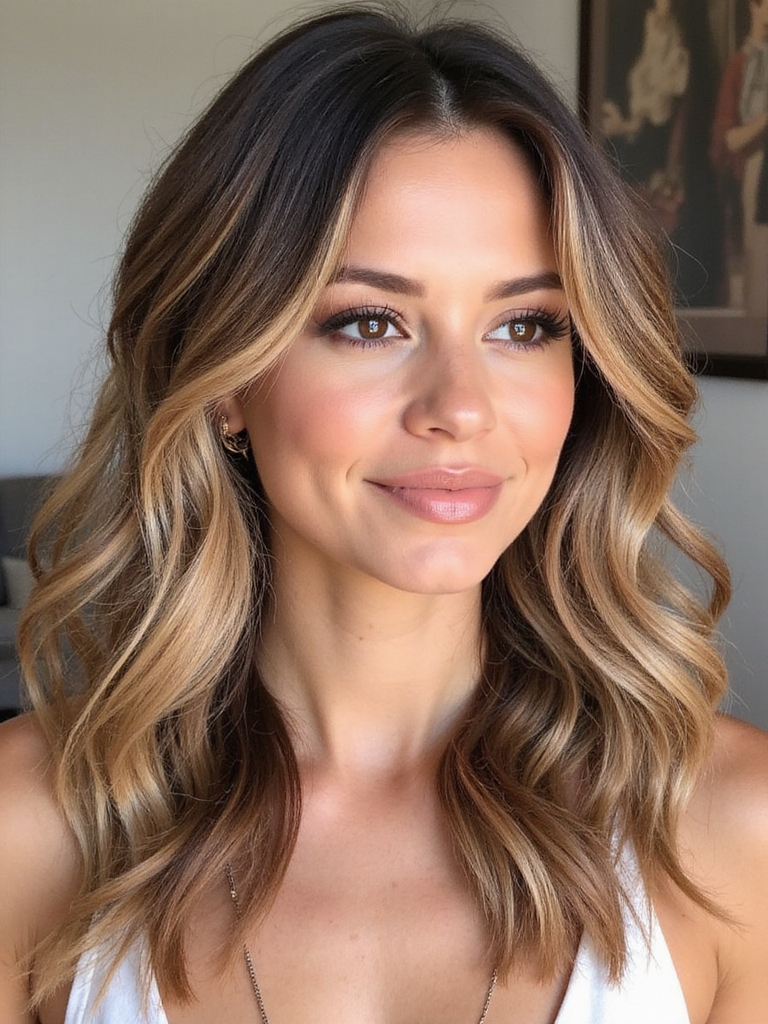
A handful of brighter pieces placed around the hairline brightens the whole complexion without touching the rest of the head, at a fraction of the cost and commitment of an all-over service. On natural light brown, this alone can make a tired morning face look rested:
- A small number of pieces placed only around the face.
- Brightens the complexion with almost no extra upkeep.
- A natural first step for anyone unsure about going lighter overall.
Chunky Highlights for Bold, High Contrast
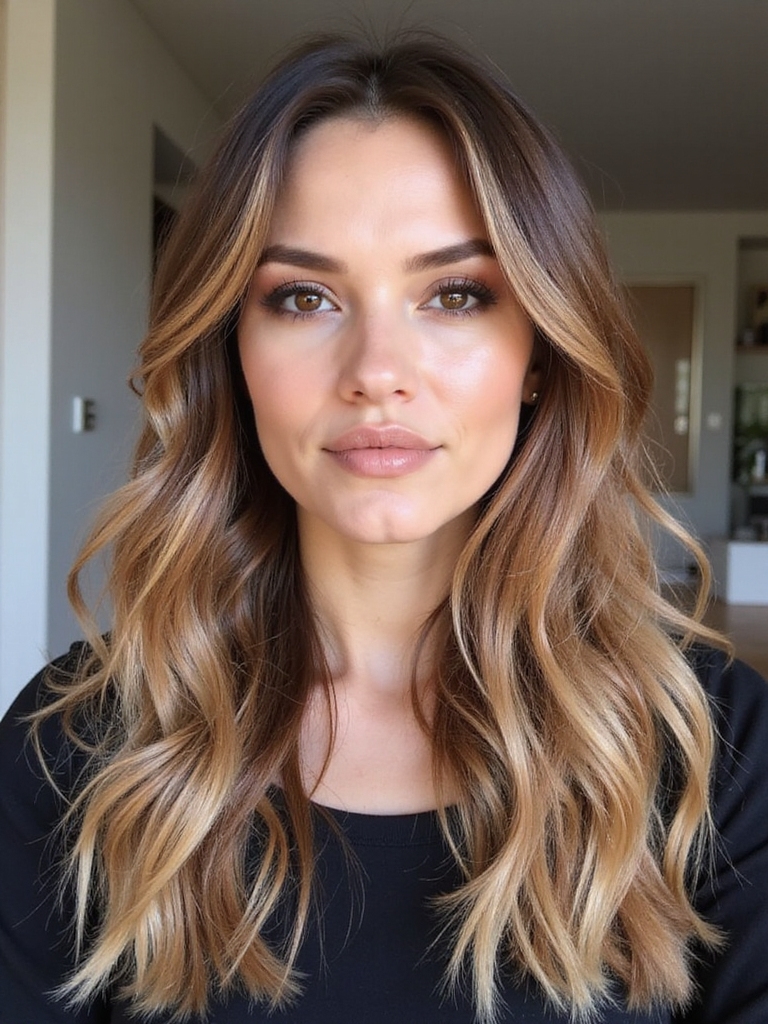
Chunky highlights are back, bringing unapologetic, high-contrast drama. Thicker sections get lifted for a statement effect, a deliberate nod to Y2K styling more than a natural sun-kissed one.
That boldness comes at a cost, though: thick sections show regrowth faster than fine pieces, so touch-ups land more often than with balayage or babylights.
🅰️Balayage or Babylights
Soft, natural dimension that grows out gently, with the lightest upkeep on this list.
🅱️Foils or Chunky Pieces
Bold, even brightness with a shorter runway before regrowth shows.
Matching a Shade to Your Skin Tone

The shade that flatters most is matched to undertone as much as personal preference. Warm skin with golden or olive undertones tends to glow next to caramel, honey, and gold highlights, while cool skin with pink or neutral undertones usually looks brightest beside ash, beige, and cooler blondes.
Get the match right and the whole face looks lit from within; get it wrong and even well-placed highlights can leave skin looking washed out. Holding a strand against the jaw in natural daylight is a simple way to check before committing.
Caramel Highlights for Warmth and Depth
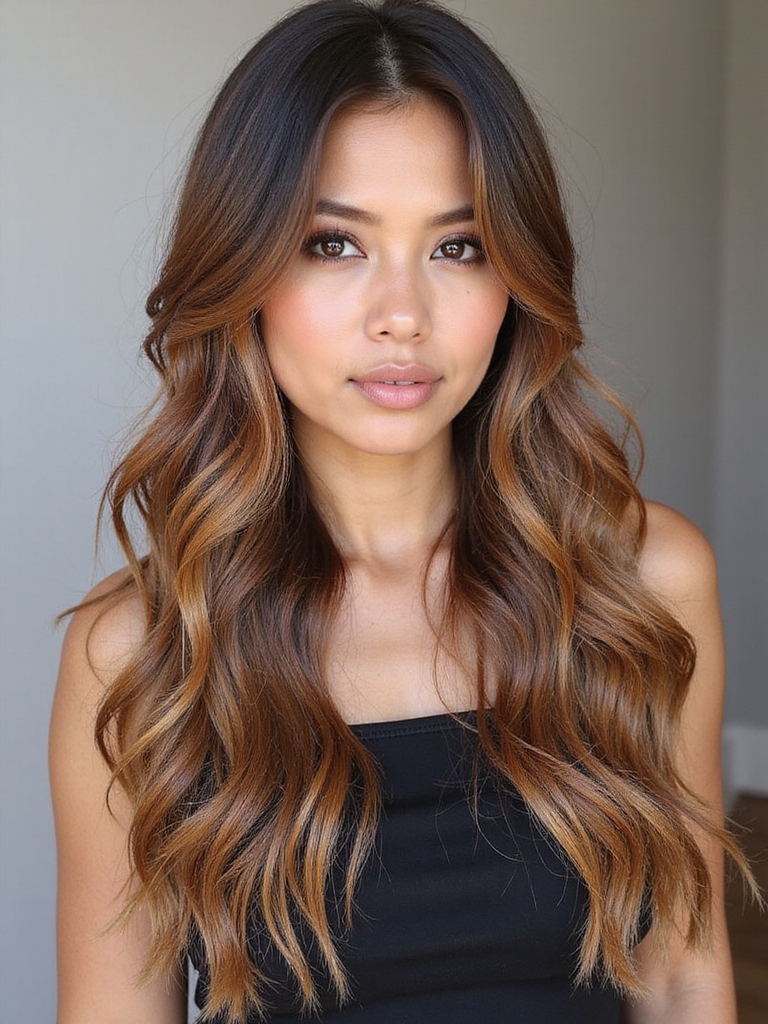
Caramel is the warmest and most broadly flattering shade family for a light brown base. The golden-brown tone adds depth without stark contrast, so the color settles rich and dimensional.
Why Caramel Holds Up Over Time
It flatters nearly every warm-to-neutral skin tone, which explains why it rarely falls out of favor the way trend colors do.
A gold-toning gloss keeps caramel from fading dull, and a caramel balayage in particular ranks among the easier finishes to maintain long-term.
A few terms worth knowing before a color consultation:
📖Toner
A gloss applied after lightening that neutralizes unwanted warm or brassy tones.
📖Regrowth line
The visible border where new, unlightened hair meets the highlighted section as hair grows.
Blonde Highlights for a Luminous Lift

Blonde takes light brown to its brightest point, lifting several shades for a high-impact glow. Because the base starts light, the lift happens with noticeably less processing than the same result would take on darker hair.
Staying within a few shades of the base gives a natural blend; pushing lighter creates fuller contrast. Either direction, a toning routine becomes non-negotiable, or the blonde drifts brassy within weeks.
Ash Highlights for a Cool, Smoky Finish
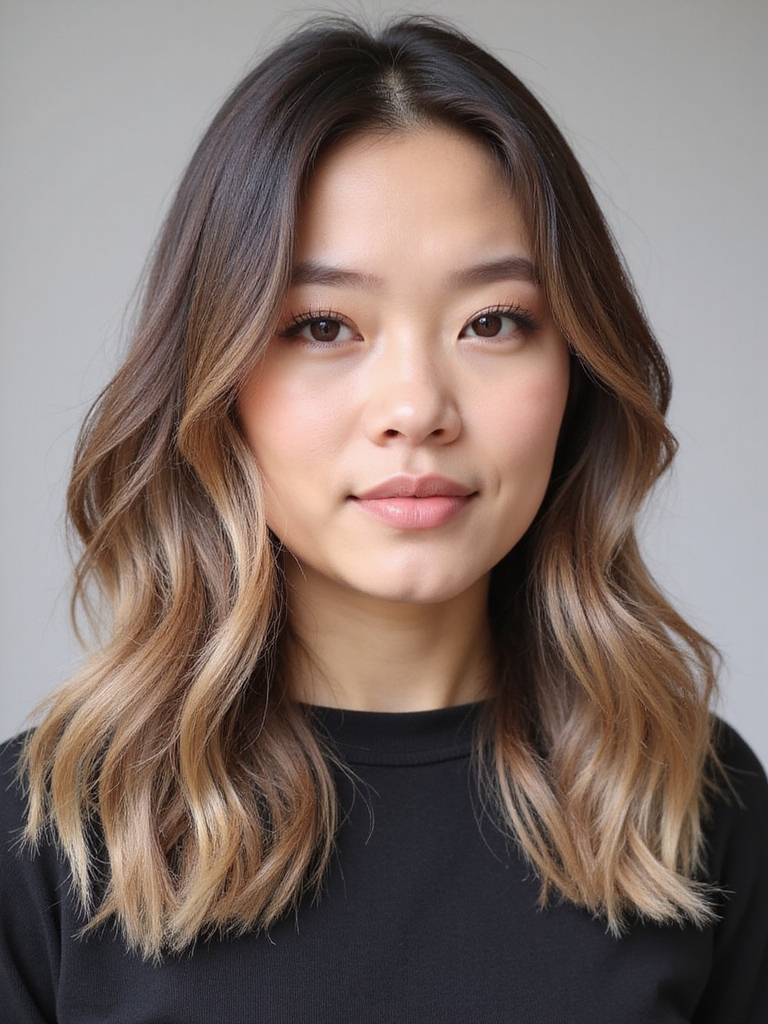
Ash highlights bring a cool, smoky dimension that flatters pink and neutral undertones especially. The ash tone cancels warmth at the root, so the finished color settles sophisticated and cool-toned.
- A cool, smoky tone built for pink or neutral undertones.
- Cancels warmth, which keeps brassiness from creeping in.
- Needs a blue or purple toner on a regular schedule to stay true.
Red Highlights for a Fiery Accent
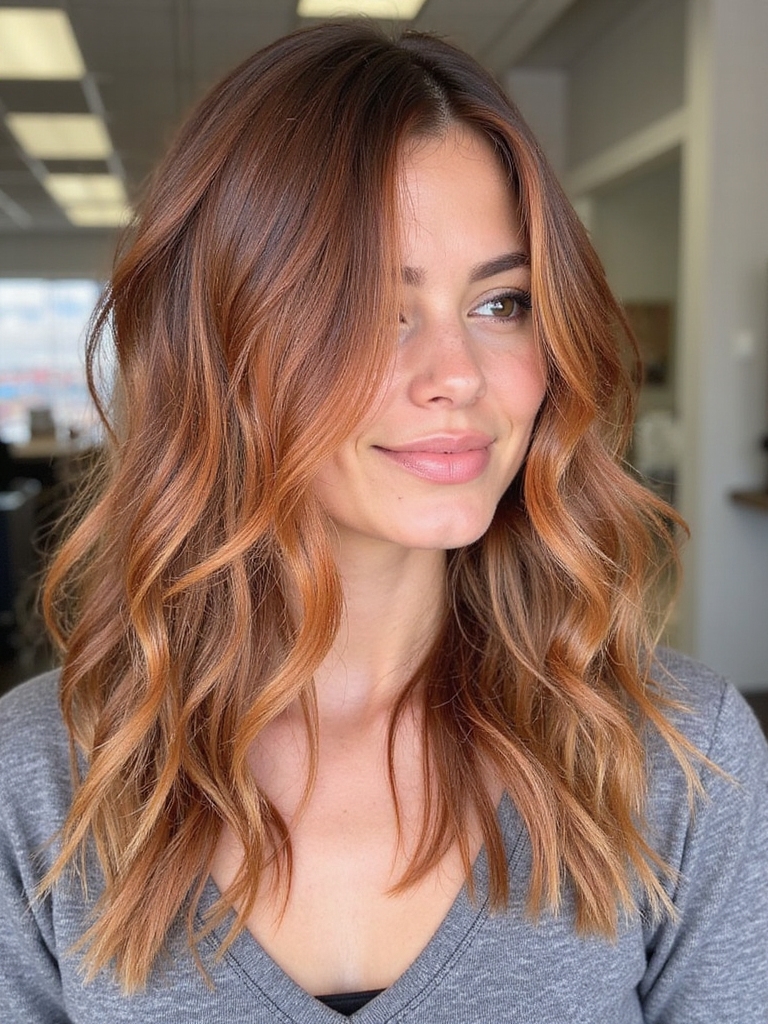
Red highlights bring warmth and an unexpected edge to a light brown base. Copper-red and auburn pieces catch the light and add real dimension, particularly striking against darker seasonal wardrobes:
- Auburn and copper-red pieces for real warmth.
- Especially vivid against darker autumn and winter tones.
- Fades faster than most shades, so color-safe care matters more here.
Checking undertone before committing to a shade:
1Look at your veins
Blue or purple veins usually signal a cool undertone; green veins usually signal warm.
2Hold a swatch to the jaw
Natural daylight shows the truest read of how a shade will sit against skin.
3Ask a colorist to confirm
A trained eye catches undertone nuances a mirror alone tends to miss.
Copper Highlights for Warm Brightness

Copper sits between red and gold, giving light brown a warm, glowing brightness that’s bold without tipping fully into red. The metallic tone adds real lift in warmth, particularly on warm or olive skin.
Why Light Brown Suits Copper So Well
Copper has had a long moment as a trending shade, and light brown happens to be an ideal base for it, since the tone reads bright against the softer brown underneath.
Copper drifts toward gold as it fades, so a copper-toning gloss keeps it accurate, and the drift happens faster than with cooler shades.
Keeping Highlights From Turning Brassy
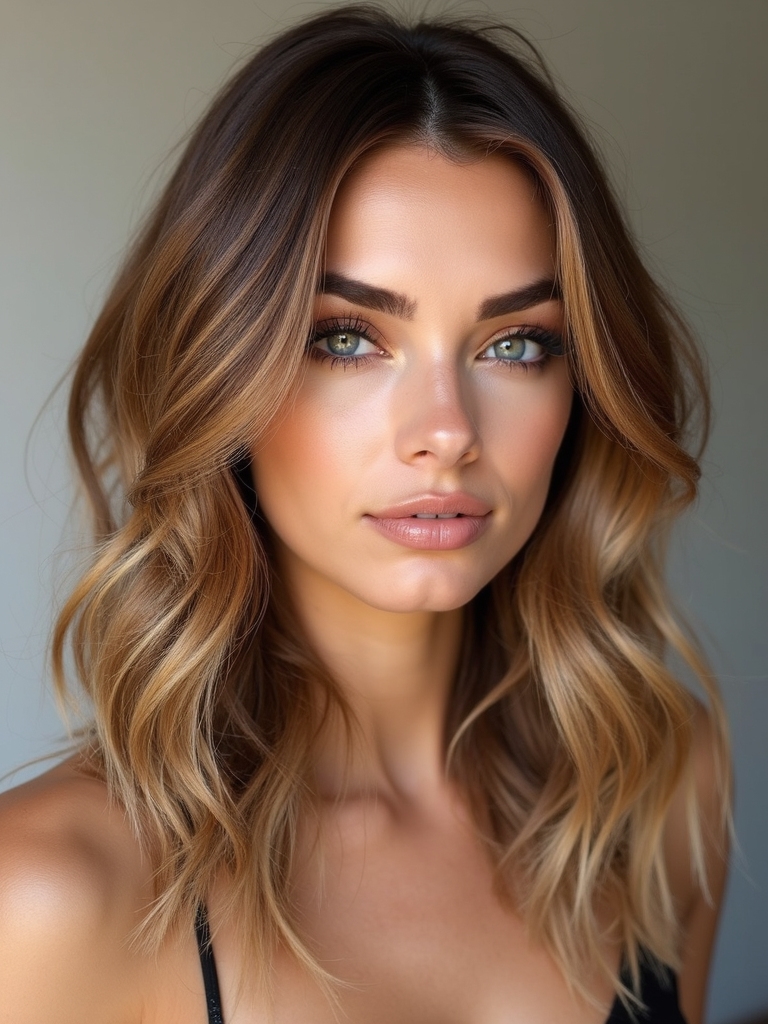
Highlights represent a real investment, and the maintenance routine is what protects that investment after the appointment ends. Brightness starts shifting the moment lightened hair meets water, so a color-safe routine is what keeps it looking fresh between visits.
The essentials stay simple across nearly every technique above:
- A sulfate-free shampoo to slow color loss.
- A weekly toning treatment to counter brass before it shows.
- Heat protection every time a hot tool touches the hair.
Hair Care Built for Highlighted Strands
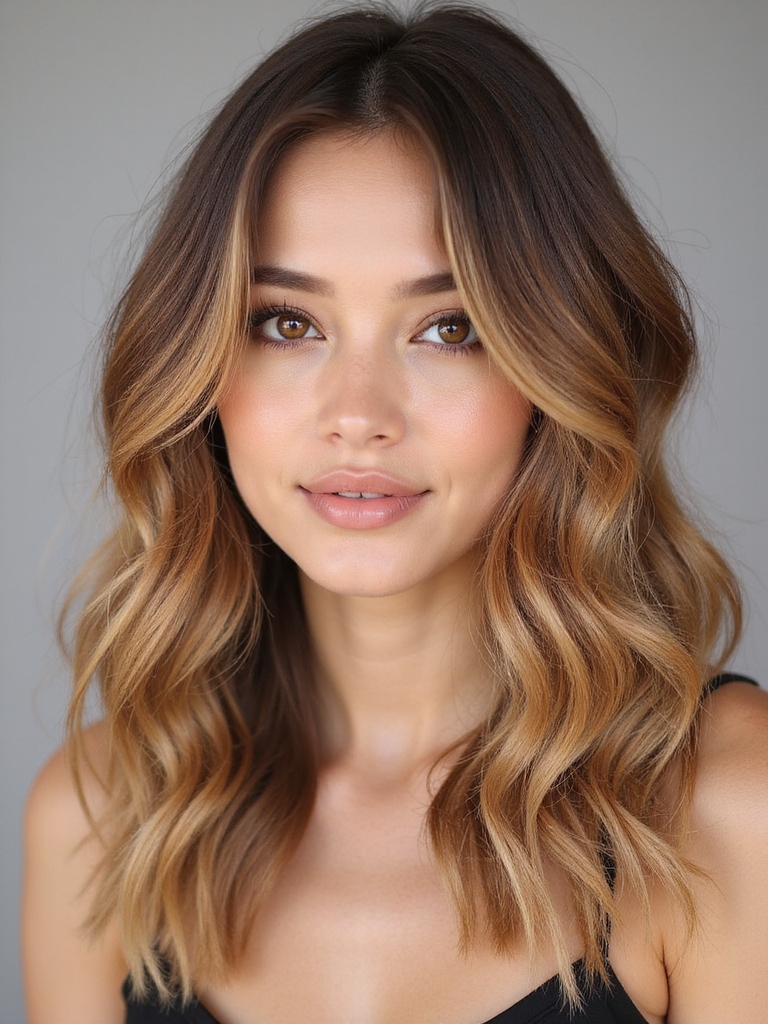
Switching to a color-safe, sulfate-free shampoo does more for highlighted hair than almost any other single change. Regular shampoo strips color and speeds up fading; a gentler formula lets the toner last its full stretch.
A purple or blue shampoo added once or twice a week neutralizes brass before it becomes visible, and a bond-building conditioner helps repair strands left more porous by the lightening process.
Daily use of purple shampoo backfires, though: turn it into an everyday habit and it can leave a dull, grayish cast; a once-a-week reset works better.
Toning to Prevent Brassiness

Toning is the step that separates highlights that still look fresh from ones that have gone brassy. A toner is a gloss, in practice, that neutralizes the warm, orange, or yellow tones that surface as color fades and oxidizes.
Toner Versus a Full Recolor
On light brown, toning keeps blonde and ash highlights cool and stops caramel from drifting toward orange as it ages.
It’s usually done in-salon on a regular cadence, with an at-home purple shampoo bridging the gap between visits. Highlights turning brassy within weeks usually just need a toning gloss, well short of an entirely new color service.
Two assumptions worth clearing up about highlight upkeep:
❌ Myth: All highlights need the same maintenance schedule.
✅ Reality: Technique changes the timeline dramatically. Foils need attention every couple of months; balayage can coast for a full season.
❌ Myth: Purple shampoo fixes brassiness on its own.
✅ Reality: Purple shampoo maintains between visits; a proper in-salon toner does the actual correcting.
Heat Protection for Lightened Hair

Lightened hair is more porous and more vulnerable to heat damage than hair that hasn’t been chemically processed, which makes heat protection non-negotiable once highlights are in. Every pass of a blow dryer, curling iron, or flat iron risks drying out and breaking already-fragile strands.
- Work in a heat protectant ahead of styling every single time.
- Keep flat irons and curling tools under 350°F on lightened hair.
- Air-dry whenever the schedule allows, to spare the color extra stress.
Scheduling Salon Refreshes
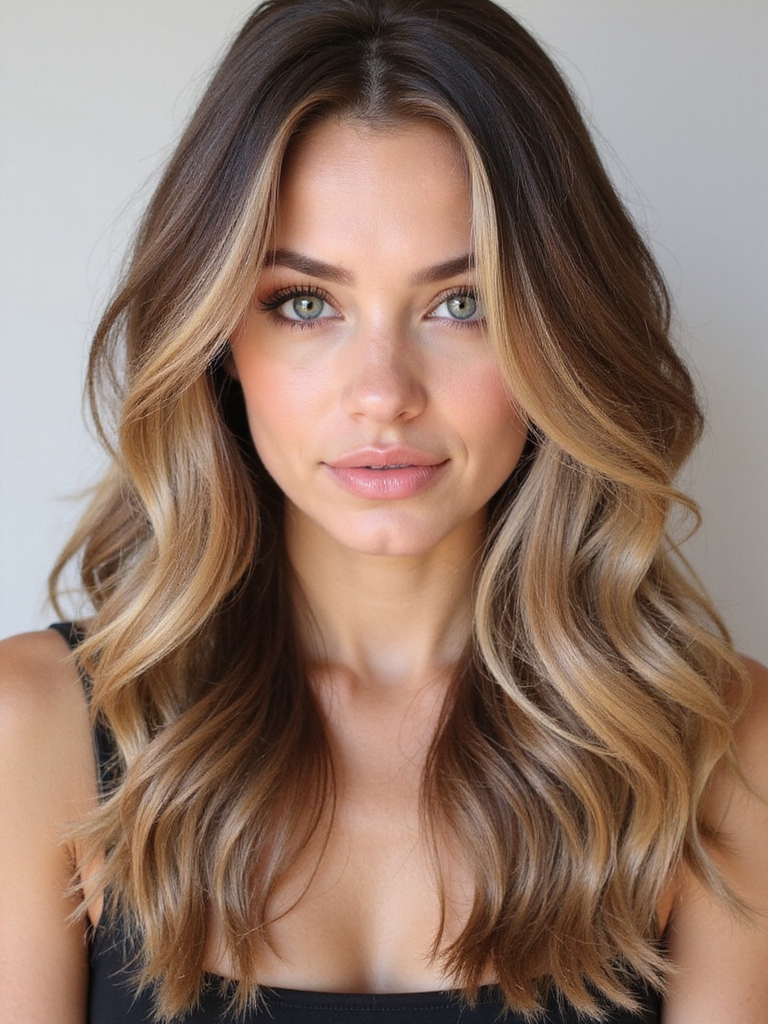
How often a refresh is needed depends entirely on technique. Foils and face-framing pieces show regrowth within a couple of months, while balayage and babylights stretch closer to a full season because they’re designed to fade out gently, with no visible line marking the regrowth.
- Foils and chunky pieces: refresh on the shorter end of the cycle.
- Balayage or babylights: refresh on the longer end, often a full season out.
- Most refresh appointments run a good deal shorter and cheaper than the first full session, since a touch-up is simply a smaller service than starting over from scratch.
DIY Highlight Maintenance Between Visits
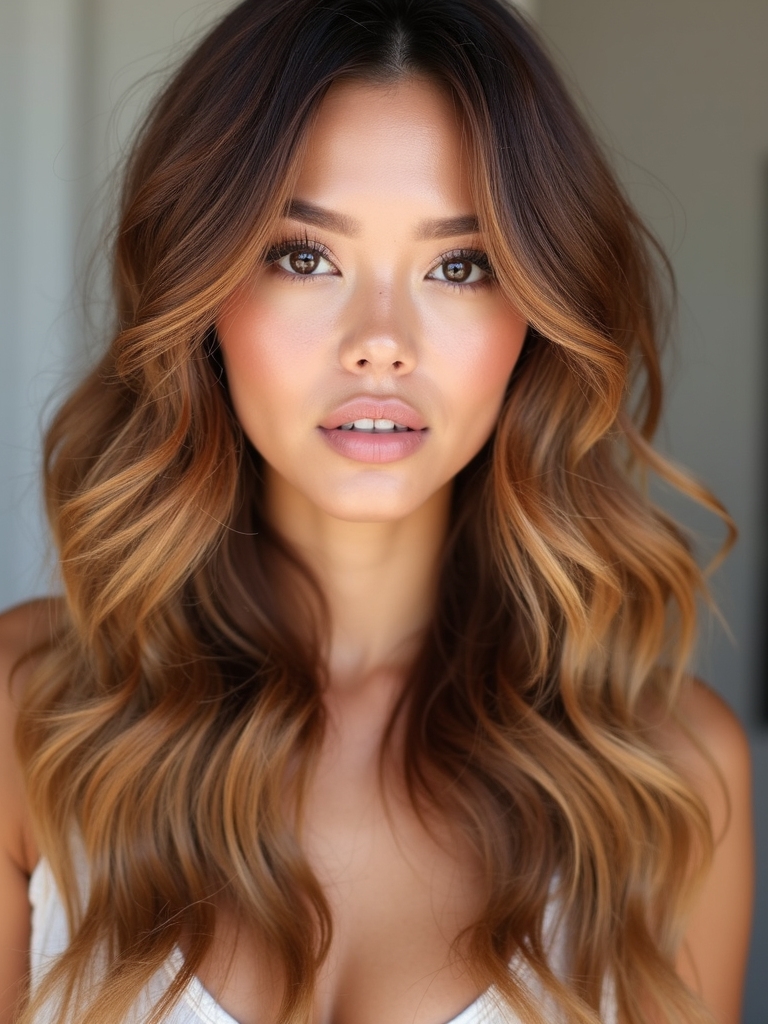
Between salon visits, a little at-home care keeps color looking bright, but the line matters: toning is DIY-friendly, actual lightening is not. Glosses, toning shampoos, and repair masks are safe to handle solo.
Reaching for box bleach over salon highlights, on the other hand, tends to end in an expensive correction appointment.
- Toning shampoos and glosses are safe home maintenance.
- Leave any actual lightening to a colorist, always.
- The goal of DIY care is simply stretching time between visits.
Styling to Show Off the Color

How hair gets styled changes how much of the color actually shows. Waves and curls display dimension best, since bending strands let lighter and darker pieces play off each other as light moves across them.
Making the Color Move
Sleek, straight styles read more uniform by comparison, while loose waves make even subtle babylights noticeably more visible.
A shine spray finishes the look, and parting hair where the brightest pieces sit puts the color exactly where it catches the most light.
Protecting Color From Sun and Chlorine
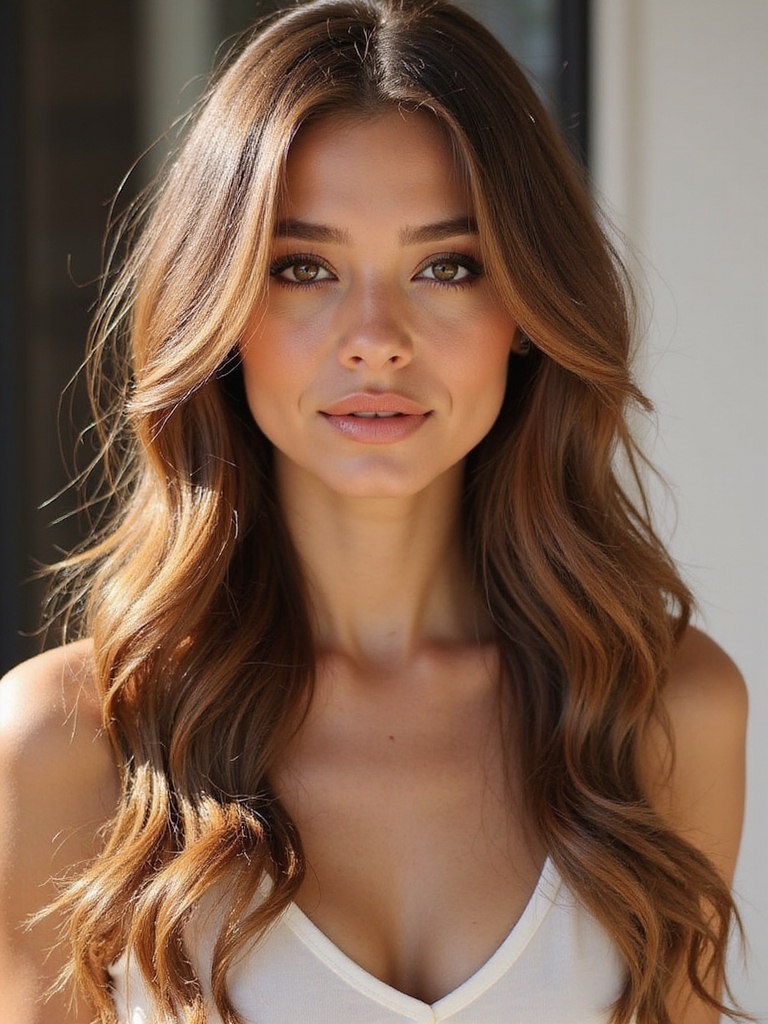
Sun fades and lightens highlights the same way it bleaches nearly anything else left outdoors, so protecting color during long days outside keeps it accurate for longer. UV exposure breaks down toner and lightened pigment alike, turning cool blondes brassy and dulling warm tones.
On beach or pool days, a hat or UV-protectant spray helps, and rinsing chlorine and salt out promptly matters too, since both are hard on color-treated strands. A little protection in summer often saves an unplanned toning appointment come fall.
How to Get the Look
Bringing the right information to a consultation shortens the appointment and improves the odds of leaving happy. Bring reference photos of the specific technique and shade family, and be upfront about how much upkeep actually fits the schedule.
A colorist who knows the target technique, the shade direction, and the honest maintenance appetite can map a plan in one visit instead of several rounds of adjustment. That conversation, more than the highlight itself, is what determines whether the color still looks good three months out.
Light Brown Highlights, Answered
?How much does a full highlight service typically cost on light brown hair?
Most full-head services land around $200, though technique, length, and regional pricing shift that number. Balayage and full foils sit toward the higher end; a partial or face-framing service costs meaningfully less.
?Which technique needs the least frequent salon visits?
Balayage and babylights both grow out softly with no visible demarcation line, often stretching a full season between refreshes. Foils and chunky pieces show regrowth sooner and need more frequent attention to stay sharp.
?Will highlighting damage naturally light brown hair?
Light brown lifts with noticeably less bleach than dark hair needs, which means less processing stress overall. Bond-building treatments and a break between lightening sessions still matter, especially for repeat visits.
?Can highlights be added without going lighter overall?
Yes. Face-framing pieces or a small number of babylights add dimension and brightness near the face without changing the overall depth of the base color.
?How do I know if I need ash or caramel highlights?
Undertone decides more than personal color preference. Warm, golden, or olive skin tends to glow next to caramel and honey tones, while cool, pink-toned skin usually looks brightest beside ash and beige.
The Base That Makes Highlights Easy
Light brown really does function as a near-ideal highlight canvas: the base lifts cleanly, holds contrast well, and flatters caramel, blonde, ash, red, and copper alike. The real decision comes down to which direction suits both skin tone and appetite for upkeep.
Whichever technique gets chosen, the color is only ever as good as the maintenance behind it: a sulfate-free routine, regular toning, and a refresh scheduled on time. Save the version that caught your eye and bring it, specifically, to the next consultation.
More to Explore