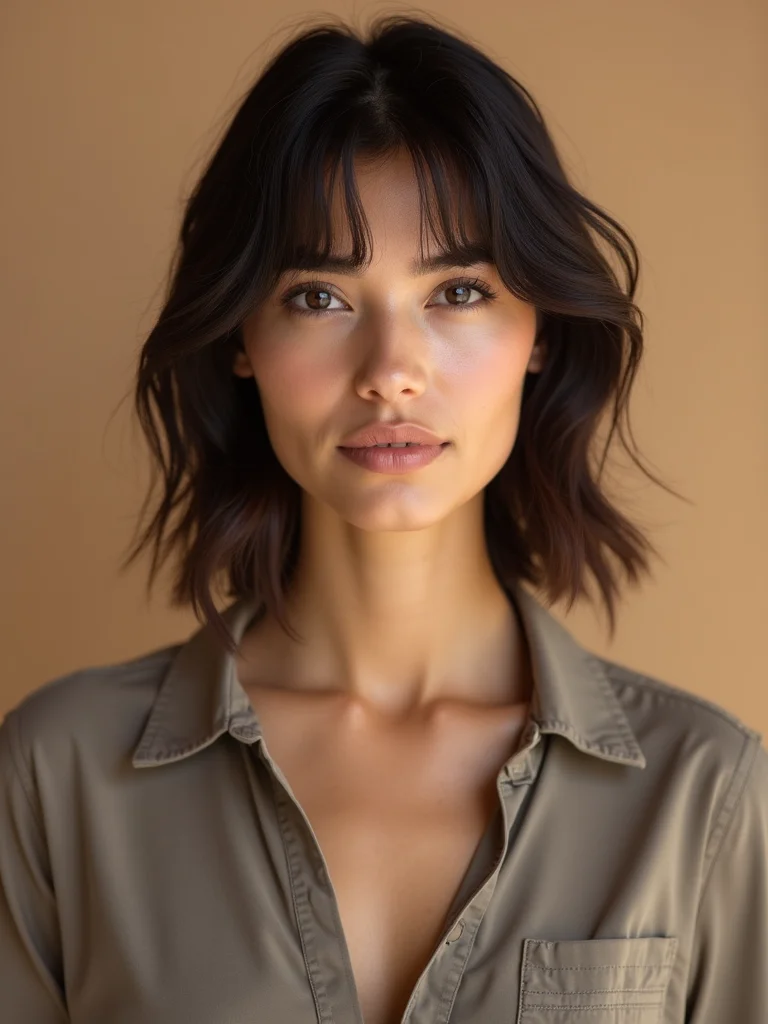
Most women come out of the salon loving their layers and then have no idea how to style layered hair at home. The cut looks amazing in the chair, then falls flat or puffs out the first morning you style it yourself. The fix is rarely about more heat or more product. It is learning to work with the way layers naturally want to move.
Good layers are designed to do half the styling for you, so the job is getting out of their way. Below are the low-heat, low-fuss methods I teach every client with a layered cut, from a perfect air-dry to a few heatless waves to the finishing touches that keep it all soft and shiny.
Styling Layers, at a Glance
| If you want | Try this | Heat level |
|---|---|---|
| Soft, natural movement | Air-dry with a curl or texture cream | None |
| Defined waves | Overnight braids or rollers | None |
| Crown volume | A quick round-brush blowout at the roots | Low, roots only |
Air-Drying Layered Hair

The easiest way to style layers is to let them dry on their own, and what matters is what you do while the hair is still soaking wet. Layers are cut to enhance your natural texture, so air-drying lets them fall the way they were designed to. Start by rough-towel-drying gently with a microfiber towel or an old cotton T-shirt, and skip the terry towel, which roughs up the cuticle and creates frizz.
On damp hair, rake a lightweight curl or texture cream from about ear-level down to the ends, then scrunch upward to encourage movement. The biggest mistake is touching it while it dries, which is what causes frizz and breaks up the natural pattern. Set it, leave it alone, and let the layers do their thing. Once it is fully dry, break up any pieces with your fingers and finish with a light touch of oil at the tips.
Heatless Waves on Layered Hair
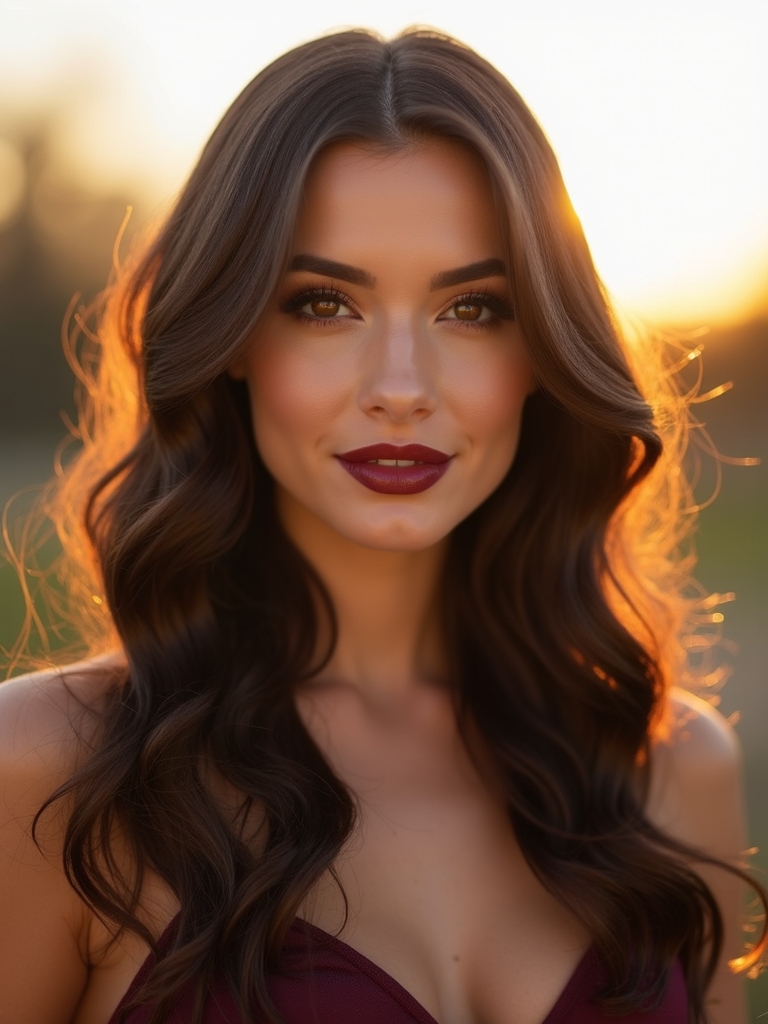
When you want defined waves without touching a hot tool, set them overnight while your hair dries. Layered hair takes beautifully to heatless waves because the varied lengths create a natural, undone bend with real movement. Start on hair that’s damp but not dripping, and use a flexible setting product so the waves actually hold by morning.
Pick the method that matches the wave you want, then sleep on it and unravel in the morning for soft, lasting texture.
- Two or three loose braids give a relaxed, beachy wave by morning.
- Flat twists or mini buns make a tighter, more defined bend.
- Foam or fabric rollers give the most polished, uniform waves with zero heat.
🅰️Air-dry
Zero heat, softest natural movement. Best on days you have time to let it dry.
🅱️Heatless set
Still no heat, but more defined waves. Set overnight and wake up styled.
A Quick Blowout for Crown Lift

Layers can sometimes fall flat on top, and a targeted blowout fixes that in two minutes without blasting your whole head with heat. The move is to dry only the roots at the crown for lift, then let the lengths air-dry or finish on their own. You get volume where layers need it most and protect the ends from unnecessary heat.
A round brush does the work here, lifting each section straight up at the root while the dryer follows behind it.
- Mist a root-lift spray at the crown on damp hair before you start.
- Wrap each root section around the brush and lift, aiming the dryer straight down at it.
- Finish each section with a shot of cool air to lock the lift in place.
Product Pairings That Define Layers

The right products make layers look defined and intentional, and the wrong ones flatten all that movement into a greasy clump. The golden rule for layered hair is lightweight: anything heavy drags the layers down and kills the bounce they are built for.
Lightweight always wins
Start with a light foundation on damp hair, a mousse or a leave-in, to give the layers grip and definition. Then finish dry hair with a texture spray or a tiny bit of cream worked only through the ends, never the roots.
Match the product to your texture. Fine hair wants mousse and texture spray for lift, while thicker or wavier hair can handle a curl cream for definition. Whatever you use, less is always more on layers.
ℹ️Good to Know
Layers are cut to remove weight and add movement, which means they are designed to look their best with the least manipulation. The more you fight them with heavy product and high heat, the flatter and frizzier they get. Working with the cut is truly the lowest-effort path to good hair.
Minimal-Heat Bends With a Flat Iron

When you do want a little polish, you can shape layers with a flat iron using far less heat than a full curl. The idea is to add a soft bend to just a few key pieces and leave the rest alone. On layered hair, bending a handful of pieces reads as though the whole cut has been styled. Here’s the low-heat method.
- Keep the iron at a moderate temperature, around 350 degrees, and always use a heat protectant.
- Bend only the face-framing pieces and a few top layers, leaving the rest natural.
- Turn the iron a quarter-rotation as you glide for a soft, loose S-bend.
Easy Updos for Layered Hair

Layers are a gift for updos, since the shorter pieces fall out softly and frame the face, so a quick bun or half-up always stays soft. What can feel like a styling problem, short layers slipping out of a ponytail, is exactly what makes an updo on layered hair look relaxed and pretty.
Let the short pieces fall
Lean into that softness and let it work for you. Pull the bulk of your hair up and let the layers around your face and neck stay loose.
A messy low bun, a half-up clip, or a loose ponytail with face-framing pieces left out all work beautifully on layers. A little texture spray first gives the grip these soft styles need to hold.
Finishing Touches for Shine and Hold

However you style your layers, the finish is what makes them look polished and keeps them that way all day. The goal is shine and flexible hold without stiffness, since layered hair needs to move to look its best. A crunchy, hairsprayed finish undoes all that softness a layered cut is built on.
A few light final steps lock everything in while keeping the movement.
- A pump of shine serum or a drop of oil on the ends adds gloss and tames frizz.
- A flexible-hold hairspray held at arm’s length sets the style without crunch.
- Break up any stiff pieces with your fingers so the layers stay soft and natural.
Styling Different Layer Types
Not all layers style the same way, and knowing your type makes everything easier. Long, soft layers through the lengths mostly want movement, so they shine with a heatless wave or an air-dry that lets them swing. The layered haircuts for long hair tend to need the least daily effort of all.
Face-framing layers around the cheekbones are the pieces to focus your styling on, since they draw the eye. Bending just those front pieces, whether on a brush or a flat iron, makes the whole cut look done even when the rest is air-dried.
Choppy, shaggy layers are built for texture, so they love a scrunch of paste and a tousle rather than a smooth blowout. If your cut is on the edgier side, the choppy layered haircuts respond best to messy-on-purpose styling, not polish.
Reviving Layers on Day Two and Three
One of the best things about layered hair is how well it stretches between washes, so you rarely need to start from scratch. On day two, a little dry shampoo at the roots brings back lift and absorbs oil, and a quick flip-and-shake wakes up the crown in seconds. Your layers usually look better with a day of natural texture in them anyway.
By day three, a light mist of water lower down lets you re-scrunch the waves back to life, or you can simply pull the layers into a soft updo and let the face-framing pieces do the work. A small amount of oil worked through the tips revives shine and tames any frizz that has crept in. Washing layered hair every single day actually works against you, stripping the texture that makes the cut look good.
Common Layered-Hair Mistakes
Most layered-hair frustration comes down to a few avoidable habits. The biggest is reaching for heavy products: rich creams and oils at the roots flatten the movement layers are cut to create, so keep everything lightweight and aimed at the ends. The second is drying with a rough terry towel, which roughs up the cuticle and turns soft layers frizzy before you even start styling.
The other common slips are brushing dry textured layers, which shatters the pattern into frizz, and over-relying on high heat, which leaves layered ends dry and limp over time. Work with the cut the way it was shaped, and lean on the low-heat methods here. If your layers are also fine, my hairstyles for fine hair guide has volume tricks that pair perfectly with a layered cut.
A Few Tools Worth Owning
Styling layers well doesn’t take a whole cabinet of gadgets, just a handful of the right basics. The best tools for layered hair are the gentle, low-heat ones that work with the cut and let it lead. A small starter kit, usually under $60 total, covers nearly every method in this guide.
Build your kit slowly and you will reach for these far more than any hot tool.
- A microfiber towel to dry without roughing up the cuticle and causing frizz.
- A round brush for quick crown lift and bending the face-framing pieces.
- A set of foam or fabric rollers for polished, heatless waves overnight.
- A wide-tooth comb to detangle wet hair without breaking up your layers.
Styling Layered Hair Questions
?How do I style layered hair without heat?
Air-dry with a lightweight curl or texture cream scrunched into damp hair, or set overnight braids, twists, or rollers for defined waves. Both let the layers fall naturally and protect your hair, with no hot tools at all.
?Why do my layers look flat or puffy when I style them?
Usually too much heavy product or too much touching while drying. Layers need lightweight products applied to the ends, not the roots, and they frizz when you handle them as they dry. Set the style, then leave it alone until it is fully dry.
?What products are best for layered hair?
Lightweight ones: a mousse or leave-in on damp hair for grip, and a texture spray or a little cream on dry ends for definition. Skip heavy oils and creams at the roots, which flatten the movement layers are built for.
?How do I add volume to layered hair?
Dry just the roots at your crown with a round brush, lifting each section straight up and finishing with cool air. A root-lift spray first helps it hold. You get volume on top without putting heat through the lengths.
?Can I wear layered hair up?
Absolutely, and it looks great. The short layers that slip out frame your face and keep an updo from looking severe. A messy bun, a half-up clip, or a loose ponytail with face-framing pieces left out all flatter layered hair. A little texture spray helps it hold.
Let the Layers Lead
Styling layered hair gets easy the moment you stop fighting the cut and start working with it. Your layers were shaped to move and frame your face on their own, so the best methods are the lowest-effort ones: a smart air-dry, an overnight set, a quick root lift, and a light, shiny finish. Save the high heat for the rare day you want extra polish.
Pick one low-heat method from here and try it on your next wash day. Once you find the routine your layers love, good hair stops being a salon-only event and becomes your everyday.
Hand-Picked for You