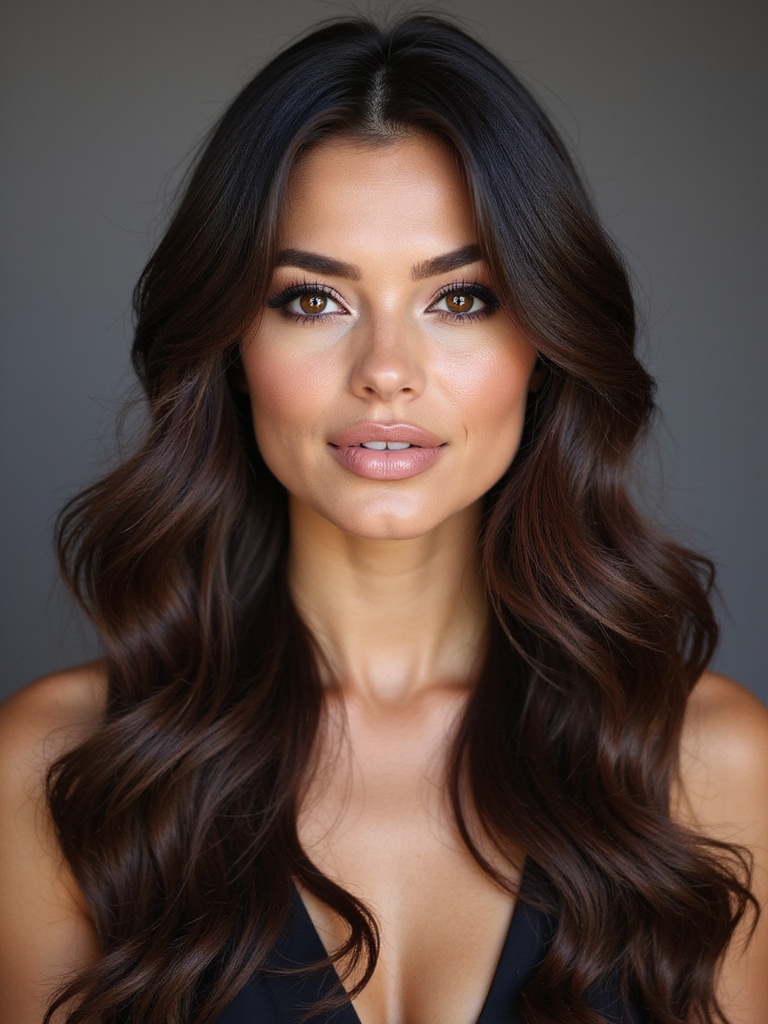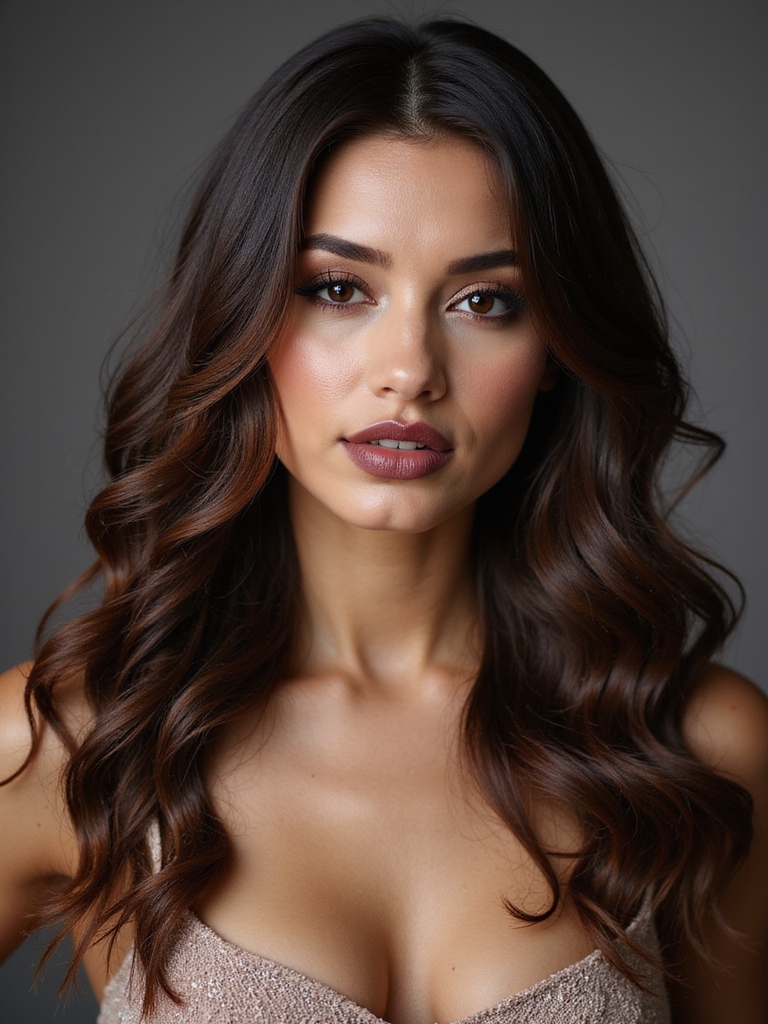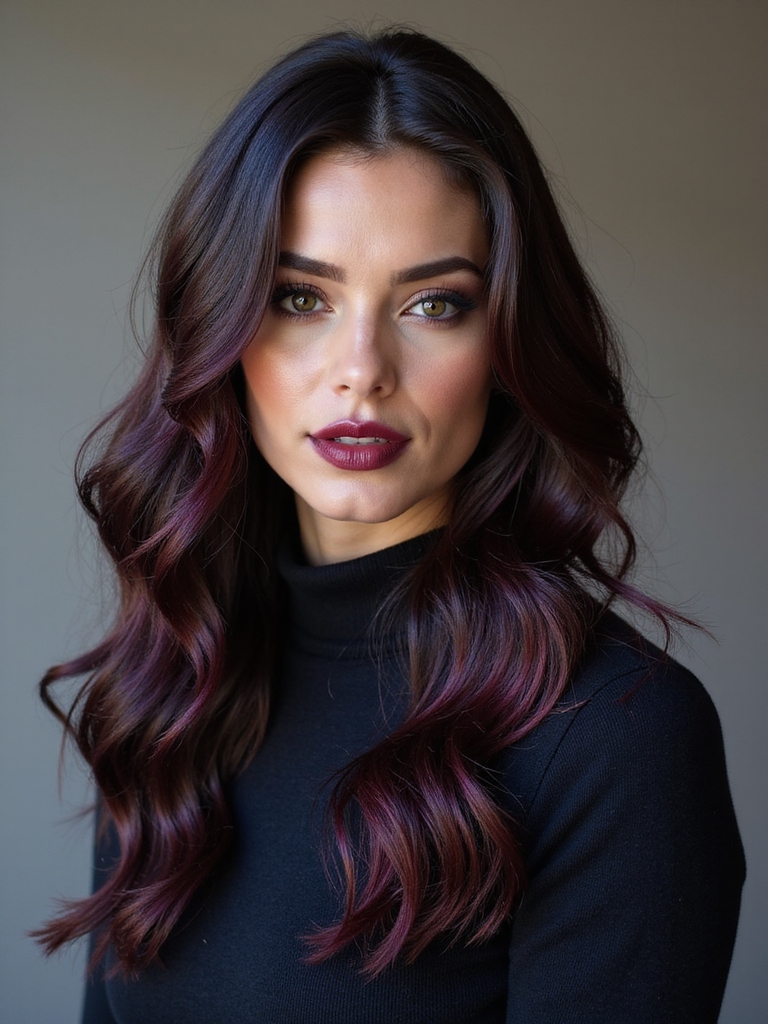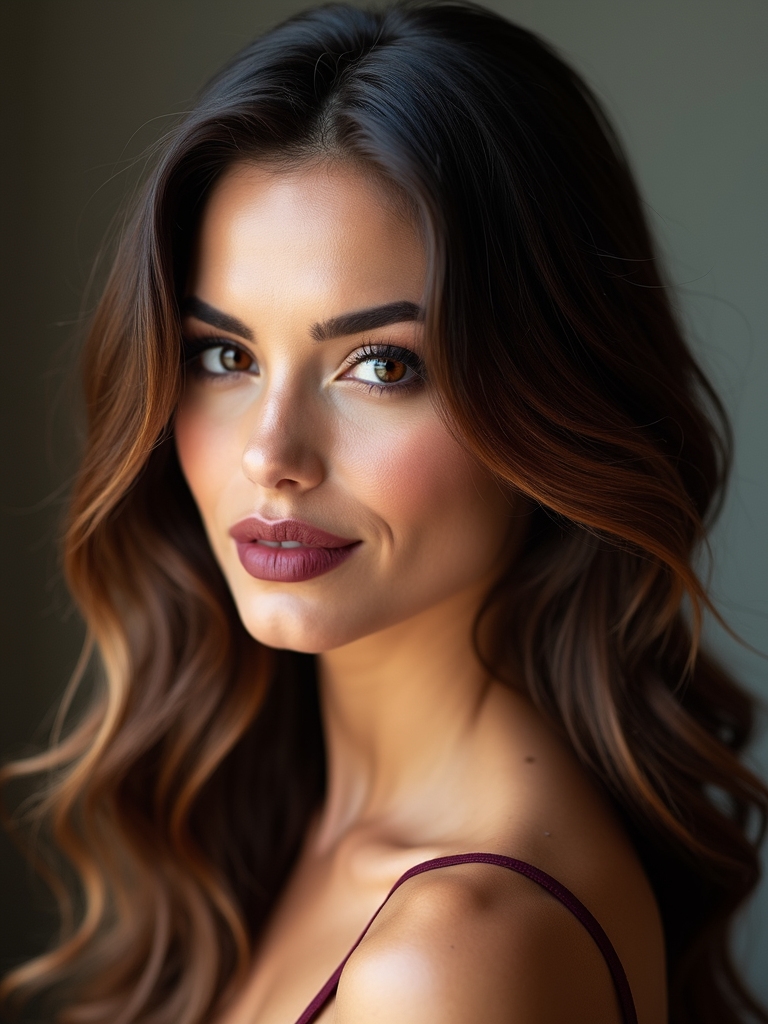
Dark hair color ideas do more work in winter than in any other season; low, flat daylight makes shine and undertone carry the whole look, since there’s less natural light around to fake it.
Fifteen dark shades follow, chosen specifically for how they hold up under winter’s cooler, dimmer light rather than how they’d photograph in July.
Winter Color, Quick Answers
Why does dark hair need different color choices in winter? Flatter daylight and warmer indoor lighting change how undertones and shine actually read, so a shade chosen under summer sun can look different once the season shifts.
Does dark hair color need more upkeep in winter? Not the color itself, but dry winter air pulls moisture from color-treated hair faster, so hydration and gloss upkeep matter more than usual.
Is a cool or warm dark shade better for winter? Neither is universally better; it depends on skin undertone and how much natural light a person actually gets during the shorter days.
Deep Chocolate Base With Caramel Face-Framing
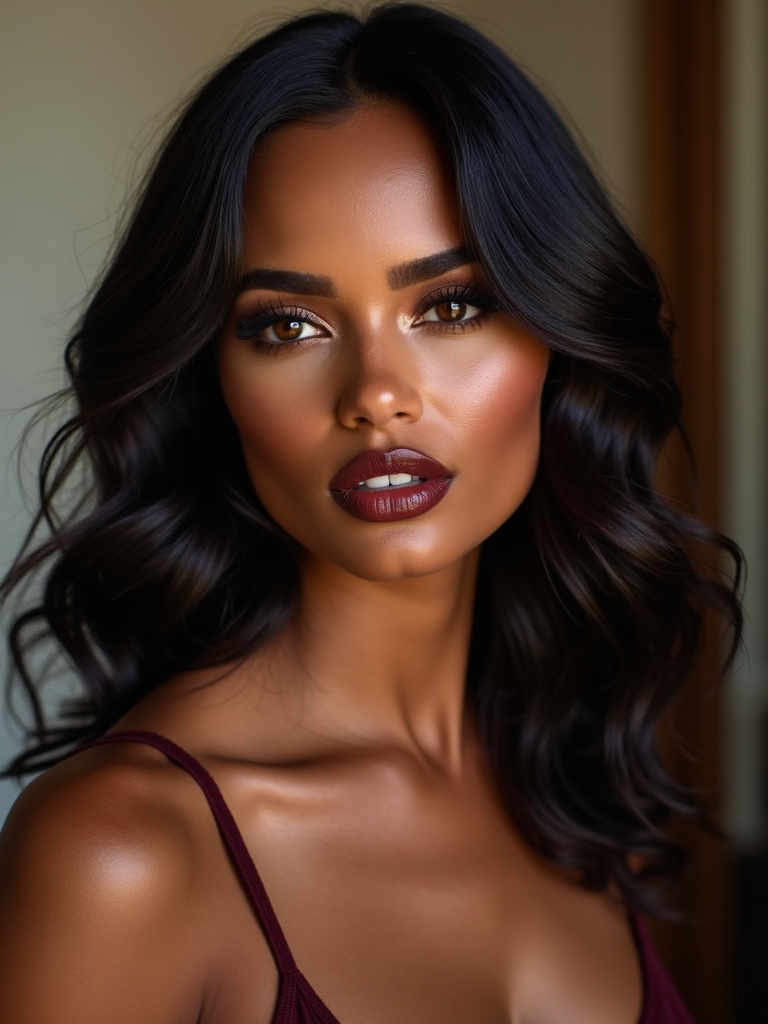
Winter light runs flatter and cooler than summer light, which brings out extra richness in a warm base like deep chocolate against gray skies. The caramel face-framing pieces catch what light there is and keep the color from going flat and lifeless under the yellower light most rooms run through the colder months.
- A warm base that holds up under flat winter daylight
- Caramel pieces catch light indoor lighting can miss
- A forgiving, low-maintenance base to start from
Espresso Brown With Mahogany Lowlights
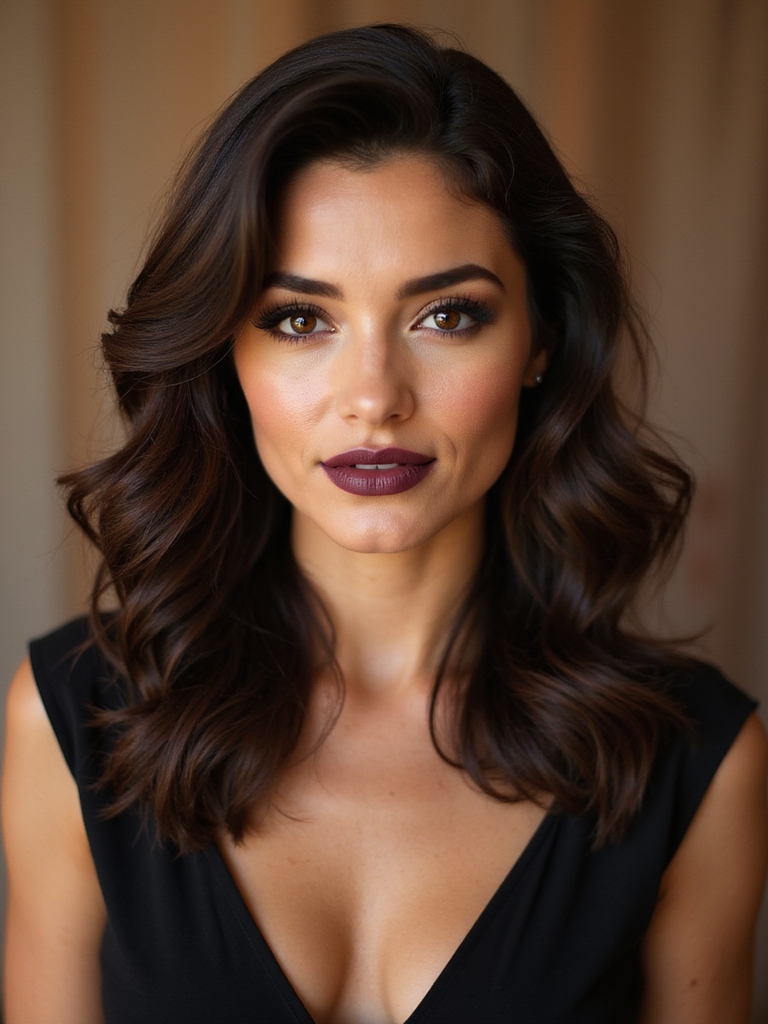
Espresso sits one shade above true black, and the mahogany lowlights woven through it add a red undertone that shows mainly under warm indoor light rather than the cooler daylight winter offers.
A closer, warmer relative of this exact shade, with less red and more straight warmth, gets its own full breakdown in dark chocolate brown hair.
- Espresso sits almost black, with one thread of warmth running through it
- Mahogany lowlights show mostly under warm indoor light
- A richer alternative to a flat, single-tone black
Soft Root-Smudged Black for an Easy Grow-Out
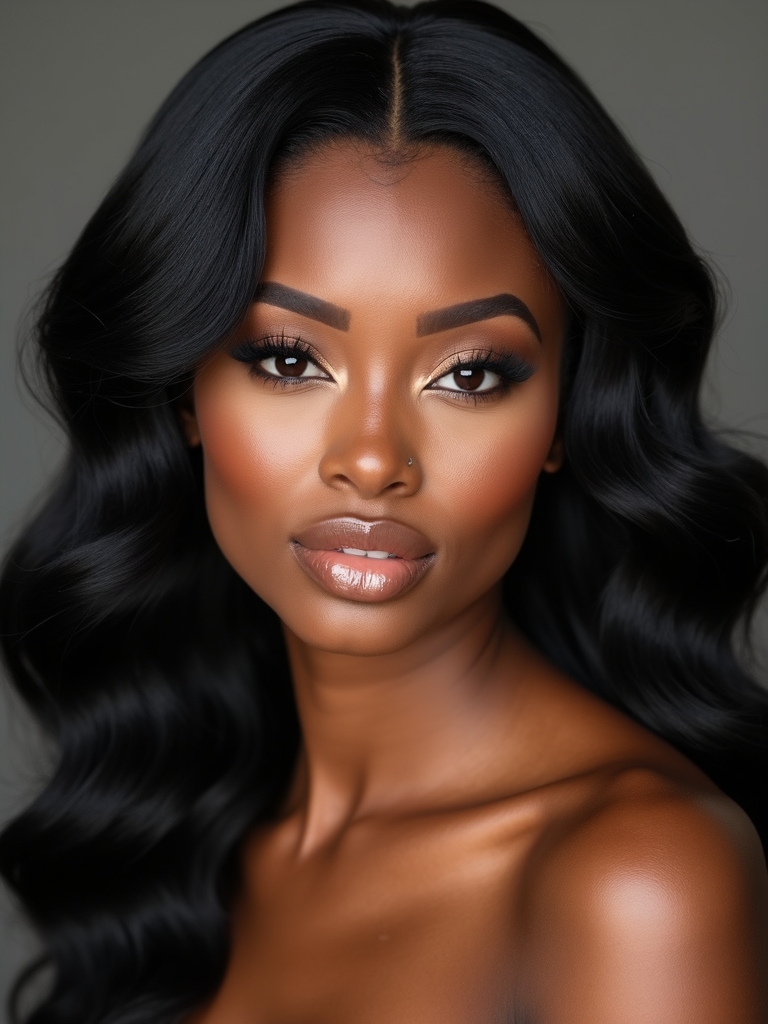
Root smudging blends a soft black into the natural base near the scalp instead of drawing a hard line, so regrowth through winter’s slower salon-visit season stays soft rather than obvious.
It’s a practical pick for anyone whose holiday schedule leaves less room for a mid-season touch-up appointment.
- A soft blend at the root instead of a hard color line
- Regrowth stays subtle through several months
- Fits a busy holiday and new-year schedule well
ℹ️Winter Light, Different Read
The same espresso or mahogany shade that looked warm and rich under July sun can shift noticeably cooler and flatter under winter’s shorter, grayer daylight.
Cool Ash Brown With Shadow Lowlights
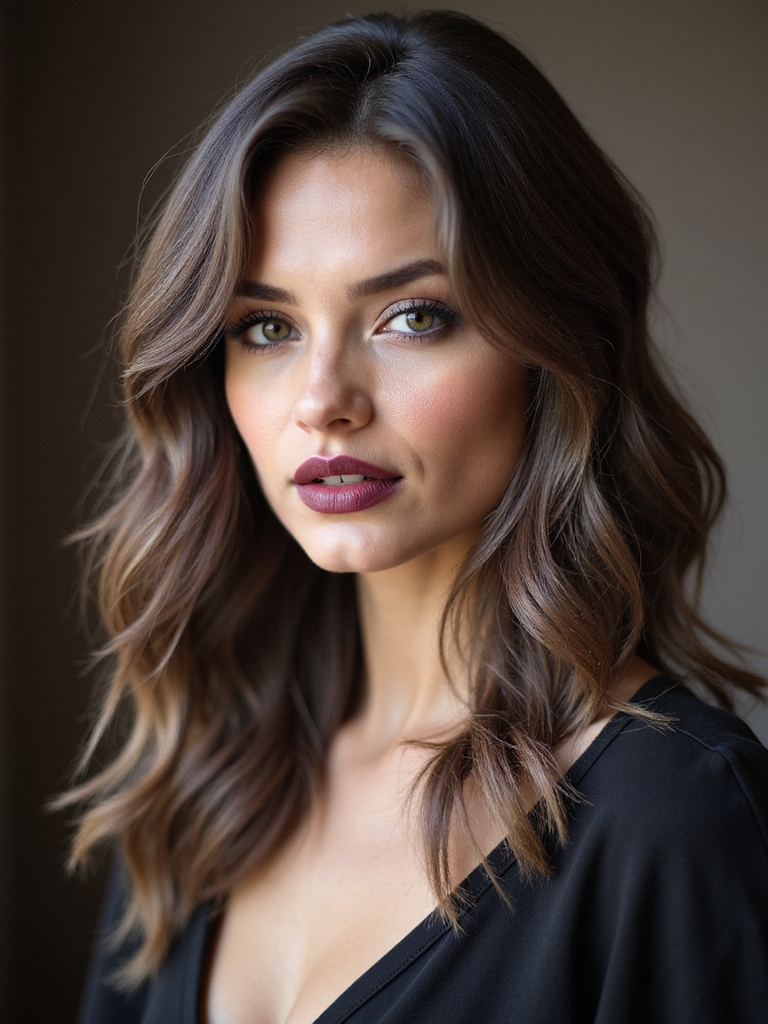
Cool ash brown pulls any red or gold undertone out of a deep brown base, a shade that pairs naturally with winter’s cooler wardrobe palette of grays, navys, and icy neutrals. Shadow lowlights add just enough depth near the roots to keep the ash from reading flat under low winter light.
- No warmth, gold, or red pulling through the base
- Pairs naturally with a cool-toned winter wardrobe
- Shadow lowlights add depth without warming the tone
Dark Chestnut With Copper Whispers
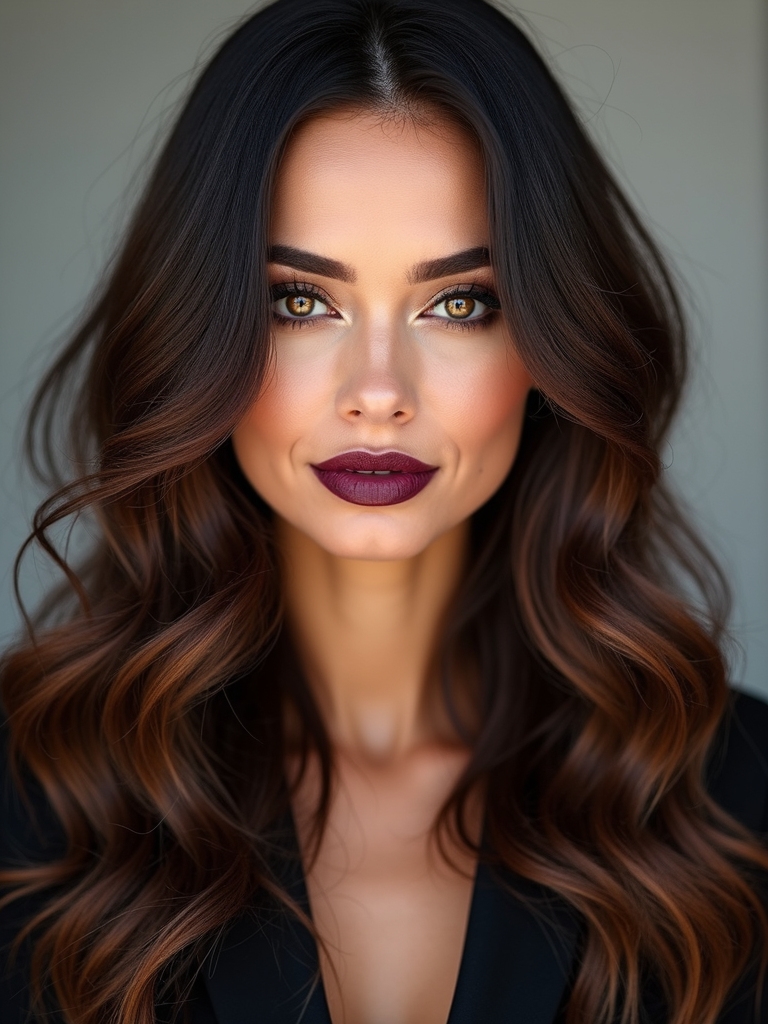
Skin tends to read paler once a summer tan fades, and dark chestnut’s warm red-brown base with faint copper whispers through it adds back some of the warmth a flatter dark shade would otherwise take away. The copper stays subtle enough to pass as natural dimension rather than an obvious color choice, which keeps it wearable in settings where a bolder red might draw too much attention.
- A warm red-brown base built to counter paler winter skin
- Copper whispers add warmth without a bold red statement
- A built-in warmth that looks deliberate rather than left to chance
Deep Glossy Black-Brown Balayage
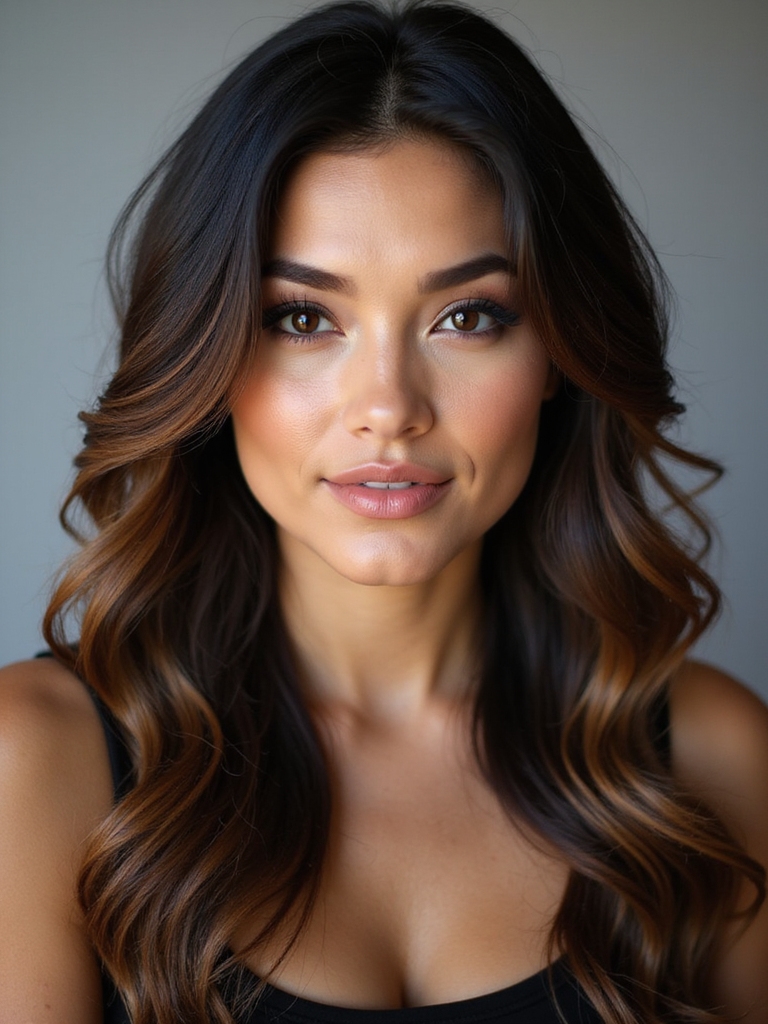
A black-brown balayage blends two closely related dark tones rather than a dramatic light-to-dark contrast, so it comes together as one glossy, cohesive color rather than a summer-style dimensional piece grown out into winter.
The gloss is doing more work than the balayage technique itself; skip it, and the subtle dimension mostly disappears under winter’s flatter light.
- Two close dark tones blended, not a dramatic contrast
- Reads as cohesive rather than obviously highlighted
- The gloss step matters more here than the balayage itself
Smoky Cocoa With Low-Contrast Babylights
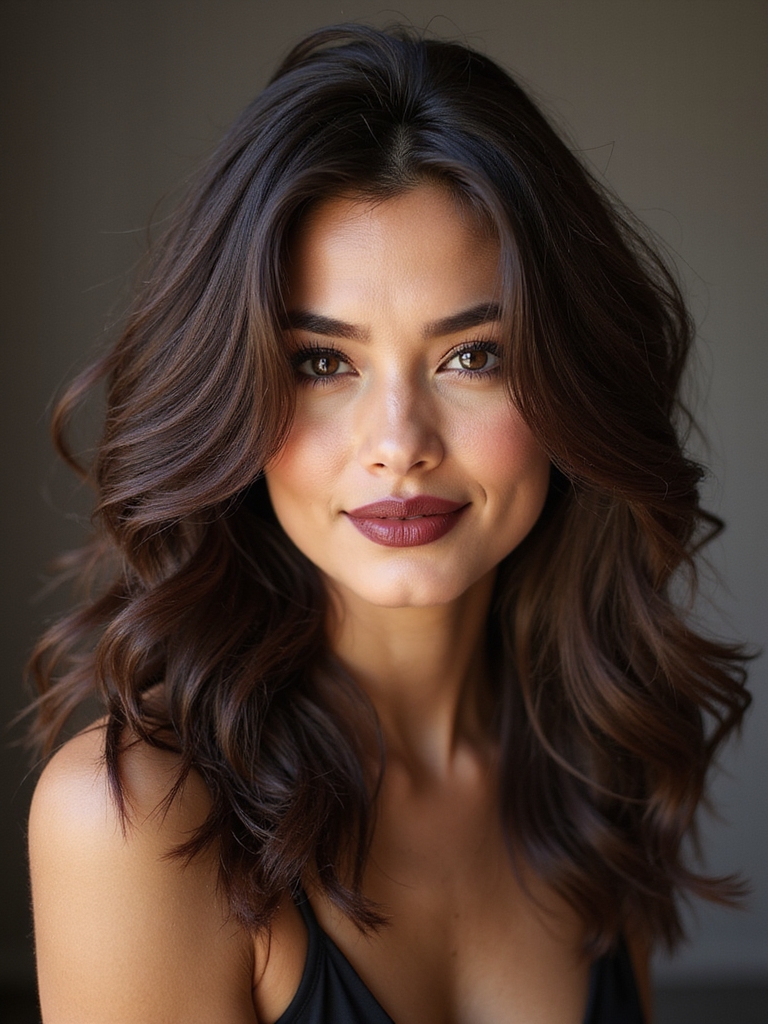
Smoky cocoa mutes the usual warmth of a cocoa brown with a cooler, grayer cast, landing between a true ash and a standard warm brown.
The babylights woven through it sit low-contrast on purpose, fine enough to blend in as texture rather than stand out as distinct highlighted pieces under the yellower light most indoor spaces run in winter.
It’s a subtler dimensional option for anyone who wants some movement in the color without anything bold enough to need constant upkeep through the season.
Choosing between these fifteen comes down to how much upkeep winter actually leaves room for:
🎯Minimal upkeep through the season
Soft root-smudged black or a rooty neutral sombre
🎯Some upkeep, real dimension
Deep glossy balayage or smoky cocoa babylights
🎯Warmth to counter pale winter skin
Dark chestnut with copper or warm cocoa with honey ends
Midnight Blue-Black for a Cool Glow
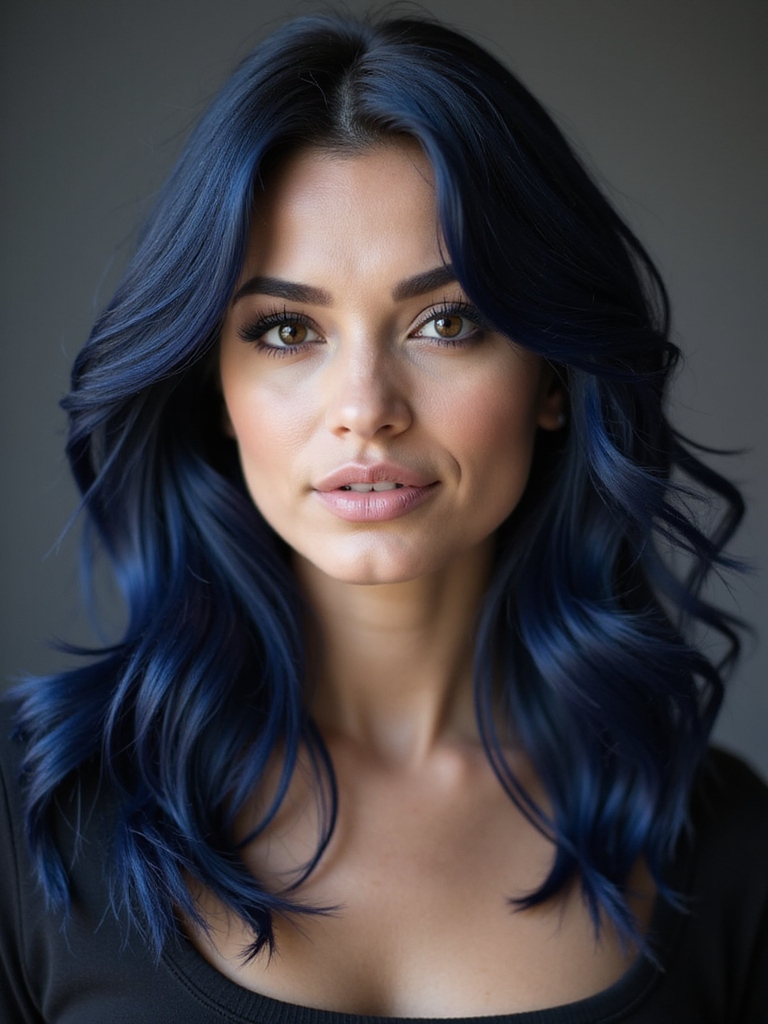
Midnight blue-black hides a cool blue tone inside a black base, invisible under most indoor winter lighting and only surfacing under direct sun or a bright flash. Anyone drawn to the effect but wanting it more obvious day-to-day has other options worth a look, rounded up separately in dark blue hair.
- A blue tone hidden inside an otherwise black base
- Mostly invisible under typical indoor winter light
- The subtlest way to add a fashion tone to black
Deep Burgundy-Warmed Brown
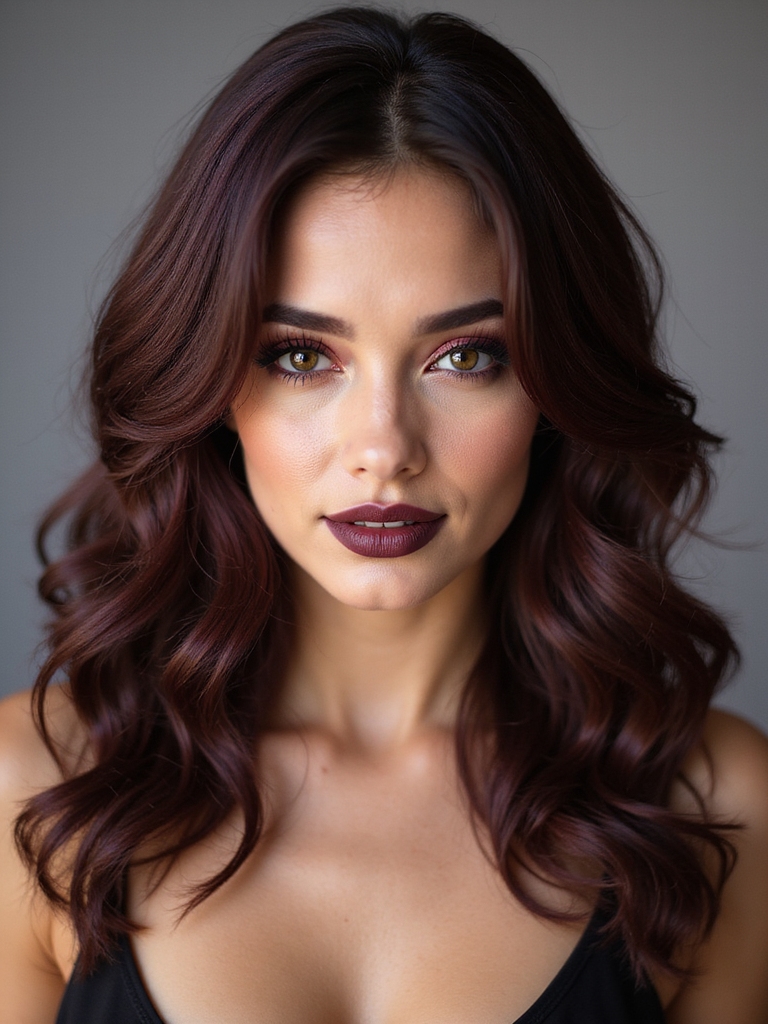
A deep brown warmed with burgundy undertones sits closer to a rich wine than a true red, staying wearable in a professional winter setting where a brighter red might feel too bold. The dark burgundy hair guide covers the fuller-strength version of the same undertone.
- A wine-toned brown, not a true red statement
- Wearable in professional and formal winter settings
- A gentler entry point into a red undertone
📋Before Booking a Winter Dark Shade
- ✓Bring a photo taken in daylight, not just under salon or phone lighting
- ✓Ask how the specific undertone shifts under warm indoor bulbs versus daylight
- ✓Confirm the gloss cadence needed to keep shine through the driest months
Warm Cocoa With Honey-Toned Ends
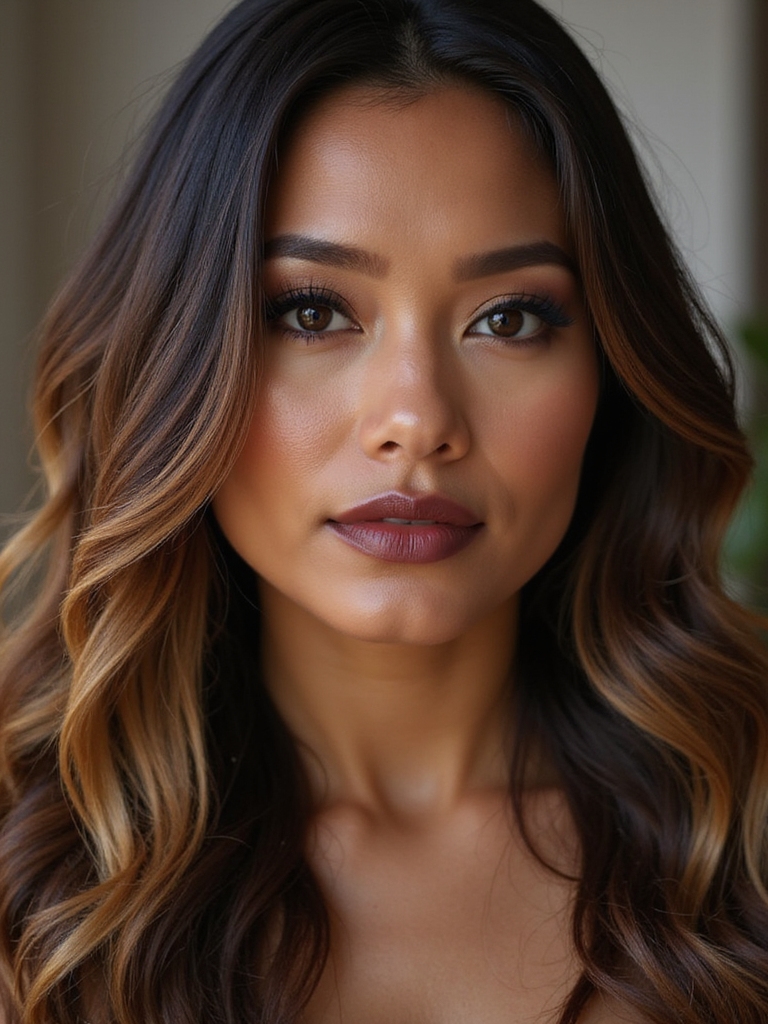
Warm cocoa brown melting into honey-toned ends creates a soft gradient rather than a hard color block, the ends catching noticeably more warmth than the roots.
Why the Ends Need More Care Than the Roots
That gradient effect depends on healthy, undamaged ends; the honey tone shows dullest exactly where hair tends to be driest by the middle of winter.
A weekly hydrating mask through the colder months keeps the ends bright enough to hold the contrast the whole look depends on.
Neutral Dark Brown With a Rooty Sombre
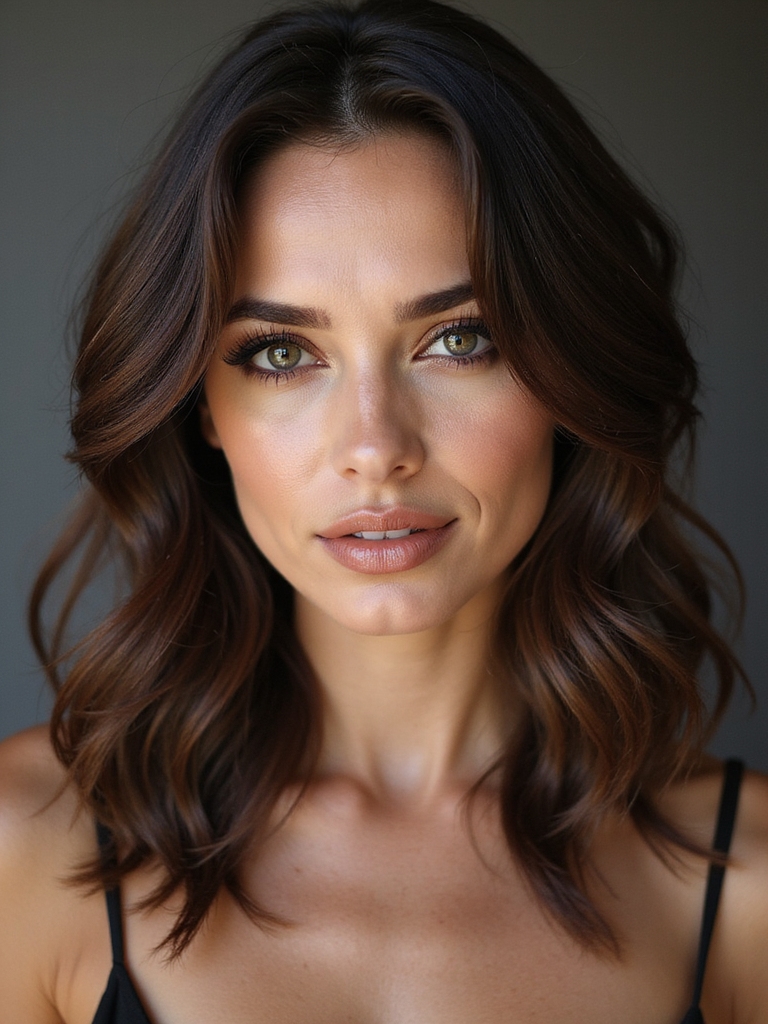
A rooty sombre keeps the natural root color for several inches before blending into a lighter, neutral dark brown, a soft transition rather than a distinct highlighted section.
Fewer Salon Trips, Softer Regrowth
Neutral brown avoids leaning warm or cool, which makes it one of the more forgiving options for anyone unsure which undertone actually suits them.
The long root stretch also means fewer salon visits are needed to maintain it through winter, since regrowth blends rather than shows.
🅰️Warm Cocoa With Honey Ends
A soft gradient that needs healthy, well-hydrated ends to hold its contrast.
🅱️Neutral Rooty Sombre
A low-commitment blend that grows out softly with minimal upkeep.
Chocolate Ombre With Caramel Tips
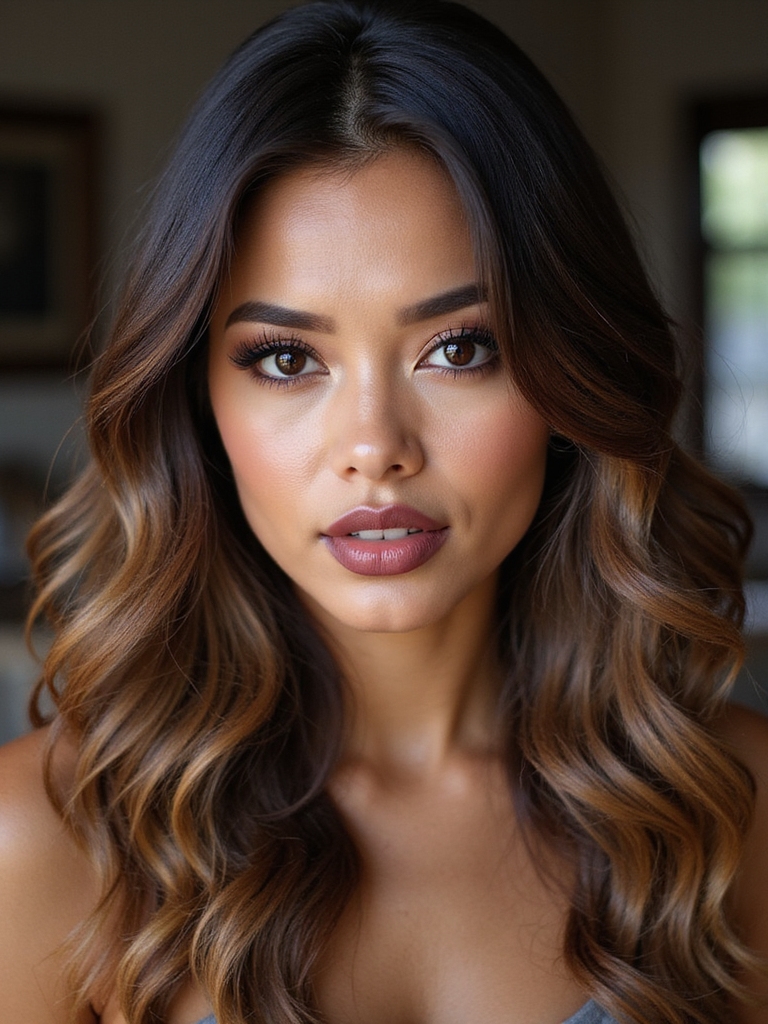
A chocolate ombre keeps the transition gradual, the caramel concentrated mainly at the tips rather than climbing halfway up the length the way a bolder ombre might. That restraint is what keeps the base reading as one cohesive color instead of two distinct sections stacked on top of each other.
That gradual build keeps it wearable in more conservative winter workplaces than a high-contrast ombre would be, while still giving noticeably lighter ends that catch light through the darker months.
Dark Walnut With Bronze Face-Framing
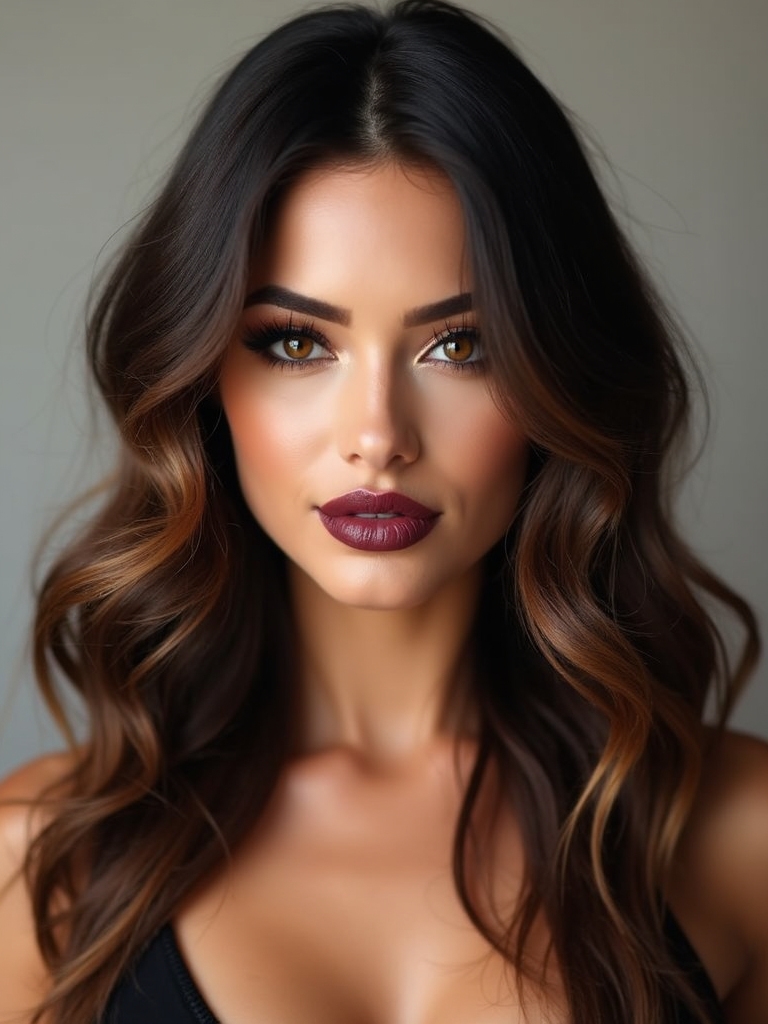
Dark walnut sits between chestnut and espresso, a warm mid-dark brown that takes bronze face-framing pieces well since the two tones share enough warmth to blend rather than clash. The overall effect stays close enough to a natural base that it grows out with almost no visible line.
- A warm mid-dark brown between chestnut and espresso
- Bronze face-framing pieces blend rather than contrast sharply
- A versatile base that suits most warm undertones
Glossy Jet Black, Low-Maintenance
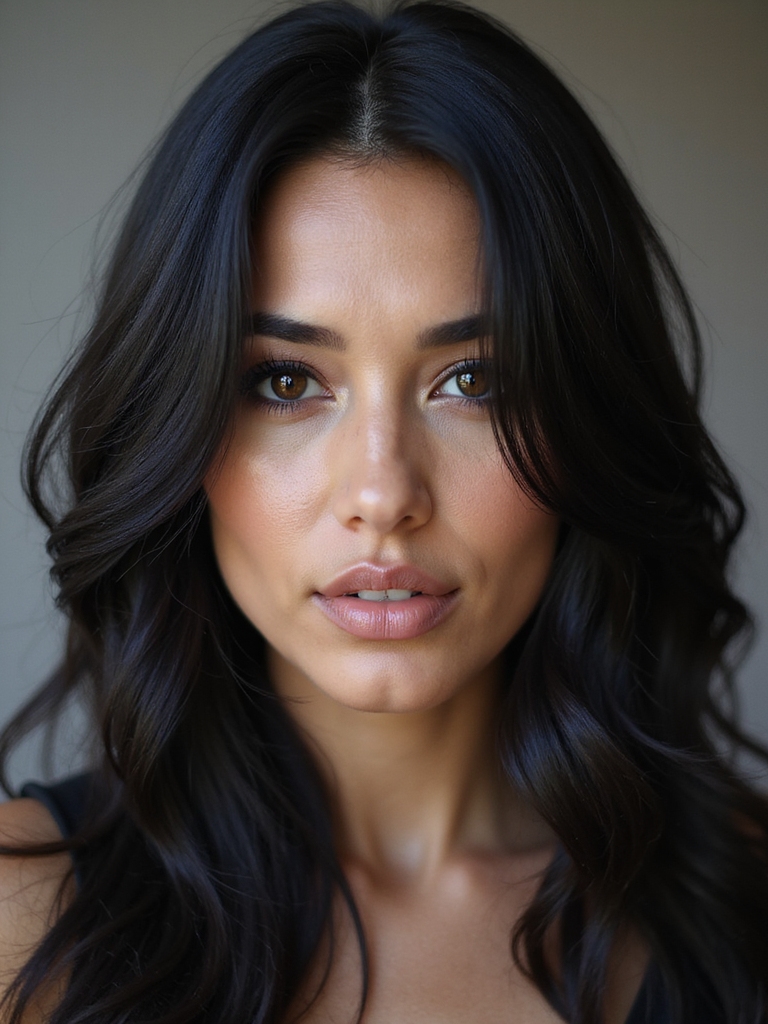
Jet black needs no lightening or toning to maintain through winter, since it sits already at the deepest end of the spectrum with nowhere further to fade toward. That’s part of what makes it the lowest-effort dark shade on this whole list, cost-wise and time-wise both.
The only real upkeep is shine: a gloss treatment now and then, around $40 to $70, keeps a flat black from looking dull under winter’s already flatter light.
Softened Black With Ash Highlights
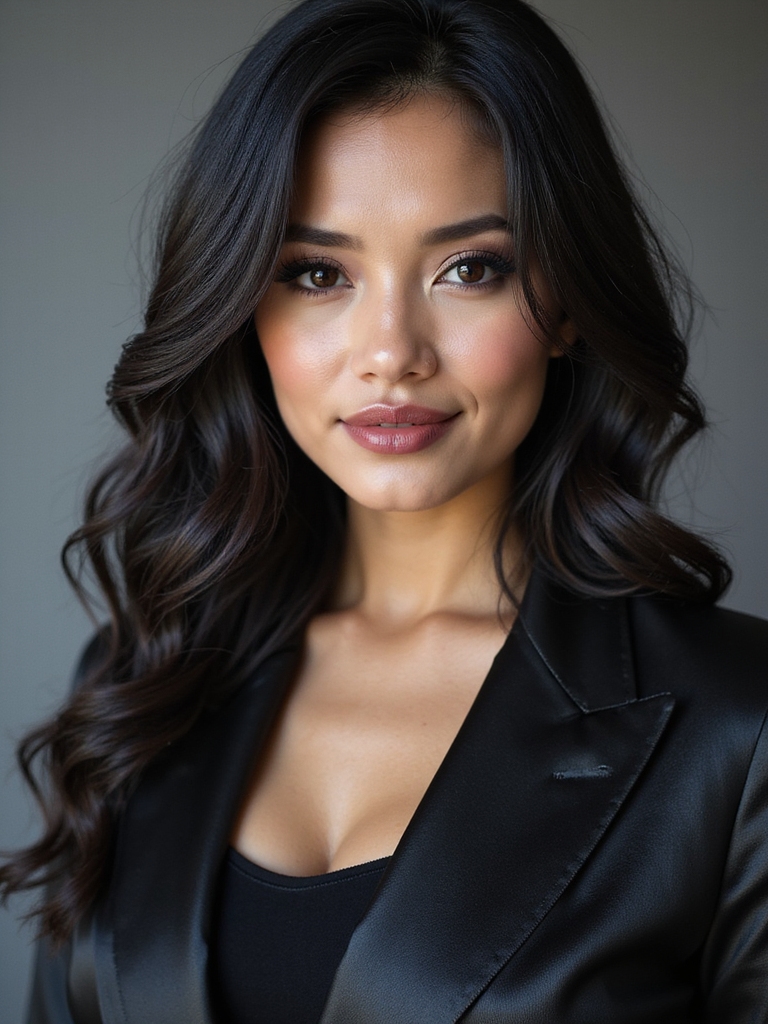
A softened black broken up with subtle ash highlights avoids the single-density block a flat black can become, adding just enough dimension to catch light without turning into a full highlighted look. It’s a middle path for anyone who likes the idea of black but doesn’t want it to read as one flat, unbroken surface.
- Breaks up a flat black without a full highlight commitment
- Ash highlights stay subtle rather than dramatic
- Catches light better than a single-density black would
Maintenance & Care
Winter air runs drier indoors and out, which pulls moisture from color-treated hair faster than any other season manages, dark shades included even though the color itself doesn’t fade the way a lightened one would.
A weekly hydrating mask, a gloss treatment now and then to maintain shine, and a switch to a color-safe, sulfate-free shampoo through the coldest months keep any of these fifteen shades from fading dull before spring arrives.
Dark Winter Hair Color: Common Questions
?Does dark hair color fade faster in winter?
Not faster exactly, but dry winter air and hot showers strip shine more noticeably, so a color glossy fresh out of the salon can dull sooner than it would in a milder season.
?Is it harder to keep a cool-toned dark shade from looking warm in winter?
A little, since dry indoor heat and less rinsing with cool water both push color slightly warmer over time. A purple or blue-toned conditioner used occasionally helps hold the cool cast.
?Can I switch from a warm dark shade to a cool one mid-winter?
Yes, though it usually takes a toning appointment rather than a full recolor if the base is already dark enough, since the goal is adjusting the undertone rather than lifting the whole color.
?Do I need to change my haircare routine for dark winter color specifically?
Mostly just add hydration. A weekly mask and a color-safe shampoo matter more in winter than the color choice itself does for keeping the shade looking fresh.
Winter Rewards the Right Undertone
Every shade here was chosen for how it behaves under winter’s specific light and dry air, not for how it would photograph on a beach in July.
Match the undertone to actual skin tone, plan for a bit more hydration than usual, and any of these fifteen will carry a season that’s harder on hair color than people tend to expect.
Keep Reading