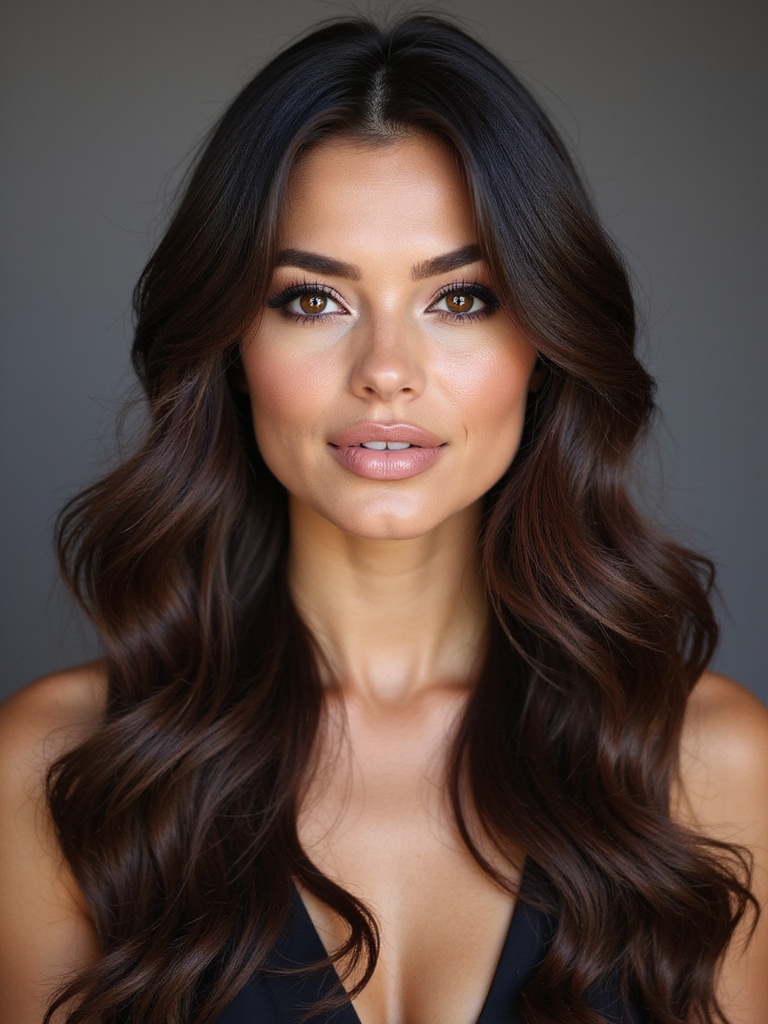
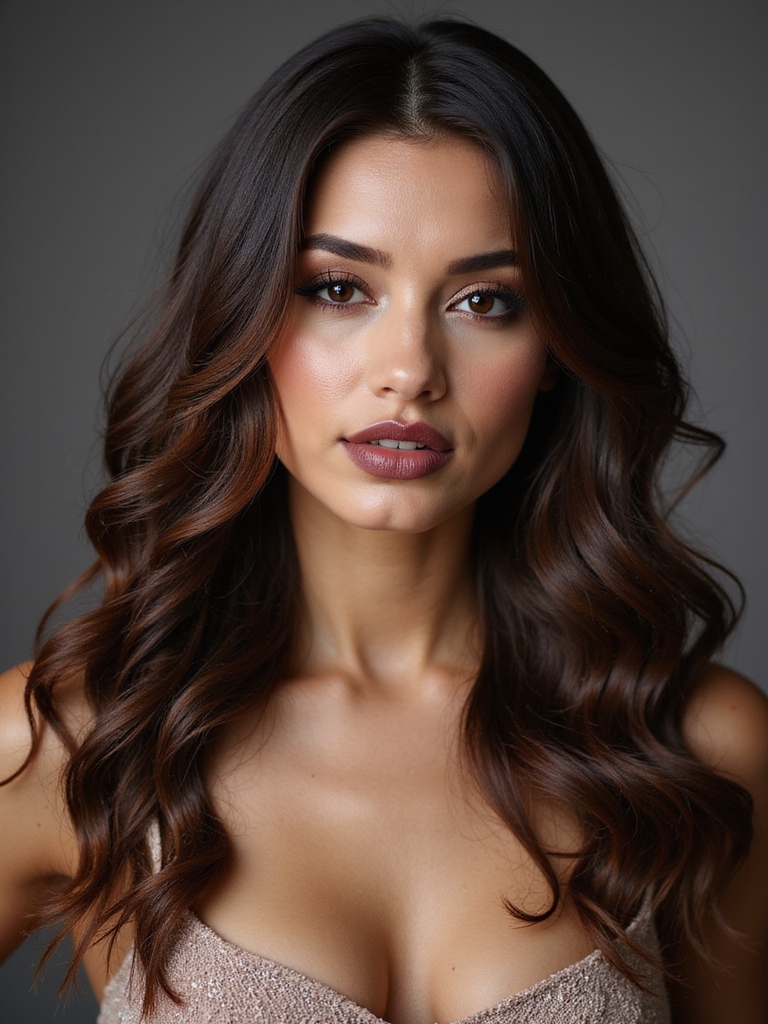
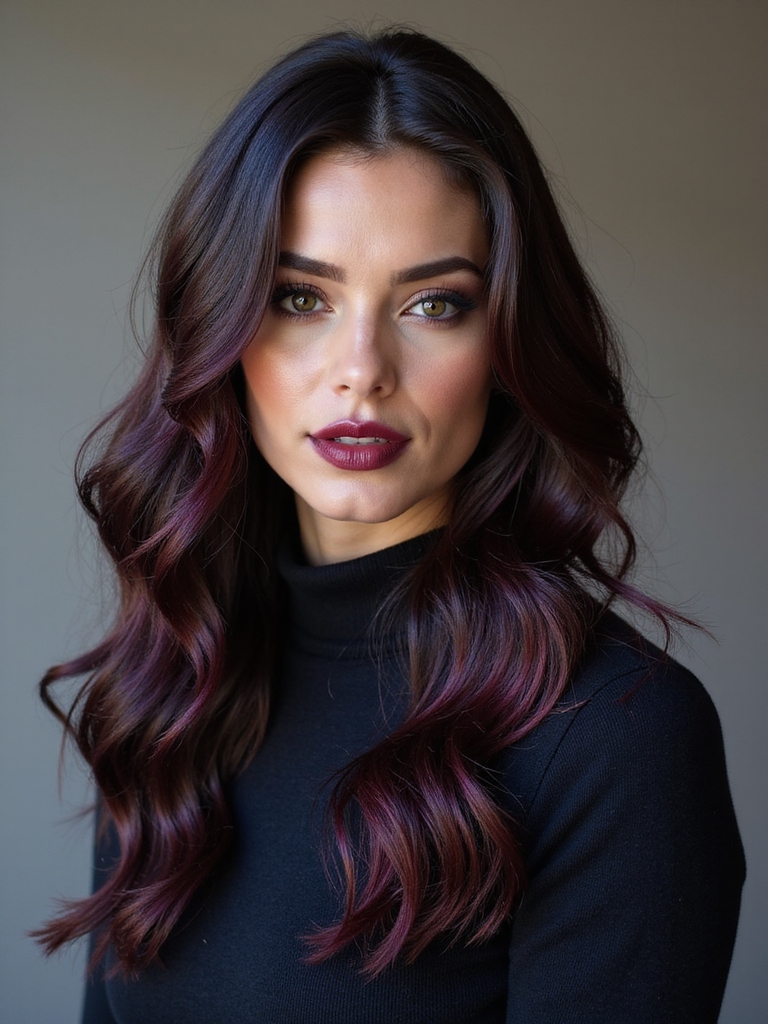
There’s a moment in early winter when you catch your reflection in a shop window and your color just looks done. Tired. The warmth gone, the shine flat, the whole thing a season behind. Every winter the same itch arrives—the urge to try something, whether it’s a quiet refresh or a full reinvention.
So these winter hair color trends are ordered the way I’d actually walk a client through them: from the subtlest refreshes to the boldest statements, so you can find the size of change you’re after. I’ll tell you what each takes, what it costs, and who it flatters, whether you want a tweak or a transformation.
Pick Your Size of Change
| If you want a… | Try | Commitment |
|---|---|---|
| Subtle refresh | A gloss, honey balayage, caramel face-framing | Low |
| Noticeable change | Mahogany, bronde, frosted or rooted blonde | Medium |
| Bold statement | Coppery red, pearl-white, jewel accents, gray blend | High |
Frosted Blonde Refreshes
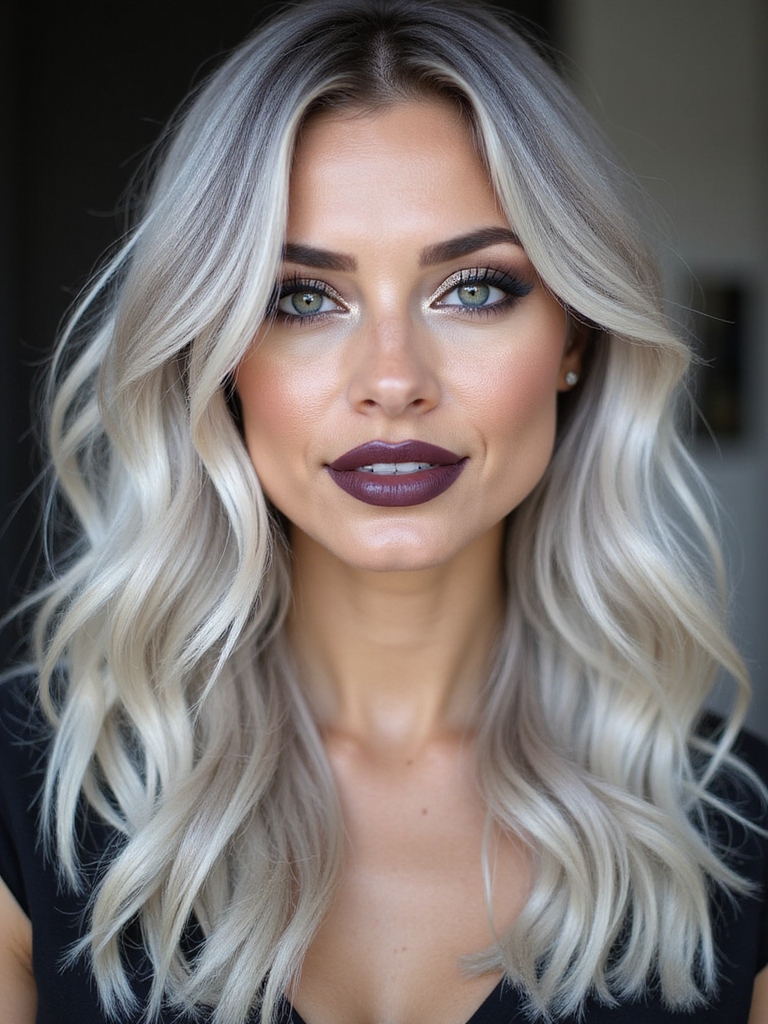
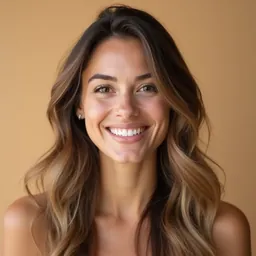
If you’re blonde and just want to feel new again, a frosted refresh is the gentlest place to start—cool, frosty pieces added through your existing blonde to brighten and modernize without a full re-color. It’s a tweak, not a transformation.
A Refresh, Not a Redo
The point is minimal effort for a visible lift: a few cool pieces and a toner make tired blonde look intentional again. You walk out brighter without the cost or commitment of going lighter all over.
A partial refresh with toner runs $80 to $150. It suits cool and neutral blondes, and a gloss keeps the frost crisp between visits.
Chocolate Brunette Depths
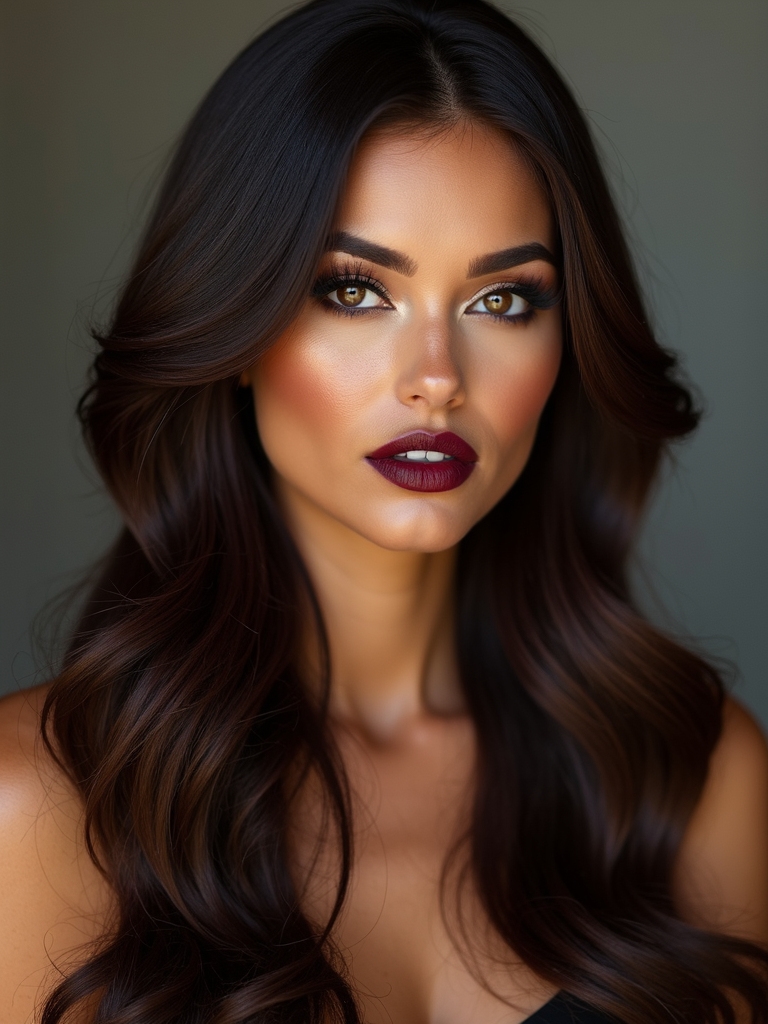
For brunettes who want depth rather than drama, leaning into a rich chocolate is the easy win of the season. A deep, glossy chocolate makes brown look intentional and expensive, and it asks almost nothing of you—no lift, no highlights to grow out.
It’s the lowest-effort brunette refresh there is: a single rich shade with a gloss over it. A chocolate gloss runs $40 to $70, and it flatters nearly every skin tone with a clear or tinted finish.
ℹ️Good to Know
Cold, flat winter light makes deep, saturated color look richer than summer sun does. It’s why the same shade that felt heavy in July suddenly looks expensive in January, which makes winter the best season there is for rich color.
Honey Balayage Warmth
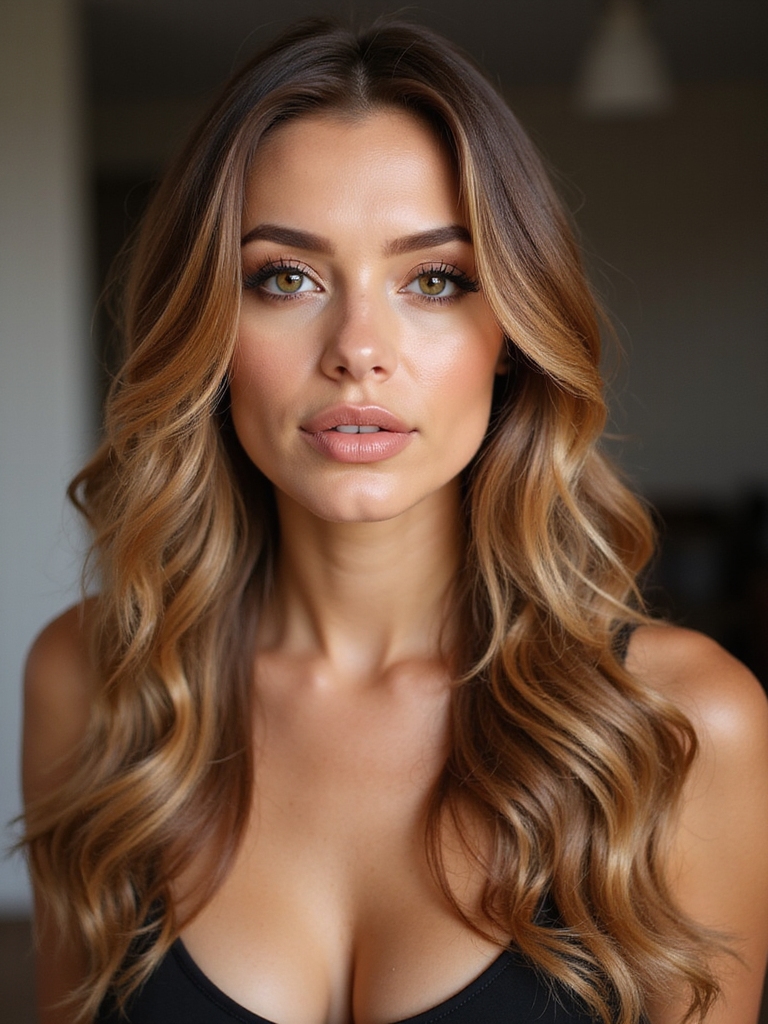
A honey balayage is the warm refresh I suggest most for winter, because it puts back exactly what the season strips out—warmth and light around the face. Soft, painted honey through a brown or dark-blonde base brightens your complexion when gray light drains it.
Why It’s Worth the Chair Time
Balayage grows in soft, so this is a once-or-twice-a-winter appointment, not a monthly chore. The warmth flatters most skin tones and survives the grow-out beautifully.
A balayage runs $150 to $250. The honey blonde hair guide shows how warm you can take it.
Icy Ash Highlights
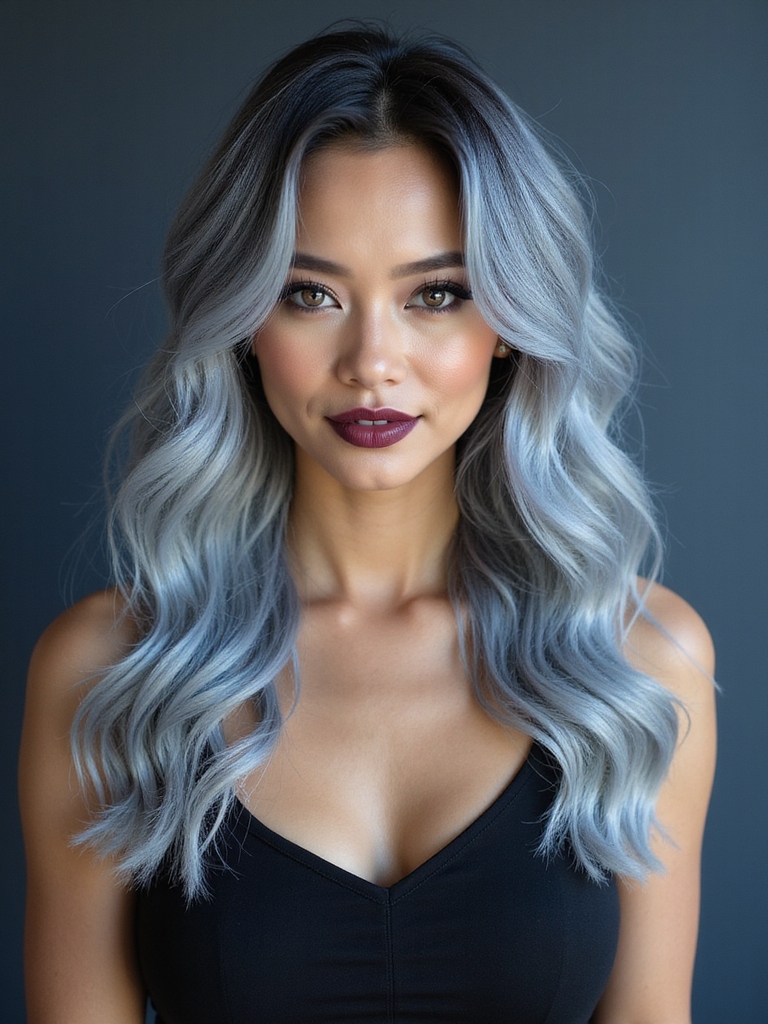
Icy ash highlights are the cool-toned refresh for anyone tired of warmth—fine, cool pieces through brown or blonde that brighten with a crisp, modern edge. They’re the antidote to brassy, faded color.
Because they’re fine and cool, they grow out softly and keep your color from looking warm and dated. Fine ash highlights run $120 to $180. A toner keeps them from creeping warm.
They suit cool and neutral skin best, and they pair beautifully with the frosted and pearl trends if you want to lean fully cool this winter.
💡Cheap Fix First
If your color keeps looking warm and dated, the fix is usually a toner, not a whole new color. A cool gloss over your existing shade pulls the warmth out for a fraction of the cost of recoloring.
Caramel Face-Framing Brights
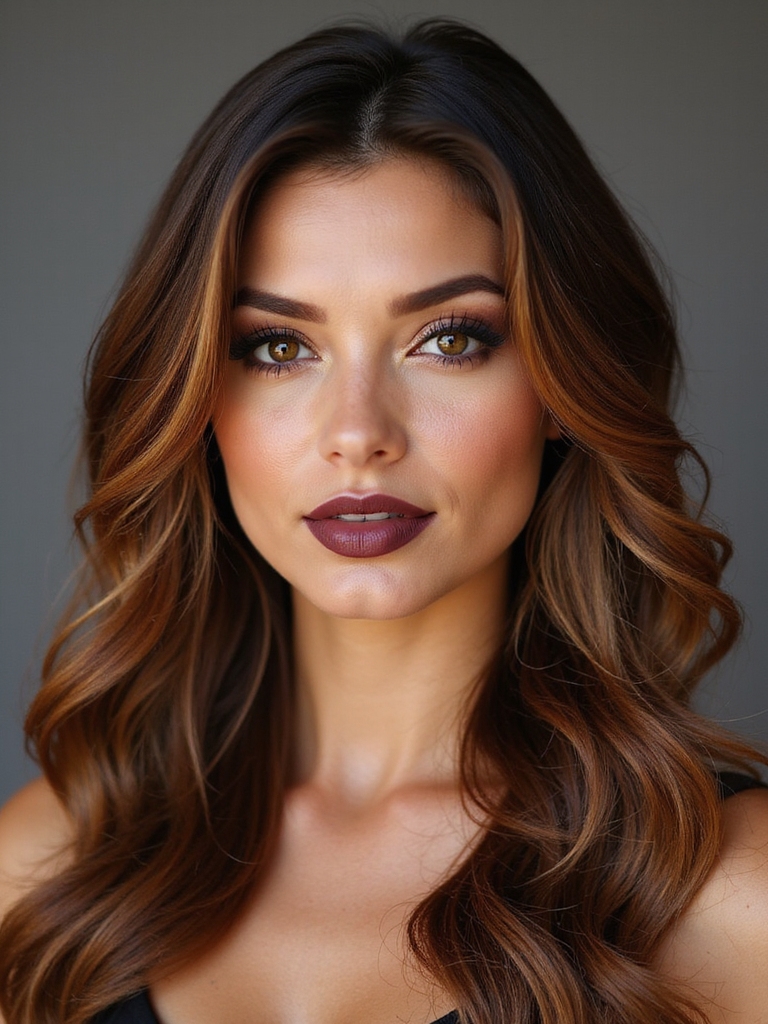
Caramel face-framing is the most flattering small change you can make—warm caramel pieces only around the face that brighten your complexion exactly where winter dulls it. Minimal lift, minimal upkeep, maximum effect on how your skin looks.
- Warm caramel at the face brightens a winter complexion.
- Front-only placement means low lift and low upkeep.
- A gloss keeps the caramel from fading brassy.
Smoky Rooted Blondes
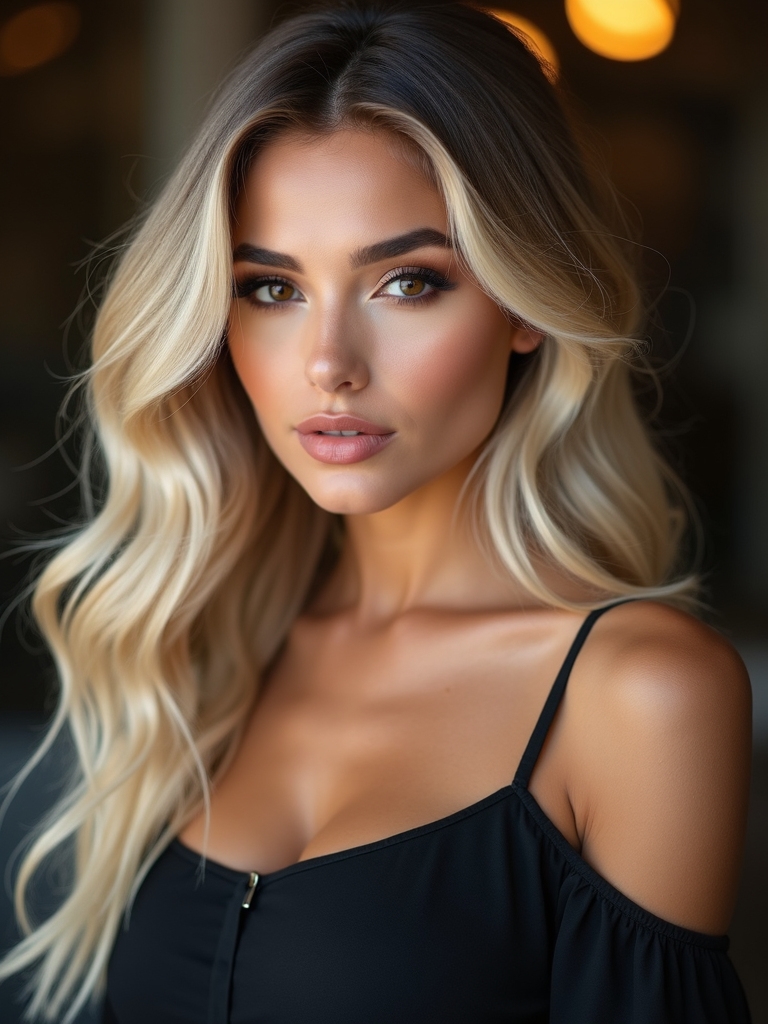
Smoky rooted blonde is the trend for blondes who love their color but hate the upkeep—a soft, smoky shadow at the roots that lets blonde grow out gracefully. It adds a little depth and buys you weeks between salon visits.
The Low-Maintenance Blonde
The shadow root blurs regrowth, so a blonde that used to need a touch-up every month stretches to eight weeks or more. It’s the practical blonde of the season, and the one I add for anyone with a packed winter schedule.
A root shadow adds $40 to $80 to a blonde service. It works on any blonde and instantly lowers the maintenance.
| Change level | Examples | How it grows out |
|---|---|---|
| Subtle | Gloss, balayage, face-framing | Invisibly, no line |
| Bold | Pearl-white, coppery red, jewel accents | Needs real upkeep |
Deep Mahogany Shine
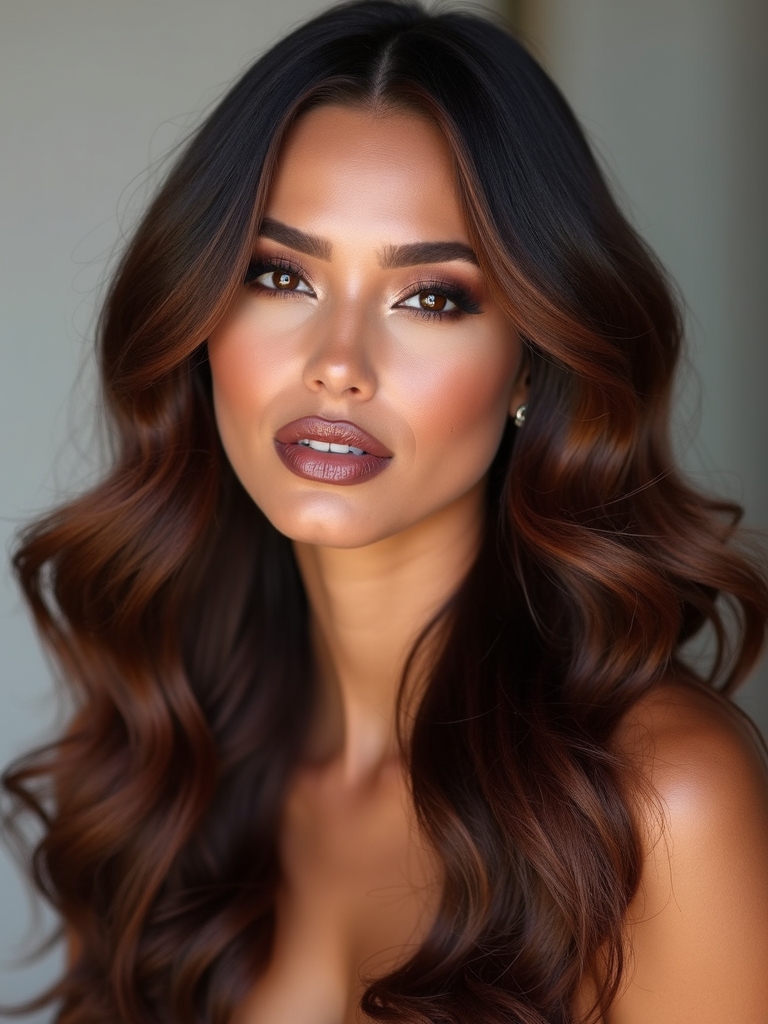
Ready for a real change but want it wearable? Deep mahogany is the boldest of the easy trends—a rich red-brown that warms your whole look and gleams under winter light, without the upkeep of a true red.
Bold but Forgiving
Mahogany deposits onto your base with no lift, so it’s a dramatic-looking change that’s actually gentle on your hair. The red lives inside the brown, fading soft rather than patchy.
A mahogany gloss runs $40 to $70. The mahogany hair color guide covers matching the wine to your skin.
Subtle Rose Gold Tints
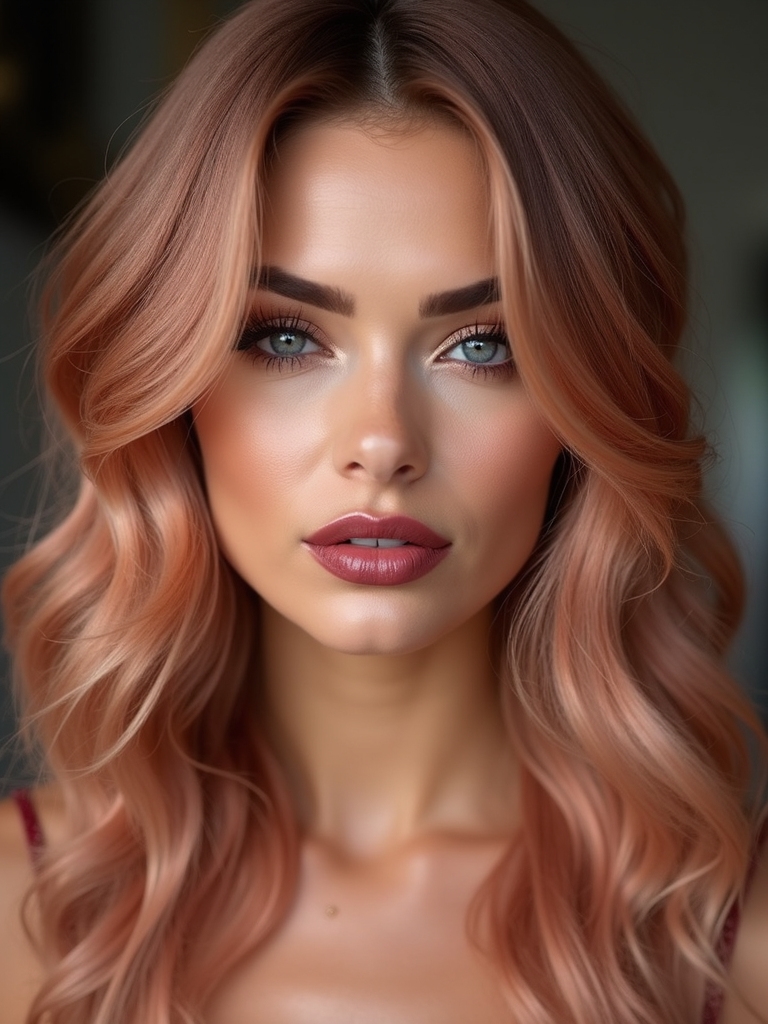
Rose gold is where the list tips from refresh into statement—a soft, dusty pink-gold that stays romantic and quiet. The subtle, winter version works as a tint over blonde or light brown, well short of a full fantasy color.
Keeping It Wearable
Kept dusty and muted, rose gold reads grown-up and modern. On lighter hair it’s a full tint; over brown it’s a soft warm wash. Either way it fades, so a rose-depositing conditioner is part of the deal.
A rose gold tint runs $80 to $160 depending on your base. It flatters fair and neutral skin with a warm glow.
How to try a fashion shade without the risk:
1Start hidden or on the ends
A peekaboo panel or platinum ends lets you test bold color you can hide or cut off.
2Commit to the conditioner
Fashion shades fade fast, so a tone-matched depositing conditioner is non-negotiable.
Icy, Luminous Pearl-White
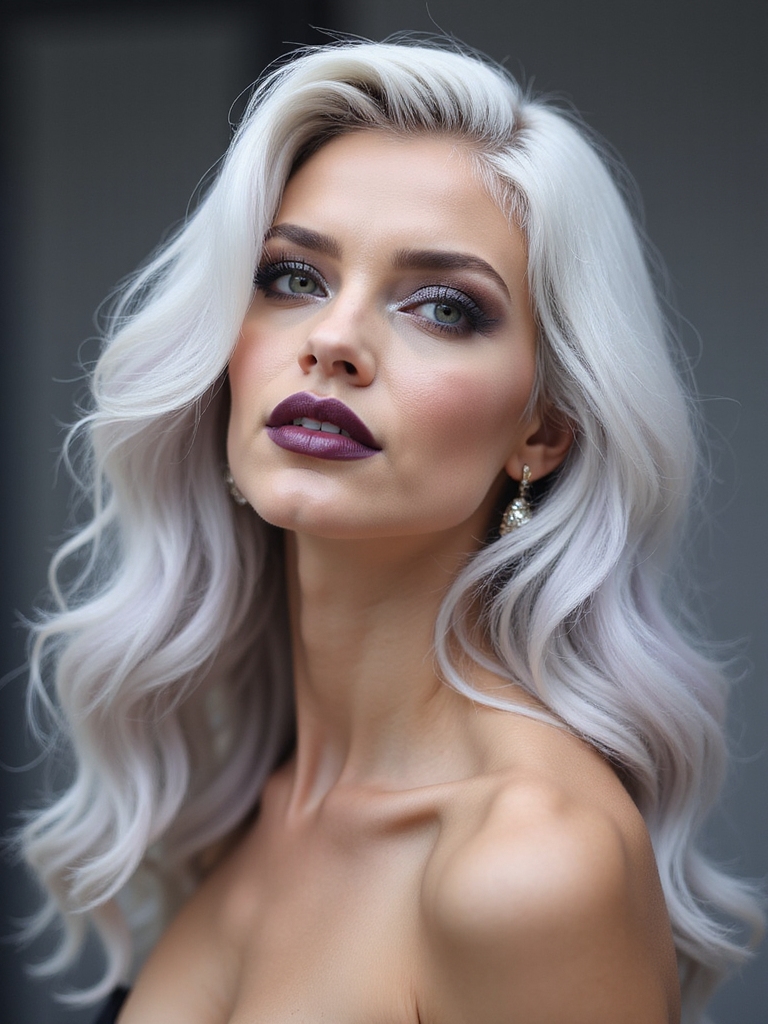
Pearl-white is the statement for committed cool blondes—a luminous, almost-white blonde with a cool pearl finish that looks like frost. It’s one of the most striking colors you can wear in winter, and one of the highest-maintenance.
Getting there takes real lifting, and staying there takes a violet toner every few weeks plus a bond routine. A pearl-white transformation runs $250 to $400. It suits cool, fair skin, and it’s worth it only if you’ll keep up the toning. The icy blonde hair guide covers the platinum routine.
- A luminous, cool pearl-white that looks like frost.
- High lift to get, heavy toning to keep.
- Best on cool, fair skin that suits true platinum.
Coppery Red Statements
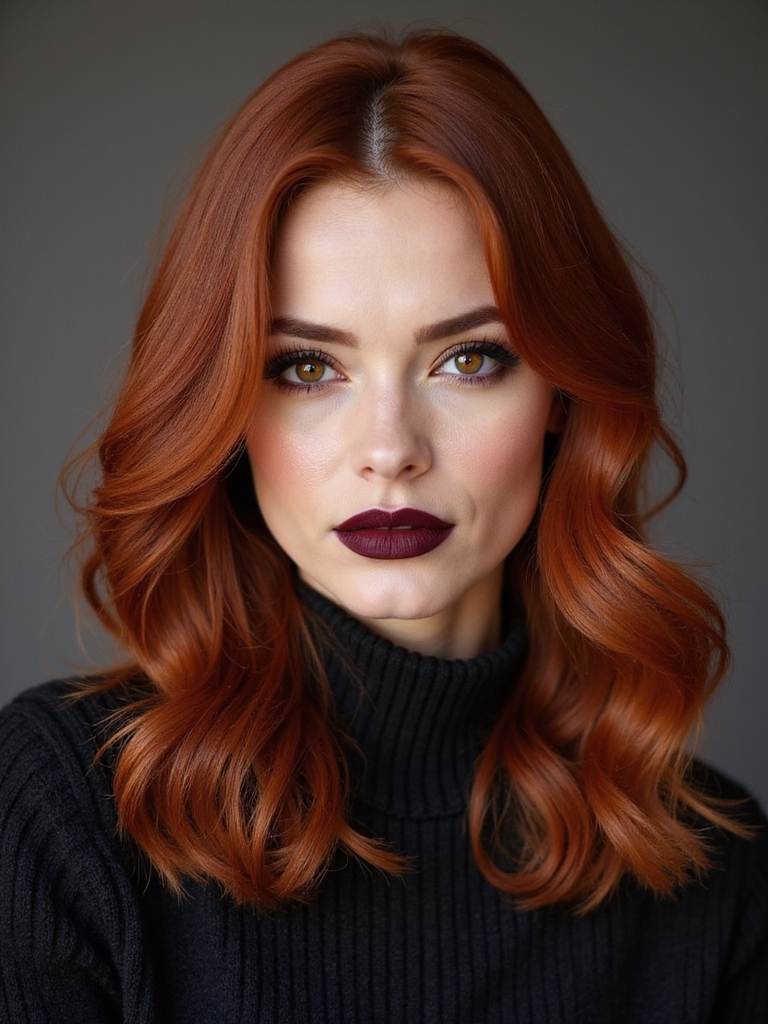
Coppery red is the boldest warm statement of the season, and it’s everywhere right now—a rich, glowing copper-red that turns heads and warms your complexion like nothing else. If you’ve ever wanted to try red, this is the winter to do it—red is the one I see clients regret not trying sooner more than any other.
- A glowing copper-red that flatters warm and fair skin.
- Reds fade fastest; a copper conditioner holds it.
- The auburn hair guide covers the softer end of red.
Soft Bronde Blends
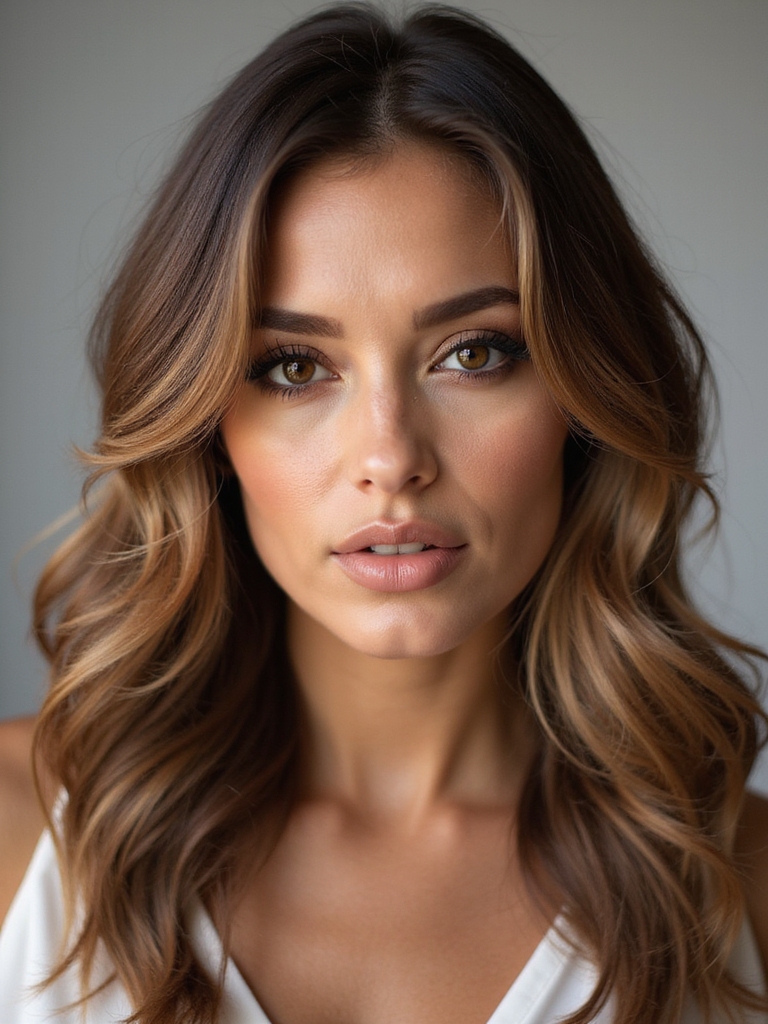
Bronde—the soft blend of brown and blonde—is the statement that feels safe. It brightens a brunette and warms a blonde, landing in a flattering, low-maintenance middle that suits almost everyone. It’s the ‘I changed something’ trend that won’t scare you.
- A brown-blonde blend that flatters nearly every skin tone.
- The darker base hides regrowth, so upkeep stays low.
- Ask for warm bronde to keep winter warmth in the blend.
Subtle Jewel-Toned Accents
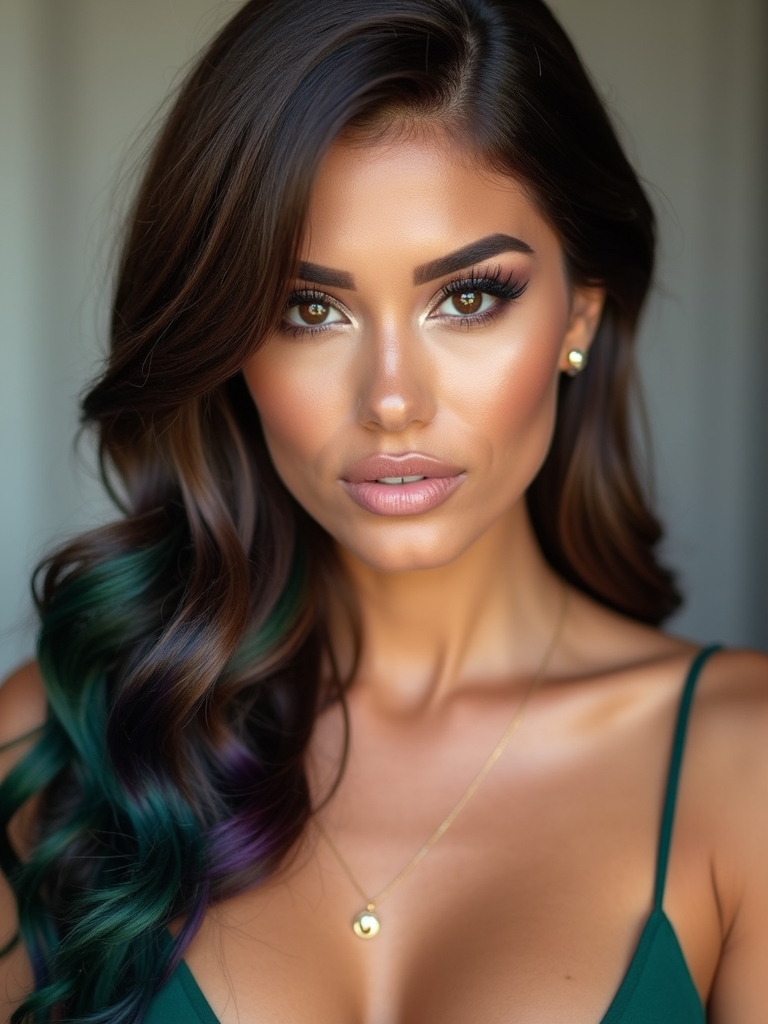
If you want a real statement you can still hide, jewel-toned accents are the move—deep sapphire, emerald, or amethyst pieces tucked into the lower layers that flash when you move. From the front you’re untouched; underneath, you’ve got a secret.
Jewel tones need lift on the accent pieces and fade without a depositing conditioner. A hidden jewel panel runs $80 to $150. It’s the bold trend for people whose jobs don’t allow obvious color.
It’s my favorite way to let cautious clients dip into fashion color, because they control exactly when anyone sees it.
Soft Platinum Ends
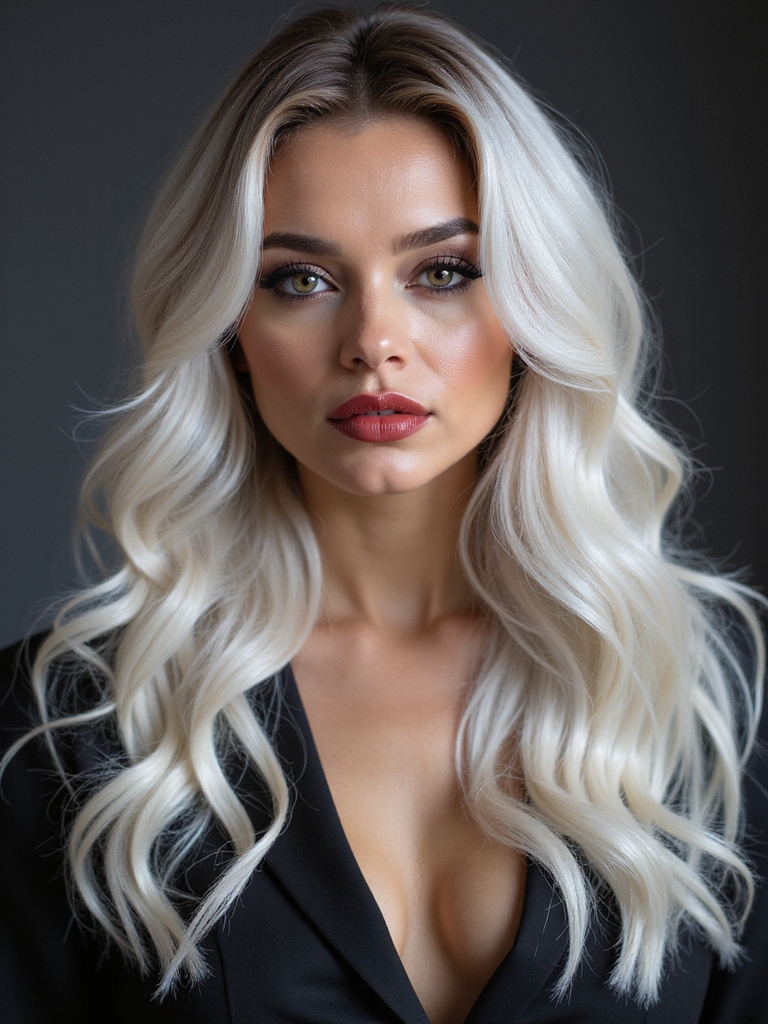
Soft platinum ends are a statement with a built-in exit—a deep root melting down into bright, soft-platinum ends, so the bold color lives only where you can cut it off later. It’s the lowest-commitment way to try platinum, and the dark root means almost no upkeep at the scalp.
A platinum ombre runs $150 to $250. It suits cool and neutral skin, and a violet gloss keeps the ends icy. It’s the trend I suggest for anyone curious about platinum but not ready to bleach their whole head.
- Bright platinum lives only on the ends you can trim later.
- The dark root means almost no scalp upkeep.
- A violet gloss keeps the ends icy and clean.
Natural-Looking Gray Blends
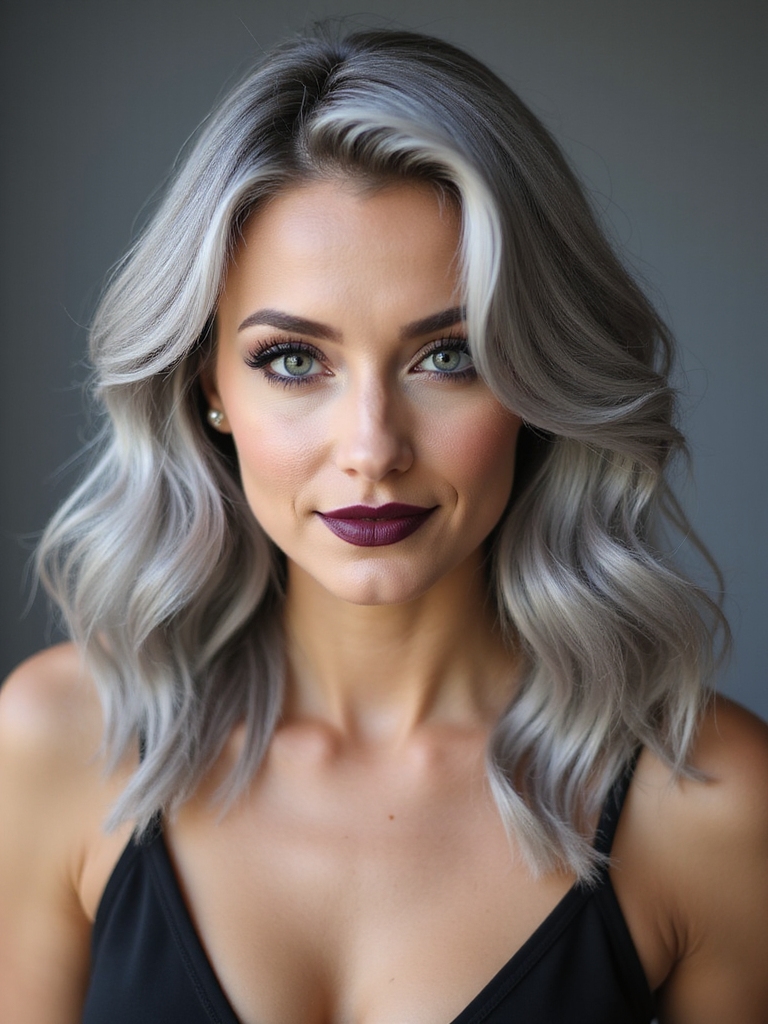
Blending grays into your color is the trend I’m gladest to see—soft, natural gray blends that work your silver in as dimension rather than fighting it every three weeks. It’s a statement of a different kind: choosing to wear your grays beautifully.
Working With Your Silver
Your colorist blends lowlights and a soft root through the gray so it looks intentional and dimensional, not patchy. It’s far lower-maintenance than chasing root coverage, and it grows out gracefully because there’s nothing to grow out.
A gray-blending service runs $120 to $200. It’s freeing in a way few color changes are, and it only looks better as more silver comes in.
Velvet Black With Dimension
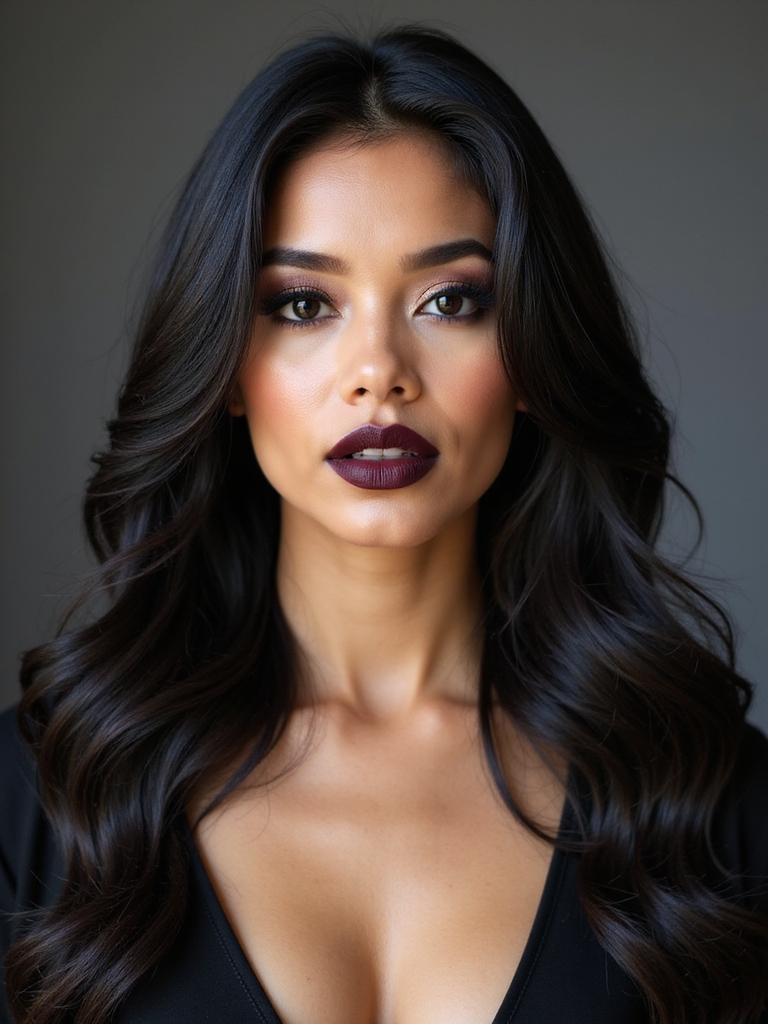
Velvet black is the boldest deep statement—a soft, dimensional black with subtle brown or blue tones woven in so it never looks flat or harsh. It’s drama with depth, the most striking dark color you can wear and still keep glossy.
The dimension is what keeps it modern; a flat box-dye black looks severe, while a velvet black with tonal pieces and a gloss looks rich and expensive. A dimensional black with gloss runs $90 to $150. It suits cool and neutral skin and anyone who wants maximum impact. For more shade ideas, the hair color ideas for winter roundup runs the full range.
Styling Tips to Make a New Color Last
Once you’ve picked your change, a few habits make it look its best all season. Whatever the trend, finish it with shine—dry winter air dulls color fastest, so a weekly gloss or a shine spray keeps any of these looking salon-fresh. If you went bold, lean into it with styling: sleek and glossy for statement colors, soft waves for dimensional ones that need movement to show.
And give a new color a few days before you judge it. Fresh color settles and softens over the first week, and toners mellow as they oxidize, so the shade you walk out with isn’t quite the one you’ll live with. Wash cool, sleep on satin, and let it find its real tone before you decide how you feel. Most colors look their best around day three or four.
Trying a New Color, Answered
?Is winter really a good time to change my hair color?
It’s the best time. Flat winter light flatters deep, rich tones, you’re out of the fading sun, and a new color lifts your whole look when the weather is gray. Bold colors especially wear better in winter than summer.
?What’s the lowest-risk trend if I’m nervous about a big change?
A gloss, a honey balayage, or caramel face-framing. All three are subtle, flattering, and either deposit-only or minimal lift, so there’s nothing dramatic to grow out and nothing that can go badly wrong.
?Which of these trends fades the fastest?
The fashion and warm colors—rose gold, jewel tones, coppery red, and pearl-white toner all fade fastest and need a depositing conditioner or regular toning. Deposit-only deep shades like mahogany and velvet black hold longest.
?How do I keep a new winter color from fading?
Wash in cool water with a sulfate-free shampoo, gloss every 4 to 6 weeks, and sleep on satin. Use a tone-matched depositing conditioner for warm or fashion shades, and keep hot tools low—heat dulls color faster than almost anything.
This Is the Season to Try It
Winter is the best time to change your color, and not by accident—the flat light flatters rich, deep tones, the cold keeps you indoors and out of the sun that fades them, and a new shade is the easiest lift when everything outside is gray. Whether you want a quiet refresh or a color you’ve never been brave enough to try, the season is on your side.
So pick the size of change you’re actually craving, from a frosted refresh to a coppery red, and book it. The worst that happens with most of these is a gloss grows out in a few weeks. Try the one that’s been catching your eye—winter is exactly when it’ll look its best.
More Looks Worth Saving