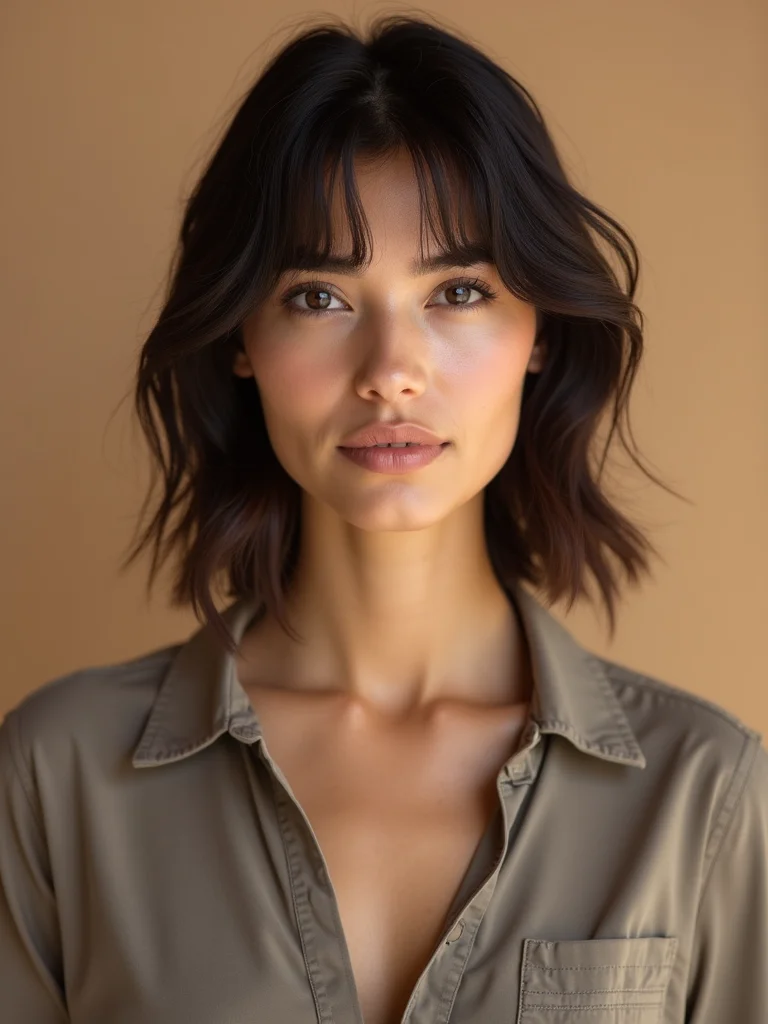
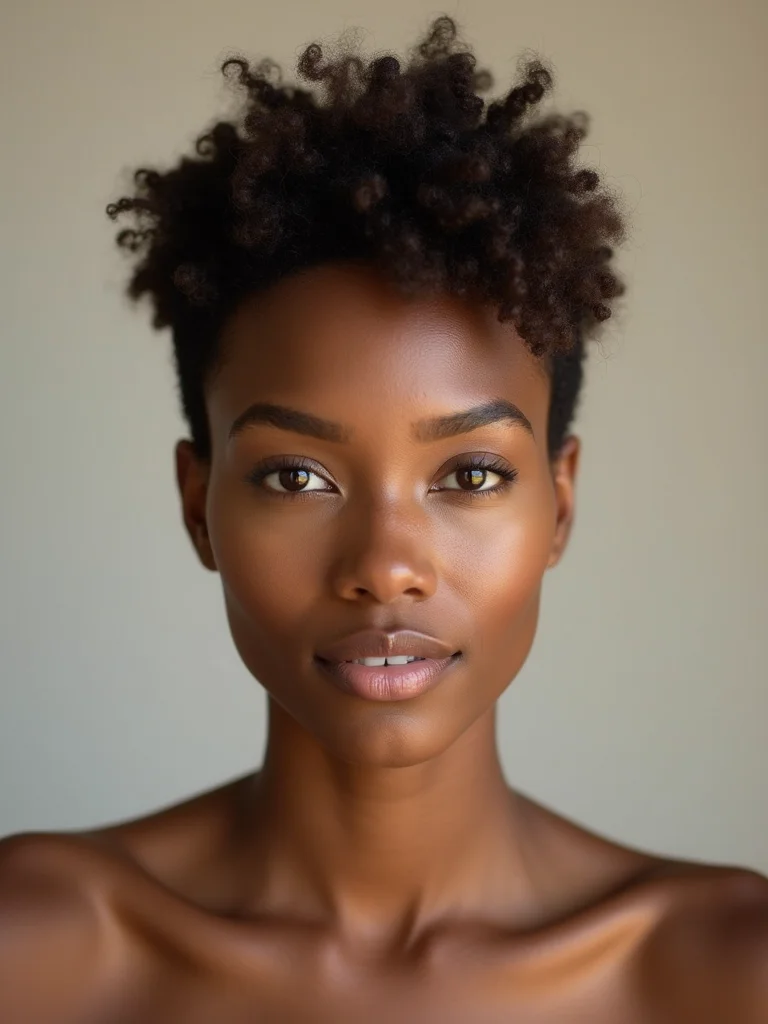
Search “wolf cut” and half the results are horror stories: a choppy, mullet-y mess that grew out weird and never sat right. The wolf cut earned a bit of a bad reputation, and not entirely unfairly, because when it’s cut wrong it really can go wrong. Too much bulk up top, too little shape, the wrong texture, and you end up with the cautionary-tale version everyone fears.
But the “bad” wolf cut and the amazing one come down to the same handful of choices, and the good news is they’re easy to get right. Fifteen versions follow, each one flagging exactly what separates it from the dreaded bad-wolf-cut version. Get those choices right and this becomes a reliably flattering, low-effort shape.
The Wolf Cut, Honestly
What makes a wolf cut go bad? Usually wrong layering for the texture, too much weight left on top, or a shape that doesn’t suit the face. The cut is unforgiving of a heavy hand.
What makes one look amazing? Layers cut for your actual texture, a shape that flatters your face, and enough length left to grow out gracefully. Texture and movement do the rest.
Is it high-maintenance? Less than you’d think. A good wolf cut is built to look better messy and air-dried, though it does need a salon visit roughly every 10 weeks, around $55, to keep its shape.
The Soft-Wave Wolf Cut
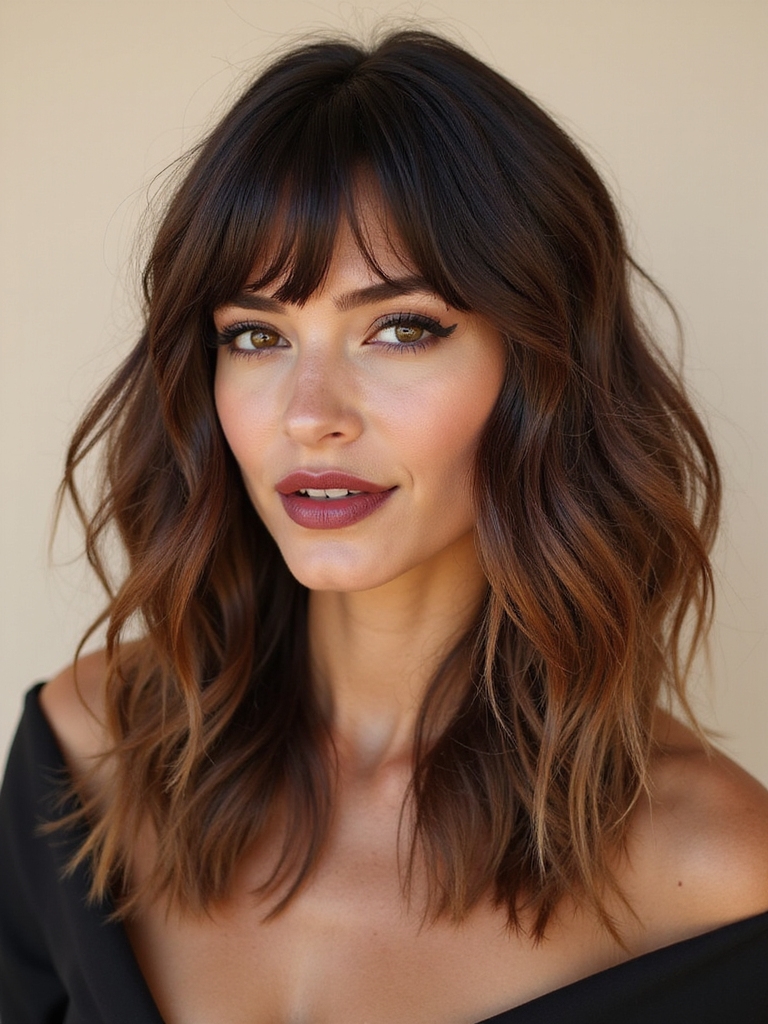
The wolf cut on soft, loose waves is the version that converts the skeptics. The layers catch the light and move, so the shape reads soft and pretty, all flow and shine. This is about as far from the bad wolf cut as you can get.
The Skeptic-Converter
The wave is doing a lot of the work here, blurring the layers together so they flow into one soft, connected shape. A little sea-salt spray and a rough dry is all it takes to get there.
It’s the safest starting point if you’re nervous about the shape, since waves forgive almost everything. If you love it, you can always go choppier and bolder from here.

A Defined Curly Wolf Cut

Curly hair might be the wolf cut’s best canvas, since natural curl brings the volume and movement the shape is built around. Layered right, a curly wolf cut looks full, shaped, and full of life. But curls are exactly where a bad wolf cut happens, so the cut matters. How to keep it great:
- Have it cut dry so the layers fall where the coils actually sit once they spring up.
- Shape the layers to define the curl pattern, not thin it into a triangle.
- It sits close to a curly shag, so browse that if you want ideas.
👍Why it’s worth it
- +Built to look better messy and air-dried, so it’s a genuine low-effort shape.
- +Adds volume and movement to almost any texture.
- +Endlessly adaptable, from soft and long to short and edgy.
👎What to watch
- –Cut wrong for your texture, it goes choppy and mullet-y fast.
- –Fine hair can look thin at the ends without a blunt hem.
- –It needs an occasional trim to keep its shape from blurring.
Airy, Wispy Mid-Length Layers

At mid-length, light and wispy layers give the wolf cut all its movement without any of the heaviness that turns it bad. The layers are feathered and fine, so the shape stays soft and airy the whole way down. What makes it work:
- Feathered, wispy layers keep the shape light and moving.
- Mid-length is the most versatile, wearable place for a wolf cut to live.
- Regrowth blends in naturally, never leaving an awkward line behind.
A Light, Airy Layered Wolf Cut

The difference between a good wolf cut and a bad one often comes down to weight, and this airy version is proof. By removing bulk and building light, moving layers, the shape stays full without ever feeling heavy or helmet-like. It’s all motion.
Where a heavy-handed cut piles weight up top and leaves it stringy below, this one distributes the layers evenly for a balanced, floaty finish that moves with you.
- Removing weight is what keeps the wolf cut from going bulky.
- Even, light layers give balanced movement top to bottom.
- The finish stays modern and soft, never mullet-heavy.
The Micro-Fringe Wolf Shag

For the boldest take, pair a textured wolf shag with a short micro fringe. The tiny fringe up top and the shaggy layers below make a graphic, editorial statement, the wolf cut at its most fashion-forward. It leans fully into the rebellious energy the shape started with.
It’s not the subtlest look, but done well it’s truly striking, all sharp fringe and soft texture playing against each other. This one rewards confidence and a stylist who knows how to balance the two elements.
- A blunt micro fringe against shaggy layers looks graphic and bold.
- It’s the edgiest version, drawing on the shape’s rock roots.
- It borrows from the shag family, dialed up.
A Long Wolf Cut
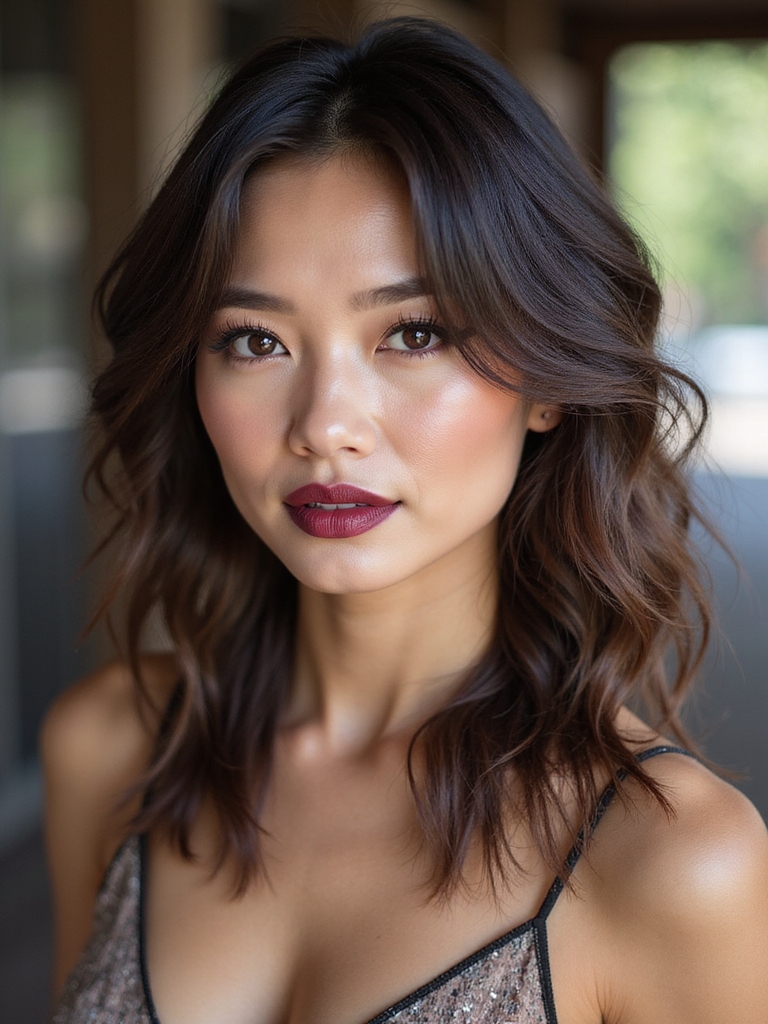
If you love your length, a long wolf cut keeps most of it while adding the layers and movement the shape is known for. It’s the most flattering, least drastic version, and if it turns out not to be for you, there’s barely anything to grow back out. Fear of commitment, solved.
The layers are concentrated up top and around the face, leaving the length below mostly intact, so you get the wolf cut’s shape and texture without sacrificing your hair. It’s the gateway into the classic wolf cut for the long-haired and cautious.
- Keeps most of your length while adding face-framing layers up top.
- The least drastic, most flattering way into the shape.
- Grows out easily, since the length stays mostly intact.
A Coily Wolf Cut With Crown Volume

On coily hair, the wolf cut becomes something magnificent, shaping the natural volume into a full, rounded crown of texture. Coils bring exactly the density and movement the shape wants, so a well-cut coily wolf cut is a genuine showstopper. How to nail it:
- Cut dry, with shrinkage in mind, so the shape lands where you want it.
- Work with the coil pattern to build a full, rounded crown, not a flat one.
- Keep it moisturized and gently defined, since coily hair runs dry.
Tousled, Piecey Ends

Tousled and piecey is the wolf cut’s natural resting state, and leaning into it is how you keep it looking deliberately cool. Separated, textured ends give the shape its signature undone edge, and the difference is all in the intention.
The trick is a little product: a texture paste or spray pulls the pieces apart so the tousle looks deliberate. Left completely alone, a wolf cut can tip into the bad, unkempt version, so a minute of styling keeps it on the right side.
It’s a low-effort look, but not a no-effort one. A quick scrunch and pinch of the ends is all that stands between cool-tousled and just plain messy.
Air-Dried Textured Waves

The best wolf cuts are built to look great air-dried, and that’s a huge part of why people love the shape in the first place. If yours only looks good after twenty minutes of blow-drying with a brush and a fistful of product, it simply wasn’t cut right for your hair. A great one air-dries into natural, textured waves. How to get there:
- Cut for your natural texture, so air-drying works with your hair, not against it.
- Scrunch in a curl cream or salt spray on damp hair and leave it alone.
- Skip the heat entirely; a true wash-and-go should need nothing else.
🅰️Air-dried and undone
Scrunch in product and let it dry for the wolf cut’s natural, textured state.
🅱️Styled and defined
Shape the layers with an iron for soft waves or S-curls when you want it polished.
Airy Layers, Blunt Glassy Hem

One clever fix for the stringy-ends problem that plagues bad wolf cuts is to keep the very bottom blunt. Airy, textured layers up top sit above a clean, glassy hemline, so the ends look healthy and deliberate, with real weight at the bottom.
This modern twist solves the wolf cut’s biggest weakness, since a blunt hem stops the length from tapering off into sad, see-through ends. The contrast of soft layers and a sharp bottom line lands polished and current.
It’s a great option for finer hair especially, where a fully layered wolf cut can look too thin at the bottom. The blunt hem gives it weight and finish.
A Short Wolf Cut With a Tapered Nape

Taken short, the wolf cut turns bold and modern, with textured, shaggy layers up top sitting over a close, tapered nape that keeps the whole thing edgy and low-maintenance, the shape’s rebellious spirit distilled into a compact form. Think of it as a wolf cut and a pixie shaking hands.
Short and Sharp
The tapered nape is what keeps a short wolf cut from coming across mullet-y. By cleaning up and graduating the back, the shape stays sharp and intentional, well clear of the bad-wolf-cut territory it’s so often accused of.
It’s a natural fit for anyone chasing texture and edge without much length to manage. Quick to style, striking to look at, and about as far from a bad haircut as you can get.
ℹ️Where the Wolf Cut Came From
The wolf cut is basically a mullet-shag hybrid, short and voluminous up top, longer and layered below. It exploded out of the K-pop and TikTok world in the early 2020s, reviving the ’70s shag with a shaggier, edgier twist for a new generation.
A Wolf Cut With Bangs
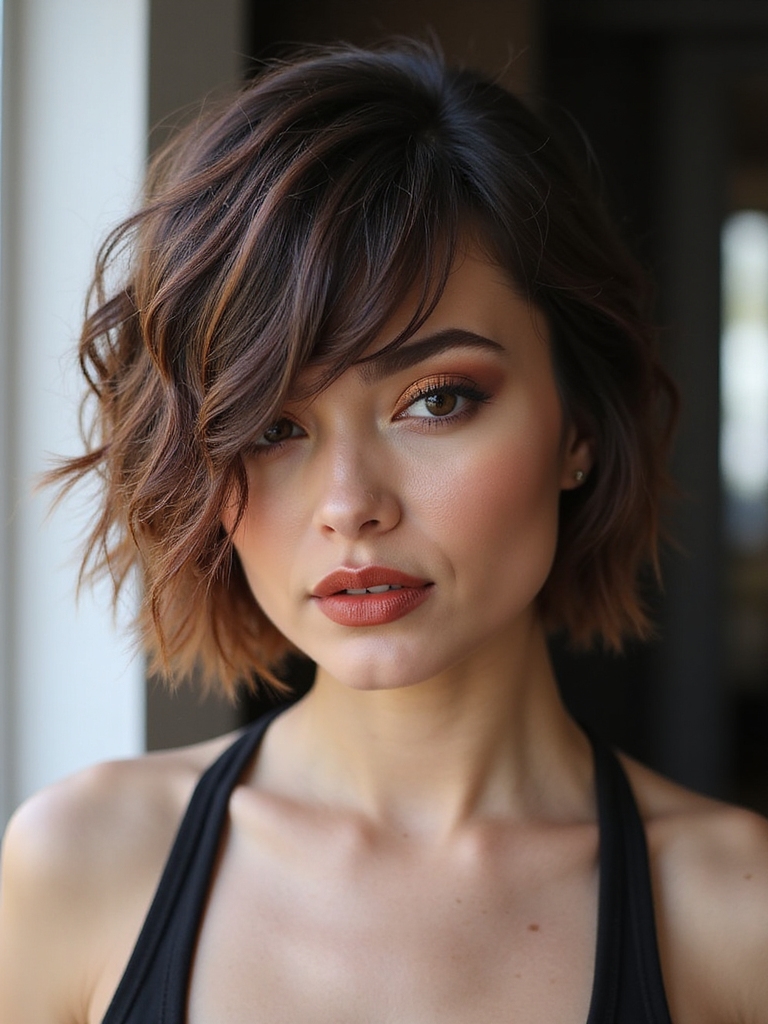
Bangs and a wolf cut are a natural match, since the shape is all about face-framing layers and a fringe extends them right up to the front. Soft, textured curtain bangs blend smoothly into the layers for a cohesive, flattering finish.
The Fringe Factor
The fringe softens the whole look and draws the shape together around the face, which is especially flattering. It keeps the wolf cut from feeling top-heavy by giving the layers somewhere to lead.
Most people reach for curtain bangs here, since they melt right into the face-framing pieces, though a heavier fringe works too. See curtain bangs for how they blend into a layered shape.
A Shaggy Crown Over an Undercut

For serious edge and serious bulk removal, hide a buzzed undercut beneath the shaggy wolf crown. The textured layers on top cover a buzzed section underneath, which reads bold when revealed and secretly removes weight on thick hair.
It’s a clever fix for anyone whose thick hair makes a wolf cut go bulky and bad, since the undercut takes out the density that causes the problem. The shaggy top keeps all the texture while sitting closer to the head.
Worn down, no one knows the undercut is there; flipped or tucked, it makes a statement. It’s the wolf cut for people who want edge and function in equal measure.
| Hair type | Best version | Why |
|---|---|---|
| Fine or thin | Airy layers with a blunt hem | The blunt bottom stops thin, stringy ends |
| Thick or coarse | Shaggy crown over an undercut | The undercut removes the weight that goes bulky |
| Curly or coily | Dry-cut layers for volume | Shaping the pattern avoids the triangle problem |
A Clean-Lined, Low-Upkeep Wolf Cut
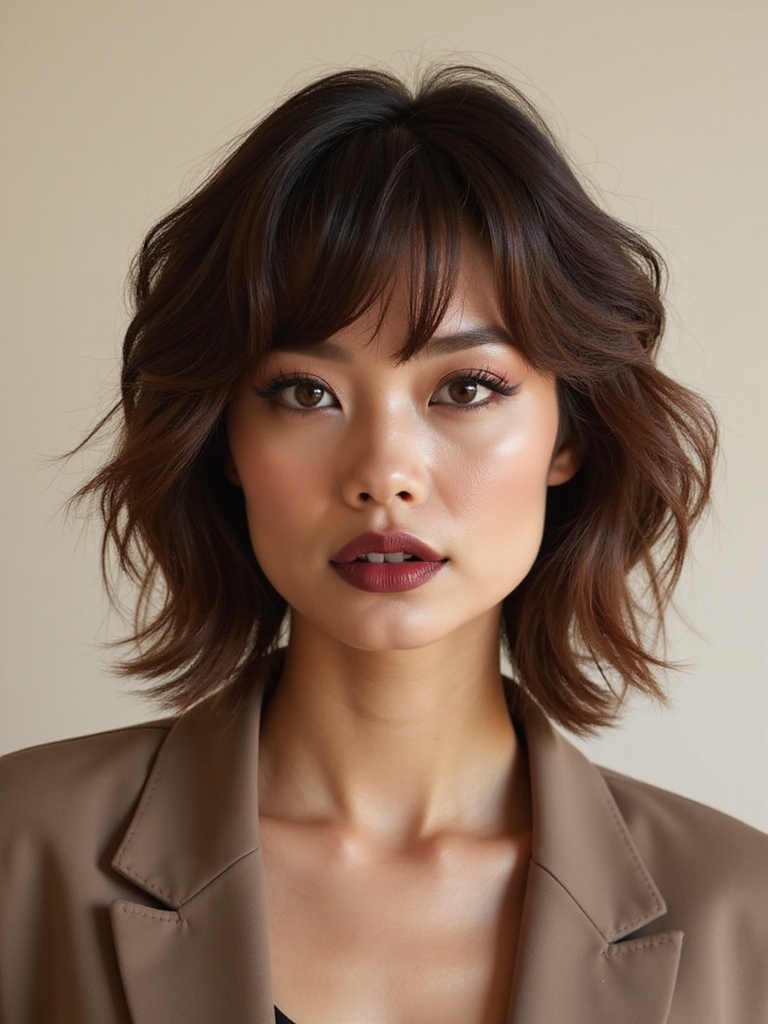
Not every wolf cut has to be wild. A cleaner-lined version tones down the choppiness for a more refined, grown-up take that’s easier to maintain and office-friendly. It keeps the layers and movement but loses the shaggiest edges.
This is the wolf cut for anyone who loves the shape but wants it dialed back a notch. With softer, cleaner layers, it’s more forgiving day to day and grows out more gracefully than a heavily choppy cut.
- Softer, cleaner layers make it polished and office-appropriate.
- It’s more forgiving between trims than a heavily choppy wolf cut.
- A great pick if a full shaggy wolf cut feels like too much.
A Romantic S-Curl Wolf Cut

The softest, prettiest wolf cut is styled into loose S-curls, a K-drama-inspired take that’s all romance and no rebellion. Styling the layers into gentle, flowing S-shaped waves turns the shape delicate and feminine. It proves the wolf cut can be sweet. How to style it:
- Use a wide-barrel iron to shape soft, alternating S-waves through the layers.
- Focus the curl around the face, where the layers frame it most.
- A light styling in a warm shade like a blonde wolf cut softens it further.
Wolf Cut Questions
?Why do so many wolf cuts turn out bad?
Almost always because the layers were cut wrong for the hair. A wolf cut needs layering tailored to your texture, especially on curly and coily hair, plus enough weight removed up top so it doesn’t go bulky. A stylist who doesn’t know the shape can leave it choppy, mullet-y, or thin at the ends, which is the bad wolf cut everyone dreads.
?How do I make sure my wolf cut looks good?
Go to a stylist experienced with the shape, bring photos of the version you want, and be clear about your texture. Ask for layers cut to suit your hair, enough length to grow out gracefully, and a blunt hem if your hair is fine. The right cut air-dries beautifully, which is the real test of a good wolf cut.
?Is the wolf cut hard to grow out?
Less than its reputation suggests, especially the longer and cleaner-lined versions. The choppiest, shortest wolf cuts have the most awkward grow-out, while a long wolf cut with subtle layers grows down softly. Regular light trims and a bit of patience carry you through the in-between stages.
?Does a wolf cut suit curly and coily hair?
Wonderfully, as long as it’s cut dry with shrinkage in mind. Curly and coily textures bring the natural volume and movement the shape is built around, so a well-cut curly or coily wolf cut can be the best version of all. The key is shaping the pattern rather than thinning it into a triangle.
?Is a wolf cut high-maintenance?
Day to day, no, it’s one of the lower-effort shapes, designed to look good messy and air-dried with a little product. A trim about twice a season keeps the layers and shape crisp, since a blurred wolf cut loses the texture and movement that make it work.
The Wolf Cut, Reclaimed
The takeaway from all 15 is simple: there’s no such thing as an inherently bad wolf cut, only a wolf cut cut wrong for your hair. The dreaded version comes from the wrong layers, too much weight, or a shape that fights your texture, and every one of those is avoidable with the right stylist and the right version for you.
So if a bad wolf cut story once scared you off, look again. Pick the version that matches your texture and your nerve, ask for layers cut to your hair, and the wolf cut turns out to be one of the most flattering, low-effort shapes around. Save the ones you love and take them to your next appointment.
Related Reads