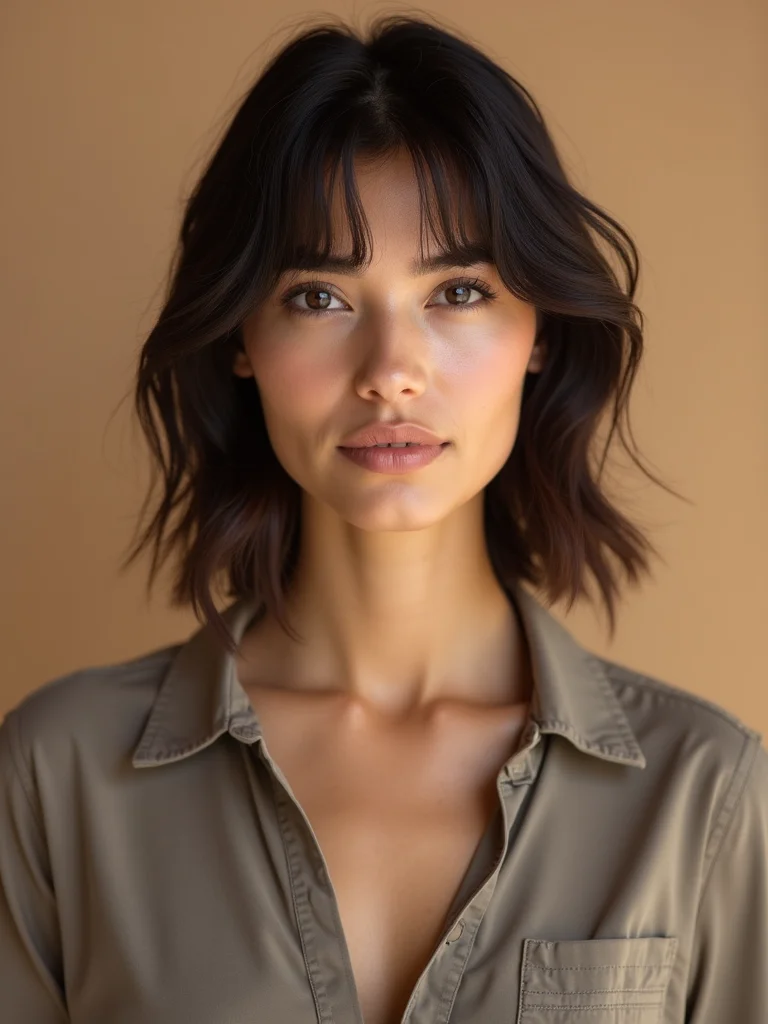
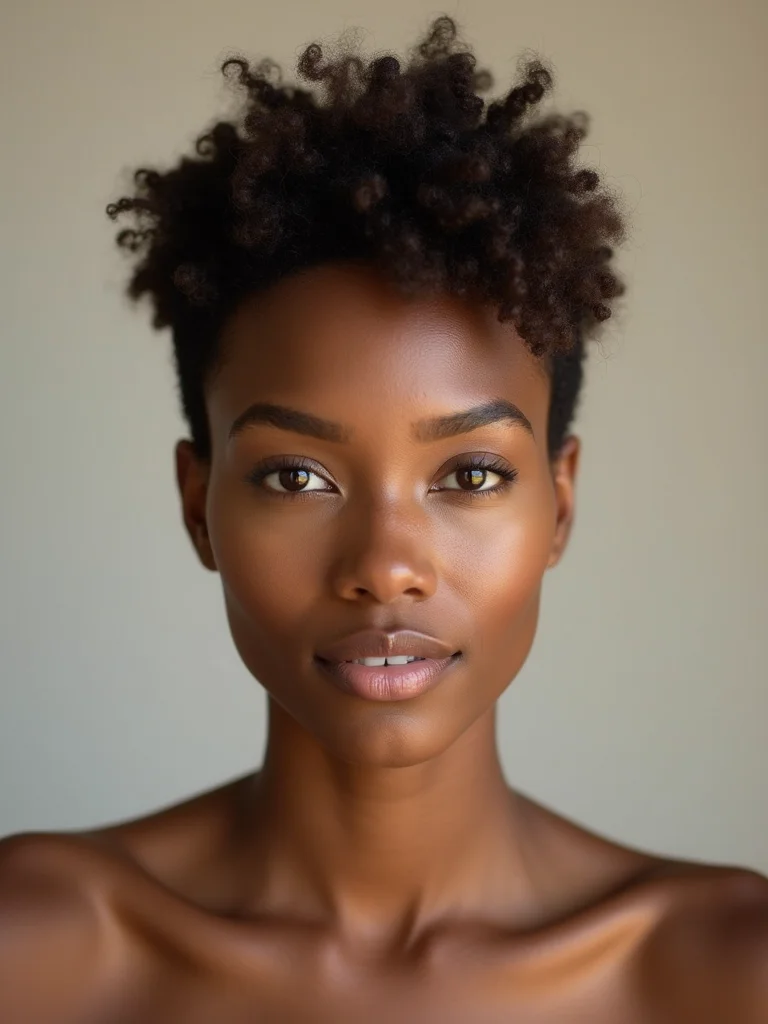
A wolf cut still carries a reputation it hasn’t deserved in years — picture a spiky, undone mullet built for someone in their twenties, and nothing past that. The version cut at shoulder length today looks nothing like that stereotype; soft, blended layers make it read polished enough for a boardroom and easy enough for a school run.
Stylists now cut this shape on clients from their teens through their sixties, adjusting the same core technique to fit density, texture, and face shape rather than a single ‘ideal’ candidate. What follows covers how the length gets chosen, how the layering actually works, and what keeps the shape looking sharp between visits.
What This Cut Actually Delivers
- Shoulder-length layers flatter a wider range of face shapes and textures than almost any other wolf-cut length.
- The technique adapts to fine, thick, straight, wavy, and curly hair through layer placement, not a different cut entirely.
- Styling runs under ten minutes on a normal day, and the grow-out phase softens into a longer shag instead of losing shape.
Why This Mid-Length Layered Cut Works on Most Hair

Shoulder length carries enough weight to look full while still holding enough layering to move, which is exactly why this length works across fine, thick, straight, and curly hair with only small adjustments. Most first-time wolf-cut clients land here specifically because the length feels approachable — noticeable without turning into a dramatic before-and-after.
- Holds enough density to avoid looking thin at the ends.
- Adapts to nearly any texture with minor layer changes.
- Reads as a confident update rather than a drastic change.
Key Features of the Modern Choppy Wolf Shape

What separates the current wolf cut from its mullet-era ancestor comes down to balance rather than shock value. Layers still lift at the crown and add shag-like texture, but the harsh disconnection that made older versions look severe has been smoothed out almost entirely.
Layers now blend gradually from crown to ends, the fringe softens instead of spiking, and the perimeter feathers rather than stopping abruptly. That refinement is largely why the shape photographs well and fits into a normal week without extra effort.
- Gradual blending replaces the old hard layer breaks.
- A softened fringe reads current instead of dated.
- A feathered perimeter avoids the disconnected look of early versions.
Choosing the Right Length for Your Face Shape

Medium spans a fairly wide range, from collarbone-length to a couple of inches past the shoulder, and where a client lands within that range should follow face shape more than personal preference alone.
Rounder faces tend to suit the longer end of that range, since extra length past the shoulder draws the eye downward. Square jawlines often soften with layers landing just below the chin, while longer face shapes benefit from keeping bulk lower rather than adding height.
Heart-shaped faces flatter especially well with face-framing that begins right at the cheekbone. Most stylists recommend erring longer at the first cut, since more length can always come off at a follow-up visit.
Layering Techniques for Movement and Volume

Layering does most of the actual work in a wolf cut. Done with intention, it builds volume at the crown and genuine movement through the lengths; done carelessly, it leaves hair looking stringy and flat instead.
Cutting Dry vs. Cutting Wet
Shorter layers typically stack through the crown first, then graduate downward so the ends retain enough weight to avoid looking wispy. Through the mid-lengths, finer texturizing removes bulk without leaving visible steps in the shape.
Density drives every placement decision here — thicker hair usually loses more weight throughout, while finer hair keeps layers more conservative so the ends don’t thin out further.
🅰️Cut Dry
Most wolf cuts are shaped on dry hair so movement and natural fall stay visible throughout the cut.
🅱️Cut Wet
A wet cut only makes sense when a precise, blunt line needs to sit underneath the shag layering.
Soft or Choppy Ends: Balancing Texture and Face Shape

How the ends finish is one of the more meaningful decisions in this cut. Soft, point-cut ends taper gradually for a romantic, blended look, while choppy, razor-cut ends shatter into a cooler, more textured edge.
Soft ends tend to flatter rounder faces and work best on finer hair, while choppy ends play up angular features but need medium-to-coarse density to avoid fraying at the tips. Bringing a reference photo of the exact finish helps, since ‘choppy’ means something different to nearly every stylist.
Bang Options: Airy Fringe, Curtain, or Micro

Bangs shift the entire personality of a medium wolf cut faster than any other single change. Three versions dominate: an airy fringe, curtain bangs, and a micro fringe, roughly in order of rising boldness and upkeep.
Matching Fringe to Upkeep Tolerance
Curtain bangs remain the easiest default, blending directly into the surrounding layers and forgiving a missed trim without looking overgrown. A see-through fringe reads softer and current, while a micro fringe carries the most drama and the shortest patience for regrowth.
Anyone unsure about committing to bangs at all typically starts with curtain bangs specifically, since they’re the lowest-risk way to test the change.
Curtain bangs forgive almost every mistake a first-timer makes growing them out; a micro fringe forgives almost none.
Wolf Cuts for Straight Hair: Texture Without Bulk

Straight hair presents the toughest test for this shape, since it has no natural bend to fake fullness on its own. The fix sits almost entirely in the texturizing — internal layers and feathered ends that keep the cut from hanging like one heavy curtain.
Blow-drying with a round brush at the crown, flicking the ends outward as they dry, gets the closest approximation of natural movement on a texture that otherwise falls flat within an hour.
- Internal layers build dimension invisible from the outside.
- Feathered, point-cut ends add the illusion of movement.
- A lifting spray applied at the root helps the crown hold shape through the day.
Wavy Hair Wolf Cuts: Shaggy Layered Waves

Wavy hair pairs naturally with this shape, since the existing bend does most of the texturizing work without any extra cutting. Layers simply give the wave room to spring rather than pile up into one dense mass.
- Scrunch a curl cream into damp hair, then let it dry naturally or diffuse it on a low setting.
- Skip the brush entirely once dry — brushing breaks up the wave pattern instead of enhancing it.
- Refresh second-day waves with a light water-and-mousse mist rather than a full restyle.
A few assumptions about this cut don’t hold up in the chair.
❌ Myth: Myth: A wolf cut only works with dramatic, choppy texture.
✅ Reality: Soft, blended layering reads just as current, and suits far more hair types than the choppy version alone.
❌ Myth: Myth: Straight hair can’t carry this shape.
✅ Reality: Internal texturizing and feathered ends fake the movement straight hair doesn’t provide naturally.
Sculpted Layers for Curly and Coily Hair

Curly and coily hair turns this shape into pure volume and body. Most stylists cut this texture dry rather than wet, reading the live curl pattern before committing to any single length.
Height typically comes from the crown pieces, while longer framing around the face keeps the silhouette from spreading into a wide halo shape. Because curls bounce upward as they dry, extra length usually gets left in the cut so the pattern settles exactly where intended.
A defining cream followed by hands-off diffusing keeps the pattern intact without disturbing the shape. The right cut works with a curl pattern, never against it — a stylist dismissive of texture is worth walking away from entirely.
A Low-Maintenance Textured Air-Dry Routine

The everyday draw of this cut is that it air-dries into shape with very little effort involved. A normal morning routine calls for scrunching in a small amount of mousse, misting on a texture spray, then letting the hair dry while getting ready.
Flipping the part while damp adds extra lift at the crown without any additional tools. For slightly more polish, a few minutes with a round brush along the crown and face-framing pieces finishes the look further.
Because the shape is forgiving by design, even a rushed morning still reads as an intentional style rather than an undone one.
Heatless Styling Ideas That Preserve Natural Layers

Skipping heat keeps both the ends healthier and the texture more intact over time, and this cut takes especially well to heatless methods since the layers already hold a bend on their own.
Overnight Setting Without Tools
Damp-braiding overnight builds soft waves by morning, while twisting sections and pinning them sets a looser bend for anyone wanting less definition. Either method skips the flat iron entirely.
Shaking the style out in the morning and working a small amount of paste through the ends usually finishes the look. A damp brush through the front pieces plus a texture-spray refresh brings second-day hair back to life without any heat at all.
“Bringing two or three reference photos and naming a specific finish — soft or choppy — tends to get clients the closest match to what they actually pictured.”
Product Guide: A Textured Styling Trio

This cut doesn’t demand a full cabinet of product, just three workhorses that build texture without adding unwanted weight. A little of each goes further than expected on medium-length hair, so restraint matters more than volume applied.
- A lightweight mousse for lift at the root.
- A texture or sea-salt spray for grit through the mid-lengths.
- A matte paste pinched into the ends for separation.
Color Pairings: Balayage, Lowlights, and Shadow Roots

Color brings this cut to life in a way a single flat tone rarely can, since all that movement gives dimensional color somewhere to actually play across the layers.
Why a Shadow Root Stretches Appointments
Soft balayage tends to brighten wherever the layers turn, lowlights add depth underneath, and a shadow root keeps the regrowth low-maintenance enough to stretch color appointments further apart.
Pairing a smudged root with face-framing money pieces reads polished and considerably more expensive than the styling behind it actually requires.
Growing Out a Wolf Cut Gracefully

Few haircuts grow out as kindly as this one. Because the shape relies on movement rather than one precise blunt line, there’s no hard edge left behind to go shapeless partway through the process.
Crown layers soften gradually, the fringe melts into face-framing pieces, and within several months the cut settles into a long shag without ever passing through a truly awkward stage.
A light dusting on a roughly six-week rhythm keeps the ends from splitting during the grow-out. When the shape is ready to disappear entirely, a stylist can blend everything into one length in a single visit.
Salon Talk: Asking for the Right Wolf Cut Layers
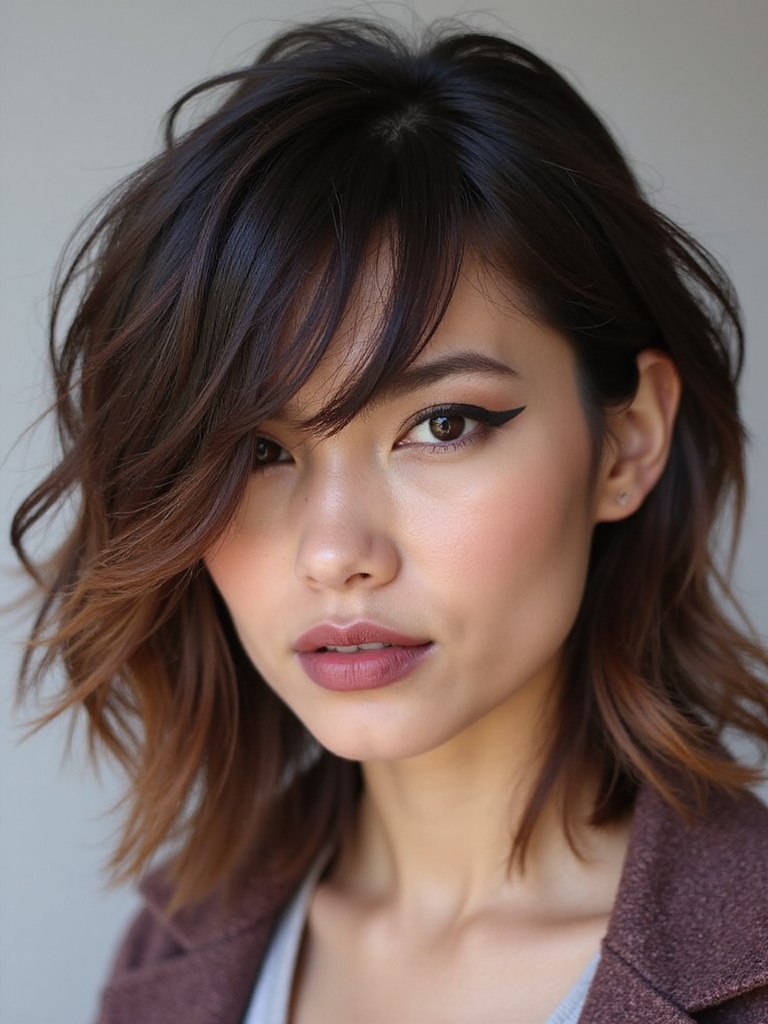
What gets communicated in the chair largely decides whether the final result matches expectation. Three details matter most going in: face shape, realistic daily styling time, and how bold the layering should actually go.
A shape-up typically runs $45 to $70 depending on region and salon tier, separate from any color work booked alongside it.
- Bring two or three reference photos showing the specific finish wanted.
- State plainly whether the goal is soft, point-cut ends or choppier, razor-cut ones.
- Give an honest daily styling-time budget rather than an aspirational one.
Medium Wolf Cut Questions, Answered
?Does a medium wolf cut work on hair that’s naturally fine?
Yes, though layer placement stays more conservative than on thicker hair — heavy layering on fine strands can leave the ends looking sparse rather than textured.
?How different is a wolf cut from a shag at this length?
A wolf cut leans on more crown lift and a shorter, choppier top section, while a shag tends to distribute layers more evenly through the length. The two overlap more the longer a wolf cut grows out.
?Can this cut be styled without heat most days?
For most textures, yes. Straight hair leans on heat tools more than wavy or curly hair does here, since it has the least natural bend to work with on its own.
A Cut Worth Growing Into
A medium wolf cut rewards a little trust in the process — the shape looks intentional from the first blow-dry and only gets more versatile as the layers settle in over the following weeks.
Save two or three of the versions above that matched a face shape and texture, then bring them into the next consultation alongside an honest picture of daily styling time.
Next Up