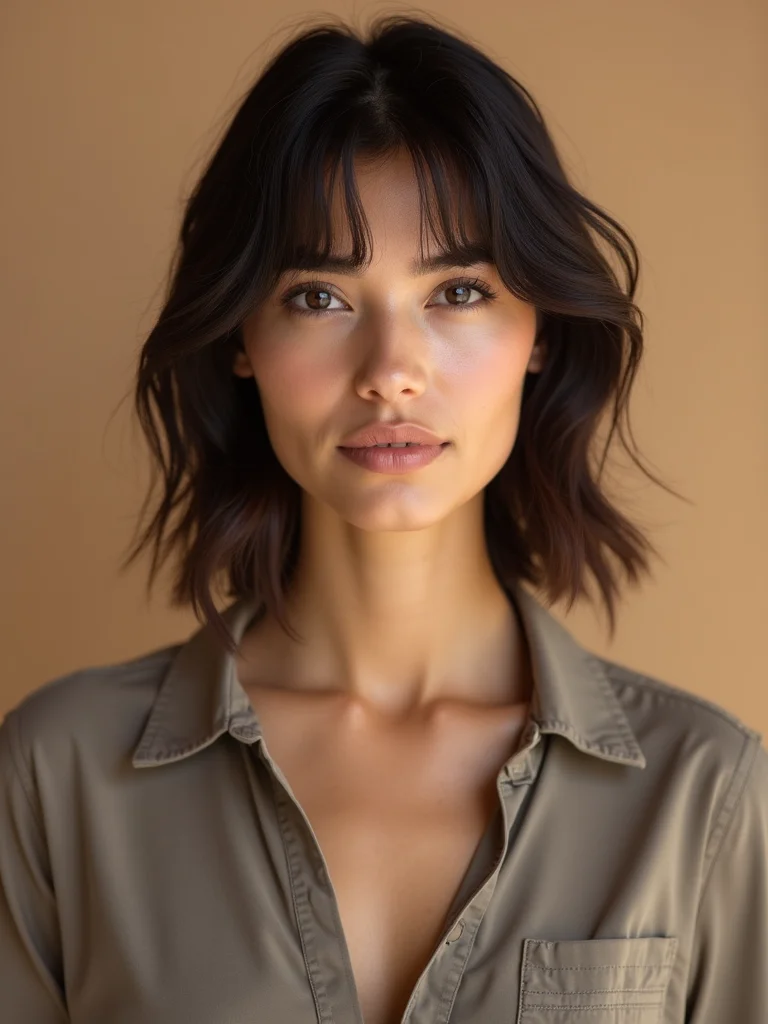
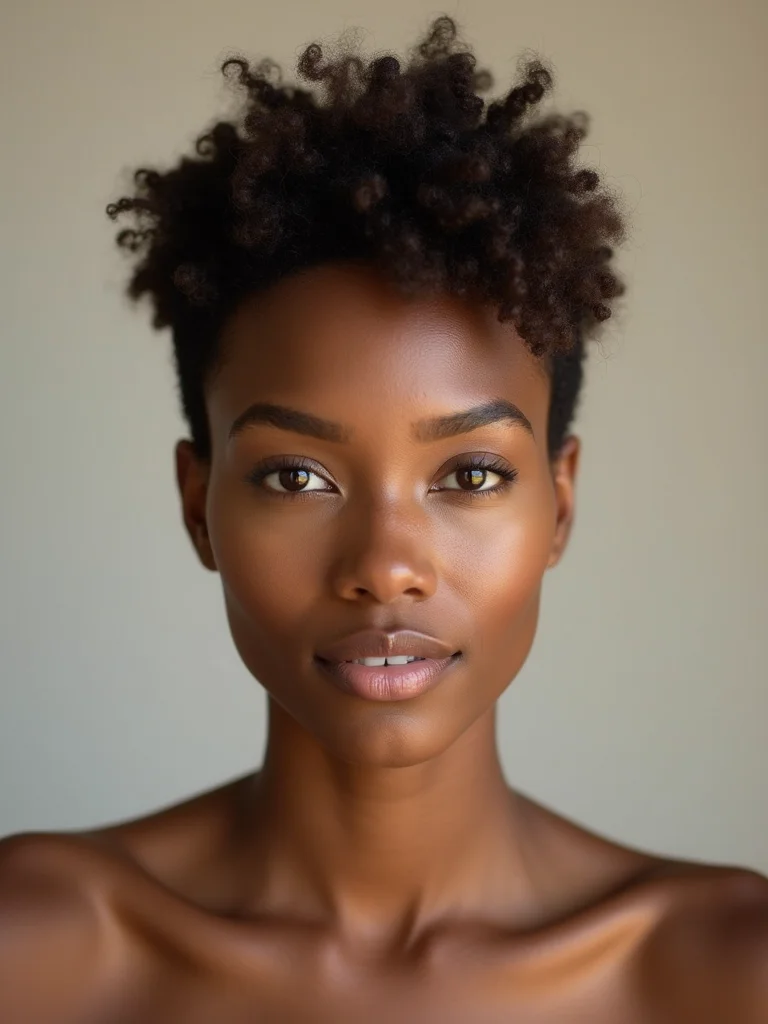
Here is my honest take after years of cutting them: curtain bangs are the closest thing to a guaranteed win in my chair. They flatter nearly every face. They grow out without a fuss. And they change your whole look without touching your length. No other fringe asks so little and gives so much.
But there is more to them than one photo on your phone. Length, density, part placement, and your texture all change how curtain bangs land, and a small tweak makes the difference between bangs you love and bangs you fight. These fifteen face-framing curtain bangs styles cover the full range, with the cut details and the two-minute blow-dry that make each one work.
Curtain Bangs, Quick Answers
Why are curtain bangs so flattering? They part in the center and sweep open to frame both cheekbones, which softens and balances almost every face shape at once.
Are they really low-maintenance? For a fringe, yes. They blend into your layers as they grow, so the grow-out is painless, though they still want a trim every few weeks and a quick daily blow-dry.
Will they work on my texture? Straight, wavy, and curly hair can all wear them, but the cut and styling change a lot between textures, so the right approach matters more than the hair type.
The Cheekbone-Grazing Classic

Start here. The classic curtain bang falls to the cheekbone, parts softly in the center, and sweeps open to each side. This is the length most people picture, and for good reason: it frames the eyes and skims the cheek, the two spots that flatter almost any face.
It is the most versatile cut on this list. Long enough to pin back, short enough to read as a true fringe, it sits in the sweet spot. Aim for the cheekbone, since hitting that point lines the bang up with your widest, most flattering facial line.
If you are not sure where to start with curtain bangs, this is the length I cut first for nearly everyone. It suits, it grows out easily, and it shows you what you like before you commit to anything shorter.
The Wispy Feathered Fringe

Want softer? Go wispy. Feathering the fringe with deliberate gaps lets your skin peek through, so the bang reads light and airy rather than solid. It is the youngest, gentlest version of a curtain bang.
Why Fine Hair Loves It
This shape forgives a lot. Fine hair loves it, since the piece-y texture looks like more density, and nervous first-timers love it because it is so undemanding. The gaps mean it never feels heavy on your forehead.
Ask for a point-cut, sheer fringe rather than a blunt one, and style it with the lightest touch of cream. Heavy product is the one thing that ruins a wispy curtain, weighing the airiness flat.
Which curtain bang fits you? Match your priority:
1I want the lowest maintenance
Go long and blended, or air-dry-cut; both sweep into your layers and need almost no styling.
2I want maximum impact
Choose a voluminous blowout fringe or a textured piecey version for a bang that makes a statement.
Long Blended Curtain Bangs

Long curtain bangs start at the cheekbone and sweep all the way past the jaw, melting into your face-framing layers with no hard line at all. It asks almost nothing of you. It barely looks like a fringe at all, more like soft long pieces that frame the face, which is exactly why the grow-out is so easy to live with.
It is the gateway curtain bang for the truly bang-shy. A few notes:
- Ask the stylist to blend the bang smoothly into your layers, with no blunt edge.
- Keep the length past the jaw so it tucks behind the ears easily.
- For more on the longest versions, see the long curtain bangs guide.
Curly Curtain Bangs

Curls do curtain bangs beautifully, but the cut is its own craft. The fringe must be cut dry, on your natural curl pattern, because curly hair springs up shorter than it falls when wet. Cut wet, a curly curtain ends up a tight ball on the forehead instead of a soft sweep. So the dry cut is non-negotiable here.
Worn right, a curly curtain frames the face with the kind of bouncy, rounded volume that straight hair simply cannot produce no matter how long you spend with a round brush. Define it with a little curl cream on damp hair, scrunch, and let it spring. Find a stylist who cuts curls regularly, since this is where most curly bangs go wrong.
🅰️Cheekbone length
A true fringe that frames closely and reads as a deliberate bang, with a trim every few weeks.
🅱️Jaw length and longer
Soft long pieces that barely read as bangs, with the easiest grow-out and least upkeep of all.
The Wavy, Worn-In Fringe

Wavy hair sits in the happy middle. A curtain bang on waves falls with soft, undone movement that needs almost no effort, reading relaxed and a little tousled. It is the easygoing texture for this cut. The wave does the styling for you.
A few specifics to keep it soft, not frizzy:
- Rough-dry the fringe and let the wave fall, smoothing only the very surface.
- Use a sea-salt or texture spray to define the wave without crunch.
- On humid days, a touch of cream on the ends keeps frizz down.
Sleek, Glossy Curtain Bangs

On straight hair, a sleek and glossy curtain bang is pure polish. Blow-dried smooth with a clean center split, it looks expensive and editorial, the kind of fringe that frames a sharp cut perfectly. This is where the blow-dry technique earns its keep. Here is the move:
- Dry the fringe first, while wettest, over a round brush, rolling it under and to the side.
- Split the center cleanly and direct each side away from the face.
- Finish with a drop of serum on the surface for that glassy shine.
👍Why Everyone Loves Them
- +They flatter nearly every face shape and texture.
- +The center-split grow-out is painless, with no eye-poking stage.
- +They change your whole look without cutting your length.
👎What to Plan For
- –They still need a trim every few weeks to hold their shape.
- –Most versions want a quick daily blow-dry to sit right.
- –Curly hair must be cut dry by a texture-skilled stylist.
Curtain Bangs on a Short Bob

Curtain bangs are not only for long hair. On a short bob, they soften the strong line of the cut and frame the face where a bob can otherwise feel boxy. The fringe brings movement to a structured shape.
Getting the Proportion Right
The proportions matter. On a bob, the bang usually sits a little shorter to stay in balance with the length, grazing the top of the cheek rather than the jaw.
It is a low-fuss combination that looks far more styled than it is. For more on the pairing, see short bobs with bangs.
The Tousled Shag Curtain

Curtain bangs and the shag were made for each other. The choppy, layered shag practically demands a soft center-parted fringe to frame it, and together they read cool and a little rock-and-roll without looking like you tried. This is the It-girl combination of the moment.
To get the tousled, undone finish:
- Pair the curtain bang with choppy, razored shag layers for cohesion.
- Rough-dry and finish with texture spray, never a smooth blowout.
- Let the fringe sit a touch piece-y; perfection kills the vibe here.
The two-minute curtain bang blow-dry:
1Dry the fringe first
While the rest of your head is still damp, dry the bang over a round brush, rolling it back and away from the face.
2Split and set
Part the center cleanly, direct each side outward, and finish with a cool shot and a drop of serum.
Side-Parted Curtain Bangs

Shift the part off-center and the same curtain bang takes on new attitude. A deeper side part sends more of the fringe to one side, creating a soft asymmetry that flatters round and square faces especially well. Moving the part costs nothing and restyles bangs you already have.
Two Looks From One Cut
No new cut required. You simply move the part, and the bang reshapes itself around it, giving you two distinct looks from a single fringe.
Give the new part a solid week of deliberate styling before it settles in, since hair holds onto an old parting habit longer than most people expect. A little pomade along the part line speeds the switch along.
Textured, Piecey Curtain Bangs
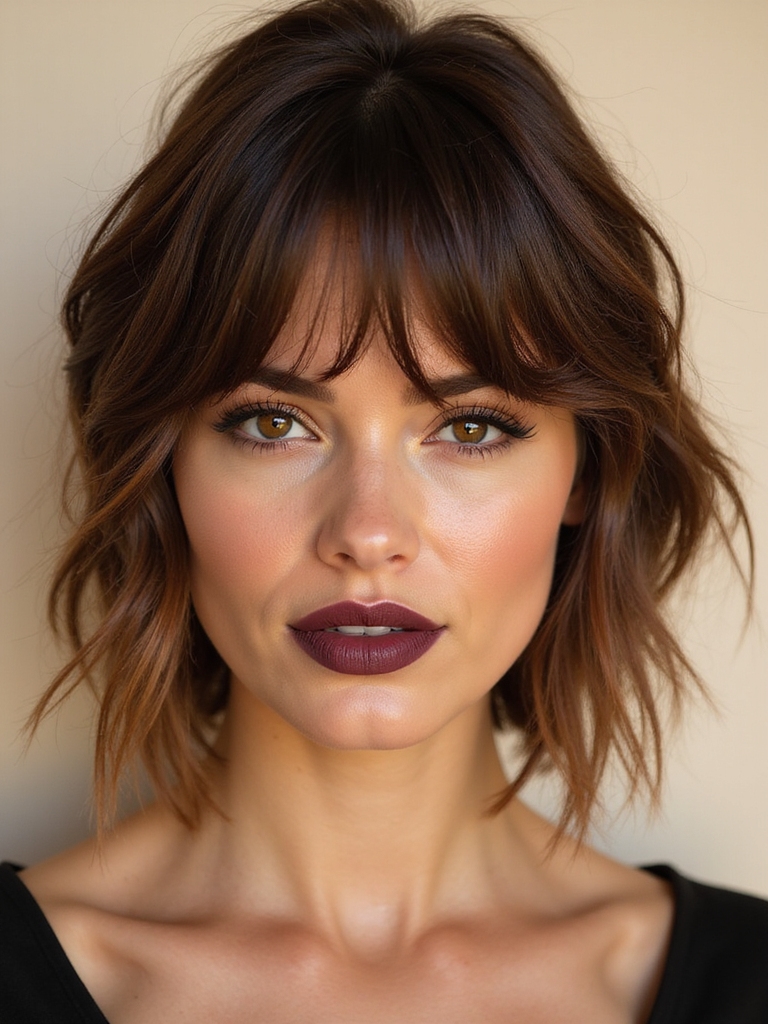
For more edge, go piecey. Heavier internal texturizing breaks the fringe into separated pieces, giving it grit and a worn-in, undone quality that the smooth version does not have. It is curtain bangs with an edge.
Best on Thicker Hair
This shape suits thicker hair, which has the density to carry the separation, and it pairs naturally with shags and modern layers. The broken-up texture also forgives a rushed morning, falling into place with barely any effort.
Ask for point-cutting and internal texturizing, then style with a matte paste worked through the dry fringe for piecey definition.
The Voluminous Blowout Fringe

When you want drama, blow the curtain bang out big. A full round-brush blowout lifts the fringe at the root and sends it sweeping back in a voluminous, feathered wing, the kind of glamorous, bouncy bang that defined the seventies and never really left. It is as done and dramatic as a curtain bang gets.
It takes a few minutes and a round brush, lifting from the root and rolling the ends away from the face. A blast of cool air or a light hairspray locks the volume so it holds its sweep from morning through the evening, even on the kind of busy day when you forget you are wearing a fringe at all.
Easy Air-Dry Curtain Bangs

Not everyone wants to reach for a brush each morning, and a curtain bang can be cut to air-dry beautifully. It comes down to the cut and your natural texture working together, so the fringe falls into its sweep on its own. It is the lowest-effort way to wear one. To set yourself up:
- Ask for a cut that works with your natural fall, not against it.
- Apply a light cream to damp hair and finger-split the center.
- Let it dry, then nudge the sweep into place; no heat needed.
Curtain Bangs for Round Faces

Round faces and curtain bangs are a brilliant match, as long as you get the length right. Go longer, so the fringe creates vertical lines down the sides of the face that lengthen and slim a round shape. A short, rounded curtain would do the opposite. Here is how to nail it:
- Choose a longer curtain that sweeps past the cheekbone toward the jaw.
- Keep the center split open and the sides falling straight down, not curling in.
- Avoid a short, rounded fringe, which adds width to a round face.
Micro Curtain Bangs for Fine Hair

Fine hair can struggle to hold a heavy fringe, so a smaller, wispier curtain bang is the smart move. Cut on the shorter, lighter side, it gives fine hair a fringe that does not collapse or look stringy by midday. Less is truly more here.
Keeping a Fine Fringe From Going Flat
Take only a little hair into the bang, and keep the rest of your fine length intact for body. An over-thinned fine fringe is the most common mistake, leaving it sparse and sad.
Add a touch of root-lift at the fringe and skip the oils and heavy creams, which flatten fine bangs within an hour. A light hold is all it needs.
Grow-Out-Friendly Center Split

The real advantage of curtain bangs is the grow-out, and a clean center split makes it the easiest of any fringe. Because the bang already parts down the middle and sweeps into your layers, growing it out just means the sweep gets longer until it disappears into your length. There is no awkward eye-poking stage to suffer through.
To make the grow-out completely painless:
- Keep the center split as it lengthens; it blends the bang into your layers.
- Get a blending trim every few visits so the grow-out stays smooth.
- Pin or tuck the sides back on the in-between days you want it gone.
Common Mistakes to Avoid
A few avoidable errors turn a great curtain bang into a frustrating one. The biggest is cutting it too short, since curtain bangs are meant to graze the cheekbone or longer, and a short version loses the soft sweep that makes them flattering.
The second is matching the wrong length to your face, going short and rounded on a round face when a longer, lengthening sweep was the move. And the third is skipping the trim, since even a low-maintenance fringe drifts out of shape after a few weeks.
On styling, the common trap is too much product, which flattens the airy, swept quality the whole look depends on. Use the lightest touch of cream or serum, dry the fringe first while it is wettest, and split the center cleanly. Get those right and curtain bangs become exactly what they promise: the easiest big change in hair. For the wider category, see the full face-framing bangs guide and layered curtain bangs.
Curtain Bang Questions, Answered
?How long should curtain bangs be?
The classic length grazes the cheekbone, which flatters most faces. Round faces do better going longer toward the jaw for a lengthening line, while a shorter version reads as a bolder, more defined fringe.
?Do curtain bangs need a lot of styling?
Less than most fringes, but a quick round-brush blow-dry while the fringe is wettest helps it sweep correctly. Air-dry-friendly cuts exist, but most curtain bangs look their best with two minutes of drying.
?How often do I need to trim curtain bangs?
Every three to five weeks keeps the shape, and many salons trim bangs free between full cuts, so the running cost is low. Adding curtain bangs to a cut usually runs about $40 to $80 depending on your salon. The soft blend into the surrounding length also means a late trim looks like a style choice, not neglect.
?Can I get curtain bangs with curly hair?
Yes, and they look wonderful, but they must be cut dry on your natural curl pattern. Cutting curly bangs wet is the number-one reason they turn out far too short and tight.
The Easiest Big Change in Hair
If there is a single fringe worth trying, it is this one. Curtain bangs flatter almost everyone, forgive the grow-out, and transform your whole look without a single inch off your length. The only real decisions are length, texture, and how much styling you want to do, and now you have the answers to all three.
Try the cheekbone-grazing classic first, since it shows you what you like before you commit to anything shorter or bolder. Bring a photo, ask for the length that matches your face shape, and learn the two-minute blow-dry. It really is the easiest big change you can make in the chair.
More Inspiration