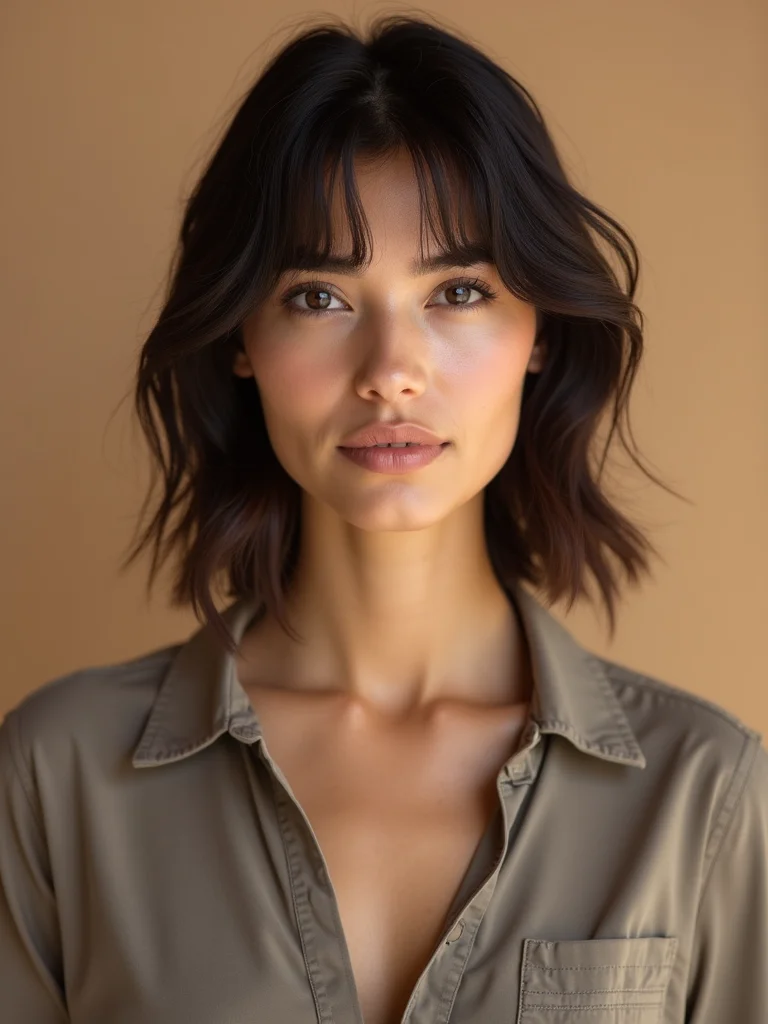
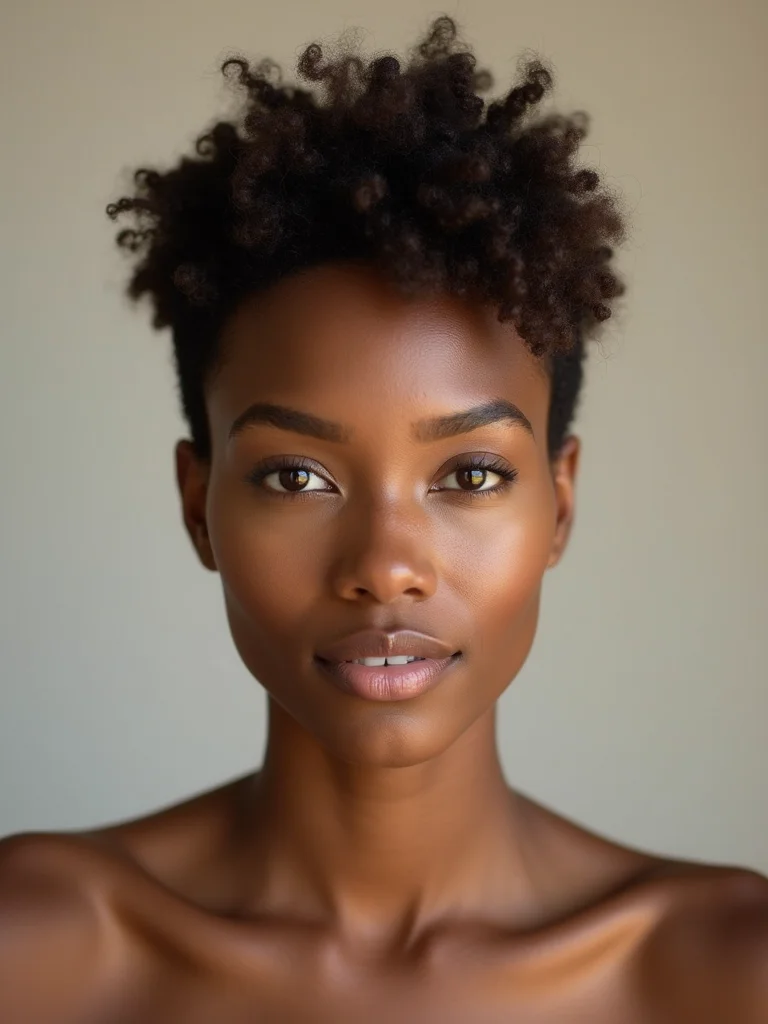
Ask five stylists to define “layered hairstyles” and the answers rarely line up. One reaches for a razored pixie, another for a face-framing curtain set, a third for a heavy wolf-shag. The word covers a dozen distinct techniques, and treating it as a single request is usually where a consultation goes sideways: a client pictures one cut while the stylist plans another.
This roundup sorts fifteen looks by length and texture, matching the ask at the chair to the photo that inspired it. Whatever length someone is starting from, a version exists that’s actually built for it.
Layers Matched to Length
| Length | Look | Best For |
|---|---|---|
| Short | Layered pixie or wolf cut | Bold texture, low daily styling |
| Medium | Modern shag or layered lob | Movement without losing length |
| Long | Feathered ends or curtain layers | Softening heavy, one-length hair |
| Curly or coily | Cascading or defined-shape layers | Rounding out shape, reducing bulk |
| Fine | Micro-layers | Building the look of density |
Soft Face-Framing Layers
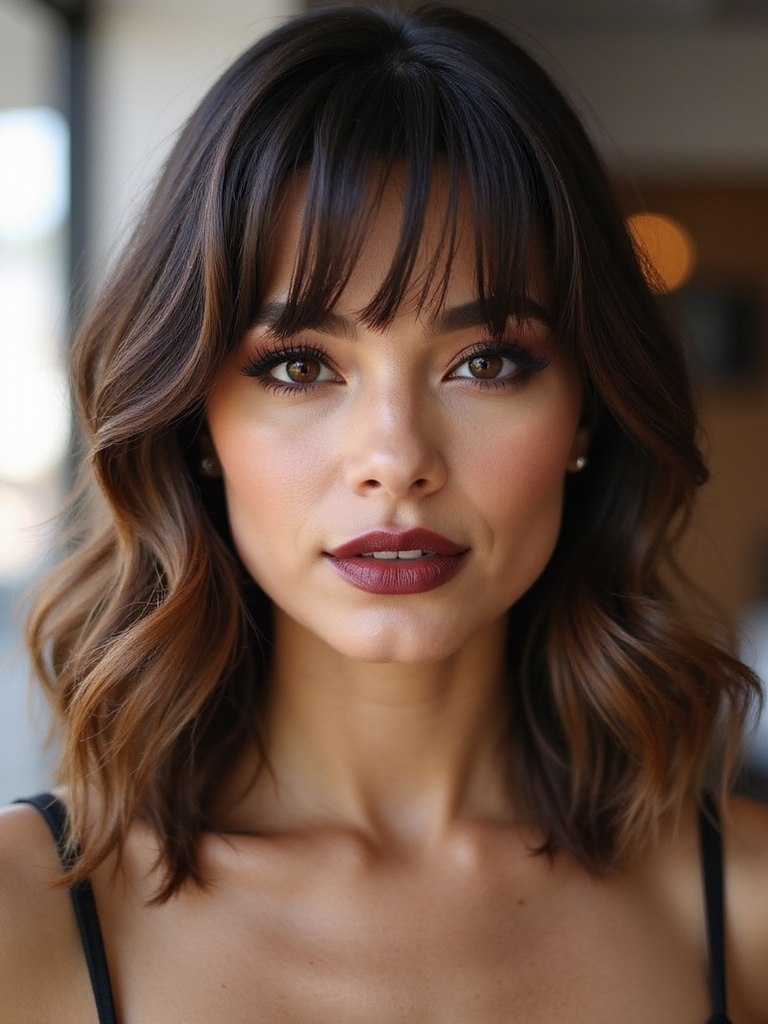
Soft face-framing layers show up on nearly every consultation board because the technique only touches the strands nearest the face, and everything below the frame stays untouched. A pixie, a lob, or hair past the shoulders can all wear the same soft frame without losing length. That’s the appeal in one line.
Where the First Layer Should Land
Placement is what separates a flattering frame from a see-through gap. Most pros favor keeping the shortest piece close to the cheekbone; that placement opens the face without thinning the ends sitting underneath it.
It flatters round, square, and heart face shapes especially well, though very fine hair can look sparse if the layers start too high. Air-drying works fine with a light curl cream; running a wide-tooth comb through while damp adds enough polish for occasions that call for it.
The Modern Shag
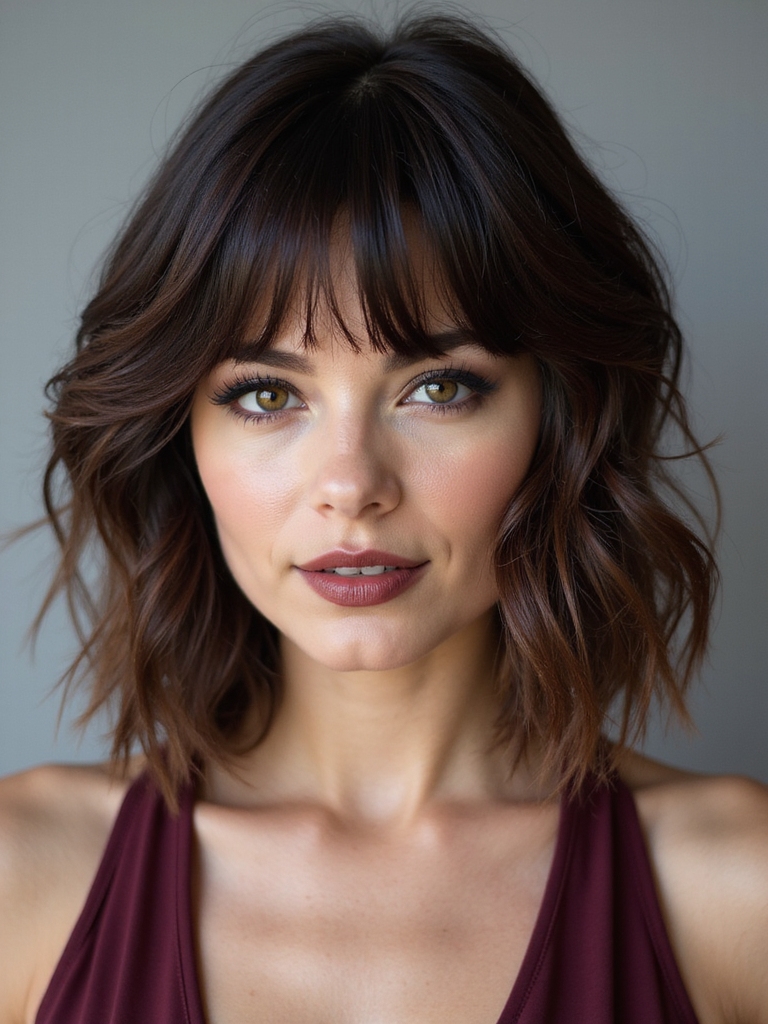
The modern shag holds its place in near-constant rotation because heavy layering turns flat, one-length hair into constant movement, and it looks more current than a fussy, over-styled cut at almost any age. It’s built to look undone. Thickness helps more than length does here — medium to long hair with some natural body takes the shape best.
- The heaviest layering sits through the crown and mid-lengths, right where the extra movement shows up most.
- The ends stay deliberately uneven; a blunt finish undoes the entire look.
- It grows out in stages, so appointments can often stretch past a blunt cut’s schedule.
Getting the shag’s texture at home takes about ten minutes and no round brush.
1Rough-dry the roots
Flip the head upside down and blast the roots first so the crown holds lift once everything else dries flat again.
2Scrunch a texture spray through mid-lengths
Apply while hair is still damp, working from ear-level down so the product doesn’t weigh down the crown lift already set.
3Break up the ends with fingers, not a brush
A comb or brush smooths out the separation that gives a shag its shape; fingers keep the piece-y finish intact.
An Airy Butterfly Cut
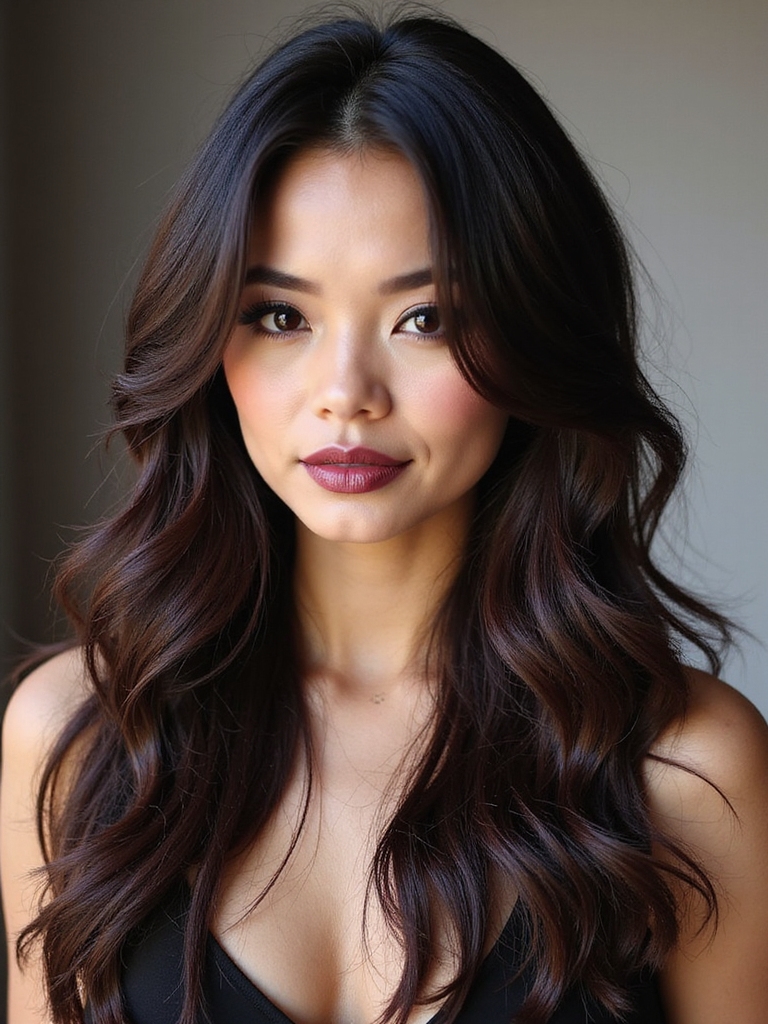
The butterfly cut layers a shorter top section over longer lengths underneath, so the crown lifts into visible volume while the ends keep their length. Hair that falls flat on top but carries plenty of length below is the ideal candidate.
- It suits medium-to-long hair with some body and movement already in it; very fine strands can look thin at the shortest layer.
- A diffuser or a blow-dryer nozzle aimed upward lifts the top section without disturbing the length underneath.
- The shortest layer should land close to the chin so it blends in as a step, not a gap.
A Textured Wolf Cut
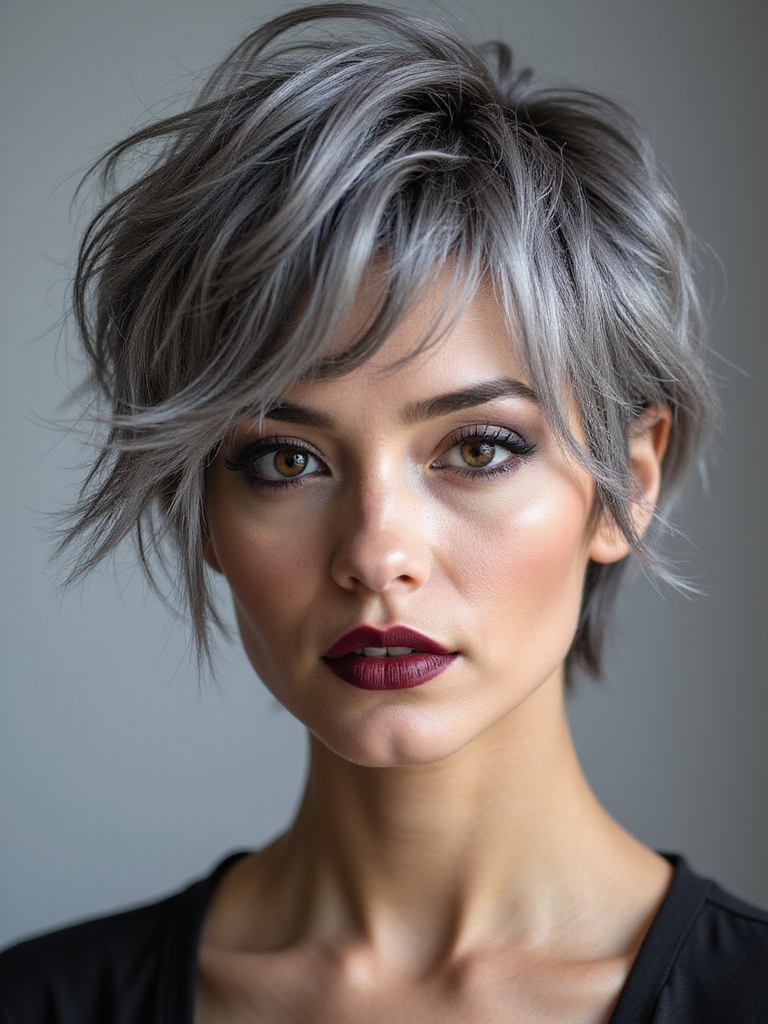
The wolf cut pairs a cropped, choppy crown with long, shaggy ends, landing somewhere between a shag and a mullet. It’s become the boldest layered request across shorter and medium lengths this season. It’s not subtle.
Undone Is the Point
The cut looks better left messy than styled smooth — the whole appeal of the choppy crown is visible separation. A texturizing paste worked through damp hair, then left alone, usually finishes the job.
Thick or medium-density hair suits it best; fine strands often look thin once that internal weight disappears. A full breakdown of the cut lives at the wolf cut.
Wolf cut candidates usually fall into one of a few categories. Quick gut-check:
1Do you want a dramatic change without losing much length?
The wolf cut’s crown layering changes the silhouette a lot while barely touching the ends, so length stays close to what it was.
2Is your hair thick enough to handle heavy internal layering?
Thinner hair often looks less full once the crown loses that much weight; thicker hair, or anything with decent density, holds the shape better.
3Do you style your hair most days, or mostly let it air-dry?
The cut is built for undone texture, so it suits an air-dry routine better than a smooth, polished blowout habit.
Voluminous Curtain Layers
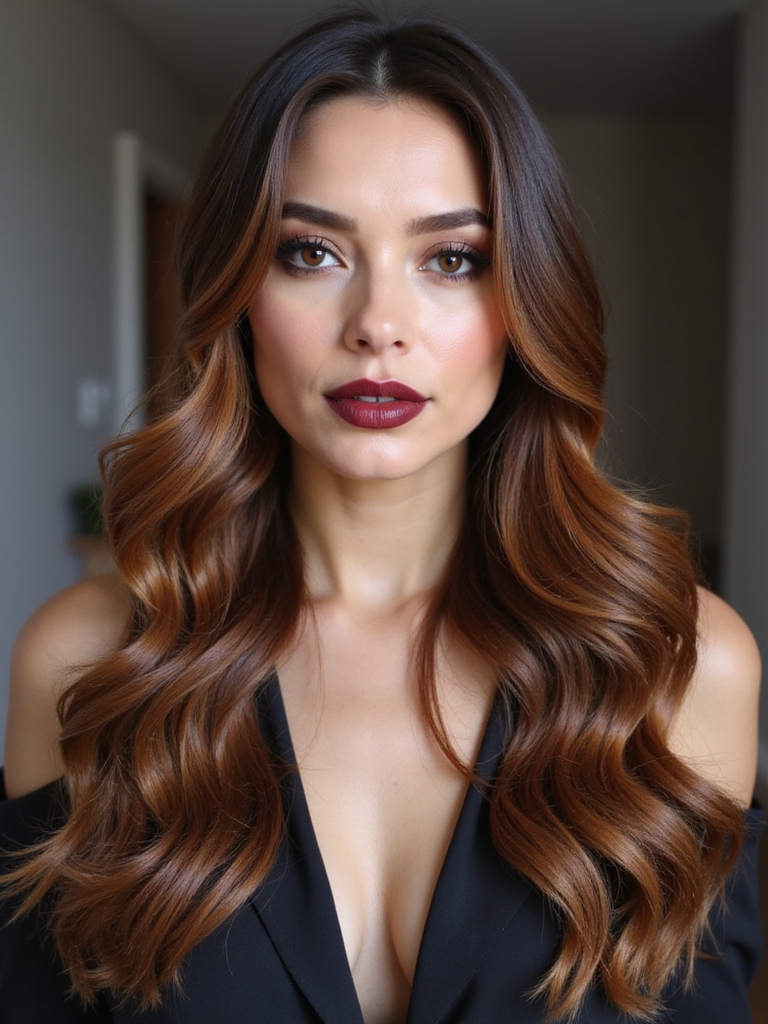
Curtain layers pair a center-parted, face-framing fringe with movement that carries through the cut, and the combination works at almost any length from a lob to hair well past the shoulders.
The fringe does most of the styling work here. The rest just follows along. A closer look at the fringe alone lives at curtain bangs, including how to manage the grow-out without a choppy in-between phase.
- It flatters most face shapes, since the center part keeps the fringe from boxing in one side.
- A diffuser lifts the fringe up and back for a rounder finish.
- It merges into the layers around it as it grows, with no sharp regrowth line to manage.
Long Layers With Feathered Ends
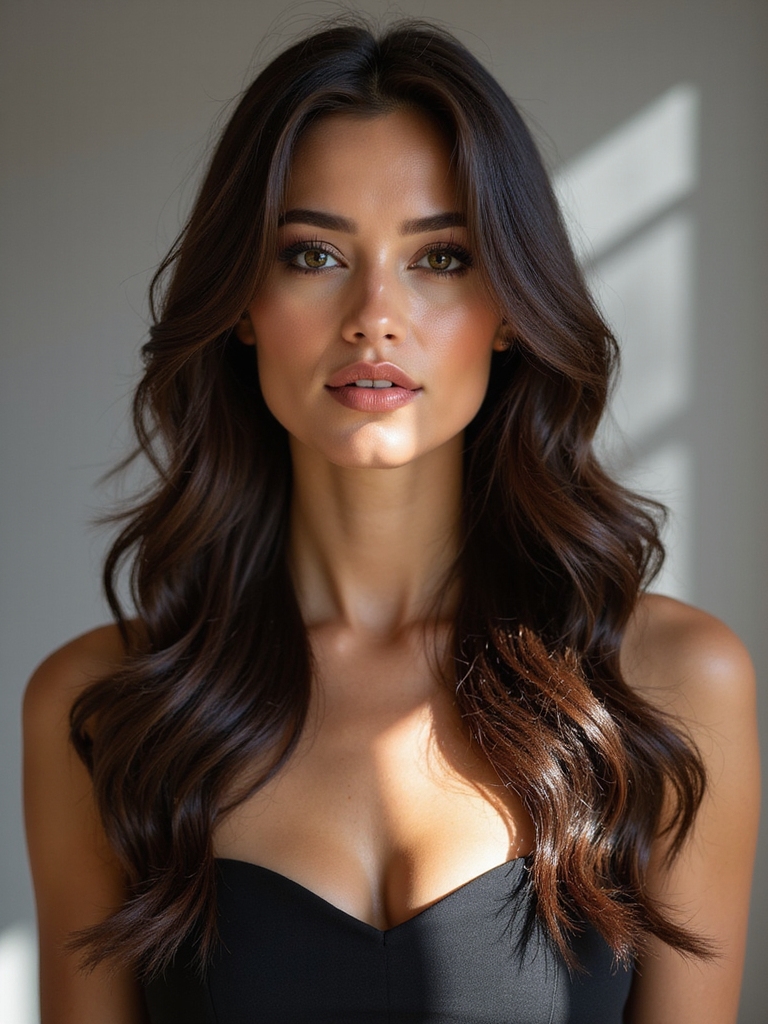
Long layers with feathered ends keep the overall length intact while thinning the very ends into lighter, separated pieces. That solves the flat, heavy look long one-length hair tends toward eventually.
Where the Weight Comes Out
The feathering happens only in the last few inches, so the length stays; what changes is how those ends move. A stylist typically point-cuts or razors this section for softer tips than blunt shears leave.
Fine, thin ends dry out faster once feathered, so a weekly deep conditioner focused on just the tips keeps them from looking wispy for the wrong reasons.
👍Where Feathered Ends Win
- +Removes bulk without cutting off length
- +Moves and swings freely, without hanging in one flat sheet
- +Grows out with almost no visible line
👎Where They Fall Short
- –Ends need more frequent moisture than blunt ends do
- –Can look thin if a stylist feathers too far up the length
- –Loses definition fast without any product at all
The Layered Lob Revival
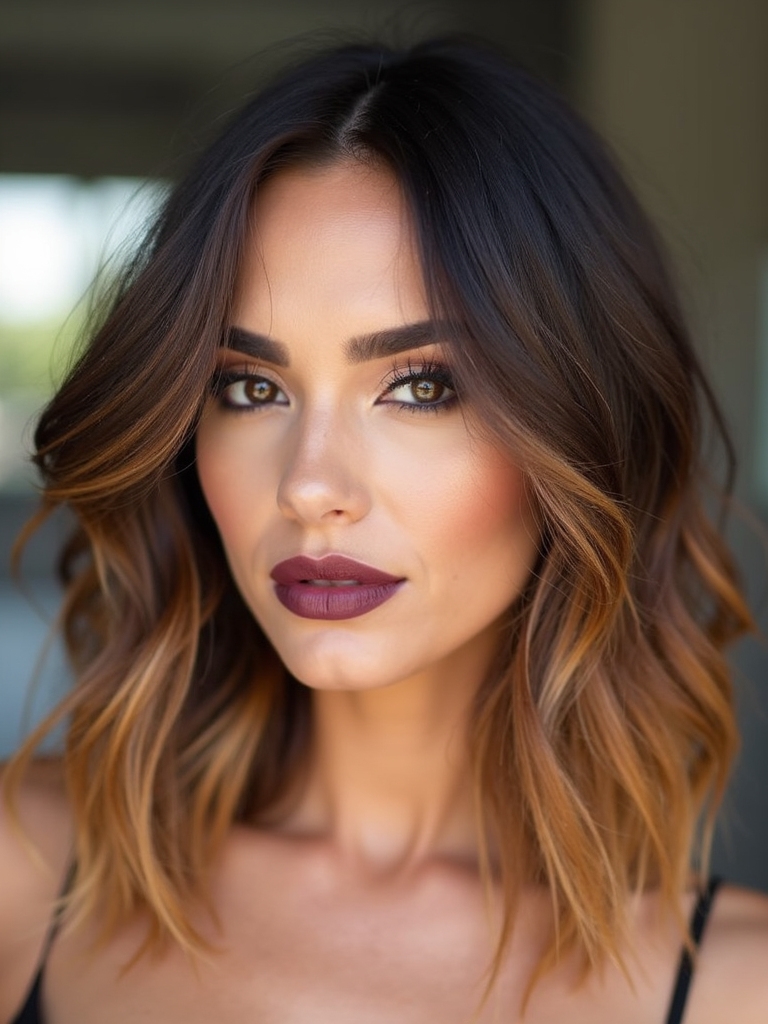
The layered lob sits at collarbone length, and movement through it keeps that length from turning into a stiff, static block. It sits right where short and long meet, which is likely why so many clients request it by name.
- It air-dries into a soft, natural wave or blow-dries smooth for a more polished finish.
- It works on straight, wavy, and loosely curled textures alike.
- A fuller breakdown of the cut lives at layered haircuts for women.
A Layered Pixie With Movement
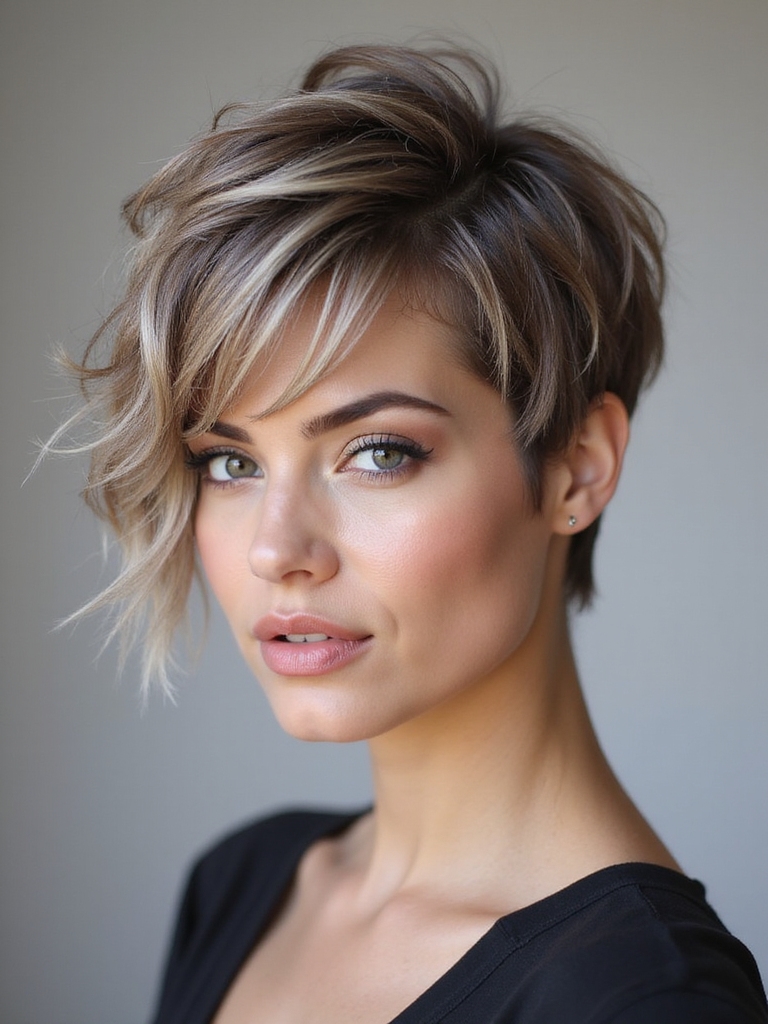
A layered pixie takes the look down to its shortest length, using crown layers to lift a cropped cut beyond the flat, helmet-like finish a blunt pixie can fall into. The texture through the top and crown keeps it from looking one-dimensional.
It works well for anyone ready to commit to short hair and low daily styling, though the crown needs reshaping on a fairly tight schedule, with most clients back in the chair around the five-week mark before regrowth starts blurring the shape. A drop of paste smoothed through damp strands is usually all the styling it needs.
A Curly Cut With Cascading Layers
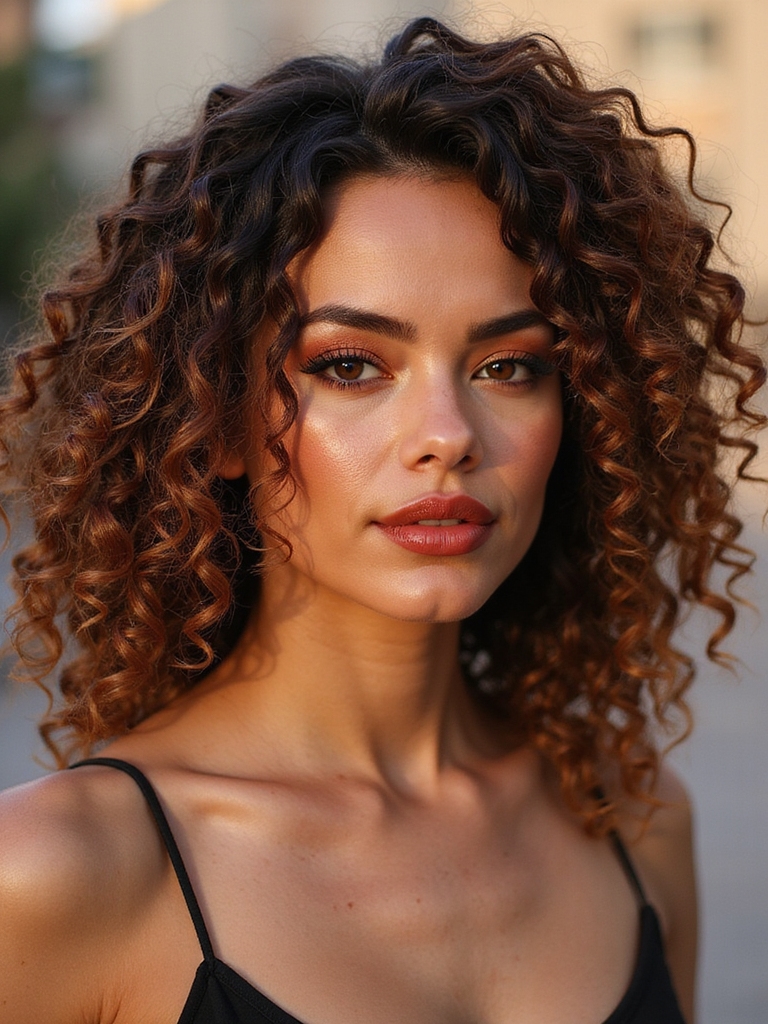
Curly hair carries layers differently than straight hair does, since the curl pattern itself adds shape that the layers only need to guide. The curl gets cut while completely dry, which lets a stylist watch each ring settle before removing any more length.
- One-length curly hair tends to pile into a heavy triangle shape; layering breaks that mass into separated, springy tiers.
- The technique is covered in more depth at layered curly hair.
- A leave-in conditioner followed by a curl cream on soaking-wet hair keeps the cascade defined and frizz-free.
Coily Layers for a Defined Shape
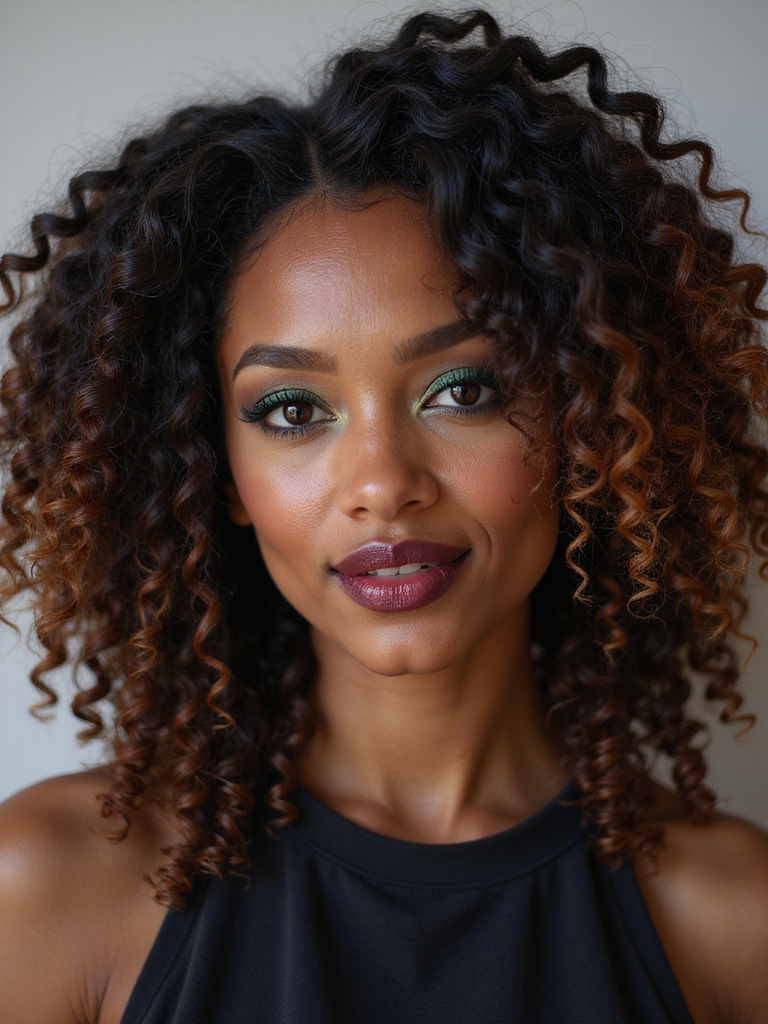
Coily hair holds a huge amount of volume, and layers carved through it lift the crown while rounding out a shape that would otherwise sit flat on top and wide through the sides. Density needs room to move. Coily hair gets shaped while fully dry and unstretched, since only the shrunken, resting curl shows a stylist where the true perimeter falls.
The result rounds out evenly through the crown, holding its shape through wash days better than a one-length coily cut tends to. Pairing a rich leave-in with a curling custard keeps the definition, and protecting the shape at night with a satin bonnet or pillowcase matters more here than daytime styling does.
Micro-Layers for Fine Hair
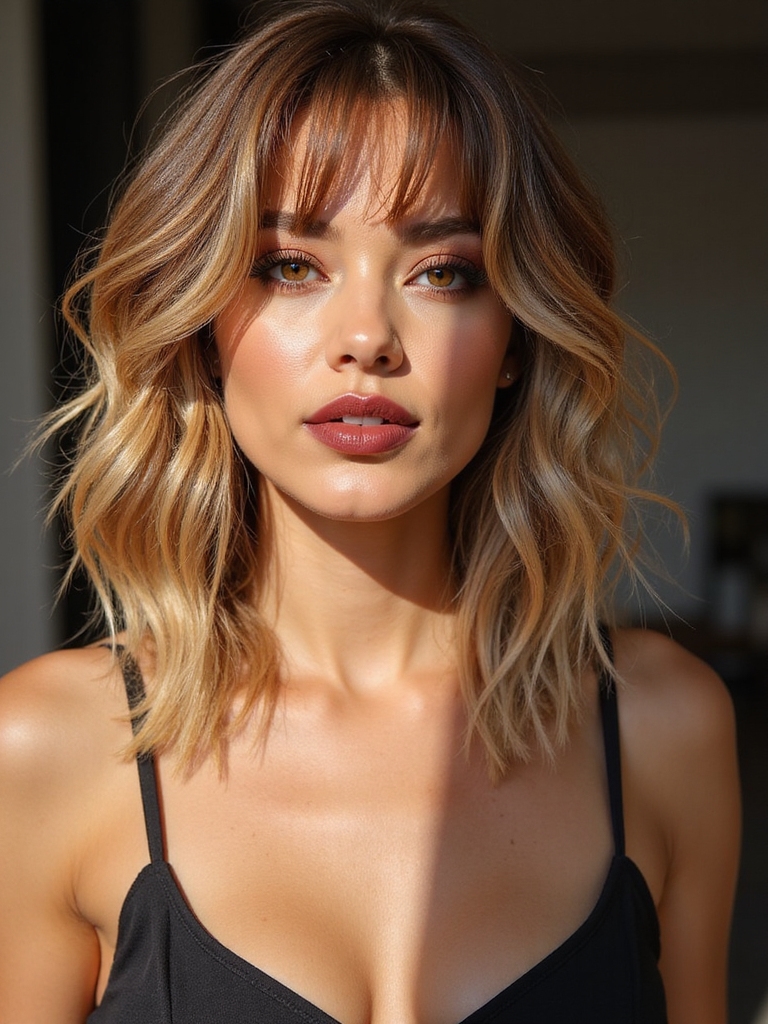
Fine hair shows every layer, so micro-layering keeps the cuts small and placed high near the crown, avoiding the heavier, lower layering that thins the ends further.
The technique fakes fullness without actually removing much length. A root-lift mousse applied at the crown before a quick blow-dry is usually the whole routine, though very fine hair should keep the layers subtle to avoid looking see-through at the crown.
Choppy Layers for Thick Hair
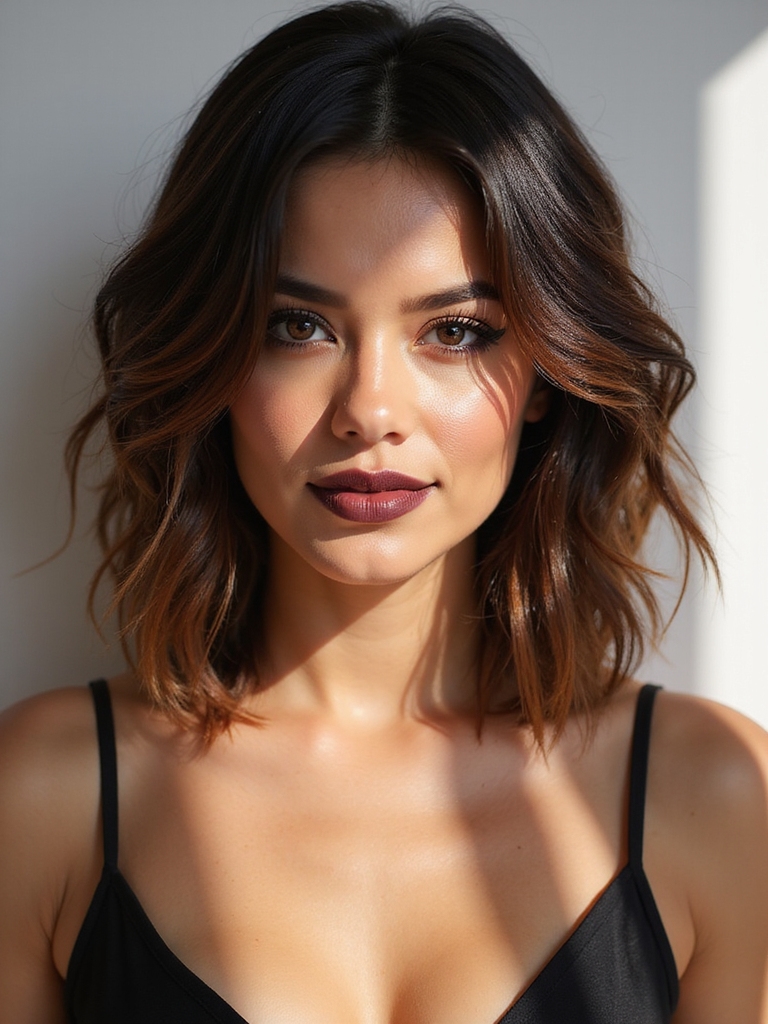
Thick hair can carry heavier, choppier layering than most other textures without looking overdone, since there’s enough underlying density to absorb the internal cutting without going thin. Thin hair can’t do this.
Debulk From the Inside
The choppiness itself is intentional. The work happens on the interior sections of the cut, so the surface keeps its fullness while the underlying weight disappears. Telling a stylist exactly where the hair sits heaviest, usually the back near the nape, helps them target the right sections.
A texture paste or clay defines the choppy ends without dragging the whole shape back down. More on cutting dense hair specifically lives at long layered haircuts for thick hair.
Thick hair and heavy layering come with a couple of assumptions worth checking:
❌ Myth: Thinning shears are the only way to remove bulk from thick hair.
✅ Reality: Point-cutting and slicing with regular shears can debulk just as effectively, and many stylists prefer them since they leave less risk of an over-thinned, frizzy-looking section.
❌ Myth: More layers always means less length lost.
✅ Reality: Length loss depends on how high the shortest layer sits, not how many layers there are. A cut can carry a dozen layers and still keep nearly all its length if the top one lands low.
A Wispy Fringe With Layers
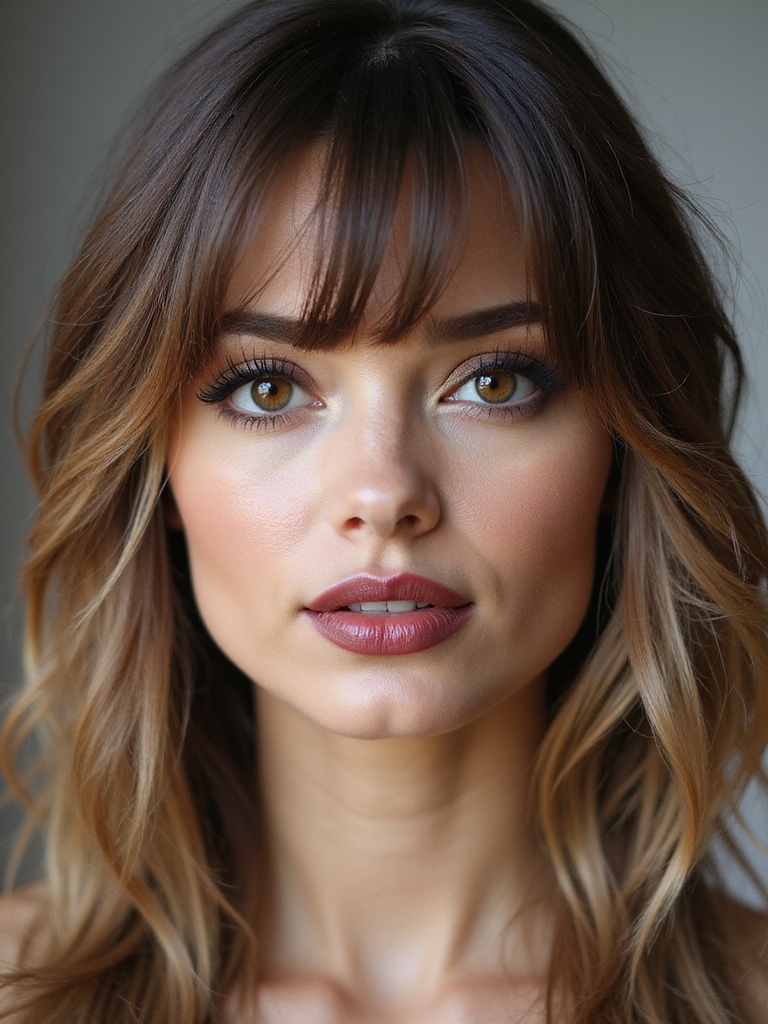
A wispy fringe brings the layered look to the front of the face: a sheer, feather-light bang that softens straight into the layers framing it, blending in as one continuous piece.
It’s the lowest-commitment way into fringe territory, since a thin, sheer fringe grows out softly with no real awkward stage.
- It works on nearly any face shape, since it’s sheer enough to avoid boxing in the forehead.
- A finger-tousle with a light texture spray is the entire styling routine.
- It grows into the surrounding layers within a few months, with barely a seam to manage.
Layered Bobs With Sweeping Motion
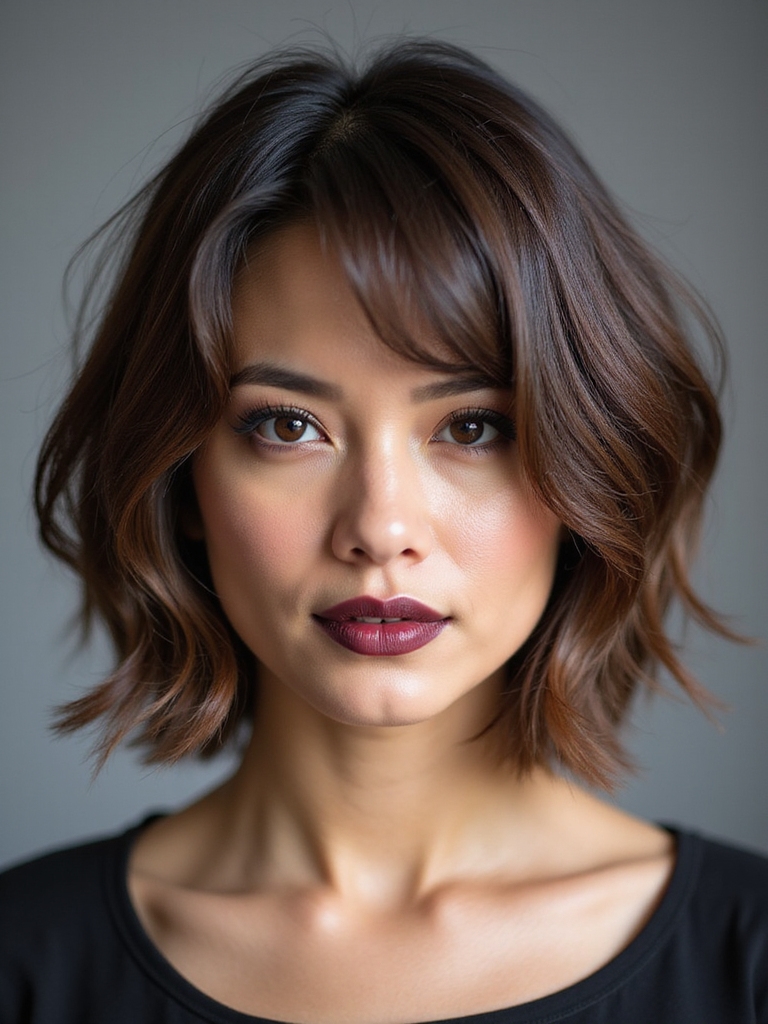
A bob cut with layers swings and moves, breaking up the flat, blunt block a one-length bob tends toward, with the effect showing up most right around chin-to-collarbone length.
- It works best on straight and wavy textures; very curly hair can lose the bob shape entirely once layered this heavily.
- A round brush sets the sweep under for a fuller finish, or leave it straight for a more editorial line.
- It holds its shape for roughly two to three months before the ends need reshaping. More bob-length options live at medium layered haircuts.
Low-Maintenance Layered Styling
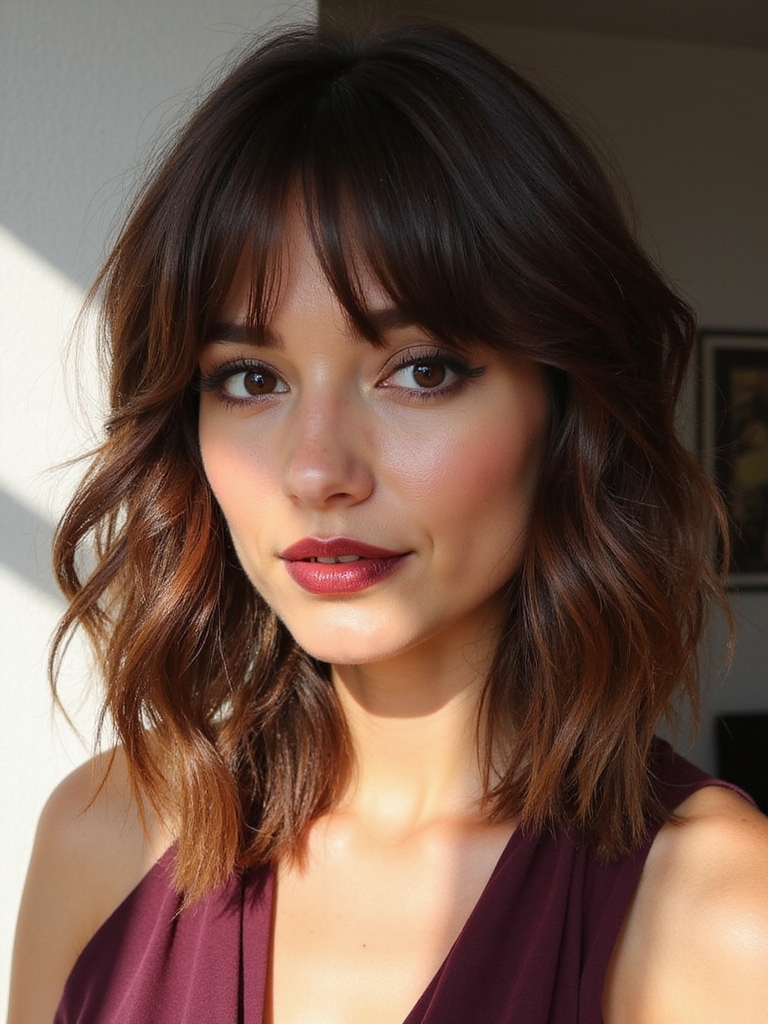
Not every layered cut needs a blowout and a full arsenal of hot tools. The cut’s own texture carries most of the work. Across most lengths, matching styling products to the exact texture underneath the layers is what keeps a cut looking intentional, letting it air-dry into shape most days.
- Fine hair does best with light, spray-based products; heavier creams flatten the movement layers are built to create.
- Curly and coily textures typically need more leave-in than straight hair does to keep the ends from drying out and frizzing.
- A cut that actually matches the hair’s texture is most of what makes an easy wash-and-go possible in the first place.
How to Get the Look
Matching a layered cut to an actual length and texture starts with being specific at the consultation. Naming the current length, how much length is negotiable, and how much daily styling time is realistic hands a stylist much more to build from than a single image.
Cost tends to track technique more than trend. Plan on around $65 for a straightforward layered trim, and more where heavier internal layering, a curtain fringe, or color work adds time to the appointment. Whatever the starting length, book the follow-up shaping before the layers blur into one length again, since that’s usually when a cut stops looking intentional.
Layered Hairstyle Questions
?What’s actually different between a shag and a wolf cut, since they look so similar in photos?
The wolf cut concentrates its choppiest, shortest layers at the crown for more height and edge, while a shag spreads lighter layering more evenly through the whole head. A wolf cut ends up changing the overall shape, where a shag mostly changes how the texture feels.
?Can heavily layered hair still be pulled back into a full ponytail?
Yes, though the shortest face-framing pieces will usually fall forward no matter how the rest is pulled back. Clipping those pieces flat first, or setting them with a light gel, keeps a ponytail from looking patchy at the front.
?Do layers make hair look thinner, or do they add the appearance of volume?
Both are possible, and the difference comes down to placement. Layers placed close to the crown add the look of volume, while layers cut low into already-thin ends can thin things further, which is why fine hair usually calls for micro-layers over heavier ones.
The Length Changes, the Idea Doesn’t
Every cut on this list works from the same underlying idea: instead of adding length or subtracting it, layering redistributes weight so hair moves in ways a single blunt line can’t. A shag, a wolf cut, a curtain fringe, and cascading curls look nothing alike side by side, yet each one solves the same basic problem at a different length and texture.
Save whichever length group matches a current cut, and bring it in as a specific reference. The more specific the ask, the closer the result lands to the photo.
Don’t Miss These