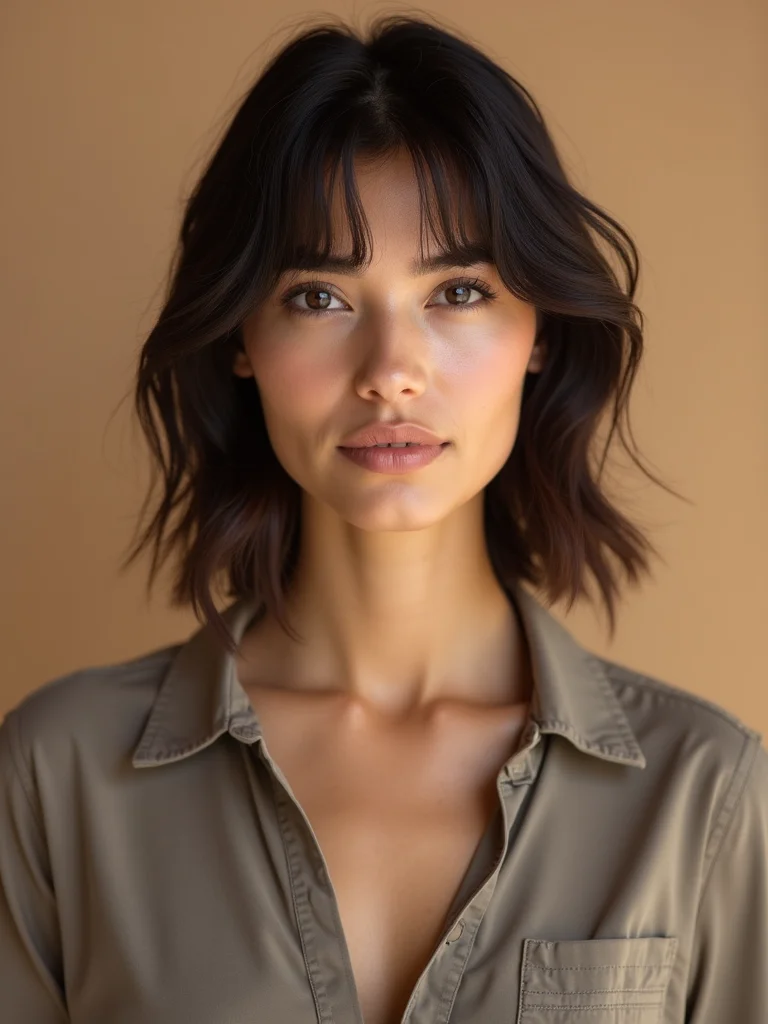
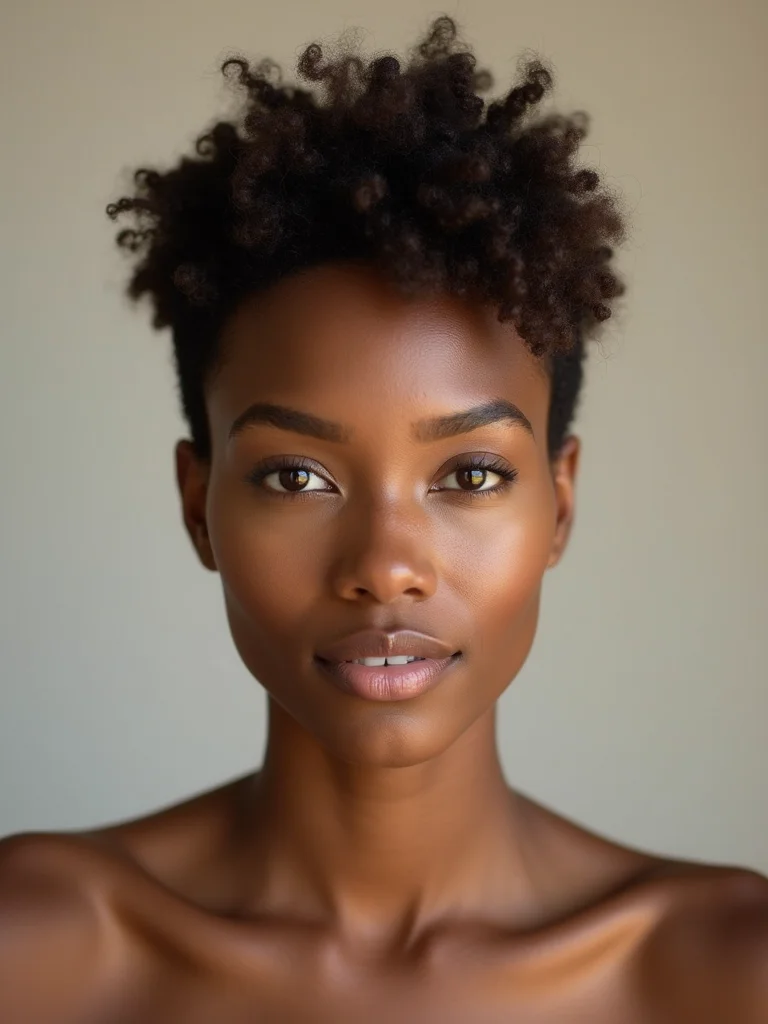
Short hair and layers supposedly don’t mix, according to the usual advice: cut layers into an already-short style and you’ll end up flat and choppy. That’s backwards. Layers are exactly what give short hair its shape, lift, and movement. Without them, a short cut just sits flat and stays that way.
Fifteen shorter layered shapes follow, each a distinct cut with honest notes on who it flatters and what it actually costs you in daily effort. For the full range of lengths, see our layered hairstyles guide.
Layers on Short Hair, Fast
- Fine hair wants short, stacked layers for volume; thick hair wants internal layers to shed weight.
- Curly and coily hair should be cut dry, in pattern, so layers land where the curls actually sit.
- Most of these run $45 to $85 at a mid-range salon and hold their shape for six to eight weeks.
- The bolder shapes, like a wolf cut or bixie, ask for more daily styling than a soft lob or bob.
A Shaggy Lob Built on Crown Layers
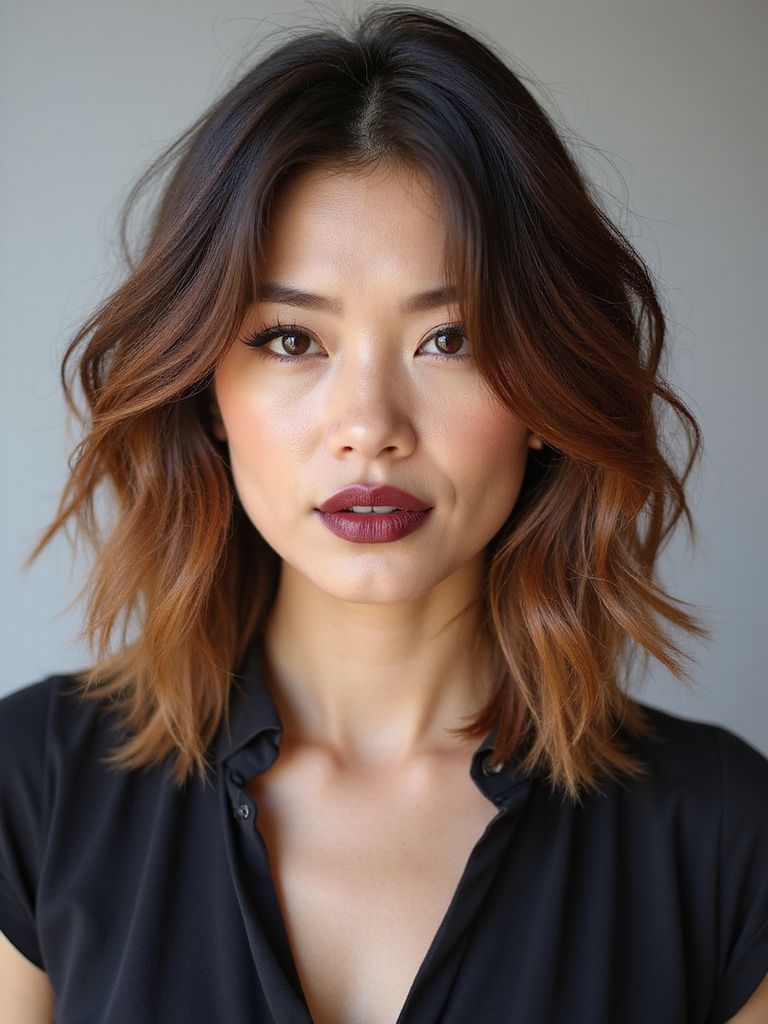
The shaggy lob sits at the collarbone with crown layers that lift the roots and feather down through the lengths. It’s the gateway shorter layered cut, built for anyone who wants real shape without committing to anything drastically short.
Those crown layers shape the whole cut. They keep the top from going flat while the longer ends stay wearable and easy to pull back. Fine and medium hair both take to this shape especially well.
Style with a rough-dry and a light texture product, with a round brush on the front pieces for more polish. Our shag haircut guide covers the longer end of this family.
A Textured Bob With Internal Layers
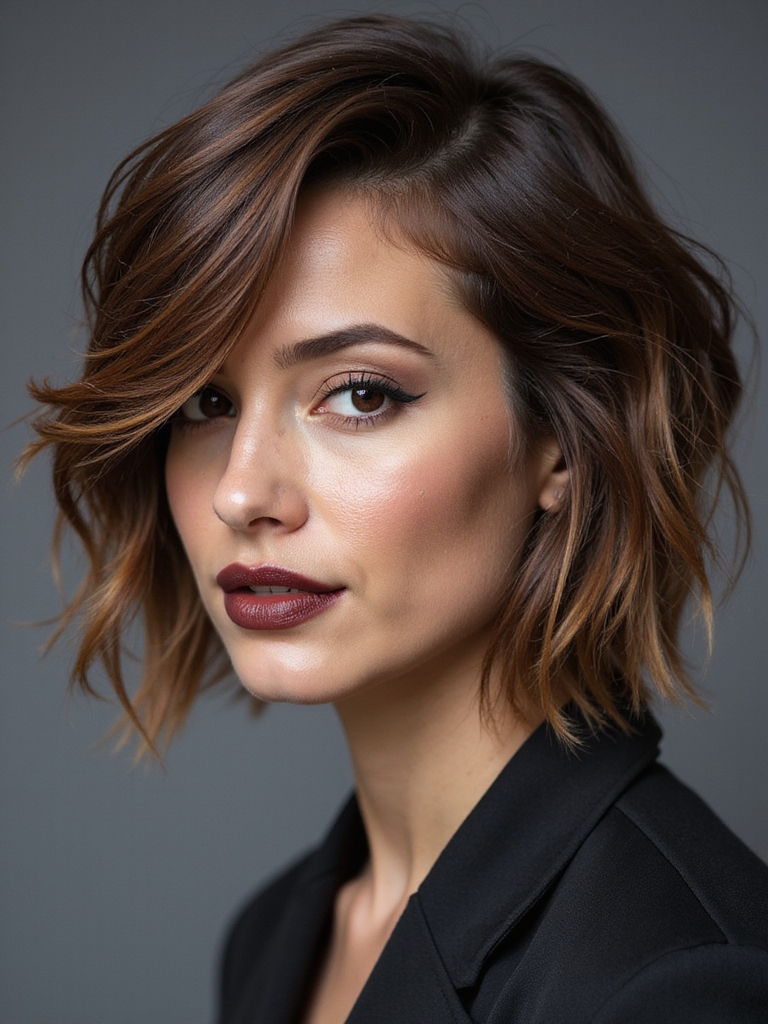
A classic bob can read heavy and solid, so the fix is internal layering: layers cut inside the shape rather than on the surface. From the outside, the bob keeps its clean line. Underneath, the weight comes out so the whole thing actually moves.
- Surface line stays clean and polished.
- Interior layers release weight without changing the silhouette.
- Best for thick hair that tends to sit blocky.
A Feathered Pixie With a Long Top
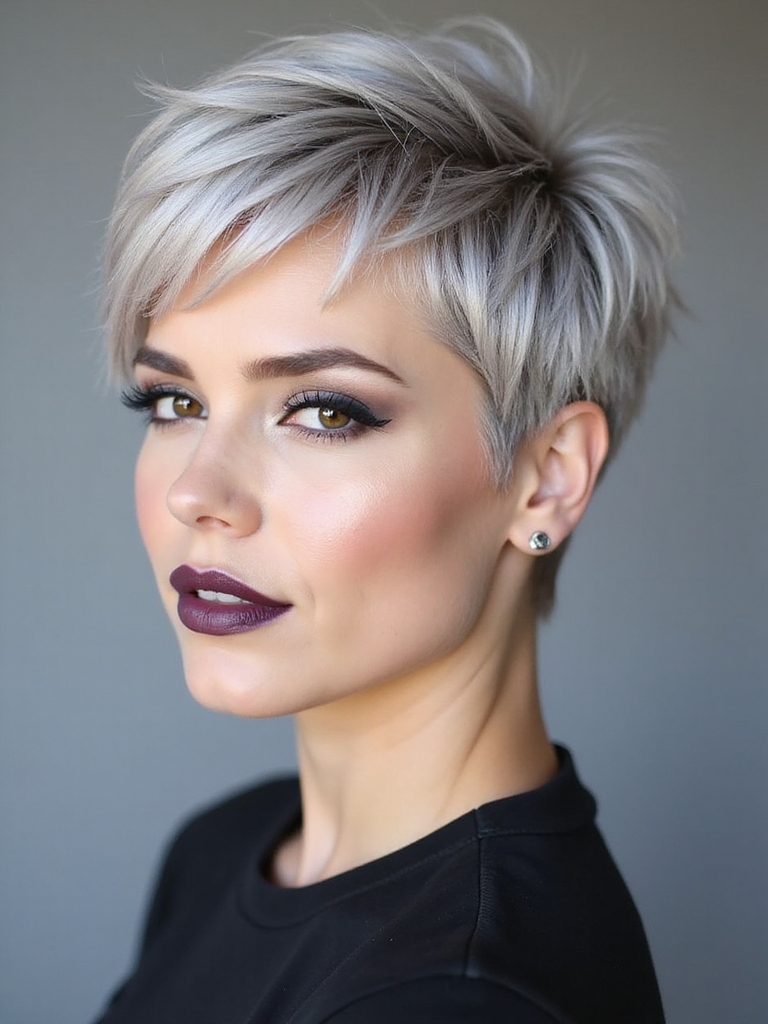
Keep the sides and back short but leave real length on top, layer it well, and you get a feathered pixie you can actually style several different ways. The long, layered top is what separates a modern pixie from the flat, cropped version of decades past.
- Sweep it, spike it, or smooth it flat, depending on the day.
- Short sides keep upkeep minimal between full cuts.
- The top layering is where nearly all the versatility lives.
A Graduated Bob With a Stacked Nape
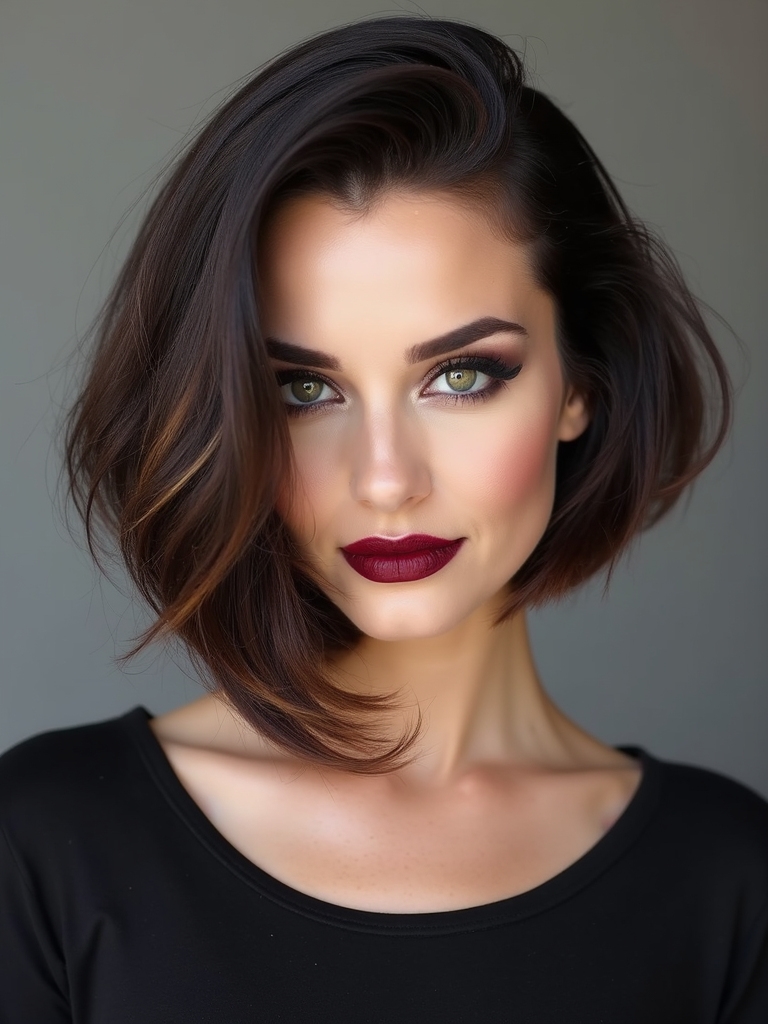
A graduated bob stacks short layers at the back, building a rounded, lifted shape at the nape that angles longer toward the face. That stack creates real body, pushing the back out instead of letting it hang flat against the neck.
- Stacked layers build volume right where the neck meets the head.
- Angles longer toward the face for a soft frame.
- A strong pick for fine hair chasing natural-looking volume.
Which shorter layered cut fits your hair?
1Fine hair
A graduated bob, a soft mullet, or a stacked nape, where short layers build the volume fine hair can’t manage alone.
2Thick hair
Internal layering in a textured bob or an A-line shape, removing bulk without losing the outline.
A Collarbone Cut With Invisible Layers
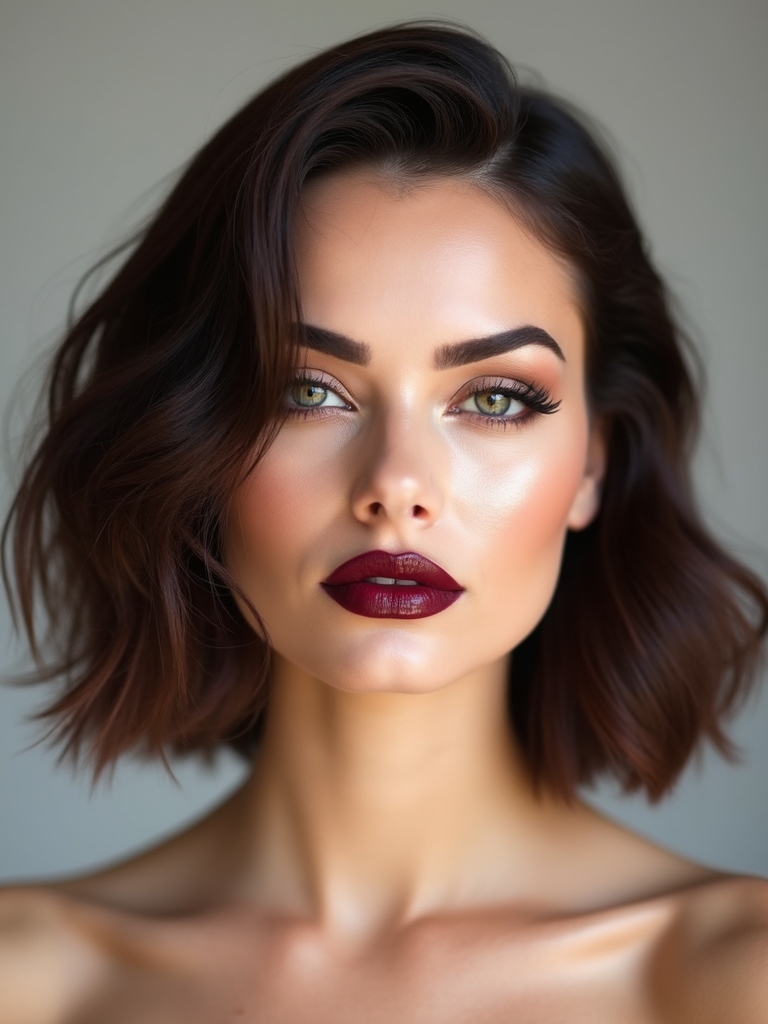
Some people want movement without the look of obvious choppy layers, and that’s where invisible layering comes in. The layers get cut long and blended so gradually that you can’t spot where one starts, so the hair simply reads fuller and bouncier.
- Layers blend so gradually they read as one continuous length.
- Adds movement without any visible choppiness.
- A safe, polished pick for conservative workplaces.
A Curly Crop With Round Layering
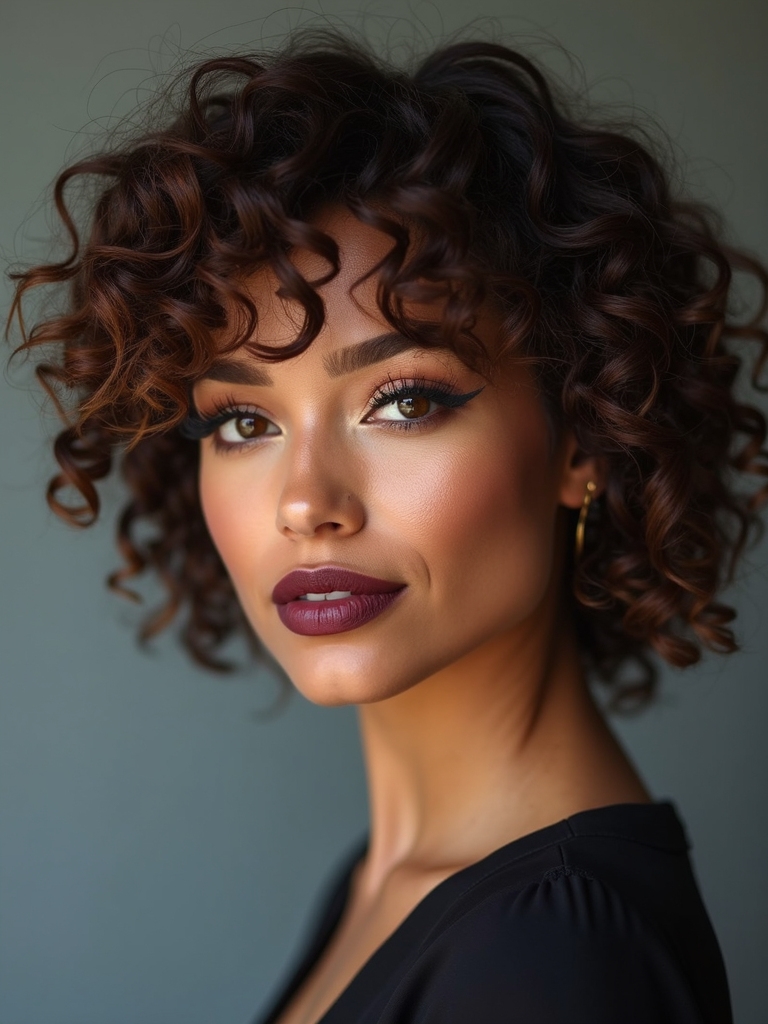
Curly and coily hair turns a short layered crop into a rounded, sculptural shape, but only when the layers follow the curl pattern. Cut against the curl and you get a triangle. Cut with it and you get a soft, even halo of texture.
The cut has to happen dry, in the hair’s natural pattern, so each layer lands where the curl actually sits. Keep the shaping gentle at the perimeter so the curls spring freely without pulling tight near the hairline.
- Always cut dry, never wet, to see the true pattern.
- Work in a curl cream, then either let it dry naturally or diffuse on the lowest heat setting.
- Gentle perimeter shaping keeps the hairline comfortable.
A Mini, Choppy Wolf Cut
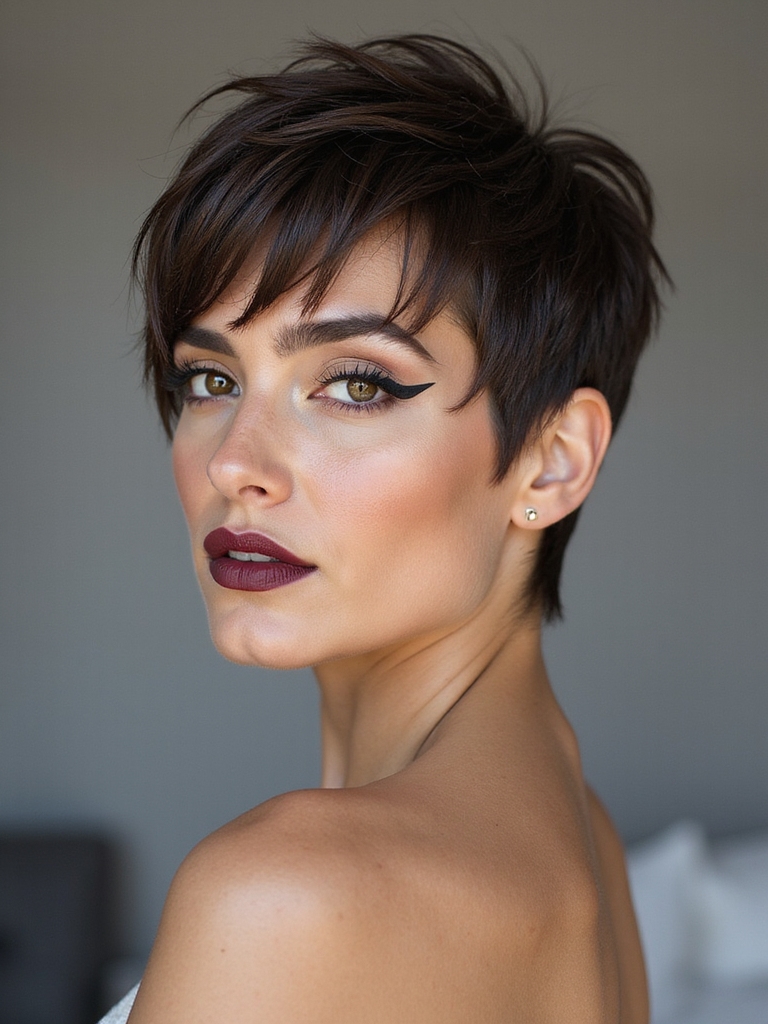
The wolf cut is the shag’s wilder cousin, all heavy, choppy layers and serious crown volume, and the shorter version packs that same energy into a compact shape. The disconnection between the short top and the longer ends is the entire point.
This suits people who want their hair to look edgy on purpose and don’t mind a little mess along the way. If this energy appeals but the wolf feels like too much, our choppy layered haircuts guide is a gentler entry point.
Build height with a root spray on damp hair, rough-dry, then break the shape up with a matte paste. Our wolf cut guide has the full breakdown.
“The wolf cut is the one shape on this list I won’t soften for someone still on the fence. Half-committing to it just reads as an accident.”
An Asymmetrical Bob With Side Volume
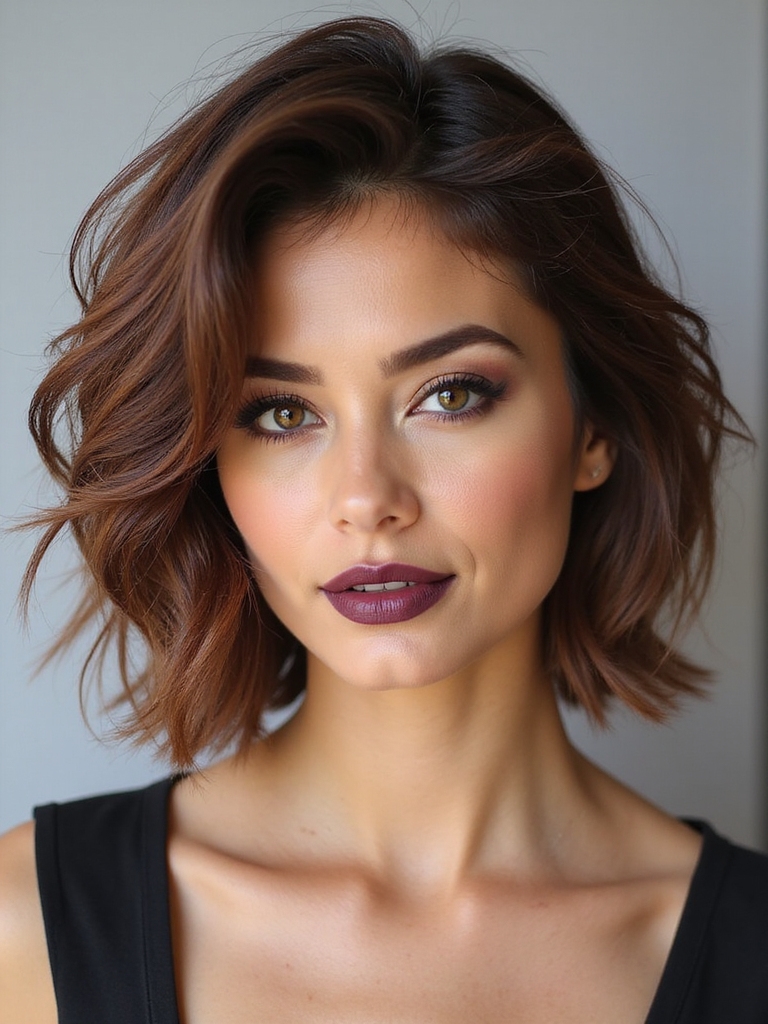
Cut one side to sit noticeably longer than the other and layer that longer side, and you get an asymmetrical bob with real volume and a strong diagonal line. It suits someone who wants genuine drama in the shape. See our asymmetrical bob guide for the base cut.
The imbalance reads as intentional, not accidental. Style the longer side with a round brush turned under, and keep the shorter side tucked clean and simple.
- One side runs noticeably longer for a bold diagonal.
- Layering adds volume specifically to the longer side.
- A deep side part pushes the drama even further.
A Short Layered Shag With a Fringe
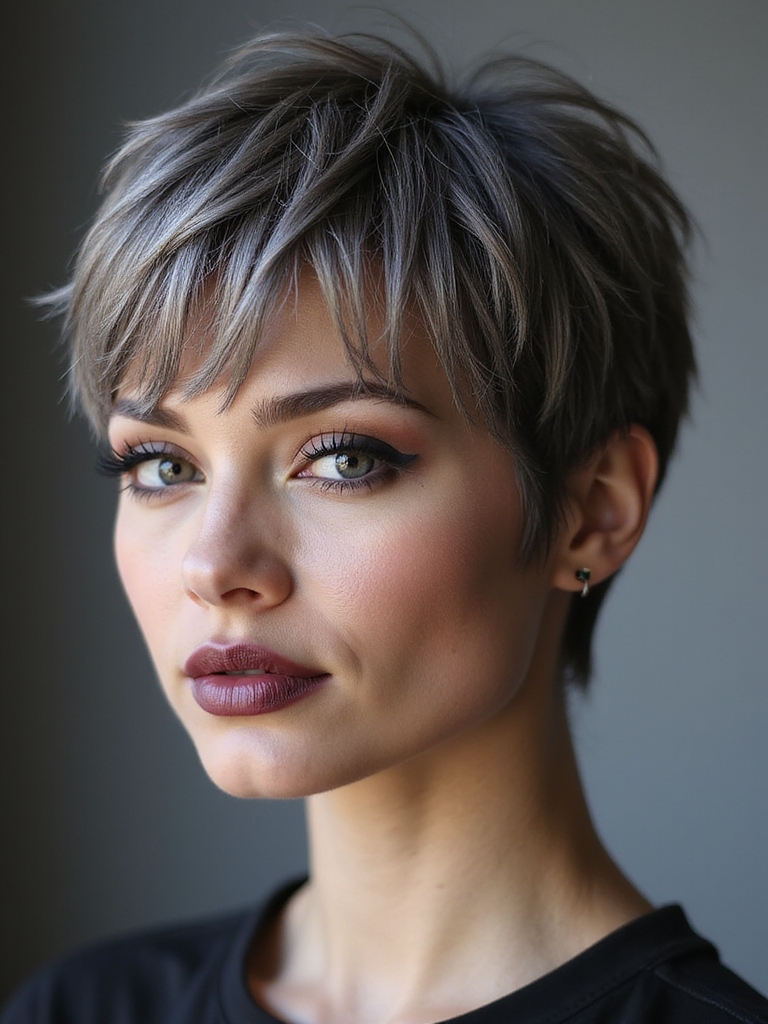
The short shag pushes layering as far as it goes: piecey through the crown, feathered at the ends, with a soft fringe pulling the whole face-framing shape together. It’s the most texture-forward cut on this entire list.
How the Fringe Finishes It
It flatters most faces, and the fringe itself can be wispy, curtain, or choppy depending on how bold you’re feeling. The layering already carries the volume, so teasing is rarely necessary.
Air-dry with a texture spray most days and you’re done. Our shag haircut guide covers the full shape.
A Soft Mullet for Fine Hair
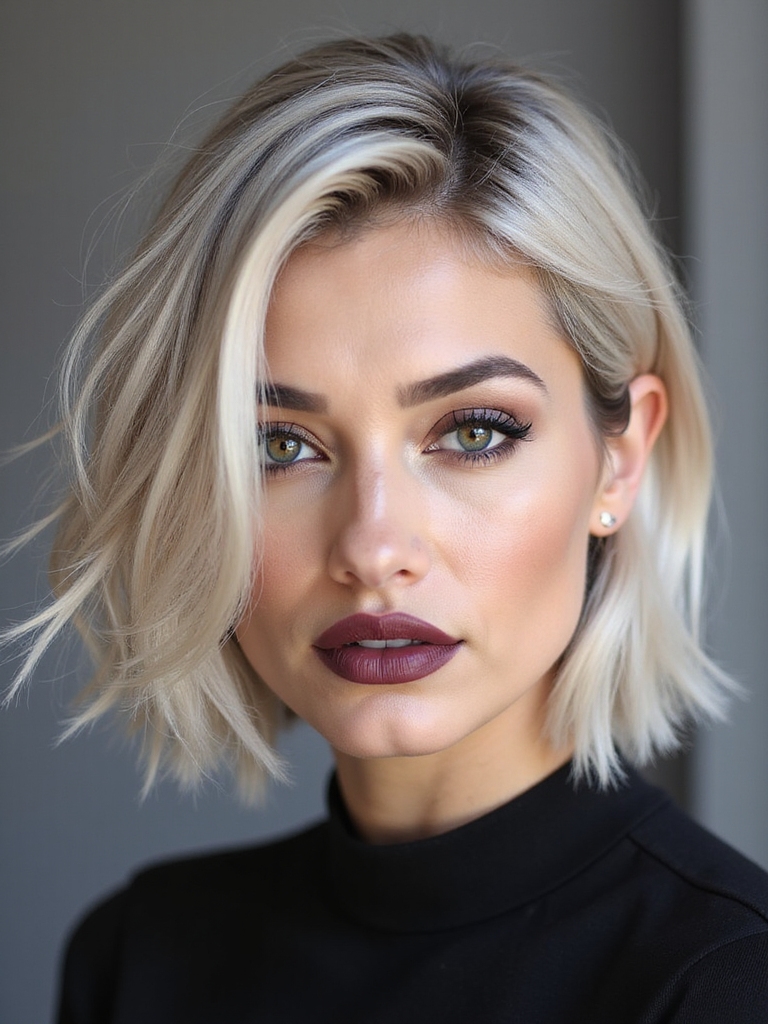
The modern mullet is softer and wispier than the version most people picture, and on fine hair the layered, shorter crown works as a genuine volume trick. The short top stacks up for lift while the longer back keeps some length you don’t have to give up.
- A short, stacked crown lifts fine hair at the root.
- The longer back preserves length without weighing it down.
- Soft and wispy in execution, not costume-like.
📋Before You Book a Layered Cut
- ✓Your hair type, since fine and thick hair need opposite layering strategies
- ✓How much daily styling time you realistically have
- ✓A photo, but one you’re open to adjusting for your own texture
A Layered A-Line Bob for Lift
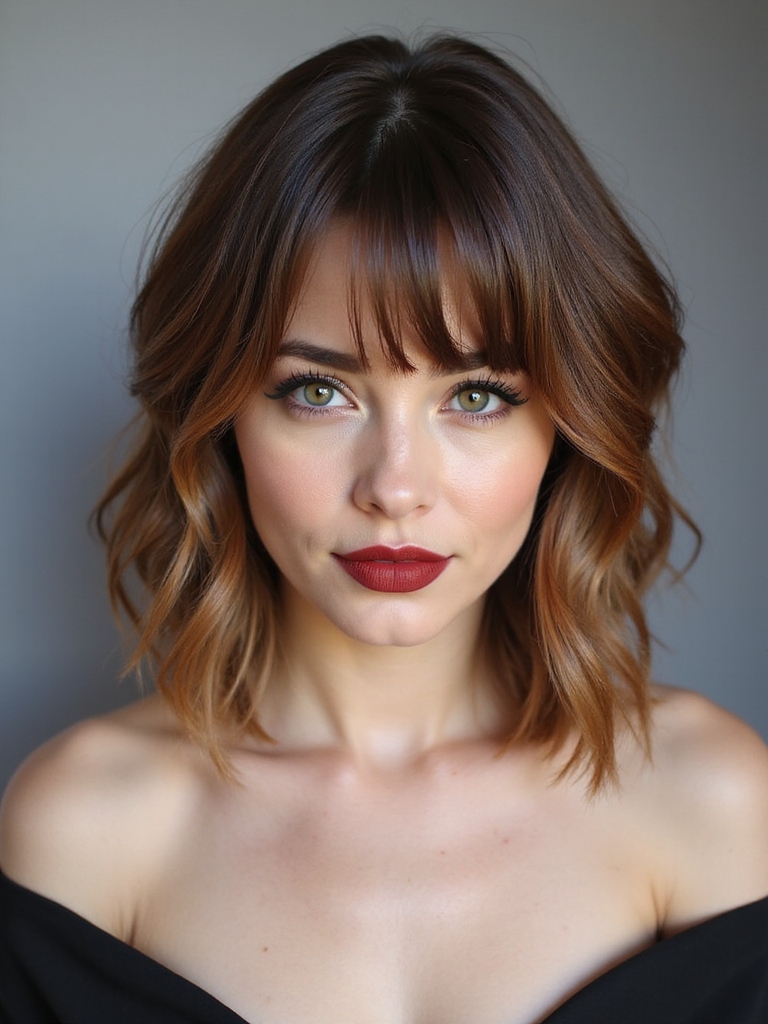
Cut the back shorter than the front and blend the two, and you get the A-line bob’s signature angle, sharpened further when the back gets layered for lift. The result pairs a sharp, graphic line with soft, moving body underneath. See our A-line bob guide for the base shape.
- Shorter at the back, longer toward the face.
- Back layers add lift so the angle doesn’t look flat.
- Grows out gracefully between trims.
A Piecey Pixie-Bob Hybrid
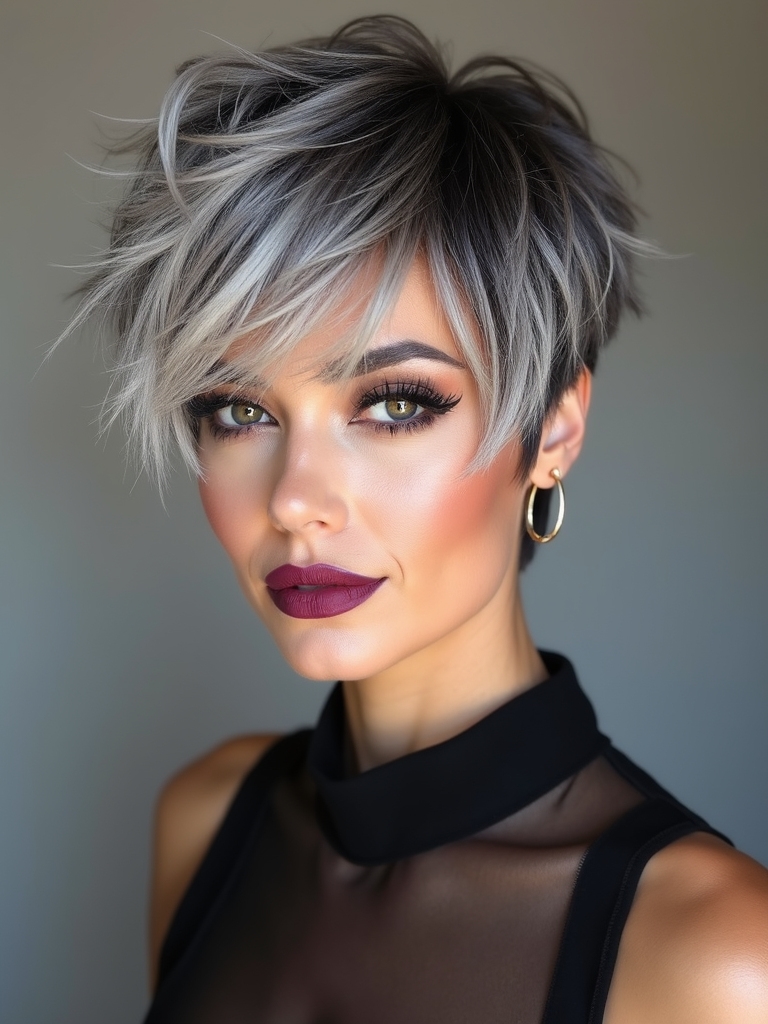
The pixie-bob, or bixie, splits the difference between the two lengths, longer than a pixie but shorter than a bob, with piecey layers running throughout. It’s been a real favorite among younger clients lately.
Where the Bixie Sits
The layering gives it a pixie’s texture with a touch more length to work with. This length suits most hair types, though fine hair tends to get the most dramatic lift out of it.
The shorter overall length also means less to style each morning. Work a little paste through and tousle with your fingers. Our pixie bob guide goes deeper on the shape.
A few terms worth knowing before your appointment:
📖Internal layering
Layers cut inside the shape, invisible from the outside, used to remove weight without changing the outline.
📖Point-cutting
Snipping vertically into the ends to soften a blunt line without a full razor.
A Wavy Bixie With a Root Boost
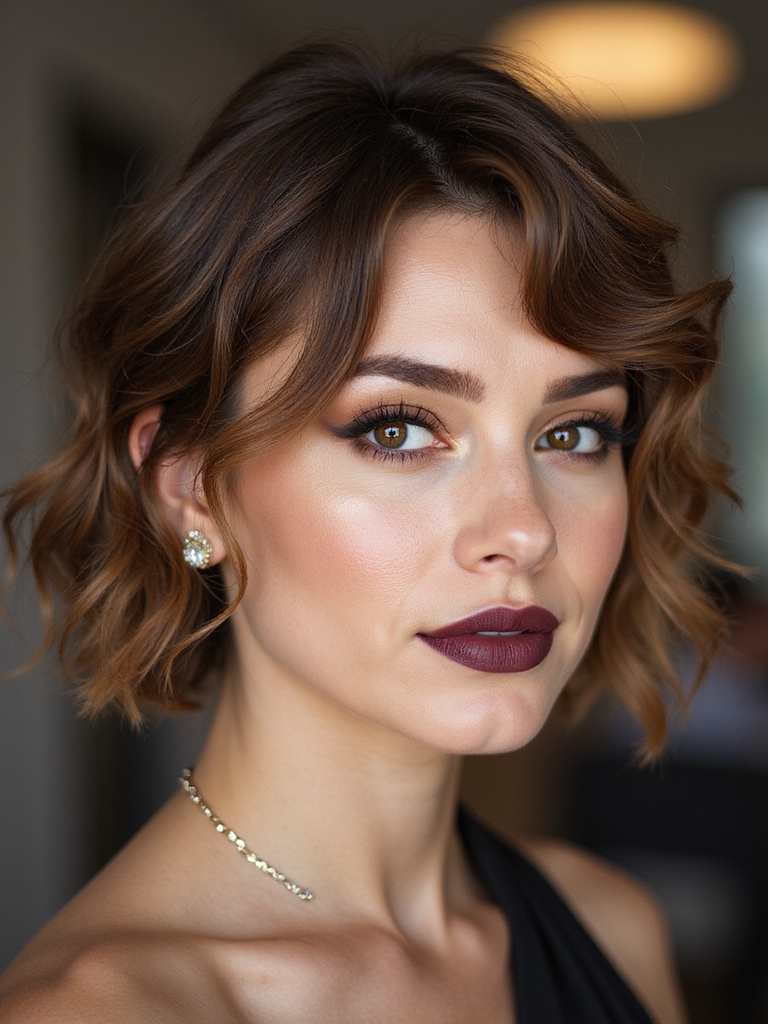
Take the bixie shape and add natural wave, and the short layers turn into a tousled, beachy silhouette that looks undone in the best possible way. The wave does half the styling work on its own, springing the layers into a soft, piecey finish.
Letting the Wave Do the Work
A little root lift keeps the crown from falling flat. This suits wavy hair that wants permission to just do its own thing; a flat iron defeats the entire purpose here.
Mist a sea-salt spray at the roots, scrunch, then leave it alone to dry on its own, or use a diffuser to speed things up on a busy morning.
A Short Layered Cut With Curtain Bangs
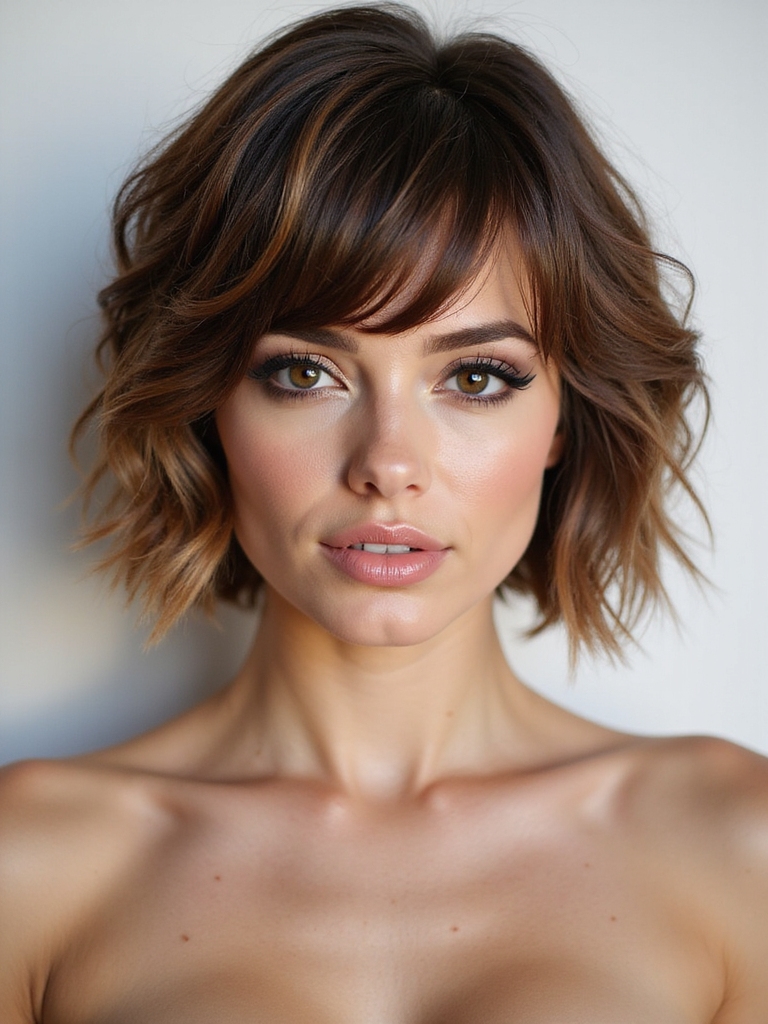
Pair any short layered cut with curtain bangs and you frame the face beautifully while keeping most styling options open. The center-parted fringe sweeps into the surrounding layers so smoothly it reads as one continuous shape.
It’s the lowest-commitment way to add a fringe to a short cut. Curtain bangs grow out painlessly, tucking behind the ears or blending into the layers as they lengthen. Our curtain bangs guide has the styling details.
- Fringe blends into the surrounding layers, not stapled on.
- The lowest-commitment way to add bangs to a short cut.
- Grows out with no hard line to manage.
A Micro Bob With Airy Ends
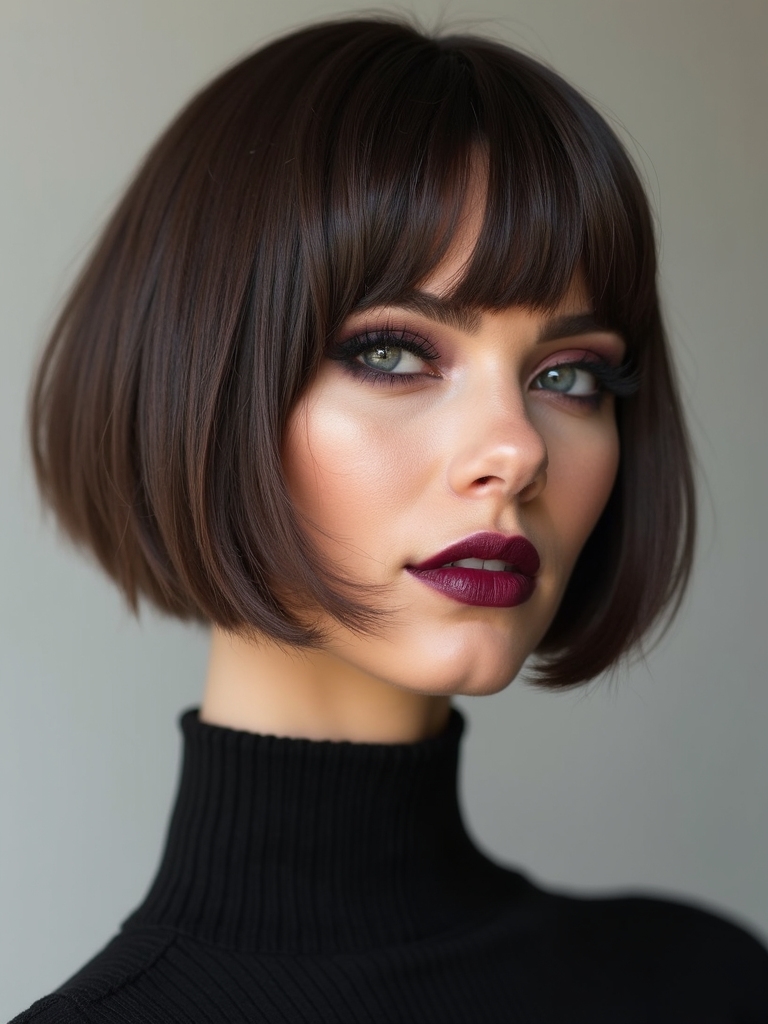
The micro bob sits high at the jaw or even above it, with light layering at the ends keeping it from reading as one solid block. It’s the sharpest, most fashion-forward shape on this list, a crisp line softened just enough at the tips.
It flatters a defined jawline and strong features especially well, and it photographs cleanly from nearly any angle. The shorter the bob runs, the more precise the cutting has to be.
Style with a flat iron for a glassy finish, or a little texture cream for something softer and piecier. Expect this shape to need trims more often than the longer cuts on this list.
Shorter Layered Cuts, Answered
?Do layers make fine hair look thinner?
No, usually the opposite. Short, stacked layers at the crown and nape build volume and lift that fine hair can’t generate on its own. The trick is keeping the layers short enough to stack rather than long and stringy.
?Can curly or coily hair handle short layers well?
Yes, and it often looks better than a one-length crop. The cut has to happen dry, in the hair’s natural pattern, so each layer lands where the curl actually sits.
?What’s the real difference between internal and visible layering?
Visible layering shows up as steps you can see in the outline. Internal layers get cut inside the shape, invisible from the outside, and mainly remove bulk so thick hair moves without changing the overall silhouette.
?How do I ask for volume without ending up with choppy, obvious layers?
Tell your stylist you want invisible or internal layering specifically, and name where you want the lift, at the crown or the nape, instead of leaving the request open-ended.
?Which of these shapes needs the least daily styling?
The collarbone cut with invisible layers and the soft mullet both rough-dry into shape with minimal effort. The wolf cut and the micro bob ask for the most hands-on styling of the group.
Layers Are What Give Short Hair Its Life
Layers aren’t the enemy of short hair; they’re what gives it shape, lift, and movement in the first place. Whether you want a collarbone cut that barely shows its layers or a wolf cut that shows them off completely, there’s a version here built for your texture.
Bring a photo, be honest with your stylist about your morning routine, and let the layers do the actual work. The right shorter layered cut should feel easier to live with, not harder, so go find the version that does that for you.
More to Try