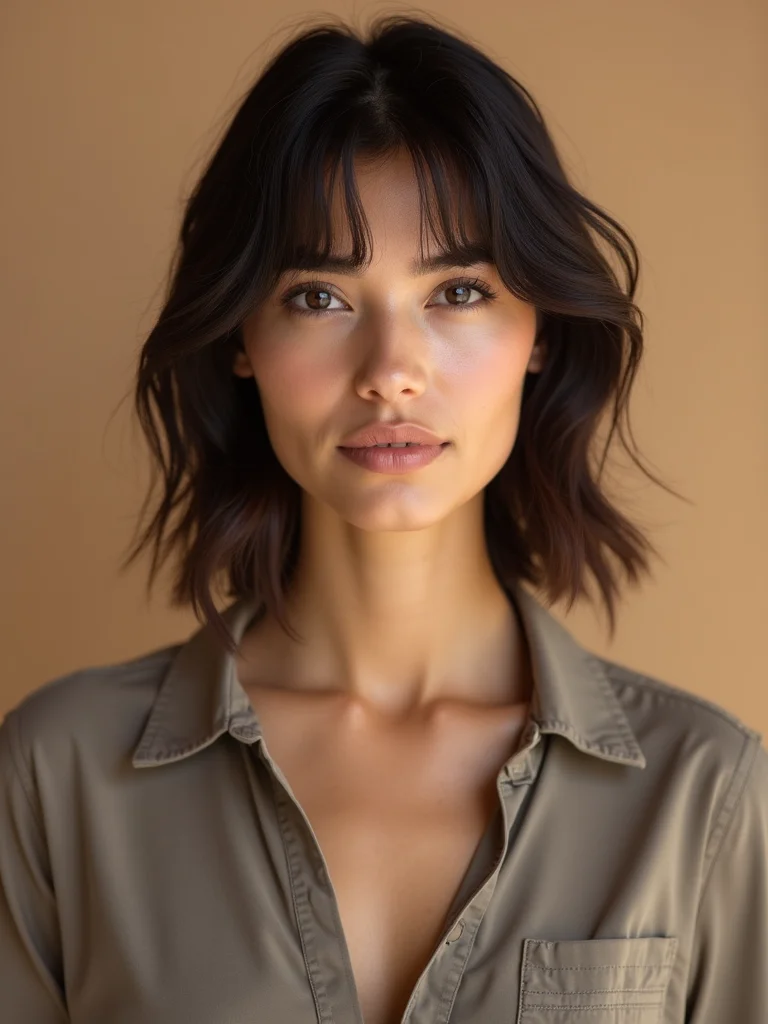
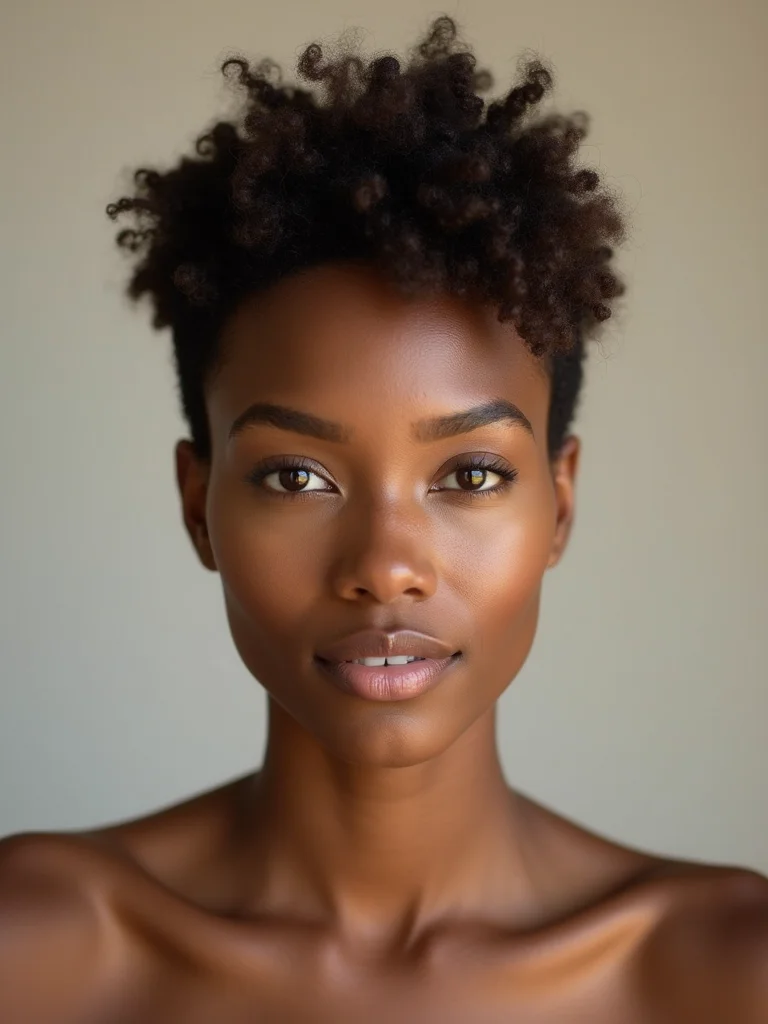
The word asymmetrical scares people off. They picture something extreme, half a head shaved, one side at the chin and the other at the collarbone, a look you have to be brave to wear. Most asymmetrical bobs are nothing of the sort. The vast majority are subtle, just a little longer on one side, quiet polish rather than a statement piece.
That off-balance line is the oldest trick in cutting: it draws the eye, adds movement, and slims the face, all without a single wild move. This roundup runs the full range, from a barely-there A-line to a truly bold shaved side, so you can find the amount of drama that fits your nerve. Pick your level and the cut does the rest.
The Short Story on Asymmetry
An asymmetrical bob simply means one side is cut longer than the other, and the gap can be a few millimeters or several inches. Subtle versions flatter almost everyone and pass anywhere; bolder ones with a shaved side or a dramatic angle make a real statement. The longer side tends to draw the eye and slim the face, which is why the cut is so quietly flattering.
Upkeep tracks the length: shorter, sharper angles need a trim every eight weeks or so, around $45, to hold the line, while longer, wavy takes forgive grow-out. Texture matters too, since a precise angle behaves differently on straight, wavy, and curly hair, and a good stylist cuts for that from the start.
The Sleek A-Line Asymmetrical Bob
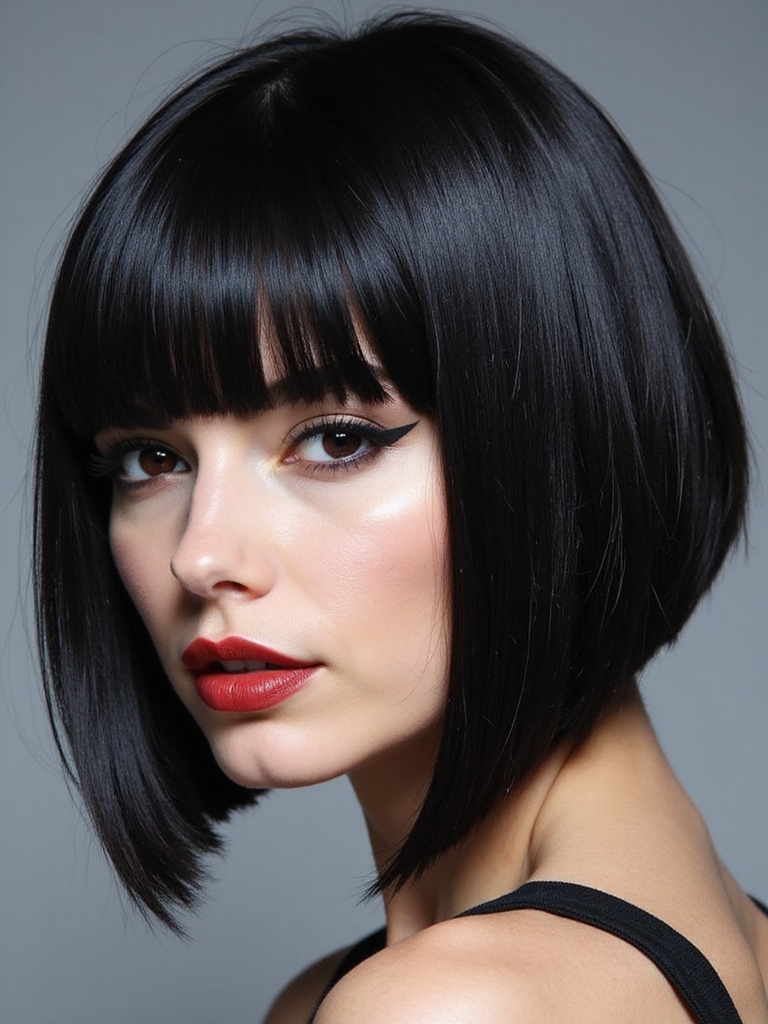
The A-line is asymmetry for people who swear they would never wear it. It is cut shorter behind and left longer up front, so the two forward pieces angle down past the jaw. The imbalance is gentle, the effect is pure polish.
The Easiest Way In
On straight, glossy hair the sloping line looks crisp and expensive, which is why the A-line has been a salon staple for years. It flatters nearly every face because those forward pieces frame and slim, and it grows out kindly. Start here if you want the range without the risk, or see the classic A-line bob in full.
It is the gateway asymmetrical bob: low drama, high payoff. Blow it smooth and it reads corporate-sharp; add a bend and it softens right down.

A Choppy, Piecey Asymmetrical Bob
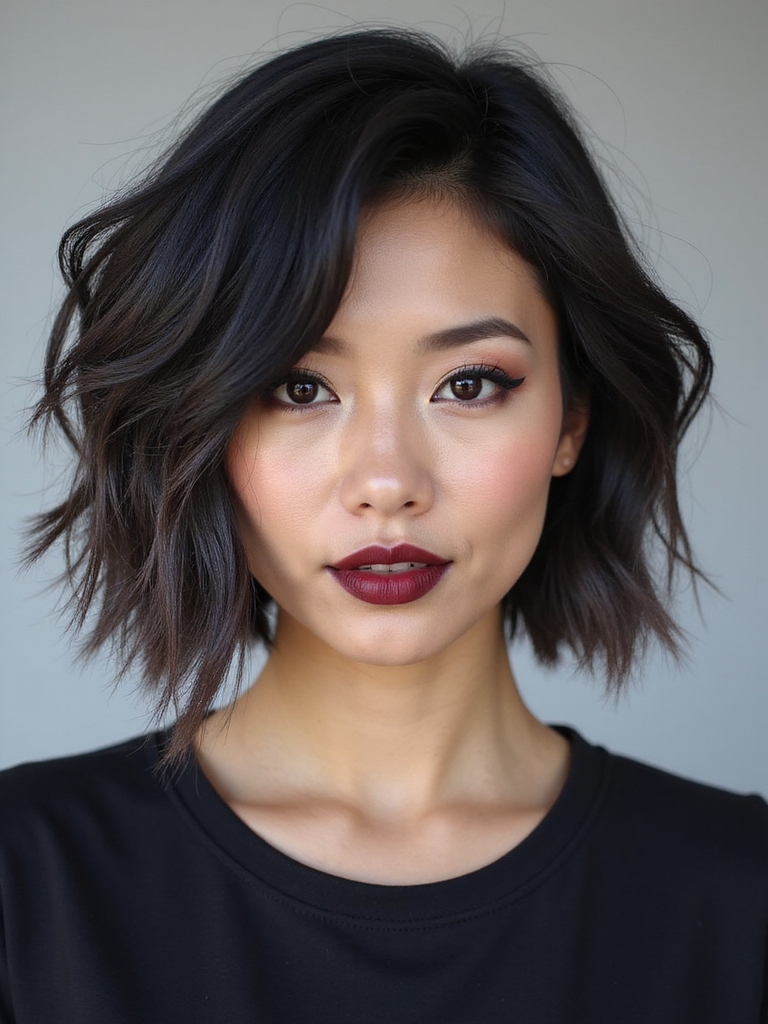
Turn the texture up and the asymmetry gets edgier. A choppy bob leans into uneven, piecey ends, so the off-balance line looks intentional and a little rock-and-roll. It is the same idea with more attitude.
It comes across younger and more casual than a sleek A-line, and it forgives a lot at the styling stage, since a bit of undone texture is baked into the design rather than a mistake to hide.
- The piecey ends make the uneven length read as deliberate design.
- It adds grit and movement, so the finish always keeps a bit of edge.
- It suits the edge-seekers over the polish crowd; browse a fuller choppy bob for ideas.
The Deep Side-Part Bob
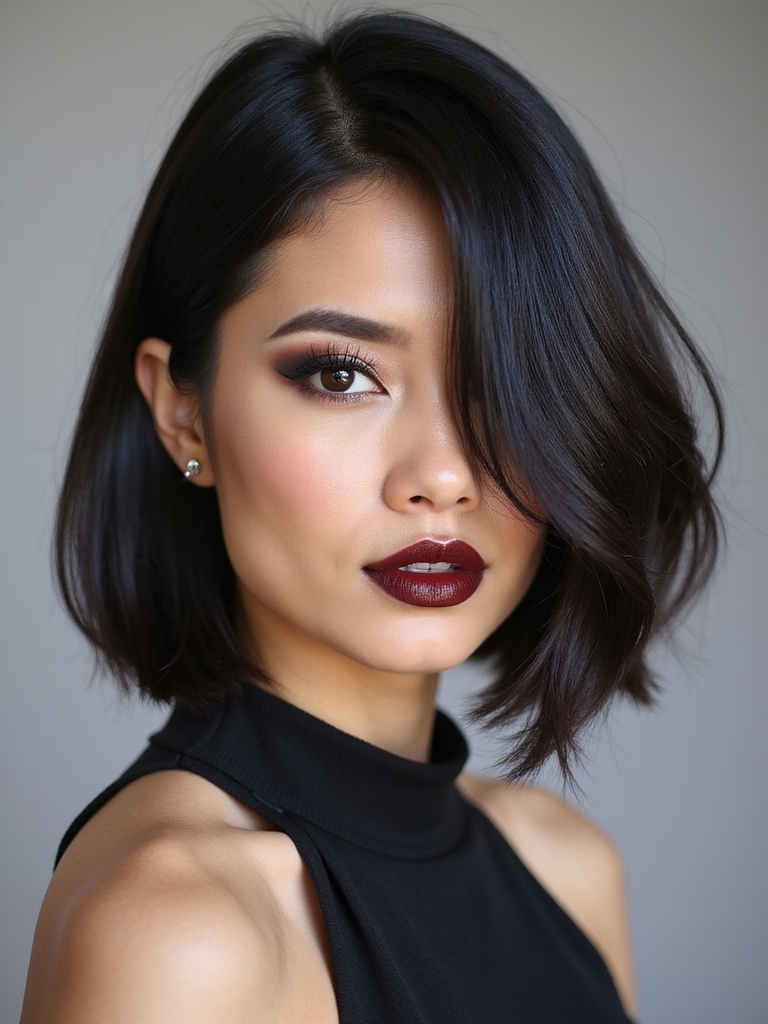
You can fake asymmetry with nothing but a comb. A deep side part drops one side much longer than the other, sweeping an elongated front across the forehead for instant off-balance drama. No extra cutting required.
It won’t hold as strongly as a cut-in angle, and a stubborn part may need a little pinning or product to stay put. But for a night out or a quick change of pace, flipping your part is the easiest asymmetry there is.
- The deep part creates asymmetry on an otherwise even bob.
- It lifts the roots and sweeps a longer piece across the face.
- It is the low-commitment way to test the look before you cut for it.
A few shape words that come up when you ask for asymmetry:
📖A-line
Shorter at the back, angling longer toward the front. The gentlest, most wearable asymmetry.
📖Inverted / graduated
Stacked and shorter at the back with a longer front. Adds volume at the crown along with the angle.
A Sharp Jaw-Skimming Angle
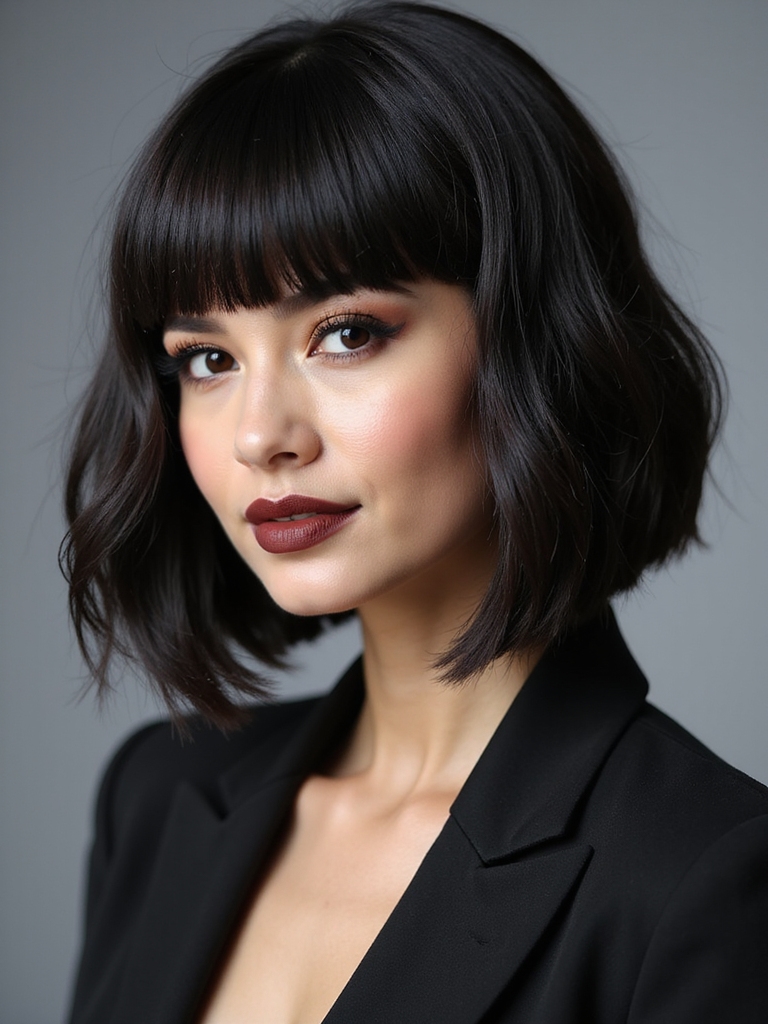
Bring the angle up to the jaw and it turns sculptural. This version is cut to skim the jawline and angle sharply toward the chin, so the shape hugs and defines the face. Why it lands:
- The jaw-skimming length draws a clean line right along the bone.
- The sharp forward angle points at and defines the chin.
- It is bolder than an A-line but still every bit as wearable.
The Wavy Asymmetrical Lob
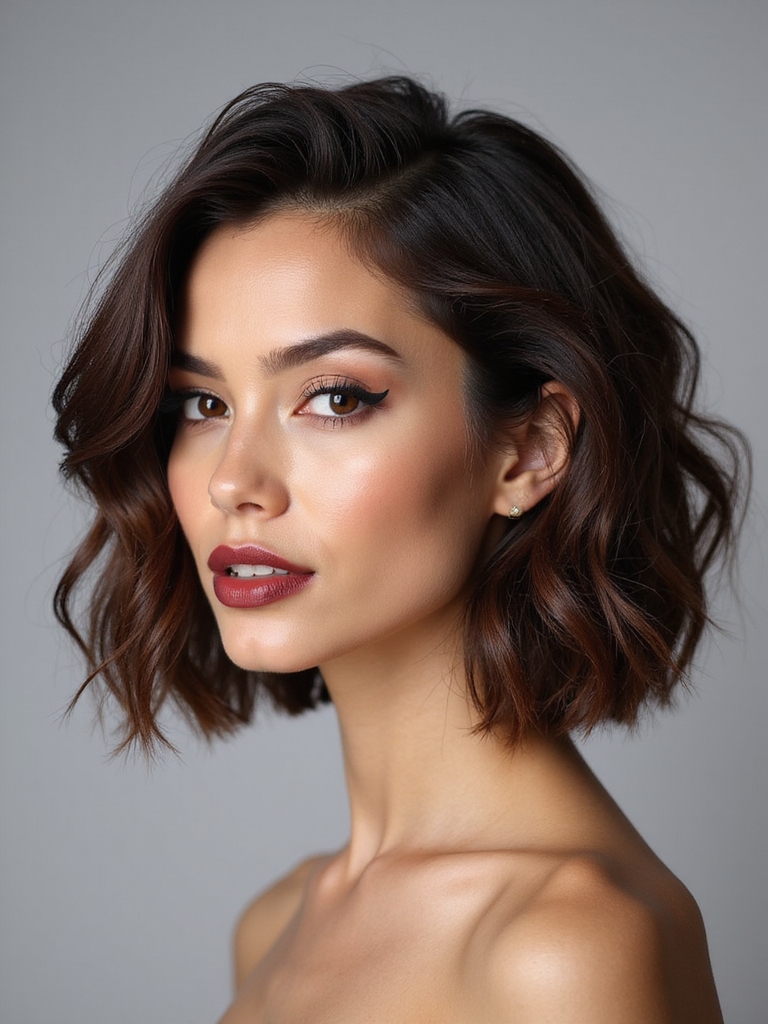
Not ready to go short? Keep the length and let waves do the softening. At collarbone length with a loose wave, an asymmetrical lob carries its uneven hem so gently that most people register the effect as simply pretty, missing the asymmetry altogether.
Soft, Not Sharp
The wave is the disguise. It blurs the exact line where one side ends and the other begins, so the asymmetry feels organic and grown-in. This is the version for people who love the flattering angle but not the hard edges.
It is also the most forgiving to grow out, since a soft wavy bob hides an uneven grow-out far better than a blunt one. Low fuss, easy to love.
An Off-Center Curly Bob
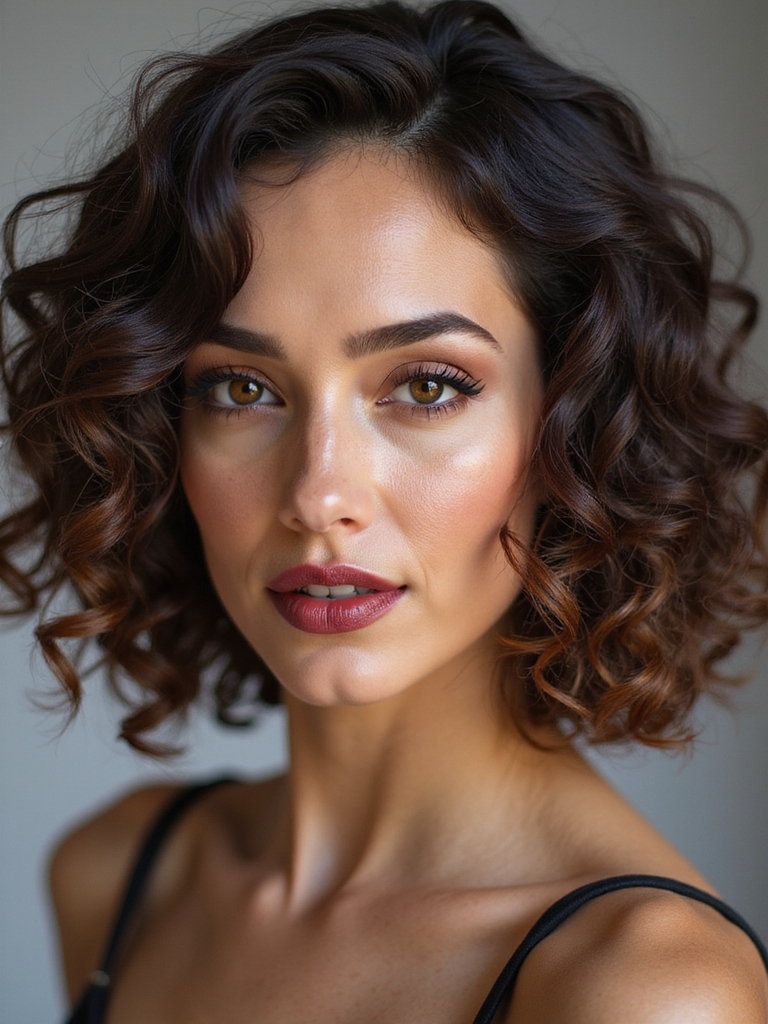
Asymmetry and curls are a natural match, because curly hair already has volume and movement that an off-center shape plays right into. A playful, uneven balance suits coils and waves beautifully, but the cut has to respect how curls behave. How to get it right:
- Cut it dry, or with shrinkage in mind, since curls spring up shorter than they hang wet.
- Let the natural volume fall to the longer side for a bold, lopsided shape.
- Work with your curl pattern, not against it, so the asymmetry looks intentional.
Cutting Curls for Shrinkage
On curly or coily hair, an asymmetrical line cut while the hair is wet will spring up shorter and land uneven once it dries. Ask for a dry cut, or for the length to be planned around your shrinkage, so the finished shape is the one you actually wanted.
The Stacked-Back Asymmetrical Bob
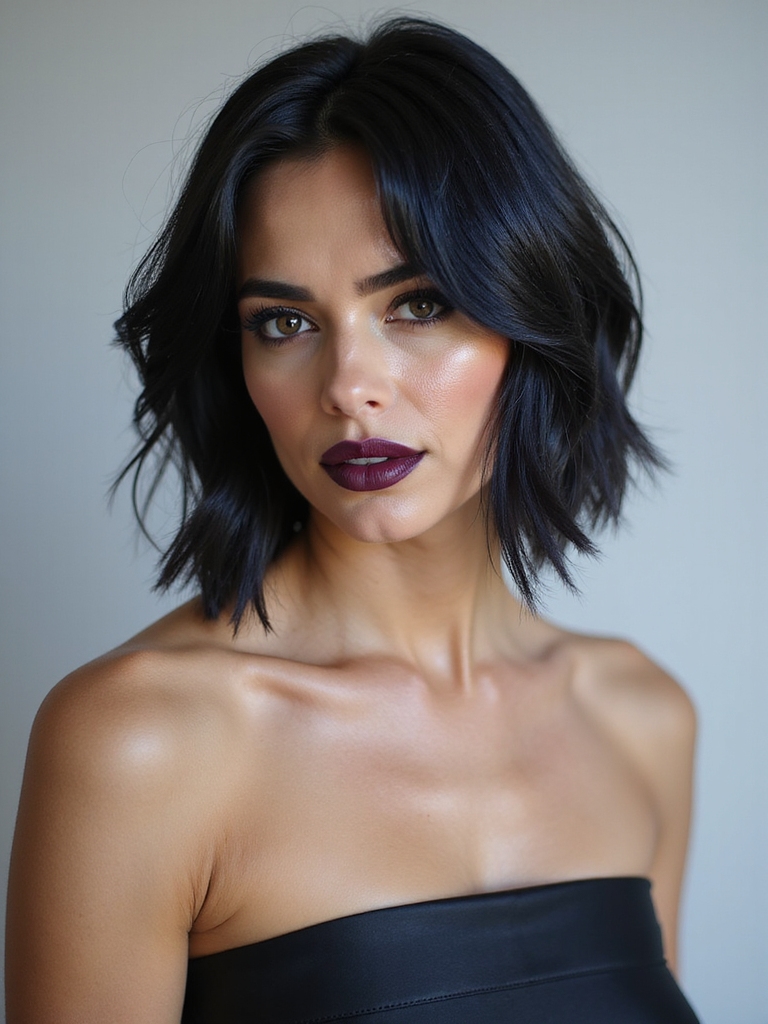
For anyone whose hair falls flat, stacking is the answer. This bob layers the back into a rounded, graduated stack for volume at the crown, then pairs it with one long, sweeping side for the asymmetry.
Built for Volume
That combination gives you shape from two directions at once: lift and body at the back, a dramatic angle at the front. It is a favorite on fine, straight hair that needs all the help it can get holding a shape.
The trade is upkeep, since a stacked nape grows out fast and needs regular shaping to keep its round form. But for volume plus drama in one cut, little else competes.
A Blunt Bob With a Weighty Swing
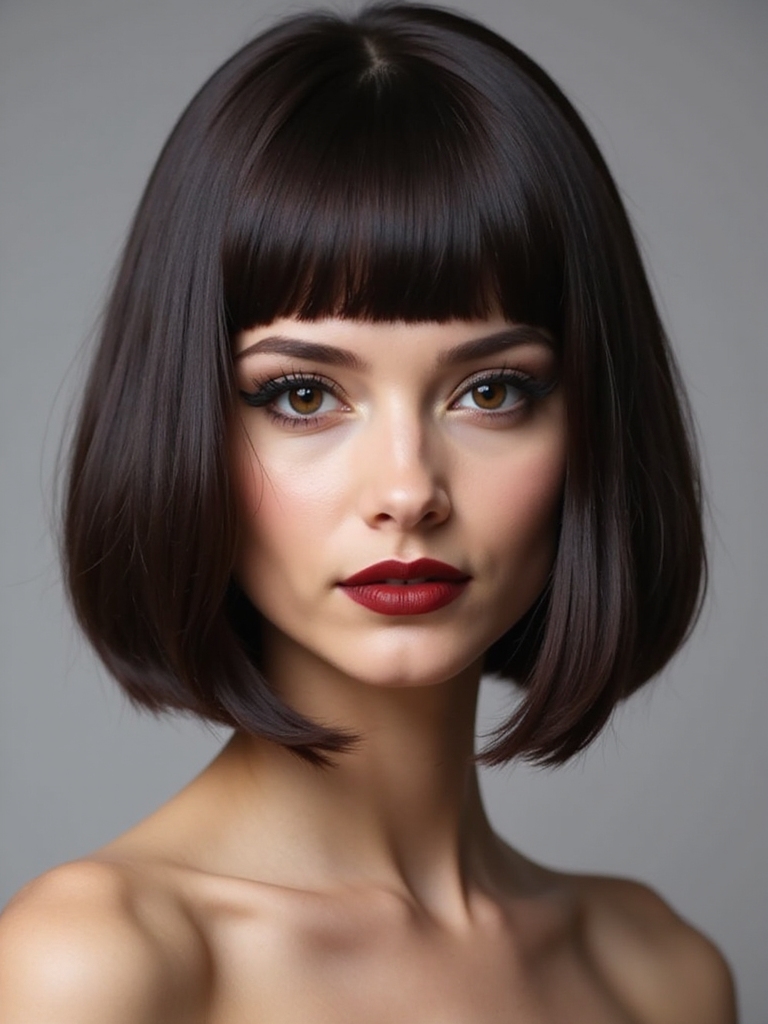
Where choppy goes piecey, this one goes solid. A blunt asymmetrical bob keeps the perimeter dense and sharp, so the longer side falls in one heavy, glossy swing that moves as a single piece. It is asymmetry with weight behind it.
Sharp and Heavy
The look depends on thick or medium hair that can hold a blunt line without thinning at the ends. On the right head it is striking: a hard, clean edge on an off-balance shape, all sheen and swing.
This is the boldest of the still-sophisticated options, sharp enough to turn heads but polished enough for anywhere. Keep the ends blunt and healthy and the swing does the talking.
How bold do you want to go?
🎯Want flattering, goes-anywhere polish?
A subtle A-line or side-part keeps the asymmetry quiet and office-safe.
🎯Want people to notice?
A micro, shaved-side, or blunt weighty swing makes the imbalance the point.
The Asymmetrical Micro Bob
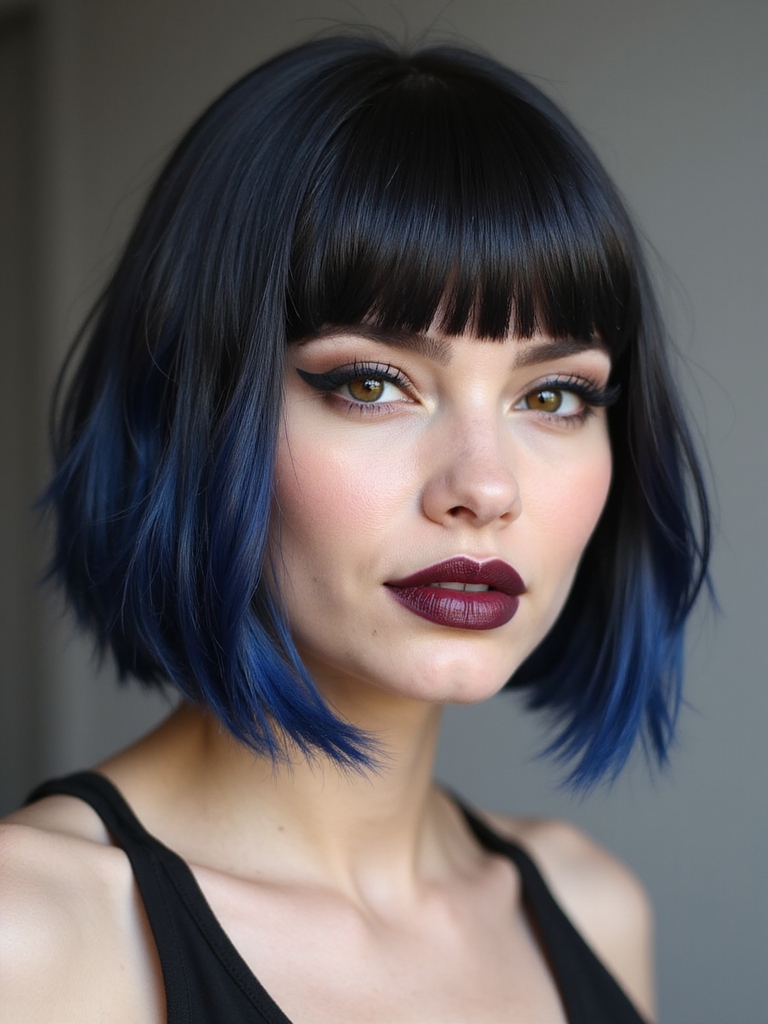
Now we are getting bold. A micro bob crops one side up very short while the other keeps real length, for a strong, high-contrast shape that makes no apology. This is asymmetry as the whole statement. What to weigh:
- The dramatic short-to-long contrast is unmissable and very modern.
- It puts your bone structure and neckline fully on show.
- It needs frequent trims to hold that sharp difference in length.
A Shaggy, Textured Asymmetrical Bob
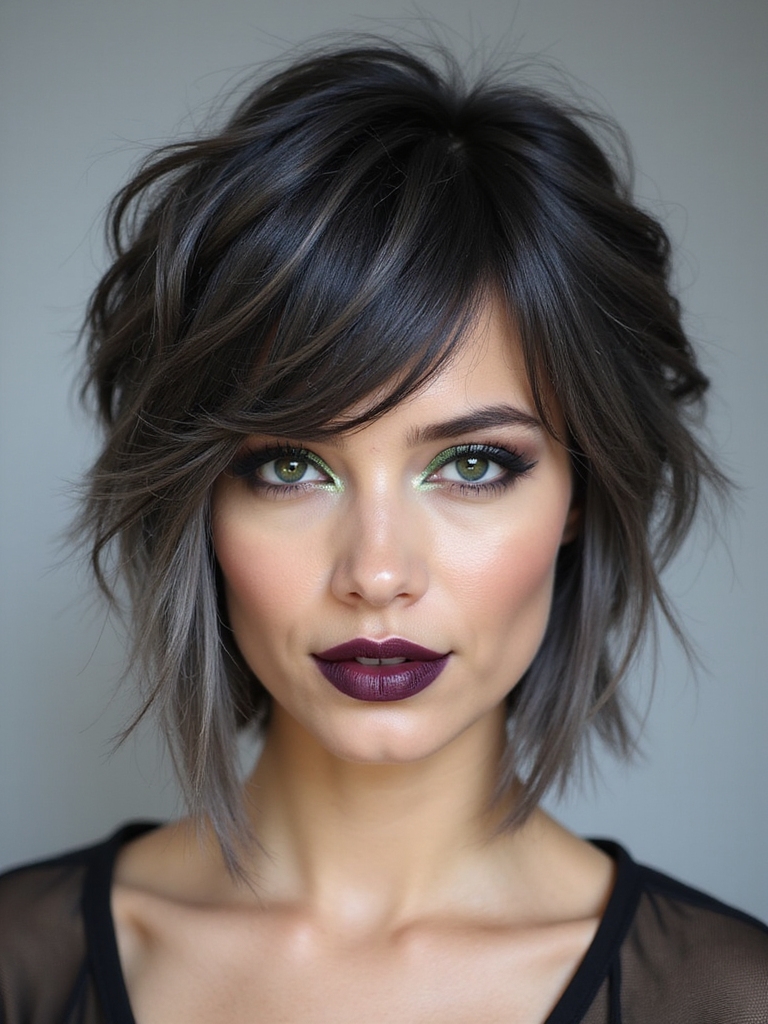
The shag brings the ’70s into the mix. Layered throughout with plenty of texture, a shaggy asymmetrical bob turns the uneven line into something soft, rumpled, and undone.
All those layers make the asymmetry feel easy, since the shape is already broken up and moving. It is a brilliant pick for wavy or fine hair that wants volume and an undone finish without a rigid cut.
Styling is about as low-effort as it gets: scrunch in some texture spray and go. A little end-of-day rumple only adds to the effect here, which is exactly why the low-maintenance crowd gravitates toward it.
The Side-Shaved Bob
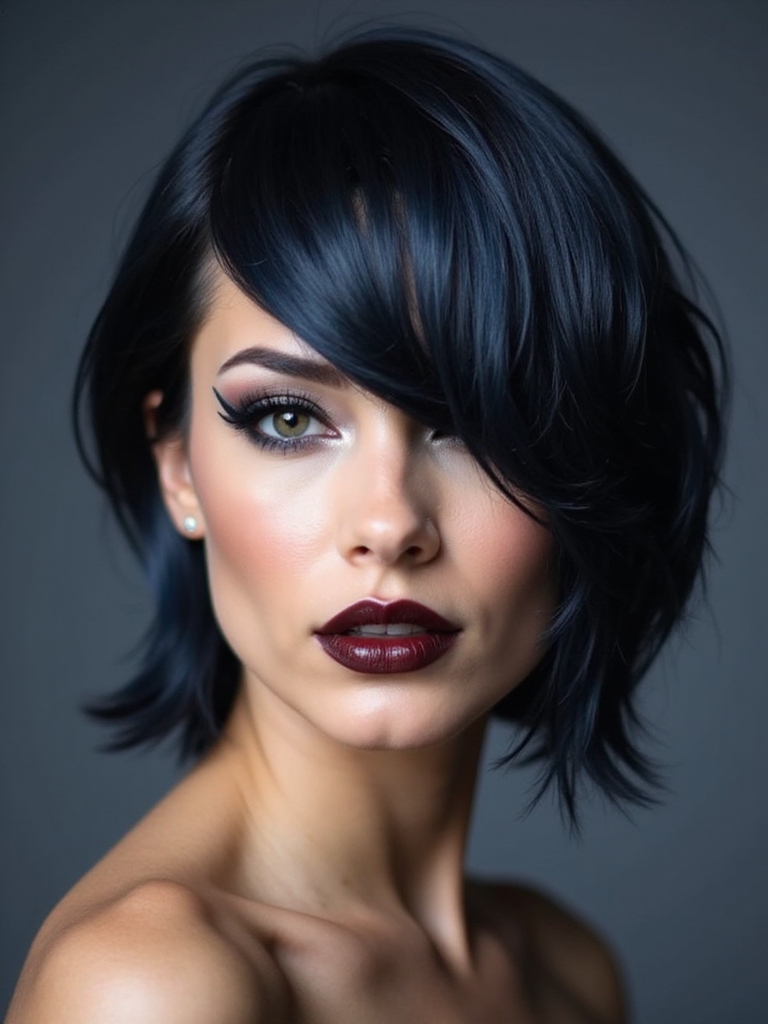
This is the version people picture when they hear asymmetrical, and it is the boldest on the list. One side is shaved or cut very close while the other falls long and glossy, for maximum contrast. Before you commit:
- The shaved side is a real statement and grows back slowly, so be sure.
- You can hide the shave by parting over it, or show it off, your call.
- It needs a clipper touch-up every two weeks or so to stay crisp.
| Style | Drama level | Upkeep |
|---|---|---|
| Shaved side | Highest | Clipper touch-up every two weeks or so |
| Micro / blunt swing | High | Trim every eight weeks or so |
| A-line / wavy lob | Subtle | Grows out gracefully; trim as needed |
An Inverted Bob With Face-Framing
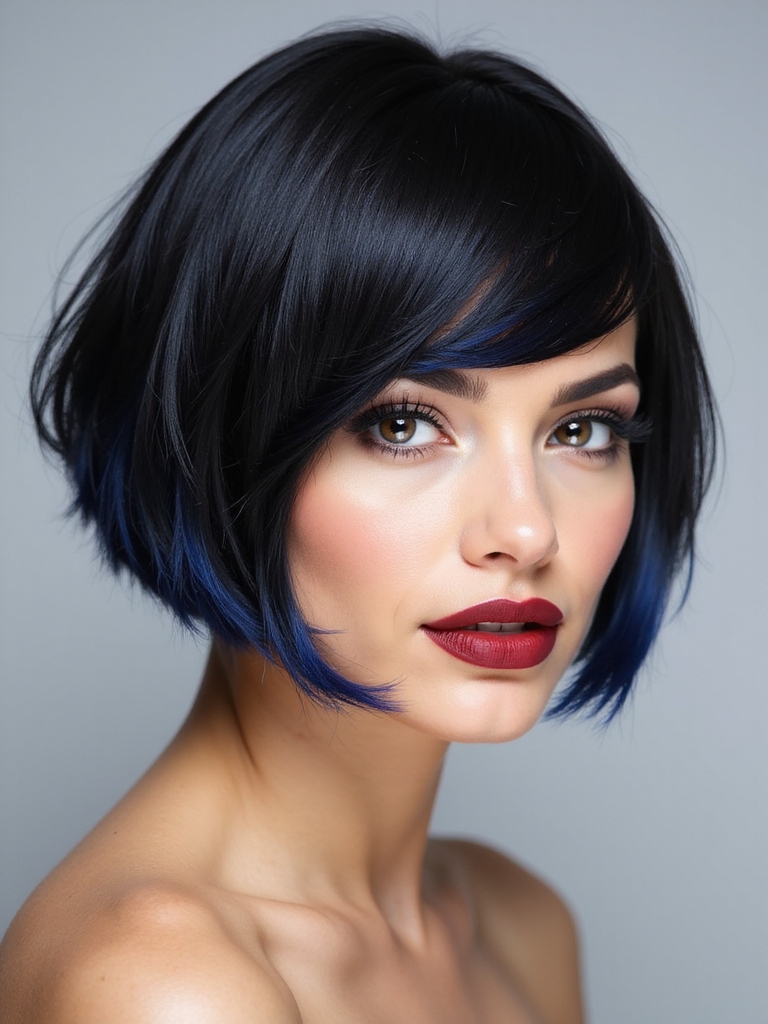
An inverted bob is shorter and graduated at the back, longer at the front, and adding an asymmetrical tilt plus soft face-framing pieces makes it extra flattering. The framing softens the angle right where it meets your face.
It is close kin to the angled bob, just with a gentle off-balance twist and those wispy front pieces. The result flatters most face shapes, because the framing and the angle work together to slim and define.
A Feathered Bob for Fine Hair
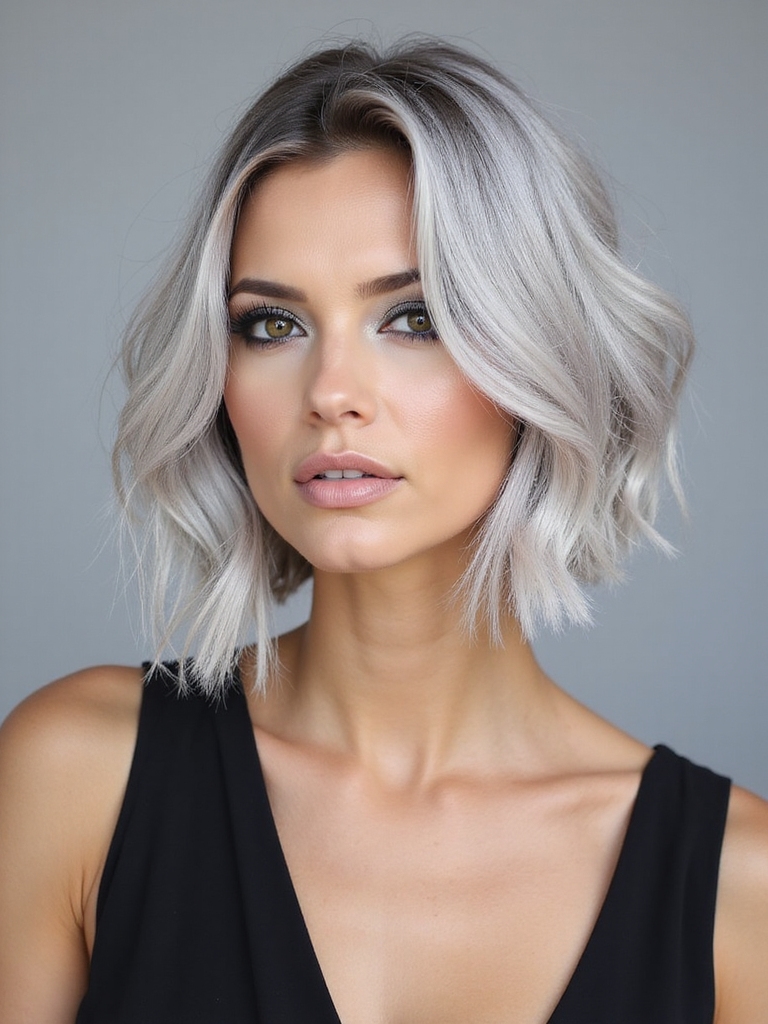
Fine hair gets its own version. A feathered, airy asymmetrical bob uses soft, wispy layers to create movement and the illusion of fullness, so thin hair looks like it has more going on. It is asymmetry tuned for delicacy.
Because the layers stay soft and long, they add movement without the puffiness fine hair dreads. It is the most delicate take on the whole list, and the easiest to wear if your hair runs thin.
- The feathered layers add the appearance of volume to fine hair.
- A softer, airier finish suits delicate hair far better than a heavy blunt line.
- The gentle asymmetry adds interest without weighing thin hair down.
Tousled Beach-Wave Asymmetry
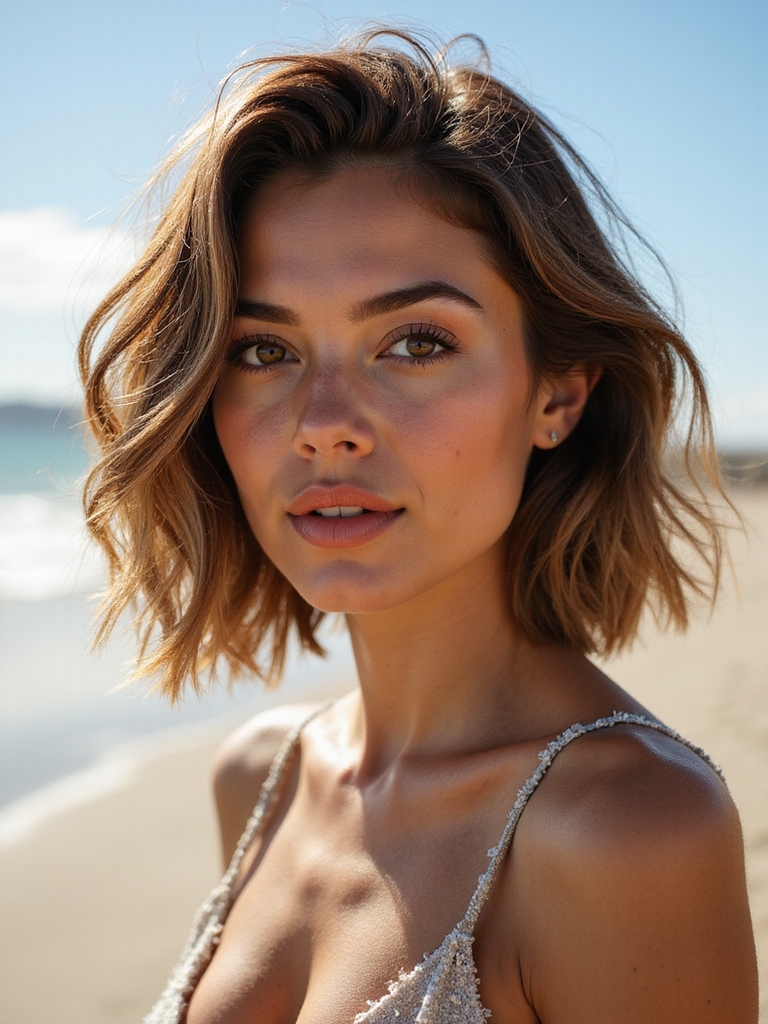
Take the asymmetrical bob on holiday and this is what you get. Tousled beach waves relax the shape into something casual and sun-ready, with an uneven hemline peeking through the texture. It is the least fussy way to wear the cut.
The waves and the asymmetry cover for each other. Neither has to be perfect, so a rough morning of hair still looks intentional, which is exactly the appeal of a beachy finish.
Spritz in some salt spray, rough-dry, and leave it. This is a summer-all-year kind of bob, equally at home at the beach and running errands.
The Precision-Cut Bob for Thick Hair
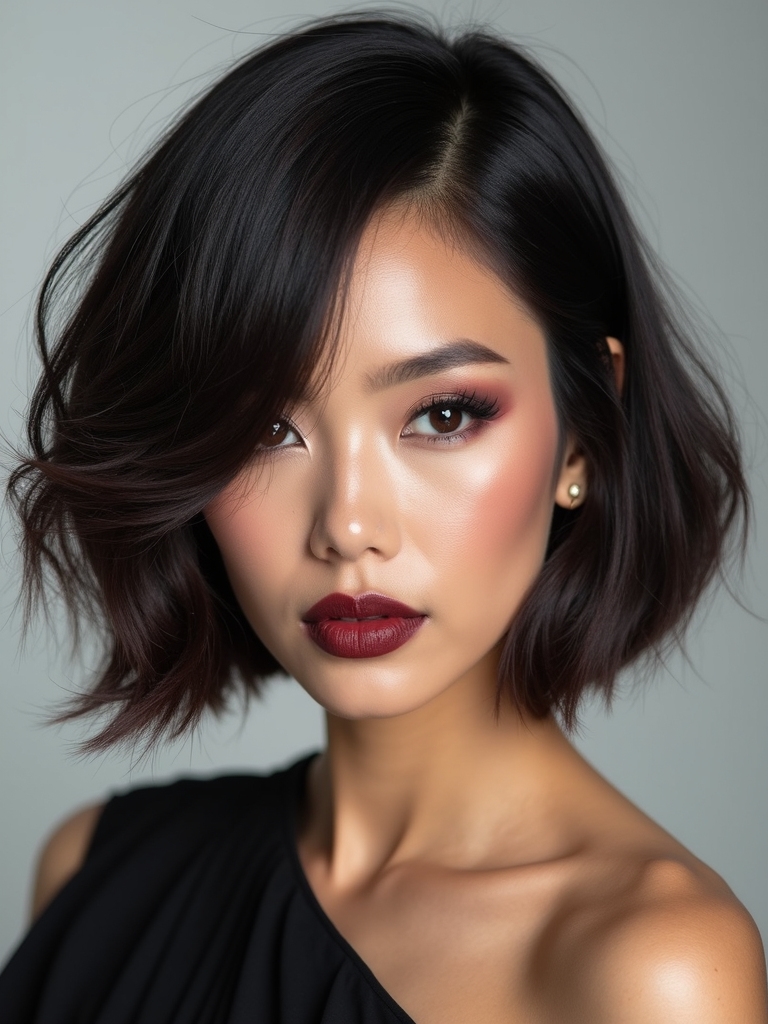
Thick hair can carry the sharpest asymmetry of all. A precision-cut angled bob uses that density to hold a crisp, exact line from the shorter side down to the longer one, with no softening needed. The weight keeps the angle knife-clean.
It is the version that rewards a skilled cutter and healthy ends, since every flaw shows on a line this exact. Keep the perimeter sharp and well-conditioned and it looks custom-made.
- Dense hair holds a sharp, precise angle that fine hair can’t sustain.
- It may need internal thinning so the shape lies flat to the head.
- The clean line makes a serious, sophisticated statement on thick hair.
Styling Tips
Whichever angle you land on, a few habits keep an asymmetrical bob looking sharp. Smooth versions want a flat-iron or a round-brush blowout finished with a little serum, so the longer side falls in one clean, glossy sheet. Always aim your heat and product toward the longer side, since that is the piece everyone notices. A little root lift on the shorter side keeps the two halves balanced.
For the textured and wavy takes, the job is the opposite: work in a salt or texture spray, scrunch, and let it dry rough for that undone finish. Whatever the style, book a trim on schedule, because asymmetry lives and dies on that precise difference in length, and a blurred line loses the whole effect. Keep the angle honest and the bob keeps its drama.
Asymmetrical Bob Questions
?Will an asymmetrical bob suit a round face?
Usually very well. The uneven line and the longer front pieces break up the roundness and draw the eye down, which lengthens and slims the face. A version that angles well past the jaw tends to flatter a round face most, and beats a blunt chin-length cut for it.
?How do I keep both sides looking even as it grows out?
You don’t force them even, you keep the difference deliberate. Asymmetry blurs as it grows, so book a trim every eight weeks or so on the sharper cuts to reset the angle. Softer, wavy versions can go longer, since a loose wave hides the grow-out.
?Can I wear an asymmetrical bob with curly hair?
Yes, and it can look great, but it has to be cut for your curls. That means cutting dry or planning for shrinkage, since curls dry shorter than they hang wet. Done right, your natural volume falls into the longer side and the asymmetry looks intentional.
Find Your Level of Off-Balance
What makes the asymmetrical bob such a keeper is that it is really a whole family of cuts, not one look. The same off-center idea stretches from a whisper of an A-line to a shaved-side statement, which means the question was never whether it would suit you, only how much drama you feel like wearing.
So think about your hair, your face, and how much of a moment you want your haircut to be, then pick your point on that scale. Start subtle if you are unsure; you can always take it bolder next time. The angle is yours to dial up or down.
Next Up