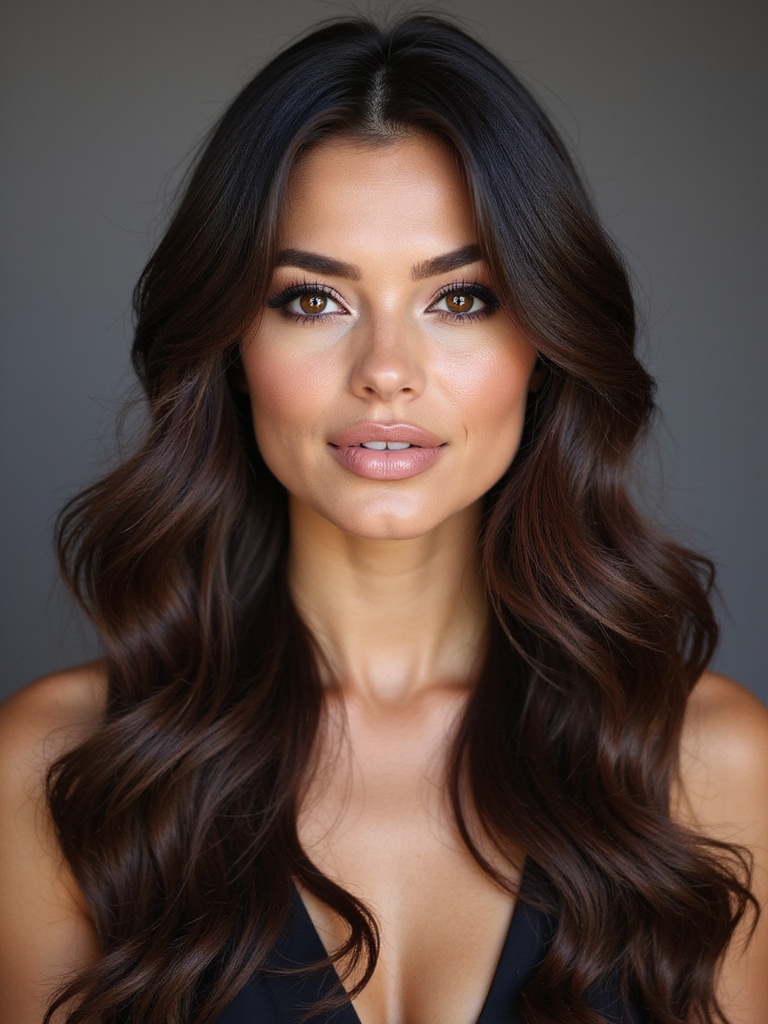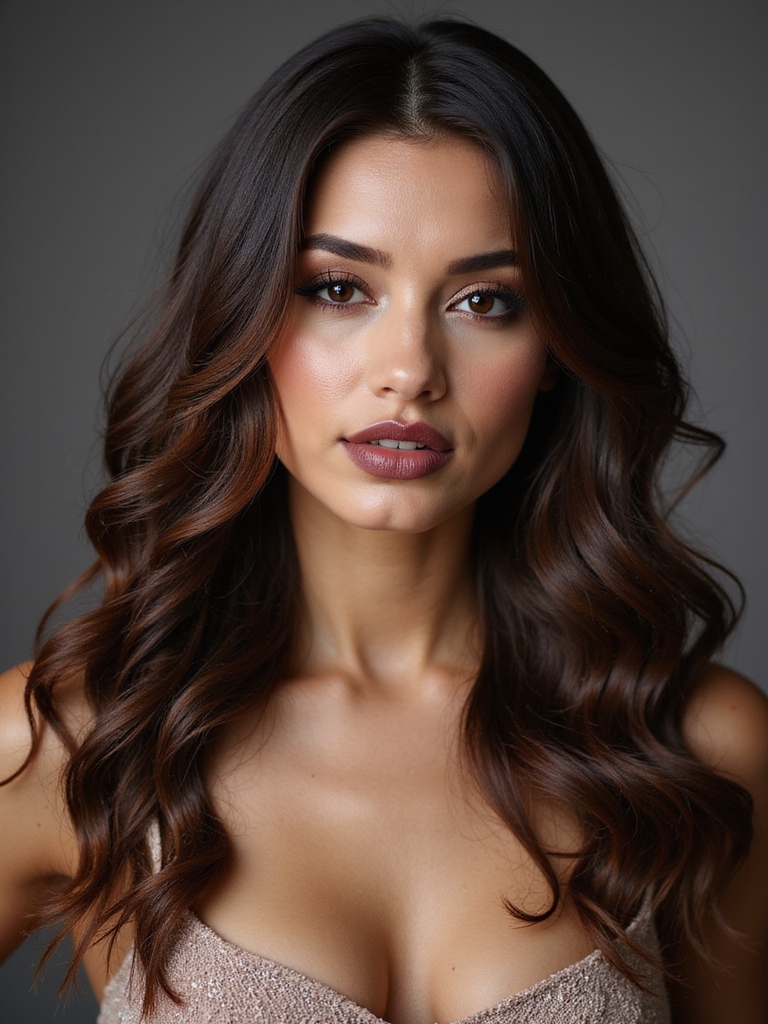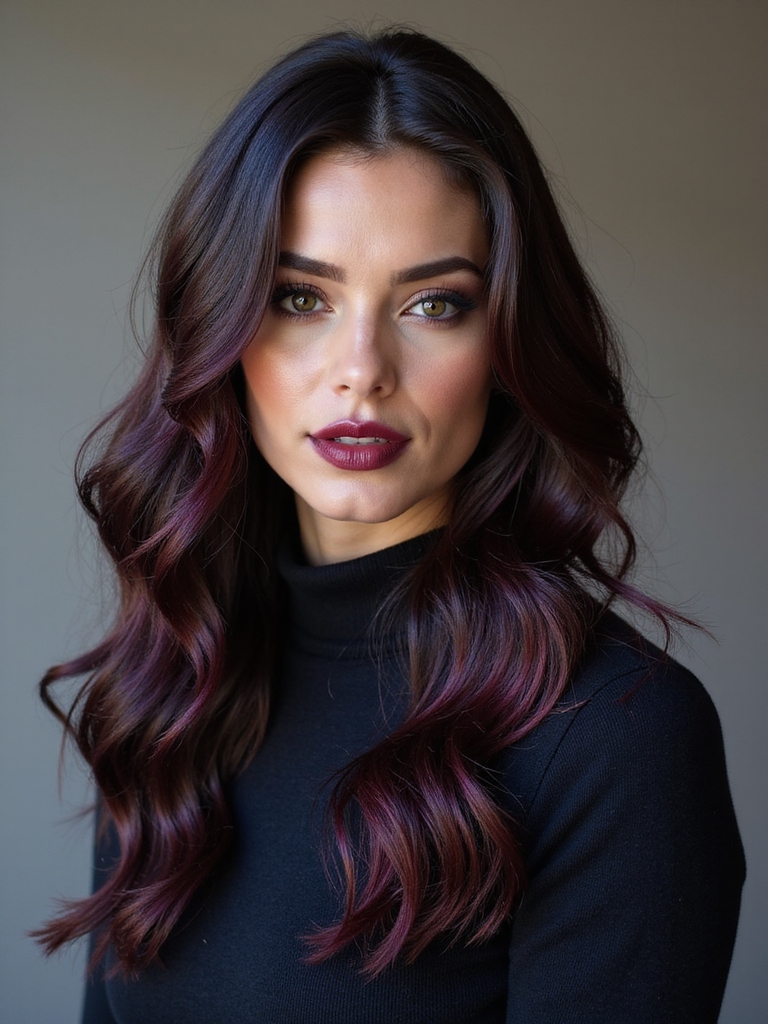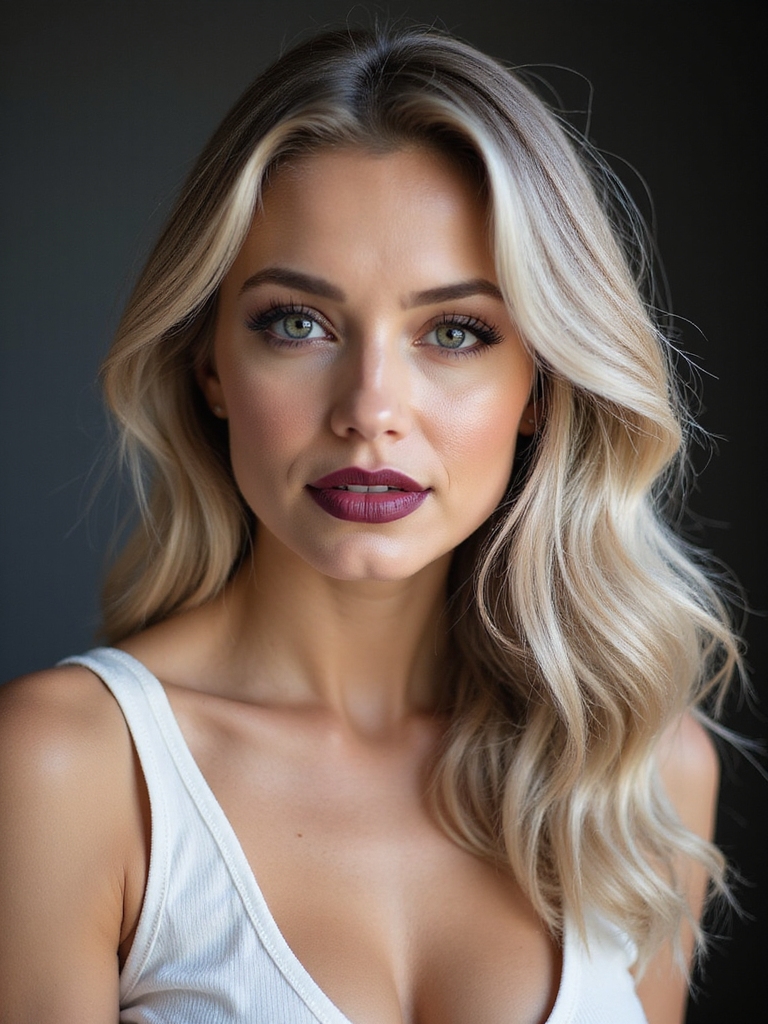
Here is the honest truth about blonde in the colder months: the bright, icy platinum that looked so good against a summer tan can wash you out the moment the light goes gray and flat. Fall and winter call for a different blonde, one with warmth and depth woven back in, the kind that flatters pale winter skin instead of competing with it. The shade that made you glow in July is rarely the one that suits you in November.
So this is a guide to the blondes that actually belong in the cold months: honeyed, caramel, beige, rooted, and copper-kissed tones that read rich and expensive against a wool coat. The shades below run from barely-there warmth to a bold platinum reset, each one with the undertone it flatters and the upkeep it asks for, so you can find a blonde that carries you beautifully from the first frost to spring.
Cold-Weather Blonde, in Brief
- Fall and winter blonde goes warmer and deeper: think honey, caramel, beige, and rooted shades over summer’s icy brights.
- Rooted, balayage, and lowlit blondes are the low-maintenance choices that grow out softly through the busy cold months.
- Winter dryness and brassiness are the two upkeep battles; a purple gloss and a weekly mask handle most of it.
Warm Honey Blonde

If there is one blonde that belongs in fall, it is warm honey. The golden, slightly amber tone radiates warmth against gray skies and pale winter skin, the way a good honey blonde seems to glow from within even on the dreariest day. It is the shade I send the most clients home with when the weather turns, because it flatters nearly everyone and looks rich and cozy.
- A golden, amber-warm blonde that flatters pale winter skin.
- Suits most warm and neutral undertones beautifully.
- The coziest cold-weather blonde. See our honey blonde guide.
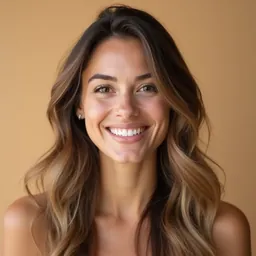
Caramel Balayage Dimension

Caramel balayage is the low-maintenance darling of fall blonde, and for good reason. The hand-painted caramel ribbons add warm, edible dimension through your hair while keeping the roots soft, so the whole color looks deep and expensive. It is blonde with the volume turned down and the richness turned up, which is exactly the cold-weather mood.
Why caramel balayage is so low-upkeep
What makes it so easy is the grow-out. Because the caramel is painted on and the roots stay natural, you can stretch your appointments to every two to three months without a harsh line ever appearing. For anyone too busy for the salon when the holidays hit, this is the answer.
Caramel also flatters warm and olive skin tones especially well, where the golden-brown depth brings out warmth in the complexion. Pair it with a gloss to keep it shiny through dry winter air. Our balayage guide covers the technique.
ℹ️Why Blonde Warms Up in Winter
It is not just a trend; there is a real reason cold-weather blonde goes warmer. In flat, gray winter light, very cool and icy tones lose the sunny backdrop that flattered them in summer and can read sallow or washed-out against pale skin. Warm and neutral blondes, by contrast, add the glow your complexion loses when the tan fades, which is why honey, caramel, and beige shades feel so right the moment the temperature drops.
Soft Buttery Blonde

Buttery blonde is the creamy, soft middle of the blonde spectrum, neither icy nor brassy but a smooth, warm-leaning cream. It holds onto a little of summer’s sunny softness while staying gentle enough for winter, which makes it the transitional blonde, the one to ask for when you are not ready to go fully dark and rich yet. It glows without shouting.
- A creamy, smooth blonde between icy and golden.
- The gentlest bridge from summer brights into winter warmth.
- Flatters light-to-medium skin with neutral undertones.
Icy Champagne Glow

For those who refuse to give up their cool blonde when summer ends, icy champagne is the compromise. It keeps the cool, pale sophistication of a winter blonde but warms it just a fraction with a champagne softness, so it flatters pale skin without the harsh, washed-out edge that true platinum can bring in flat winter light. It is the elegant cold-weather cool blonde.
- Cool and pale, but softened with a warm champagne note.
- Flatters cool undertones without washing them out.
- Needs purple toning every week or two to stay icy.
| If You Want | Try | Upkeep |
|---|---|---|
| Low maintenance | Sandy, rooted, or caramel balayage | Every 2 to 3 months |
| Cool and modern | Ash-beige, smoky beige, icy champagne | Weekly toning |
| Warm and cozy | Honey, copper-kissed, strawberry | Color-depositing conditioner |
Smoky Beige Blonde

Smoky beige is the quiet-luxury blonde, a muted, neutral tone with a soft gray-beige smokiness that feels incredibly sophisticated. It avoids both gold and brass, sitting in a cool-neutral space that looks modern and expensive against winter neutrals. This is the blonde for someone who wants quiet and understated.
- A muted, neutral blonde with a smoky gray-beige cast.
- Looks sophisticated and modern, with no brass.
- Best on cool and neutral undertones; needs faithful toning.
Golden Ash Neutral Blonde

Can’t decide between warm and cool? Golden ash is the clever blend that gives you both, marrying golden warmth with an ashy coolness for a balanced, neutral blonde. The warmth keeps it flattering in cold light while the ash keeps it from going brassy, which makes it among the most universally wearable winter blondes.
This balance is also forgiving on upkeep, since the touch of warmth means brassiness shows less dramatically than on a pure ash blonde. It is the diplomatic choice, suiting the widest range of skin tones with the least fuss.
- Golden warmth plus ashy coolness for a true neutral.
- The warmth hides brassiness better than pure ash.
- Among the most universally flattering winter blondes.
Think Twice About a Big Lift in Winter
If your hair is already feeling dry and fragile from the cold, going dramatically lighter, especially to platinum, is a risk worth weighing. Bleaching stresses hair most when it is already compromised, and winter dryness compounds that. If you want to go much lighter, build up your hair’s strength with bond and moisture treatments for a few weeks first, and ask your colorist about lifting gradually over a couple of sessions rather than all at once.
Honey Blonde With Lowlights

Adding lowlights to honey blonde is how you build real depth for winter, and it is one of my favorite cold-weather moves. Where highlights lift, lowlights weave darker, warmer pieces back in, so your blonde gains dimension, richness, and a more natural, expensive depth. It is the way to take a flat summer blonde and give it cold-weather body.
Lowlights are also a smart way to go a little darker for winter without committing to an all-over dye. Your colorist places deeper honey and golden-brown ribbons through the blonde, which instantly looks richer and warmer the moment the light changes.
This dimensional approach grows out gently too, since the varied tones disguise regrowth far better than a solid color. It is depth and low maintenance in a single service, which is hard to beat in a busy season.
Low-Maintenance Sandy Blonde

Sandy blonde is the natural, lived-with shade that looks like you were simply born with good hair. A soft mix of warm and cool with a slightly darker, sandy depth, it is the most low-maintenance blonde here because it sits so close to many people’s natural color. The roots blend, the brass stays low, and the salon visits stretch to every two to three months.
The most forgiving blonde to grow out
This is the blonde I recommend to anyone who loves the idea of blonde but hates the upkeep. It looks intentional yet undemanding, and because it is rooted in natural-looking depth, a missed appointment never shows the way platinum would.
It flatters a huge range of skin tones thanks to its balanced, neutral-warm cast. For low effort and high payoff through a busy winter, sandy blonde is hard to top.
👍Blonde in the Cold Months
- +Warm blondes add glow that pale winter skin loses.
- +Rooted and balayage shades stretch easily through busy months.
- +Dimension and lowlights hide regrowth beautifully.
👎What to Weigh
- –Winter dryness dulls blonde faster; masks are non-negotiable.
- –Cool shades need frequent toning to fight brass.
- –A big lift on already-dry hair carries real risk.
Strawberry Blonde Face-Framing Highlights

Strawberry blonde is autumn in a hair color, all warm, rosy-golden tones that echo turning leaves. Worn as face-framing highlights, it brightens your complexion with a soft warmth right where it counts, around the eyes and cheekbones. It is romantic, a little unexpected, and deeply flattering in cold-weather light.
Why strawberry suits autumn skin
The strawberry tone is especially kind to fair skin with warm or pink undertones, and to anyone with a hint of natural red, since it works with rather than against your warmth. As face-framing pieces, it is also lower-commitment than an all-over strawberry.
Keep in mind that red and strawberry tones fade faster than other blondes, so a pigmented, color-saving rinse helps hold the warmth. The payoff is a glow that feels made for the season.
Bold Platinum Reset
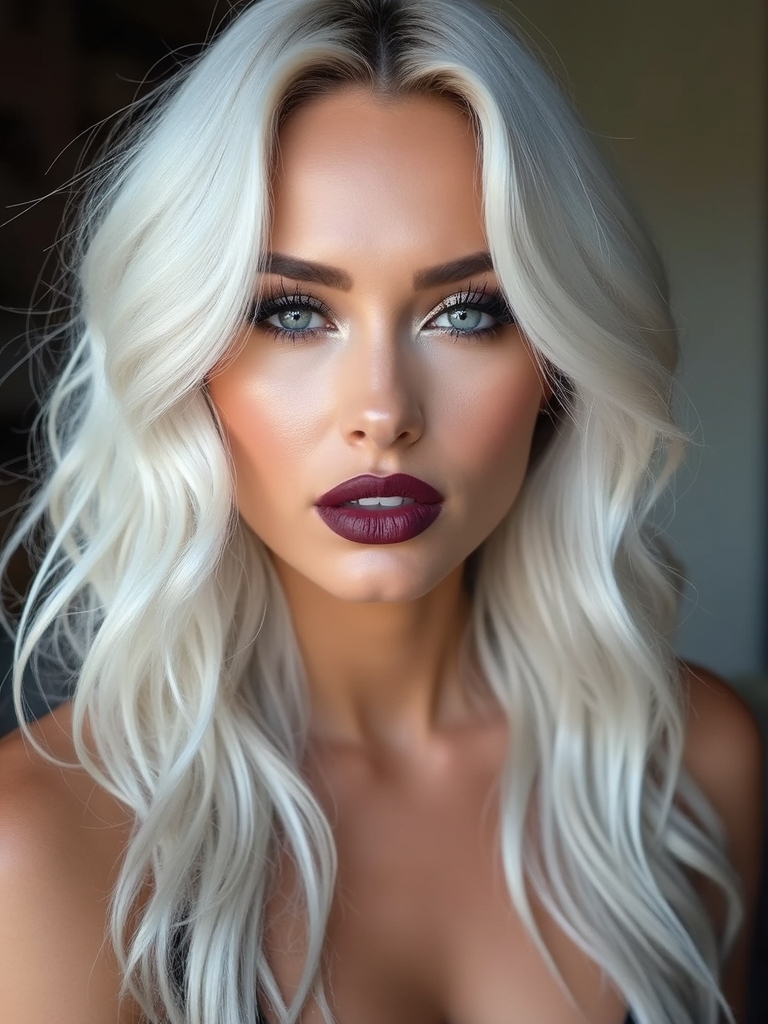
Not everyone wants to go warm, and for the bold there is the platinum reset, a clean, icy, modern blonde that makes a real statement. Going platinum for winter is a striking, high-contrast choice against pale skin and dark coats, and it looks fashion-forward and fearless. It is the opposite of the cozy-warm approach, and on the right person it is striking.
- Clean, icy platinum for a bold winter statement.
- The highest-upkeep blonde: frequent toning and root work.
- Lean on bond-builders and gloss. See our platinum blonde guide.
Rooted Blonde With Glossed Layers

Rooted blonde is the modern, practical way to wear light hair through winter, with the roots kept deliberately soft and natural and a glossy shine carried through the lengths. The dark-to-light root melt means regrowth simply blends in, while the gloss fights the dullness that dry winter air brings. It is blonde engineered for the cold months.
- Soft, natural roots that grow out without a harsh line.
- A glossing treatment every few weeks fights winter dullness.
- The most appointment-stretching way to stay blonde.
Soft Champagne Highlights

Soft champagne highlights are the subtle, brightening choice, fine pieces of pale champagne blonde woven to frame the face. They lift your complexion gently without the commitment of an all-over blonde, which makes them a lovely low-stakes way to brighten up for the holidays. The effect is soft, expensive, and barely-there.
Highlights for the blonde-curious
Because the highlights are delicate and face-framing, they catch the light around your features while leaving most of your base intact. That means less bleach, less upkeep, and a gentler grow-out than a full head of blonde.
Champagne is a warm-cool neutral that flatters most skin, so this is a safe, flattering choice for someone testing blonde for the first time. It brightens without dominating, which is sometimes exactly the point.
Muted Creamy Ash-Beige Blonde

Ash-beige blonde is the cool-girl shade of the season, a muted, creamy blend of ashy coolness and soft beige that looks coolly chic. It sidesteps brass entirely, landing in a smoky, neutral-cool space that suits winter whites and grays. This is the blonde for someone who wants understated, editorial cool.
The toning this shade demands
The trade for that cool perfection is toning, because ash and beige tones rely on faithful purple care to stay true and not drift warm. If you love the muted, expensive look, the upkeep is worth it.
It flatters cool and neutral undertones best, where the smoky beige brings out a clean, polished quality in the skin. On warm skin it can read a touch flat, so it is one to weigh against your undertone.
Copper-Kissed Autumnal Blonde

Copper-kissed blonde is the most seasonal shade here, a blonde warmed with glints of copper and amber that look pulled straight from autumn itself. The copper threads bring fiery warmth and dimension without going fully red, so it comes across as a rich, glowing blonde with a sunset edge. It is the boldest warm blonde, and the most autumnal.
Caring for copper tones
This shade is made for warm and golden skin tones, where the copper amplifies your natural warmth into a real glow. It is unexpected enough to feel fresh while still flattering, a favorite for clients who want warmth with personality.
Like all copper and red tones, it fades faster than neutral blondes, so a color-depositing conditioner and cooler washes help hold the warmth. The seasonal glow it gives is worth the small extra effort.
Sun-Kissed Dimensional Balayage

End on the crowd-pleaser: a sun-kissed dimensional balayage that holds a little summer warmth into the cold months. Multiple tones of soft blonde are painted through for depth and movement, so the color shifts and catches light like real sun on hair. It is the most natural-looking blonde here and the easiest to live with all winter.
The dimension is what makes it endure, since the varied tones disguise regrowth and keep the color from ever looking flat. It is the blonde that quietly works no matter the season, which is why it never really goes out of style.
- Multiple soft blonde tones painted for natural dimension.
- Grows out softly and never looks flat or one-note.
- The most natural, livable blonde for the whole season.
Maintenance & Care
Winter is hard on blonde hair in two specific ways, and both are manageable once you know them. The first is brassiness: as your toner fades, warm and yellow tones creep back in, especially on cool blondes like ash, beige, and platinum.
A purple or blue toning shampoo once or twice a week neutralizes that warmth, and a professional toning gloss every four to six weeks, usually $45 to $75, resets the shade between full color appointments. Wash with cooler water and limit heat, both of which strip toner faster.
The second battle is dryness. Lightened hair is more porous to begin with, and dry indoor heat plus cold outdoor air pull moisture out fast, leaving blonde looking dull and feeling straw-like.
A rich weekly mask, a bond-building treatment for anyone going platinum or doing a big lift, and heat protectant every single time you reach for a hot tool are what keep winter blonde shiny and strong. Book a small trim or dusting every couple of months too, since dry, stressed ends are what make a color look tired no matter how fresh the tone.
Fall and Winter Blonde Questions
?Should I go darker with my blonde for winter?
Most people look better with a slightly deeper, warmer blonde in the cold months, since flat winter light and paler skin make icy tones harsh. You do not have to go truly dark; adding lowlights, a rooted base, or a warm gloss over your existing blonde is often enough to make it read right for the season.
?How much does a blonde color cost?
Technique drives the number more than anything else. Think of it in three tiers: a quick tone-up sits at the low end, a dimensional service like balayage or highlights sits solidly in the middle, and a full lift from dark to platinum sits well above both, sometimes spread across multiple visits to protect the hair.
Ask your colorist for the tier your dream shade falls into before you book, since rooted and dimensional blondes end up cheaper long-term simply because they need fewer trips back.
?How do I stop my blonde from going brassy in winter?
Use a purple toning shampoo once or twice a week, wash in cooler water, and limit heat styling, all of which slow the warm tones from creeping back. Book a toning gloss every four to six weeks to reset the shade. Warm blondes like honey and caramel show brass far less, so they are the lowest-effort choice on this front.
?Which winter blonde is the lowest maintenance?
Sandy, rooted, and caramel balayage blondes win on upkeep, because the soft natural roots mean regrowth blends in and you can stretch appointments to every two or three months. Solid platinum is the highest maintenance, since the fast-growing hairline shows a stark line within a couple of weeks.
?How do I keep blonde hair healthy through winter dryness?
Treat moisture as a routine, not a rescue. Use a rich mask weekly, a bond-building treatment if you lighten often, and heat protectant every time you style. Cooler showers, a silk pillowcase, and a small trim every couple of months to remove dry ends all keep winter blonde shiny instead of straw-like.
Your Blonde for the Cold
The single most useful thing to remember is that the blonde which flatters you in winter is almost never the same one that suited you in summer.
As the light flattens and your skin pales, warmth and depth become your friends, which is why the honey, caramel, beige, and rooted shades on this list carry so much better through the cold than an icy platinum will. Choose for the season and the skin you have right now, not the version of you from a sunnier month.
Worth a Look