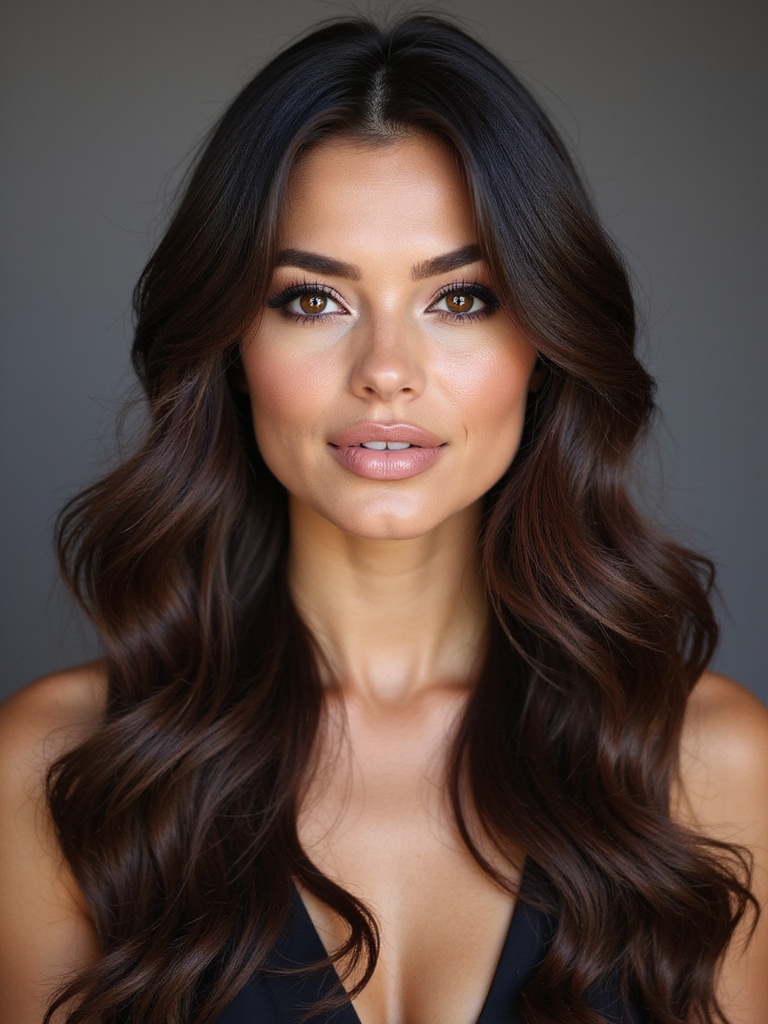
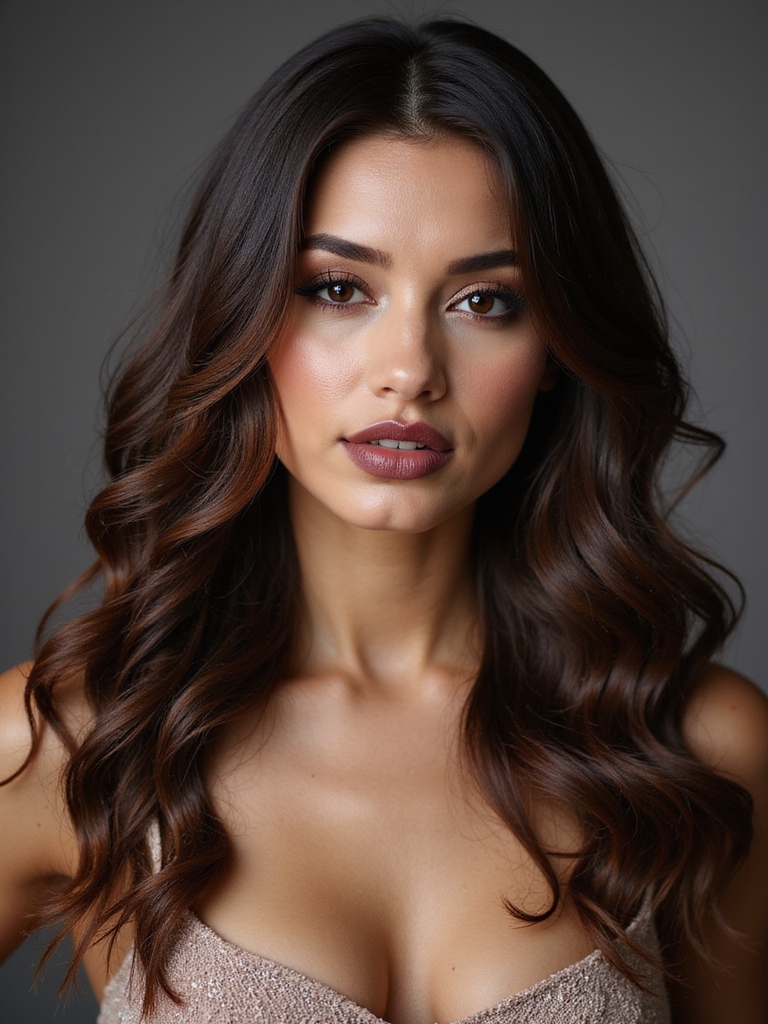
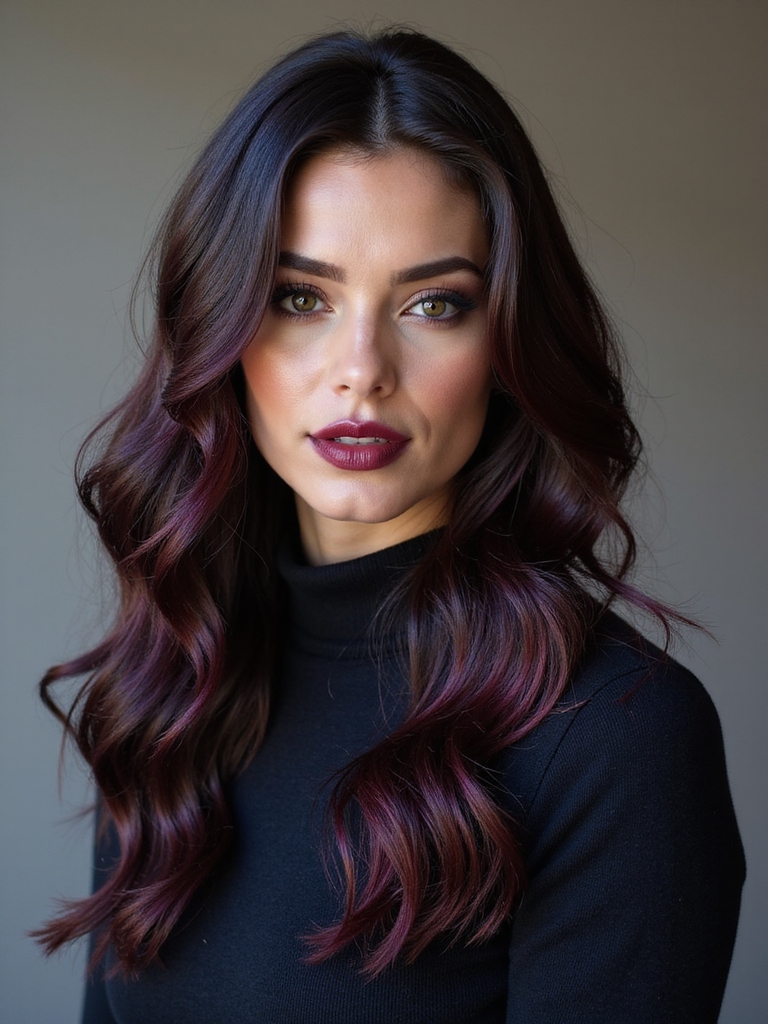
Here is the honest truth about winter and hair color: the season is practically built for it. The summer sun that fades and brightens everything is gone, so the color you pay for actually lasts, and the cooler light flatters the rich, deep, cool-toned shades that wash out in July. It is the one time of year I tell clients to go a little deeper and a little cooler without second-guessing it.
Winter also gives you cover to commit. Indoor light, soft knitwear, and a darker wardrobe all make jewel tones and glossy brunettes look expensive. Below are the shades worth booking this season, organized by undertone and vibe, with straight talk on cost, upkeep, and keeping color-treated hair healthy through the dry, cold months.
Winter Color in Brief
- Winter favors richer, deeper, and cooler shades, which both flatter cold-weather light and fade more slowly without summer sun.
- Pick by undertone: cool skin loves ash and icy tones, warm skin glows in honey, copper, and caramel.
- Color-treated hair needs extra moisture in winter, since indoor heat and cold air dry it out and dull the tone.
Chestnut Base With Caramel Ribbons

If you want warmth without going light, a chestnut base woven with caramel is the cozy winter brunette everyone asks me for once the leaves turn. The deep chestnut gives richness and shine while soft caramel ribbons catch the light, so the color looks dimensional even under flat winter skies.
It is a flattering, low-drama way to add interest to brown hair, and because the caramel is painted rather than all-over, it grows out softly with minimal upkeep.
- Loveliest on warm and neutral skin tones.
- Hand-painted caramel means grow-out is gentle, so a refresh can wait a few months.
- Pair it with a gloss to keep the chestnut from going flat; see chestnut brown hair.
Cool Icy Platinum Blonde

Few colors look more at home in winter than icy platinum. The cool, near-white blonde mirrors the season’s light and reads striking and modern against a dark coat. It is bold, it is high-glamour, and it is the most demanding color on this list, so go in clear-eyed.
Reaching and keeping platinum means regular toning and serious conditioning, because the lift required is hard on the hair. This is a salon commitment and a budget one too; the clients I take to true platinum usually sit in my chair for three to four hours on the first visit. But if the cool, frosted look is your whole winter mood, nothing else compares. An icy blonde rewards the effort with real impact.
Cozy Golden Honey Blonde

Not every winter blonde has to be icy. A golden honey blonde brings warmth to the cold months and flatters warm and olive skin beautifully, glowing where an ashy shade might wash you out. It is the antidote to gray-sky dullness, adding a lit-from-within softness to the face.
The warm answer to icy blonde
Because it works with your natural warmth rather than fighting it, honey is far more forgiving than platinum. The gold tones blend as roots grow, so upkeep is gentler on both your hair and your schedule.
Keep it from going brassy with a gloss every few weeks rather than a purple shampoo, which can dull the warmth you actually want here. A honey blonde is the cozy, wearable end of the blonde spectrum.
Rich Deep Chocolate Brown

If there is one shade that defines winter, it is a deep, glossy chocolate brown. Rich and polished, it looks expensive in cold-weather light and flatters almost everyone. It is the color I see booked more than any other once the temperature drops, and the one I most often talk nervous first-timers into, because it is so hard to get wrong. Here is why it is the safe-but-stunning winter choice:
- It suits nearly every skin tone, leaning warmer or cooler with the toner used.
- Going darker for winter is low-maintenance, since regrowth blends more easily than with blonde.
- A gloss treatment keeps it mirror-shiny; explore chocolate brown hair for variations.
A few terms that come up when you book a winter color:
📖Gloss
A semi-permanent toner that refreshes shine and tone between full colors; the key to keeping winter color rich.
📖Balayage
Hand-painted highlights that grow out softly with no harsh regrowth line, ideal for low-maintenance winter looks.
📖Root shadow
A slightly deeper root blended into lighter lengths so grow-out is soft, letting you stretch salon visits.
📖Money piece
Brighter face-framing pieces that lift the complexion, a low-commitment way to add winter brightness.
Cool Muted Ash Brown

For cool-toned brunettes, ash brown is the understated winner of winter. It pulls the warmth out of brown hair for a smoky, expensive-looking finish that pairs perfectly with the season’s cool light and muted wardrobe. Think mushroom and soft taupe rather than golden.
It is a sophisticated, grown-up shade that flatters cool and neutral skin, and it is a smart pick if your natural brown tends to look too warm or brassy on its own.
- Best on cool and neutral undertones; warm skin may find it draining.
- A blue or purple toning product holds the ash and counters returning warmth.
- See ash brown hair for the full breakdown of getting and keeping it.
Subtle Rose Gold Accents

Rose gold gets a cooler, more grown-up treatment in winter, used as subtle accents rather than an all-over statement. Soft, dusty pink-and-copper tones woven through a blonde or light brown base give a delicate, frosted glow that feels festive without shouting. It is the playful option that still reads refined. A few ways to wear it:
- Keep it as face-framing ribbons or hidden peekaboo pieces for low commitment.
- It shows best on a lighter base, so darker hair needs lifting first.
- Fashion tones fade, so refresh with a color-depositing conditioner between visits.
📋Keeping winter color healthy and bright
- ✓Wash less often and in cooler water to slow fading
- ✓Use a weekly hydrating mask to fight indoor-heat dryness
- ✓Book a gloss every four to six weeks to refresh tone and shine
- ✓Add a UV or heat protectant, since cold-weather styling tools still stress color
Translucent Cinnamon Red

Red is having a major moment, and winter is its perfect stage. A translucent cinnamon red, warmer than burgundy but softer than copper, glows against pale winter skin and looks rich in low light. It is a joyful, confident color that turns heads without tipping into neon, and it flatters a surprising range of skin tones when the depth is dialed to you.
- Red fades fastest of all, so commit to a color-safe routine and cool washes.
- Warm and fair skin glow with cinnamon; deeper skin can push toward a richer copper-red.
- A gloss every few weeks revives the shine and tone between full colors.
Chic Low-Maintenance Ashy Blonde

Cool blonde without the relentless salon schedule is exactly what a lived-in ashy blonde delivers. By keeping the base a little deeper and the blonde painted softly through the mids and ends, you get a cool, modern finish that grows out without a harsh line. Here is what makes it the easy-going choice:
- The shadowed root means you can stretch refreshes to every couple of months.
- It keeps the cool, ashy tone that looks so right in winter light.
- A purple shampoo at home is most of the upkeep; see ash blonde hair.
💡Go a shade deeper than you think
Winter light is flat and cool, which can make hair read lighter and more washed-out than it does in summer. When in doubt, ask your colorist to go one level deeper or one notch cooler than you would in warmer months. It photographs richer, lasts longer without summer sun, and reads more expensive against winter knitwear and coats.
Deep Espresso With Copper Ribbons

When you want depth with a spark of warmth, a near-black espresso base threaded with copper ribbons is pure winter drama. The dark base feels rich and polished while the copper pieces catch the light and stop the whole thing from reading flat, especially on dark hair that can otherwise look one-note in low light.
It is a striking, dimensional choice that keeps maintenance reasonable, since the dark base hides regrowth and only the copper accents need an occasional refresh to stay bright.
Frosted Silver Face-Framing Ribbons

Silver is the coolest, most editorial winter color there is, and used as face-framing ribbons it adds a frosted, modern edge without committing your whole head to high maintenance. The silver pieces around the face brighten your complexion and catch the winter light beautifully.
Big impact, contained maintenance
Be honest about the upkeep, though, because silver sits on a very pale base, so those ribbons have to be lifted almost white and toned to stay clean rather than yellow.
Keeping it to face-framing pieces is the clever move: you get the striking silver effect with a fraction of the toning and damage of an all-over silver.
Warm Champagne Blonde

Champagne blonde splits the difference between warm and cool, a soft, buttery beige with just enough warmth to flatter without going brassy. It is the blonde I steer people toward when they want something bright for winter but find icy tones too stark against pale, cold-weather skin.
Because it is not fighting for an extreme cool tone, champagne is far more forgiving to maintain than platinum, making it a popular low-drama choice.
- Flatters a wide range of skin tones thanks to its balanced, neutral warmth.
- Softer upkeep than platinum; a gloss keeps it fresh.
- A great middle ground if icy feels too cold and gold feels too warm.
Mahogany Burgundy Drama
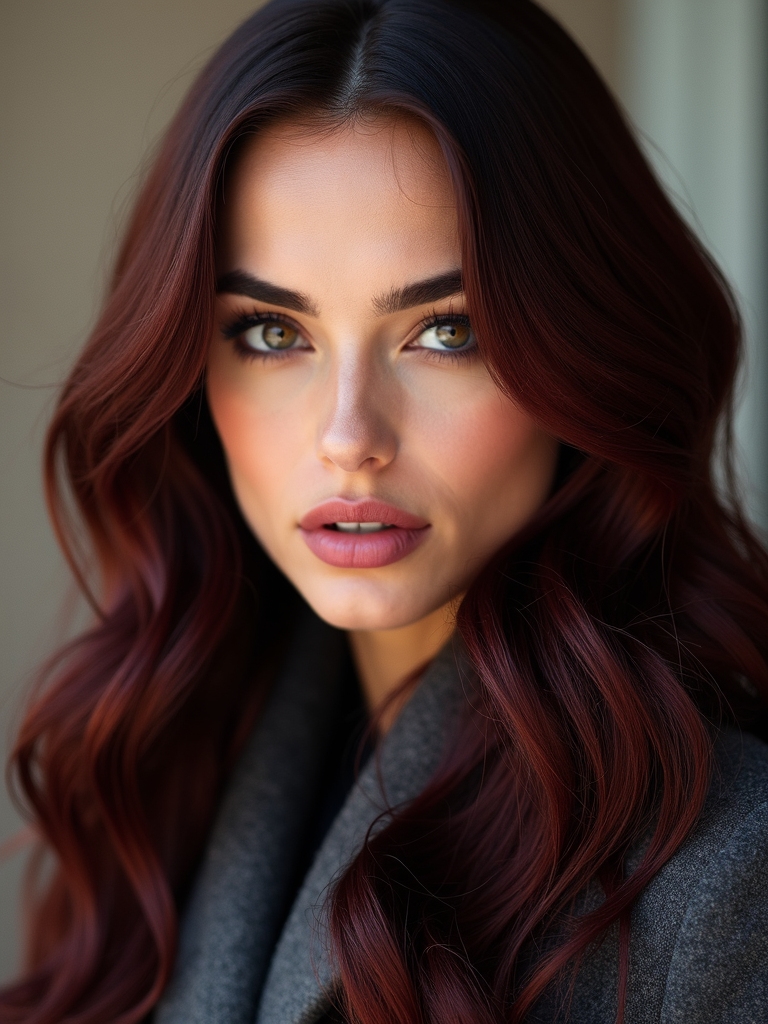
For deep, jewel-toned richness, a mahogany burgundy is winter elegance in a single shade. The blend of brown depth and red-violet warmth reads luxurious and seasonal, like mulled wine for your hair, and it gives dark hair a dimensional, expensive glow. Here is why it works so well now:
- The jewel tone flatters cool and neutral skin especially well.
- On a dark base it needs little to no lifting, keeping the hair healthier.
- Red-violet fades, so a color-depositing mask keeps the depth; see burgundy hair.
Warm Buttery Blonde With Dimension

Buttery blonde keeps things bright and warm through the gray months, with multidimensional gold and beige tones that look soft and lit rather than flat. The dimension is the secret: instead of one solid blonde, lighter and slightly deeper pieces are woven together so the color moves and never looks painted-on.
It flatters warm and neutral skin and is gentler to maintain than a single-tone blonde, because the woven dimension disguises regrowth and lets you stretch the time between salon visits.
Cool Matte Slate Blue

For the adventurous, a cool matte slate blue is the fashion-forward winter statement, a muted, grayish blue that feels moody and modern rather than bright and cartoonish. It plays perfectly with winter’s cool palette and reads sophisticated for a vivid color, but it is the highest commitment here. Expect a real journey to get it:
- It needs a very light, pre-lightened base, so dark hair takes multiple sessions.
- Vivid blues fade and shift, so plan on color-depositing upkeep at home.
- Best for people ready to commit to bleaching and frequent refreshes.
Light Ash Brown Brights

Where the all-over ash brown above tones your whole head one cool shade, this version keeps your natural depth and just threads cool, brightening highlights through it. The base stays dark and low-upkeep while a few lifted, ash-toned pieces around the face do the brightening, so it reads bright without committing to blonde.
Because only a few painted pieces are lifted, this is the gentlest brightening on your hair and your wallet, and the cool tone is exactly what cold light loves. You also keep most of your length its natural color, which means less bleaching and healthier hair through the dry months.
What to Expect From a Winter Color Change
Before you book, it helps to know what a winter color actually involves, because the season changes both the process and the aftercare. The good news is that color genuinely lasts longer now, but the dry indoor heat and cold air are harder on the hair than summer humidity.
Here is the honest picture on cost, timing, and care so nothing catches you off guard:
- Cost varies widely: a gloss or root touch-up often runs $60 to $150, while going lighter from dark hair can climb to $250 or more across sessions.
- Going darker or richer is generally cheaper and lower-maintenance than going lighter.
- Plan a gloss every four to six weeks to keep tone and shine, especially on reds and blondes; a gloss is quick, usually about twenty minutes in the chair.
- Lean hard on a weekly mask and a leave-in, because winter heat and cold dry out color-treated hair fast.
Winter Hair Color Questions People Ask
?What hair colors are best for winter?
Winter suits richer, deeper, and cooler shades: glossy chocolate and espresso browns, ash and icy blondes, jewel tones like mahogany burgundy, and cool reds. They flatter the season’s light and, without summer sun, hold their tone far longer than they would in July.
?Does hair color really last longer in winter?
Generally yes. The biggest cause of fading is sun exposure, which drops off in winter, so your color stays truer between salon visits. The trade-off is dryness from indoor heat and cold air, which can dull the tone, so moisture becomes the priority.
?Should I go darker or lighter for winter?
Most people look best going a touch deeper or cooler for winter, since the flat, cool light flatters depth and richness. Darker is also cheaper and lower-maintenance. That said, a soft warm blonde like honey or champagne can be lovely if icy tones wash you out.
?How do I pick a winter color for my skin tone?
Start with your undertone. Cool skin, where silver jewelry flatters and wrist veins look blue, loves ash, icy, and jewel tones. Warm skin glows in honey, copper, caramel, and golden browns. Neutral undertones can wear champagne and most balanced shades.
?How do I keep winter color from fading or going dull?
Match the fix to the shade. Blondes hold cooler with a purple or blue product, reds and red-violets keep their depth with a color-depositing mask, and brunettes stay glossy with the occasional clear or tinted gloss. A shower filter also helps in hard-water areas, where mineral buildup is a hidden cause of dull, brassy color in winter.
The Season Made for Richer Color
Winter is the rare season that actually rewards a color change. The light flatters depth and coolness, the lack of sun keeps your tone true for longer, and a darker wardrobe makes everything from glossy espresso to icy platinum look richer. Whether you lean into a cozy honey or a moody slate blue, the cold months give color room to shine.
If a change has been on your mind, this is the season to make it. Think about your undertone first, decide how much upkeep you genuinely want, and save the shades here that keep pulling your eye. Bring them to your colorist, ask what your hair can realistically reach in one visit, and let winter do the rest.
More to Explore