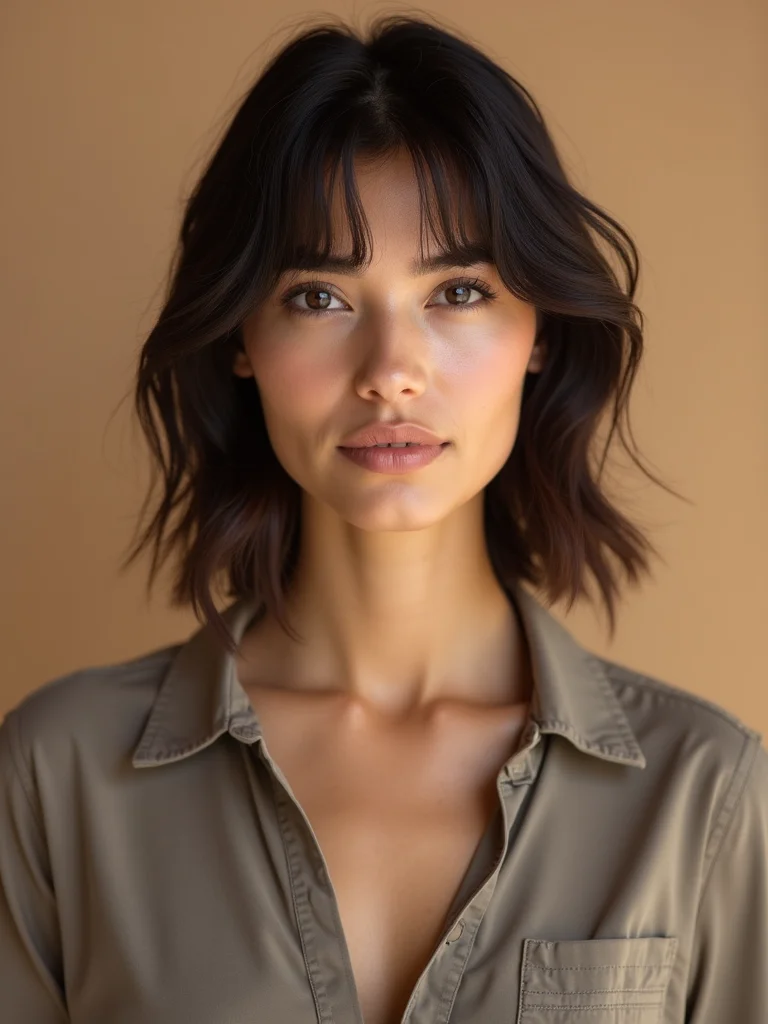
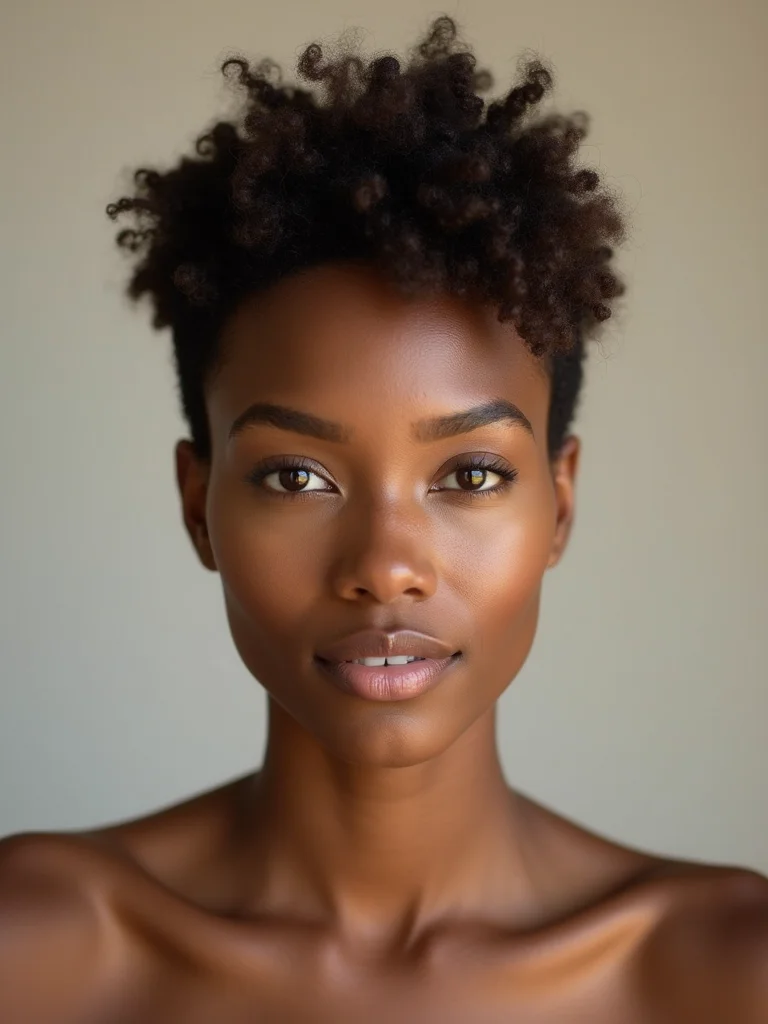
Will a wolf cut actually work on your hair, or does it only work for the specific texture and density shown in every viral photo? The shape adapts more than its edgy reputation suggests, provided the layering gets tailored to the hair in front of the stylist rather than copied straight off a screenshot.
Fifteen versions follow, sorted by hair type and how much daily effort each one actually takes, along with a plain-spoken look at who each version fits and the upkeep it actually demands.
Matching the Cut to What’s Actually There
| Hair Type | Best Fit | Upkeep |
|---|---|---|
| Fine | Soft, airy layers for volume | Low |
| Thick | Internal layering to remove bulk | Medium |
| Curly | Cut dry, layered for spring | Low |
Soft Layered Wolf Cut for Fine Hair

Fine hair and a wolf cut pair better than most people expect, since the layering creates the illusion of fullness that fine strands lack on their own. Kept soft and airy rather than heavily razored, the cut adds movement and body without thinning already-thin hair further.
- Ask for soft, blended layers rather than heavy thinning that exposes sparseness
- A light mousse worked in at the root, then a round brush, builds real volume
- Air-drying with a texture spray keeps the volume without extra heat styling
Shaggy Wolf Cut With Wispy Bangs

A shaggy wolf paired with wispy bangs is close to the default image most people picture: piled-up texture through the crown with a soft fringe framing the face. Our best shaggy wolf cut guide covers more variations on the same core idea.
Why This Version Is the Easiest to Wear
The wispy bangs keep the shag’s natural edge from tipping into harsh, which is what makes this specific combination the easiest entry point into the whole trend. The contrast between heavy layering up top and a light, see-through fringe is doing most of the visual work.
It also suits most textures without much adjustment and forgives an uneven grow-out, since the layering was never meant to look precisely maintained in the first place.
Curly Wolf Cut With Defined Texture

Curls suit a wolf cut naturally, since the layering gives coils and ringlets room to spring and stack instead of piling into a heavy triangle shape. What actually matters here is a cut that respects the curl pattern, meaning it has to happen dry.
- The cutting happens dry, working with each curl in its natural sprung state
- Internal layers remove weight without sacrificing overall length
- A gel or custard on wet hair, then a diffuser, defines the finished shape
A few cutting terms that come up when discussing a wolf cut:
📖Internal Layering
Layers cut underneath the surface to remove weight without shortening the visible length.
📖Point-Cutting
Snipping into the ends at an angle to soften a line rather than leaving it blunt.
📖Crown Lift
Shorter layers concentrated at the crown specifically, built to add height and volume there.
Short Wolf Cut With Choppy Ends

A short wolf cut is the boldest version on this list, sitting around the jaw or chin with choppy, broken-up ends that keep the whole shape light rather than heavy.
- Choppy, point-cut ends keep a short shape from reading dense
- Rewards a confident face shape more than a subtle one
- A trim on a fairly regular cadence holds the shape at this length
Medium Wolf Cut With Face-Framing Layers
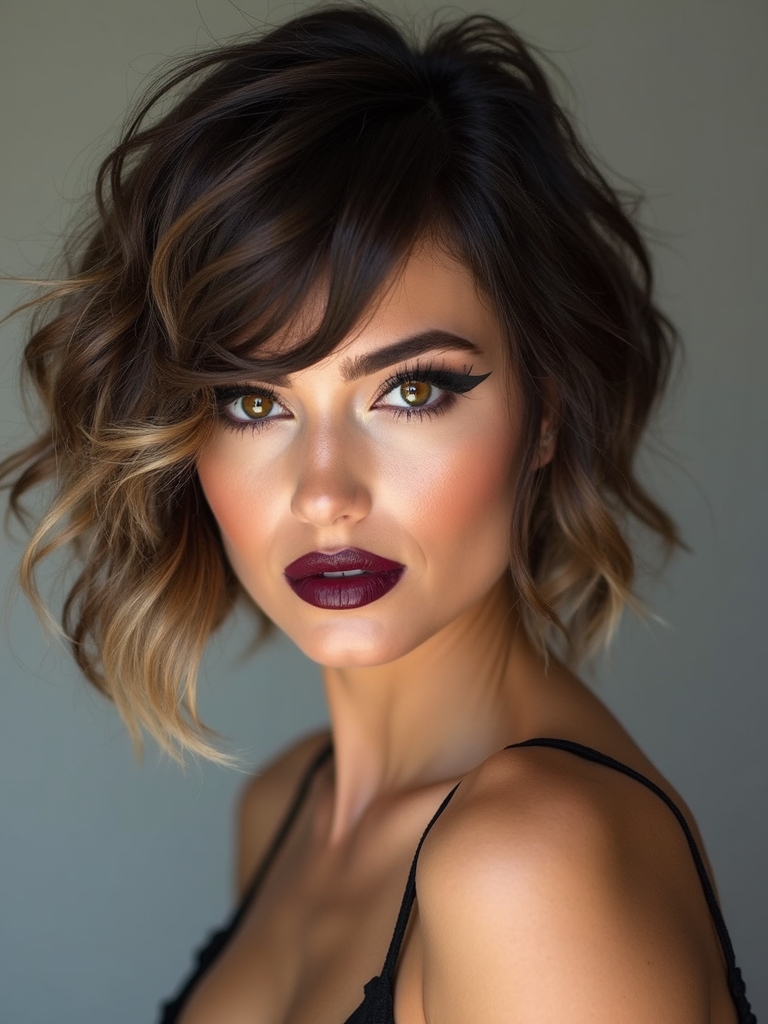
Medium length works as the most versatile home for a wolf cut: enough hair to gather up on a busy day, short enough to actually show off the layering underneath. Our medium wolf cut guide has more versions built specifically around this length.
Face-framing pieces around the front lift the whole look while the remaining length keeps it practical for both work and weekends. It also grows out gracefully into longer layers, so even the in-between stage still looks like a deliberate choice rather than a mistake.
👍Where the Short Version Wins
- +Minimal length means minimal daily styling
- +Choppy ends hide a rough morning well
- +Reads bold and current without any color needed
👎Where It Asks More
- –Grows out faster into an awkward stage than longer versions
- –Needs a confident face shape to really land
- –Less forgiving of a rushed, imprecise cut
Long Wolf Cut With Feathered Movement
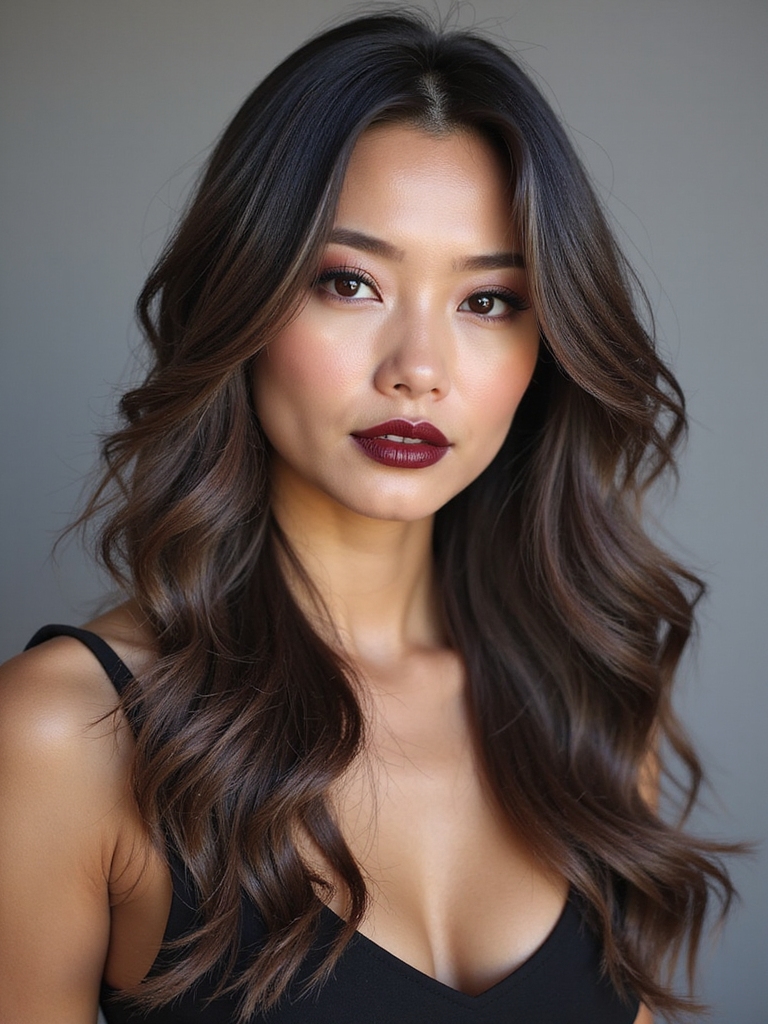
For anyone unwilling to give up length, a long wolf cut delivers the layered movement of the trend without cutting away what’s already been grown.
The Lowest-Risk Way to Try the Trend
Feathered layers through the length add lift and swing, while the overall length stays fully intact, making this close to the gentlest way to test the shape.
Point-cut, feathered layers move on their own even on a simple air-dry day. That’s a large part of why this specific version counts as the lowest-commitment option here: if it doesn’t work out, the layers grow back into one length without much fuss.
Wolf Cut With Curtain Bangs
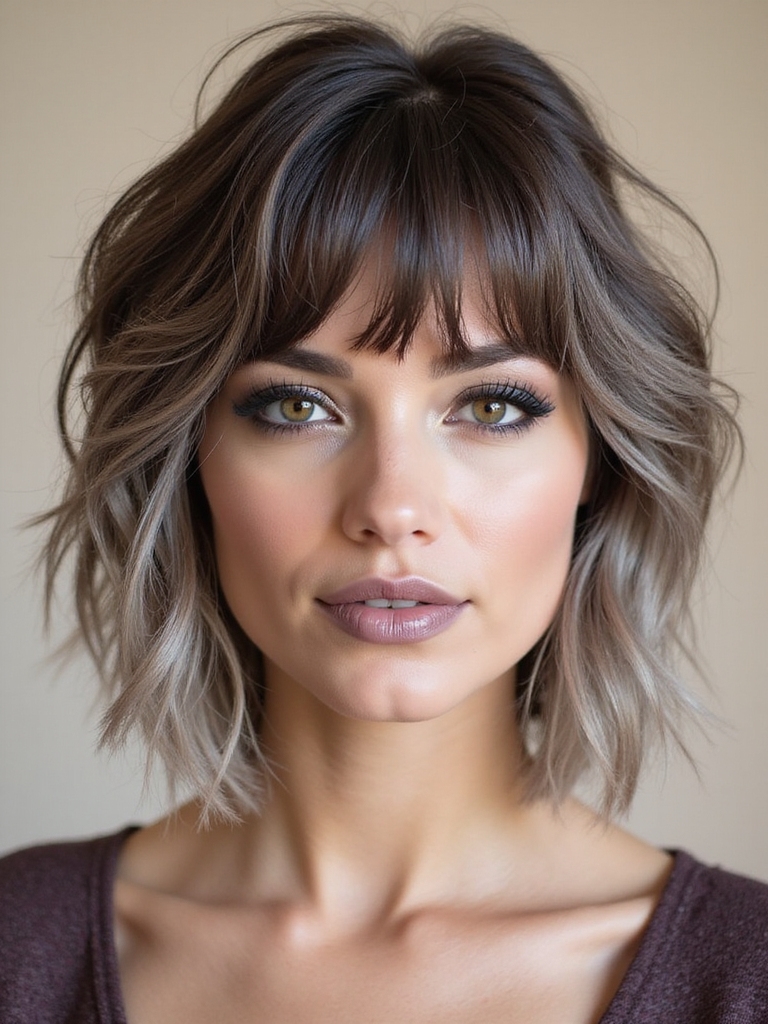
Curtain bangs and a wolf cut share the same underlying logic: soft, parted, face-framing shapes built to move rather than sit still. The fringe sweeps to each side and melts directly into the surrounding layers.
The two elements also share a similar grow-out pattern, which makes the combination an easier long-term commitment than it might first appear. As the bangs lengthen, they simply become more face-framing layers rather than needing a separate haircut of their own.
It works across straight, wavy, and curly hair alike, with the bangs themselves cut to match whatever texture is already there. Our wolf cut with curtain bangs guide covers the pairing in more depth.
Before Committing to Heavy Layers on Long Hair
Removing too much weight from long layers too fast can leave ends looking thin rather than textured. Building the layers gradually over two visits usually gives a better result than asking for the full effect in one sitting.
Voluminous Wolf Cut for Thick Hair

Thick hair can sit like a heavy weight on the head, and a wolf cut ranks among the more effective ways to actually lighten that load. Generous internal layering removes weight from underneath, letting the hair move and breathe instead of just sitting dense. Our fluffy wolf cut guide leans further into the volume this same principle can produce.
The real skill involved is removing that weight without creating an unwanted poof: a good stylist layers internally while leaving the outer perimeter mostly intact, so density turns into movement rather than expanding sideways into a triangle shape.
- Internal layering removes bulk without shortening the visible length
- The perimeter stays intact, avoiding an unwanted triangle shape
- Often air-dries well, since the reduced weight lets curls or waves show
Soft Face-Framing Layered Wolf Cut

Not everyone wants the full shaggy drama a wolf cut usually implies, and this softer, face-framing version dials the edge down considerably. The layers stay gentler and more blended, concentrated specifically around the face rather than scattered throughout.
It reads pretty rather than rock-and-roll, staying appropriate for more conservative settings while still delivering the on-trend movement the cut is known for. It’s proof the shape doesn’t have to be loud to still count as current.
Edgy Wolf Cut With Micro Bangs
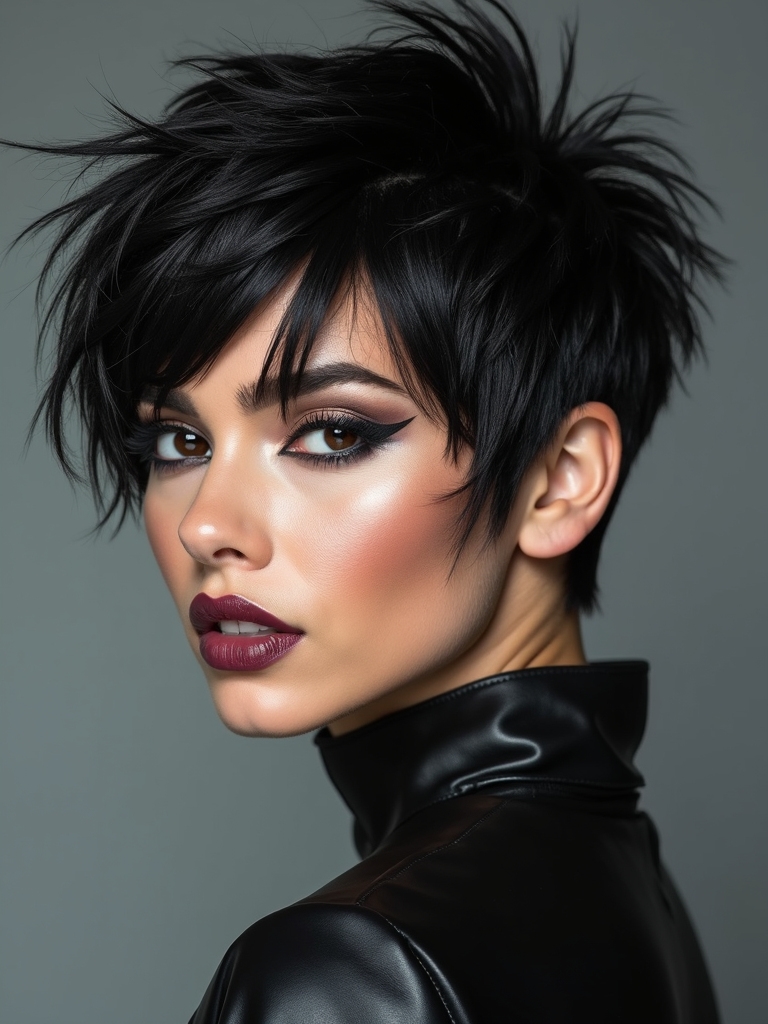
For the boldest version on this list, pairing a wolf cut with micro bangs makes a real statement. The short, blunt fringe sits high on the forehead, amplifying the fashion-forward edge the cut already carries.
This sits firmly in high-commitment territory. Micro bangs leave no spare length to hide behind, so even a small amount of growth changes the overall proportion noticeably fast.
- Micro bangs sit high, with barely any length to spare
- Growth changes the proportion faster than at any other length here
- Best suited to confident dressers comfortable with frequent fringe upkeep
Wavy Wolf Cut With Beachy Texture

Wavy hair and a wolf cut make for a low-effort pairing in practice, since the natural bend brings the layers to life with almost no styling required. The choppy layering catches the existing wave and turns it into piled-up, beachy texture on its own.
- A salt spray scrunched into damp hair is usually the entire routine
- Heat rarely enters the picture, since the natural wave carries most of the shape
- A dry cut keeps the resting wave length accurate before anything’s trimmed
Wolf Cut With Piecey Layers and Shine

A more polished take on the wolf cut leans into piecey, clearly separated layers finished with real shine rather than the deliberately undone shag look.
This version reads sleeker and more put-together, the individual pieces defined and glossy rather than textured and matte. Shine is what carries the whole effect here.
- Pieces stay defined and separated rather than blended together
- A shine product does more visual work than in any other version here
- Reads polished and current rather than deliberately undone
Wolf Cut With an Undone Finish

At the opposite end from polished sits the deliberately undone wolf cut, the just-rolled-out-of-bed version that accounts for a lot of the trend’s original appeal. A good cut does the actual work here; the undone look isn’t really an accident.
- A little texture paste, roughed through by hand, is the entire styling routine
- The shape is built to grow out messy on purpose, keeping upkeep minimal
- Best suited to anyone wanting the look with close to zero morning effort
High-Contrast Wolf Cut With Highlights

Adding high-contrast highlights to a wolf cut brings the layers to life with real dimension, since the lighter pieces catch movement and show off each individual layer as it moves.
This combination means signing up for two separate commitments rather than one: the cut itself needs periodic shaping, and the highlights need a refresh schedule of their own, often adding $80 or more on top of the cut. Budgeting for both before booking avoids an unpleasant surprise later.
| Piecey & Shiny | Undone & Textured | |
|---|---|---|
| Product | Shine spray or oil | Matte texture paste |
| Effort | A few minutes of styling | Scrunch and go |
| Reads As | Put-together, current | Relaxed, lived-with |
Low-Maintenance Layered Wolf Cut

For anyone whose entire interest in a wolf cut is looking good without trying, this low-maintenance version is built specifically around that goal. Soft, forgiving layers, meant to be worn air-dried, ask for almost nothing day to day.
The Cut Does the Work, Not the Styling
The reason it actually works comes down to the cut itself rather than the styling routine. Because the layers are shaped to fall well on their own, the whole morning routine amounts to washing, scrunching in a small amount of product, and leaving.
No round brush, no heat, no real fuss involved. It’s the version worth suggesting to anyone drawn to the idea of a wolf cut but unwilling to add a new styling habit to their routine.
Common Mistakes to Avoid
The most common misstep with a wolf cut is going in without a clear sense of upkeep tolerance, then feeling disappointed when the shape needs more attention than expected. Being honest about how much daily styling actually happens matters more than picking the trendiest reference photo.
The second frequent mistake is over-thinning fine or already-fragile hair in pursuit of texture, which leaves the ends looking sparse rather than piecey. On fine hair specifically, soft blending beats aggressive thinning every time. Curl-specific pitfalls get their own breakdown in our curl-pattern cutting notes.
Wolf Cut Questions Worth Asking
?Does a wolf cut actually work on hair that’s never held layers well before?
It can, though the outcome depends more on how the layers get placed than on the hair itself. Soft, blended layering forgives hair that’s fought sharper layers in the past; the wolf cut’s whole appeal is texture that doesn’t need to sit perfectly, which takes pressure off hair that’s historically been difficult to layer.
?How is a wolf cut actually different from a standard shag?
A shag distributes layers evenly through the whole length. A wolf cut concentrates more of that layering and lift specifically at the crown, building height there before blending into longer, often choppier pieces below. The crown emphasis is the real distinguishing feature, more than the overall silhouette.
?Will growing out a wolf cut look obviously bad at some point, or does it transition smoothly?
Most versions transition reasonably well, since the layering itself blends into longer hair rather than creating one hard line to grow past. The stage that reads roughest is usually right at the crown, where the shortest layers take longest to catch up; a light trim there can smooth the transition without touching the rest.
?Can a wolf cut be adjusted later if the first version turns out too dramatic?
Yes, more easily than most people expect. Softening an overly dramatic wolf cut usually means blending the harshest layer lines rather than starting over, which a stylist can typically handle in one follow-up visit rather than waiting for a full grow-out.
One Cut, Many Versions of Cute
The wolf cut has stuck around because it was never really one single haircut; it’s a whole family of layered shapes that bends to fit fine hair, thick hair, curls, and waves without losing what makes it recognizable.
Which version actually matches real mornings: the soft and low-key, the bold and choppy, or the wash-and-go wavy? That answer, brought to a stylist who can tailor the layers accordingly, is most of what separates a wolf cut that gets loved from one that gets grown out early.
Hand-Picked for You