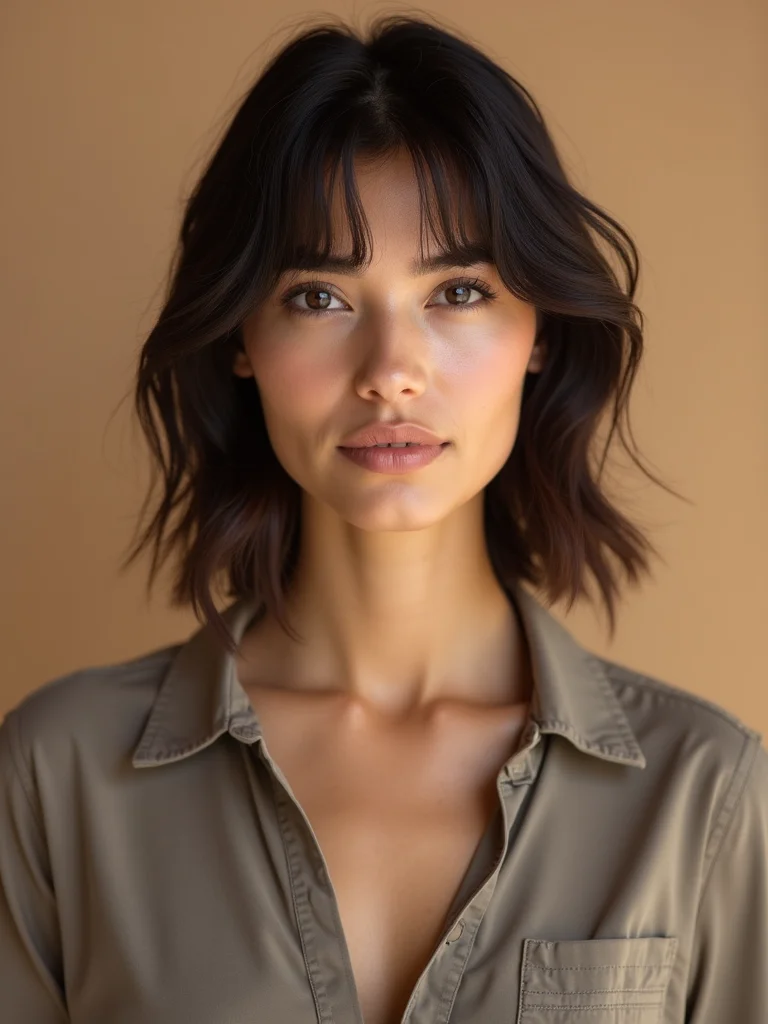
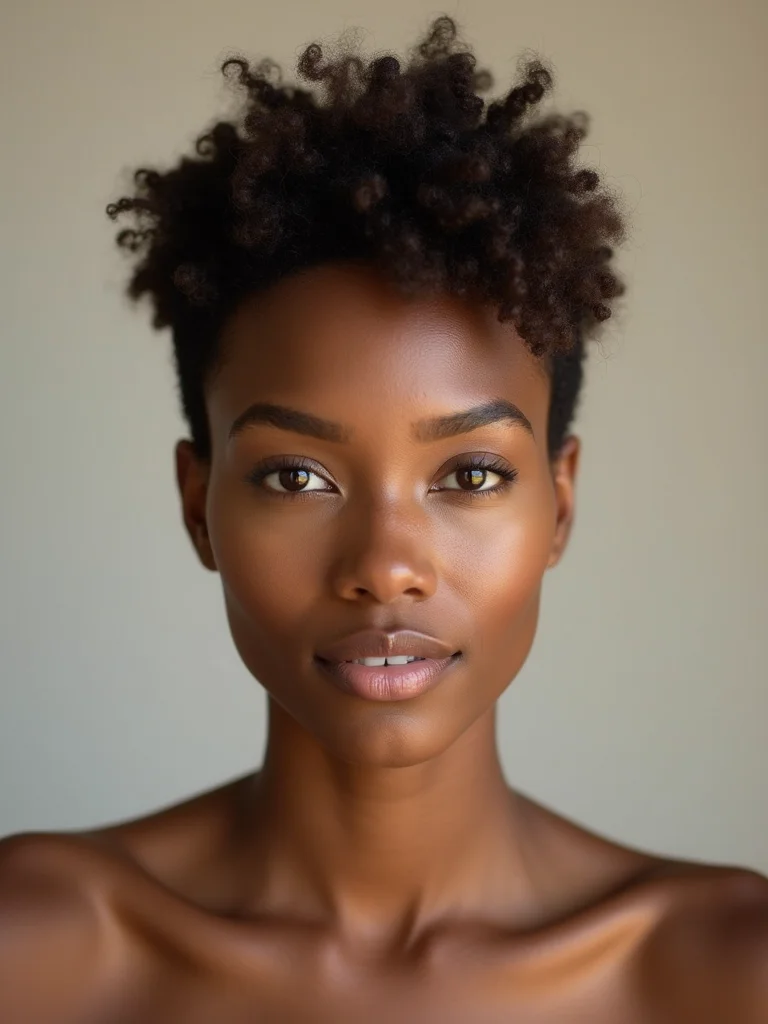
Side bangs hairstyles are only ever half a haircut. The other half happens every morning, in the sixty seconds it takes to shape the fringe before walking out the door. The same diagonal piece reads polished pinned into an updo, soft left loose under a beanie, and sharp blown out for an event, and that whole range comes from styling habit as much as the original cut itself.
What follows treats the fringe as a daily practice rather than a single one-time decision: how to actually pick the length and sweep direction, how each face shape wants that sweep directed differently, and the small daily habits that keep a side bang looking intentional well past the salon appointment that created it.
Before Picking a Length
- Length and sweep direction matter more than the exact style name; get those two right and most other decisions solve themselves.
- A side bang set while damp holds its direction all day; styled dry, it tends to fight the shape it had before styling started.
- Match the sweep to the natural part. Forcing a fringe against how hair already falls creates a daily battle no product fully wins.
How Side Bangs Balance Your Features

Before choosing a specific look, it helps to know what a side bang is actually doing for the face, mechanically speaking. The diagonal sweep handles a few distinct jobs at once, and being able to name them out loud makes the consultation conversation with a stylist far more precise than pointing at a photo and hoping for the best.
Most people can feel that a side bang works without being able to say exactly why, which makes it easy to end up with a version that’s technically fine but not doing the specific job their face actually needs.
- It breaks up forehead space, so a tall or wide forehead reads more proportional against the rest of the face.
- It introduces a diagonal line across an otherwise symmetrical shape, softening both round and square outlines without any real change in bone structure.
- It draws the eye toward the cheekbones and eyes, shifting the visual center of the face down toward the features people actually look at first.

Finding the Best Length and Sweep

Every side bang comes down to two decisions that matter more than the specific name of the style: how long the fringe runs, and which direction it sweeps across the forehead. Length sets the overall mood of the look. Brow-skimming feels bold and a little retro, closer to a statement piece than a supporting detail. Cheekbone-grazing feels softer, more current, and blends easily into a range of different outfits and occasions.
- The natural part decides sweep direction almost entirely; a bang cut against it fights the fall every single morning, no matter how much product gets involved.
- Longer starting lengths give more room to adjust later on, since extra length can always come off in five minutes at a quick follow-up visit; a too-short first cut has nowhere to go but an awkward, weeks-long growing-out stage.
- A deep side part gives a fringe considerably more length to work with than a shallow one does, since the diagonal distance across the forehead stretches out much further from that angle.
Side Bangs Cut to Flatter a Round Face

On a round face, length is the main lever worth pulling, more than any other single variable in the cut. A fringe that clears the cheekbone draws a longer vertical line down the face, adding visual length to a shape that naturally carries width. One that stops mid-cheek tends to echo the round outline, quietly working against the whole point of adding a fringe in the first place.
The actual styling direction matters here almost as much as where the scissors land. Drying the fringe with a slight downward pull keeps the finished line reading long and controlled, well short of wide and puffy at the root.
- Ask specifically for the fringe to clear the cheekbone by at least an inch, since anything shorter starts working against the round shape.
- Add a little crown height when styling to balance out the added visual length sitting lower on the face.
- Skip rounding the ends when blow-drying; a straight, cleanly angled line does considerably more slimming work than a soft, curved one.
📋Questions to settle before the first cut
- ✓Which side does hair naturally part and fall toward?
- ✓Brow-skimming or cheekbone-grazing: which mood fits the daily routine better?
- ✓Is there a specific reference photo, or just a general direction in mind?
Softening a Square or Angular Face

A square or strongly angular face is balanced by the softest possible version of a side bang available, since a sharp, blunt fringe line just repeats angles already present in the bone structure.
Directing the Ends
The actual daily styling move counts for just as much as the original cut: curving the ends inward toward the cheek is what visually rounds off a strong jaw and keeps the overall effect looking intentional.
Wispy, feathered ends melt into face-framing layers and carry that same softness further down past the cheekbone. Anything heavy, blunt, or overly structured tends to undo the entire effect within a single day of wear, since it reintroduces exactly the hard lines the cut was meant to disguise.
Side Bangs for Oval and Heart-Shaped Faces

Oval and heart-shaped faces have the easiest time with side bangs of any shape covered here, largely because the cut isn’t being asked to actively correct anything. An oval face can carry nearly any length or weight with the underlying proportions already close to balanced on their own.
The Safe Defaults
A heart-shaped face, wider through the forehead and narrower down at the chin, wants a sweep that covers part of that width without adding bulk, a lighter touch than the forehead alone might suggest.
A medium-length, side-swept fringe works as the safe default for both shapes and rarely goes wrong as a starting point. From there, going longer or wispier later becomes purely a matter of personal preference rather than an actual correction the face structure requires.
🅰️Jaw feels like the strongest feature
Curve the ends inward with a small round brush, aiming the direction toward the cheek rather than straight down.
🅱️Forehead is the wider concern
Keep the fringe airy through the crown so the width gets broken up before it reaches the jawline.
Styling Techniques and Daily Upkeep

A well-cut side bang still needs about a minute of real attention to look its best, and the single habit worth building is shaping the fringe while it’s still damp, since hair that’s allowed to dry on its own tends to hold whatever direction it happened to fall in before any styling started, right or wrong.
- Rough-dry the fringe first, pushing it toward its natural sweeping direction with fingers rather than a brush, which gives more control over the exact angle.
- Work a small amount of styling cream through just the ends of the fringe, keeping product away from the roots so the base doesn’t go flat or greasy by midday.
- Finish with a short blast of cool air to lock the direction in place, or clip the fringe flat to the side while finishing the rest of the morning routine, then release it once everything else, makeup included, is already done. That order matters more than it seems; setting the fringe first and moving on to everything else usually means undoing whatever direction it had already committed to.
The Most Wearable Side Bang Variations

A handful of variations cover most of what people actually walk into a salon and ask for by name, and each one is really just a different length or finish applied to the same underlying diagonal sweep rather than a fundamentally different cut.
Picking between them usually comes down to how much daily effort feels realistic, more than which one photographs best in a saved image.
- The wispy sweep: light, see-through, and the lowest-upkeep version of the group, since there’s little enough hair involved that a bad angle barely shows.
- The cheekbone-grazer: longer and more face-framing than the wispy version, currently the most requested length at most salons for exactly that reason.
- The curtain-to-the-side: a curtain fringe pushed in one direction rather than parted centrally, reading softer and slightly less structured than a true side bang while still sharing most of its styling routine.
Common Mistakes to Avoid
The most frequent fix at the chair is repairing a fringe someone trimmed at home, hoping for a side bang and ending up with something closer to a straight-across line that won’t sweep no matter how much product gets involved.
A true side bang is cut on a steep diagonal with real length built into the long side, a proportion that’s surprisingly hard to judge accurately in a bathroom mirror under bad lighting, where depth perception and shadow both work against an accurate cut.
If a trim between visits starts to feel necessary anyway, dusting only the very tips and never lifting the scissors above the cheekbone keeps whatever damage happens limited and reversible at the next salon visit.
The second common mistake is forcing the sweep against the hair’s natural part. Hair holds a memory of how it’s grown for years, and a fringe cut to fall left when the rest of it swings right will lift and separate no matter how carefully it gets styled each morning, turning a five-minute routine into a daily standoff with a brush and a can of hairspray.
A quick way to check before a cut even happens: let hair air-dry completely untouched once, then look at which direction it settles on its own.
That’s the part a stylist should be working with, not fighting. Matching the cut to the part that’s already there, rather than the one that looks best in a single reference photo pulled from an app, saves considerable daily frustration down the line and tends to age better as the cut grows out besides, since a fringe that already knows which way to fall keeps most of its shape through every stage of regrowth.
Styling Side Bangs: Your Questions
?How do I stop side bangs from sticking straight out instead of sweeping?
Almost always a drying-direction problem. Rough-dry the fringe pushed toward the natural part while it’s still damp, rather than letting it air-dry in whatever direction gravity picks. A cool-air finish at the end locks the sweep in place.
?Can side bangs work when everything else gets pulled up into an updo?
Yes, and it’s one of the style’s best tricks. Left loose around the face while everything else goes into a ponytail or bun, side bangs soften what would otherwise look like a severe, pulled-back style.
?How often does the length actually need adjusting between full haircuts?
Most people need a light trim every 3 to 4 weeks to keep the sweep at its intended length, usually around $20 and often folded into a regular haircut at no extra charge. Hair that grows slowly can sometimes stretch closer to 5 weeks without losing the shape.
Make It Yours
A side bang rewards a little experimentation. The same base cut shifts with mood, outfit, and however many minutes get spent on it that morning, which is a big part of why it keeps returning season after season while stricter fringes fall out of rotation.
Settle on a length and sweep that fit the face first, then treat the daily styling as part of the haircut rather than an afterthought.
A little practice with the routine pays off far more than chasing a slightly different cut, since most of what separates a fringe that looks deliberate from one that looks accidental happens in the thirty seconds after a shower, not at the salon appointment itself. Give the new habit a couple of weeks to feel automatic before deciding whether the length or the sweep direction needs another look.
More Ideas Here