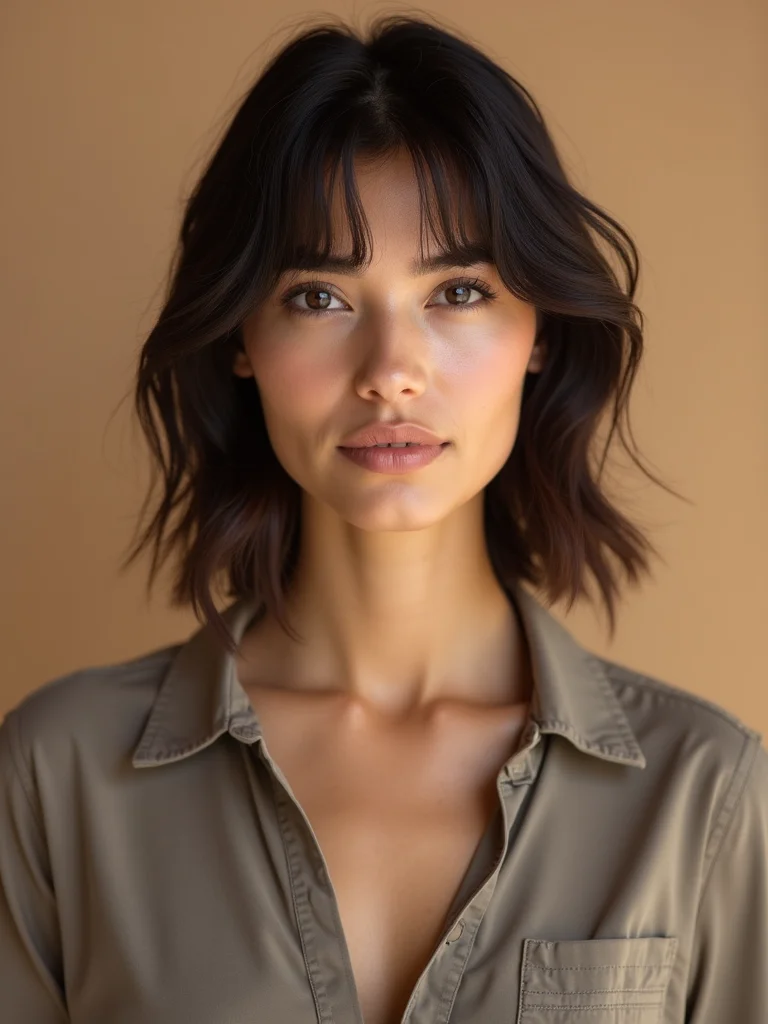
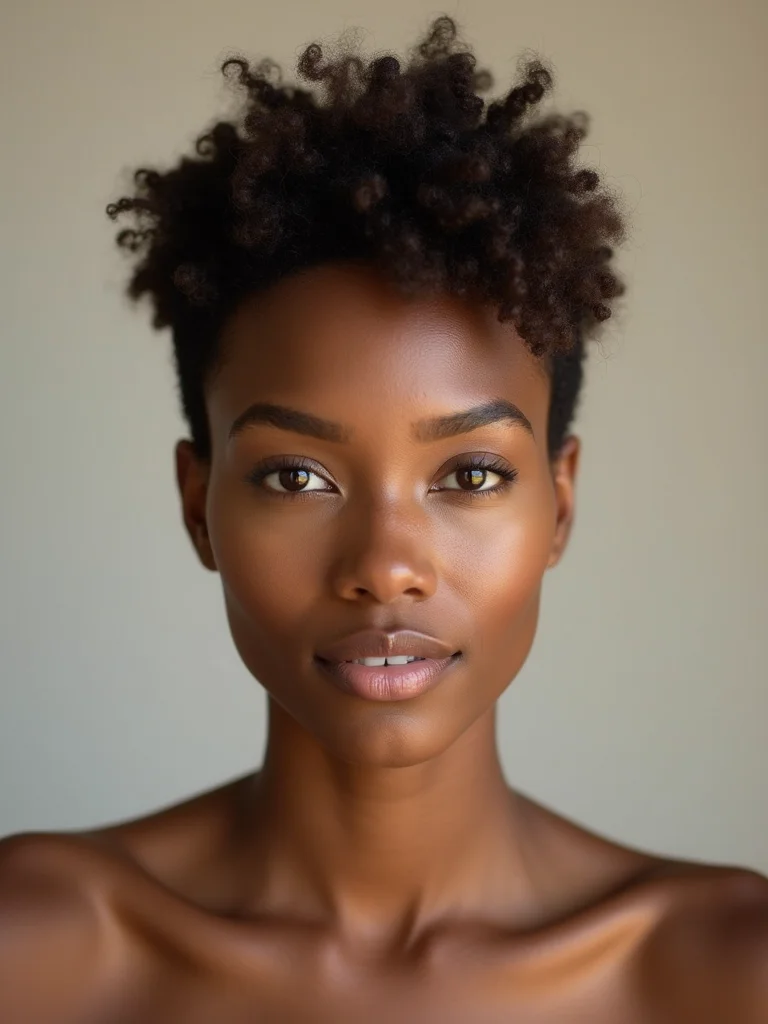
The difference between a bangs haircut you love and one you regret usually isn’t the type; it’s the conversation you had in the chair. Ask for “bangs” and you leave it to chance. Ask for “curtain bangs cut to the cheekbones, parted in the middle, softened at the ends,” and you get what you pictured.
So this guide is built around the ask. Here are the main bangs haircuts, what each one actually is, who it flatters, and the exact words to bring to your stylist so the cut matches the photo in your head. Get the language right and any of these can be yours.
Talking Bangs With Your Stylist
There’s no single “bangs haircut,” only a family of them, curtain, blunt, wispy, side-swept, bottleneck, micro, curly, shaggy, and more, each cut differently and suiting different faces and hair types. Knowing the names and what they mean is half the battle, since a vague ask is how people end up with a fringe they didn’t want.
The other half is being specific about length, density, and parting, and honest about upkeep. Most bangs ask for a fresh shaping visit roughly every two weeks to stay their best, and some styles are far more forgiving than others. Bring a photo, name the type, and talk through your face shape and texture, and you’ll walk out with bangs you actually love.
Soft Curtain Bangs

Curtain bangs are the crowd-pleaser: parted in the center and sweeping longer to each side, they frame the face like a pair of soft drapes. They’re the most versatile and forgiving fringe there is, which is why almost everyone starts here.
What to Ask For
The ask matters. Tell your stylist the length you want them to hit, brows for shorter, cheekbones for longer, that you want a center part and soft, feathered ends. Say “soft and face-framing rather than a solid block.” That single sentence steers most of the outcome.
They flatter nearly every face and grow out with zero drama, blurring into your layers as they lengthen. For the full breakdown of the style, see curtain bangs.
A Full Blunt Fringe

A blunt fringe is the bold one: dense, straight across, and cut in one clean line, usually around the brows. It’s a strong, chic, high-fashion statement, and it needs enough hair to look full, not sparse. How to ask for it right:
- Ask for a full, blunt line and be clear on where it sits, brow or just above.
- Request feathered or point-cut ends if you want to soften the heaviness.
- Be honest about density; fine hair may need a wider section taken to fill it.
Airy Wispy Bangs

Wispy bangs are the soft, thinned-out cousin of a blunt fringe, feathered so they fall in soft, separated pieces with skin peeking through. They come across undone and delicate, and they’re the kindest fringe to fine hair and for anyone nervous about commitment.
The key word for your stylist is “textured” over dense. Ask for feathered, piecey ends and a light, airy finish, and mention you want visible gaps and separation rather than one solid curtain.
- Say “wispy and textured,” not “full,” so they thin the fringe out.
- They suit fine hair and grow out with almost no awkward stage.
- Ask for point-cutting to keep the ends soft and feathery.
Soft Side-Swept Bangs

Side-swept bangs fall on a diagonal from a side part, longer and softer than a straight fringe, sweeping gently across the forehead. They’re a low-commitment, universally flattering option that suits almost everyone. How to ask for them:
- Ask for a long, angled fringe swept from your natural side part.
- Request it kept soft and blended into your face-framing pieces.
- See side-swept bangs for the range of angles.
The best thing you can bring to a bangs appointment isn’t a hair type, it’s a clear photo and specific words: length, parting, and how soft you want the ends. Vague asks are how fringe regrets happen.
Bottleneck Bangs

Bottleneck bangs are the clever hybrid everyone’s been asking for: shorter and rounded in the center, longer and sweeping out at the sides, shaped like the neck of a bottle. They’re a middle ground between a full fringe and curtain bangs, framing the eyes while opening up the sides of the face.
To get them, tell your stylist you want a rounded, shorter center that grazes the brows and longer pieces that sweep past the cheekbones. The name is well known now, so “bottleneck bangs” plus a photo usually does it.
Short, Edgy Micro Bangs

Micro bangs sit high on the forehead, well above the brows, for a bold, editorial, slightly punk statement. They’re the most daring fringe and the least forgiving, so they need a confident wearer and a careful cut. This one wants an expert. Trust it to a skilled stylist.
Be very specific about height, since a centimeter changes everything, and ask whether a blunt or a textured micro fringe suits your face better. Bring a clear photo and talk it through; see micro bangs before you commit.
Two things people wrongly believe about bangs:
❌ Myth: Myth: bangs don’t suit my face shape.
✅ Reality: Almost every face suits some fringe; it’s about choosing the right type and length, not avoiding bangs altogether. A good stylist adjusts the cut to your features.
❌ Myth: Myth: bangs are impossible to maintain.
✅ Reality: The blunt and micro styles are high-upkeep, but long, side-swept, and curtain bangs are truly easy, needing only occasional trims and a quick daily styling.
Curly Bangs, Cut for Texture
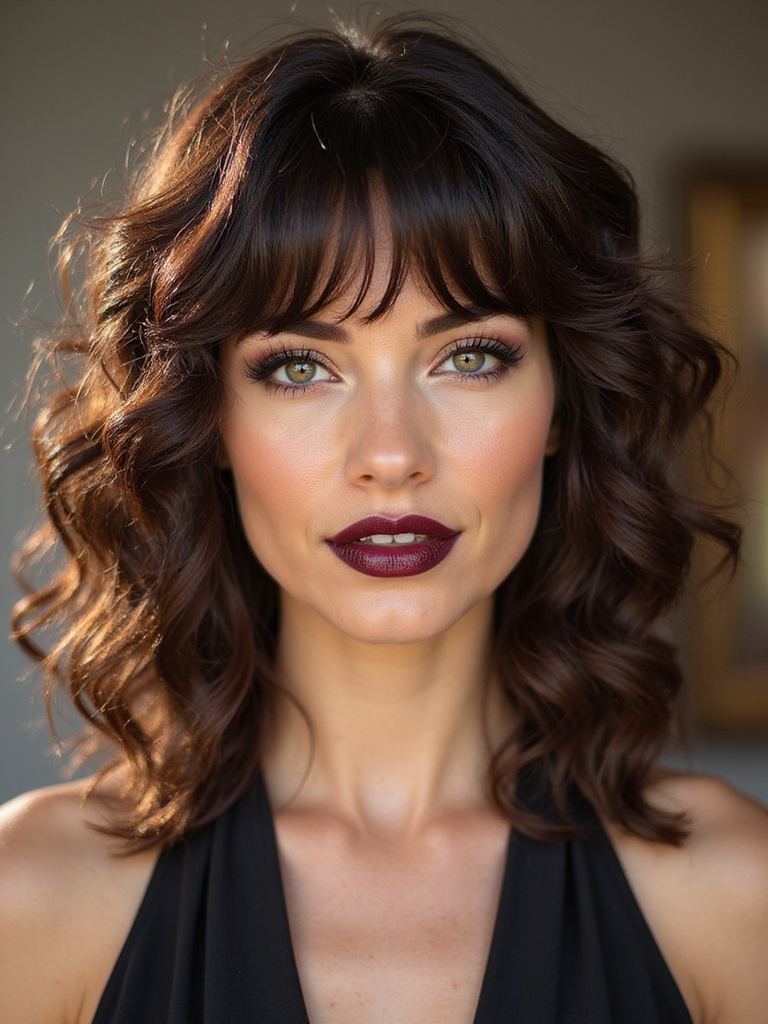
Curly and coily bangs can look wonderful, springing softly across the forehead, but they live and die on the cut. The non-negotiable rule is that a stylist works with the hair fully dry, shaping each curl where it actually lands, because curls shrink dramatically as they dry and a fringe cut wet will spring up far too short.
The One Rule for Curls
Embracing that shrinkage instead of fighting it is what separates a bangs specialist from a generalist. If a stylist reaches for a wet comb and scissors on your curl pattern, that’s the moment to look elsewhere. Cut correctly, curly bangs are low-fuss and full of character.
Ask for length with your shrinkage built in, and for the layers shaped to your curl pattern. The same rules apply to any curly bangs at any length.
Shaggy, Layered Bangs

Shaggy bangs are the piecey, textured fringe that comes with a shag or wolf cut, layered for volume and movement and blended into the shape below. They read cool, casual, and a little rock-and-roll. How to ask for them:
- Ask for a textured, layered fringe that blends into a shag or your layers.
- Request plenty of separation and piecey ends, not a clean line.
- Say you want it to look undone and air-dry well with a little product.
Long, Grown-Out Bangs
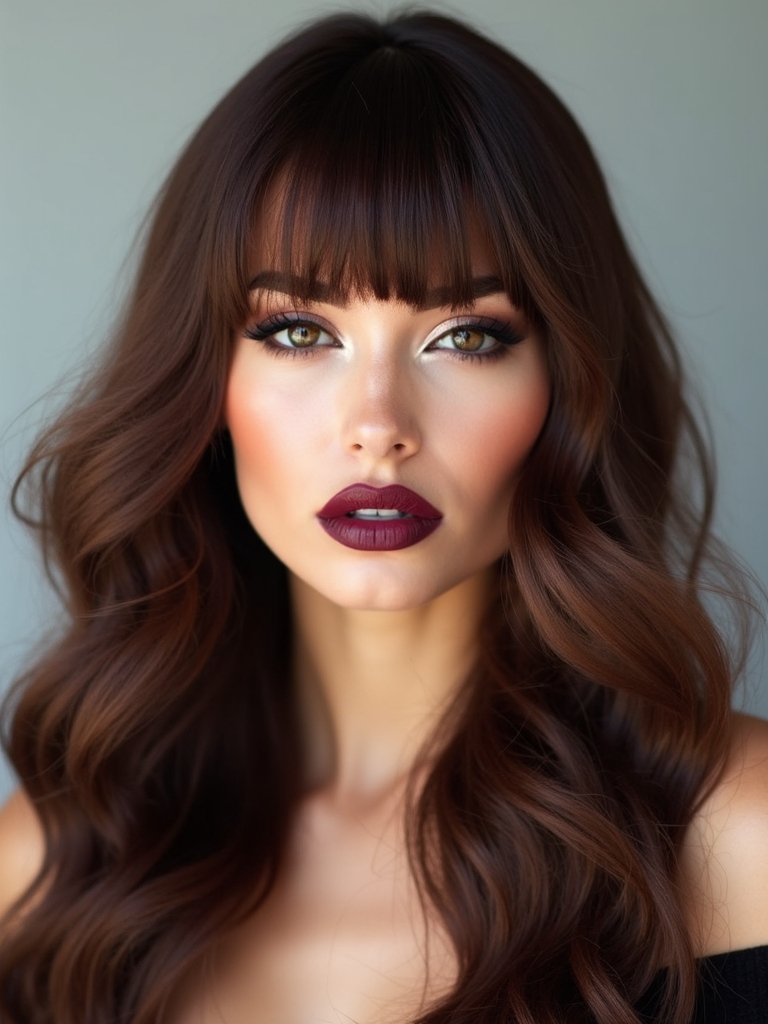
Long, grown-out bangs, sometimes called “grown-out” or “long curtain” bangs, fall past the cheekbones and blend almost into your length. They’re the least drastic, most versatile fringe, giving you face-framing without a real fringe to maintain. Why they’re the easy option:
- They frame the face while being long enough to tuck back or pin up.
- They need far fewer trims than a short fringe, so upkeep is low.
- Ask for long, face-framing pieces you can leave to blend into your length.
📋Take This to Your Appointment
- ✓A clear photo of the exact fringe, ideally on similar hair to yours.
- ✓The specifics: length, parting, blunt or textured ends, how soft you want it.
- ✓An honest note on your upkeep, so your stylist steers you to a fringe you’ll maintain.
Piecey, Separated Bangs

Piecey bangs are cut and styled into distinct, separated sections for a deliberately undone, textured finish. They sit between blunt and wispy, more defined than a wisp yet always soft, which makes them a cool, modern choice.
Between Blunt and Wispy
Ask your stylist for point-cutting to break up the fringe into pieces, and mention you want it textured and separated, with the pieces defined. A little matte paste keeps the pieces apart. That’s the whole routine.
It’s a fringe with attitude that still flatters, and it pairs beautifully with a textured cut. Great for anyone who finds blunt too severe and wispy too soft.
Face-Framing Layers Instead
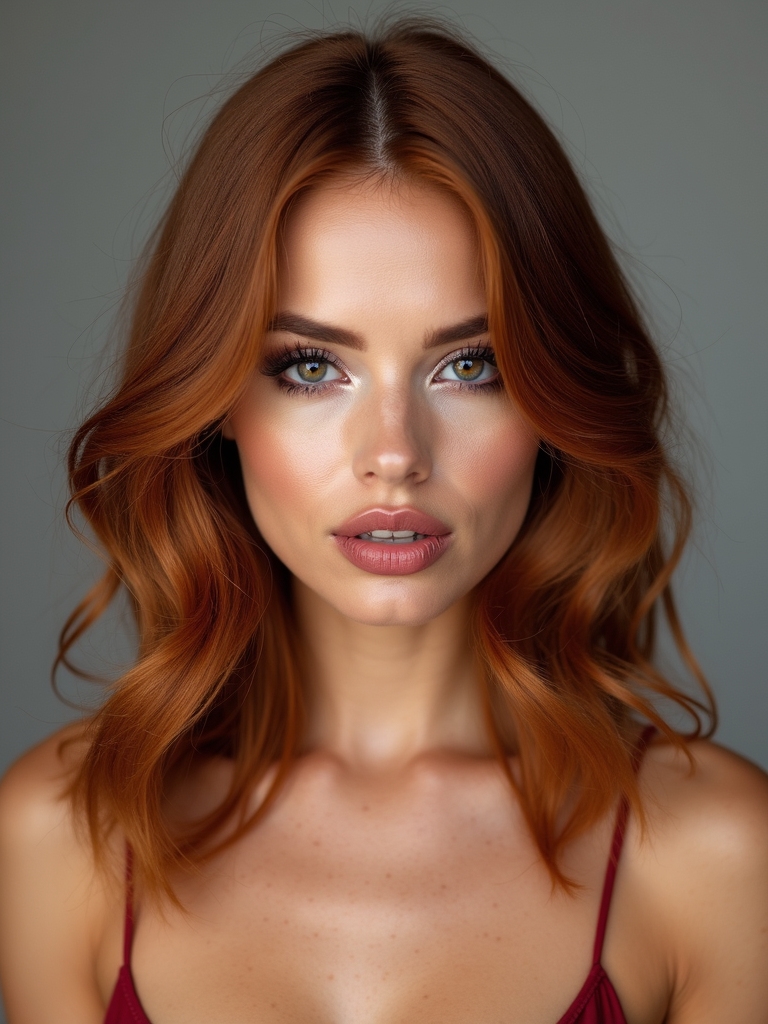
If you love the idea of framing but aren’t ready for a true fringe, layering just the front lengths gets you most of the way there commitment-free. Cut into the front lengths to shape pieces around the face, they give much of the softening effect of bangs without a separate fringe to maintain on its own schedule. How to ask:
- Ask for face-framing layers starting around the cheekbones or chin.
- It softens the face with barely any real upkeep behind it.
- A perfect trial run before you commit to an actual fringe.
Choosing Bangs by Face Shape

Face shape is the quiet factor behind which fringe flatters you most, and it’s worth raising in the chair. As a rough guide, the aim is to balance your proportions: add width where a face is long and narrow, add length where it’s round or full.
A great stylist reads your features and adjusts, but knowing your starting point helps you ask well. Round faces do best with length and angles; oval faces can wear almost anything.
- Round face: long, angled, or side-swept bangs to lengthen; see bangs for a round face.
- Oval face: nearly anything works; see bangs for an oval face.
- Long face: a fuller, blunter fringe adds width and shortens it.
Who It Suits Best
Bangs suit far more people than the internet’s rules suggest, but a few things truly matter. Your hair type is one: fine hair wears wispy and textured fringes best, thick hair can carry blunt and full ones, and curly hair needs a fringe cut dry for its texture.
Your lifestyle is another, since a blunt or micro fringe wants shaping roughly every two weeks and daily styling, while long, grown-out, or side-swept bangs forgive a busy schedule. A single salon fringe trim, if it’s charged at all, is usually a quick $15.
Almost anyone can wear bangs. Matching the type to your hair, your face, and how much upkeep you’ll actually do, then asking for it clearly, is what separates people who love their bangs from people who regret them.
If you’re unsure, start soft and long, curtain or side-swept, which flatter nearly everyone and grow out painlessly, and go bolder once you know you love a fringe. The right bangs are less about rules than about the right conversation in the chair.
Bangs Haircut Questions
?What are the easiest bangs to maintain?
Long, side-swept, and curtain bangs are the lowest-maintenance, since they’re long enough to blend into your hair, forgive a bit of grow-out, and don’t demand daily styling. Blunt and micro fringes are the highest-upkeep, needing fresh shaping roughly every two weeks and styling most mornings. If low effort matters most, start long and soft.
?How do I ask my stylist for bangs?
Name the type and get specific: the length you want them to hit, the parting, whether you want blunt or textured ends, and how soft or full. Bring a clear photo, ideally on similar hair, and be honest about your upkeep and your natural texture. The clearer your ask, the closer the cut lands to what you pictured.
?Do bangs suit every face shape?
Nearly, with the right type. Round faces are flattered by long, angled, and side-swept bangs that add length; oval faces suit almost anything; longer faces do well with a fuller, blunter fringe that adds width. The goal is balancing your proportions, and matching the fringe to your specific face shape gets you there far more reliably than avoiding bangs altogether.
?Can I get bangs with curly hair?
Yes, and they can look great, but the cut has to account for your texture. Curly and coily bangs need to be shaped strand by strand once the hair is fully dry, since curls shrink a lot as they dry and a wet-cut fringe ends up far too short. Confirm your stylist works this way before booking, and find a curl specialist if they don’t.
Ask for It by Name
For all the different names, curtain, blunt, wispy, side-swept, bottleneck, micro, the real secret to a fringe you love is knowing what each one is and asking for it precisely. The cut is only ever as good as the conversation that shapes it, so the more specific you are about type, length, and texture, the closer the result lands to the photo you saved.
So pick the fringe that fits your hair, your face, and your patience, bring a photo, and use the words. Whether you go soft and grown-out or bold and blunt, the right bangs start with the right ask. Which fringe are you booking?
More to Explore