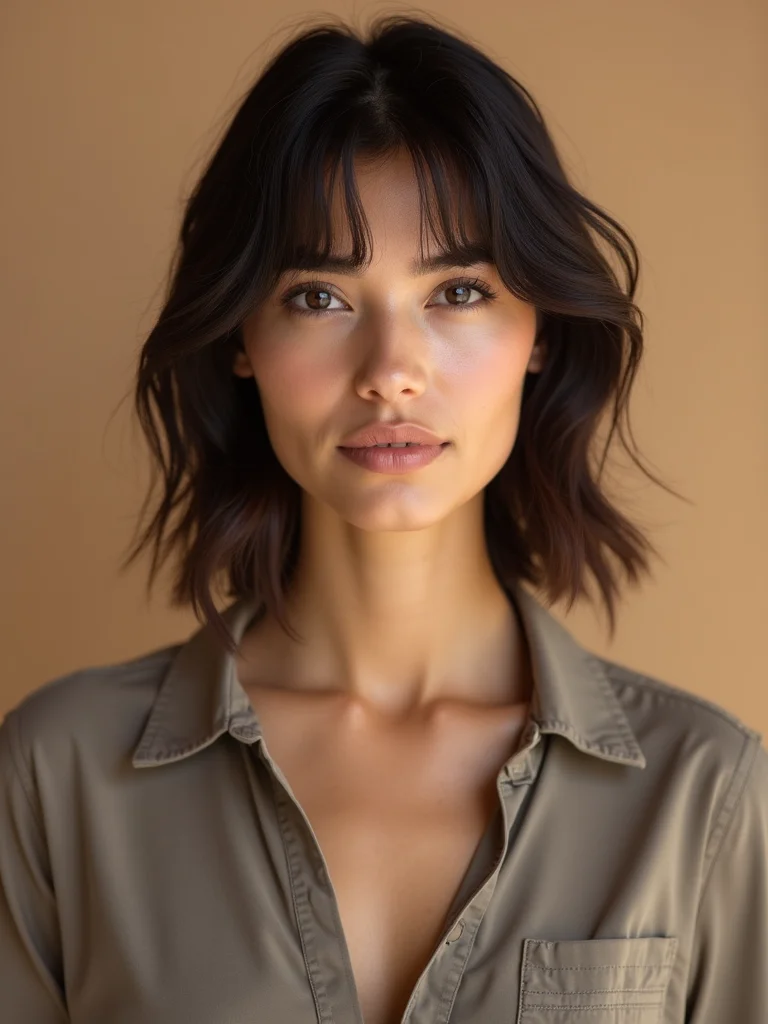
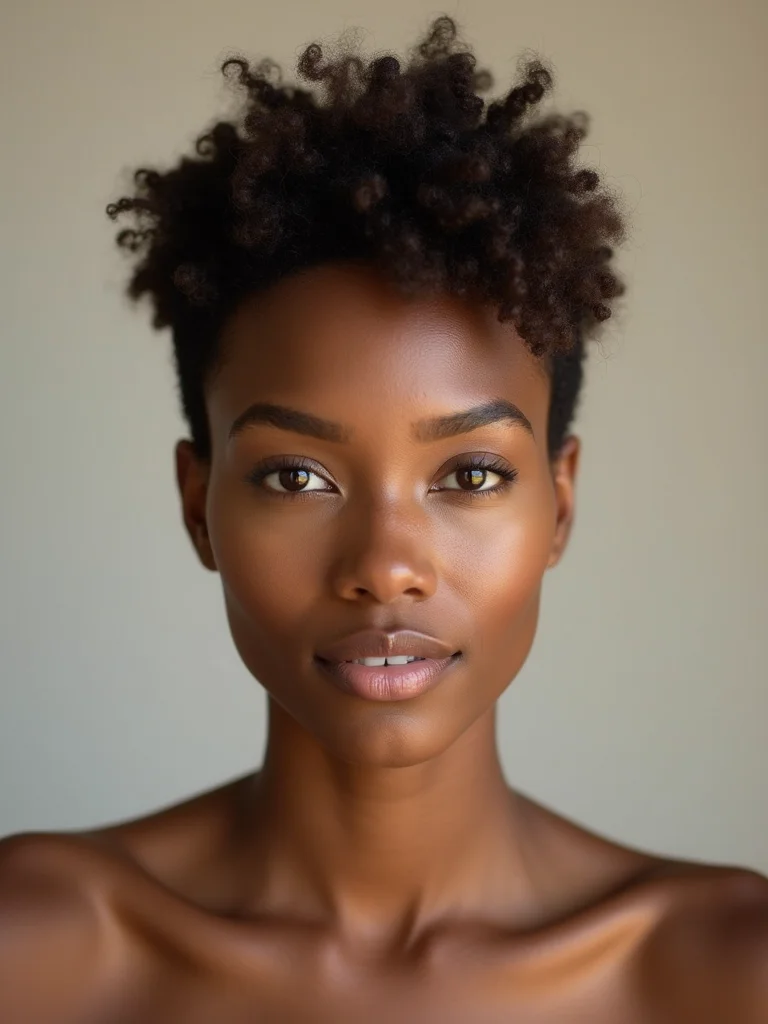
An undercut pixie haircut is really a placement decision, not a single fixed style. It comes down to where the length gets taken away. Shave the sides, tuck it at the nape, etch a design into it, or fade it smooth, and the same basic idea turns into wildly different crops.
That’s why two people can both ask for the same cut and walk out looking nothing alike. The ten looks below are really ten answers to the same question: where should the shaved work go, and how sharp should the line be? Get clear on the placement and you’ll ask for exactly what you want.
The Three Decisions Behind Every Undercut
Every undercut pixie comes down to three choices you make before the clippers start. Placement decides where the length is removed: bold shaved sides, a hidden nape, a temple frame, or a full fade. The line decides how the long top meets the short section, either disconnected and graphic or faded and smooth.
Upkeep then follows from both. The sharper and more shaved the work, the faster it grows out and the more often you are back for a touch-up. Settle those three before you talk about photos, and the rest is just styling.
Sleek Side-Shaved Pixie
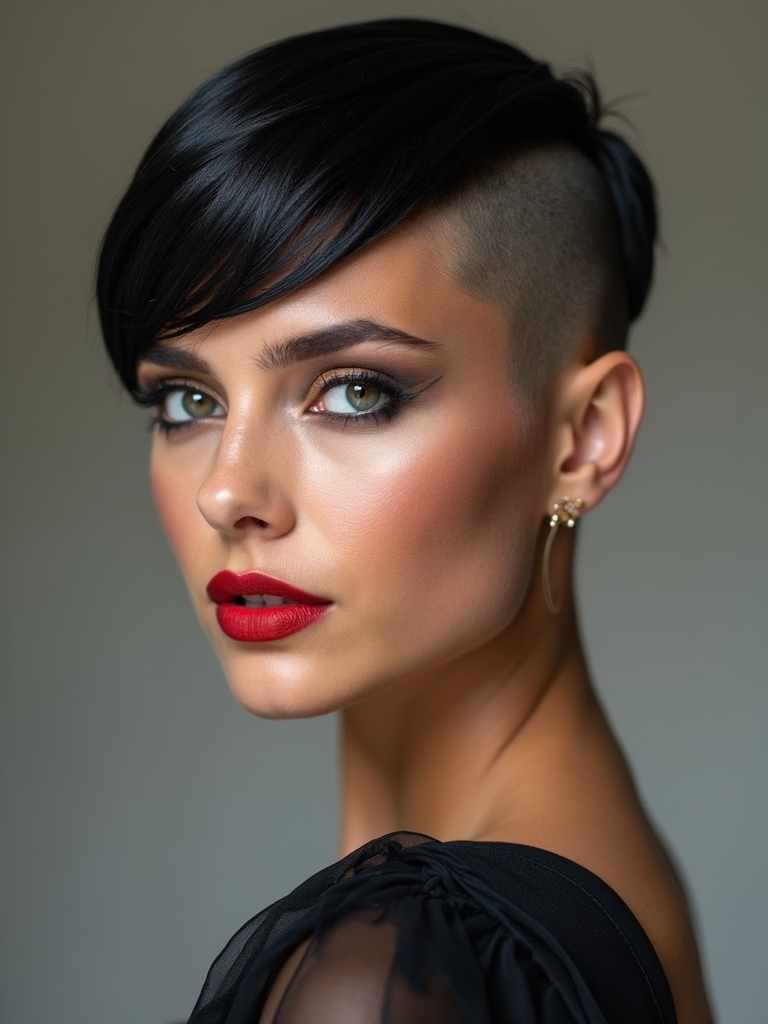
Shaving the sides is the undercut in its most recognizable form. The hair is clipped tight from the temple down past the ear, while the top stays long enough to fall over and either hide or show the contrast. This is what most people picture when they hear the word undercut, and it makes the boldest statement of the bunch.
The real craft here is in the line. A skilled stylist decides exactly where the long top stops and the shaved side begins, and how blunt or blended that meeting point should be. That single choice is what separates a sharp, intentional crop from something that looks like a grown-out mistake. Both sides shaved looks boldest, while one side keeps it wearable and easy to cover.
Textured Top With a Nape Undercut
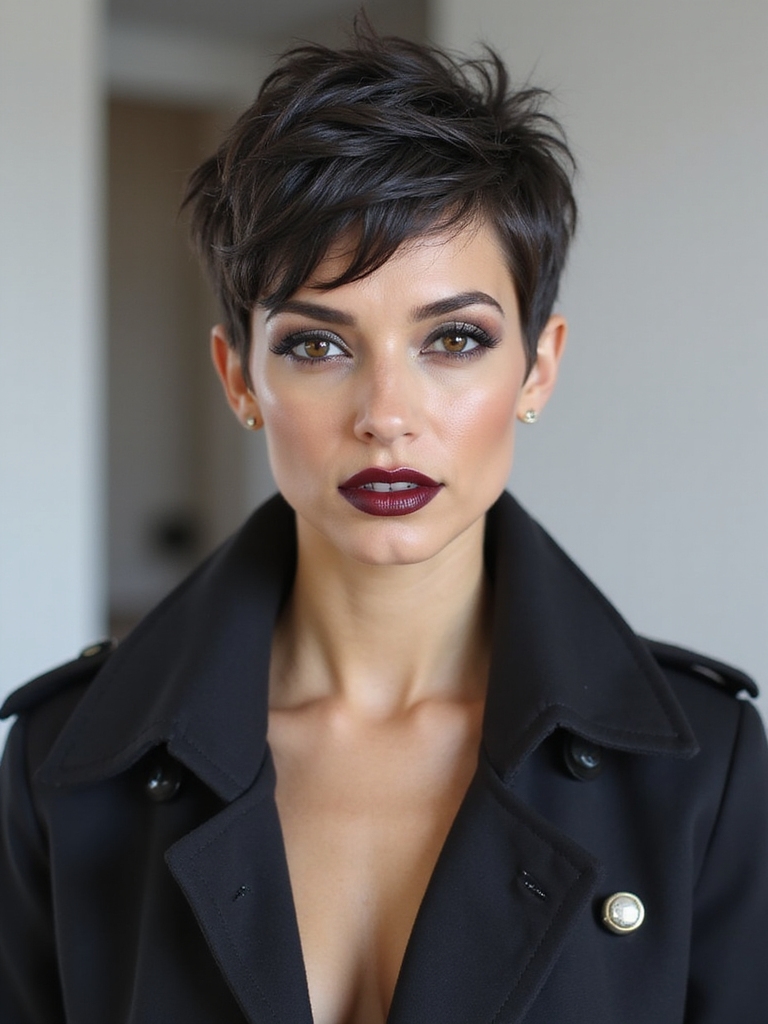
Move the shave to the nape and the whole personality changes. The shaved section tucks low at the back of the neck, beneath a textured top that covers it completely when worn down. From the front it looks like an ordinary pixie. Lift the back and the secret shows.
Why the nape is the safest first undercut
This is the one to ask for if you want the practical wins of an undercut without the visible commitment. It removes weight at the neck so thick hair sits flatter, it stays hidden for work or formal settings, and it grows out far more forgivingly than a side shave.
It’s also the one I point nervous first-timers to, because there’s almost no risk. A buzz close to every four weeks keeps it tidy, and if you change your mind about the undercut later, the nape grows back under your length with nobody ever the wiser. Our curly pixie looks show how well this nape shave pairs with texture on top.
📋Bring this to the consultation
- ✓The exact guard number for the shaved section, not just a general sense of “short”
- ✓Whether the line will be finished blunt (disconnected) or blended (faded)
- ✓How visible you need it to be with hair down versus pulled back or tied up
Asymmetrical Pixie With a Hidden Undershave
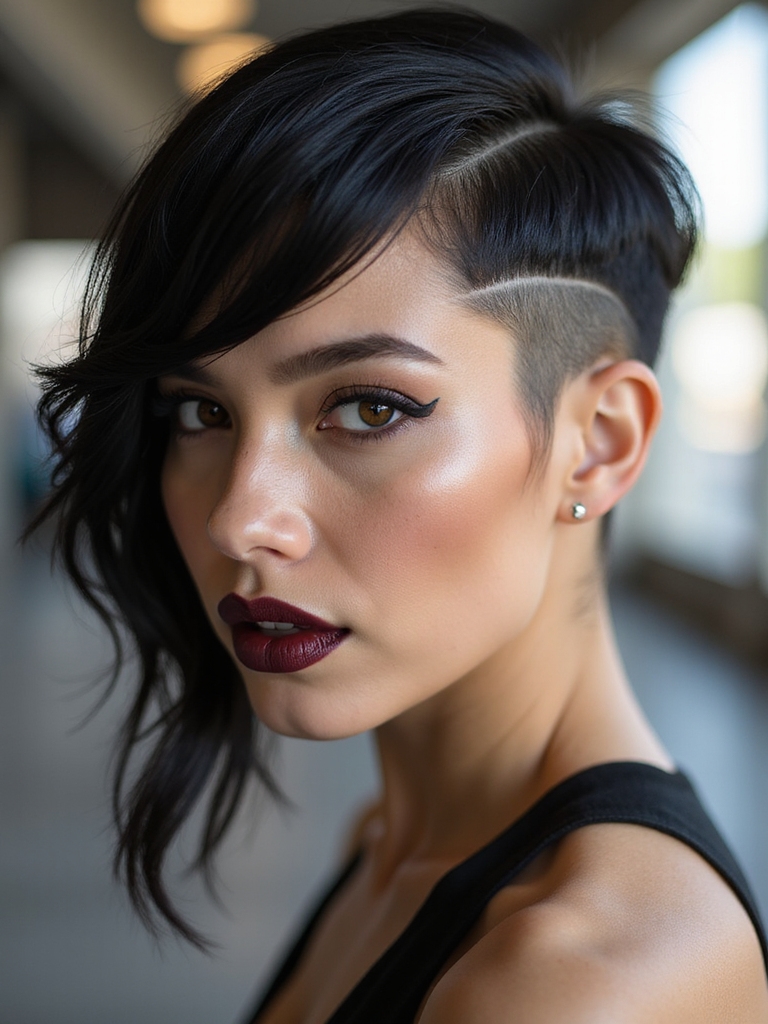
Pairing an undershave with an asymmetrical cut stacks two ideas in one crop: the off-balance diagonal on the surface, and a concealed shaved panel hidden underneath. The longer side sweeps across to cover the undershave, so the look shifts depending on how you wear it that day.
This is a cut that rewards a detailed consultation. Your stylist has to balance the asymmetry of the top against the position of the hidden panel so the two work together, and that takes planning. The asymmetrical pixie page walks through more diagonal-length pairings before you book one.
- The long side hides the panel for work, sweeps back to reveal it after.
- Best on oval and heart faces, where the diagonal flatters the proportions.
- Plan the consult carefully so the asymmetry and the panel line up.
Curly Pixie With a Temple Undercut
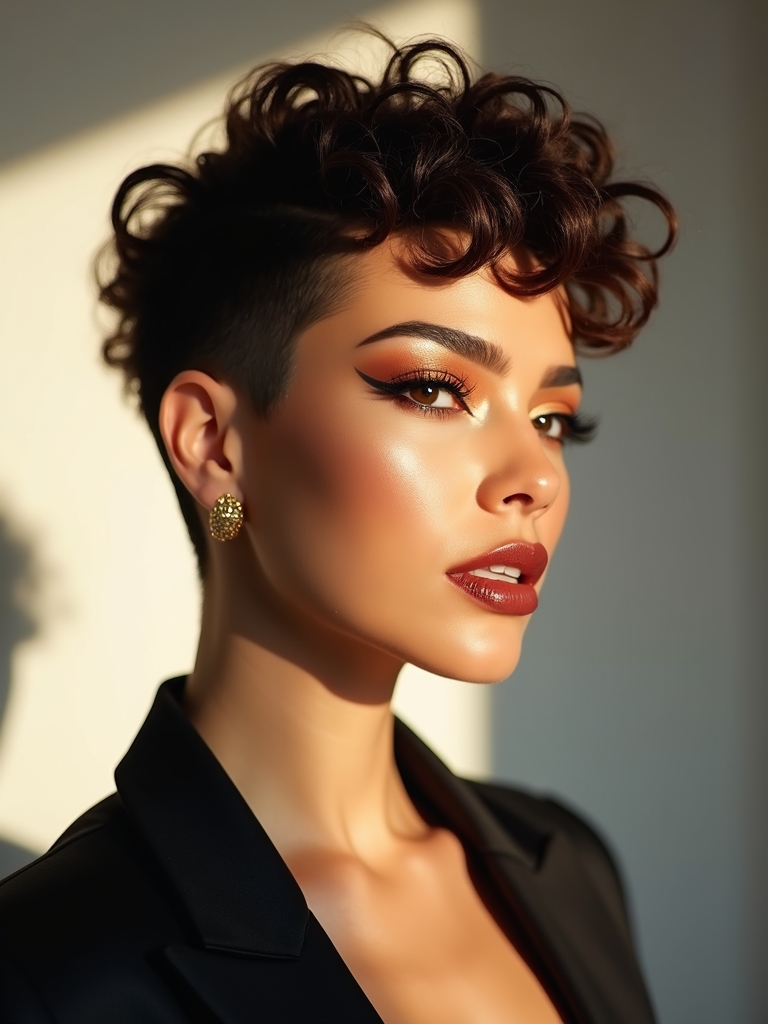
On curly and coily hair, a temple undercut does double duty. It frames the face while removing the bulk that dense curls carry at the sides, so the crop on top can lift and round out, with the side weight gone. The shaved temples give the whole shape a clean, intentional edge.
How a temple undercut helps dense curls
I love a temple undercut on curls because it solves a real problem while it shapes the crop. Dense coils want somewhere for the weight to go, and shaving the temples gives them exactly that. Have the curly top cut dry, in its natural pattern, so the shape honors how your hair actually falls.
Day to day it is low-effort: a curl cream defines the top, and the temples stay neat with the occasional buzz. The aim is coils that stay springy and full, shaped around your natural pattern instead of forced flat.
Micro-Fringe Pixie With an Etched Design
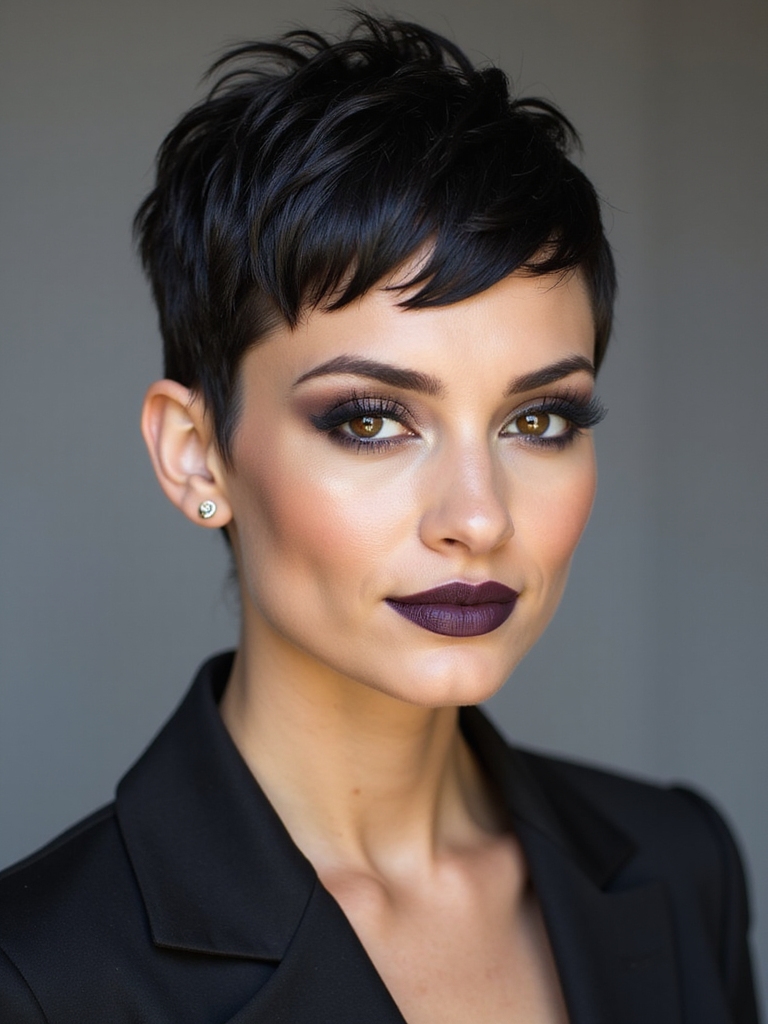
When the shaved section is on full display, it can become a canvas. Pair a graphic micro fringe up front with an etched design at the side, lines, geometry, or a simple shape, and the undercut stops being practical and starts being art. This is about as expressive as a short cut gets.
Be clear-eyed about the upkeep, though. Etching is fine trimmer work, and the cleaner and more pared-back you keep the pattern, the longer it survives before the edges start to fuzz. Budget a touch-up close to every ten days, usually around $25 at a barbershop, to hold the lines, so this one suits people who love the salon ritual and the attention it earns.
Long-Top Pixie With Disconnected Sides
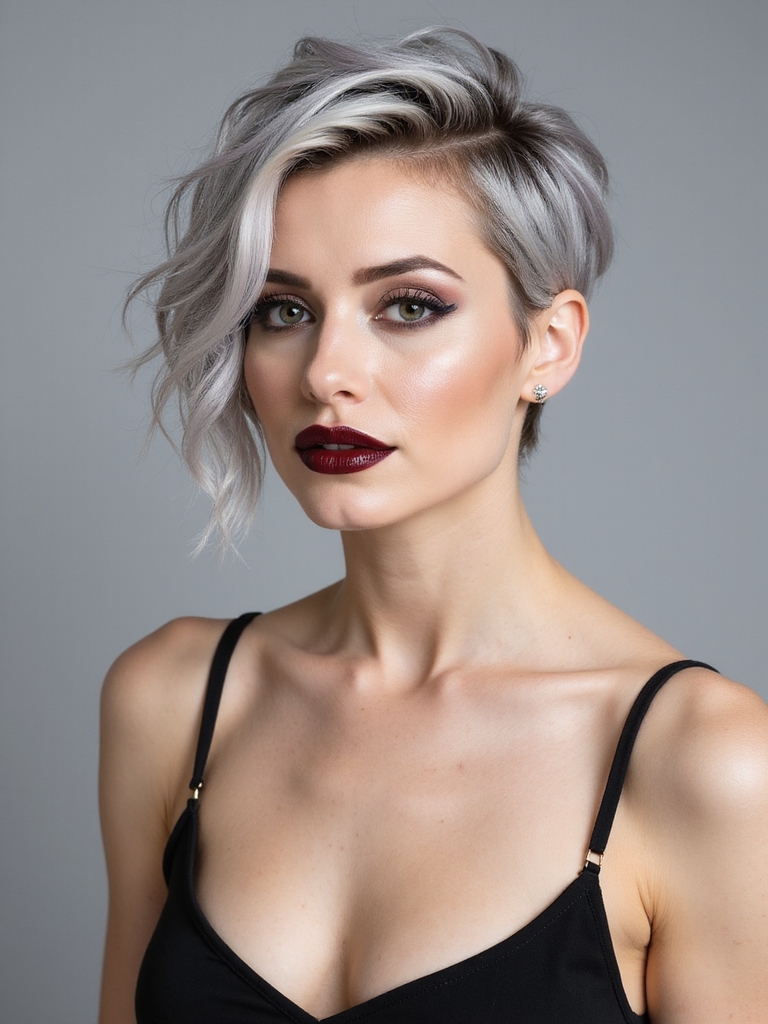
Disconnection is all about the line. Here the long top and the short sides meet at a hard, unblended edge, with no fade softening the transition between them. That sharp contrast is the whole point, and it comes across graphic and modern when it is cut cleanly.
I always show clients exactly where the disconnection line will sit before I commit to it, because once it’s cut, you’re living with that hard edge until it grows out. A long, styleable top gives you room to sweep the hair over or off the line depending on how bold you feel. It’s a confident look that rewards a precise hand.
A couple of terms worth knowing before your consultation:
📖Undershave
A section clipped short underneath longer hair, hidden or revealed depending on how the top falls.
📖Fade
A gradual blend from short to long with no hard edge, the softest and most grow-out-friendly line.
Platinum Pixie With a Shadow-Root Undercut
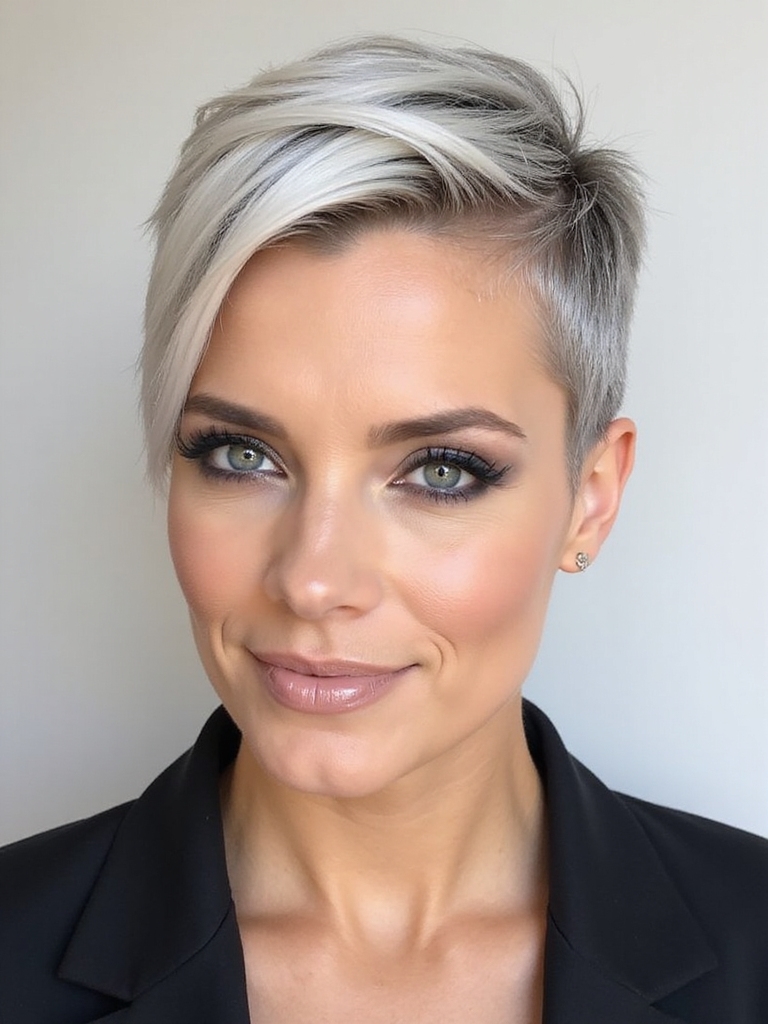
Color can amplify the effect. Leave the shaved section darker beneath a bright platinum top, and the shadow grounds the brightness so the whole crop looks dimensional and deep. The dark undercut peeks out at the sides and gives the platinum somewhere to play against.
- Lighten the top to platinum, then keep the undercut darker for contrast.
- Tone the platinum every few weeks so it stays cool and clean.
- Budget for two upkeep streams: the bleach and tone up top, plus side buzzing.
Tousled Pixie-Mullet Hybrid
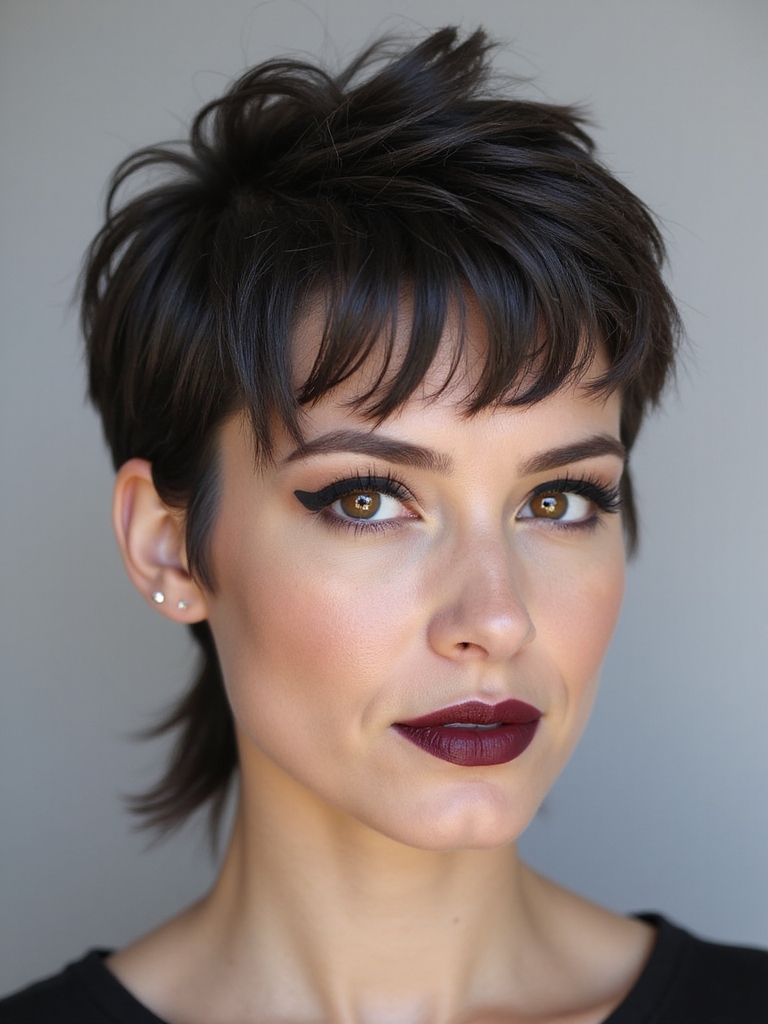
The pixie-mullet hybrid moves the length to the back, keeping a short, textured top and a longer tail at the nape over undercut sides. It’s the pick for people who want texture and a little retro attitude, and the shaved sides keep the shaggy shape from looking unfinished.
Keep the styling loose and unfussy: scrunch a texturizing spray through damp hair and let it air-dry, so the tail keeps its shag-like movement instead of falling flat. This works best on hair with a couple of inches to spare at the nape, since a very short tail loses the point of the hybrid. The wavy pixie page has gentler takes on the same idea.
Soft Pixie With a Subtle Undercut
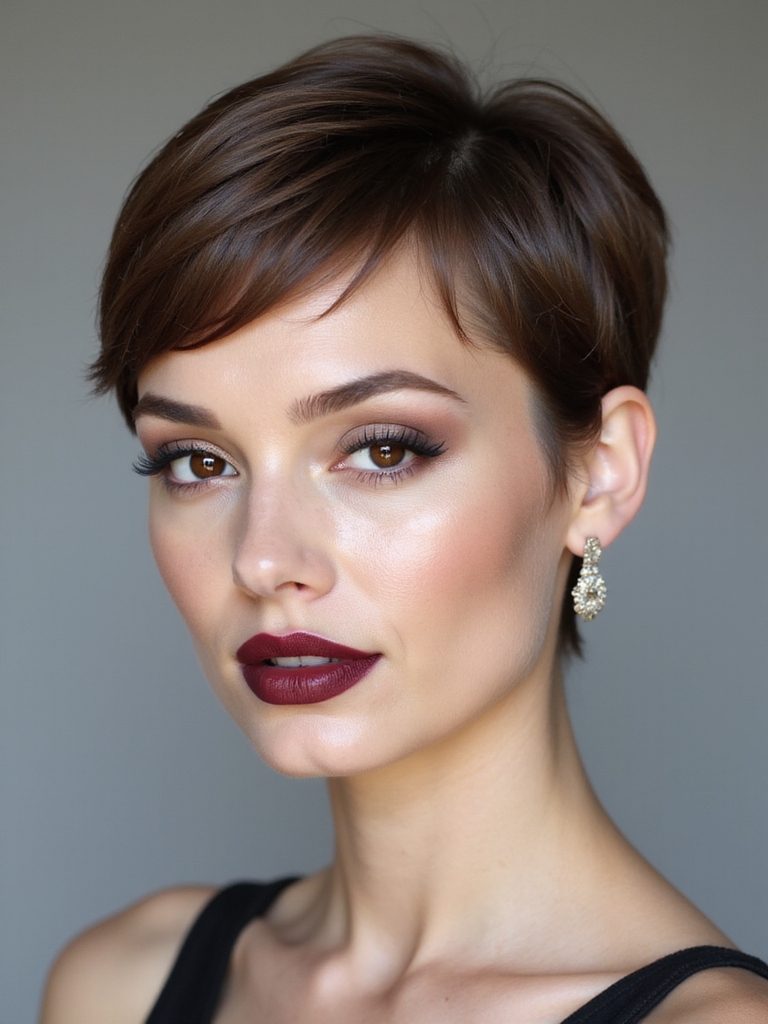
Not every undercut has to announce itself. A small shaved section or a light taper kept well under the surface adds quiet edge and weight removal without changing how soft the pixie looks. It’s the most wearable answer on this list: keep the guard length conservative and let the top hide the rest.
- Keep the shaved section small and low so it stays mostly hidden.
- A light taper, kept soft underneath, stays gentle-looking and grows out easily.
- Ask for just enough weight removal to lift the top, and no more.
Spiky Pixie With a Razor Fade
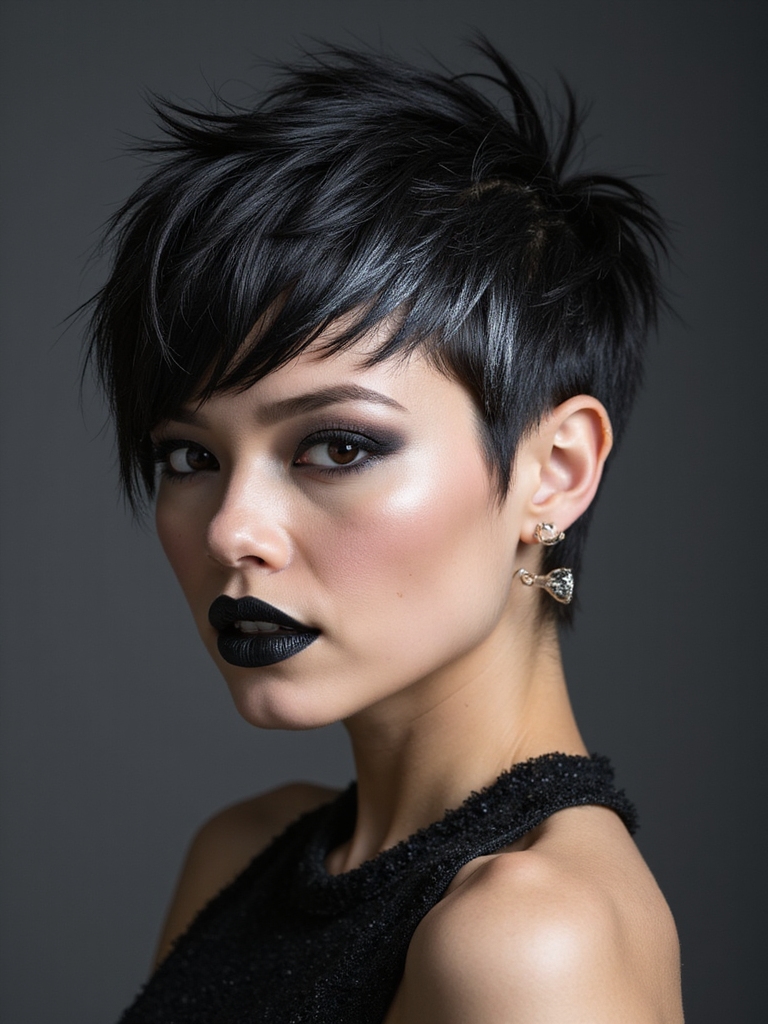
A razor fade is the smoothest line you can choose, graduating the shaved section up into a spiky, textured top with no hard edge at all. The gradient does the work quietly, so the cut lands sharp and punky up top while the sides stay clean and blended. It’s bold in spirit but soft in transition, and it grows out more kindly than a disconnected line. See more edge in our edgy pixie guide.
- The fade is the most forgiving line as it grows out, no hard edge to manage.
- Spike the top with a strong matte paste worked through with fingertips.
- A skin or scissor fade both work; ask which suits your density and growth.
Matching the Placement to Your Hair and Routine
Once you understand placement, choosing gets simpler, because the right one comes down to two practical things: your hair and your routine. The first is your hair: thick or coily hair benefits most from a temple or side shave that removes real bulk, while fine hair often only needs a small nape section for a touch of lift. The second is your routine, since the boldest versions demand the most chair time.
If you’re still torn, default to the more forgiving end. A nape or a soft fade gives you most of the benefit of an undercut with the least upkeep and the gentlest grow-out, and you can always go bolder once you know you like living with shaved hair.
- Thick or coily hair: a temple or side shave removes the most weight.
- Fine hair: a small nape section adds lift without overdoing it.
- Low on salon time: stick to a fade or hidden nape for easy upkeep.
Undercut Pixie Haircut Questions
?Does an undercut get in the way of headphones or a helmet?
Barely, once it’s grown in past the first week or two. Right after a fresh shave, the stubble can feel a little different under a tight headband or helmet strap, but it settles down fast and most people stop noticing it entirely.
?What happens if the disconnection line comes out crooked?
It can usually be corrected at the next appointment by taking the line down slightly to straighten it, though that means a bit more length lost than planned. Pointing out the exact spot you want the line before the first cut is the best way to avoid this.
?Does having an undercut change how the top gets colored?
Not really, since color is applied to the longer top section and the shaved area is usually left out entirely, or matched separately if it’s being toned to blend. Flag it for the colorist ahead of time so the shaved section doesn’t get accidentally lightened.
?Can an undercut pixie be grown into a fuller shape without starting over?
Yes, though the shaved section takes noticeably longer to catch up to the rest. Most people keep buzzing it short while the top grows, then let the whole thing blend together once there’s enough length to work with.
It Comes Down to Placement
Strip away the photos and every undercut pixie is the same handful of decisions: where the shaved work sits, how sharply it meets the top, and how much upkeep you’re signing up for. A nape or a fade hides and forgives; a shaved side or an etched design shows and demands. Neither is better, they’re just different answers to where you want the edge to live.
So before you bring a reference photo to your stylist, decide how visible you want it and how often you can get to a salon. Settle those two things and the right placement will pick itself.
Hand-Picked for You