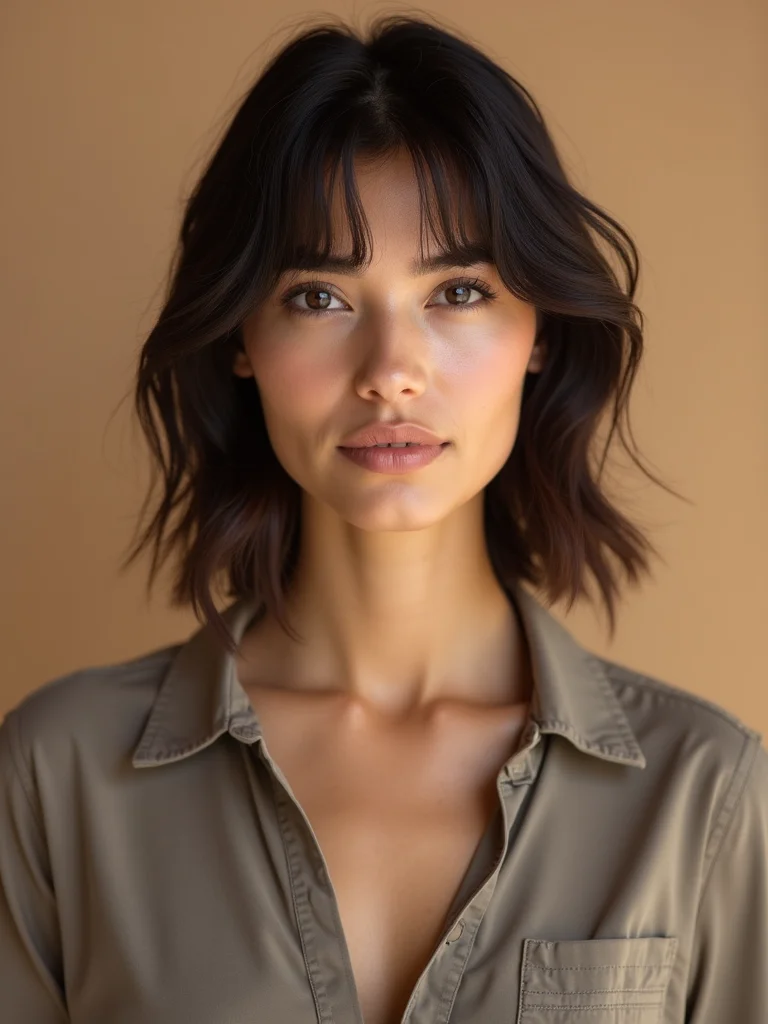
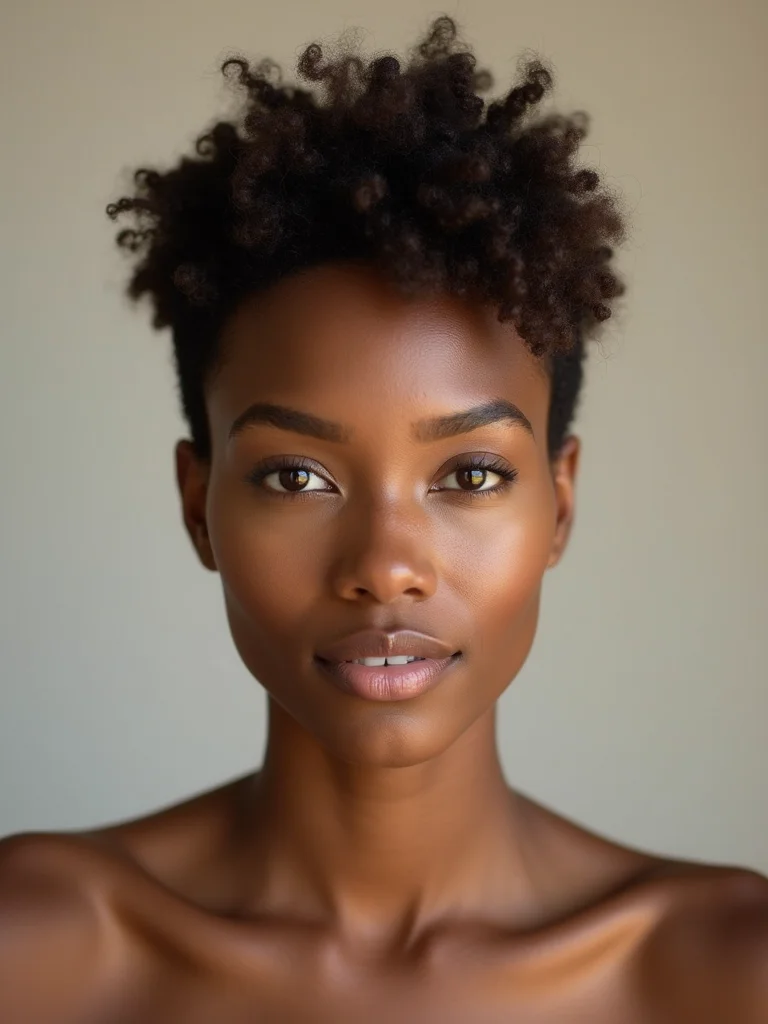
Say “shag” to most people and they picture something soft: feathered layers, curtain bangs, a cut that behaves. Forget that. The rockstar version throws politeness out entirely, built on heavy disconnected layers, razored ends, and a fringe that means business. Nothing about it is meant to look finished.
These fifteen takes on the shape lean hard into rough texture, whatever your length or curl pattern. Each one comes with a real note on who it suits and how much upkeep it actually asks for.
The Attitude Is Built Into the Cut
Disconnected layers, razored or point-cut ends, and a fringe that means business: that’s the whole recipe. Everything else is texture, not polish.
You’ll spend more time scrunching product through than smoothing it out. That’s the trade: less blow-dry time, more hands-on styling most mornings.
The Seventies Original, Brought Back Loud

The seventies-revival shag is where this whole rebellious shape started, and it still carries the same raw charge decades later. Heavy, disconnected layers pile down from the crown, the fringe feathers out over the brows, and the whole shape looks like it survived a soundcheck.
Short, choppy crown layers build the lift, while the lengths stay long and shaggy so the cut swings with every turn of the head. A point-cut perimeter keeps the ends soft and ragged.
You’ll notice this version photographs best mid-motion. That’s by design.

A Cropped Micro Shag With Razor-Cut Ends

Shrink the rebellious shape down and you get the micro shag: layers sitting high and close, razor-cut ends fraying into wispy points, and a silhouette that reads sharp from every angle. Razoring is the whole trick — a blade slices the ends into fine, separated pieces that scissors alone can’t fake.
- Layers sit high through the crown, close at the nape.
- Razored ends fray into fine, separated points.
- Works best on hair with enough natural texture to hold the shatter.
A Heavy Fringe That Refuses to Whisper

Some shags stay quiet. This one shouts. A heavy fringe loads the front with dense, brow-skimming hair that frames the eyes and pushes the attitude right to the surface.
Built for Longer Faces
Paired with disconnected layers behind it, the fringe becomes the loudest part of an already loud haircut. The weight is the entire statement — a thick, full fringe cut to graze the brows anchors the face while the layers behind stay wild and textured.
It flatters longer face shapes especially well, since the dense fringe visually shortens things. Expect the fringe itself to need trimming on its own, faster schedule.
A Softer, Piecey Take on the Rock Shag

Not every rockstar shag has to roar. This version keeps the rebellious bones but turns the volume down to a simmer, with airy layers that stay light through the crown.
Fine, piecey layers cut with real internal space let the hair fall in separated sections that move on their own, while the ends stay point-cut and wispy. It’s the entry point for anyone easing into the look.
📋Before You Commit to a Heavy Fringe
- ✓A face shape that reads longer than wide
- ✓Willingness to trim the fringe on its own schedule
- ✓A round-brush routine most mornings
Curly Texture Springs Into a Wild Halo

Curls and the rockstar shag share the same instincts: volume, movement, and zero interest in lying flat. On curly and coily hair, the shag becomes a layered halo of texture, coils springing through the cut for a shape built for a stage.
Cut Dry, Strand by Strand
The cutting method matters more than anything else here. Curly and coily shags need to be shaped dry, strand by strand, so the layers land correctly once the hair springs up and shrinks. Wet-cutting hides the true length and risks a lopsided result.
A curl cream or custard defines the coils, and a diffuser builds root volume without disturbing the pattern. Expect some shrinkage to catch you off guard the first time. Our curly shag guide has more on shaping for specific curl types.
A Wolf Cut and Shag Hybrid

The wolf cut is what happens when the shag and the mullet share a stage. This hybrid keeps the shag’s heavy crown layering but lets the back grow longer and shaggier, blurring toward mullet territory for a shape that’s pure rebellion. See our wolf cut guide for the full breakdown.
- A short, spiky crown sits over longer, wispy lengths.
- The contrast between top and bottom is the whole identity.
- Not a subtle cut; go in expecting attention.
A Shag Mullet With Grunge Written All Over It

The shag mullet drags the rebellious shape through a grunge filter. A choppy, textured crown sits over a long, ragged tail, trading polish for raw, dressed-down attitude.
Rough Edges, on Purpose
A heavily textured crown and a deliberately ragged, point-cut tail give it that undone character, while disconnection between the layers keeps the whole silhouette sharp and intentional.
The fringe usually stays long and curtain-like to balance the back. Our full shag mullet guide breaks down how far to push the length gap.
A Shoulder-Grazing Shag for Actual Everyday Life

This is the version built for real life, hitting right at the collarbone without giving up the rock edge. It keeps the heavy layering and textured ends in a length that’s easy to wear down, tied back, or tousled for a night out.
The layers should stay choppy and the ends point-cut; smooth, blunt lengths kill the entire effect. Expect this length to double as your desk cut and your Saturday-night cut without a single change.
How far into grunge should you go?
1Just a taste
Keep the crown texture subtle and the tail length moderate; grunge stays an accent here.
2All the way
Go heavy on the crown chop and let the tail run long and ragged for the full mullet-shag statement.
Curtain Bangs Soften the Front Without Quieting It

Curtain bangs bring a gentler focal point to the rockstar shag without dialing back its energy. Parted at the center and swept along the cheeks, they frame the face and blend into the shag’s layers for one continuous frame.
The blend is what makes this pairing work. Curtain bangs act as the shortest point of that frame, sweeping straight into the layers so the fringe reads as one continuous piece.
They suit a wide mix of face shapes and grow out gracefully, keeping the whole look easy to live with even as the bangs lengthen. Set them with a quick dry-styling pass each morning.
A Short Crop With a Choppy Crown

This version stacks a choppy, heavily layered crown over short sides for a bold, cropped shape. It’s the shag distilled to its shortest form, all texture and lift up top with a clean, close perimeter, so the silhouette stays sharp and the styling stays fast.
- The choppy crown carries nearly all the attitude here.
- A matte paste worked through defines the texture in under two minutes.
- A strong pick when you want maximum edge in minimum length.
Volume-Building Layers for Fine Hair

On fine hair, this cut becomes something of a secret weapon: razored, feathered layers build the fullness and movement fine hair lacks on its own. Chopping the layering into separated pieces gives strands the appearance of more body than a blunt cut could ever manage.
- Keep the length at or above the shoulder; extra length drops flat fast.
- A light texture spray plus root lift holds the body through the day.
- A matte finish keeps the pieces distinct all day.
Myths worth retiring about the cropped shag:
❌ Myth: Myth: it only works on thick hair.
✅ Reality: The choppy crown fakes density on any hair type, since the layering does the volume work regardless of your natural thickness.
❌ Myth: Myth: it needs constant restyling.
✅ Reality: One round of paste in the morning usually holds until the next wash.
Long Layers Finished in Undone Waves

On long hair, this shag layers throughout and finishes in soft, undone waves, keeping all your length while adding real movement. The internal layering breaks up the weight so long hair never sits flat and heavy.
Expect the waves to give it a tousled, just-off-stage texture that keeps long hair from feeling static. For more on the base cut, see our long shag guide.
- A sea-salt spray scrunched through builds the wave pattern.
- Ends should stay point-cut and ragged, not blunt.
- The more undone it looks, the more it’s working.
Bold Color Turns the Volume Up Further

Color takes this shag from loud to unmistakable. Bold pops, a bleached money piece, or a two-tone split amplify the choppy, layered movement, with color pooling right where the texture is busiest.
Placement matters most. Point your colorist toward the spots where the layers move hardest, the crown, the fringe, or the face-framing pieces, so texture and color reinforce each other.
Bright fashion color fades faster than your natural base, so plan on a color-safe routine and a refresh sooner than the cut alone would need.
💡Between-Wash Refresh
Dry shampoo at the roots plus a fresh scrunch of salt spray brings day-three waves back without a full restyle.
Styling Habits That Keep It Rough

The whole point of this shag is that it looks better the less you fuss over it, so styling is about building texture. Let it dry mostly on its own, then massage a matte paste, clay, or texture spray through with your fingertips, pulling pieces apart as you go.
Skip anything glossy; it flattens the texture you’re going for. On second-day hair, a spritz of dry texture spray and a quick tousle brings the whole thing back in seconds.
Keeping It Sharp, or Growing It Out

This shag stays sharp with a regular shape-up, usually $55 to $90 depending on your salon, so the choppy layers and point-cut ends don’t soften into a shapeless mop. Letting it go too long between visits is the quickest way to lose the texture that makes it work.
Growing it out is painless, which is part of the appeal. The disconnected layers blend down into a longer shag or a lob as they grow, so there’s no awkward in-between stage.
Shaping trims along the way guide it gracefully through the transition. Whichever direction you go, protecting the texture is the one constant.
Who It Suits Best
This shape works on nearly any texture and length, from cropped and razored to long and wavy, as long as you’re willing to skip the smooth blow-dry. It rewards hands-on styling and forgives a slightly imperfect finish better than most cuts.
This one asks for real effort most mornings. Wash-and-go simplicity lives elsewhere, like the softer, more blended shag bob.
Rockstar Shag Questions From the Chair
?What actually separates a rockstar shag from a regular shag?
Attitude over polish. A rockstar shag leans into heavy disconnected layers, a choppy crown, and razored or point-cut ends, while a regular shag stays soft and feathered. The texture runs wilder and the styling stays deliberately undone.
?Does this cut work on every hair type?
Almost certainly. Choppy layers fake fullness on fine hair, remove bulk from thick hair, and spring curls into a wild halo. Curly and coily versions need to be cut dry, strand by strand, so the length and layering shift to match your texture.
?How much daily styling does it actually take?
More than a wash-and-go cut, less than a full blowout. Most versions need a few minutes with texture spray or paste, worked in with your fingers, to look right.
?Can I add bold color without redoing the whole cut?
Yes, and it’s a popular add-on. Color placed where the layers move most, at the crown, fringe, or face-framing pieces, amplifies the texture already built into the shape.
?Will growing it out look awkward at some point?
Not really. The disconnected layers blend gradually into a longer shag or a lob as they grow, so there’s no hard line to manage. Shaping trims along the way keep the transition looking intentional.
The Rockstar Shag Rewards Committing to It
This cut was never meant to look finished, and that’s the entire point. Its power sits in the rough, disconnected texture, the choppy crown, and a finish that looks like it’s been somewhere.
If you’ve been craving hair with real edge, treat this as your sign to skip the safer, softer version and ask for the one with bite. Find a stylist confident cutting disconnected layers and point-cut ends, then do less to it than you think you should.
Hand-Picked for You