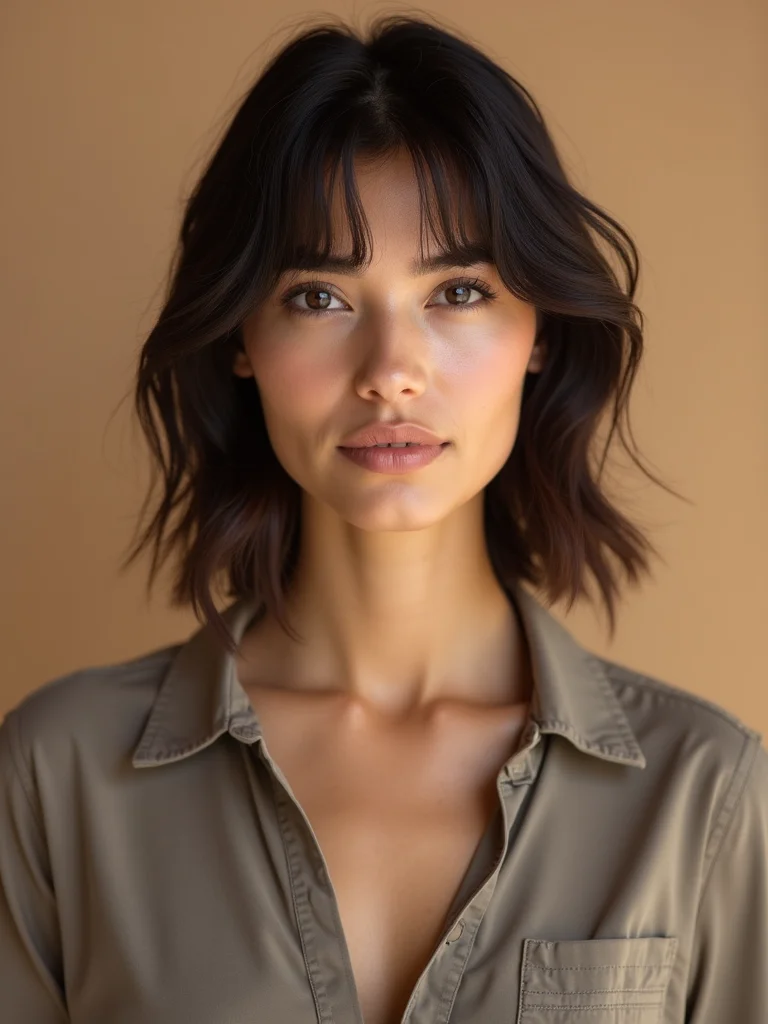
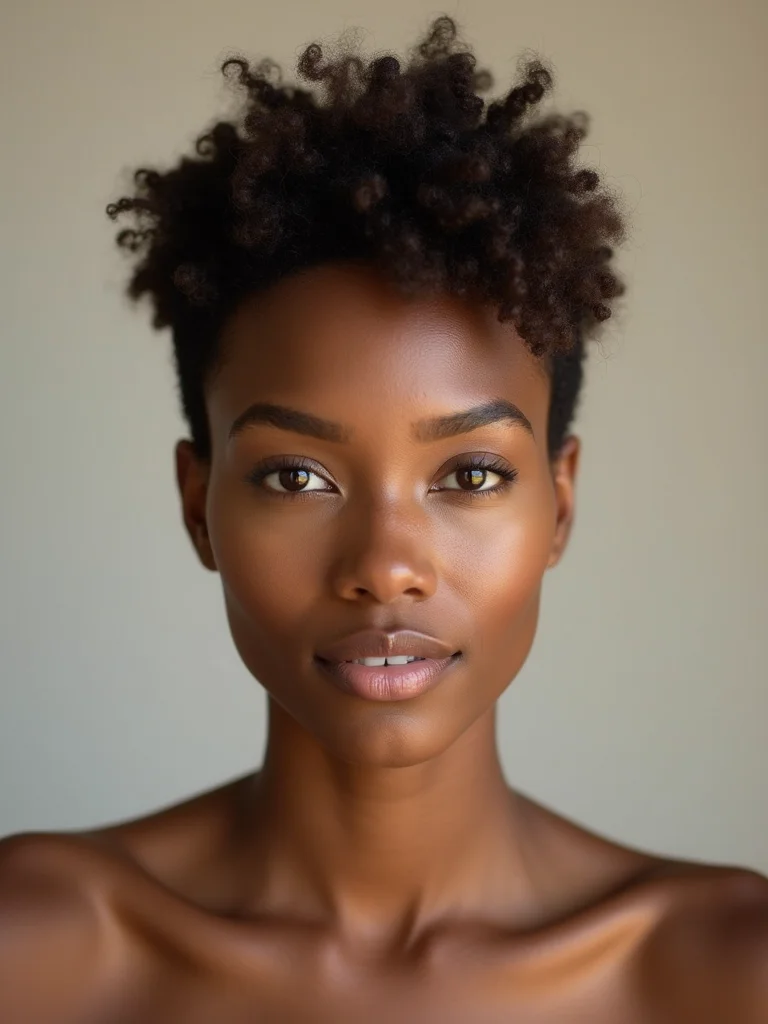
A client once sat in my chair and said she had worn the exact same shoulder-length bob for fifteen years, and it had never quite suited her. We did not change the length. We changed the part, added a few face-framing layers, and moved her volume an inch lower. She cried a little. Same cut, different rules.
That is the thing about the shoulder-length bob: it is the most universal cut I know, but only when it is tailored to your face. Below I walk through how to find your face shape and exactly how to adjust the bob, the part, the bangs, and the length so it flatters yours specifically.
Tailoring the Bob to Your Face
How do I find my face shape? Pull your hair back, look straight in the mirror, and trace your outline. Note where your face is widest and how your jaw and forehead compare.
What flatters a round face? Length below the chin, a side or deep part, and long face-framing layers that draw the eye down.
What flatters a square face? Soft layers and waves that round off a strong jaw, plus a side-swept fringe.
What about a heart shape? Fuller ends at the jaw and a wider fringe balance a narrow chin.
Budget and upkeep? Roughly $60 to $100 for the cut, with a reshape appointment about once a month and a half to keep the line sharp.
Finding Your Face Shape in the Mirror
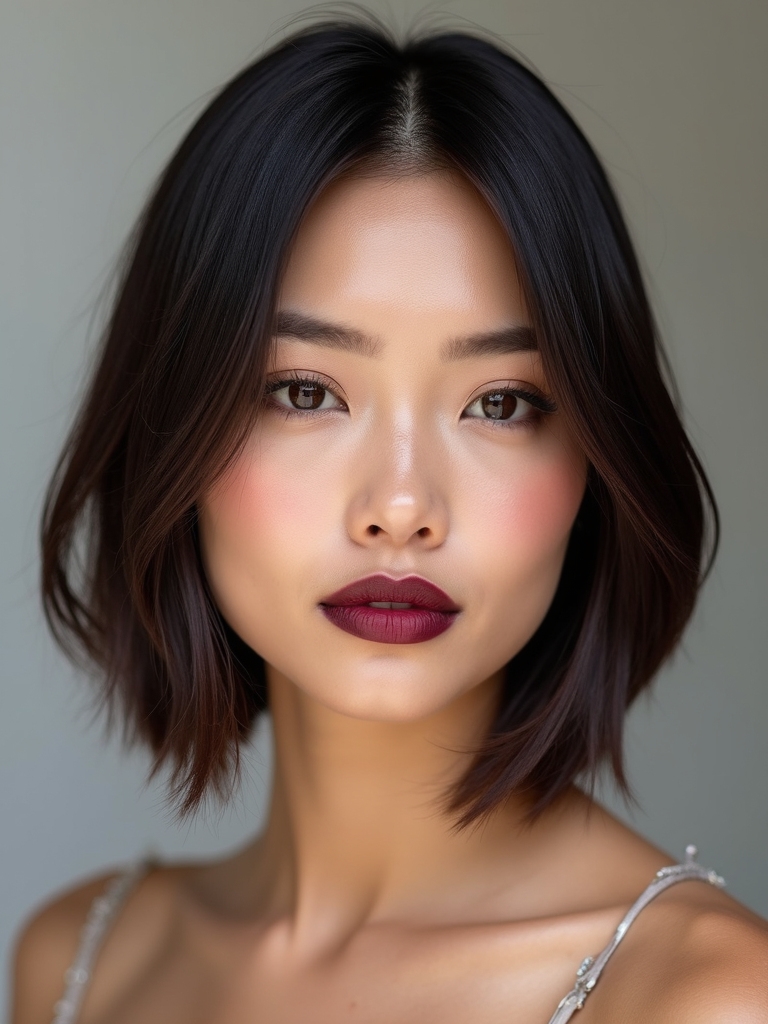
Before you pick a single detail, you need to know your face shape, and you can find it in two minutes at your bathroom mirror. Pull all your hair back, look straight ahead, and trace the outline of your face. Notice where it is widest, how long it is compared to its width, and whether your jaw is the strongest feature or your forehead is. That outline tells you everything the rest of this guide builds on.
- Pull hair back and trace your outline
- Note the widest point: forehead, cheeks, or jaw
- Compare the length to the width of your face
The Bob That Flatters Nearly Everyone
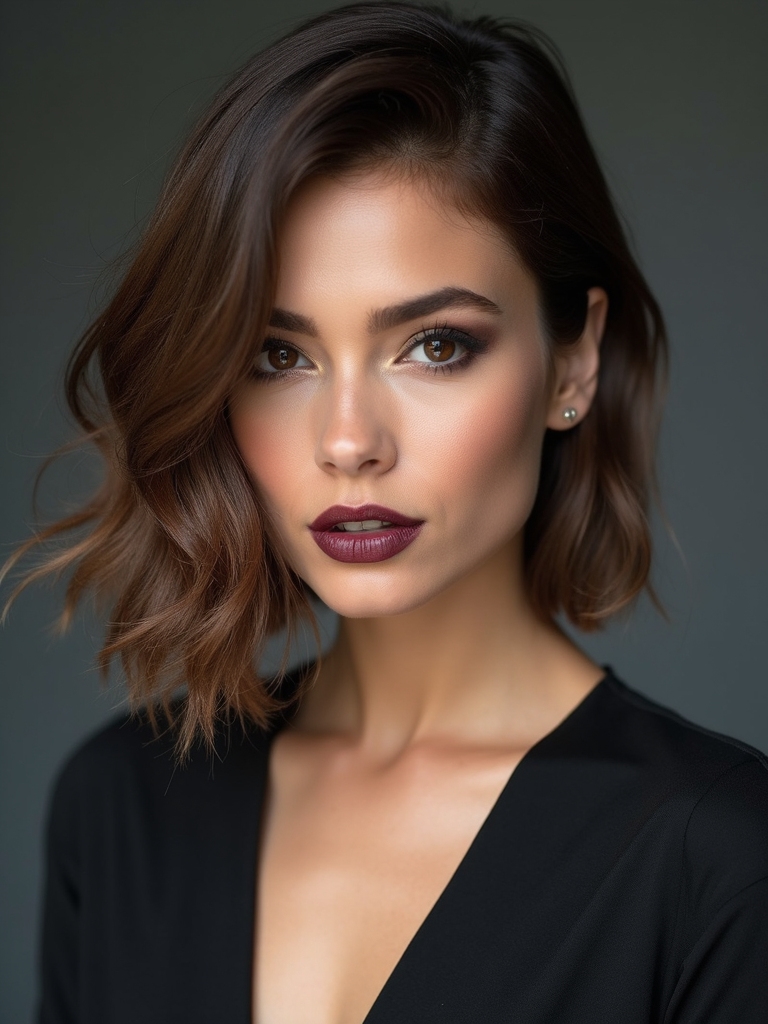
There is a reason the shoulder-length bob is the most-requested cut in my book. At this length, grazing the clavicle, it sits in the sweet spot that flatters nearly every face shape with only small adjustments. It is long enough to soften and short enough to lift.
A slightly blunt baseline with subtle internal layers is the most universal version. The clean line reads polished while the layers keep it from sitting heavy. This is the cut I reach for when a client is unsure.
Style it with a round brush turned under, or a wave for softness. Our long bob guide covers the longer end of this family.
Heads-Up
The most common bob mistake I see is choosing the length and ends from a photo without accounting for the model’s face shape or hair type. A blunt bob that looks sharp on straight hair can pull into a triangle on curls, and a jaw-length cut that flatters an oval can harden a square jaw. Tailor the details to your own face, not the picture.
Styling a Bob for a Round Face
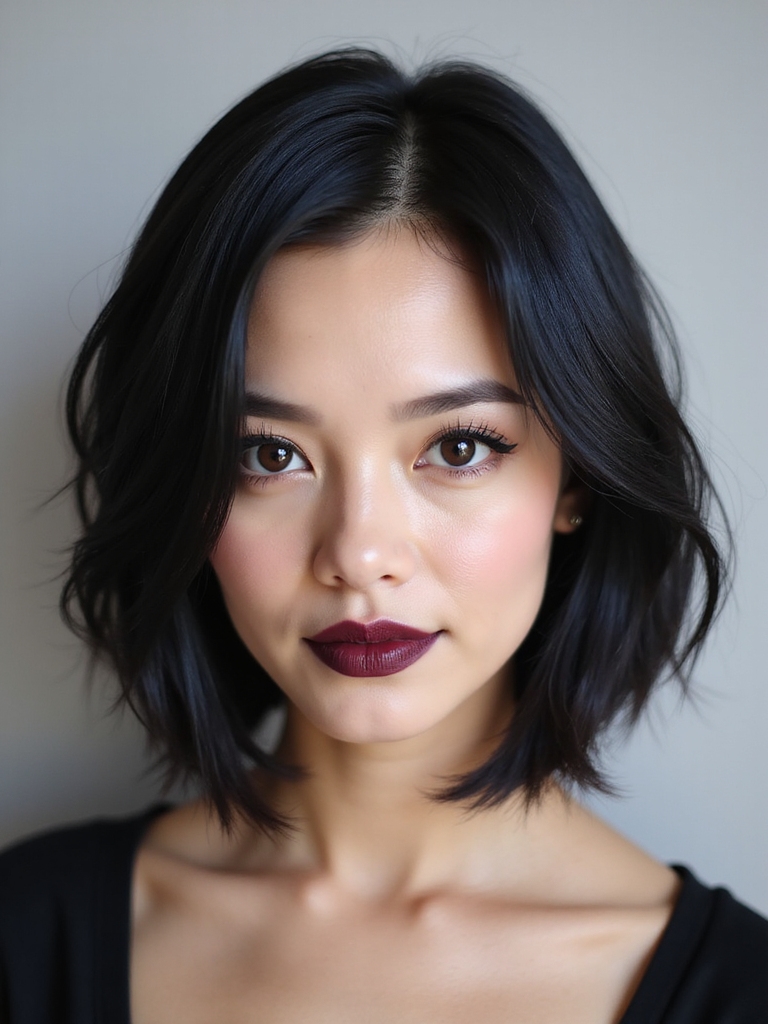
A round face is about as wide as it is long, with soft, full cheeks, and the goal is to add length and angles. Keep the bob a touch longer, below the chin, and let long face-framing layers fall past the jaw to draw the eye downward. A side or deep part breaks the symmetry that can make a round face read fuller, and a little height at the crown stretches the proportions taller.
- Keep the length below the chin
- Long face-framing layers draw the eye down
- A side or deep part adds an angle
The Bob on an Oval Face
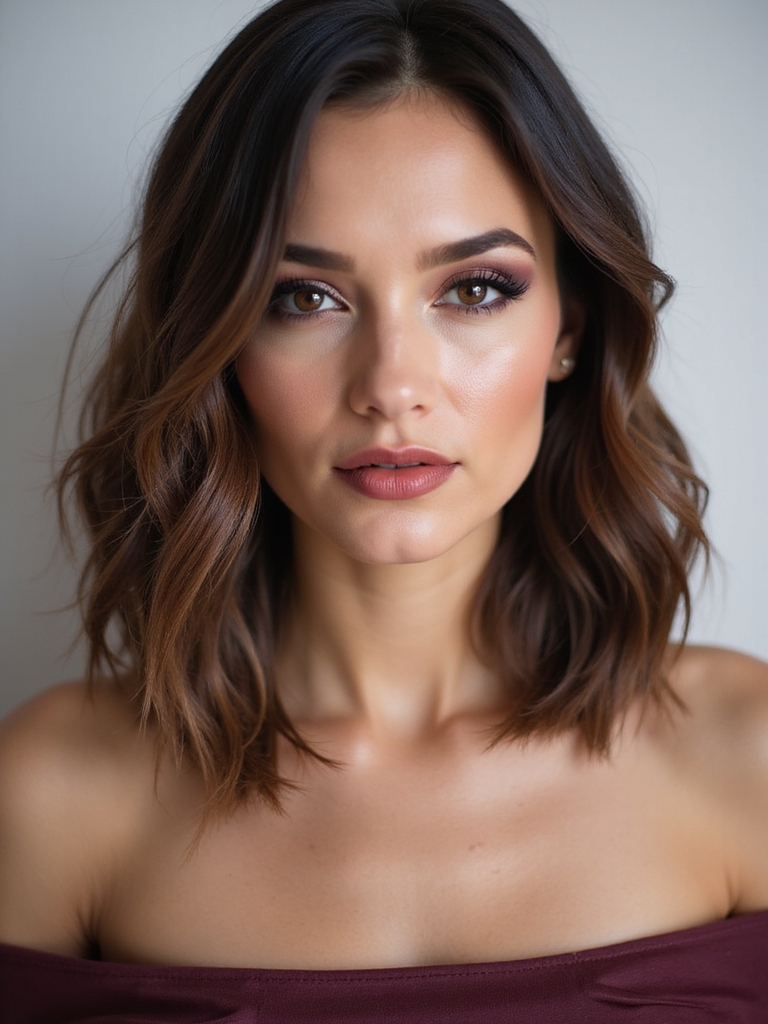
If your face is an oval, balanced in length and width with a gently rounded jaw, you have won the face-shape lottery. Almost any shoulder-length bob works on you, which is freeing and a little paralyzing.
The freedom of an oval face
Because nearly everything flatters you, choose by your hair type and lifestyle, since correction is not the issue. A soft, side-parted bob with light layers is a beautiful default, but a blunt one or a heavy fringe works just as well.
My only caution is not to cover too much of a balanced face with a heavy, dense fringe. Let those even features show.
ℹ️Good to Know
Your part is the cheapest restyle there is. Switching from a middle to a deep side part adds visible volume and an instant angle for free, and it can take a cut that felt wrong and make it suit you, no scissors required. Most people never test it, so try all three for a week before your next appointment.
Softening a Square Face
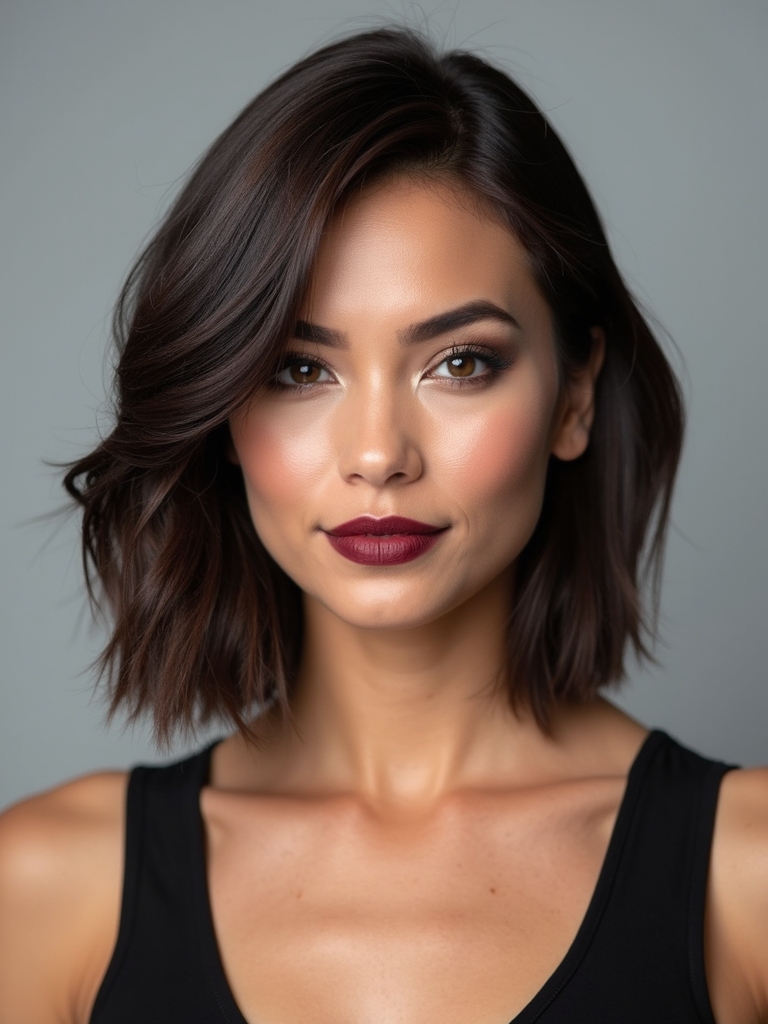
A square face has a strong, angular jaw and a forehead of similar width, and the aim is to soften those corners. Layers are your best friend here. Soft, face-framing layers and waves blur the hard line of the jaw, while a side-swept fringe breaks up the straight edge of the forehead.
Avoid a heavy blunt bob that hits exactly at the jaw, since it can echo and emphasize the angle you are trying to soften. Drop the length below the jaw instead.
Style with a curling iron for soft bends around the face. The movement is what does the softening.
Balancing a Heart-Shaped Face
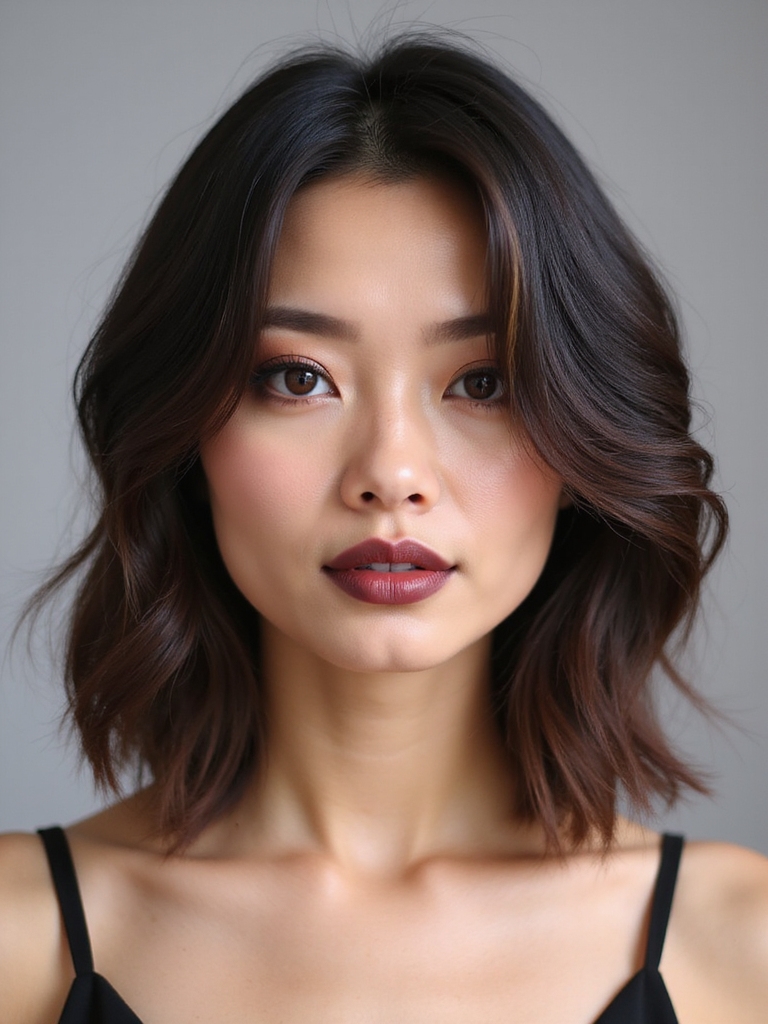
A heart-shaped face is widest at the forehead and narrows to a delicate, pointed chin, so you want to add width and weight lower down. A shoulder-length bob with fuller, slightly heavier ends right around the jaw builds the balance a narrow chin needs.
Adding weight at the jaw
Curtain bangs or a wispy fringe are wonderful on a heart shape, since they soften a wider forehead without adding bulk on top. The goal is to draw the eye to the center of the face.
Keep volume out of the crown, which would only emphasize a wider top. For the exact fringe cut and placement, see our curtain bangs page.
A couple of shoulder-length bob myths worth clearing up:
❌ Myth: Only oval faces can wear a bob
✅ Reality: Untrue; every face shape suits a bob once the length, part, and layers are adjusted to flatter it.
❌ Myth: A bob makes thin hair look thinner
✅ Reality: The opposite; a blunt or near-blunt baseline makes fine hair look fuller and denser than longer lengths do.
Flattering a Diamond Face
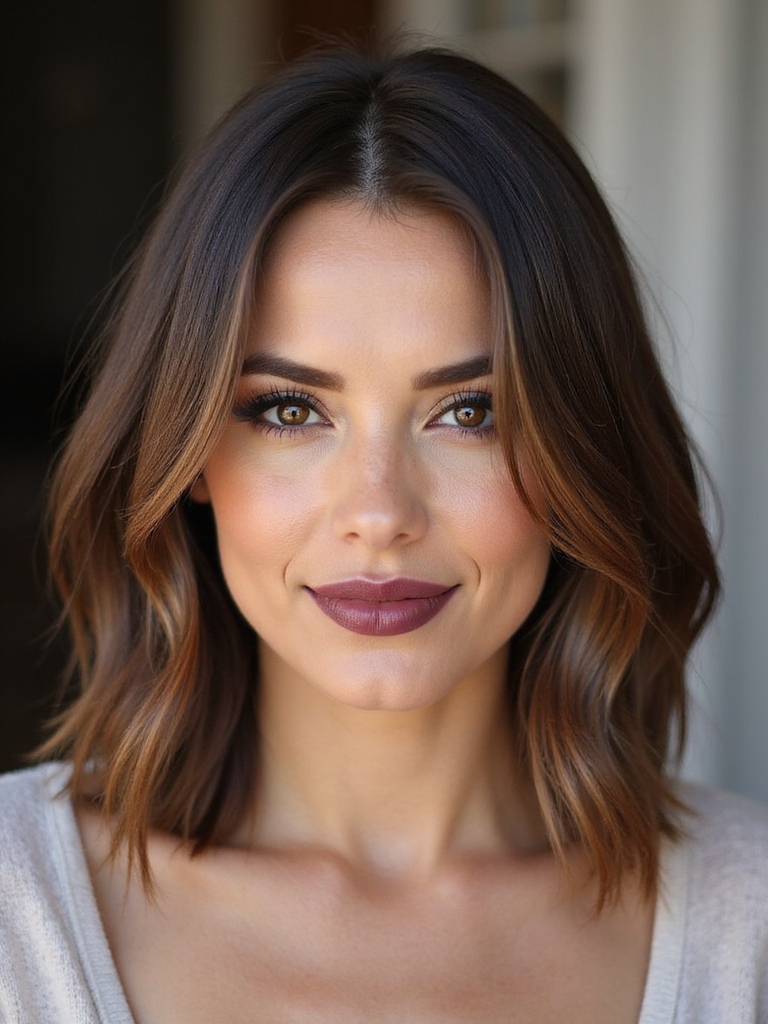
A diamond face is narrow at both the forehead and the chin with dramatic, wide cheekbones. The goal here is to build width at the top and bottom while softening the cheeks in between.
A shoulder-length bob with volume near the chin and a side-swept or curtain fringe to widen the forehead does exactly that. Cheek-skimming face-framing layers soften the widest point without flattening it. Few face shapes are this striking, and the bob plays up its angles beautifully.
- Add width at the forehead with a fringe
- Build volume near the chin
- Cheek-skimming layers soften the cheekbones
Blunt Ends or Soft Layers?
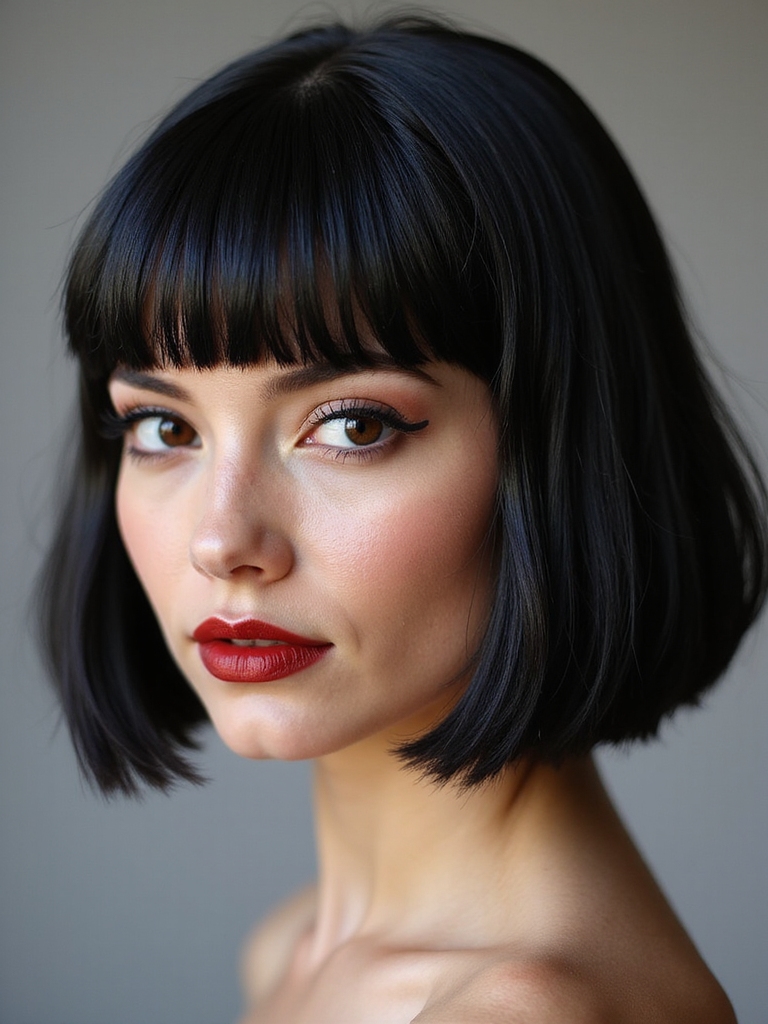
This is the first choice I walk every client through, because it changes the whole feel of the cut. Blunt ends give a strong, polished, fashion-forward line and make thin hair look denser, but they need more upkeep and a flatter dry.
Soft layers give movement, volume, and an easier air-dry, and they suit thick hair that needs weight removed. Most people land somewhere between, with a near-blunt baseline and subtle internal layering, which is the version I cut most often.
- Blunt: polished, denser-looking, more upkeep
- Layered: movement, volume, easier to air-dry
- A blend of both suits the most people
👍Why the shoulder-length bob
- +Flatters nearly every face once it is tailored
- +Polished but low-effort to style day to day
- +Long enough to tuck back or pull up
👎What to weigh
- –Needs a reshape roughly every six weeks to hold its line
- –Blunt versions take more daily styling
- –Curly hair needs a stylist who cuts dry
Side, Middle, or Deep Part?
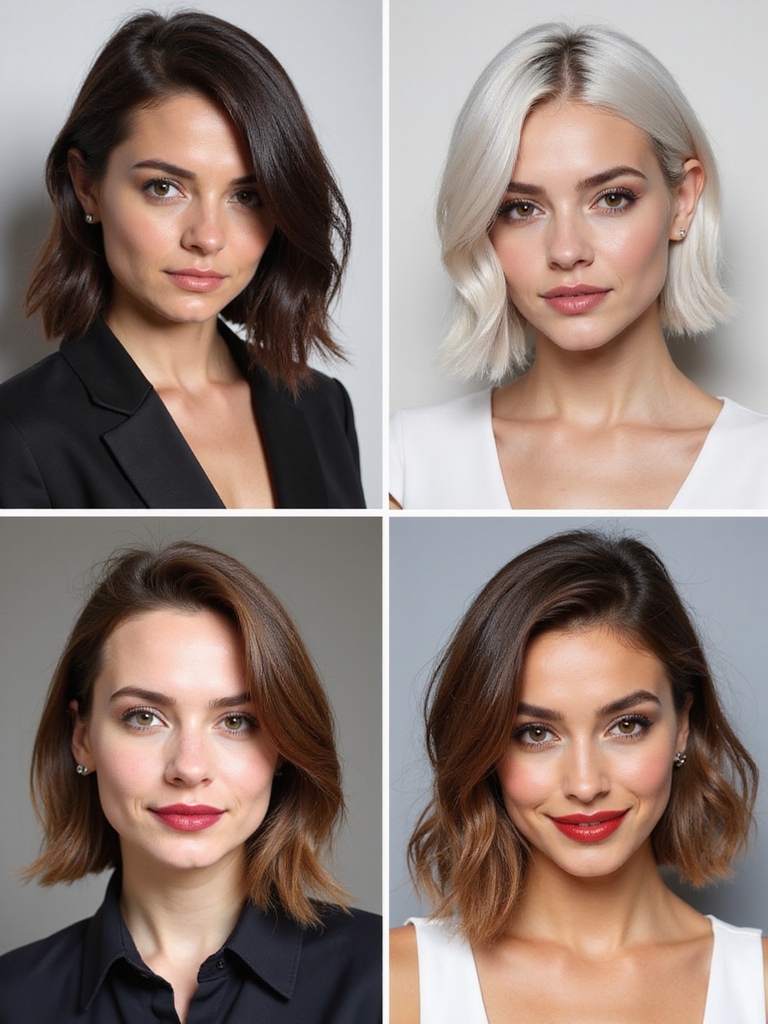
Your part is the fastest, free way to change how a bob flatters you, and most people never experiment with it. A middle part is balanced and modern, best on oval and heart shapes that can carry the symmetry.
A side part adds an instant angle and volume, flattering round and square faces. A deep side part is the most dramatic, throwing a wave of volume to one side, and it lifts and slims almost any face. Try all three before your next cut and tell your stylist which you live in.
- Middle part: balanced, best on oval and heart
- Side part: adds angle and volume
- Deep part: the most dramatic lift and slimming
Curtain Bangs, Wispy Fringe, or None?
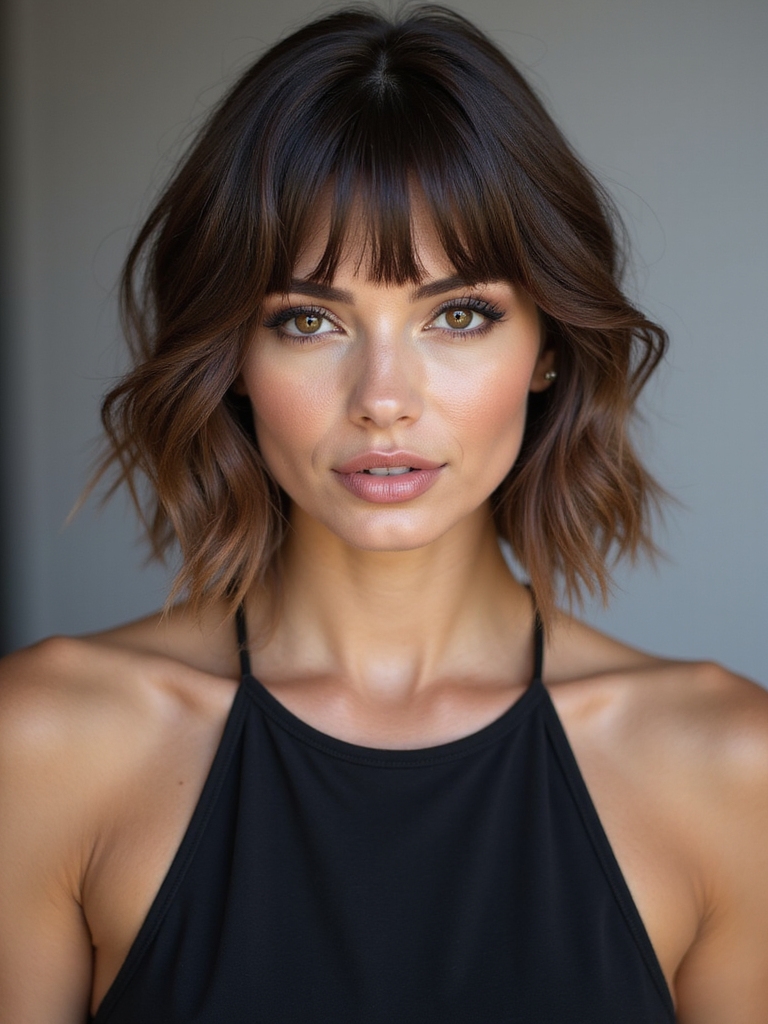
Bangs are the biggest lever you can pull on a bob short of cutting the length, and the right one depends on your face. Curtain bangs frame and soften almost universally and grow out painlessly, which is why I suggest them most. A wispy fringe hides a high forehead and reads soft and modern, while skipping bangs altogether keeps a balanced face open and is the lowest-maintenance route.
If you are unsure, start with curtain bangs. They commit to nothing and you can always go bolder. Our wispy bangs guide compares the soft options.
Adapting the Bob for Straight, Wavy, and Curly Hair
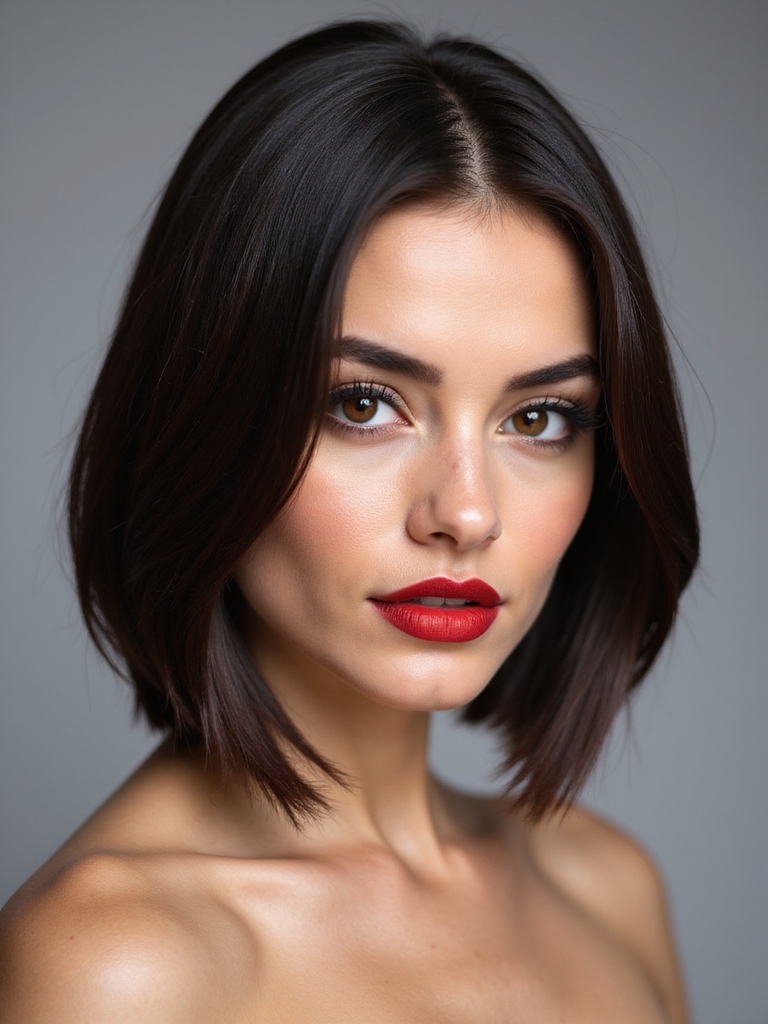
Your texture changes the cut as much as your face does, so this gets tailored too. Straight hair shows every line, so it suits a precise blunt or near-blunt bob. Wavy hair loves soft layers that let the wave spring.
Curly and coily hair should be cut dry, in its natural pattern, so the shape lands where the curls actually sit, and it wants rounded layering, since a heavy blunt line can pull curls into a triangle. Whatever your texture, the bob works; it just needs cutting for the hair you have rather than the hair in the photo.
- Straight: a precise, near-blunt line
- Wavy: soft layers that let the wave move
- Curly and coily: cut dry, in pattern, with rounded layers
Placing Volume to Balance Your Proportions
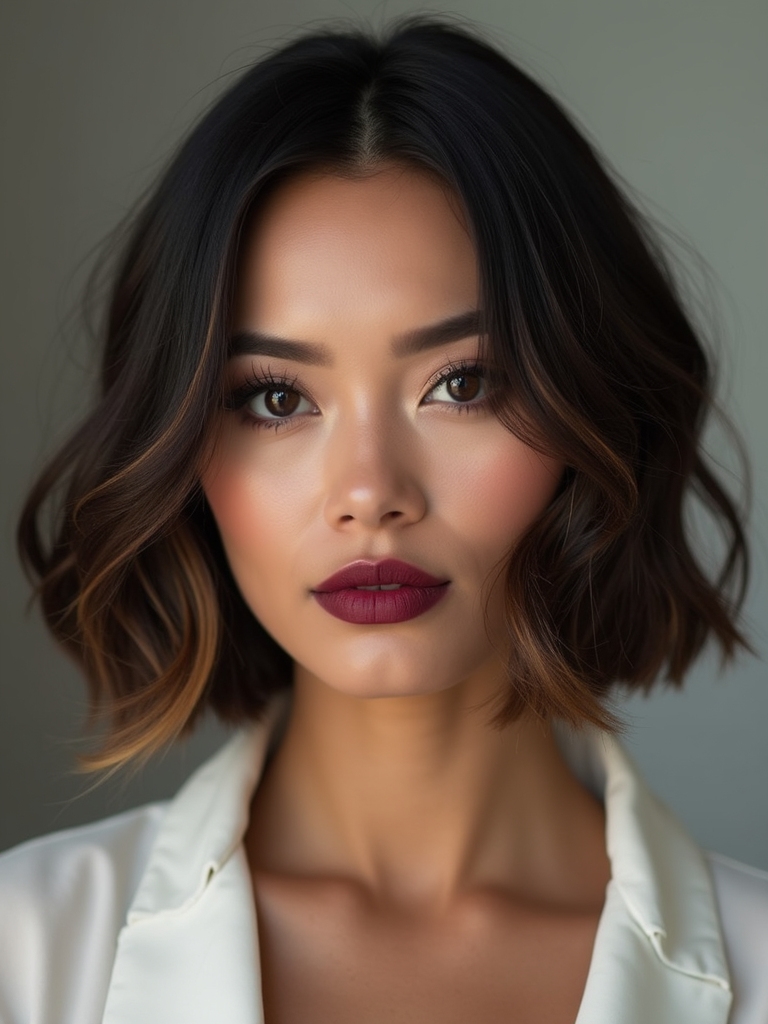
Where you build volume is a quiet styling trick that flatters as much as the cut itself. Volume at the crown adds height that lengthens a round or short face. Volume at the jaw adds width that balances a heart or narrow chin. Volume at the cheeks is the one to avoid if your face is already full or wide there.
You control all of this with your round brush and where you direct the heat, no new cut required. Lift the roots where you want height; smooth them where you want it close.
- Crown volume lengthens a round or short face
- Jaw volume balances a narrow chin
- Keep volume off already-full cheeks
Collarbone, Clavicut, or Lob Length?
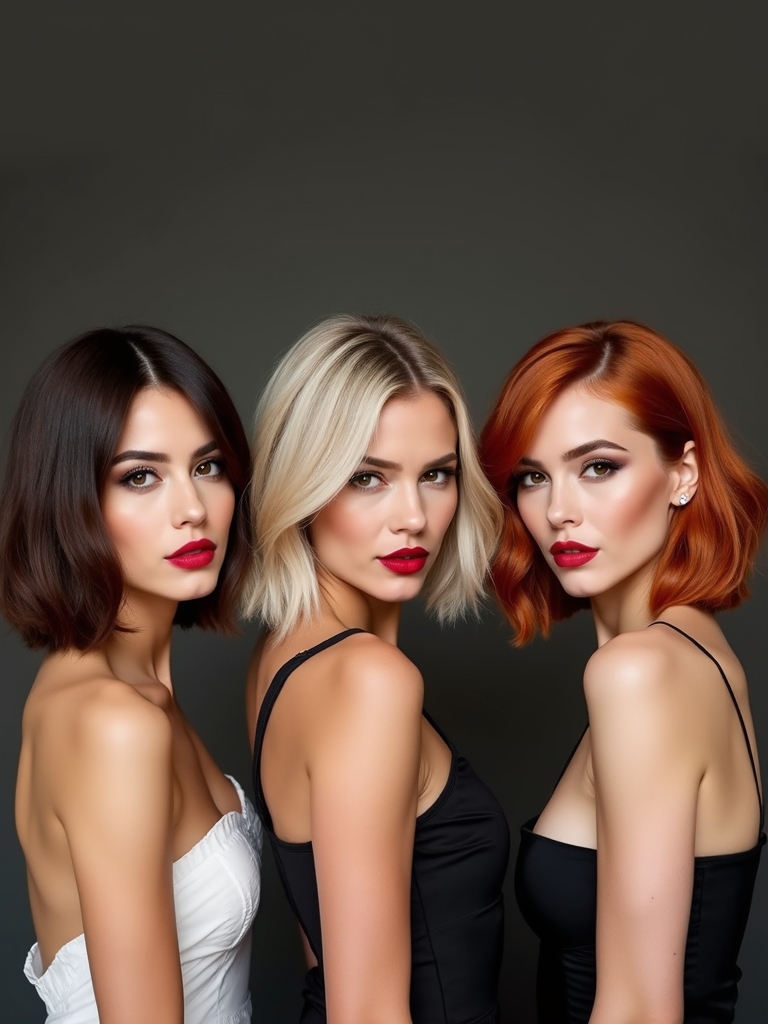
Shoulder length is not one length, and the inch or two of difference matters more than people expect. A true collarbone cut sits right at the bone and is the most flattering, balanced option for most faces. A clavicut sits just above it, a hair shorter and a touch more playful.
The inch that changes everything
A lob, or long bob, sits at or just past the shoulder and is the most forgiving and grown-up of the three. The longer you go, the more it softens, so longer lengths suit rounder and shorter faces.
Bring a photo and have your stylist mark the exact spot on your neck. Our lob guide breaks down the longest version.
Color and Highlights That Enhance the Cut
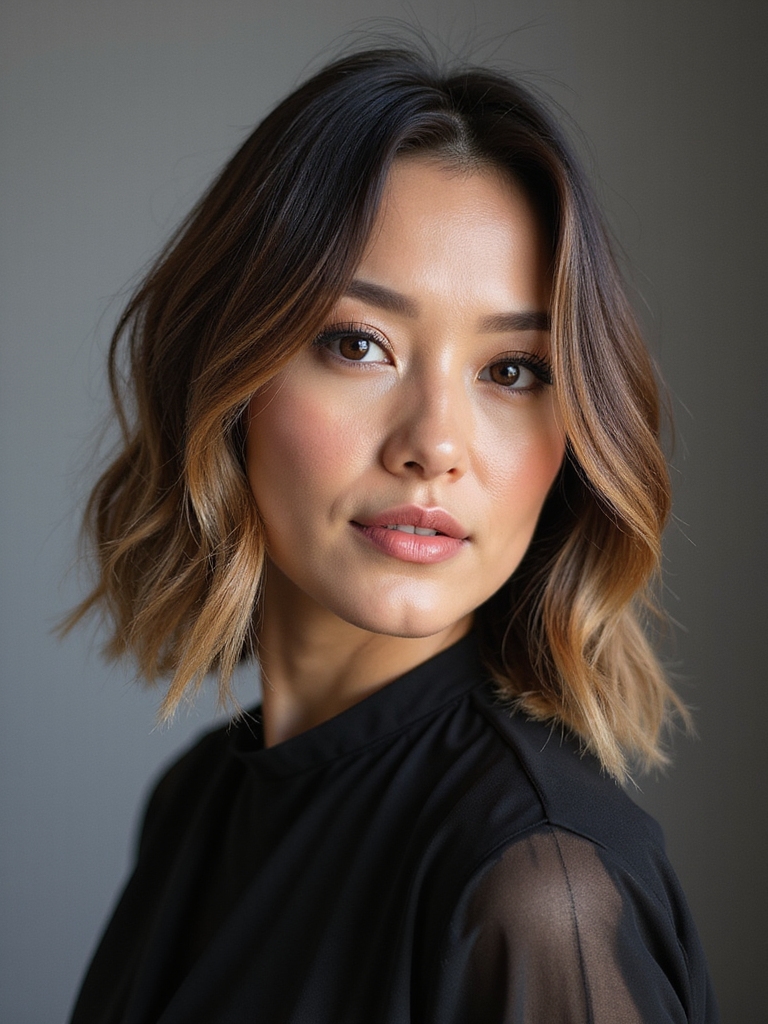
Color is the second sculptor of a bob, shaping the face just as the scissors do. Face-framing highlights, a few brighter pieces right around the face, draw light to your features and add the illusion of dimension and movement. Painted along a blunt bob, they keep it from reading flat.
A soft balayage grows out painlessly, which matters on a cut you trim often, and it costs less on shoulder-length hair than on long. Budget roughly $150 to $250 for a partial.
Darker roots with brighter ends, done subtly, can also add the look of weight where you want it. Talk placement, not just shade, with your colorist.
Low-Maintenance Styling and Upkeep

The shoulder-length bob earns its popularity by being honestly easy to live with. Most versions air-dry into shape with a little product, and a round brush for five minutes is all a dressier day asks. It is long enough to tuck behind your ears or pull back on a rushed morning.
The upkeep is mostly about the trim. A bob holds its shape for about six to eight weeks before the line softens and the layers grow out of balance. Mark it on your calendar.
Between cuts, a light texture spray or a smoothing cream, chosen for your hair type, is the whole kit. Resist heavy products that flatten the shape.
Who a Shoulder-Length Bob Suits Best
After all the face-shape detail, here is the honest summary: the shoulder-length bob suits almost everyone, and that broad appeal is the real reason it has stayed in style for decades. The cut itself is nearly universal. What makes or breaks it is the tailoring, the part, the layers, the fringe, and the exact length chosen for your face and texture instead of copied from a photo.
It is the ideal cut for someone who wants a polished, low-effort style with room to change it often. If your hair or your patience falls anywhere on the spectrum, there is a version of this bob shaped to fit you. Bring a photo, know your face shape, and be honest with your stylist about your mornings. That conversation is what turns a good bob into your bob.
The Bob, Made Yours
The shoulder-length bob is not really one haircut. It is a framework, a near-universal length that becomes flattering the moment you tailor the part, the layers, the fringe, and the exact inch to your own face and texture. The woman I mentioned at the start did not need a new cut. She needed her cut, adjusted to her.
So before your next appointment, find your face shape in the mirror, decide which details this guide points you toward, and bring that to your stylist. The bob will do the rest. It always has.
More Inspiration