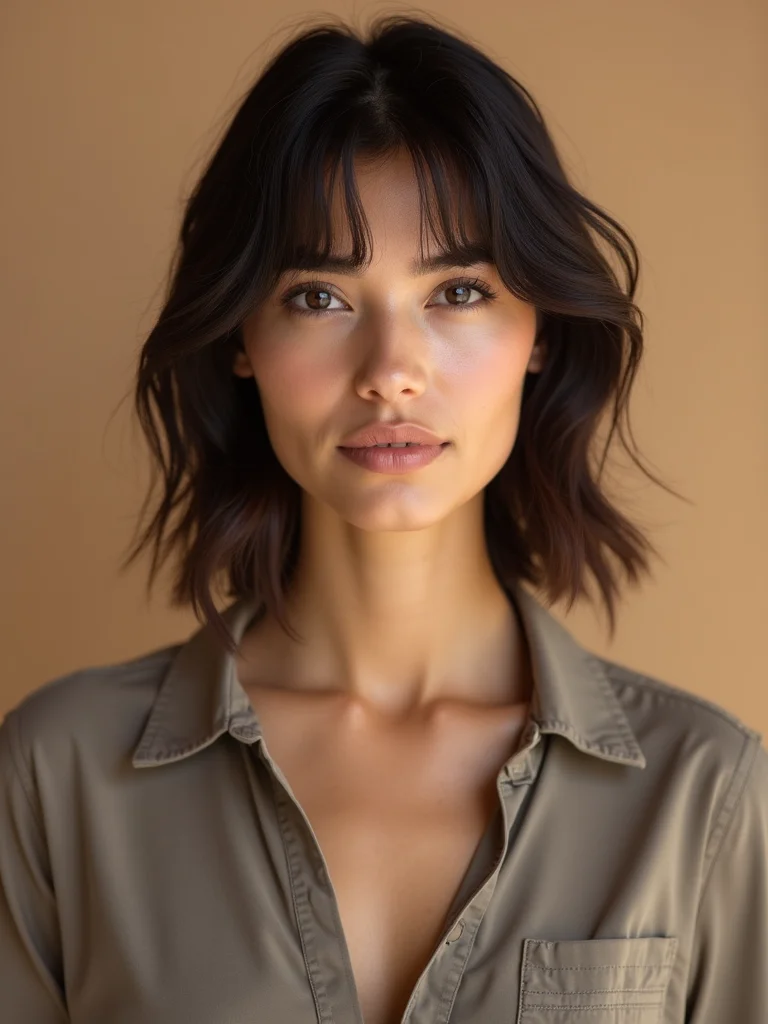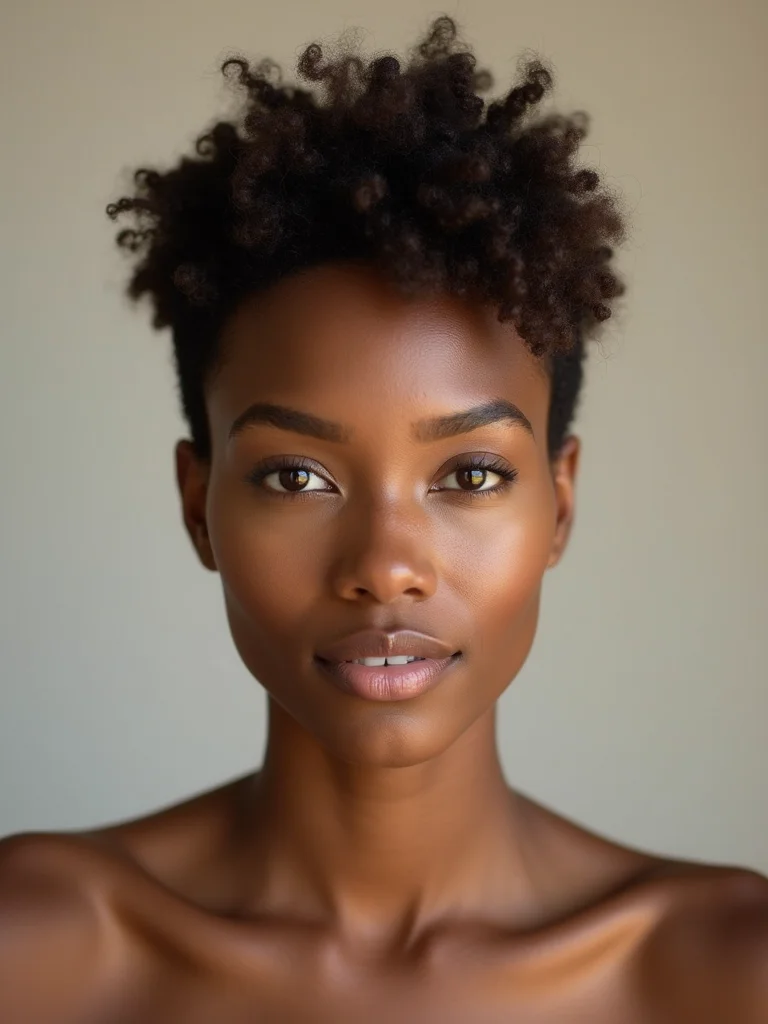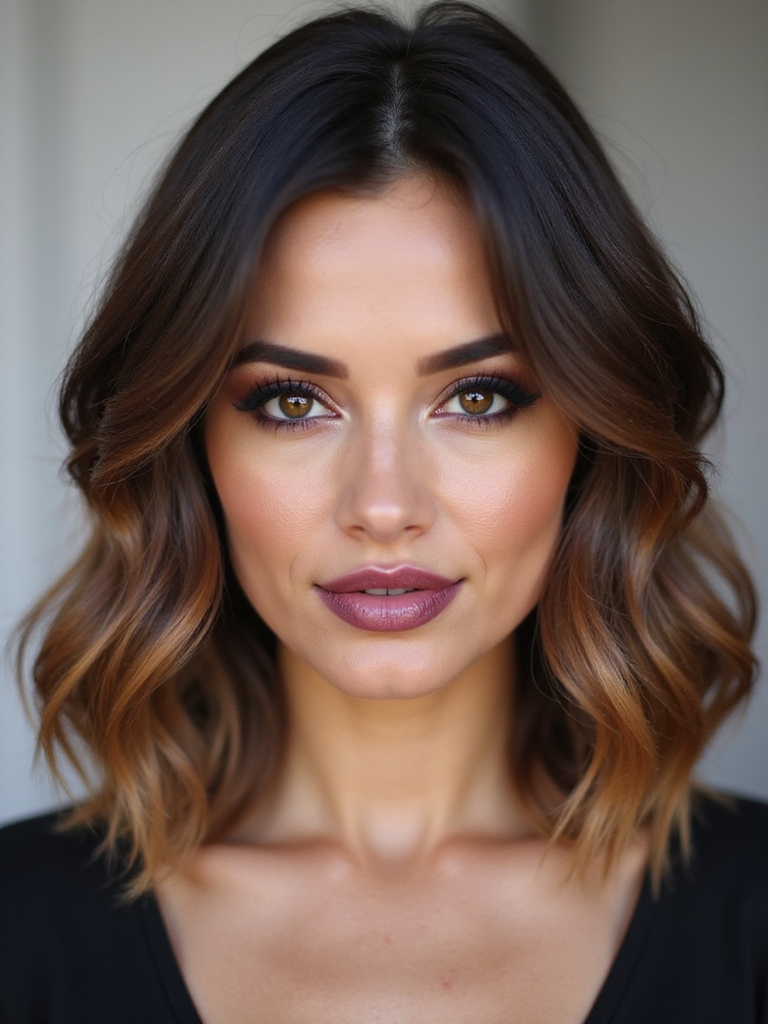
What do you actually need your hair to do this week? That’s the real question behind every good shoulder-length layered cut, since the best ones move from a Monday desk to a Saturday dinner without a full restyle in between.
Layers are what make that range possible, letting one length read polished or undone depending purely on how you dry it. Fifteen shoulder-length layered cuts follow below, each with notes on dressing it up and down.
What Layers Actually Do
- Layers redistribute weight, not just add movement — that’s what keeps thick hair from ballooning and fine hair from going flat.
- Fine hair wants short layers stacked near the crown; thick hair wants weight removed from underneath.
- Curly and coily patterns should be cut dry, in their natural state, so the layers land where the curl actually falls.
- A money-piece or a curtain fringe adds range through color or framing without touching the layering itself.
The Layered Lob for Both Ends of the Week
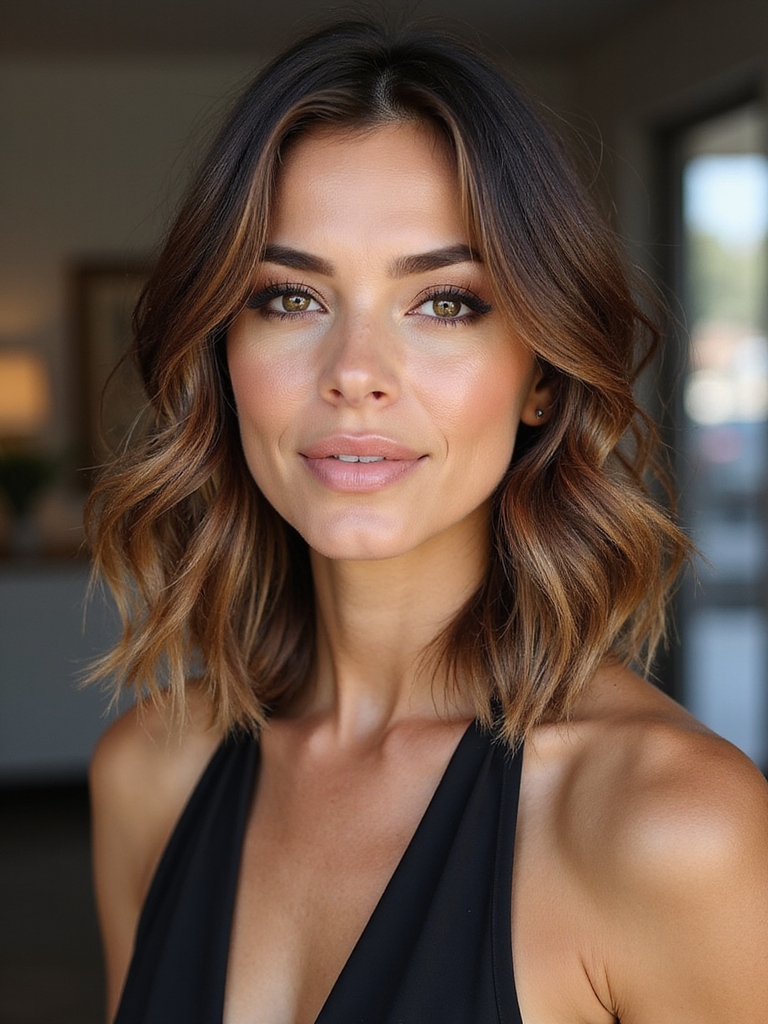
If one cut had to cover the most ground, this would be it. Sitting right at the shoulder with soft face-framing layers, the layered lob moves from desk to dinner with barely any extra effort. It’s the cut I suggest first when a client can’t decide between low-key and dressed-up.
One Cut, Two Finishes
For daytime, blow it smooth with a round brush for a clean line. For evening, bend the ends with an iron and rough the roots up slightly. Same cut, two entirely different rooms.
It flatters an unusually wide range of face shapes, which is most of why it gets requested this often. Our lob guide covers the cut in more depth.
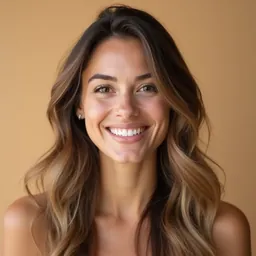
Soft Face-Framing Layers for the Office
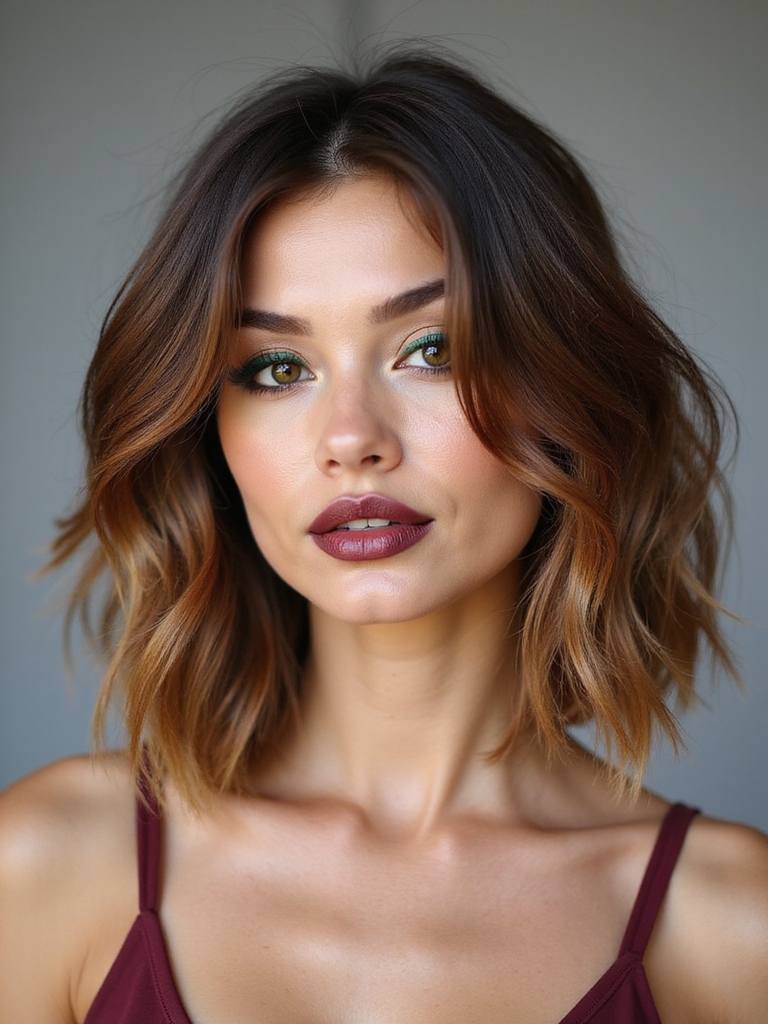
Soft face-framing layers are the answer when you want something that looks tidy without any real effort behind it. The pieces around your face are cut to fall into their frame on their own, which is why the whole cut looks put-together even on a rushed morning.
Air-dry it with a smoothing cream and you’re meeting-ready. A quick pass of a round brush over just the front pieces is the only real upgrade this cut ever asks for.
- Face-framing pieces settle into place without styling
- Looks finished with almost no morning effort
- A smoothing cream on damp hair is usually enough on its own
Textured Shag Layers for the Weekend
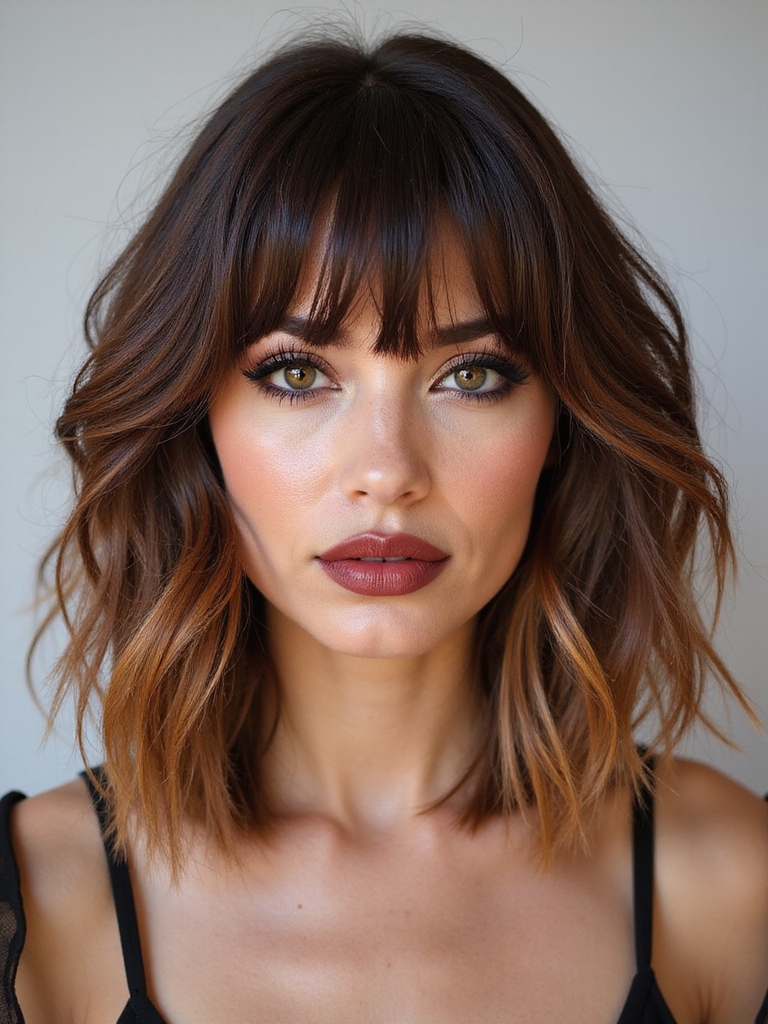
When the week ends and you want your hair to look as unbothered as you feel, shag layers deliver exactly that. Piecey and feathered from crown to ends, paired with a soft curtain fringe, it’s the most texture-forward cut on this list.
A scrunch of texturizing spray on damp hair is the entire routine; no tools required, no real plan needed. It air-dries into shape on its own terms.
Want a little polish for a Saturday night out? A quick wave with an iron dresses it up fast without touching the underlying shape.
Blunt Ends With Hidden Interior Layers
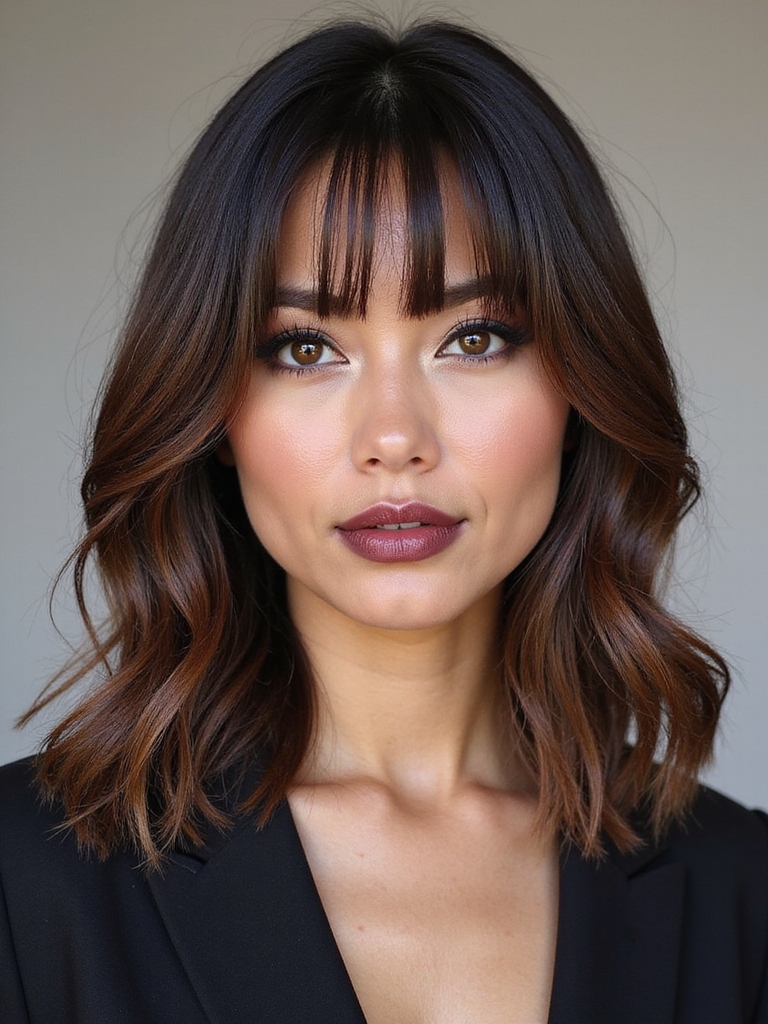
For anyone who loves a sharp line but still wants movement, this is the compromise that actually works. The perimeter stays blunt for a strong, polished edge, while hidden interior layers keep the shape from sitting heavy. From the outside it reads crisp and deliberate; underneath, it still moves when you turn your head.
- A blunt perimeter keeps the line strong and polished
- Interior layers stay hidden but keep the shape light
- A strong option for straight or fine hair chasing density
💡The Trade-Off
A blunt perimeter with hidden interior layers takes more cutting time than a straightforward layered cut, since the stylist is really building two shapes at once. Budget a little extra time in the chair for this one.
Airy Feathered Layers
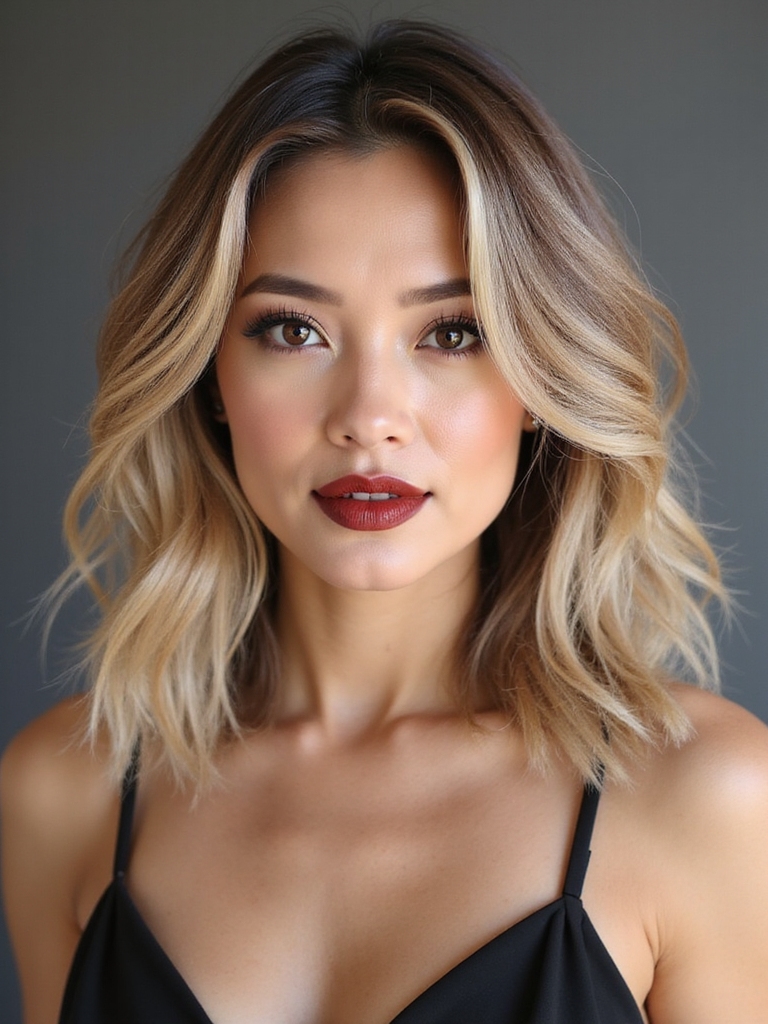
Feathered layers taper softly so the ends flick out and float, giving the whole cut a light, airy quality. It’s the seventies idea, reworked for now, all movement without the heaviness of the original.
Medium and fine hair both benefit here, since the feathering does most of the work of building visible volume. A rough-dry and a light misting spray finish the look in a few minutes.
- Tapered ends flick out rather than lying flat
- Builds the appearance of volume on finer textures
- A rough-dry and a light finishing mist covers the routine
Wavy Layers With a Side Part
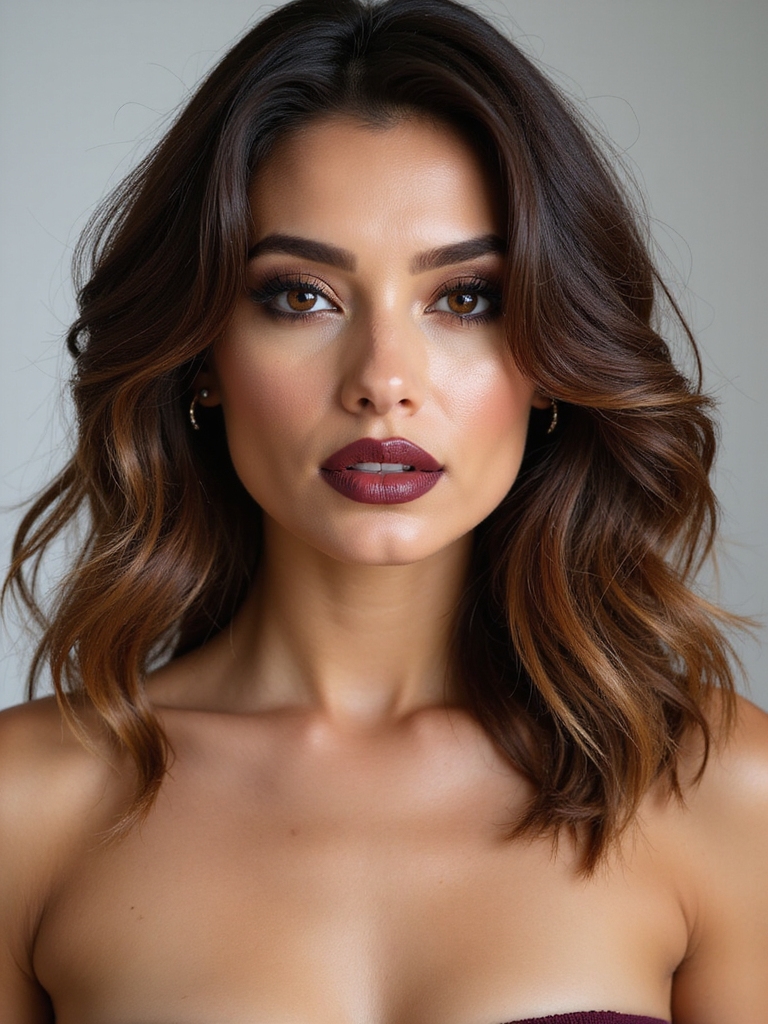
Anyone who already has a natural wave can turn it into a real asset with the right layers and a deep side part. The layers give the wave room to clump and spring into defined movement, while the side part adds instant lift and a flattering diagonal line.
Switching the part is the cheapest way to dress this look up for an event; pushing it deeper throws volume to one side immediately. A sea-salt spray through damp hair and an air-dry cover the rest.
- Layers let a natural wave clump instead of falling flat
- A deeper part adds lift for almost no extra effort
- Sea-salt spray plus air-dry is the whole styling routine
Choppy Layers for Thick Hair
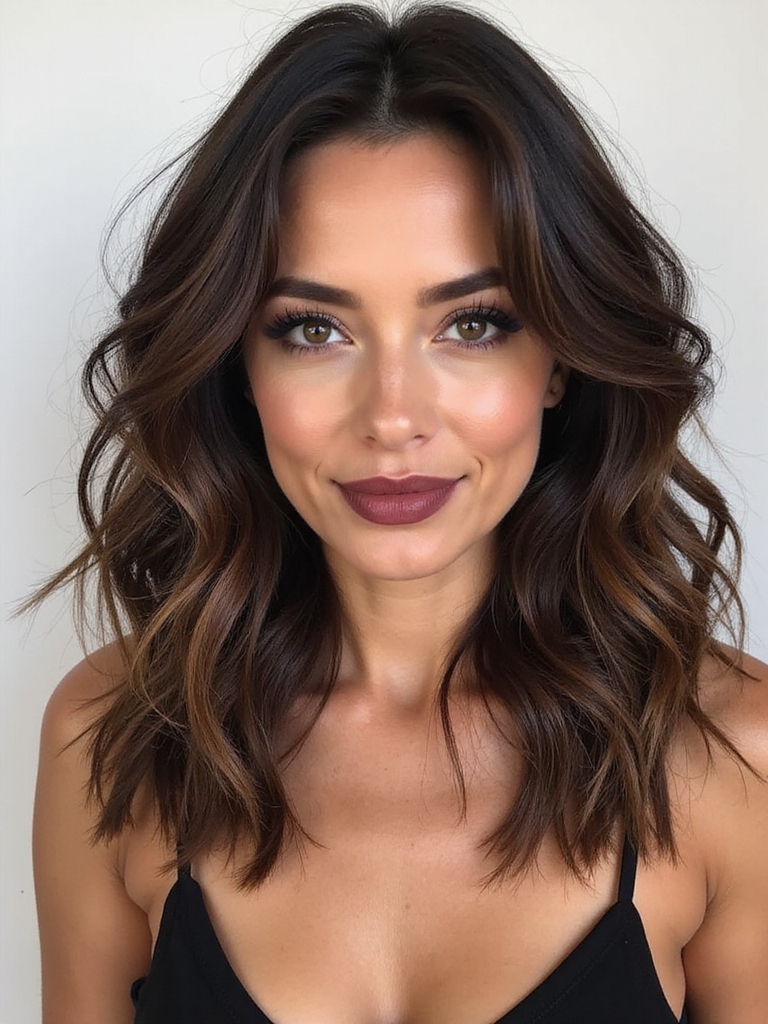
Thick hair and the right layers make a strong match once the bulk actually gets dealt with. Choppy, razored layers carve weight out from the interior, so the hair starts moving instead of sitting like a heavy curtain.
The goal is removing weight from underneath while keeping the surface full, so you get real movement without losing density. Internal thinning is the technique to ask for. The mistake I correct most often in the chair is a stylist texturizing the surface instead, which just leaves the ends frizzy.
Styled smooth, it goes to an event without a hitch; rough-dried and tousled, it’s pure weekend. Thick hair gets the most range of any texture on this list, by a fair margin.
“Thick-hair appointments usually run longer than a standard cut, since removing bulk properly takes more sectioning and more time in the chair. Book accordingly, and don’t be surprised if it costs a bit more than the base price on the menu.”
Wispy Layers for Fine Hair
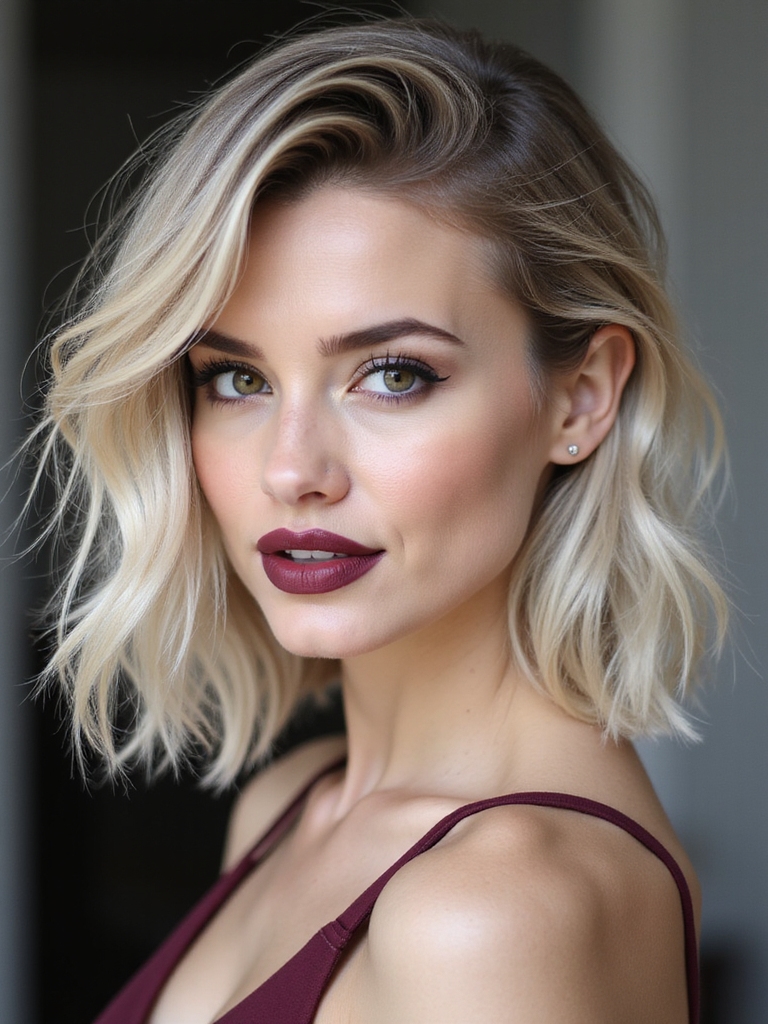
Fine hair needs layers cut with a careful hand, and wispy ones are the answer. Kept short and soft near the crown, they stack to build lift that fine hair can’t manage alone, while the delicate ends keep the whole shape from reading thin. Over-layering is the real risk here, scattering fine hair into stringy pieces, so restraint matters more than sheer volume of cuts.
- Short layers near the crown stack to build real lift
- Restrained layering avoids the stringy, scattered look
- A volumizing mousse at the roots extends the lift through the day
Bottleneck Bangs Over Layers
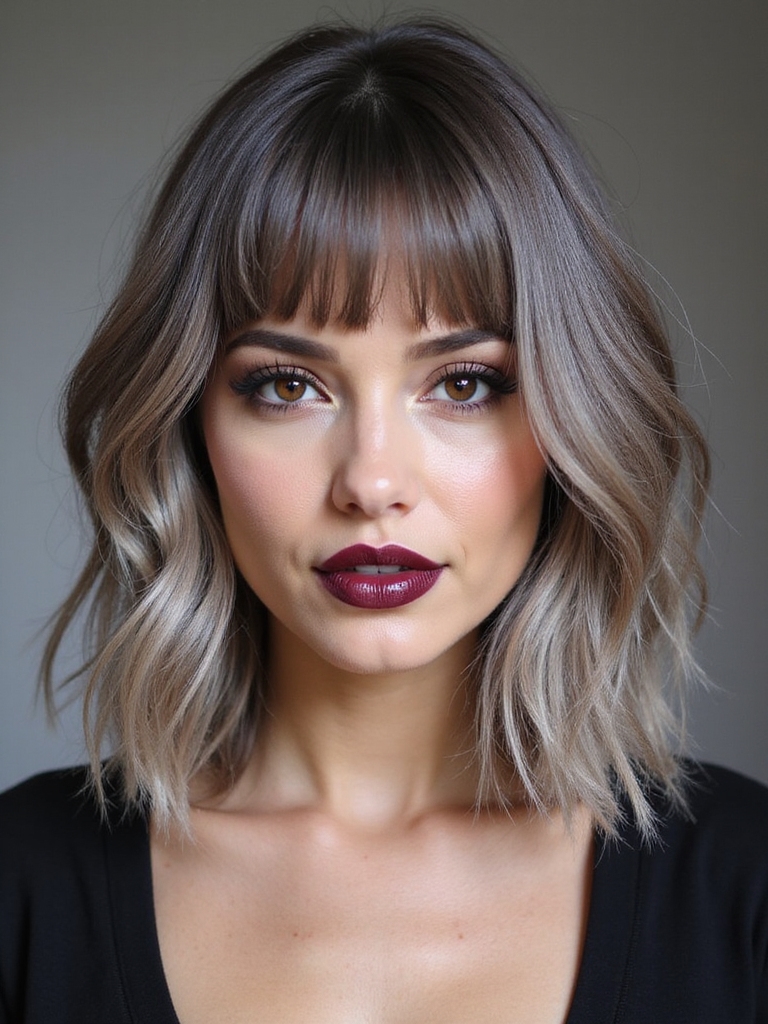
Adding a fringe is one of the quickest ways to make a layered cut feel new again, and bottleneck bangs sit right at the bridge between a curtain and a full bang. Shorter and rounder through the center, longer at the sides, they frame the eyes while staying soft along the edges.
Round and square faces benefit most, since the shape draws a gentle vertical line down the middle of the face. Dry them back with a round brush day to day; for a dressier night, curl them in slightly tighter.
Trying to decide how much fringe commitment you actually want?
1None at all
Stick with soft face-framing layers and skip bangs entirely
2A little softness up front
Curtain bangs blended into the layering
3A defined statement
Bottleneck bangs, rounder and shorter through the center
Polished, Glassy Layers for Events
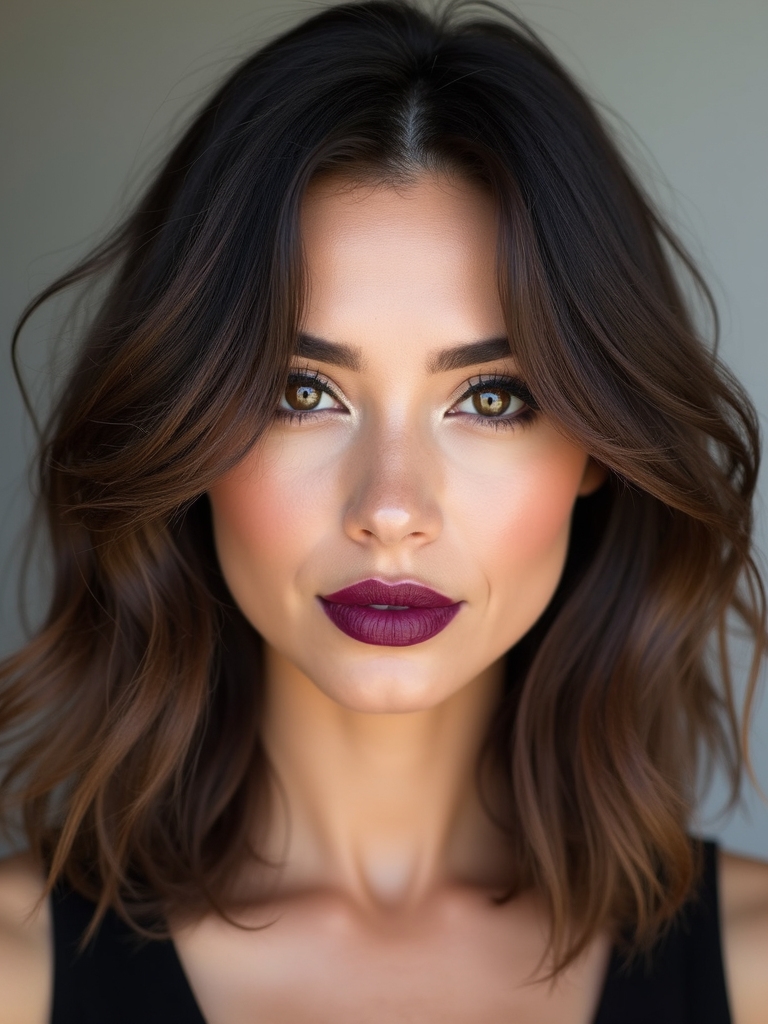
For an occasion, the same layered cut can go fully glossy. Blown out straight and smooth to a glassy finish, shoulder-length layers look expensive and editorial, with just enough movement left in the layering to keep it from falling flat.
A round brush, a smoothing cream, and a drop of glossing serum on the ends do the work. Ten minutes buys a red-carpet finish on a cut worn casually the rest of the week.
Tousled Beachy Layers
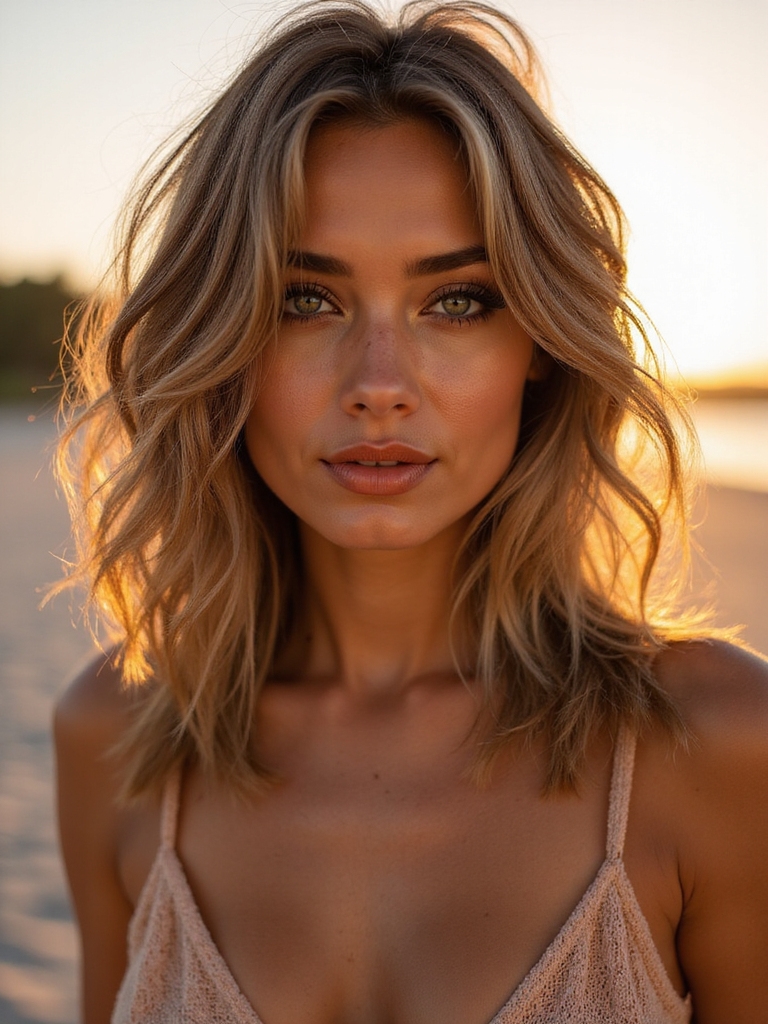
At the most relaxed end of the spectrum, tousled beachy layers turn hair into a permanent day-off look. The layers catch the wave and break it into soft, piecey movement, reading casual and warm rather than styled. It suits anyone whose default plan involves brunch, the beach, or simply not trying too hard, and it actually improves on second-day hair instead of needing a fresh wash.
- Layers break the wave into soft, separated movement
- The lowest-effort, most day-off version on this list
- Works better unwashed; skip the extra shower
| Occasion | Finish | Tools |
|---|---|---|
| Work | Smooth, no visible texture | Round brush, smoothing cream |
| Weekend | Loose and piecey | Sea-salt spray, air-dry |
| Event | Glass-smooth, mirror shine | Flat iron, glossing serum |
The Layered Inverted Bob
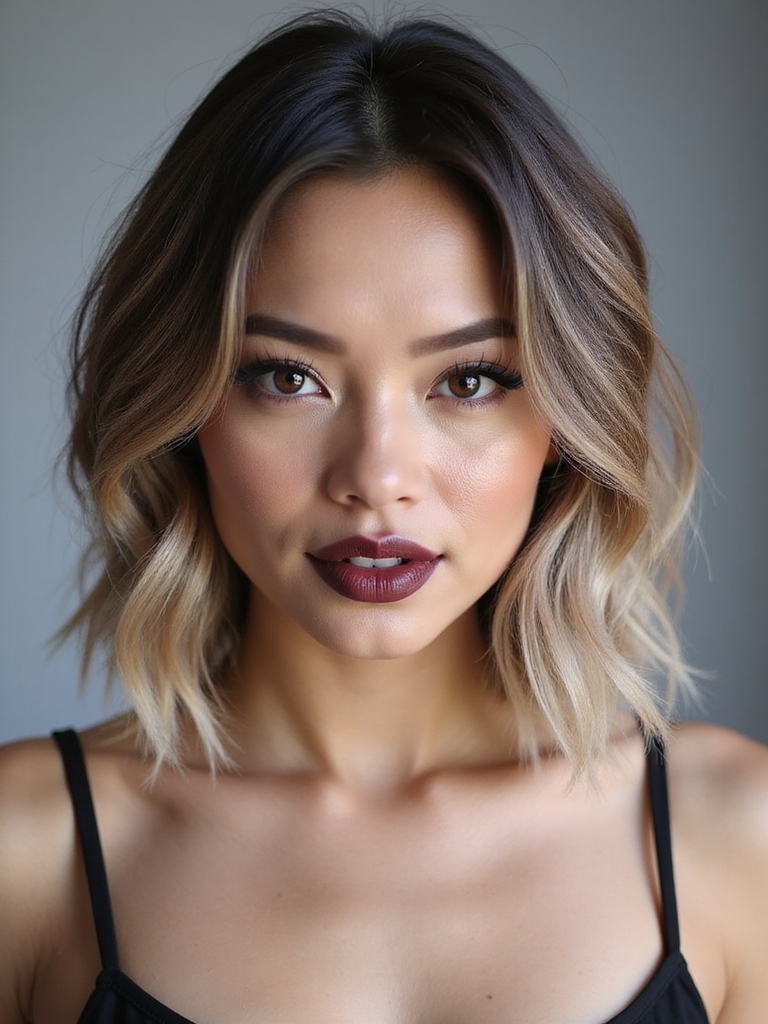
The inverted shape runs shorter at the back and longer toward the face, and layering the back adds real lift behind a strong angle. It’s the most architectural cut on this list, graphic and modern, with the movement built directly into the structure itself.
Lift Built Into the Shape
It works well for anyone chasing a statement that still behaves day to day. The stacked back gives volume that fine hair rarely gets on its own, while the longer front keeps the face softly framed.
Smooth it for a sharp office look, or pump up the back volume for something louder at night. A round brush at the crown is really the only tool this cut needs.
Layered Curls for Shoulder-Length Hair
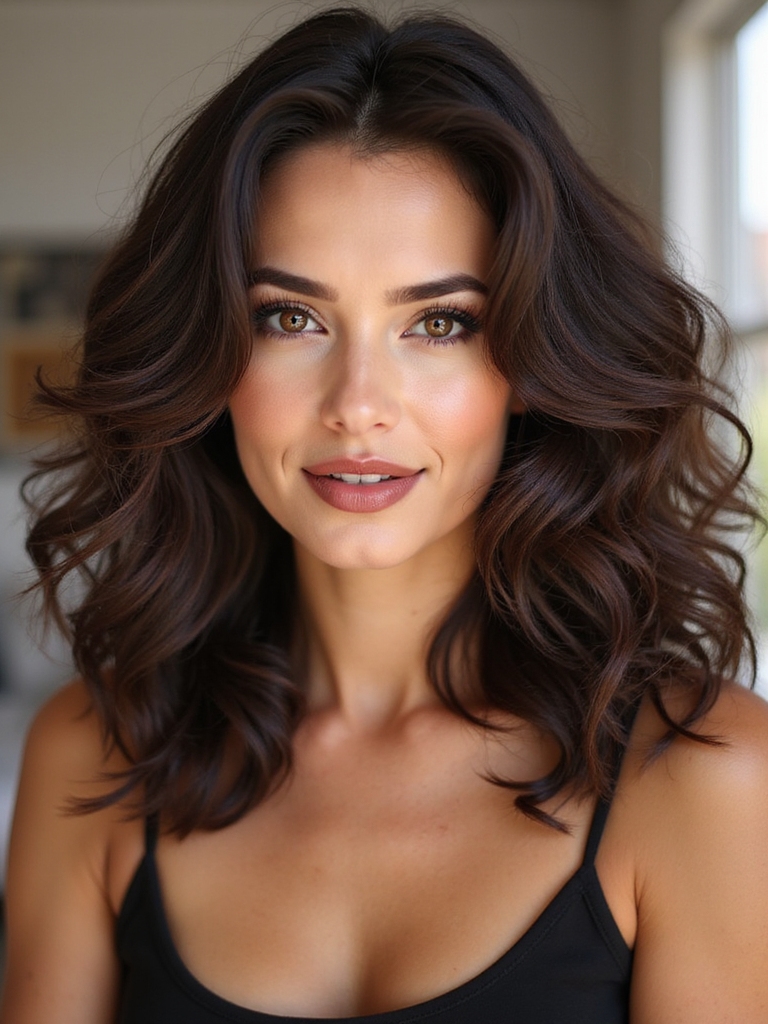
Curly and coily hair turns into a full, rounded shape at shoulder length once the layers actually respect the pattern instead of fighting it. Cut for the curl, the layers free each coil to spring and separate rather than stacking into a heavy pyramid shape.
Cutting for the Curl
I cut curls dry for exactly this reason: wet curl lies about where it will actually land once it springs back. That’s why the shape needs to be built cut dry, in the hair’s natural state, with a gentle perimeter that avoids pulling tight anywhere near the hairline.
Define with a curl cream and diffuse on low; the curl pattern does most of the styling from there. A few pinned-back pieces make it event-ready in seconds when needed.
Layers With a Money-Piece
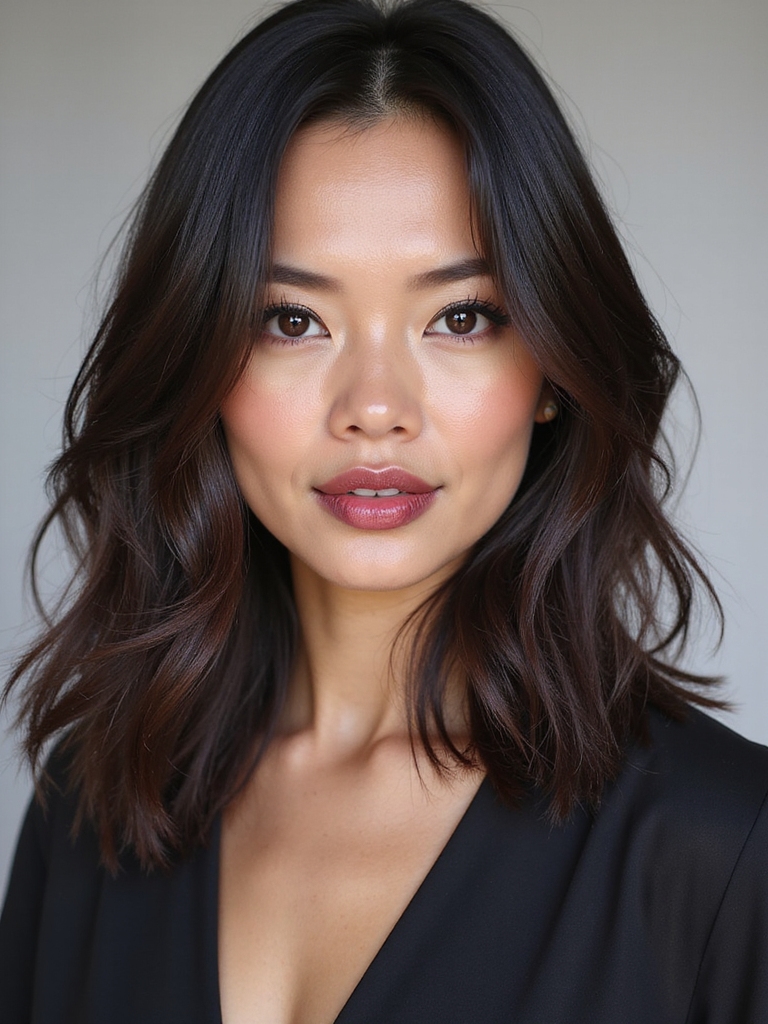
For dress-up range without touching the cut itself, color is the lever, and a money-piece is the easiest place to start. Two brighter pieces framing the face light up the features and make the face-framing layers pop, day or night.
It’s a low-commitment color choice, painted only where it actually shows, so the grow-out stays painless. Plan on around $120 for the piece, somewhat more than a single-process color, given the precision the placement takes.
- Two bright pieces frame and light up the whole face
- Painted placement keeps the grow-out low-stress
- Costs more than basic color, worth it for the placement work
Long Layers With Flipped Ends
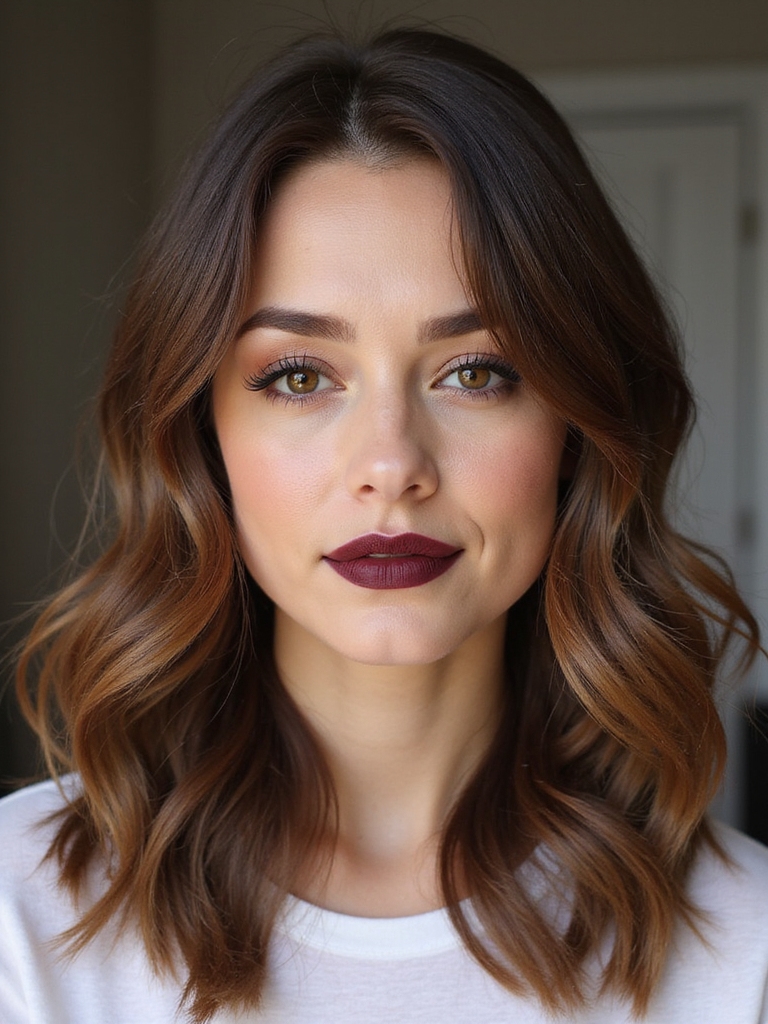
At the longer end of shoulder length, soft layers with flipped-out ends bring a retro, carefree bounce that feels both nostalgic and current at once. The flip at the very ends adds a playful lift that reads cheerful without trying hard.
It’s an easy occasion look that takes almost no real skill, just a round brush turned outward at the ends. For everyday wear, let the ends fall straight and the layers still carry plenty of movement on their own.
- Flipped ends add a retro, cheerful lift
- A round brush turned outward at the ends is the whole trick
- Falls straight for daily wear, still full of movement
Styling Tips
Most of what separates a polished shoulder-length layered cut from a flat one comes down to where the dryer points. Aim it down the hair shaft, not across it, to keep the cuticle smooth and the layers reading intentional rather than fuzzy.
Book a reshape roughly every couple of months to keep the layers from blurring into one length again; that’s really the only maintenance this cut asks for beyond the quick daily styling switch.
Shoulder-Length Layered Hair, Answered
?How do I switch a layered cut from polished to undone without a fresh appointment?
It’s almost entirely about the finish, not the cut. Blow the layers smooth with a round brush for polish, or scrunch in a salt spray and shift to a deeper side part for something looser. A glossing serum and a loose wave get it event-ready in a few minutes either way.
?Are layers a good idea on fine hair, or do they thin it out further?
They help, as long as they’re kept restrained. Short, stacked layers near the crown build real lift, but stacking on too many scatters fine hair into stringy pieces instead. Ask for strategic layering paired with a volumizing mousse at the roots.
?Can curly or coily hair actually get shoulder-length layers?
Yes, and it tends to look especially good this way. The layers need to be cut dry, in the hair’s natural pattern, so the stylist can see exactly where each curl lands once it springs back into place.
?How much length do I actually lose going from one length to shoulder-length layers?
Less than most people expect if the starting length is already near the shoulder, since the layering removes weight and shape, not necessarily inches. A longer starting length loses more, since layers get carved throughout rather than just at the ends.
?Does this cut work on hair that’s color-treated or a bit damaged?
Generally yes, since layering itself doesn’t add stress beyond a normal trim. The bigger factor is how much heat styling a chosen finish demands; the air-dried, textured versions here are gentler than anything requiring a flat iron daily.
Why This Length Keeps Winning
Shoulder-length layered hair stays popular for one simple reason: it refuses to be just one thing. The length reads grown-up and flattering on its own, and the layers hand you the range to go polished, undone, or anywhere between, all from a single visit to the chair.
Pick the version that matches your hair type and both ends of your week, learn the quick switch between them, and this becomes the cut that shows up for whatever the week actually asks of you.
Next Up