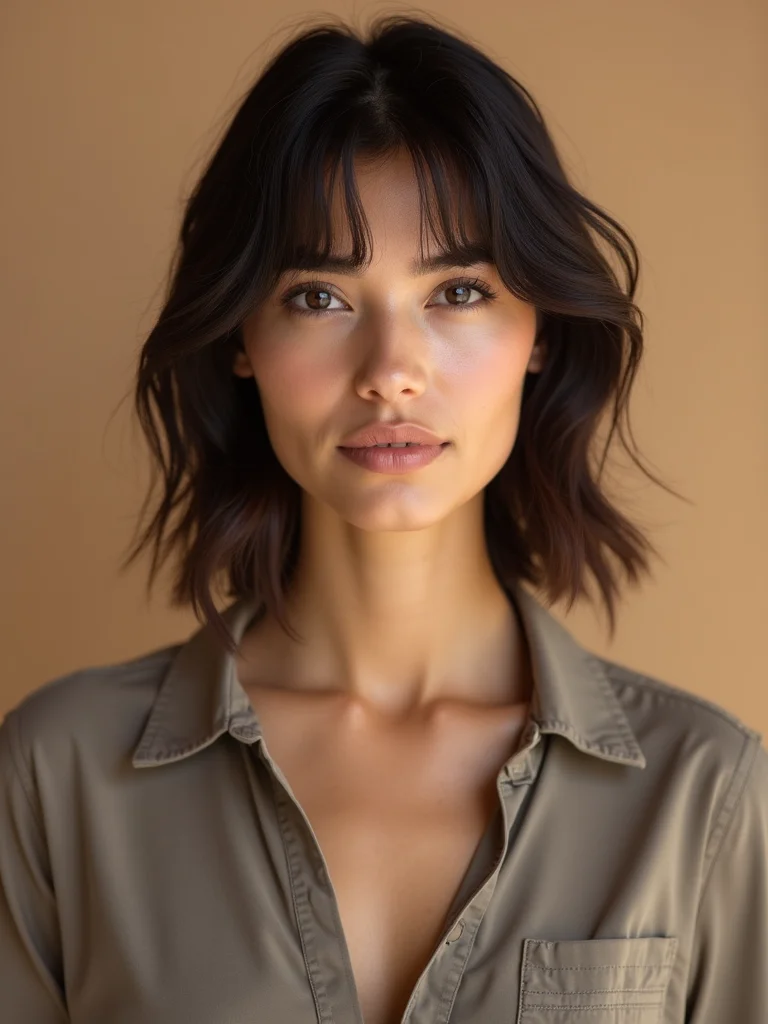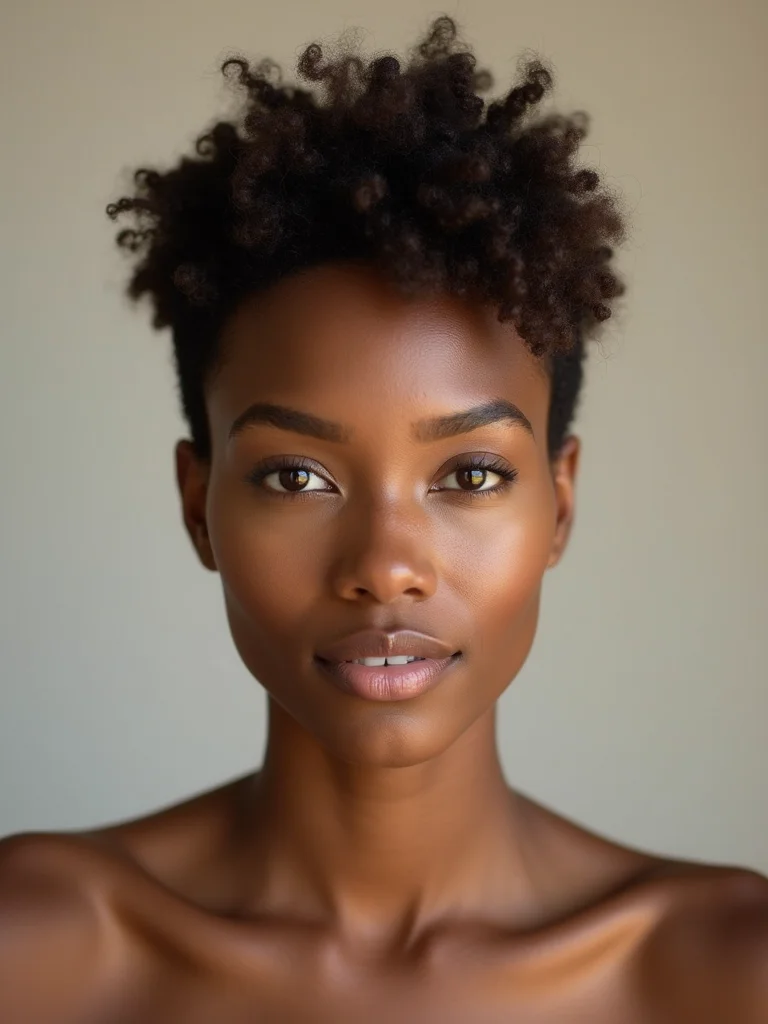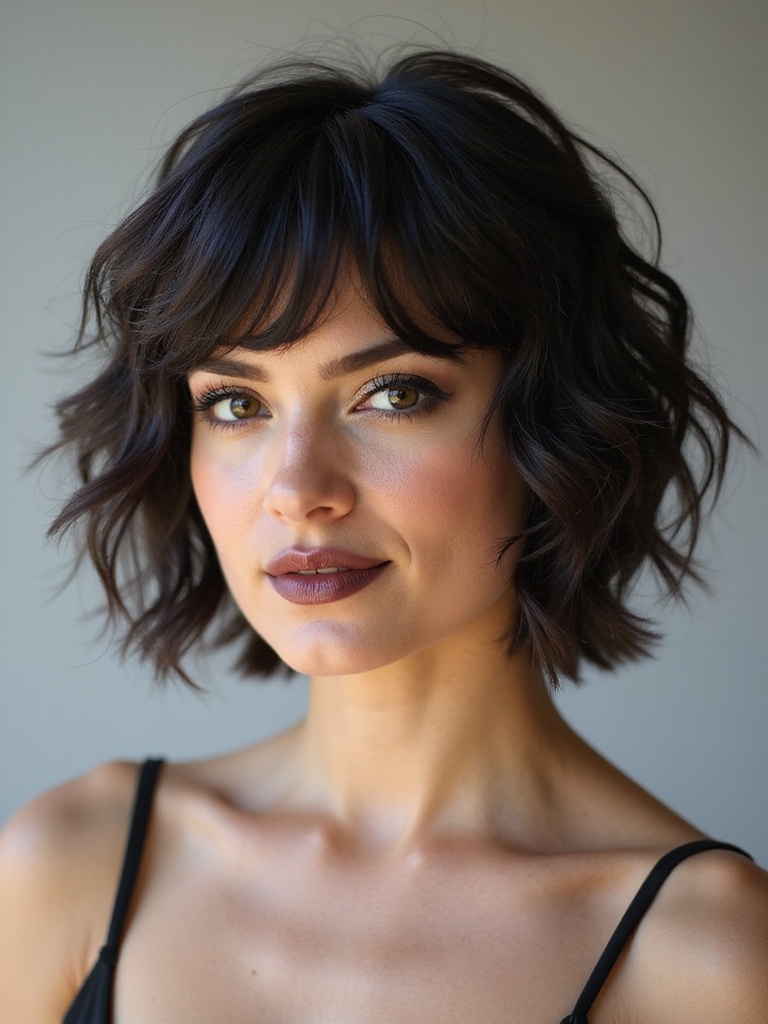
Here’s the part of the wolf-cut conversation that usually gets skipped: the same haircut can flatter one face completely and overwhelm another, and the difference almost always comes down to where the layers and length actually sit.
Rather than another gallery of identical-looking cuts, this rounds up which versions elongate a round face, soften a strong jaw, or add width to a long one, along with the styling and upkeep that pull each version together.
Matching a Wolf Cut to a Face
A wolf cut is a family of layered shapes, and the real skill is adjusting it to a specific face rather than copying a photo exactly. Round faces generally want height and length to elongate; square jaws soften under feathered, face-framing pieces.
Texture decides how the layers fall day to day, but proportion decides whether the cut actually flatters. Matching proportion to features first, and texture second, is what separates a flattering wolf cut from a trendy misfire.
Edgy, Mullet-Leaning Wolf Cut
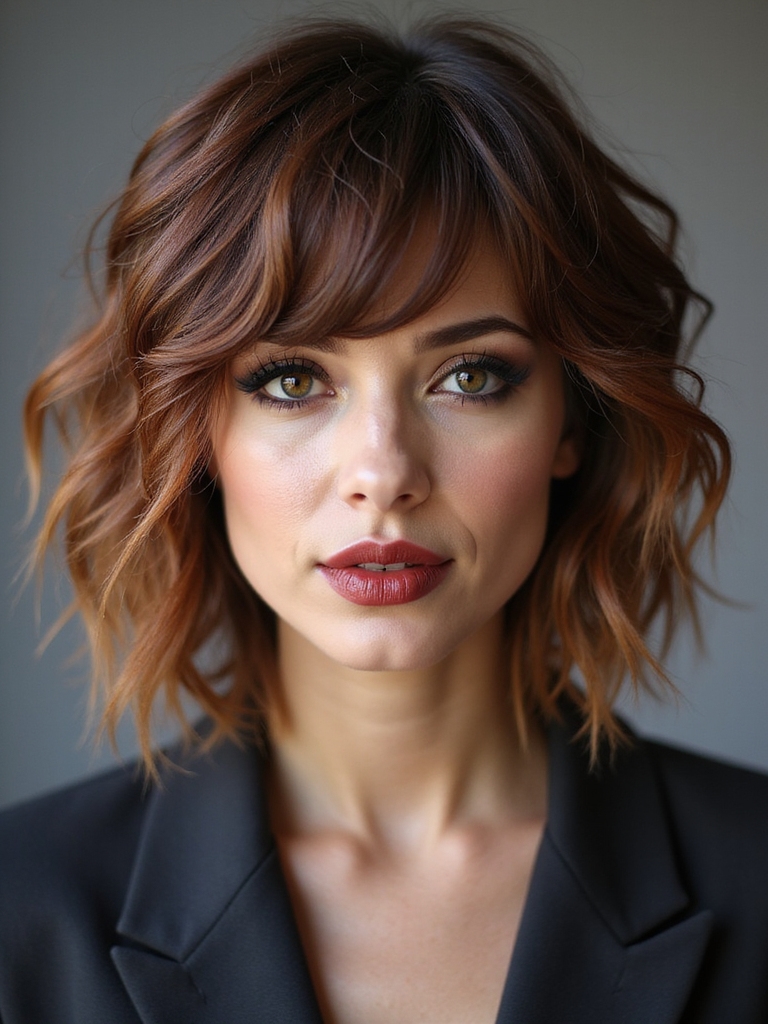
A mullet-leaning wolf cut, with shorter layers up top and longer pieces at the back, ranks as the boldest, most retro version of the whole shape. Keeping length at the nape while adding height on top tends to suit faces that can carry some vertical drama. A few things worth weighing:
- Height at the crown elongates rounder faces noticeably.
- The longer back keeps the overall shape from feeling too severe.
- Suits confident dressers drawn to a retro, edgy line.

Balancing Texture With Elongation
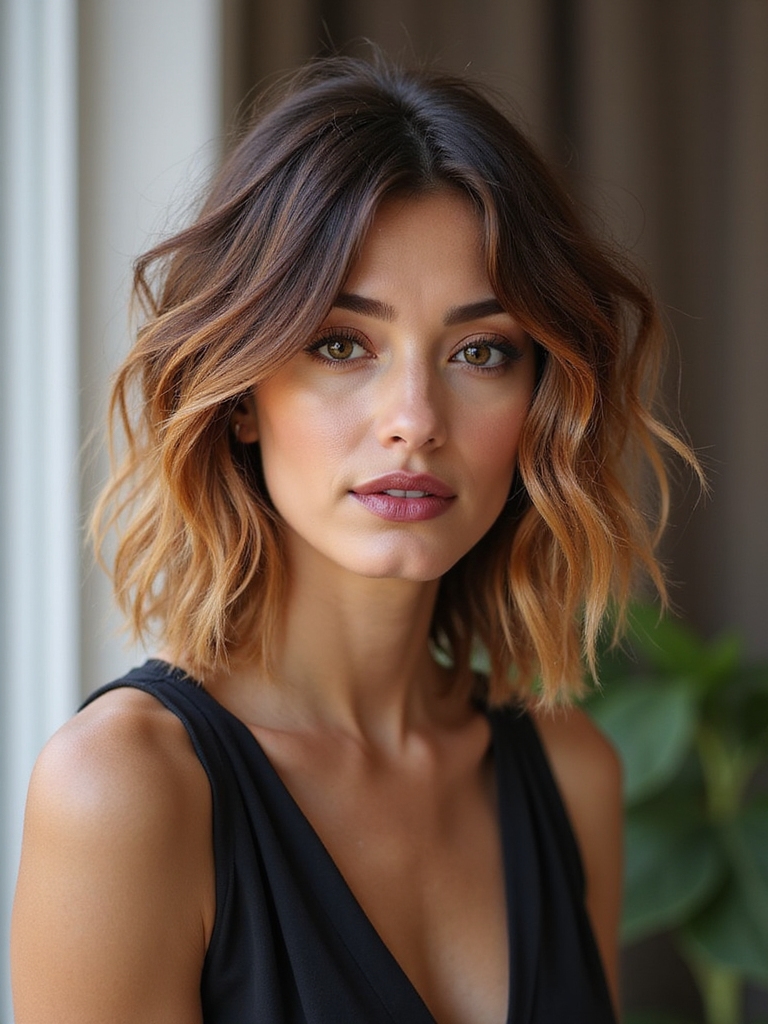
Why some wolf cuts widen a face while others lengthen it comes down entirely to where the volume actually sits. Texture and layers piled at the sides add width, which can make a round face read rounder still, while height at the crown and longer face-framing pieces draw the eye up and down instead.
Knowing which effect is actually wanted matters more than any single style choice on this list. For a round or full face, building volume up high while keeping face-framing pieces long and vertical tends to work best.
For a long or narrow face, the opposite logic applies: modest height paired with width and fullness at the sides balances proportions in the other direction.
Soft Shaggy Layers for Volume
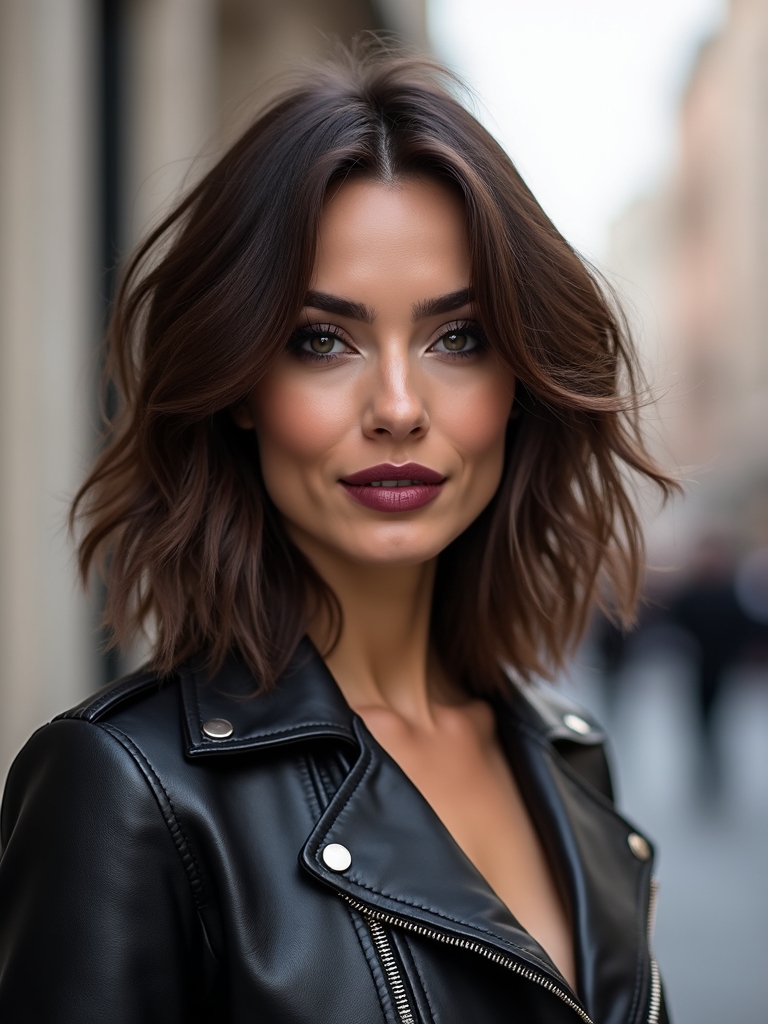
Soft shaggy layers offer the gentle, voluminous version of the wolf cut, flattering a wide range of faces since the fullness can be placed wherever specific features need it most. A stylist concentrates that volume to balance a shape, high for round faces, fuller at the sides for long ones. Worth knowing:
- Volume placement adapts to suit nearly any face shape.
- Reads softer and more blended than a sharp, choppy shag.
- One of the more forgiving entry points into the whole wolf-cut family, alongside the fluffy wolf cut guide.
💡Bring the Right Question, Not Just a Photo
A more useful question at the consultation than ‘can I get this cut’ is ‘where should the volume sit for my face.’ That single detail changes the whole outcome more than the base shape does.
Debulked Shaggy Wolf for Thick Hair
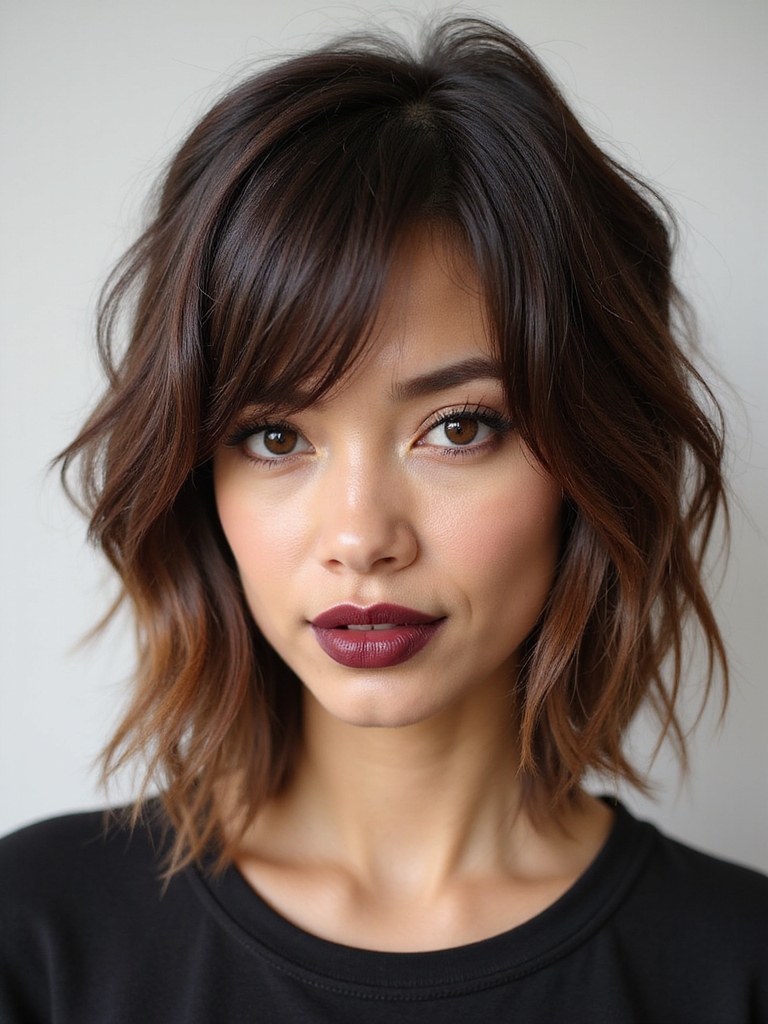
Thick hair can read heavy and widen a face visually, so a debulked shaggy wolf removes interior weight to keep the shape from expanding outward. Taking bulk from inside the hair lets it move and fall closer to the head, slimming rather than widening. A few specifics:
- Debulking removes internal weight so thick hair doesn’t widen the face.
- Keeping the perimeter intact matters, since that’s what holds the slimming effect.
- Ask specifically for internal layering rather than heavy surface thinning.
Soft, Feathered Face-Framing Layers
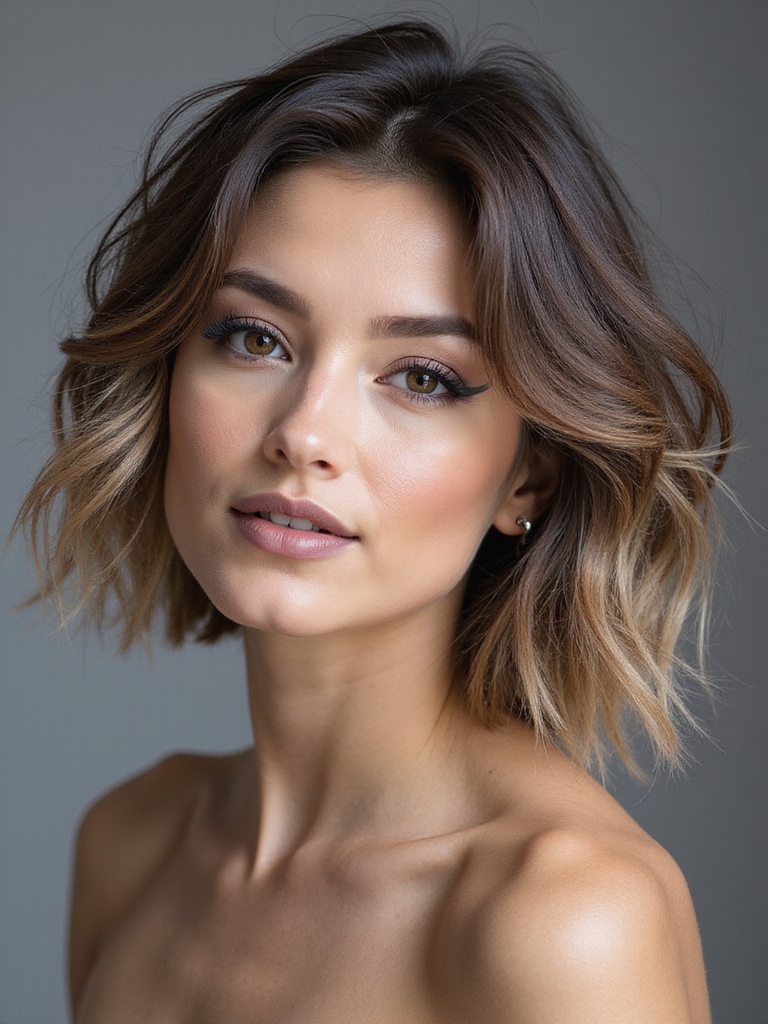
Feathered face-framing layers rank among the most universally flattering elements any wolf cut can include, since they soften and frame whatever face shape they fall against. Light, feathery pieces around the face blur a strong jaw and soften sharp angles. Building them well:
- Start the framing pieces around the cheekbones for the softest effect.
- They handle a strong or square jaw particularly well.
- Keep them truly feathery rather than blunt, so they read soft rather than heavy.
Choppy Layered Wolf Cut for Texture
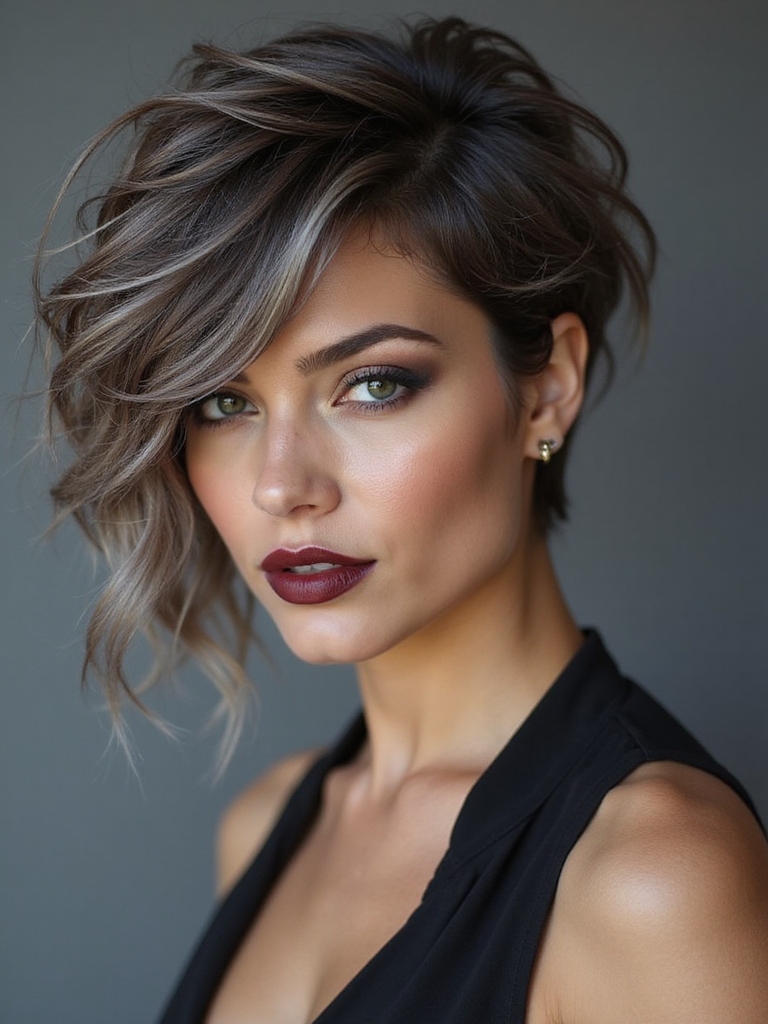
For maximum texture and edge, a choppy layered wolf cut leans into sharp, broken-up pieces that read bold and modern. This version tends to suit faces that can carry a strong, structured look, pairing especially well with angular features. A few notes:
- Bold, choppy texture suits strong, angular features particularly well.
- A little texture paste is usually needed to keep the pieces reading intentional rather than messy.
- Ranks among the more fashion-forward, editorial versions of the cut, similar in spirit to the dyed wolf cut guide.
Two assumptions about matching a wolf cut to a face that don’t hold up:
❌ Myth: Myth: only round faces benefit from a wolf cut
✅ Reality: Reality: every face shape has a version that works; the layering and placement just shift to match.
❌ Myth: Myth: more texture always means more flattering
✅ Reality: Reality: too much texture in the wrong spot can add width exactly where it isn’t wanted; placement matters more than volume alone.
Textured Short Wolf Cut
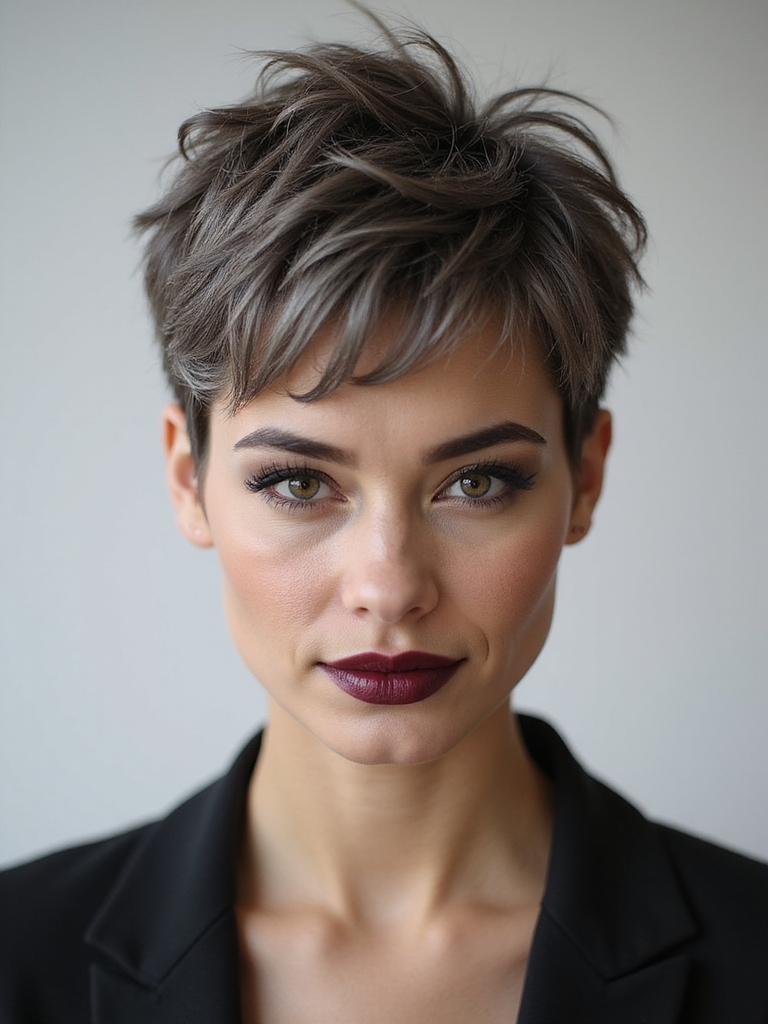
A short wolf cut feels fresh and freeing, sitting around the jaw or chin with textured, choppy ends, and it flatters faces suited to shorter shapes overall. Because the cut adds height while removing length, it tends to elongate rounder faces effectively. A few things to expect:
- Adding height while removing length elongates round shapes noticeably.
- Shows off cheekbones and jawline, so it rewards confident, defined bone structure.
- Styling stays low day to day, though trims land on a tighter schedule to hold the short shape.
Tousled Mid-Length Wolf Layers
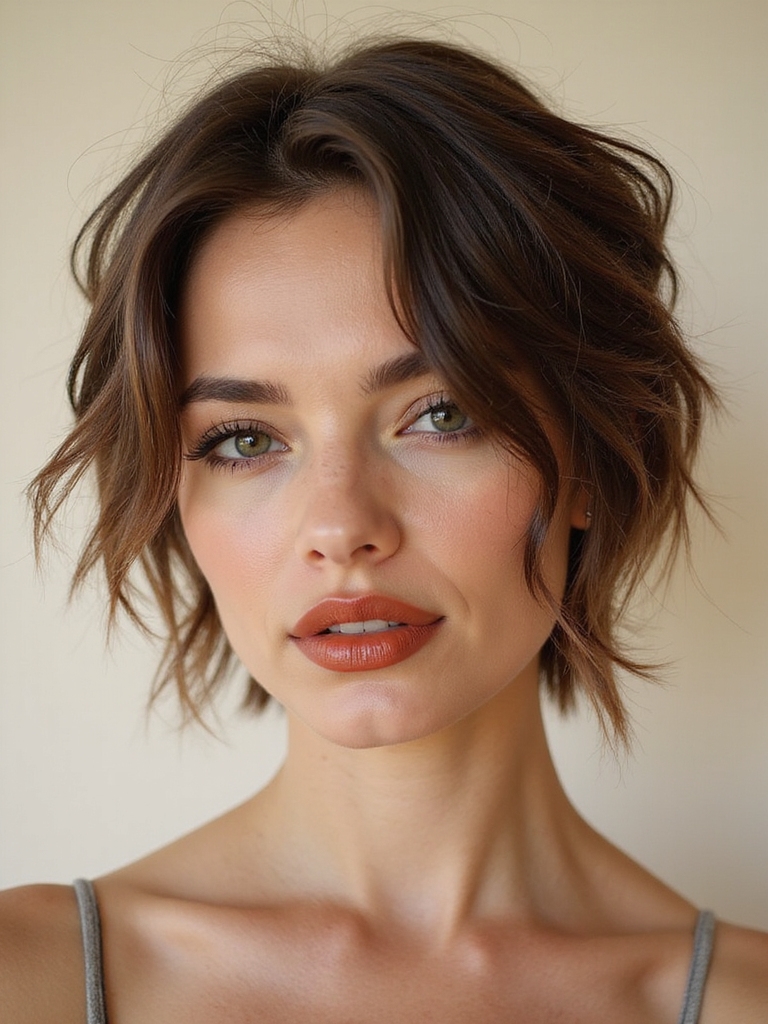
Mid-length ranks among the most forgiving, broadly flattering lengths for this cut, which is a big part of why it works as a common starting point for anyone unsure. Hitting around the collarbone, the layers add movement without the commitment of a short cut or the weight of a long one. Why it works so widely:
- Collarbone length flatters a broad range of face shapes without much adjustment.
- Enough length for real movement, short enough to still show the layering clearly.
- Grows out gracefully into longer layers with almost no awkward transition stage.
Long Wolf Cut With Face-Framing Layers
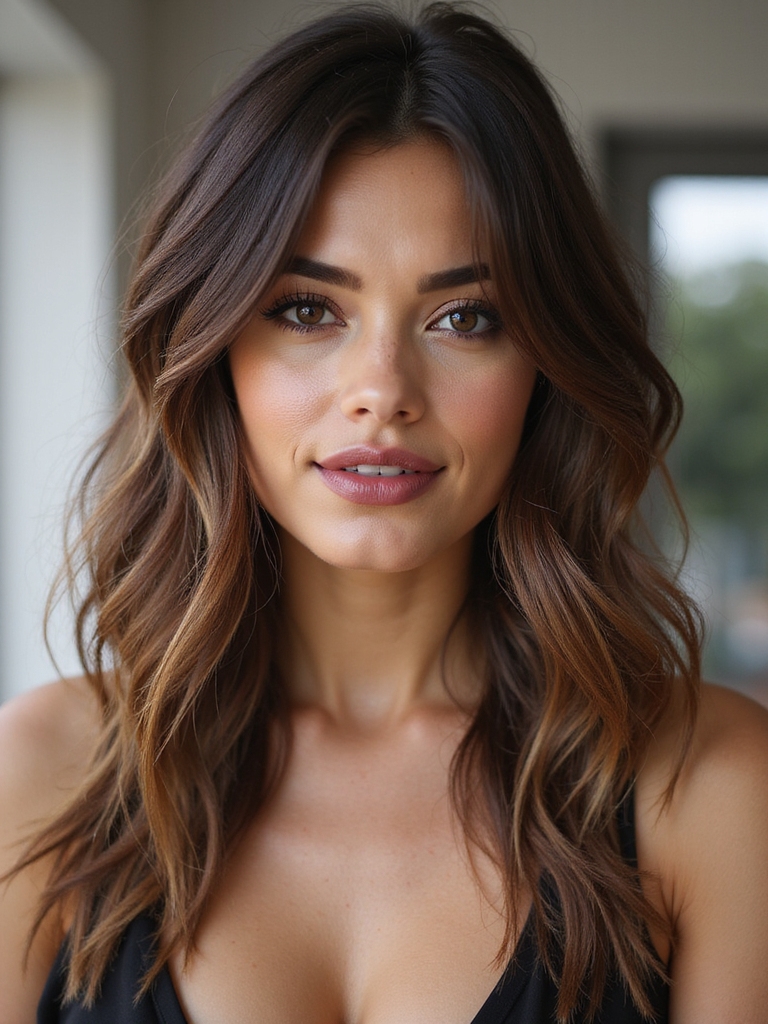
A long wolf cut keeps all existing length while still adding layered movement, letting face-framing layers do the flattering work without any dramatic chop involved.
Flattering Without the Commitment of a Chop
The length itself reads as elongating, which suits round and square faces particularly well, while the face-framing pieces soften and frame whatever shape is underneath.
Because the layers sit through long hair, most of the face-shape balancing happens at the front, where a stylist can start the framing pieces higher for softness around the cheeks, or lower to lengthen the overall look.
“Most pros point first-timers toward mid-length specifically, since it’s the safest place to test whether layering actually suits a face before committing to anything shorter or more dramatic.”
Airy Wolf Cut for Curls and Coils
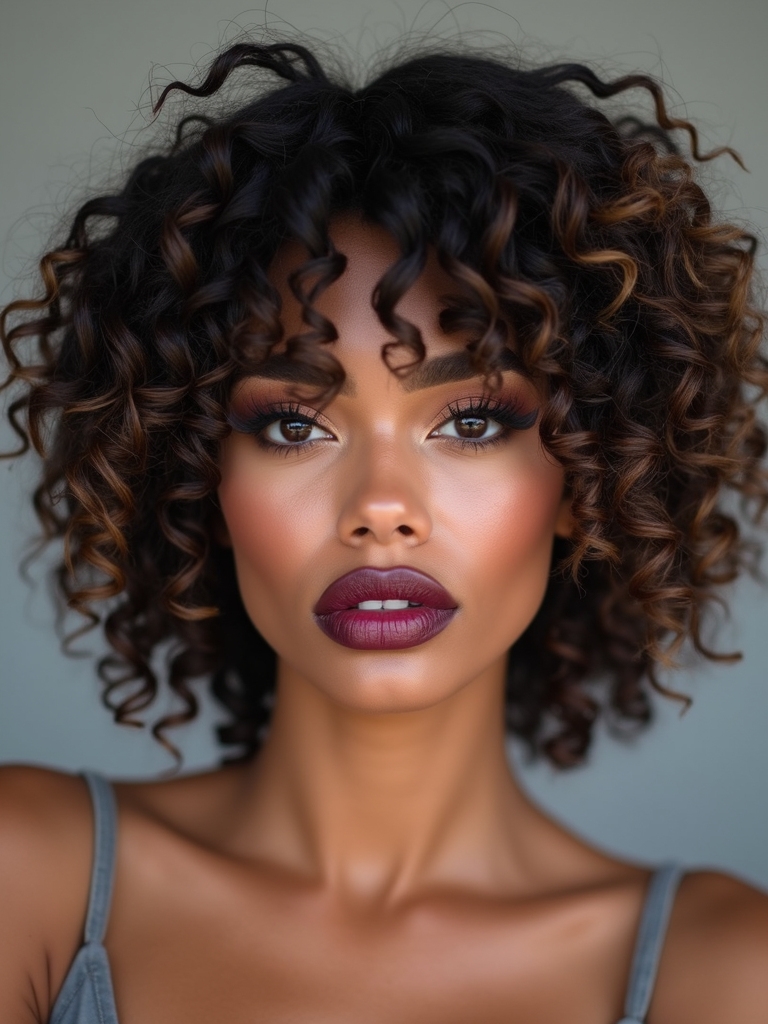
Curls and coils take the wolf cut especially well, since the layering lets natural texture spring into a full, rounded shape that can then be tuned to flatter a specific face. Volume placed higher elongates a round face, while balanced fullness suits an oval or heart shape better.
The unbreakable rule for any curly or coily wolf cut: it has to be cut dry, so a stylist can see exactly where each curl or coil actually lands once it springs into place.
- Dry cutting lets the layers land precisely where the natural pattern wants them.
- Volume placement, not the base cut itself, does most of the face-shape balancing here.
- Works with the natural pattern rather than fighting or flattening it.
Long Blended Layers for Straight Hair
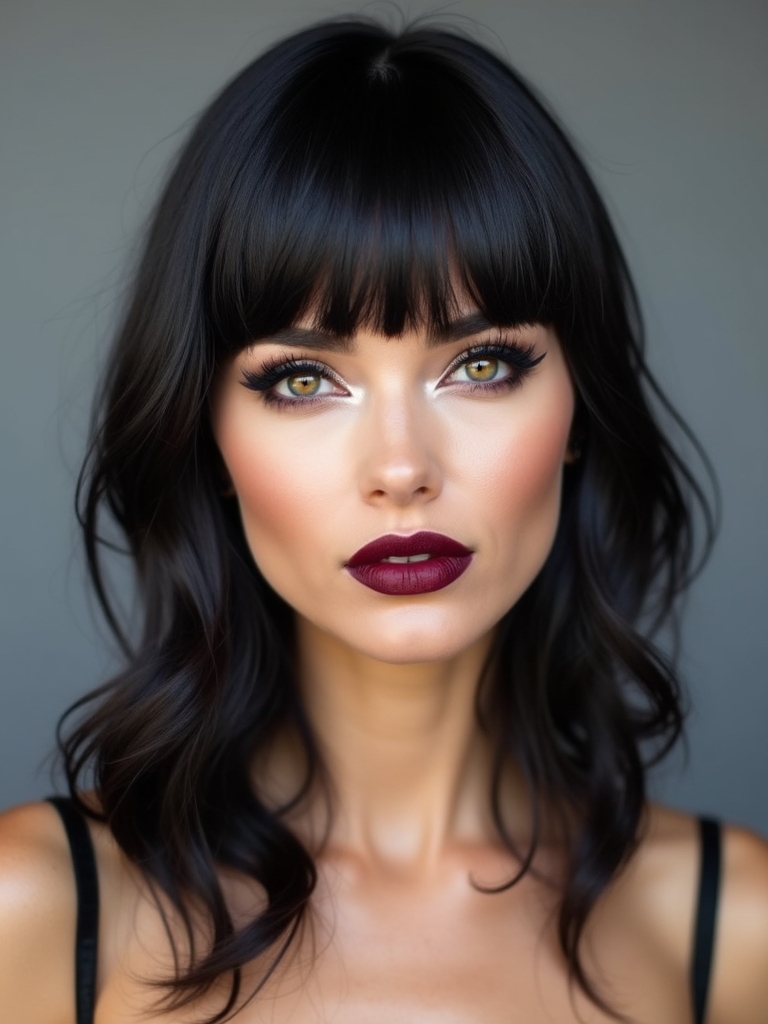
Straight hair shows off the precision of a wolf cut’s layering clearly, so long, blended layers give it movement it wouldn’t otherwise develop naturally on its own.
Because straight hair has no texture of its own to hide behind, the shape needs to be clean and truly well-balanced to flatter a face, since every layer transition shows.
- Blended, graduated layers add swing and shape straight hair lacks by default.
- Precision matters more here than on any textured version of this cut.
- Face-framing placement carries most of the flattering work on this texture specifically.
Bangs to Balance Your Proportions
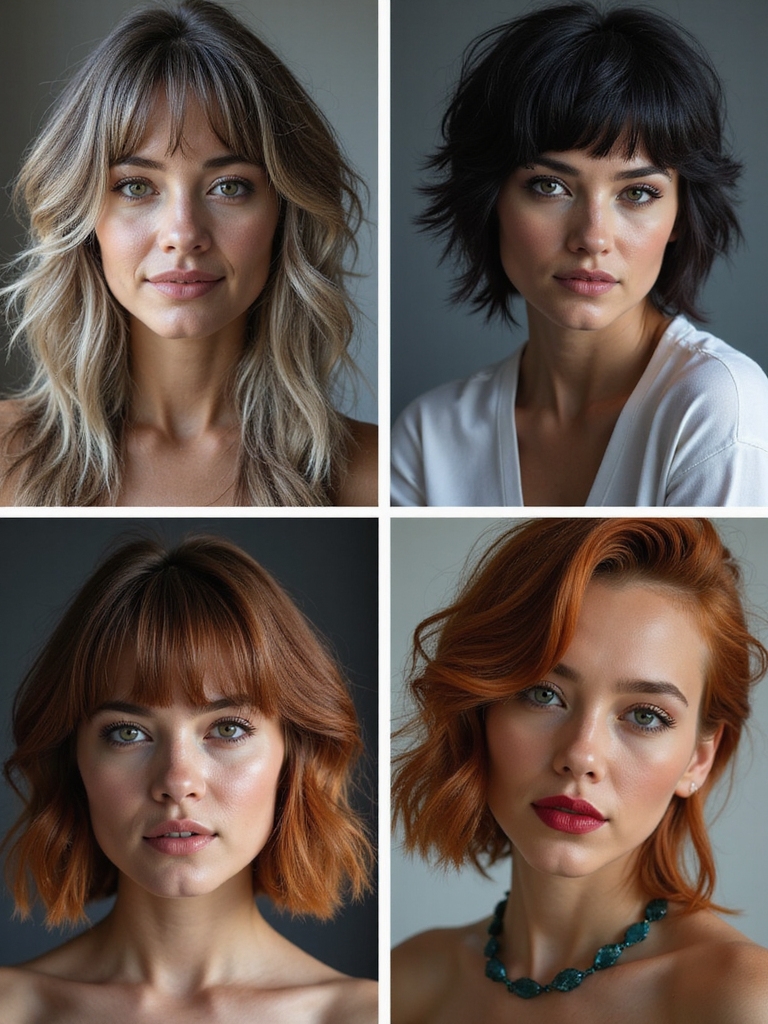
Bangs function as one of the more powerful tools for balancing proportions within a wolf cut, since the right fringe can shift how a face reads almost instantly. Curtain bangs that part and sweep tend to flatter broadly and elongate a round face.
A piecey or micro fringe adds edge and can visually shorten a longer face, while soft, wispy bangs gently frame and soften features without much commitment.
A longer forehead is generally softened by bangs directly, while a shorter forehead usually suits a longer, swept curtain that doesn’t cut the face off visually. On waves or curls, the fringe still needs cutting dry to land correctly.
A quick way to think through layer placement on straight hair:
1Identify the widest point of the face
That’s typically where volume should be minimized rather than added.
2Decide where framing should start
Higher framing softens cheeks; lower framing elongates the overall shape.
Lightweight Mousse for Texture
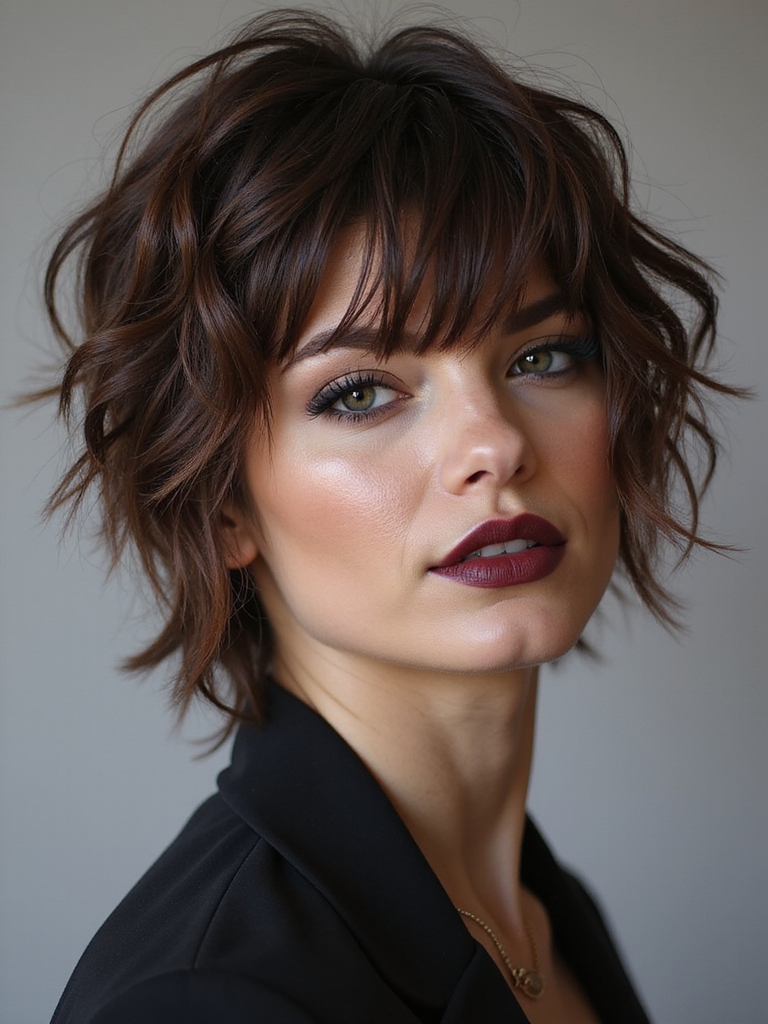
The products that actually make a wolf cut work tend to be light ones, since heavy formulas weigh down the exact layers that give the cut its movement. A lightweight mousse builds soft volume and holds texture without adding stiffness.
Most people reach for considerably more product than the cut actually needs; using less than expected, then building up only if necessary, tends to work better. A drop of serum smoothed over the ends adds shine without weighing anything down.
Smoky-to-Copper Color Contrast
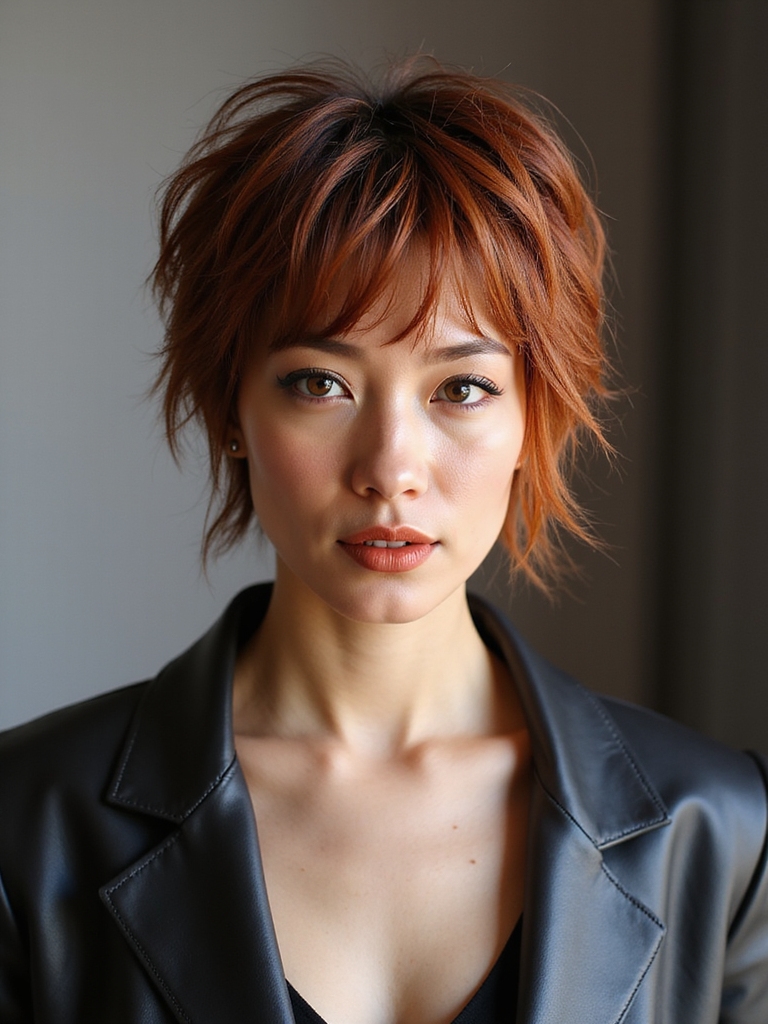
Color takes a wolf cut to another level entirely, and a smoky-to-copper contrast offers a particularly striking way to show off the layering, melting a cool, smoky root into warm copper through the lengths.
That contrast catches every choppy layer individually, making the cut read more dimensional and considerably more expensive than shape alone could manage.
Beyond the visual drama, color can support face-shape balancing too: lighter, warmer strands positioned near the hairline pull attention toward the face and add warmth to the complexion at the same time. The cute wolf cut guide and best shaggy wolf cut guide cover more color and texture combinations.
Maintenance and Growing It Out
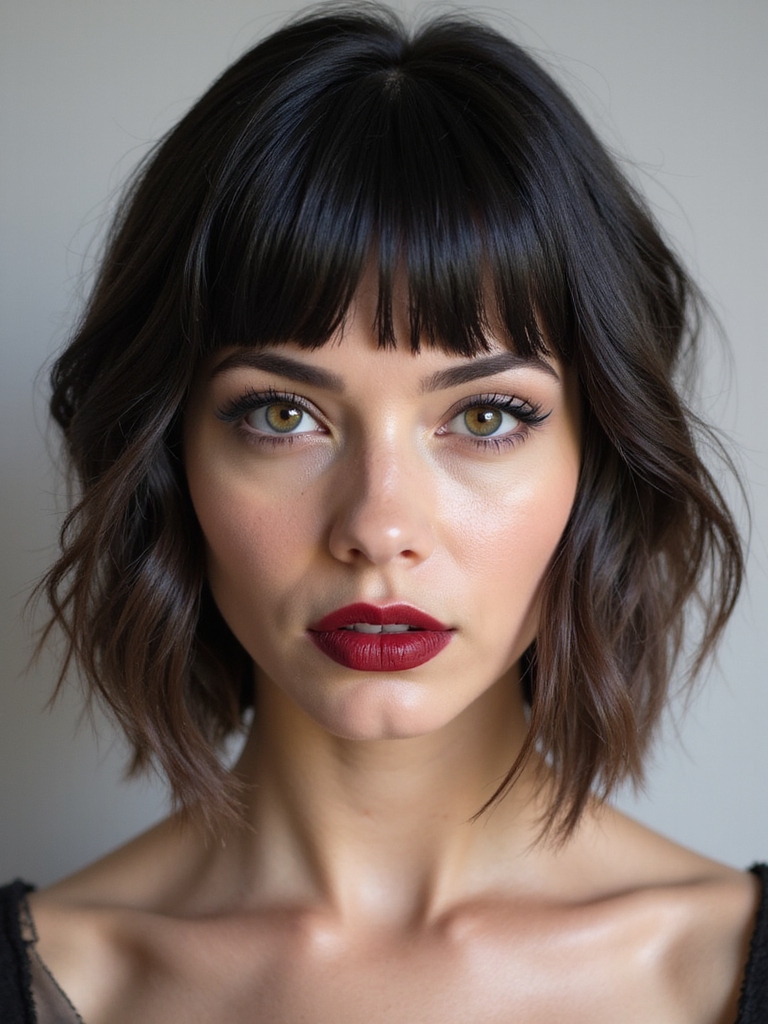
A wolf cut holds its shape best with a trim on a roughly two-month rhythm to keep the layers crisp, usually $45 to $85 depending on length and salon, though shorter, choppier versions need attention sooner and longer ones can stretch further.
The grow-out ranks among the kinder transitions in the layered-cut world, since the layers simply lengthen into long layers with almost no awkward stage to push through.
- A shape-up on a roughly two-month rhythm keeps layers reading crisp rather than shapeless.
- Blending trims during a grow-out keep the transition looking intentional throughout.
- Many people simply let the cut grow into long layers and stay there happily.
A Wolf Cut That Actually Flatters Your Face
The wolf cut works for so many different people for one specific reason: it bends to fit them rather than demanding they fit it. Round, square, long, or heart-shaped, the real skill lies in shaping layers and length to balance individual features, not chasing the exact look from a saved photo.
Figuring out what a specific face actually needs before the appointment, then bringing that to a stylist who can tailor the proportions, is what turns a trendy cut into one that keeps working long after the first photo gets taken.
More Worth Saving