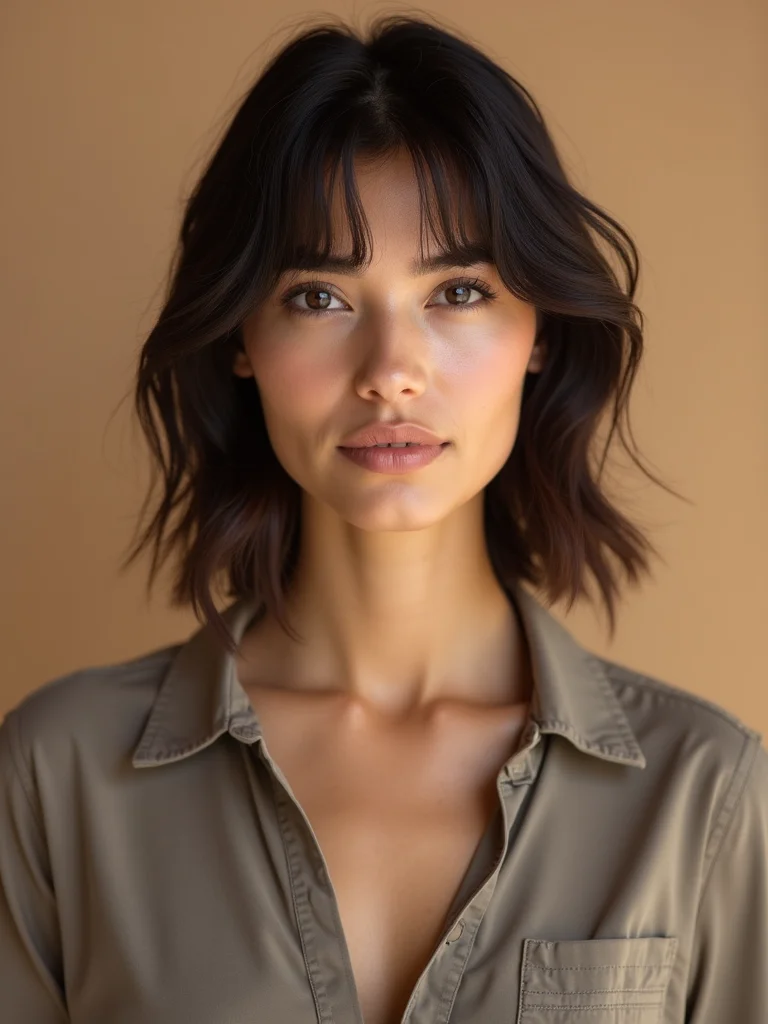
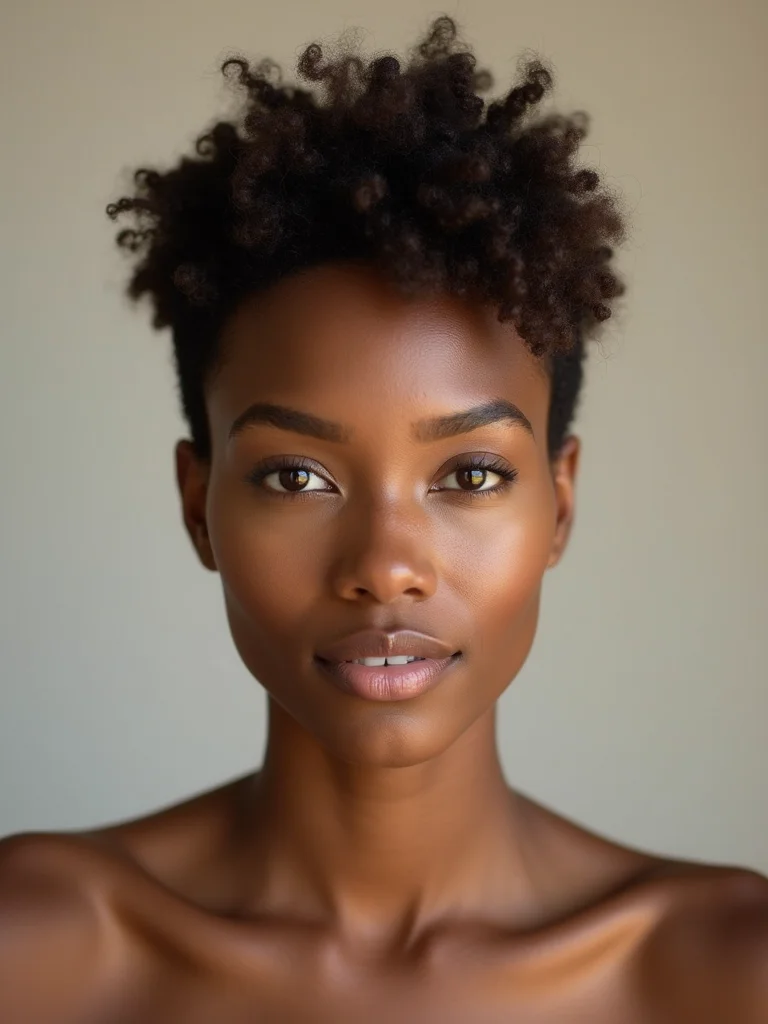
A layered shag moves the moment the head turns, even after a night of no styling at all. The whole shape comes from short pieces stacked through the crown down to long, feathered ends, and that internal architecture is what gives it visible motion other cuts simply don’t have.
Fifteen versions follow below, each using that same layering idea a little differently, sorted by texture and technique the way a real consultation actually works.
The Shag, Quickly
What actually makes a shag a shag? Heavy layering from the crown down, shorter pieces on top and longer, feathered ends below. That stacked structure creates the built-in movement, not any specific length.
Does it work on every hair type? Nearly always. The layering adapts to texture: it adds fullness to fine hair, removes bulk from thick hair, and gives curls and waves room to spring rather than clump.
How much upkeep does it actually need? Less than most heavily layered cuts. A shag grows out softly with no hard line to chase, so a reshape often stretches longer between visits than a blunt cut would allow.
Classic Shag With Feathered Layers

The classic shag is the template everything else on this list builds from: feathered layers cut through the whole length, a soft curtain-style fringe, and a slightly rumpled finish. Every layer tapers into a fine end, so the cut moves fluidly from root to tip, with no heavy, blocky sections anywhere.
This version flatters an unusually wide range of faces and grows out gracefully over several months, and that combination keeps it the most-requested shape in the whole family.
- Feathered layers run through the entire cut, not just the ends.
- A mist of texture spray and a scrunch is close to the full routine.
- For a longer take on the same idea, long shag covers it.

Curtain Bangs Shag for Soft Framing
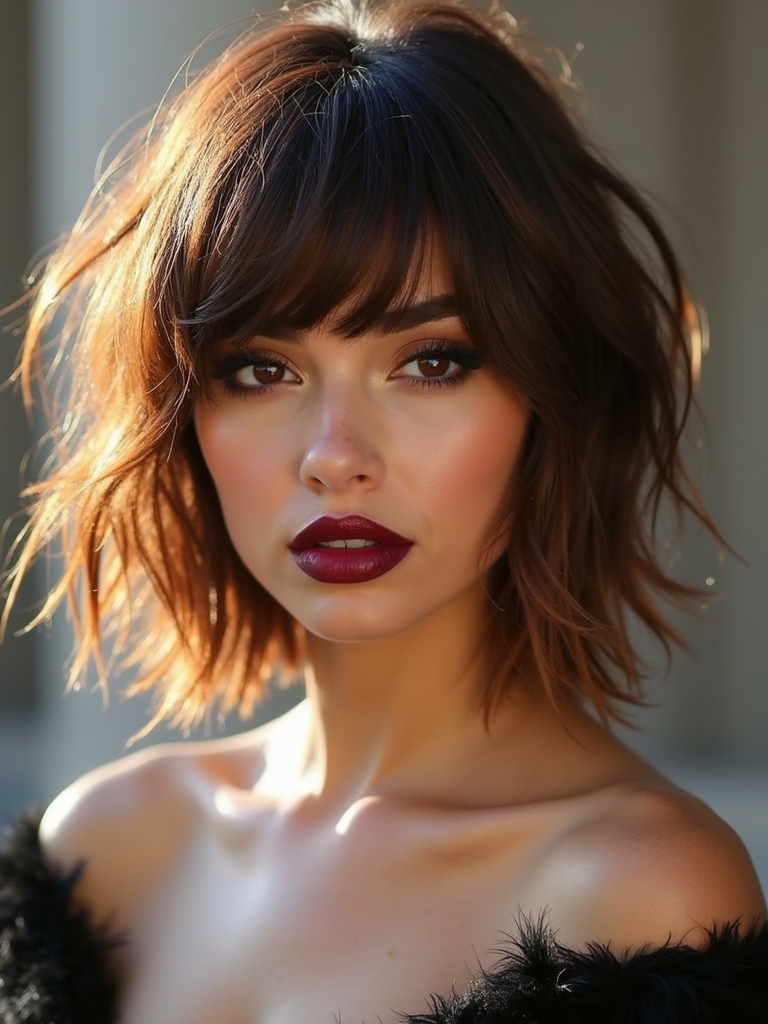
Curtain bangs and a shag pair naturally: the center-parted fringe sweeps to either side and melts straight into the surrounding layers, framing the face with no visible seam between fringe and length.
- The fringe blends directly into the layers with no hard line.
- Works on most face shapes without much adjustment.
- Grows out into the surrounding length with almost no awkward stage.
A Choppy Shoulder-Length Shag

Cut with bold, visible layers and blunt, point-cut ends, this version sits right at shoulder length, long enough to pull back but sharp enough to wear down on its own.
- Point-cut ends give the whole shape a piecey, undone finish.
- Shoulder length suits most heights and proportions.
- A matte paste pulled through the ends separates the choppy pieces.
A Long Shag With Face-Framing Pieces
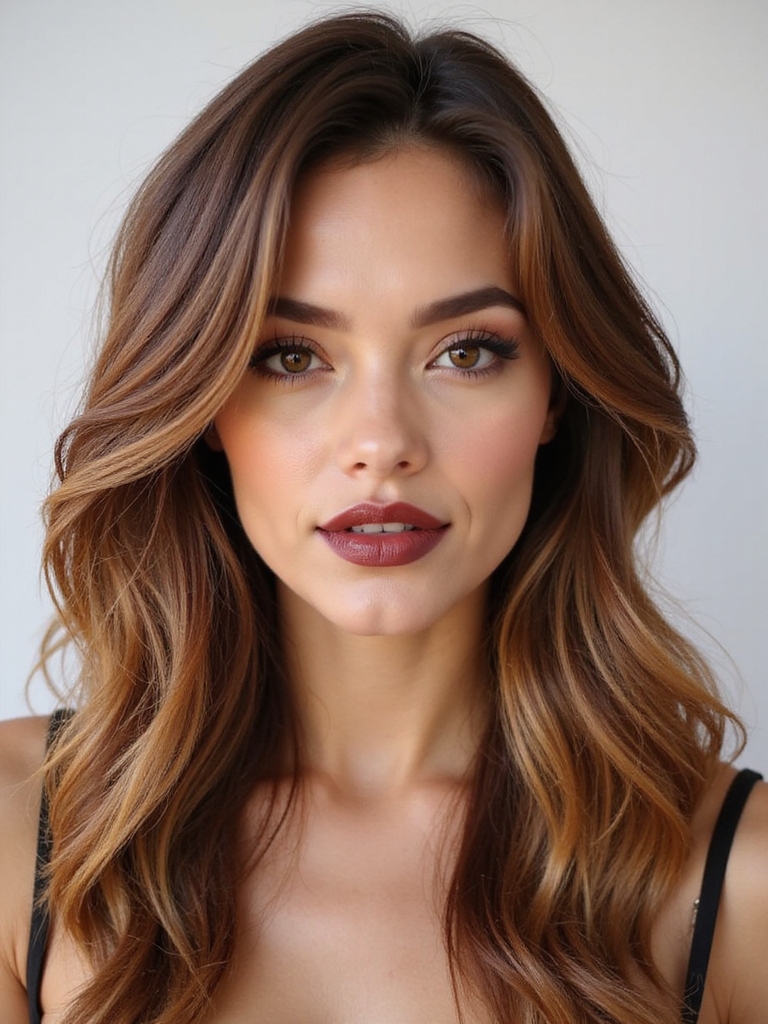
A long shag keeps real length while threading layers and shorter face-framing pieces all the way through, adding movement without giving up the length underneath.
The shortest pieces sit around the cheekbones and lengthen gradually from there, breaking up the weight that long, one-length hair tends to carry.
Styling a long shag in about three minutes:
1Rough-dry first
Flip the head forward and rough-dry damp hair most of the way using just the fingers.
2Finish upright
Flip back up and finish drying at the roots for lift, aiming the dryer down the hair shaft.
3Scrunch and go
A small amount of texture cream scrunched through the ends sets the movement without a brush.
A Curly Shag for Natural Texture

On natural curls and coils, the layering gives each curl room to spring and define, keeping the shape from piling into one dense, heavy mass on top.
Getting there means shaping the hair dry, curl by curl, since coils shrink up as they dry and cutting to a wet, stretched length just guesses at a shape that won’t actually exist once the water evaporates.
A curl cream on damp hair, finished with a diffuser or an air-dry, brings the shape fully to life. More on the technique lives at curly shag.
A Wavy Shag With Airy Movement
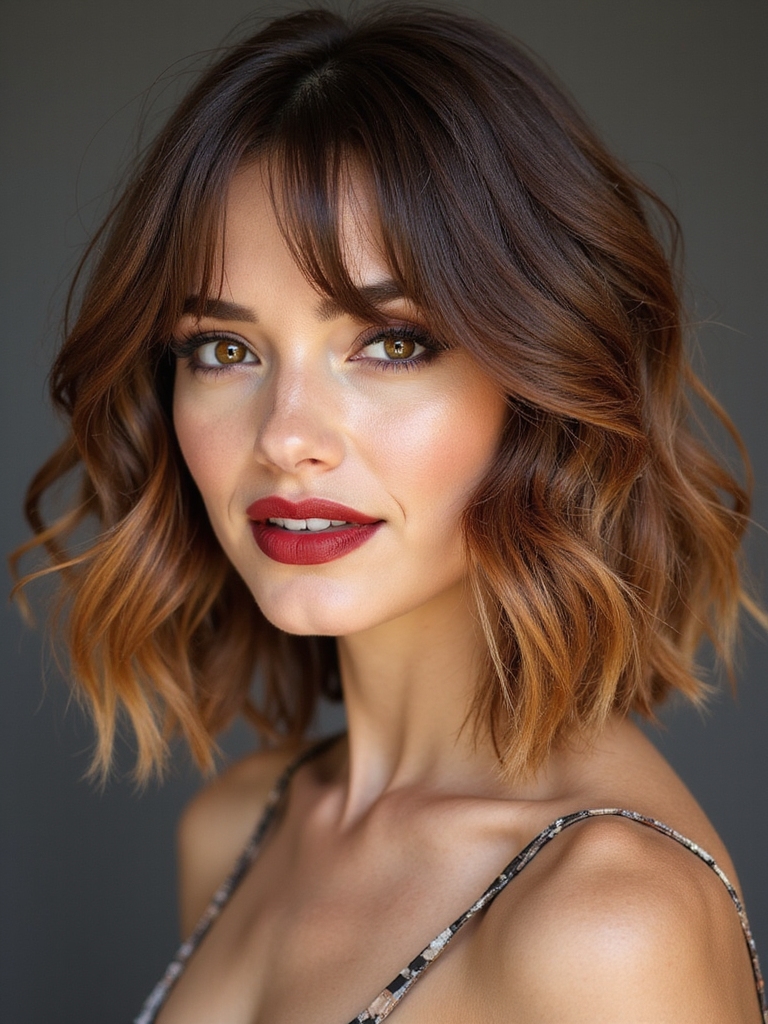
Wavy hair and this cut share an obvious chemistry: the layers give the natural bend somewhere to travel, building loose, airy movement without much intervention from a stylist or a styling tool.
The layering keeps the waves from sitting flat at the root or bunching heavily at the ends, spreading the movement evenly through the whole length instead.
A sea-salt spray scrunched into damp hair, left to air-dry, is close to the entire routine most days. The full range of wavy versions lives at wavy shag.
A Micro Shag With Short Layers

The shortest version of this cut, a micro shag crops the layers high for a punky, textured shape that sits close to the head, somewhere between a shag and a pixie.
- Short, high layers build density without any extra length to weigh it down.
- Suits straight to wavy hair best.
- A matte paste worked through dry hair defines the short pieces.
A few shag terms worth knowing before the appointment:
📖Feathering
Tapering the very end of each layer into a fine point, which is what lets the whole cut move as one connected piece.
📖Point cutting
A scissor technique that snips into the tips at a slant, breaking up a flat edge without sacrificing overall length.
📖Disconnection
A deliberate, visible break between two sections of length, most common between the crown and the back in a wolf cut.
The Wolf Cut Shag Hybrid
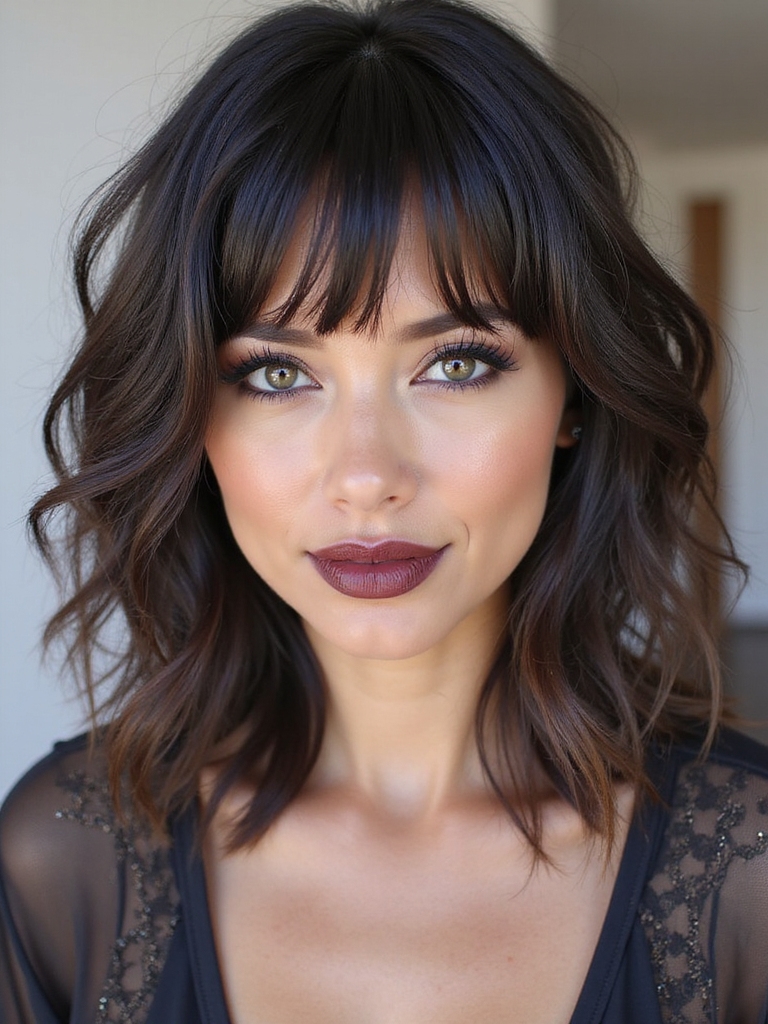
The wolf cut pushes the shag’s layering harder, adding shorter, spikier crown layers and heavier disconnection between the top and the length left at the back.
This lands as the boldest, most fashion-forward shape in the whole family, built for anyone after real volume and a cut with a clear point of view. The full range of versions lives at wolf cut hair.
The Shag Mullet With a Bold Shape

The shag mullet revives the short-front, long-back silhouette, softened throughout by feathered layering, which is what keeps the shape looking like an actual modern haircut.
What Keeps It From Looking Like a Costume
That layering is what makes the mullet wearable: it blurs the old hard line between the top and the back into something that actually flows as one cut.
Asking a stylist to keep the layers soft and connected, rather than harshly disconnected, keeps the whole shape from tipping into parody.
A Fine Hair Shag for Instant Fullness

Fine hair picks up real, visible fullness from this cut, the layering concentrated at the crown building the appearance of body that fine strands can’t manage sitting one length.
Layering concentrates at the crown and through the mid-lengths specifically, so the hair looks noticeably thicker than it does hanging flat and untouched.
ℹ️Worth Knowing
A shag is one of the few cuts where fine hair actually ends up looking like it has more of it, not less, since the crown layering builds real apparent volume rather than just thinning what’s already there.
A Thick Hair Shag to Debulk and Define

Thick hair needs this cut for the opposite reason fine hair does: heavy internal layering carves weight out from underneath, so the hair stops sitting like a solid block and starts to actually move.
That work stays hidden inside the cut, letting the hair keep its full, healthy look on the surface while losing the bulk that made it hard to style in the first place.
A Shag With Wispy Ends and Texture

Wispy ends are the finishing detail that separates a well-cut shag from a blunt one, the very tips point-cut or razored into fine, feathery pieces.
- Softens the ending line so nothing stops abruptly or blunt.
- Gives the cut its signature soft, undone edge.
- Holds its shape well with a refresh roughly every nine weeks.
A Side-Swept Shag Fringe

A side-swept fringe gives the whole front a softer, more asymmetric feel than a center-parted curtain does, sweeping across the forehead on a diagonal into the layers on one side.
- Draws a gentle diagonal line across the face.
- Suits a wide range of face shapes without much adjustment.
- Pins back easily as it grows, buying time between trims.
Layered Ends for Extra Volume

The ends are where this cut actually builds its volume, the stacked layers at the bottom creating real lift and bounce along a hemline that would otherwise sit heavy and flat.
Where the Volume Actually Comes From
A blunt perimeter would hang straight down; layered ends flick out and stay in motion, which is the whole visual signature of the cut.
Heavier layering at the ends builds bigger, bouncier volume, while lighter layering keeps the same idea more subtle. A stylist can dial that up or down on request.
💡Dialing the Volume
Ask a stylist for a specific amount of layering at the ends, since ‘add volume’ alone leaves too much room for interpretation. Heavier layering there builds bold volume right away; lighter layering keeps the same shape closer to subtle.
A Low-Maintenance Layered Shag
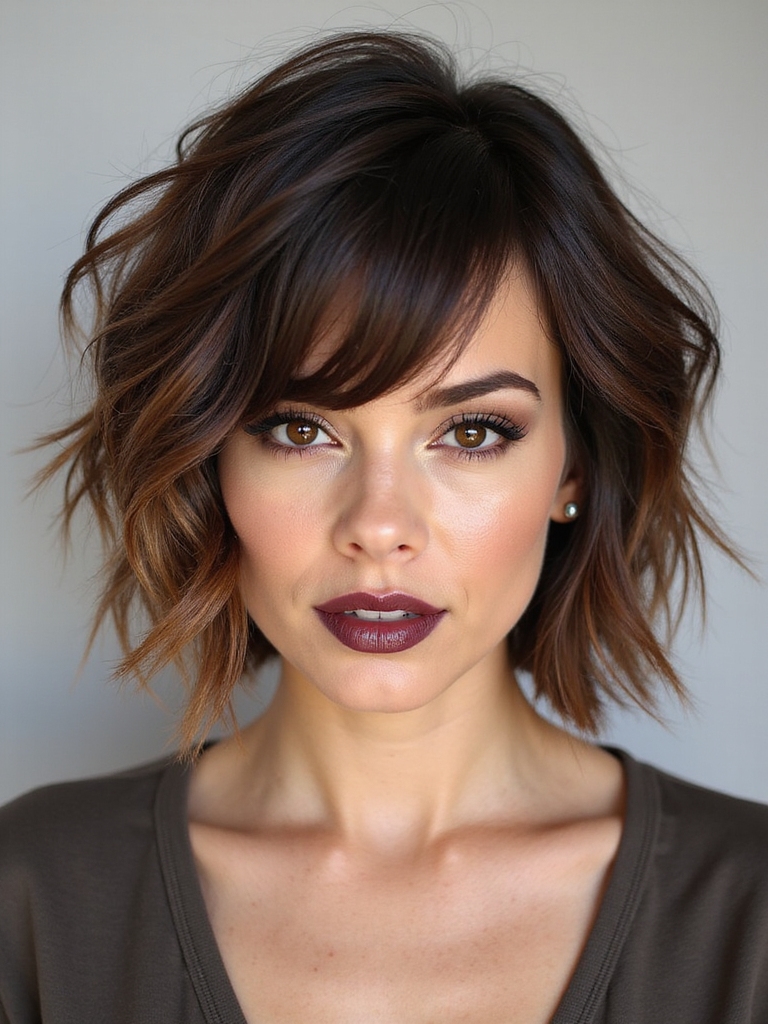
The strongest case for this whole family of cuts is how little daily effort it asks for. Built from layers and meant to look a little undone, it forgives air-drying, second-day texture, and mornings with no styling at all.
It also grows out softly, without a harsh line to chase, which means a reshape can often stretch a few extra weeks longer than a precise, blunt cut would allow.
Most mornings, a mist of texture spray and a quick scrunch is the whole routine, which is a large part of why this shape has held its popularity for decades.
Common Mistakes to Avoid
The most common mistake is treating a shag like a simple one-length trim when it actually calls for a real layering plan. Asking specifically for the layers to start high, near the crown, is what actually builds the movement; a shallow layering job just leaves length with a slightly ragged edge.
The second mistake is skipping product entirely on the theory that a shag should style itself with no help. A little texture spray or paste is doing more work than it looks like; skip it and the cut can end up looking simply flat. Plan on around $65 for a typical reshape, and save a photo showing the specific version that matches the hair in question, since general references to ‘a shag’ get interpreted very differently from one stylist to the next.
Why This Cut Keeps Winning
No other cut delivers quite this much visible movement and personality for so little daily effort, which is a large part of why the shag has outlasted nearly every trend that tried to replace it.
Whatever the texture involved, there’s a version on this list built to cooperate with the hair already there. Bring a photo of a shag cut on similar hair, ask specifically for soft, connected layers, and let the cut carry most of the effort from there.
Worth a Look