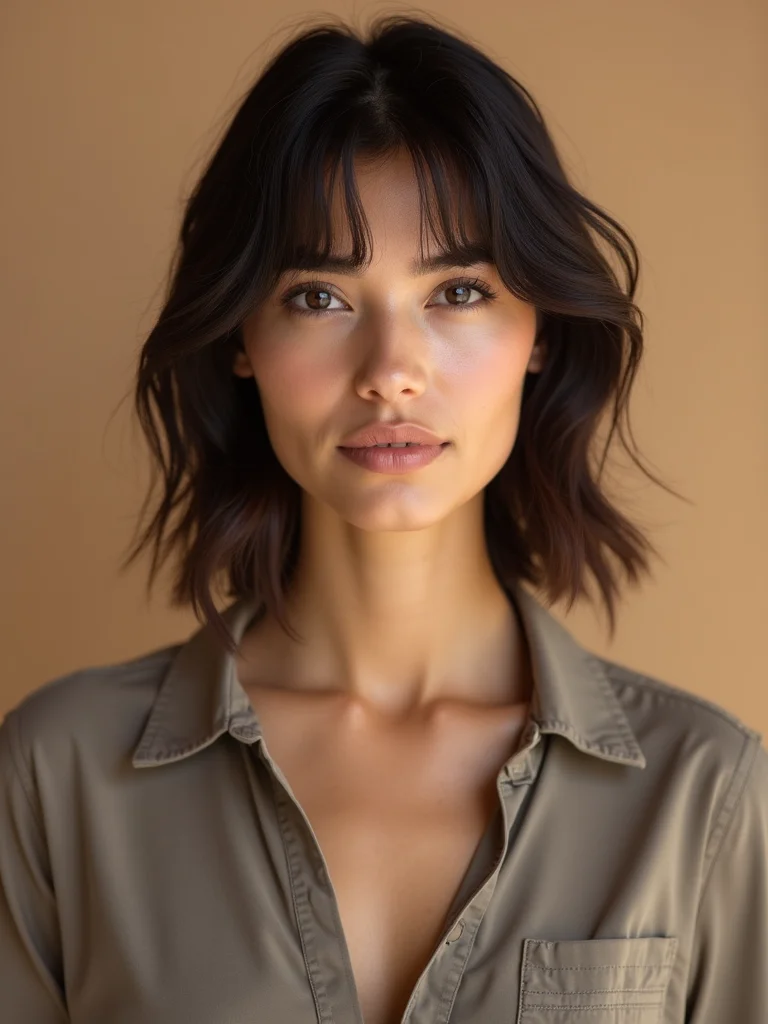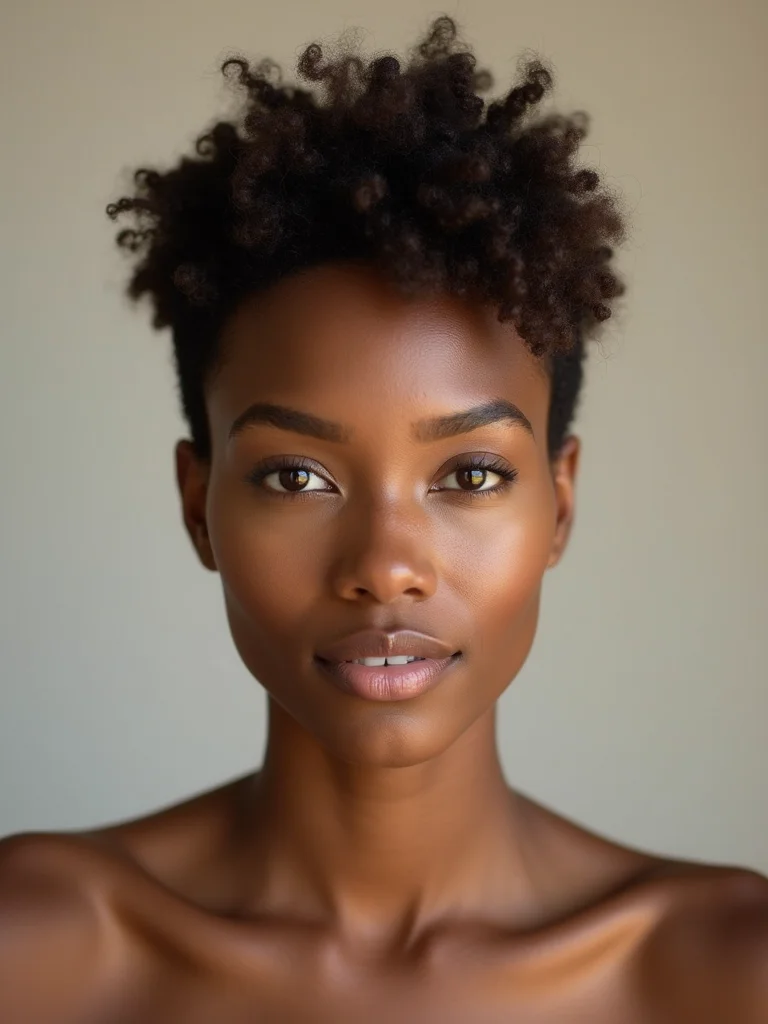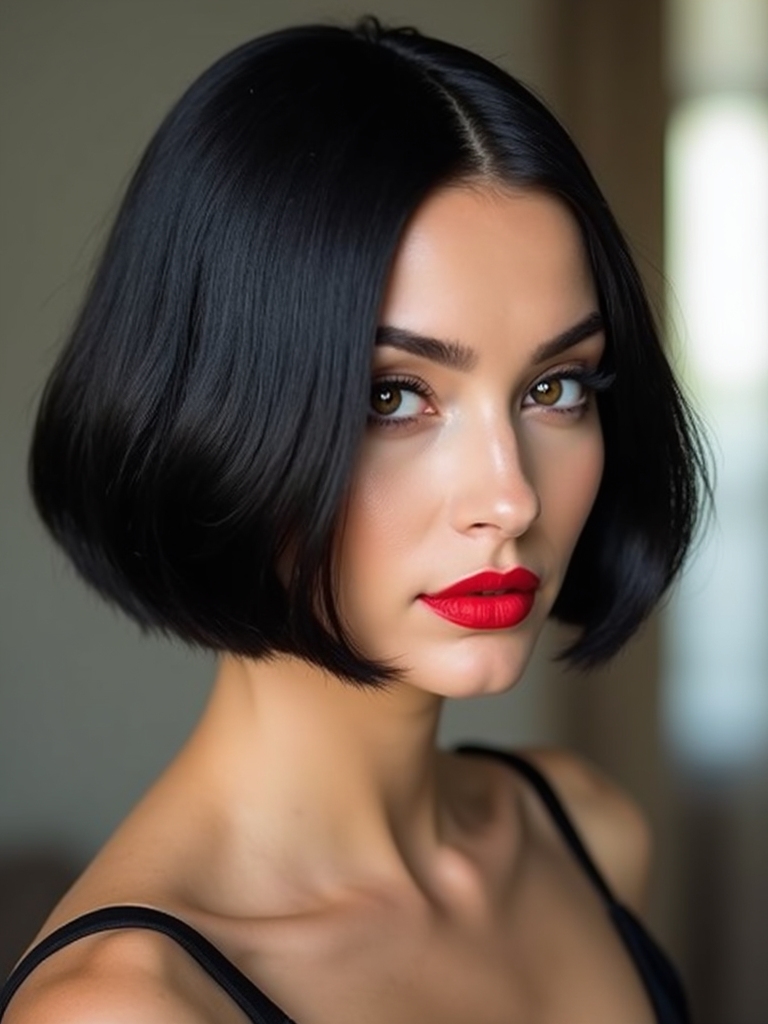
Most decades are remembered for excess. The nineties bob is remembered for the opposite: restraint. Where the eighties piled on volume and perms, the nineties stripped a haircut back to its architecture, one clean length, a precise line, and a part that meant it. That’s why the 90s bob haircut reads so modern now, at a moment when everyone’s tired of fuss.
These fifteen ideas are less about styling tricks and more about the cut itself, the blunt lines, the razored edges, the geometry that makes each one work. For every version you’ll get what actually defines it in the chair and who it suits, so you walk into your appointment knowing exactly what to ask for.
It Starts With the Line
Every 90s bob starts with a decision about the line: blunt for impact, razored for softness, or geometric for drama. That single choice matters more than any product, because the cut is doing all the work here. Get the line right and the styling is almost an afterthought.
Length sets the mood, chin for softness, jaw for edge, and the part tailors it to your face. Fine and straight hair show off the sharp lines best, while curly and wavy textures get a rounder, softer version. Whichever you choose, a blunt shape needs a trim roughly every six weeks to hold its edge.
The Chin-Grazing Blunt Bob

Start with the cut everyone means when they say 90s bob: a single length landing right at the chin, sliced in a clean, blunt line. There are no layers and no gimmicks. The whole effect rides on the precision of that single line, so that spareness is the entire point.
Why the Line Is Everything
In the chair, this is all about the horizontal. A good stylist cuts it with the head upright and checks the line obsessively, because at this length even a slight unevenness shows. That’s why it’s worth finding someone who cuts a lot of bobs.
The blunt line does something clever: it makes hair look thicker by keeping all the weight at the bottom. That’s why fine hair loves this cut, and why thick hair sometimes needs a touch of internal weight removed so it doesn’t swing out like a bell.

The Flippy Feathered Bob

Feathering was the nineties’ favorite way to soften a bob. Nothing about it is severe. The hard blunt edge softens into a light, tapered feathering that lets the ends flip and move, giving the cut a bouncy, retro energy.
It’s a friendlier cut than the razor-blunt version, and it suits people who find a hard line too severe. Ask specifically for feathered, flippy ends and keep the layering light, so the shape stays bob and doesn’t drift into shag.
🅰️Blunt ends
A hard, precise line for maximum impact and a graphic, modern edge.
🅱️Feathered ends
Softly tapered ends that flip and move for a bouncier, gentler look.
The Piecey Razored Bob

Swap the scissors for a razor and the bob changes character entirely. The blade does the softening. A razor slices each section to a fine, tapered tip, leaving the ends airy, separated, and piecey — a softer, more broken-up take on the shape.
It’s a smart choice for thick hair that wants weight gone, since the razor removes bulk as it cuts. On fine or fragile hair it’s riskier, so it belongs in experienced hands and on healthy strands that can take the blade.
The Mirror-Sharp Glass Bob

This is the bob at its glossiest: a precise blunt cut finished to a mirror shine, so smooth it looks almost liquid. The cut and the finish work together here, because the shine only reads if the line underneath is perfect.
It’s the most high-maintenance version to keep sharp, but nothing else looks so polished. Reserve it for occasions, or commit to a daily blow-dry and the odd salon gloss, around $40 to $70, to keep the surface reflective.
- Demands a precise, even cut, since shine exposes every flaw.
- A smoothing treatment or gloss keeps the surface reflective.
- Frizz-prone hair needs a flat-iron pass to hold the glass finish.
The Grunge-Mussed Bob

At the other end of the nineties sat the grunge bob, matte, mussed, and proudly imperfect. Polish is the enemy here. The cut can be the same blunt shape, but everything about the finish rejects it: no shine, no neat part, just texture and attitude. To wear it:
- Skip the gloss; a matte texture paste or dry shampoo gives the right dull finish.
- Rough-dry and finger-style, leaving the part deliberately messy.
- It’s forgiving on grow-out, since the undone look thrives on a little length.
The Bob With Baby Bangs

For the boldest statement here, pair a blunt bob with bangs cut high and short across the forehead. Baby bangs are daring, a little punk, and unmistakably nineties, the kind of cut people remember. Before you go for it:
- Best on balanced foreheads and strong features that can carry the drama.
- The high fringe needs frequent trims to keep its crisp line.
- Softer, wispy micro bangs are a gentler entry point than blunt ones.
👍The appeal
- +The most striking, memorable version of the cut
- +Draws the eye up to the eyes and brows
- +Comes across bold, artistic, and confidently retro
👎The reality
- –High upkeep, with fringe trims every two weeks
- –Unforgiving on very tall or very short foreheads
- –A big commitment that grows out slowly
The Center-Part Blunt Bob

The most period-accurate way to wear a nineties bob is dead down the middle. A clean center part splits a blunt bob into two even curtains, framing the face symmetrically and reinforcing the cut’s calm, deliberate geometry.
It’s the purist’s choice, and it flatters balanced and round faces especially well. On a long face it can stretch things further, so those faces often do better shifting the part slightly off-center.
The Deep Side-Part Volume Bob

If the center part feels too flat, parting deep to one side is the opposite instinct. Parting well off to one side lifts the roots on the heavier side and sends a wave of hair across the forehead, trading symmetry for volume and swagger.
Making the Part Behave
This is the version that leans glamorous and dramatic. The extra root lift gives even a stick-straight bob some movement, which is why it photographs so well.
A deep side part fights a natural center part at first. Set it wet, dry the roots in the direction of the part, and a little root spray or a night in a loose pin will train it to stay put.
The Curly 90s Bob

On curls and coils, the nineties bob becomes something springy and full, a rounded shape that bounces at the jaw or neck. The era loved this version, and it needs none of the smoothing the sleek bobs demand, since the texture supplies the body.
Length and Shrinkage
The whole thing hinges on cutting for the curl pattern itself. A stylist who shapes it while the curls sit dry can place the length where each coil falls, so a curly bob dries into a balanced, even round.
Curls draw up as they dry, sometimes dramatically, so this shape is always cut with shrinkage in mind. Ask for a little extra length banked in, and keep the ends conditioned so the perimeter stays defined and frizz stays down.
One Thing to Flag
Never let anyone cut your curls stretched or wet-combed straight unless they cut curly hair constantly. Judging length on stretched curls is how a chin-length bob turns into an ear-length surprise once it springs up.
The Wavy, Undone Bob

A natural wave is a gift to a bob, and the nineties knew it. The blunt weight at the bottom keeps a wave from puffing, so it falls into loose, easy body, the version that looks styled without any styling at all.
This is the low-effort favorite, ideal for anyone who’d rather work with their texture than flat-iron it daily. A wavy bob haircut air-dries into shape with just a little product.
- Enhance the wave with a curl cream or sea-salt spray on damp hair.
- Air-dry or diffuse to keep the texture from falling flat.
- A blunt or lightly feathered cut suits the wave best; avoid heavy layers.
The Boxy Geometric Bob

The most architectural cut here is the boxy bob, cut in strong, straight lines with squared-off corners in place of any soft curve. Think design object. It’s all clean angles and deliberate shape, and it makes the strongest statement of the bunch. What it takes:
- Precise, technical cutting, since this is not a forgiving shape.
- Straight, healthy hair that holds the geometric line without frizz.
- Strong bone structure to balance the graphic, angular effect.
The Tousled, Layered Bob

Push a bob toward its shaggier cousin and you get the tousled, layered version, still bob length, but cut with enough internal layers to move like a shag. It’s the most texture-forward cut on the list, and it bridges the sleek bob and the choppy bob. To get it:
- Ask for soft internal layers, kept subtle so it stays a bob.
- Pair it with a texture spray, then rough-dry for the undone finish.
- Best for those who want movement over a sharp, graphic line.
The Cheek-Grazing Inward-Layered Bob

This clever cut keeps the length at the jaw but adds inward-curving layers that hug the face at the cheekbones. The layers curl gently toward the skin, framing your features and softening a strong jaw without losing the bob’s clean outline.
It’s a top pick for anyone who wants softness with structure. The inward layers do the flattering, so ask specifically for face-framing pieces that curve toward the skin.
Inward or outward layers, which suits you?
1Want to soften a strong or wide jaw?
Inward-curving layers hug the face and slim the line.
2Want to add width or playfulness?
Outward, flicked layers open the shape up instead.
The Tousled Bob With Flicked Ends

Take a tousled, textured base and flick the ends out, and you get a cut that’s equal parts undone and playful. It’s cheeky. It combines the grunge bob’s easy texture with a cheeky, retro kick at the ends, casual but full of character. How to wear it:
- Rough-dry for texture, then flick just the ends out with a flat iron.
- A texture spray keeps the base undone so the flick stays playful and casual.
- Great on hair that already has a bit of wave or bend.
The Crisp Tucked-Under Bob

For the calmest, cleanest finish, the ends curve gently under at the jaw. Where the flick is playful, the tuck is composed, giving the bob a quiet, polished line that suits an office or a formal night without any fuss. To finish it:
- Round-brush the ends inward as you dry, or press them under with an iron.
- A drop of serum on the ends keeps the tuck smooth and frizz-free.
- It’s the most versatile, wear-anywhere styling of them all.
Common Mistakes to Avoid
The biggest mistake is treating a 90s bob like a low-stakes trim. The whole cut depends on precision, so a rushed appointment or a stylist who doesn’t cut many bobs will show, especially in a blunt line, where every unevenness is visible. Book the time and the right person.
The second is choosing the wrong length for your face and texture without saying so. A blunt chin-length bob flatters some faces and fights others, and curly hair cut like straight hair shrinks into a surprise. Talk through your face shape and how your hair behaves before the scissors ever come out.
90s Bob Haircut Questions, Answered
?What’s the difference between a 90s bob and a regular bob?
Mostly attitude and precision. A 90s bob leans on a blunt, deliberate line, a strong part, and either a high-shine or matte grunge finish, where a modern bob is often softer and more layered. The nineties version is sharper and more graphic on purpose.
?Is a blunt bob or a razored bob better for thick hair?
A razored bob, usually. The razor removes weight as it cuts, so thick hair falls flat and controlled without swinging out. A blunt cut on thick hair can look heavy and bell-shaped unless the stylist takes some internal weight out first.
?Do I need straight hair for a 90s bob?
Not at all. The sleek, blunt versions favor straight hair, but curly and wavy textures get their own authentic take, a rounder, springier bob with built-in body. Have it cut and shaped for the texture you actually have.
?How often will I need to get it trimmed?
A blunt bob shows grow-out faster than a layered cut, so plan on a shape-up roughly every six weeks. Baby bangs or a micro fringe need touching up far more often, closer to every two weeks, to keep the crisp line.
It’s All in the Cut
Strip away the styling and every one of these bobs comes down to a single confident decision in the chair: the line, the length, the part. That’s the nineties lesson worth keeping, that a great haircut doesn’t need much help once the shape is right.
So before you book, ask yourself the real question: do you want the sharp, graphic drama of a blunt or boxy cut, or the softer movement of feathered, razored, or curly texture? Answer that honestly, bring a photo, and the bob will do the rest.
More Worth Saving