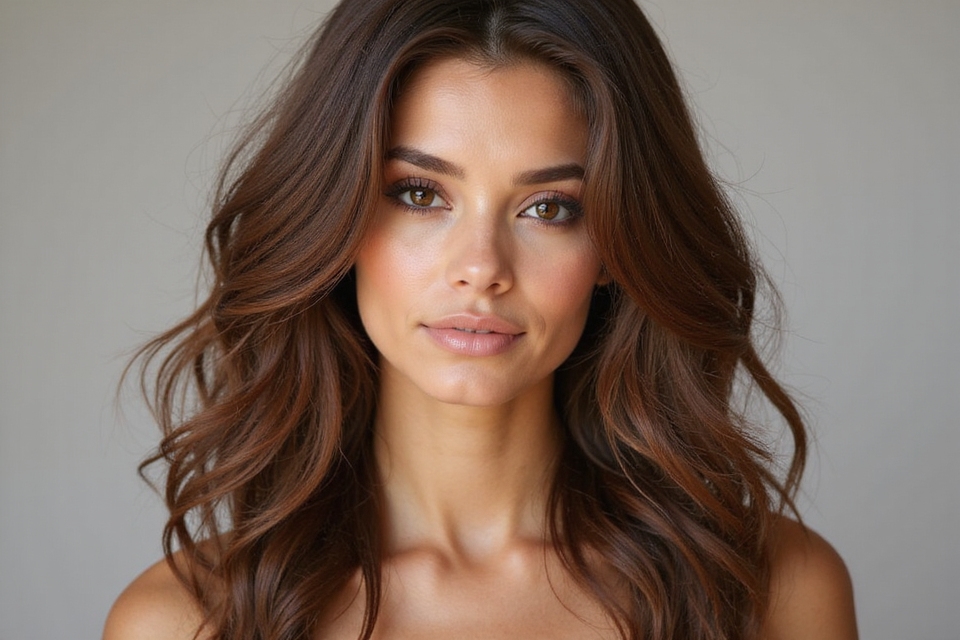
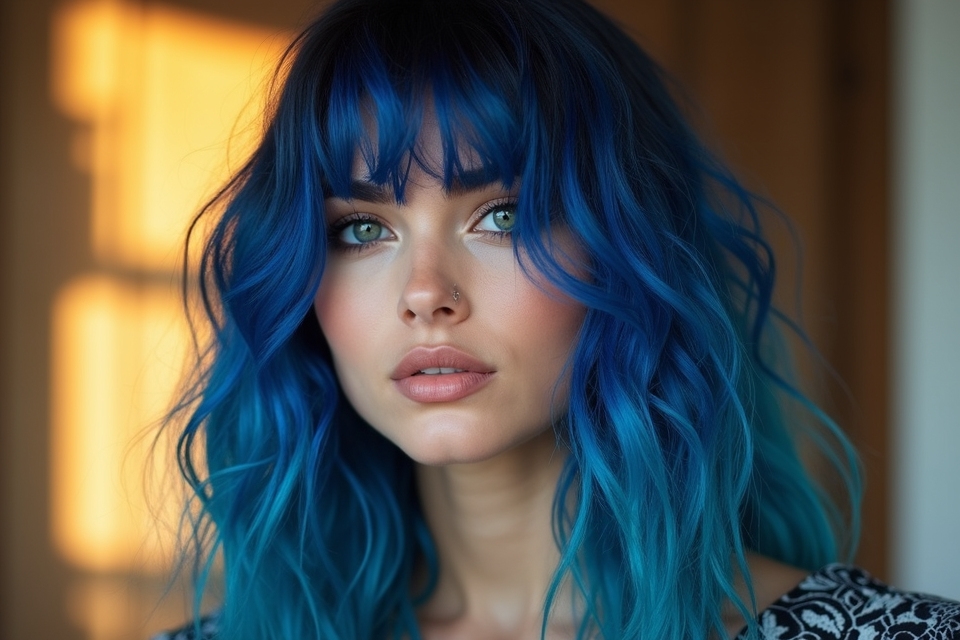
A woman once sat in my chair with a photo of an icy platinum bob and the same shade already in her hair, asking why hers looked flat when the photo looked alive. The answer was not the cut. It was the tone, the toning, and the shine, three things that show twice as much on short hair.
That is the whole story of blonde short hair: with less length to style, the color does most of the talking. The shade you pick sets the mood, from icy and sharp at one end to warm and soft at the other. This guide leans into the color side of things, with the cuts, the upkeep, and the small habits that keep a short blonde looking chic instead of dry or brassy.
Short Blonde at a Glance
| What matters | Why it matters on short hair |
|---|---|
| Shade | Cool platinum looks sharp and editorial; warm gold looks soft and youthful. The tone sets the whole mood. |
| Upkeep | Rooted and balayage blondes stretch salon visits; icy blondes need toning every few weeks. |
| Condition | Short hair hides nothing, so shine and moisture matter as much as the color itself. |
| The cut | A bob or pixie needs a trim every four to six weeks to stay sharp between color visits. |
The Timeless Appeal of Blonde Short Hair
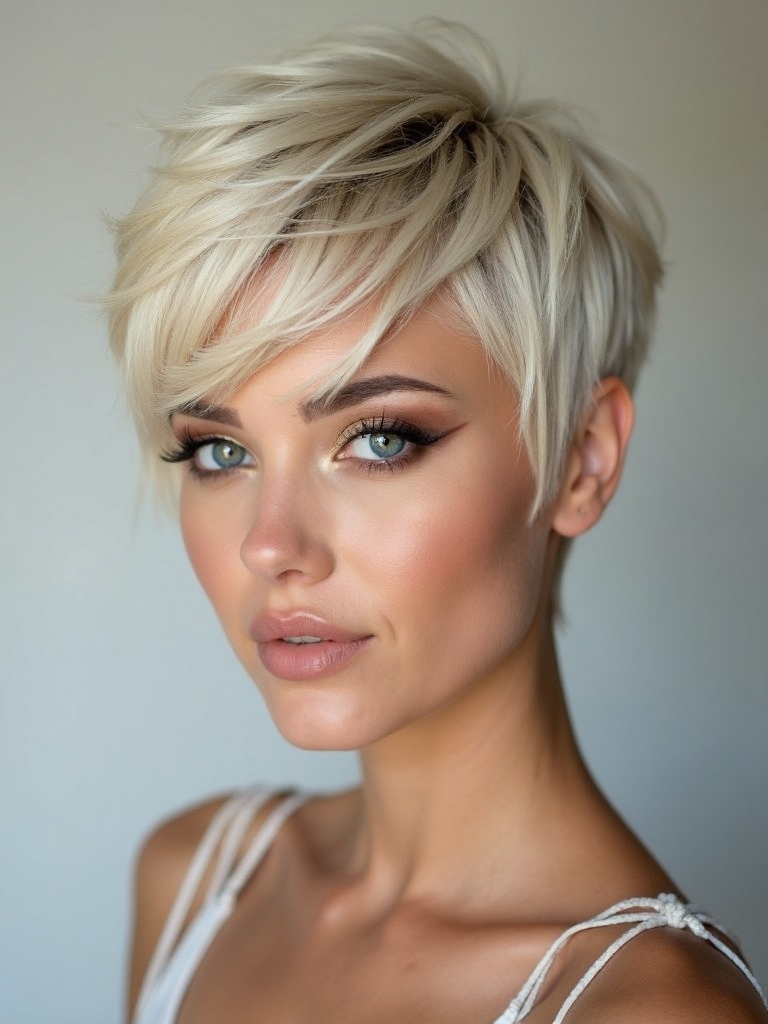
Blonde and short hair have been paired for decades, and the reason is simple: both draw the eye to the face. The brightness of blonde and the clean line of a short cut work together, looking confident and a little striking. Where this guide spends most of its time is the color, because on a short style the shade you choose changes the look as much as the cut does.
- The same bob can look icy and modern or warm and soft, depending only on the tone.
- With less hair to work with, a flattering shade matters more than it would on long hair.
- Short blonde rewards getting the color right and shows every shortcut you take.
Modern Techniques for Short Blonde
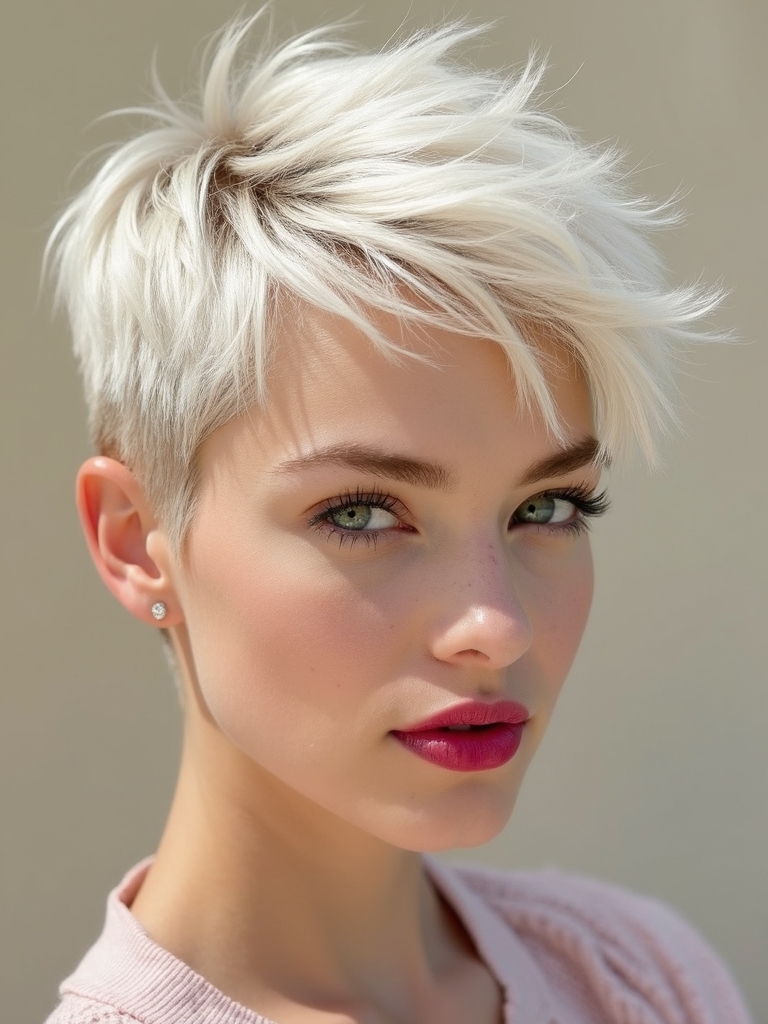
Short blonde used to mean stark, all-over bleach. It does not anymore, and that is the biggest change I have watched happen behind the chair. Colorists now place lightness with technique, painting only where it flatters. That is kinder to the hair and far easier to live with. Here is what that looks like in practice:
- Painting and rooting the color so even a short cut looks dimensional, with real depth.
- Keeping a deeper base or root so regrowth blends softly and stretches the time between visits.
- Adding a gloss over the lift to control the exact tone and bring back shine.
Go Slow on the Lift
Reaching a bright blonde from dark hair in one aggressive session is the fastest route to breakage, and short hair has no length to hide it. A good colorist lifts in stages over one or more visits and pairs every lightening service with a bond builder. Rushing the process is what turns a short blonde brittle.
The Versatile Sleek Blonde Bob
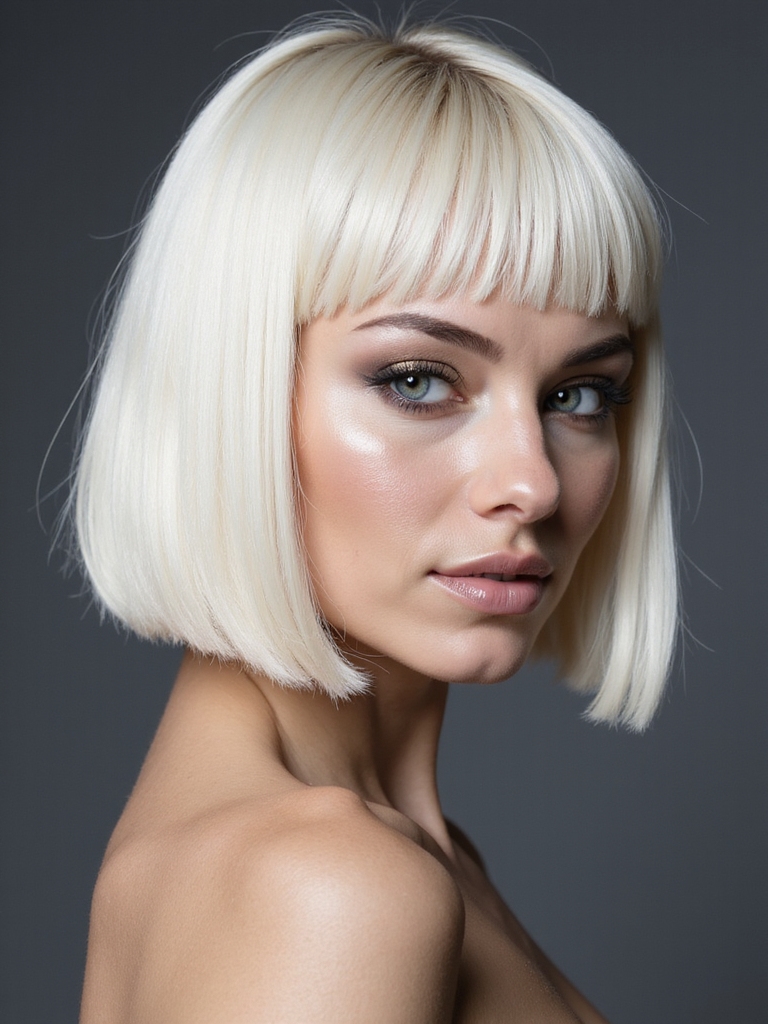
The blonde bob is endlessly adaptable, and the color decides its whole personality. A cool, icy blonde makes the blunt shape look sharp and editorial, while a warm, buttery tone softens the exact same cut into something gentle.
Those clean, blunt edges show whichever blonde you choose off cleanly, and that clarity is exactly why colorists reach for a bob so often. A blunt edge is unforgiving. There is nowhere for an uneven tone to slip past, so it pays to get the gloss right.
- Go cool and icy for a crisp, modern edge.
- Go warm and buttery to soften the same blunt shape.
- A deeper root keeps a bob low-upkeep as it grows.
Embracing Edge With the Blonde Pixie
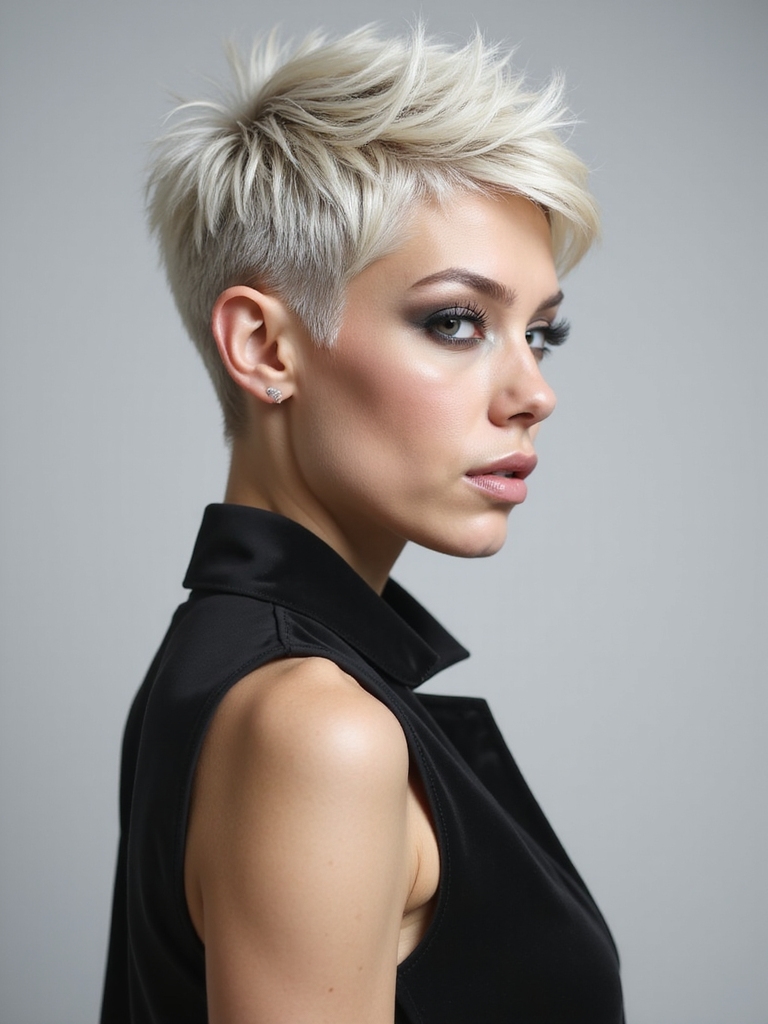
A blonde pixie is the boldest short blonde there is, and the brightness amplifies the cut’s edge. It also happens to be one of the easier short blondes to keep, simply because there’s so little hair to lift and refresh as it grows out. How bright you go sets the attitude:
- Platinum makes a pixie daring and high-impact, but plan for regular toning.
- A soft golden or rooted blonde keeps the same cut approachable and lower-maintenance.
- For shape ideas in every shade, see our roundup of blonde pixie cuts.
Adding Texture With a Blonde Shag
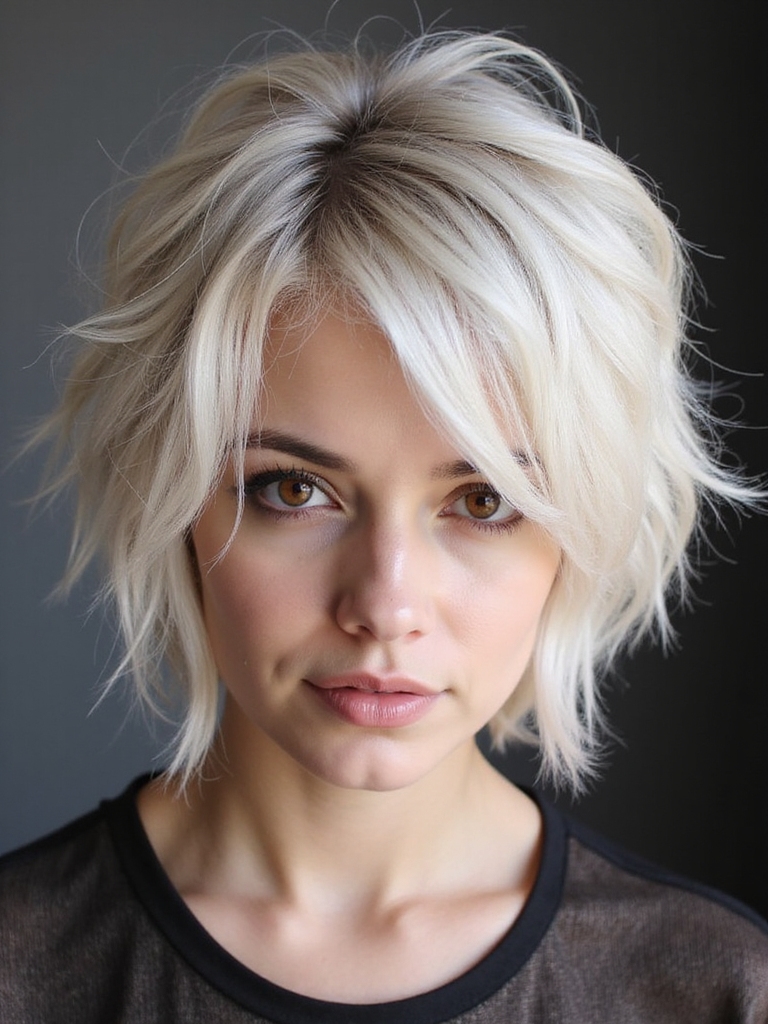
The shag thrives on dimension, which makes it a natural home for multi-tonal blonde. Lighter and deeper pieces falling through the layers catch the light at different points and keep the whole cut from looking one-note.
Why a shag loves blonde
A texturizing spray scrunched through the layers brings out the movement, and the varied blonde does the rest. This is the cut I steer toward anyone who wants short blonde with a relaxed, rock-and-roll feel.
It is also forgiving on upkeep. Because the color is already broken into pieces, regrowth and fading blend into the look. Nothing looks like a flaw.
Face-Framing Short Blonde Styles
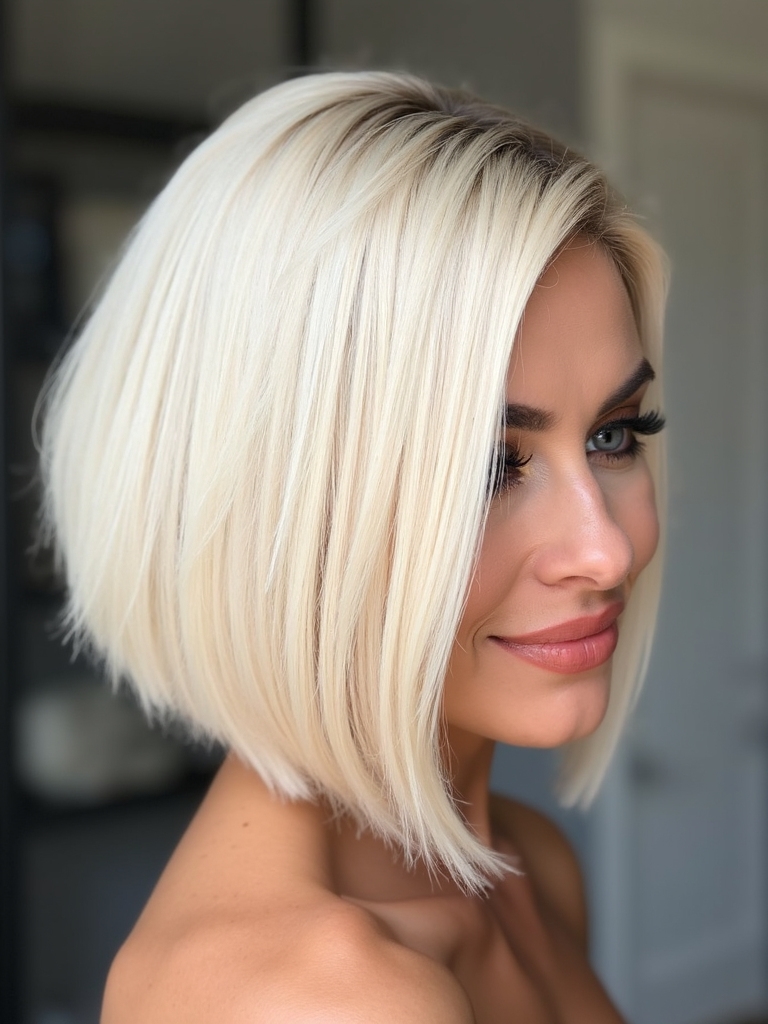
Short blonde frames the face closely, so where you place the brightest pieces really matters. A few lighter strands around the front lift the complexion exactly where it shows most, drawing attention to the eyes and cheekbones.
Placed well, face-framing color flatters without shouting. It is also one of the gentlest ways to brighten a short cut, since you are lightening only a small section rather than the whole head.
- Ask for the brightest pieces at the front, around the temples and fringe.
- Keep the back and under-layers a touch deeper for natural depth.
- Face-framing brightness is low-commitment and easy to grow out.
ℹ️Why Face-Framing Works
Brightness placed at the front of a short cut sits closest to your skin, where it reflects light back onto the face and softens the complexion. That is why a few lighter face-framing pieces can flatter more than lightening the whole head, and why colorists concentrate the lift around the face.
A Youthful, Brightening Short Blonde
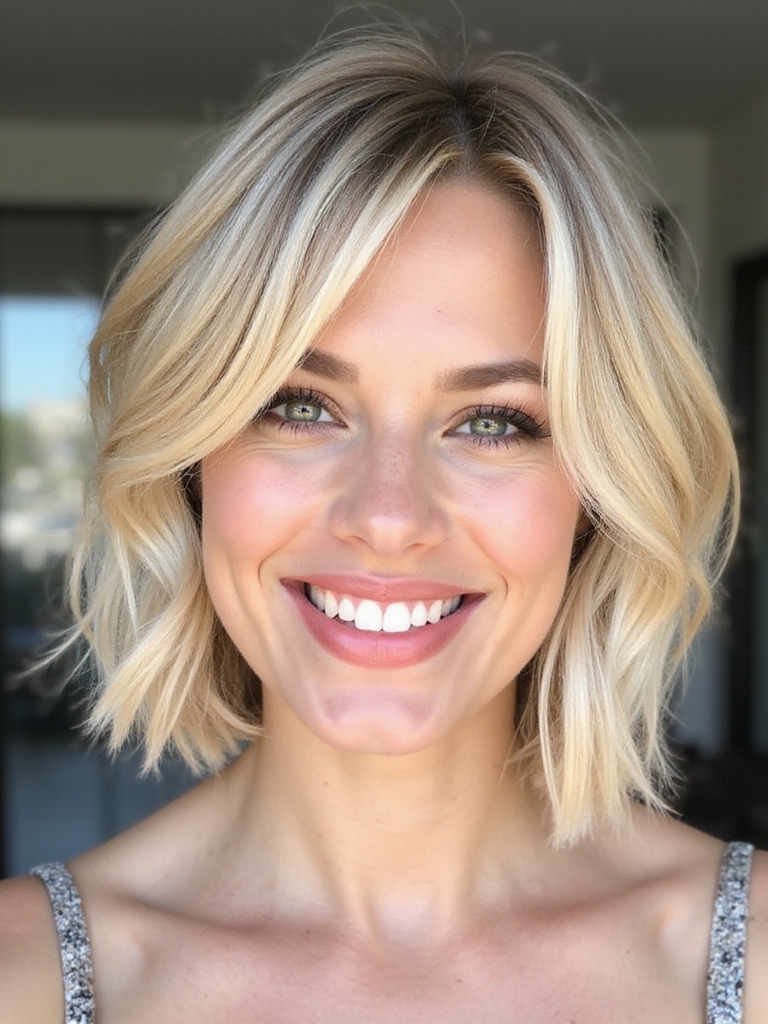
Lightness near the face softens and brightens the skin, and on a short cut that effect is concentrated and immediate. There is nowhere for it to dilute, so a well-placed blonde lifts the whole look at once.
The effect is instant. Warm, golden blondes in particular bring a healthy glow that flatters most complexions. If you have noticed your skin looking a little tired next to a cool, ashy tone, nudging the blonde warmer is often the quiet fix.
Low-Maintenance Short Blonde Tips
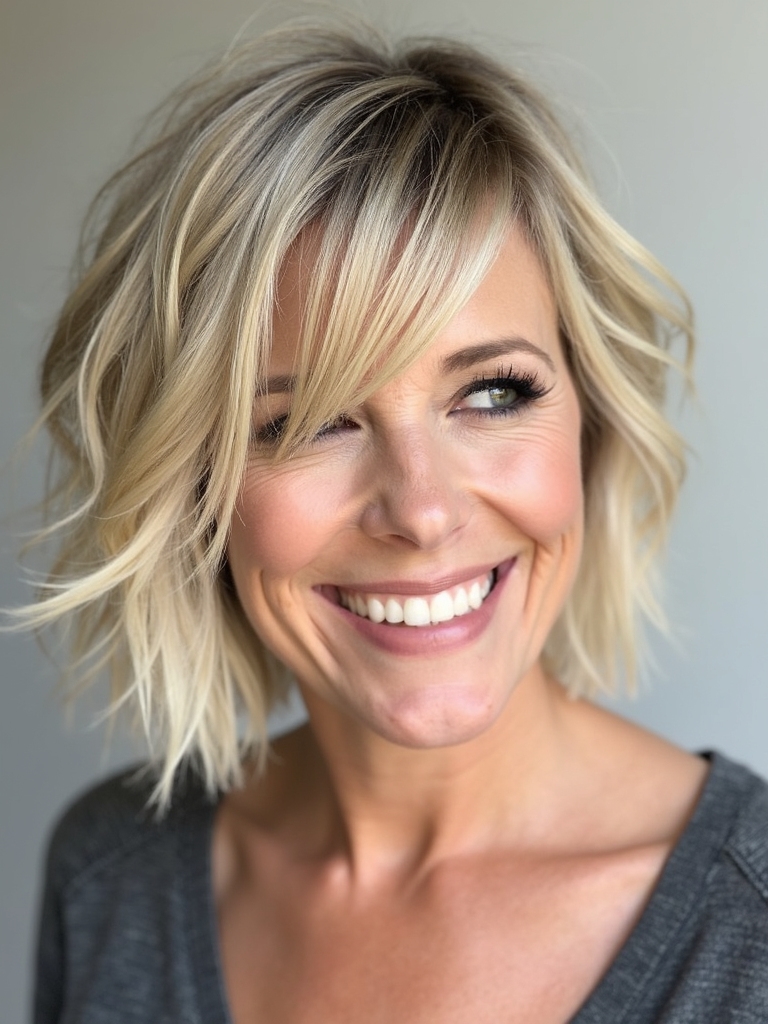
Short blonde can be surprisingly low-effort if you make the right choices up front. The trick is picking a tone and a placement that grow out gracefully, so you are not chasing your roots every few weeks. Get those decisions right and the day-to-day care is light.
- Choose a rooted or balayage blonde so regrowth blends in softly as it grows.
- Lean a little warmer, since warm blondes need far less toning than icy ones.
- Book a gloss every couple of months rather than chasing frequent full colors.
📋Your Low-Maintenance Short Blonde Kit
- ✓A purple shampoo, used once or twice a week to hold the tone between glosses.
- ✓A weekly bond or moisture mask, since lightened short hair dries out quickly.
- ✓A shine serum and a heat protectant for a smooth, healthy-looking finish.
Blonde Color Treatments That Matter
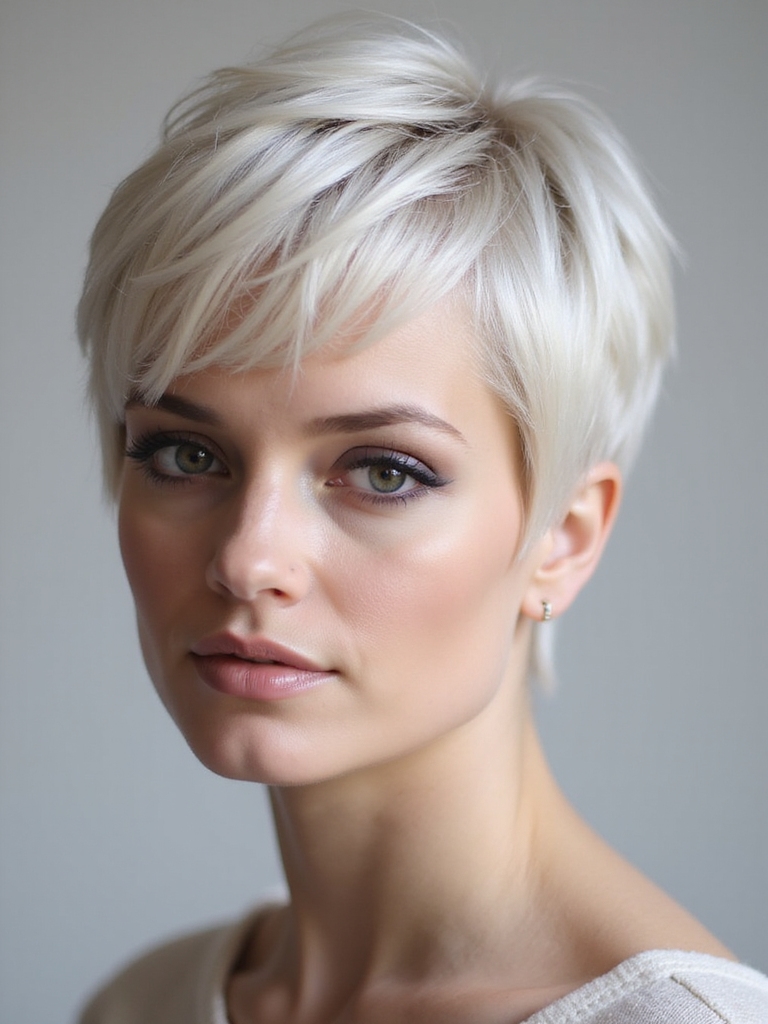
On short blonde, the treatments between full colors matter as much as the cut. Most of them are quick salon steps. They are the quiet difference between blonde that looks fresh and blonde that looks dry or brassy.
The quick steps that count
A gloss adds shine and refreshes the tone, usually running $30-60 and lasting a few weeks. A toner keeps cool blondes crisp, and a bond treatment protects lightened hair from breaking. Spacing these between your full color visits is what keeps the upkeep manageable.
If you want to understand the cool end of the spectrum, our guide to ash blonde hair digs into toning in more detail.
Balayage and Ombre for Short Blonde
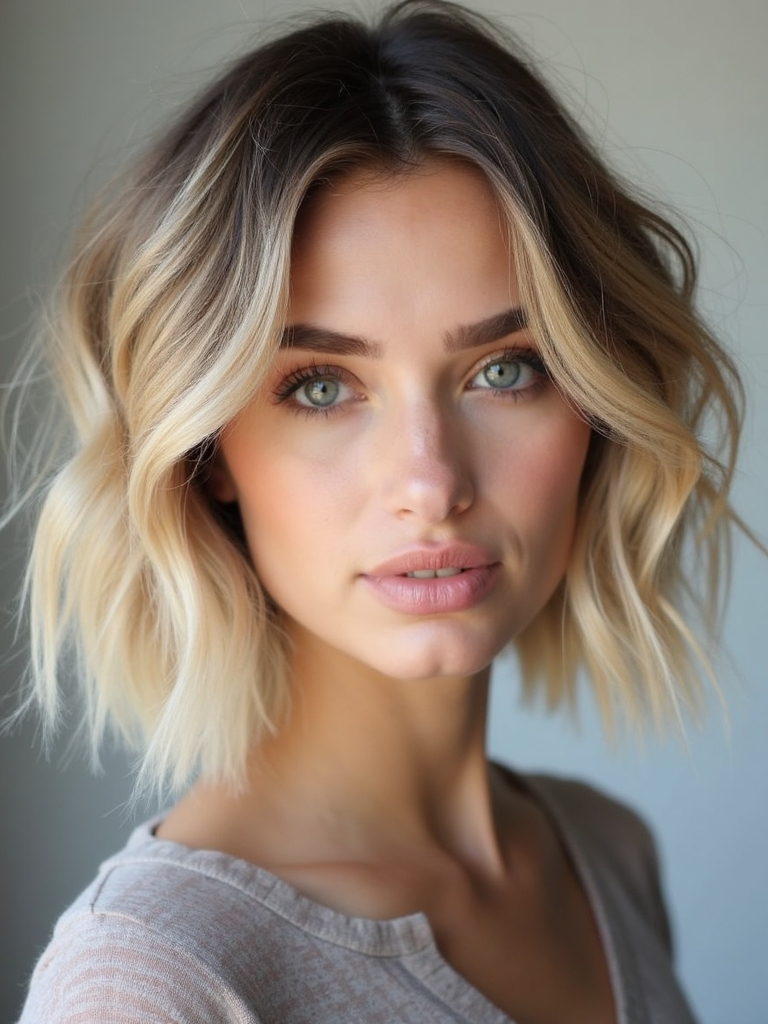
Balayage and ombre are not only for long hair. On a bob or a lob, hand-painted blonde adds soft dimension and a rooted finish that keeps the upkeep low, which is a real advantage on a cut that already needs frequent trims.
The placement is more precise on short hair, so it is worth seeking out a colorist who paints short cuts often. The payoff is a short blonde that looks dimensional, with a deeper root that lets regrowth blend in gently. The same logic powers balayage for dark brown hair.
- Painted, rooted blonde stretches the time between salon color visits.
- Ask for the brightness placed around the face and through the ends.
- It is the modern, lower-maintenance way to wear short blonde.
Keeping Short Blonde Healthy
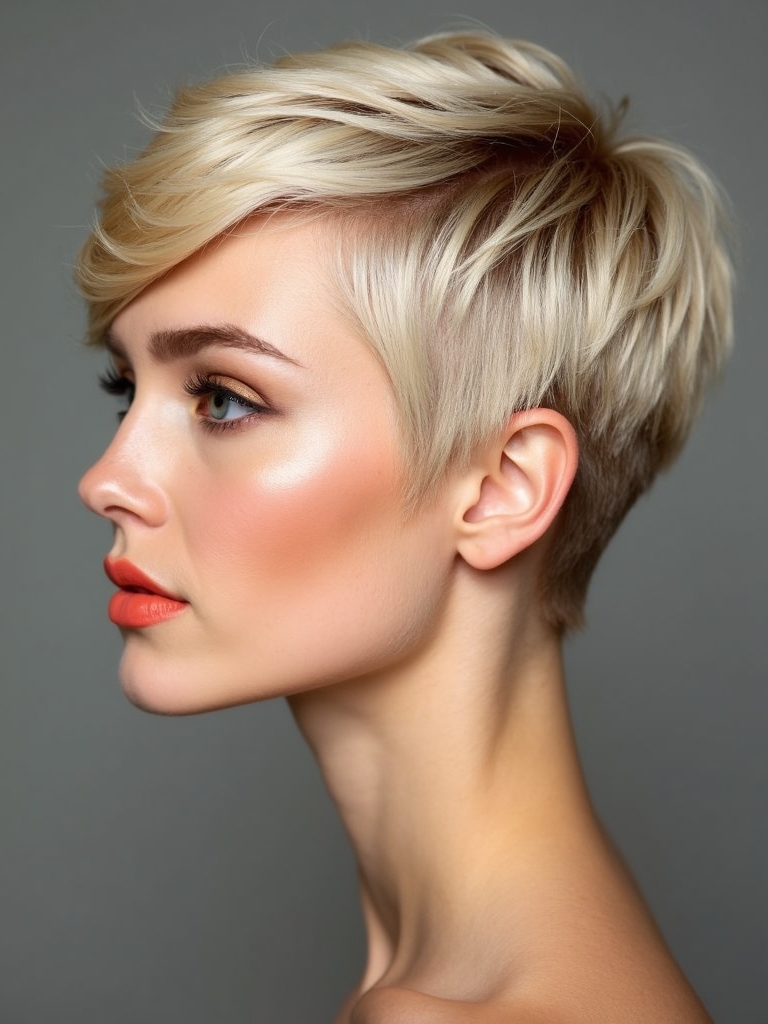
Lightened hair runs dry, and short hair shows its condition clearly, so health is honestly half of how a short blonde looks. On the plus side, there’s so little length to treat that even a small routine goes a long way toward keeping it soft and shiny.
- Use a weekly bond or moisture mask, since lightened hair loses moisture fast.
- Add a shine serum and finish with a cool rinse to keep the surface smooth.
- Limit hot tools, or always use a heat protectant when you reach for them.
Accessorizing Short Blonde
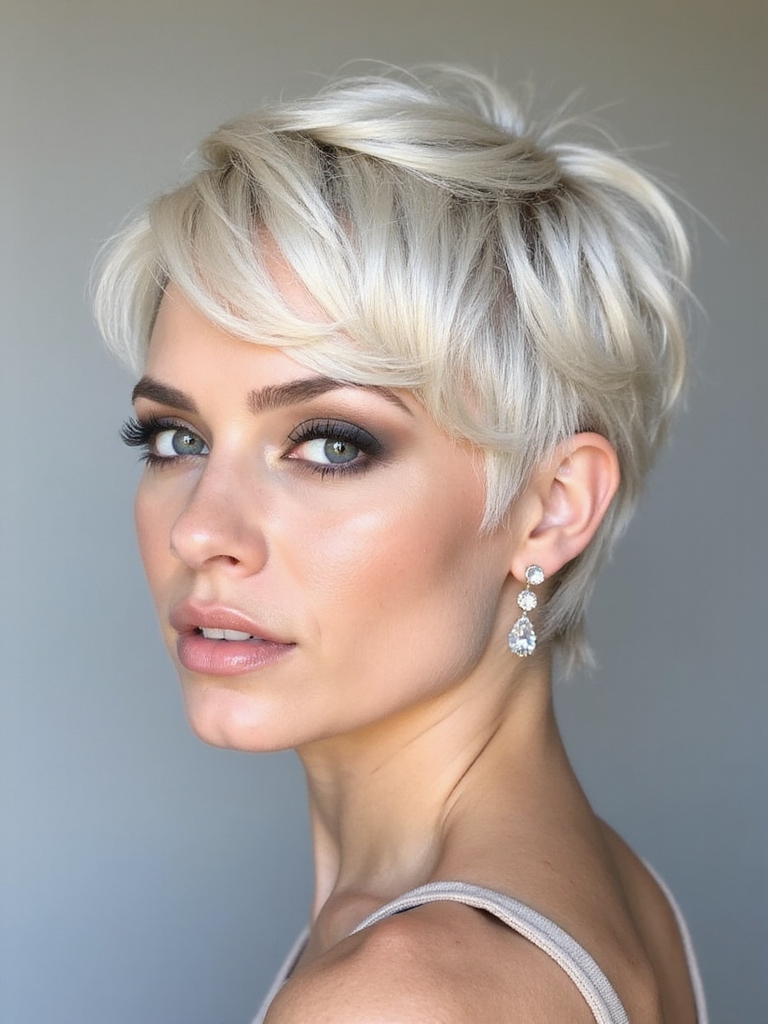
Accessories add real versatility to short blonde, which has less length to restyle. A headband, a clip, or a couple of pins can change a bob or pixie in seconds, which is handy on a cut that does not lend itself to elaborate updos.
Gold tones in particular glow against blonde for an easy, polished finish. It takes one good clip. A single well-placed piece can take a wash-and-go pixie from casual to put-together without any heat at all.
- Try a thin headband to push a grown-out fringe off the face.
- Use a small claw or a couple of pins to pin back one side of a bob.
- Reach for gold-toned accessories, which warm up cool and warm blondes alike.
Styling a Blonde Bob
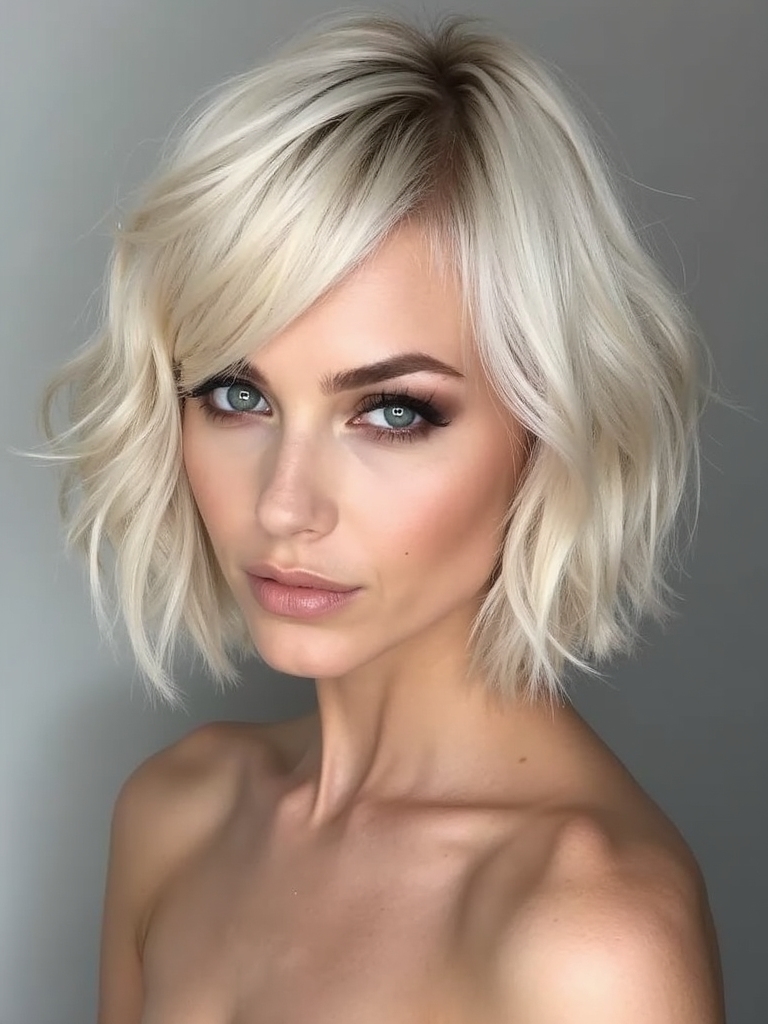
A blonde bob styles quickly once you know a few tricks, and the same cut can look very different depending on how you finish it. The shine is what sells a blonde bob, so whatever route you take, end on something that smooths the surface.
- Flat-iron pass plus a smoothing serum for a sleek, glossy finish.
- A texturizing spray and scrunching for a softer, undone look.
- A deep side part for instant shape, then a cool final rinse for shine.
The Everyday Blonde Pixie
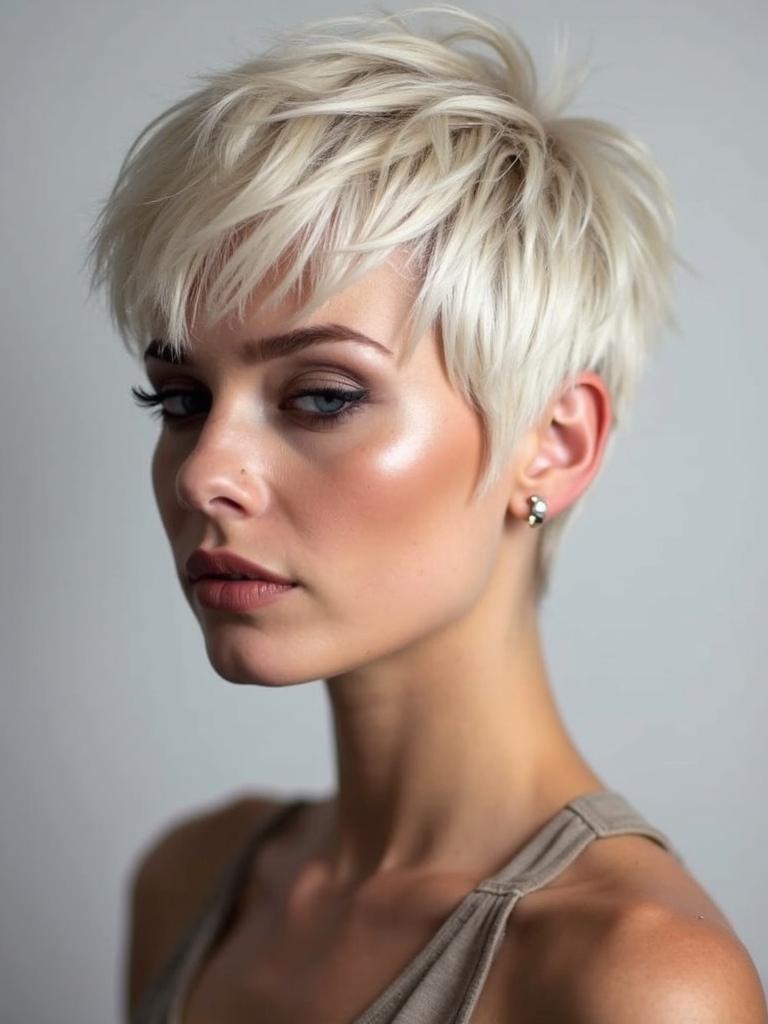
If a bob is quick, a blonde pixie is the true wash-and-go. It takes seconds to style with a little texture paste, which makes it the lowest-effort short blonde for daily life.
Two-minute mornings
The everyday version is all about looking intentional with almost no fuss. A side part and a bit of piecey texture worked through with your fingers is usually the whole routine, no heat required.
That ease is exactly why I recommend a pixie to clients with busy mornings who still want their blonde to look done. The cut does the work for you.
Wondering if a low-fuss short blonde fits your routine? Two quick questions:
1Do you want to skip styling most mornings?
Then a pixie with a rooted or warm blonde is your friend; a little texture paste and you are done, with color that grows out softly.
2Do you mind regular salon visits?
If you do, steer away from bright icy tones, which need toning every few weeks, and choose a balayage or rooted blonde that stretches color visits to months.
Building Volume in Short Blonde
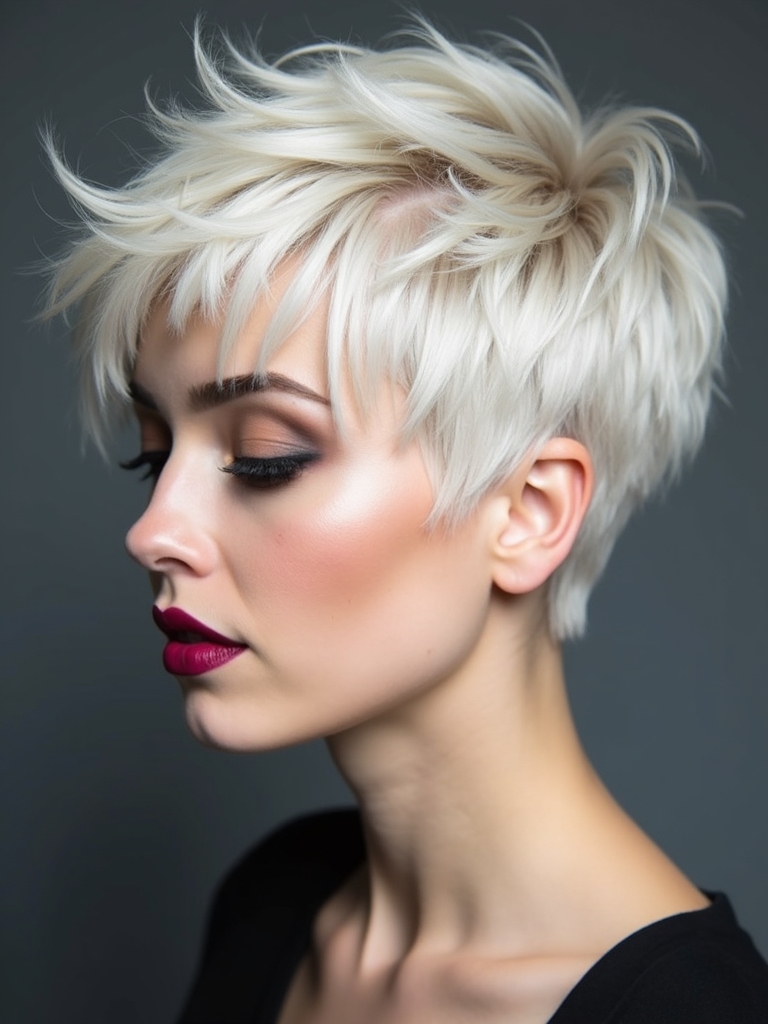
Short blonde looks its best with a little lift, especially since lightening can leave fine hair feeling flatter. Fine hair needs the lift most. A bit of body keeps the cut looking healthy and full.
Lift from the roots
A volumizing spray worked into the roots before a quick blow-dry carries the bulk of the effort. Aim the dryer up at the roots and you build height that lasts through the day.
Texture and dimensional color help here too. Movement and tonal variation both keep short blonde from lying flat, which is one more reason painted color beats solid bleach on fine hair.
Going Blonde With Highlights
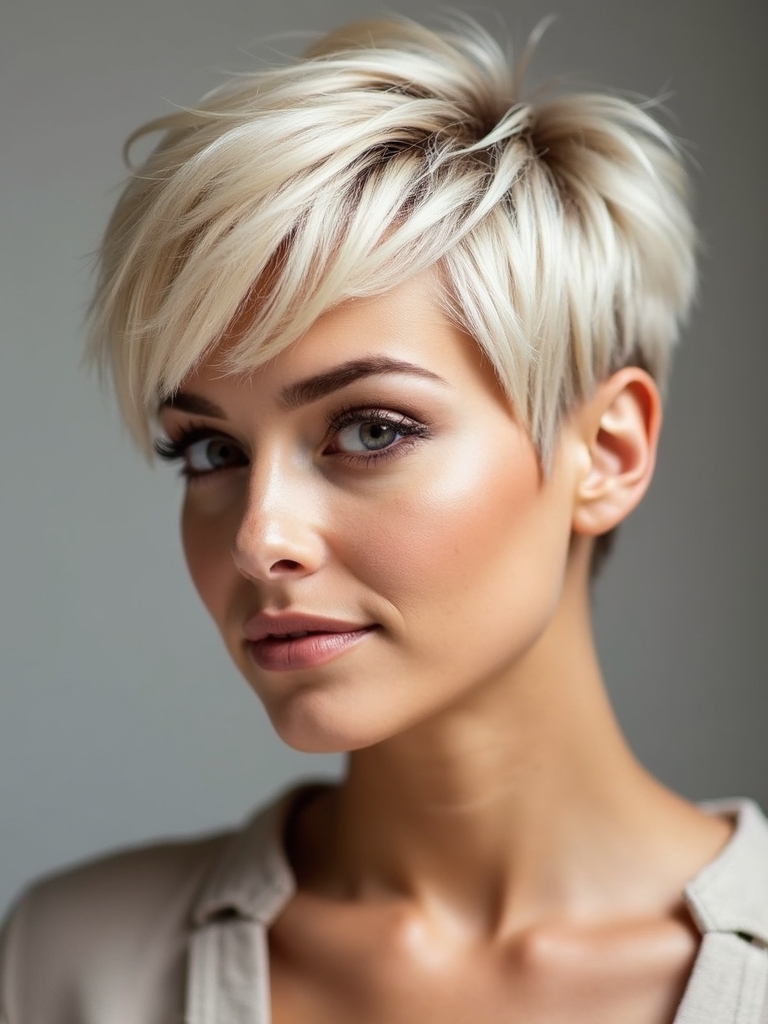
If going fully blonde feels like a big leap, highlights brighten a short cut far more gently. Lighter pieces threaded through a deeper base add lightness and dimension without committing the whole head, which keeps both the cost and the upkeep down.
It is also a softer way to grow out, since the base and the blonde blend into each other rather than meeting at a visible seam. For a related approach using darker pieces for depth, see blonde hair with lowlights.
Short Blonde Inspiration to Save
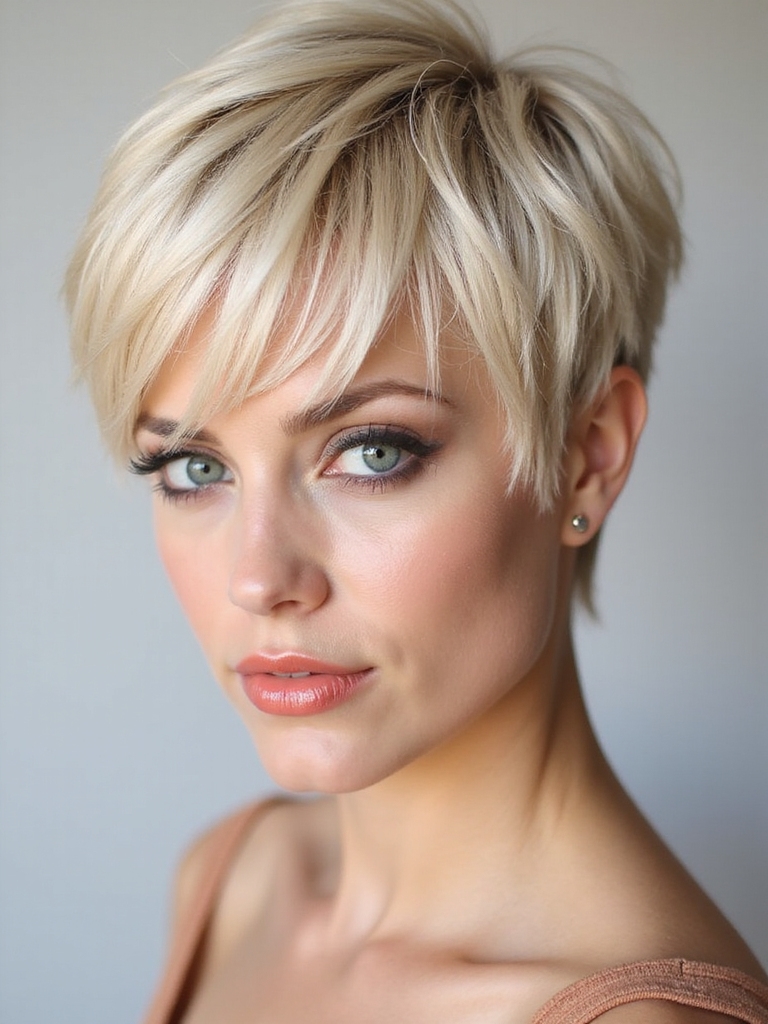
The single most useful thing you can do before a color appointment is gather reference photos, because the same short cut reads completely differently depending on the blonde. Save a small range so you and your colorist can land on the right tone together:
- Pull a few shades you love: icy, golden, buttery, and rooted, so the contrast is clear.
- Shoot or save the photos in natural daylight, since indoor and filtered light distort tone.
- Bring three or four, not twenty; a tight selection helps your colorist read what you actually want.
Seasonal Short Blonde Trends
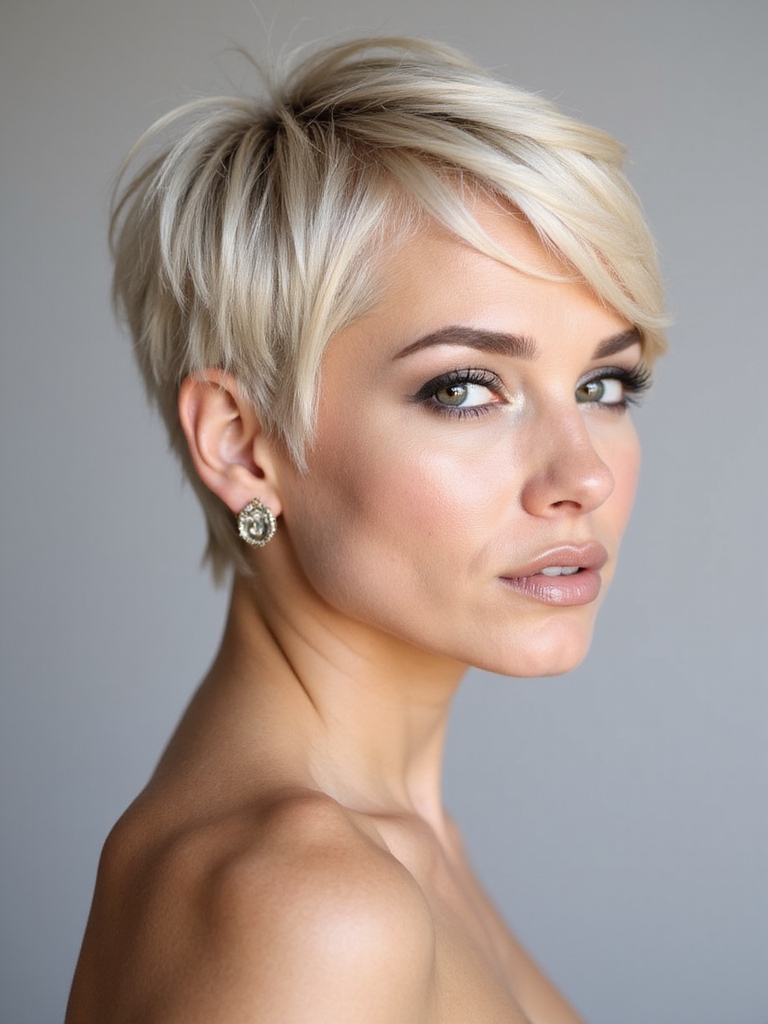
Short blonde shifts nicely with the seasons, leaning brighter and cooler for summer and warmer and deeper through the colder months. Because the cut stays the same, a small tweak to the tone keeps it feeling current all year. Right now I am seeing a lot of rooted, warmer blondes that wear well into winter. The seasonal move is easy:
- A quick gloss is usually enough to nudge the tone warmer or cooler.
- Lean brighter and cooler for summer, deeper and warmer for fall and winter.
- No full re-color needed; the gloss does the seasonal shift on its own.
Common Mistakes to Avoid With Short Blonde
The fastest way to ruin a short blonde is to over-lighten at home. Box bleach on already-light hair, or pushing too far in one sitting, is what walks into my chair as breakage and patchy tone. A short cut shows that damage immediately, so leave the heavy lifting to a colorist who works in stages with a bond builder.
The other common misses are quieter. Skipping the toner lets cool blondes turn yellow; washing too often and too hot strips both the moisture and the tone; and stretching the trims too far lets a sharp cut go shapeless. None of these are hard to fix. On short hair they just show up faster than you would think, so a little consistency keeps the whole look fresh.
Short Blonde Questions
?What blonde shade suits short hair best?
On short hair the shade matters more than usual, since there is less of it to dilute the tone. Cool skin glows with icy and ash blondes that read sharp; warm skin comes alive in golden and buttery tones; neutral skin can wear either. Rooted and balayage blondes suit most people because they keep regrowth soft.
?Is short blonde hair high maintenance?
It can be, but the right choices make it manageable. Bright icy and platinum blondes need toning every few weeks. Rooted, warm, and balayage blondes are far more forgiving and grow out gently, which suits a cut that already needs trims every four to six weeks.
?How do I keep short blonde from turning brassy or yellow?
Use a purple shampoo once or twice a week at home, and book a gloss or toner every few weeks to a couple of months depending on how cool you want it. The shampoo holds the tone between visits; the salon gloss resets it and adds shine.
?How often does short blonde need a trim?
Every four to six weeks for a pixie or sharp bob, since short cuts lose their shape quickly as they grow. Budget roughly $40-70 per trim, and try to space your glosses between cuts so the color and the shape both stay fresh.
?Can I go blonde on short hair without damaging it?
Yes, if you lighten gradually and care for it well. Ask your colorist to lift in stages and use a bond builder, then keep up a weekly mask at home. Going too light too fast is what causes the dryness and breakage short hair shows so clearly.
Let the Color Lead
On short hair, the blonde is the star, so choosing the right shade is what keeps the whole look chic and fresh. Go cool for sharp and editorial, warm for soft and youthful, or rooted for easy and forgiving, then match that tone to your skin and your appetite for upkeep.
Lean on a gloss and frequent trims to keep it bright, treat the condition as seriously as the color, and let the blonde do the talking. Save the short blonde shades that caught your eye, bring three or four clear daylight photos to your colorist, and start there. The cut is quick; getting the color right is the part worth your time.
More to Explore