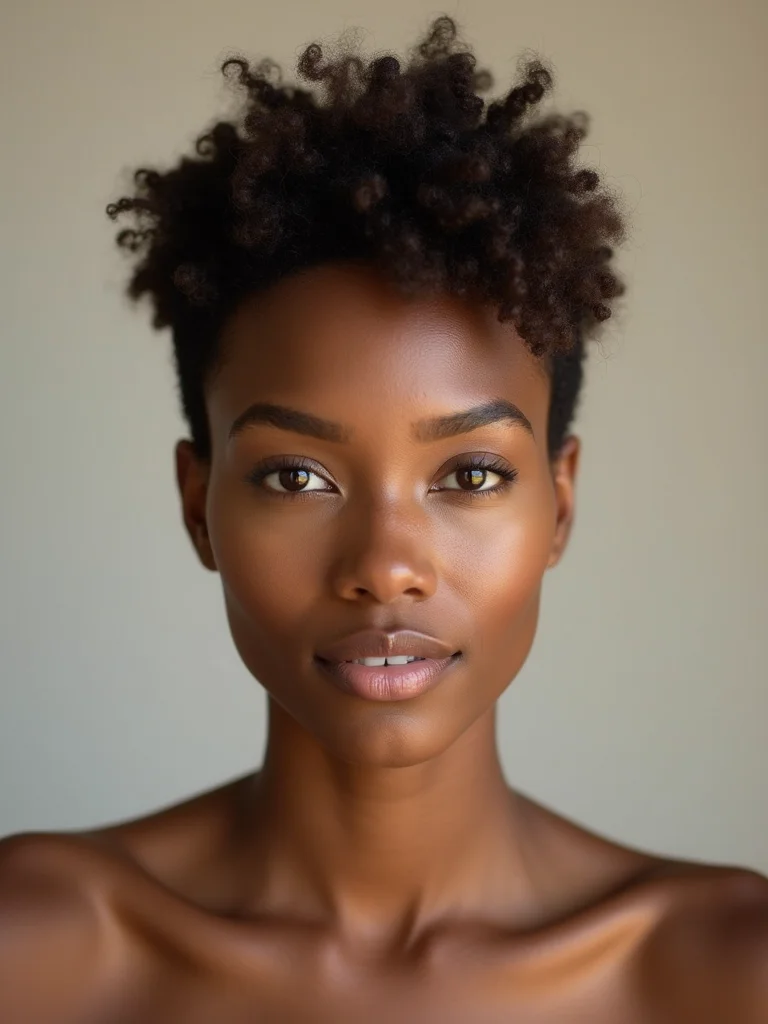
Plenty of people with poker-straight hair assume a textured bob is closed to them, as though texture were something you either have or do not. It is a cutting decision, and nobody in these photographs was born with it.
What varies between them is where the texture was put. There are four places it can live in a bob, and the zone your stylist chooses decides how the cut moves, how it grows out, and whether it needs anything from you in the morning. Fifteen versions follow, sorted by where the work went.
Four Places Texture Can Live
What does textured actually mean on a bob? Hair that separates instead of hanging as one sheet. Cutting produces it, and it can be built into the ends, the interior, the surface, or the perimeter, each with a different result.
Which zone should I ask for? Ends for softness with no loss of density. Interior for movement on thick hair. Surface for visible piecey-ness. Perimeter to break up a hard outline. Most good bobs use two of the four.
How much upkeep does it add? Almost none day to day, and a little at the salon. Texture is the first thing to grow out, so plan on around $70 every eight weeks to have it restored, which is less often than a blunt bob needs its line reset.
A Chin-Length Razored Shaggy Bob

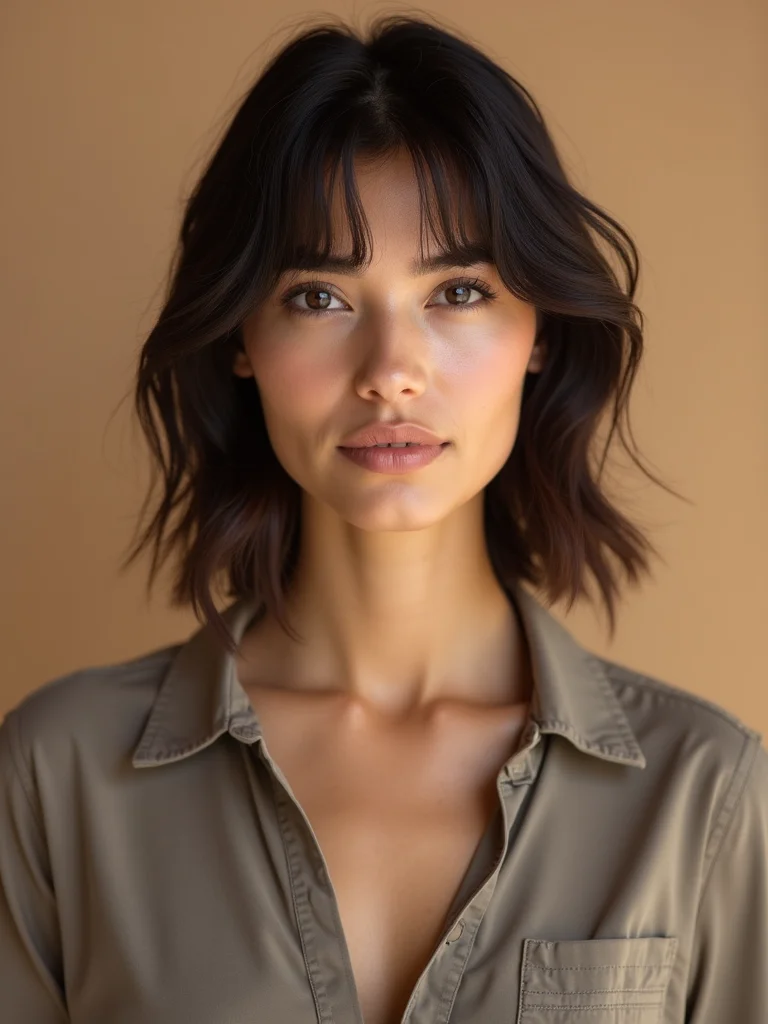
All four zones at once, which is why this is the most textured thing on the page. A razor through the ends, layering inside, movement on the surface, and a perimeter deliberately left uneven.
You will notice it needs almost nothing from you, and that is the payoff for the amount of work that went in. The cut is doing the styling. Our choppy bob guide covers the sharper end of the same idea.
- Only on healthy, uncolored or lightly tinted ends; a blade on brittle hair frizzes within weeks
- Ask directly how often your stylist razors, since it is a practiced skill
- It forgives growth better than anything else here, so appointments can stretch
A Tousled French Bob

The French bob puts almost all its texture in one place, the perimeter, and leaves the rest of the hair alone. That is why it looks soft and still holds a strong outline: the shape is intact and the edge of it has simply been broken up.
- Ask for a soft, uneven perimeter with the interior untouched
- It sits at the chin or just below, with a fringe more often than not
- The lightest-touch version here, and the one that suits fine hair without thinning it
🅰️Texture in the ends
Softens the outline and costs you almost no density. Safe on fine hair, invisible when the hair is still, and the first thing to grow away.
🅱️Texture in the interior
Removes real weight so thick hair stops spreading. Nothing shows on the surface, and the effect lasts far longer between appointments.
A Collarbone-Grazing Textured Lob
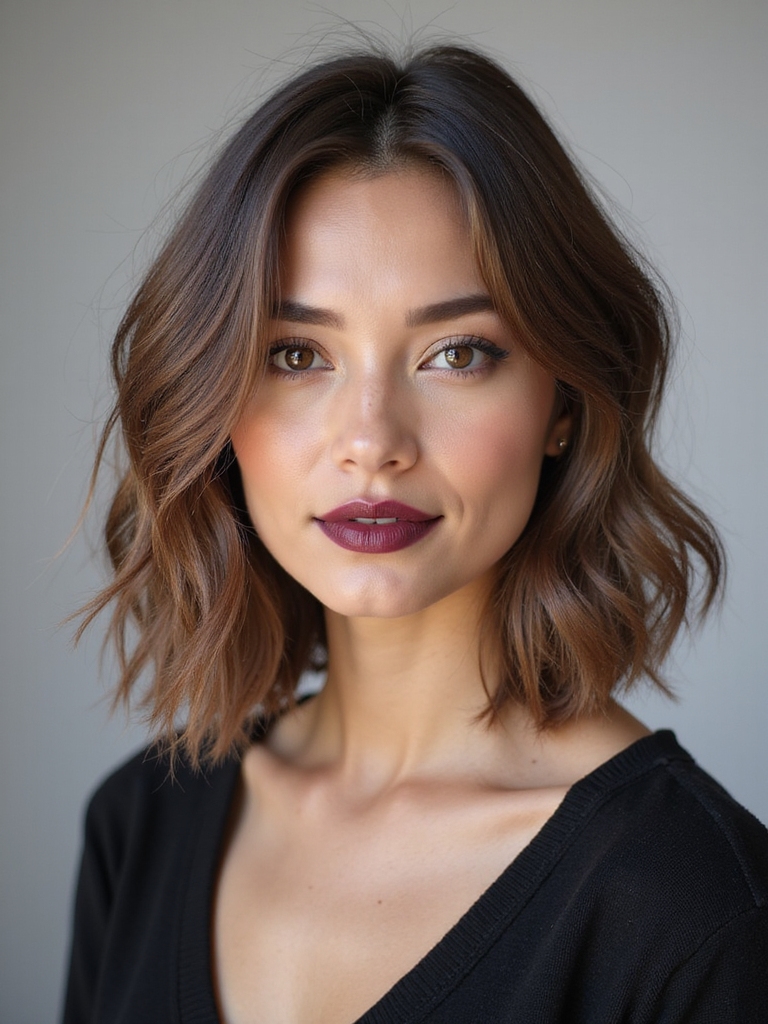
At lob length, texture belongs in the interior. There is enough weight below the ears to make the hair hang flat, so taking some of it out from inside is what gets the shape moving again.
You keep every visible inch. The outline stays exactly where it was, so nobody can see what was taken. Our long bob guide covers the length in full.
- Ask for interior weight removal with the perimeter and top surface untouched
- Two or three long layers is enough at this length; more starts to show
- It air-dries into shape, which is most of why this length is so popular
A Wavy Inverted Bob

An inverted bob is short and graduated at the back, longer at the front, and natural wave supplies its texture for free. There is nothing to build here. The job is deciding what to leave. Our inverted bob guide covers the shape itself.
- Have it cut on dry hair so the wave is judged where it actually sits
- Ask for the graduation to stay gentle, since wave adds its own volume on top
- A cream on soaking hair and a diffuser on low is the entire method
Two things people believe about textured bobs
❌ Myth: You need wavy hair for it
✅ Reality: Straight hair takes texture better than any other type, because there is no pattern hiding the work. Every one of these is achievable on poker-straight hair; the technique simply has to be chosen for it.
❌ Myth: It means thinning your hair out
✅ Reality: Thinning removes hair from inside the section at random points. Texturing varies where the ends stop. One reduces density and grows back as fuzz along the part; the other does neither.
A Feathered, Stacked Textured Bob

A stacked back builds volume through graduation, and feathering the ends is what stops that volume reading as a solid shelf. The two techniques are solving different halves of the same problem.
Without the feathering, a stacked bob can look built instead of grown. With it, the same shape softens at every edge. Our short stacked bob guide covers the graduation.
- Ask for the ends softened after the stack is cut, never before
- It suits fine and medium hair; very thick hair wants weight out of the interior too
- The stack blurs in about five weeks, which sets your appointment rhythm
A Blunt Bob With Feathered Ends

This is the compromise for anyone who likes a hard line and finds a fully textured bob too undone. The shape stays blunt and only the very tips are softened.
You get most of the density a blunt cut gives you and lose the stiffness that comes with it. On straight hair this is often the right answer, since straight hair shows every technique and this one shows least.
- Ask for the last quarter inch softened, with the line above it left crisp
- It looks polished instead of undone, which suits conservative workplaces
- The softening grows away first, so it is the thing to ask for at every trim
A Layered Curly Bob With Bounce

Curls come with all four zones filled in already, which changes the job completely. Nothing gets added. The cut decides what stays.
Avoiding the Triangle
The main risk is the triangle, where weight builds at the bottom while the crown stays flat. Rounded layering following the head prevents it, and the layers have to be long enough that each curl still has support from the ones around it.
Shaping happens dry, curl by curl. A curl cut wet sits noticeably higher once it springs. Our curly bob guide goes into pattern-specific shaping.
An Asymmetrical Bob at the Jawline

Cutting one side longer puts texture in the perimeter in a structural way, since the outline itself is now doing something rather than sitting level.
It has a practical benefit that outlives the fashion one. A bob that was never symmetrical still looks deliberate as it grows, so you can stretch appointments without the shape announcing it.
A Piecey Bob With Curtain Bangs

Piecey means surface texture: the top layer broken up so individual sections separate visibly across the surface. Paired with curtain bangs, which are themselves a surface treatment at the front, the whole head reads as one continuous idea. Our bob with curtain bangs guide covers the fringe.
- Ask for surface texture with the interior left alone, especially on finer hair
- A texture spray through the mid-lengths is what keeps the pieces apart during the day
- Have the bangs blended into the front sections so nothing stops abruptly
| Zone | What it does | Best for |
|---|---|---|
| The ends | Softens the outline without touching density | Fine hair, and anyone who likes a blunt shape but finds it stiff |
| The interior | Removes weight so the shape moves and stops spreading | Thick or dense hair at any bob length |
| The surface | Separates the top layer so pieces show visibly | Medium hair, and anyone wanting the piecey look |
| The perimeter | Breaks up the outline so the shape looks less cut | French bobs, micro bobs, and anything asymmetrical |
A Micro Bob With Soft Waves

Sitting above the jaw, a micro bob has very little length to work with, so texture has to come from the ends and the perimeter. There is no room for interior layering at all.
Waving it is what keeps it from reading severe. A bend through the mid-section on hair this short changes the whole silhouette, and it takes about two minutes with a narrow iron.
- Keep the interior solid; layering this short thins the shape rather than moving it
- Bend it, since a full curl at this length looks set
- It grows into a classic chin bob within about eight weeks, which is a soft landing
A Razor-Cut Bob for Fine Hair

This is the entry on the page most likely to go wrong, and it is worth understanding why before you ask for it.
The Front Only, on Fine Hair
A blade produces beautiful separation on fine hair and it also removes weight from ends that had very little to spare. Done lightly and only at the front, it lifts. Done throughout, it leaves the perimeter looking sparse.
Ask for the razor on the face-framing sections only, and shears everywhere else. That single instruction is the difference between the two outcomes.
ℹ️Why a Razor Divides Stylists
A blade tapers a strand along its length, where shears cut it straight across. That taper is what produces separation no scissor technique quite matches, and it is also why the result depends so heavily on hair condition. On healthy hair the tapered end lies down. On porous or bleached hair the same taper exposes a roughened cuticle and frizzes. Neither camp is wrong; they are describing different heads of hair.
A Long Layered Bob for Thick Hair
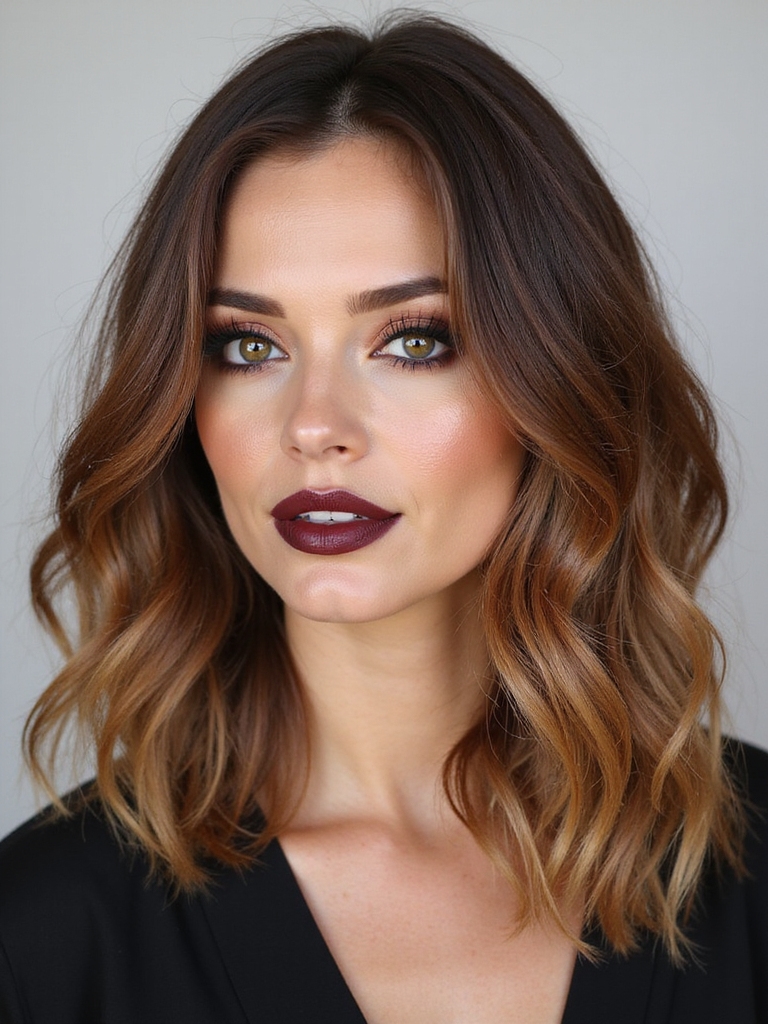
Thick hair in a bob has one failure mode and everyone recognizes it: the shape spreads outward from the ears down and the whole head looks wide.
Where the Weight Comes Out
Even debulking is the fix, spread across the whole head instead of concentrated in panels. Weight comes out from beneath the surface, the outline stays intact, and the bob falls close to the head again.
The instruction that matters is where the tools go. Notched blades near the part or the hairline produce short regrowth standing up a couple of months later, and on a bob that shows immediately. Our layered bob guide covers the cutting.
A Textured Bob With Face-Framing Highlights

Color is the fifth zone, in a sense, since dimension makes a cut look more textured than it is. Lighter pieces catch the light at the top of each separated section, so the eye finds depth where the scissors created it, and on a bob that effect is concentrated in a small area where it shows most.
- Ask for the brightness woven through the surface layer, since underneath it disappears
- Face-framing placement does more for a bob than an all-over highlight does
- Flat, single-tone color hides texture, which is worth knowing if yours has stopped showing
A Beachy Bob With Airy Volume

This is texture created after the cut, which makes it the version anyone can try tonight. Texture spray roughens the surface of each strand so the pieces catch on one another instead of sliding into a sheet, and the result on a bob is volume that lasts through a day without any heat at all.
- Spray through damp mid-lengths, scrunch once, then leave it entirely alone
- Keep it off the roots, where it makes hair look dusty rather than lifted
- Two or three days a week at most, since roughened cuticle plus daily use is drying
An Undone Bob With a Side-Swept Fringe

The quietest version here, and probably the one most people actually wear. Modest texture through the ends, a fringe swept to one side, and nothing sculptural anywhere.
Where the Effort Actually Goes
You will get more out of the fringe than the texture on this one. A diagonal across the forehead does more visible work than any amount of separation further back.
It is also the most low-maintenance version here by a distance. The fringe wants trimming monthly and the rest can wait, which suits anyone who has been put off a bob by the appointment schedule.
Textured Bob Questions
?Will a textured bob make my fine hair look thinner?
Only if the texture goes in the wrong zone. Surface and end texture cost you almost no density and make fine hair look fuller by separating it. Interior texturizing on fine hair removes weight there was none of to begin with, and a razor used throughout does the same. Ask for the ends and the front only.
?How do I ask for this without ending up with thinning shears?
Say point-cut or razored, and say explicitly that you do not want thinning shears. The two are easy to confuse in conversation and produce opposite results: one varies where the ends stop, the other removes hair mid-shaft and grows back as short fuzz along your part.
?My textured bob went flat after a few weeks. What happened?
The texture grew away. It lives in the last inch or two of hair, which is exactly what a trim removes and what growth pushes out of position, so it is the first part of the cut to disappear. That is normal, and asking for the texture to be restored at each visit rather than only the length is the fix.
Name the Zone, Not the Adjective
Fifteen versions, and the useful pattern across them is that texture is a location rather than a quality. Ask for a textured bob and your stylist has to guess which zone you meant, and the four of them produce four different haircuts.
So save the versions here that look like your hair and bring one extra sentence with you: where you want the texture and where you want it left alone. That is a thirty-second conversation, and it is the one that decides whether you get the bob in the photograph.
Favorites to Revisit