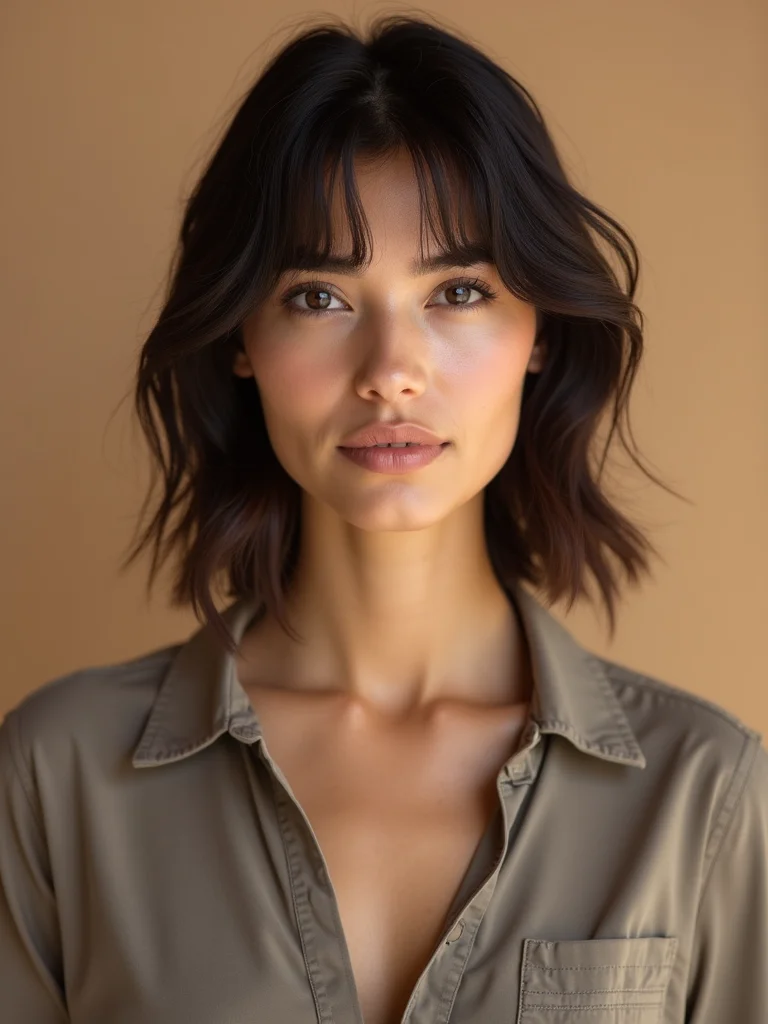
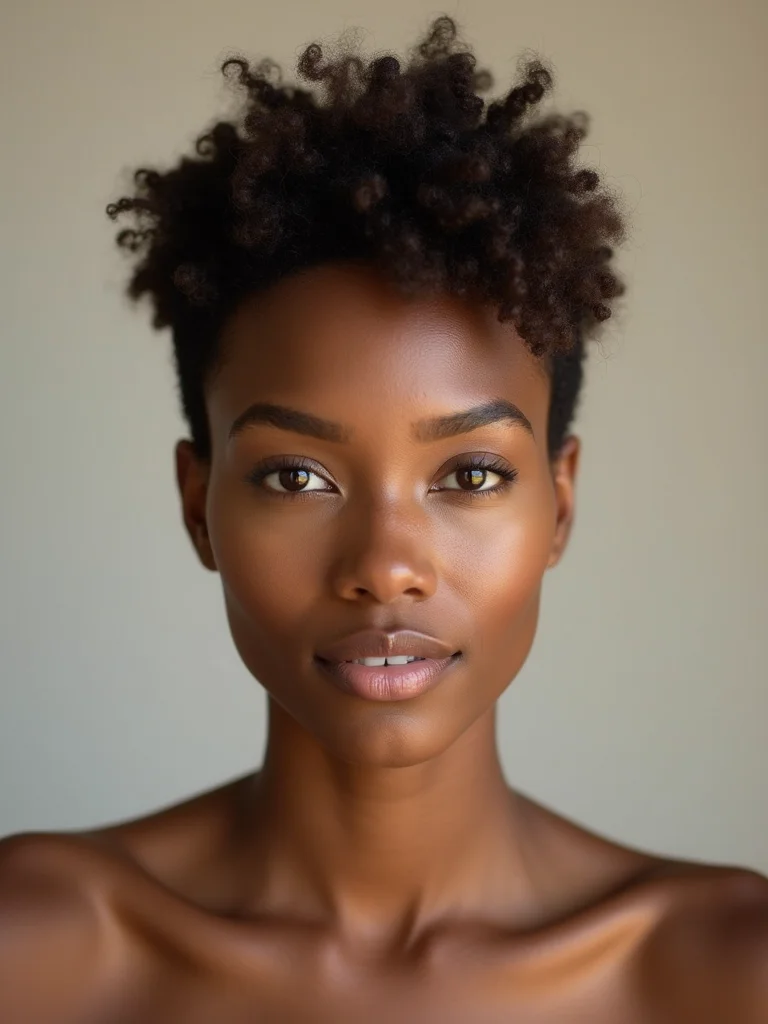
An inverted bob is widely considered the most flattering short cut around, and it’s also one of the highest-maintenance. The shape itself, graduated close at the crown and left longer toward the chin, is what builds the instant volume and the sharp line the cut is known for.
It grows out fast, which means committing to regular salon visits if the precision matters to you. Fifteen versions follow below, from a glass-smooth classic to a shaggy, textured take, each with who it flatters and what it actually asks of you day to day.
Inverted Bob, the Honest Read
Every inverted bob variation here shares the same bones: layers built up underneath and length kept at the face, which is what creates that lifted, angular silhouette. Most stylists point to fine or medium hair as the texture that benefits most, since the graduation adds body a one-length cut can’t fake.
The trade-off across every version is regrowth. A sharp, precise shape needs regular trims to hold its line, while looser, textured takes stretch further between visits. Matching the version to how often you can realistically get to a salon matters more than picking a look off a photo.
The Classic Chin-Length Inverted Bob

The classic chin-length bob version is where the whole shape starts, built with graduated layers underneath and a clean line left long at the front. That structure is what creates the dramatic crown lift and the sharp, framing angle the cut is known for.
- Especially flattering on fine hair, since the graduation builds body that thin strands usually lack.
- The angled front line slims and elongates round or full face shapes.
- Precision fades fast; a sharp version like this needs consistent trims to hold its edge.
A Sleek, Glass-Finish Inverted Bob

Blown out poker-straight and polished to a mirror shine, an inverted bob turns into glass hair, and it reads expensive instantly. The smooth finish shows off the precision of the cut and the angle running from the crown down to the chin.
Getting there takes healthy hair and a bit of routine: a smoothing blow-dry, a flat iron pass, and a light finishing product to seal the cuticle. This take works best on straight or barely-wavy hair.
Every split end shows under that much shine, so keeping the ends fresh matters more here than on any looser version. It’s the choice for anyone who wants their cut looking done, not just cut.
A Wavy, Textured Take

A softer, more relaxed read on the shape trades polish for movement. Tousled waves break up the structured angle and give the cut a beachy, undone quality that suits an everyday pace.
The texture also buys time: a wavy finish hides regrowth far better than a sleek one, which stretches the gap between salon visits.
- Scrunch a texturizing spray or curl cream into damp hair, then air-dry or diffuse.
- A light refresh spray on dry hair revives second-day waves without a rewash.
- Forgiving on most face shapes, since the movement softens sharp angles.
| Hair Type | Best Version | Why |
|---|---|---|
| Fine hair | Classic or stacked | Graduation adds the most body |
| Straight hair | Glass-finish | Shows off a sleek, polished line |
| Curly hair | Curly inverted bob | Natural volume matches the shape’s lift |
The Heavily Stacked Version
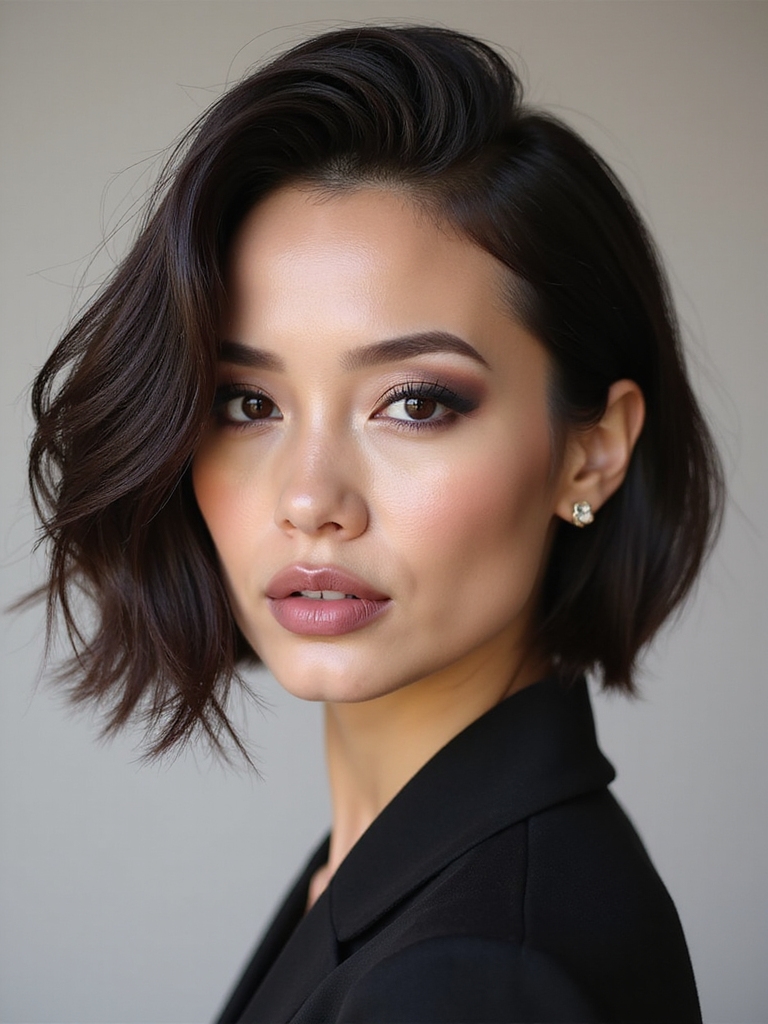
The stack is the engine behind every inverted bob, and a heavily stacked take pushes that volume to its peak. Layers built up underneath create a rounded, lifted shape with the boldest silhouette on this list.
What Actually Builds That Lift
Graduated layers piled underneath carry the shape’s volume, building the crown’s lift directly. This version suits fine to medium hair that wants visible body.
A quick roll-under with a brush during the blow-dry keeps the stack lifted through the day. Most pros consider this the most reliable version for adding volume without adding length.
The Inverted Lob, a Longer Alternative

For anyone who finds a true inverted bob too short, or too demanding, the inverted lob answers both concerns. A longer read grazing the collarbone keeps the angled, slightly lifted shape while leaving enough length to tuck back.
Why It’s More Forgiving
The gentler graduation makes it the most wearable, forgiving option in this whole lineup, and it grows out with far more grace than a sharp, short version does.
It’s a solid entry point for anyone nervous about committing to real shortness. Most pros stretch this one’s trim schedule noticeably longer than a true bob’s, since there’s more length to work with as it grows.
A few cutting terms that come up throughout this guide:
📖Graduation
A cutting technique that builds layers at different lengths underneath, creating lift and body.
📖Stacking
Overlapping layers at the back of the head to build a rounded, voluminous shape.
📖Perimeter
The outermost line of the haircut, whether left blunt or softened with layers.
An Inverted Bob on Curly Hair

Curly hair takes remarkably well to this shape, since natural volume amplifies the built-in lift. The layering pushes curls into a full, rounded silhouette while length stays at the face.
Why It’s Cut Differently on Curls
The cut works with the curl pattern instead of fighting it, which is why most curl specialists insist on cutting this shape while hair is fully dry rather than wet, so each spiral can be seen exactly where it lands and shrinkage gets accounted for.
Cut wet, curls can spring up shorter and rounder than intended. A leave-in conditioner paired with a curl cream keeps the shape moisturized and defined between wash days.
An Asymmetrical, Editorial Angle

For a bolder, more fashion-forward take, an asymmetrical bob version leaves a visible gap in length between the two sides. That off-kilter line pushes an already-sharp shape further into statement territory.
- Most flattering on round and square faces, where the diagonal line adds visible elongation.
- A confident pick for anyone who wants their cut to read as deliberate, not accidental.
- The uneven line shows regrowth fastest of any version here, so upkeep needs to be consistent.
A Softer, Layered Version
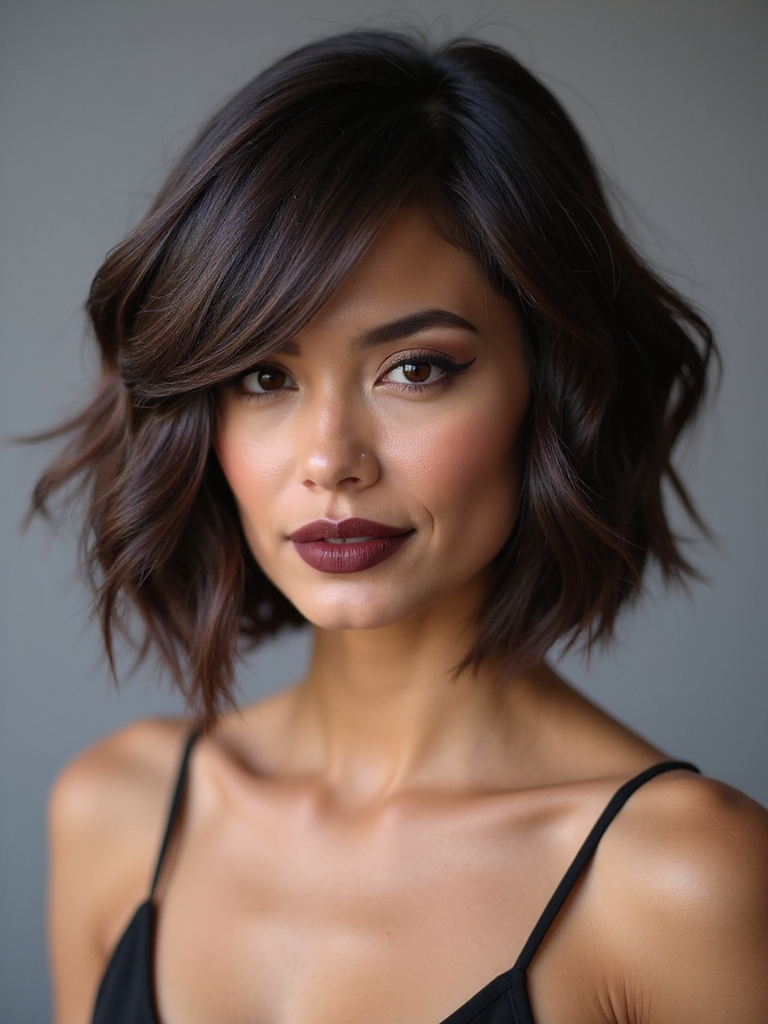
Adding soft layers through the shape gives it movement and a lighter overall feel. Where a blunt version is all sharp lines, this one flows and swings instead.
Who It Actually Suits
It suits thicker hair that needs weight removed, and anyone who wants softness built into an otherwise structured shape. Styling gets easier too, since the layers fall into place with a fast blow-dry.
Most pros treat this as the everyday, lower-drama version of the cut. A quick blow-dry with a brush is usually the entire styling routine.
Quick gut-checks before you book this shape:
1Do you get to a salon on a fairly regular schedule?
If not, a softer, layered version will hold its shape longer than a sharp, precise one.
2Is your hair naturally straight, wavy, or curly?
Each texture wears this shape differently, so bring reference photos in your actual texture, not just a style you like.
A Blunt, Architectural Edge

At the opposite end from layered, a blunt-edge version keeps the perimeter thick and sharp for maximum visual impact. The clean line at the front paired with lift underneath looks bold and architectural.
That solid edge makes fine hair look noticeably thicker, which is part of why this take is popular for anyone chasing a precise, high-fashion finish. It also demands the most frequent trims of any version here, since a blunt line shows wear the fastest.
Side-Swept Bangs Soften the Shape

Adding side-swept bangs softens the sharp angle and frames the face in a different way. The diagonal fringe echoes the cut’s existing line, so the two elements reinforce each other.
Why This Fringe Is Easy to Live With
This fringe style is one of the more forgiving options to pair with the shape, since it blends into the longer front pieces as it grows rather than needing its own separate trim schedule.
Styled to one side with a warm-air brush and a touch of smoothing cream, flyaways stay controlled. It’s a romantic way to wear an otherwise structured cut.
The Shortest, Micro-Length Version

For the most daring take, a micro version keeps everything short, with a close, graduated nape and a jaw-skimming front line. It looks sharp and high-fashion, the kind of cut that draws real attention.
Who Should Actually Go This Short
Best suited to anyone who wants a bold, low-length look and is truly comfortable with regular upkeep, since the short nape needs cleaning up on a tight schedule to stay crisp.
It flatters long and oval face shapes especially well, since the short length draws focus upward toward the cheekbones and eyes.
A Shaggy, Textured Spin

Blending this shape with a choppy bob produces a cool, current cut that leans into texture over polish. Choppy, piecey layers worked through the lifted shape give it an undone, rock-leaning edge.
This version is low-fuss by design, since the choppy layers are meant to look tousled, which forgives a rushed morning.
- Work a texture paste through dry hair and scrunch for a styled-in-minutes finish.
- More forgiving to grow out than a sharp, blunt version of the shape.
- Suits thick or coarse hair especially well, since the layers remove bulk.
An Inverted Bob With a Hidden Undercut

For thick hair, or simply a bold detail, adding an undercut removes hidden weight and adds an edge that shows only when wanted. Buzzing a panel underneath the lifted section lightens heavy hair and helps the whole shape sit cleaner.
- Removes bulk from thick hair so the layered shape sits without unnecessary weight.
- The buzzed panel stays hidden under the top layer, visible only when hair is lifted or tied up.
- Needs a touch-up on its own schedule as the buzzed section grows in, separate from the rest of the cut.
Soft, Feathered Movement

Feathered layers bring soft, retro-leaning movement to the shape, flicking the ends outward for airy, romantic texture. The feathering lightens the silhouette and adds motion that flatters fine and medium hair.
It gives an otherwise structured cut a gentler, prettier feel without sacrificing the lift the shape is built on.
It’s an easy version to live with day to day, since the feathered ends style with little more than a warm-air brush pass. Most pros rank this among the lowest-effort versions here for daily styling.
ℹ️Undercut Reality
An undercut doesn’t actually add maintenance to the visible shape. It’s a separate, optional touch-up that most people space out further than their regular trims once the initial buzz settles in.
Highlights That Finish the Shape

Color is often the finishing touch that takes this cut from a great shape to truly great hair. Face-framing highlights and a bit of dimension play up the angled line, drawing the eye from the crown down to the chin.
- Face-framing pieces brighten the longer front and flatter the face directly.
- A little dimension underneath makes the lifted back read fuller and richer.
- A hand-painted approach here typically runs around $150, about half of what a full foil service costs, since only strategic pieces are lightened.
Styling Tips
A handful of tools cover nearly every version in this guide: a round-barrel brush for lift at the crown, a flat iron for polish, and a texturizing spray for anything looser or wavier. Matching the tool to the version matters more than owning every gadget available.
Most pros agree the biggest styling mistake is treating every inverted bob the same way. A blunt, sharp version wants a smoothing routine; a shaggy or curly take wants the opposite, product scrunched in and left alone. Working with the specific version, not the shape in general, is what makes the daily styling actually easy.
A Shape That Rewards a Little Effort
Few cuts do as much for a face as an inverted bob does, and few ask as much in return. Fifteen versions here cover a wide range of texture, commitment level, and personality, from a glass-smooth classic to a shaggy, low-fuss take.
The right version is less about which photo looks best and more about which upkeep schedule actually fits your life. Which one matches your hair, and your patience for the chair?
Hand-Picked for You