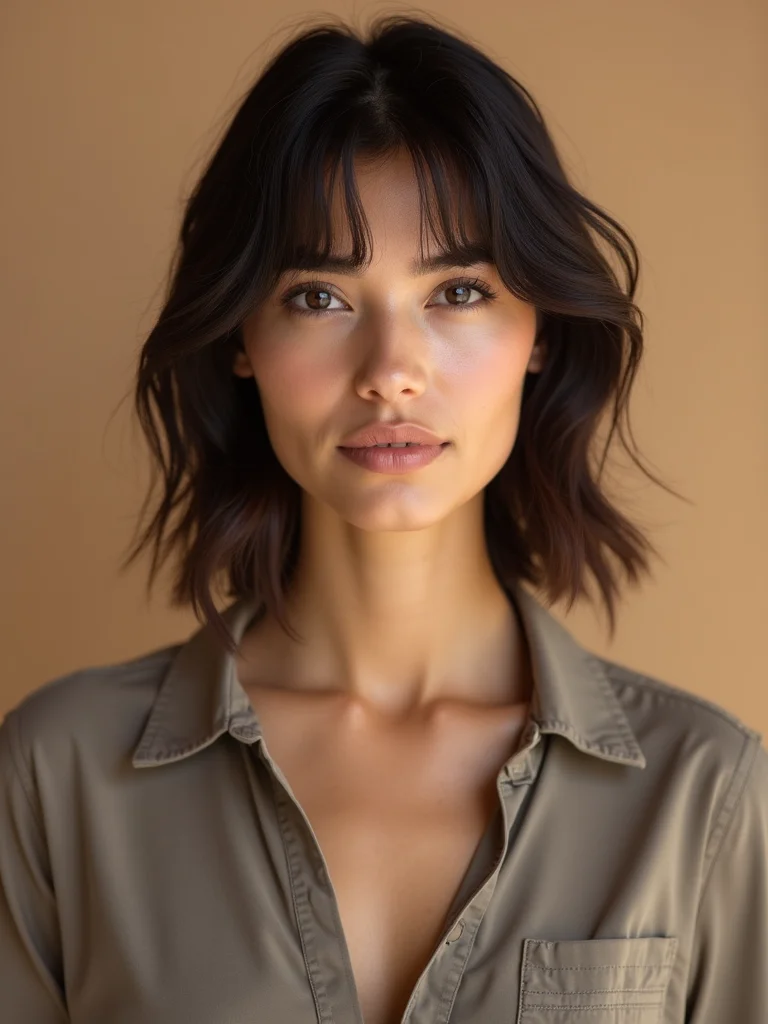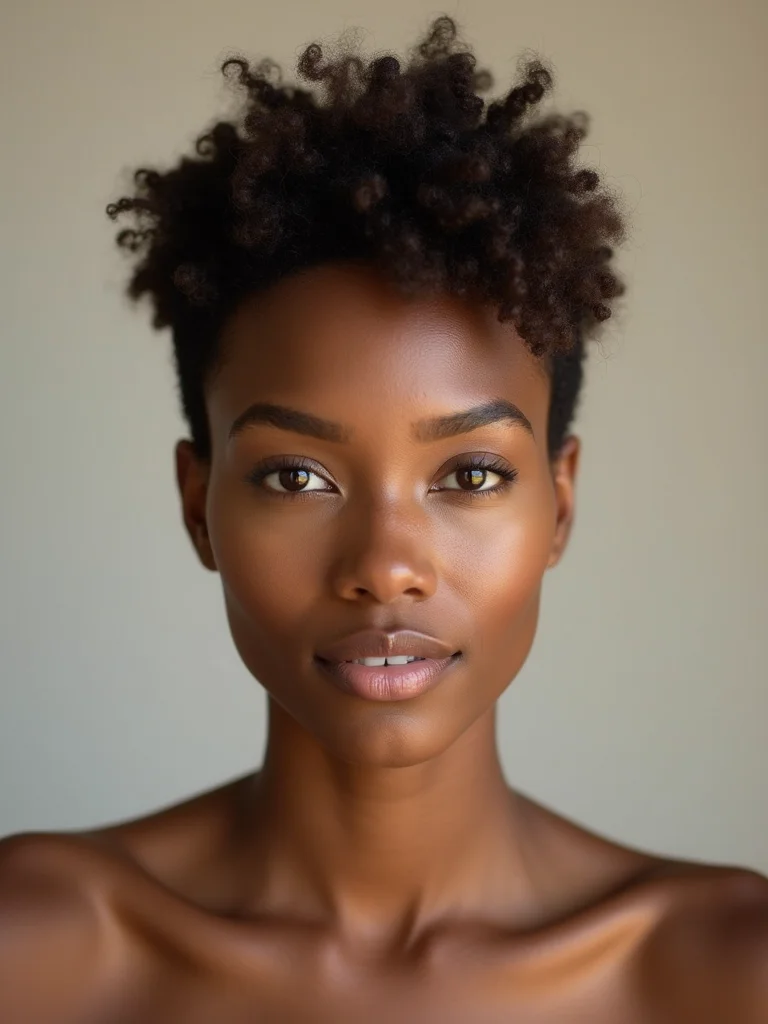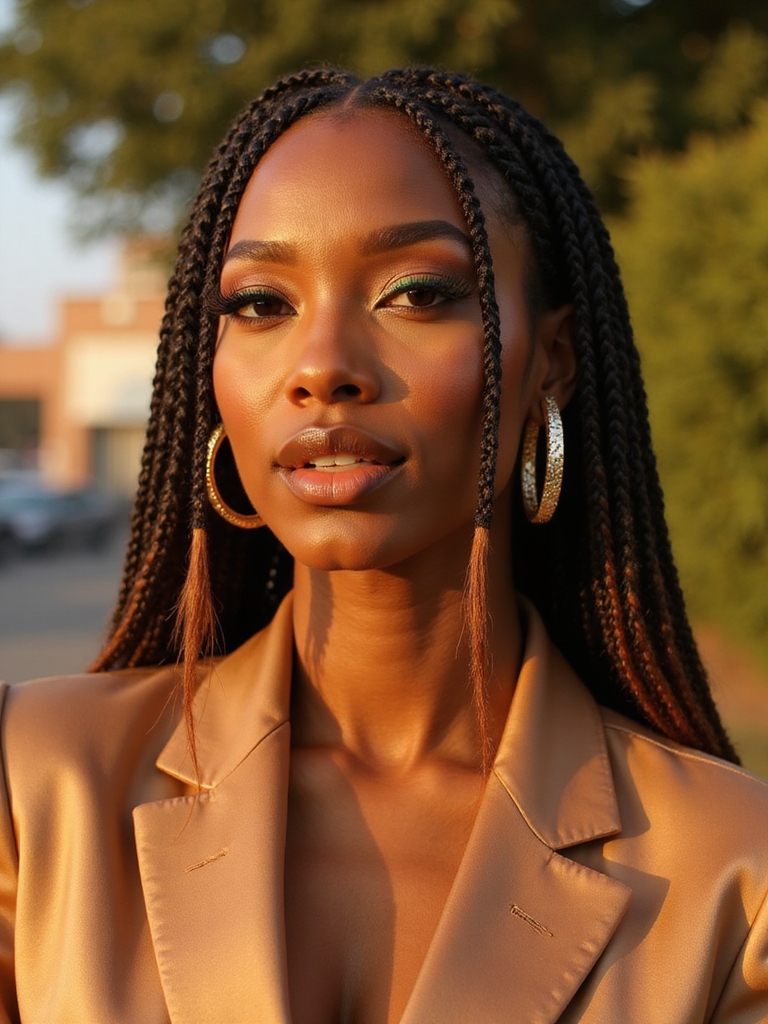
The first braided bob I ever cut down from waist-length braids surprised the client more than the install did. She expected to miss the length and instead spent the whole appointment turning her head to watch it swing. That is the quiet appeal of bob braids: all the protection of braids, in a shape that feels light and modern.
Braiding is artistry with deep heritage, and a bob-length install earns its keep in a very specific way: your own strands spend weeks doing nothing but growing, untouched by a flat iron or a fine-tooth comb, while the braids take the daily wear instead. These fifteen looks show how many ways that trade can come dressed, from sleek box braids to a Fulani-inspired bob, each with notes on what it takes and who it suits.
Before You Book a Braided Bob
- A braided bob protects your natural hair by tucking the ends away and cutting daily manipulation, and the short length keeps the weight off your scalp.
- Braid size sets everything: jumbo installs fastest and feels lightest, micro takes the longest and adds the most tension, so choose with your scalp in mind.
- Plan a few hours in the chair and roughly $100-250, then protect it at night and take it down by around eight weeks to keep your hair healthy.
Sleek Chin-Length Box Braids
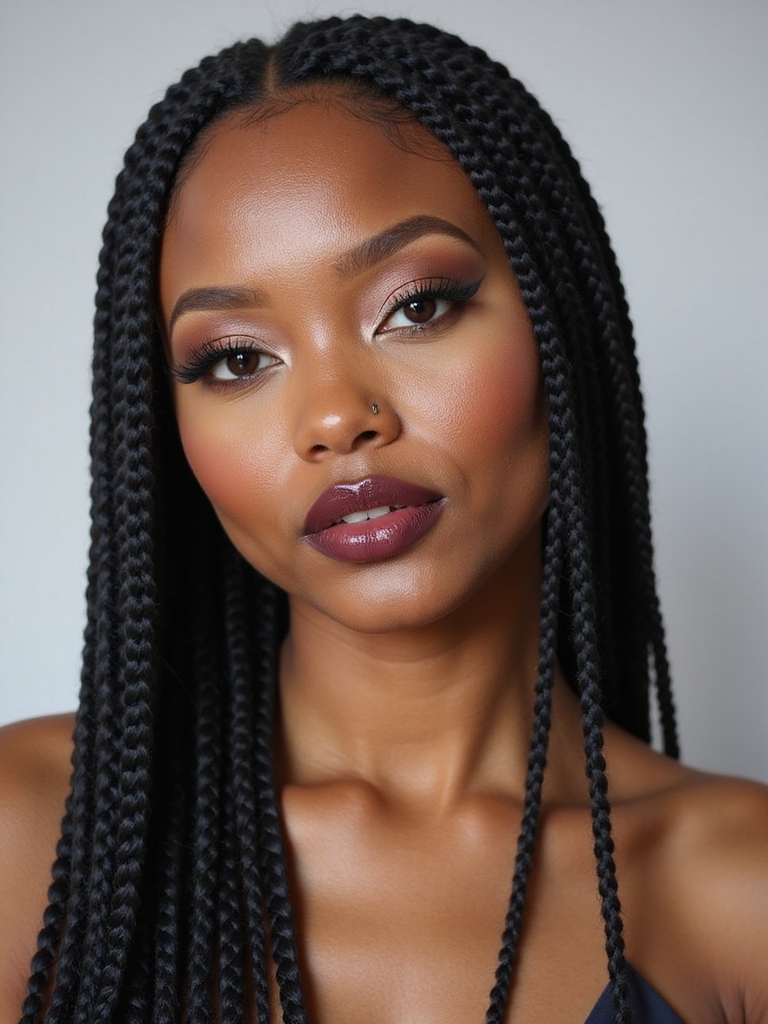
This is the protective bob at its most classic: individual box braids taken to a clean chin length that frames the face. Box braids have been a staple protective style for generations, and the bob length simply makes them lighter and easier to live in.
Worn this short, the braids put far less weight on your hair and scalp than waist-length ones. That matters over a long wear. They still do the core job, tucking the ends away and cutting out the daily combing that stresses natural hair.
In my chair, it is the version I reach for with first-timers, because it delivers the full protective benefit in a sharp, low-drama shape. For longer-braid options, our bob knotless braids guide goes further.
Blunt-Cut Bob With Middle Part
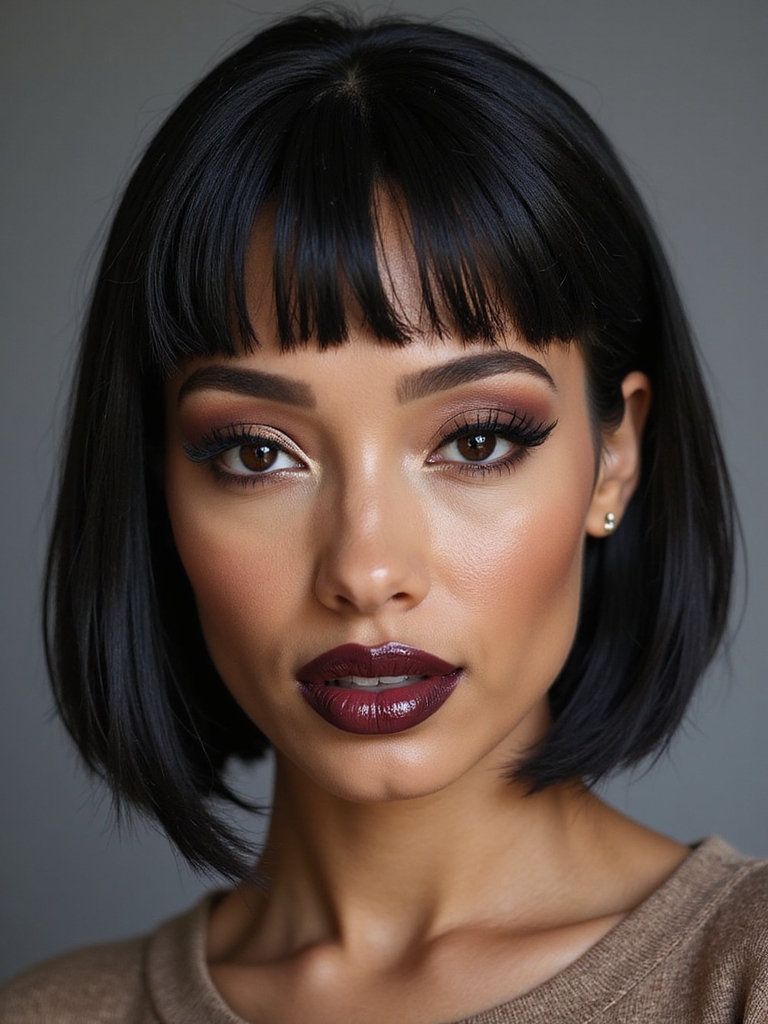
Taking every braid to one even length gives a blunt, graphic finish, and a clean middle part adds crisp symmetry on top. Braids can be just as precise as a scissor cut. They still protect your ends the whole time.
Precision without scissors
The blunt line is the whole statement. It suits anyone who likes a sharp, architectural look. A middle part flatters balanced and oval faces especially well.
Keep the part clean and the perimeter even, and the bob looks polished for the full wear.
📋What to Sort Out Before Your Appointment
- ✓Decide your braid size, since it drives the install time, the weight, and the tension.
- ✓Bring clear photos of the length and part you want, not just the texture.
- ✓Wash and deep-condition your natural hair a day or two before so it goes in healthy.
Asymmetrical Side-Swept Plaits
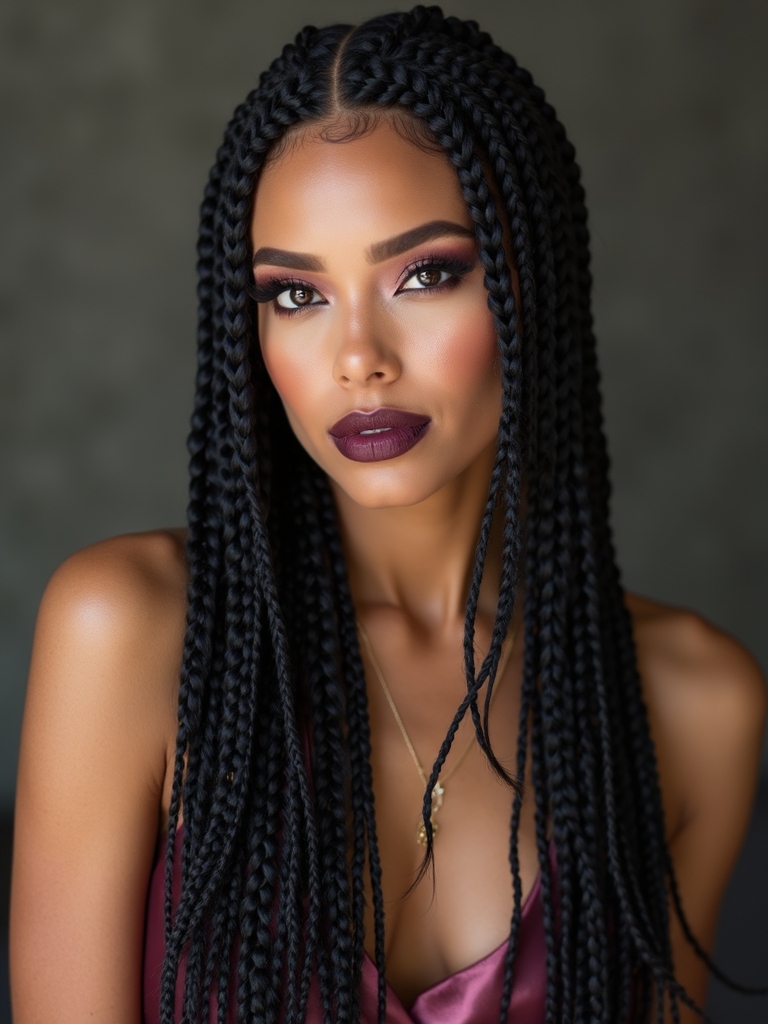
Keeping one side longer and sweeping the braids across creates a modern, off-balance shape with real edge. The uneven length looks deliberate and contemporary.
The side sweep frames the face on a diagonal, which is quietly flattering, and a deep part feeds the longer side. It is a fashion-forward way to wear protection without losing any of the benefit.
Because one side carries more length and weight, a knotless base keeps it comfortable at the hairline.
Curly-Ends Braided Bob
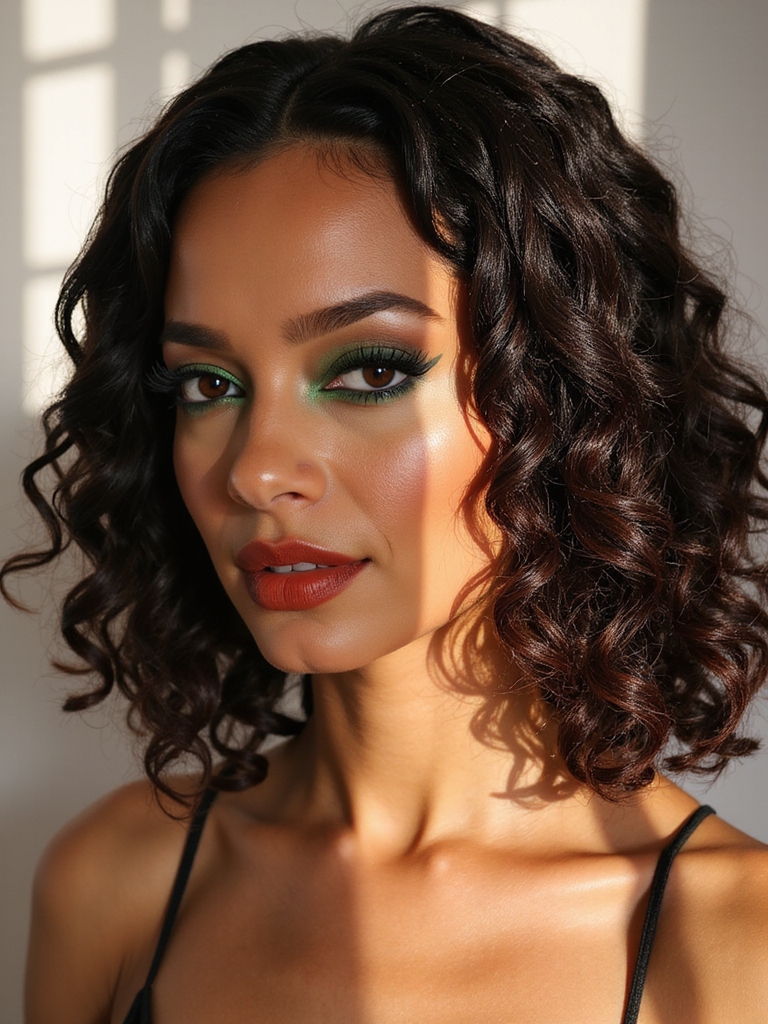
Leaving the bottom of each braid loose and curled mixes the structure of a braid with soft, playful movement. The curl is set in the extension hair, so it holds its shape while the braids keep your own ends protected up the length.
It is a flirty, softer take on the protective bob. Think of it as the middle ground if a fully sleek braid feels too severe for you. A quick dip in hot water or a curl mousse refreshes the ends as they relax.
👍The upside
- +Soft, playful movement that looks less severe than plain braids.
- +Easy to refresh with water or a quick dip in hot water.
👎The trade-off
- –The loose ends need more upkeep and frizz sooner.
- –Slightly less of the tidy, low-fuss quality that sealed braids have.
Knotless Bob With Feathered Tips
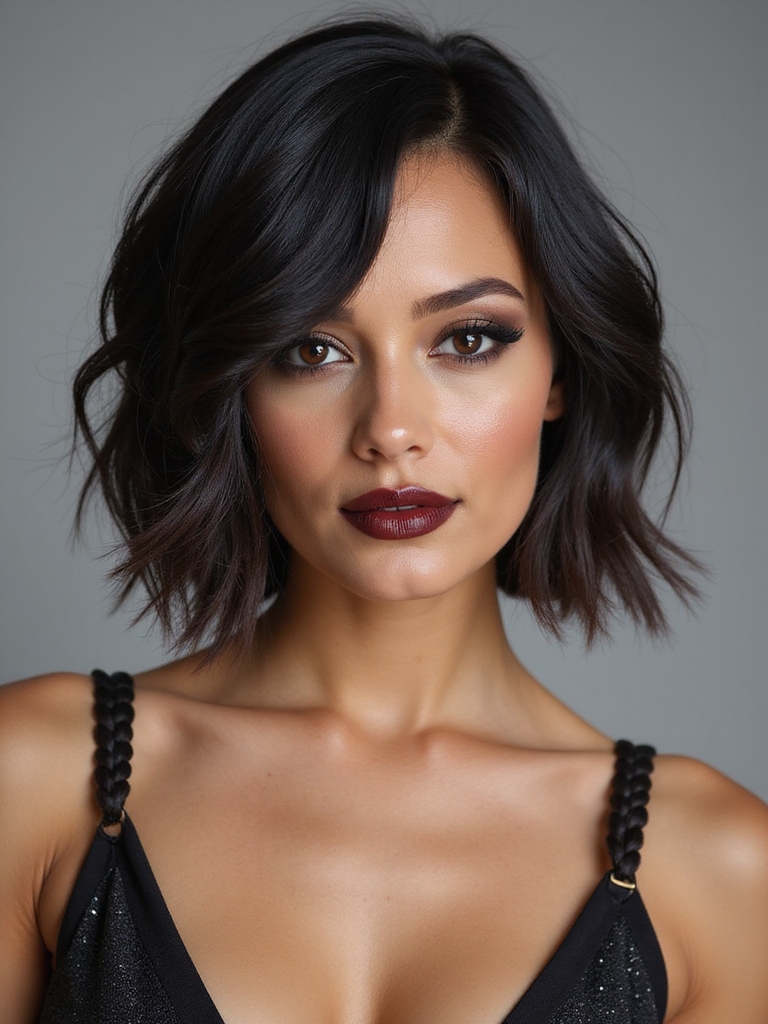
A knotless base is the gentlest way to wear a braided bob, since the hair feeds in gradually instead of starting on a knot, which means less tension at the root and less pull on your edges. Feathered, wispy tips soften the ends for an airy finish. Here is why it is worth asking for:
- Less root tension makes it more comfortable from the first day and kinder to fine hairlines.
- The feathered tips keep the bob from looking blunt or heavy at the ends.
- It is the install I recommend most for tender or thinning edges.
Jumbo Boxy Silhouette Bob
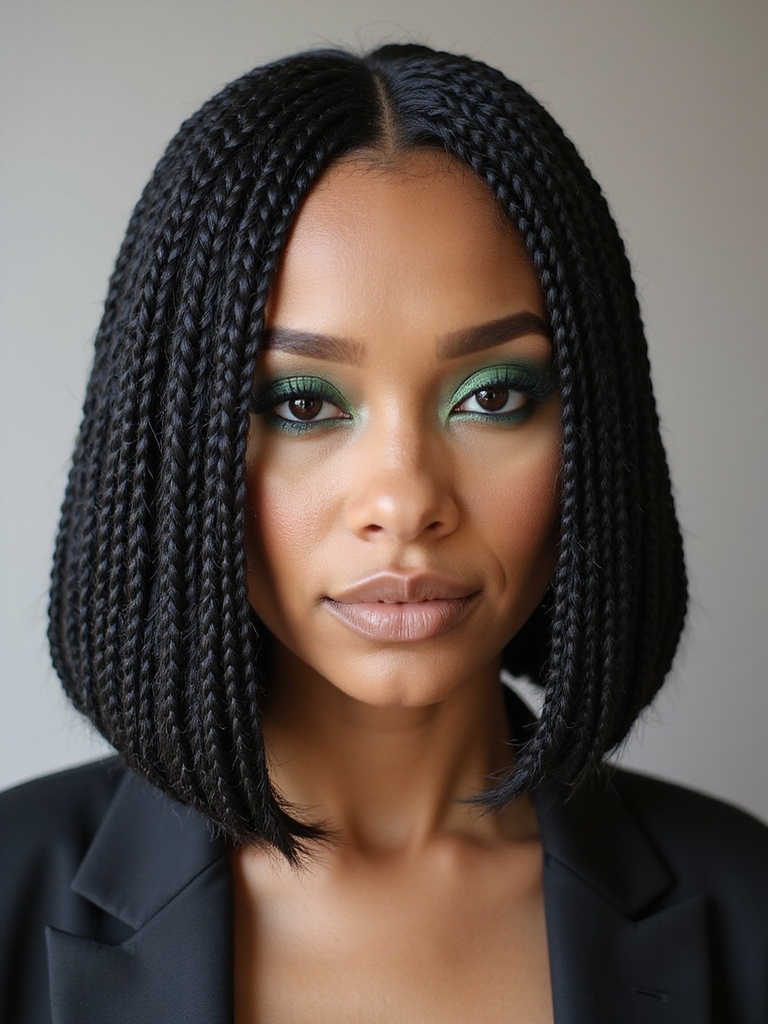
Jumbo braids give a bold, boxy silhouette and a real advantage: they install fast, often in two to three hours, and feel light on the head because there are fewer of them. Speed is the real draw. If you want protection without a half-day appointment, this is the one.
The trade-off is that bigger braids do not last quite as long before they look fuzzy, and they show more scalp. For a statement look that goes in quickly, though, jumbo is hard to beat.
🅰️Choose jumbo if…
You want to be in and out of the chair quickly, you like a bold silhouette, and your edges would rather carry fewer, lighter braids.
🅱️Choose micro if…
You want the most natural, hair-like movement and a longer wear, your edges are healthy enough for the extra tension, and you do not mind a long appointment.
Micro Braids With Tucked Ends
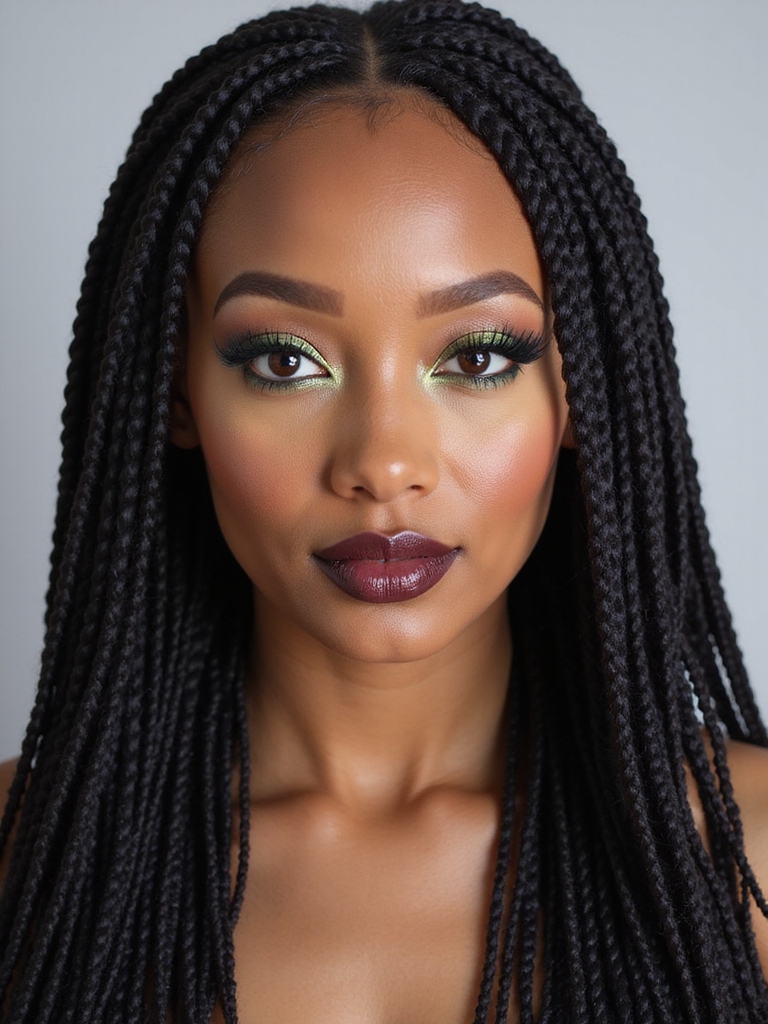
At the opposite end, fine micro braids move almost like loose hair and give the most refined, delicate version of the bob, with the ends neatly tucked under. The effect is elegant. It is the closest a braid gets to natural.
Weigh the trade-off honestly before you book. Micro braids can take six hours or more, and because there are simply so many braids going in, a distracted or rushed braider does more cumulative damage here than on any bigger style. This is the install where I pay the closest attention to the hairline while I work, section by section. Speak up the second anything stings or tugs.
Beaded Bob With Statement Cuffs
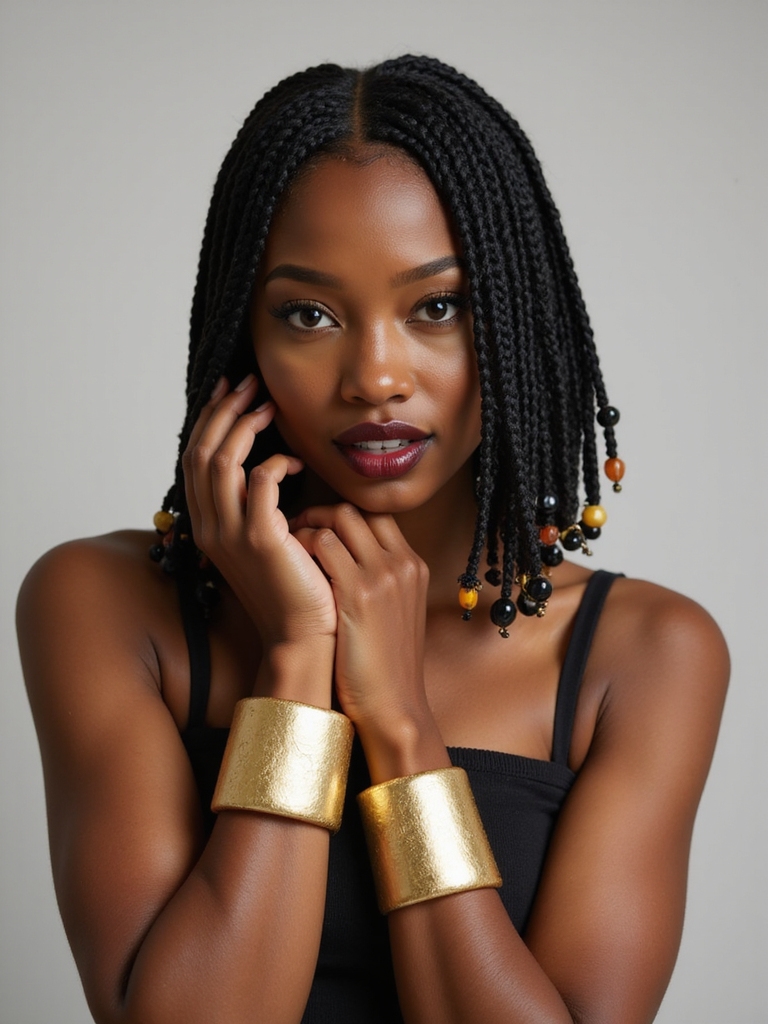
Threading beads and sliding metallic cuffs onto the braids adds color, shine, and a little soft sound when you move. Ask any client who’s worn it and she’ll usually tell you it feels less like an accessory and more like a signature, something that makes an install unmistakably hers rather than a copy of a photo she saved. Beaded, cuffed hair has always carried that personal weight, which is worth remembering when you’re picking out colors.
There is a practical side too: the weight of beads and cuffs helps the bob hang and swing. Have your braider double-knot or crimp each one in place before you leave; a bead that isn’t secured will work its way off within days.
- Choose a few cuffs as accents instead of loading up every braid, which keeps it from feeling heavy.
- Mix bead colors to echo an outfit or keep them tonal for a subtler finish.
- Sealed ends mean the beads stay put through the whole wear.
Pick your braided bob by what matters most to you:
🎯Gentlest on my edges
Go knotless, size the braids up rather than down, and circle the eight-week mark on your calendar as the latest you’ll wear them.
🎯In and out fastest
Jumbo braids, which install in a couple of hours and feel light all wear.
🎯Most personal
A beaded or Fulani-inspired bob, where the adornment and pattern make it yours.
Color-Blocked Braided Bob
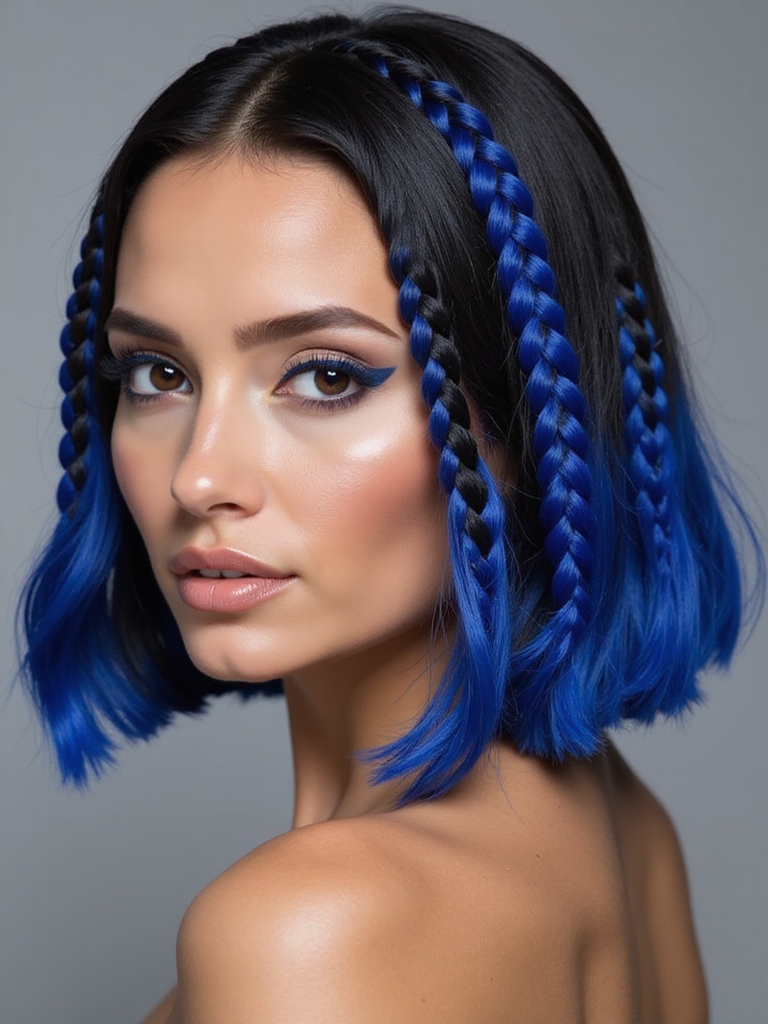
Color-blocking sets two distinct shades in clear sections, like a dark base with a bright money-piece at the front or a split down the middle. The contrast is the point. Because the color lives in the extension hair, your natural hair is never lightened, so it is bold on the eye but gentle on your strands.
- Try a bright front section for a modern, high-impact frame.
- Keep one shade natural and one bold for an easy first try at color.
- No lightening means no commitment; pick a new pairing at the next install.
Ombre Bob With Subtle Gradients
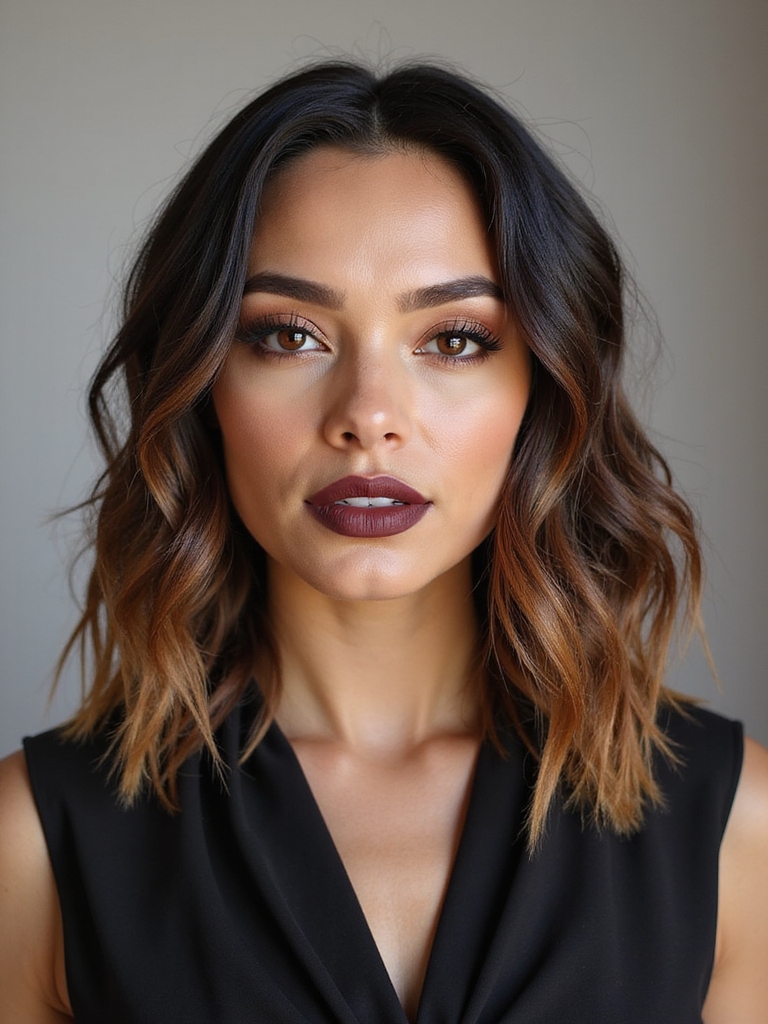
An ombre braided bob fades from a darker root into lighter ends, drawing the eye down the braids for a soft, dimensional finish. It is the understated cousin of color-blocking, all blend and no hard line, and the gradient is built entirely into the extension hair. To get it right:
- Ask for a gentle two-shade fade, not a dramatic jump, for the most wearable result.
- Pick a lighter end tone that flatters your skin, since it sits near your face.
- Like all braided color, it asks nothing of your natural hair.
Bohemian Bob With Wavy Texture
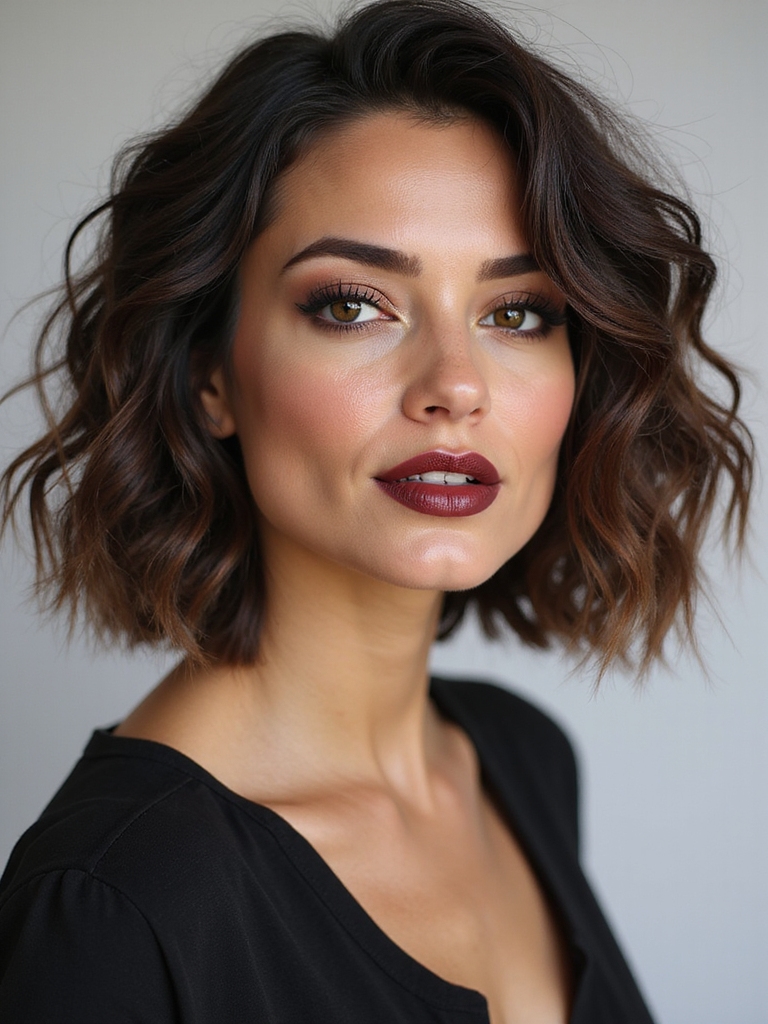
A bohemian bob leaves wavy, loose pieces out along the braids for a soft, undone feel, halfway between a braid and free-flowing hair. It trades a little of the sleek, low-fuss quality of plain braids for softness and movement.
The loose waves do need attention, since they dry out faster than the braids, but the payoff is a relaxed look that feels less structured. For the curlier version, see our boho braids bob guide.
- Mist the loose waves and scrunch them back to life as they dry.
- Cover them at night under a satin scarf to slow the frizz.
- Leave less out for a tidier look, more out for a softer one.
Triangle Part Bob Braids
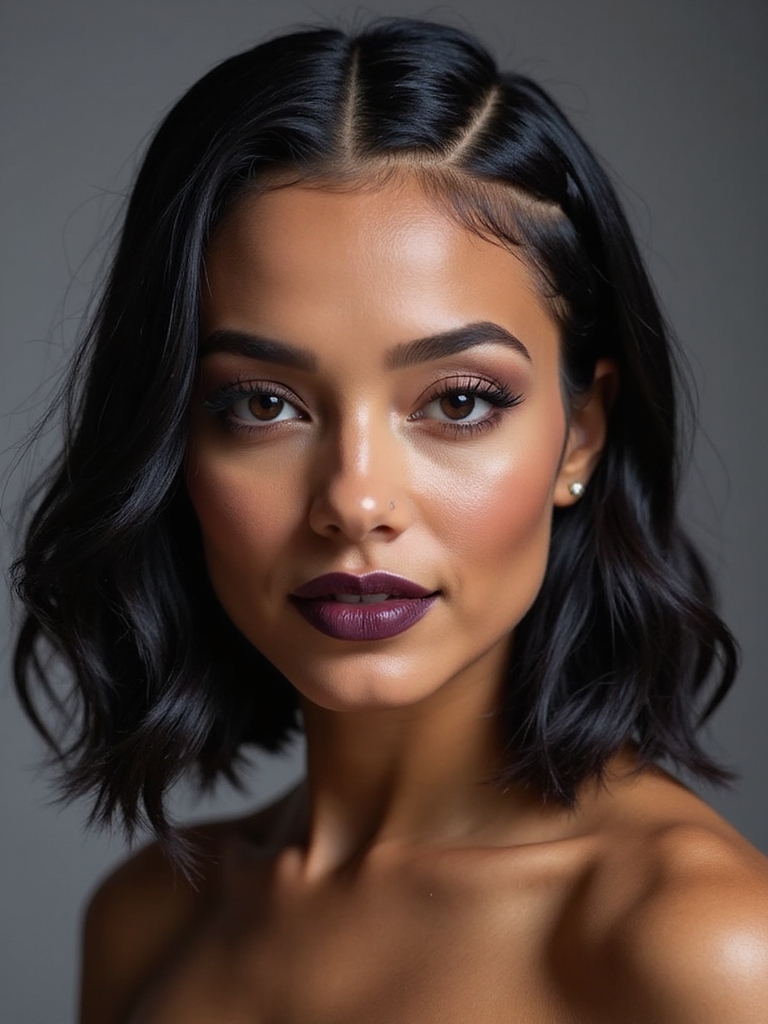
Triangle parts swap the usual square sections for triangular ones, which changes how the braids fall and, more usefully, hides scalp better as the braids move. It is a small choice with a real payoff. The whole bob looks fuller and more intentional. Worth knowing before you book:
- Triangular sections distribute the braids so less scalp shows when you part or move.
- The geometric parts read clean and modern, especially on a sleek bob.
- Ask your braider if they part this way, since it takes a little more sectioning time.
Fulani-Inspired Braided Bob
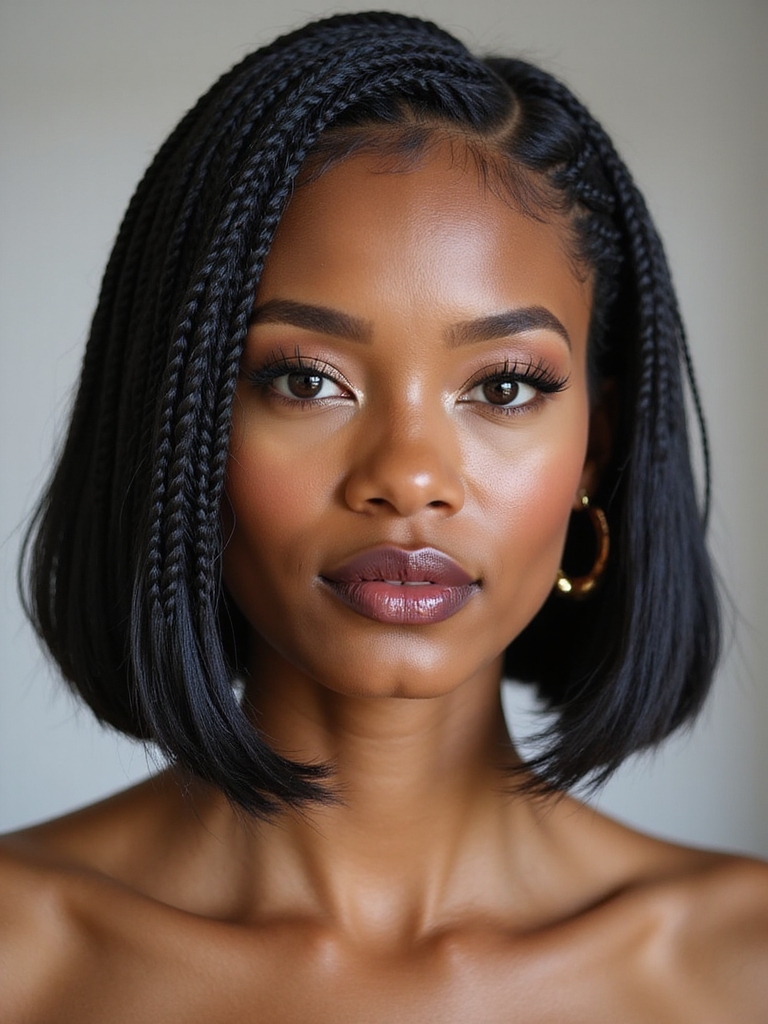
Fulani braiding comes from the Fulani people of West Africa and the Sahel, traditionally combining a center braid or cornrow with braids framing the face, often finished with beads and cuffs. Worn as a bob, that signature center-and-frame pattern looks striking and carries real heritage.
Approached respectfully, it is a beautiful, meaningful style, not a passing trend. The pattern itself does the decorating, so it needs little beyond the braids and a few accents.
Because the framing braids sit right at the hairline, ask for them snug but never tight; comfort there protects your edges over the wear.
Layered Bob for Extra Movement
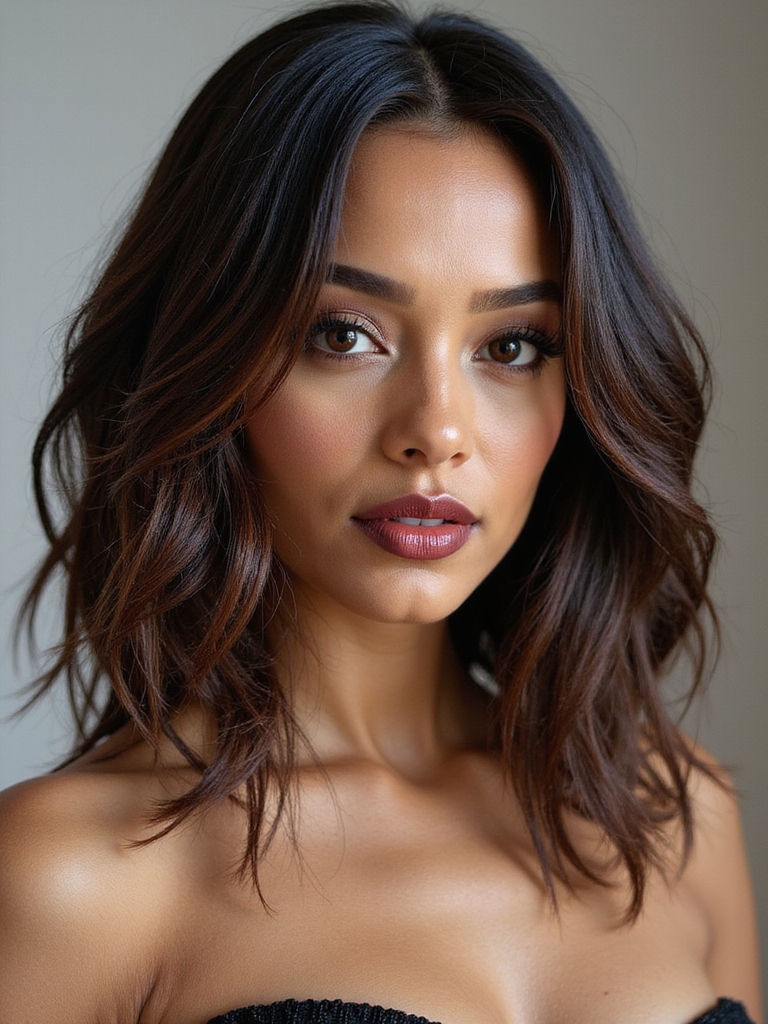
Cutting the braids to graduated lengths builds internal layers, so the bob carries volume and bounce a single blunt length never will. This is about body, not face-framing: the shorter inner braids lift the longer ones, so the whole shape looks rounder and fuller. The shape does the work. How to wear it:
- Ask for subtle graduation, shorter at the back or crown, longer toward the front.
- Layers suit thicker installs, where the extra braids can carry the shape.
- It frames the face softly while keeping every protective benefit intact.
Blended Length Bob With Face-Framing Pieces
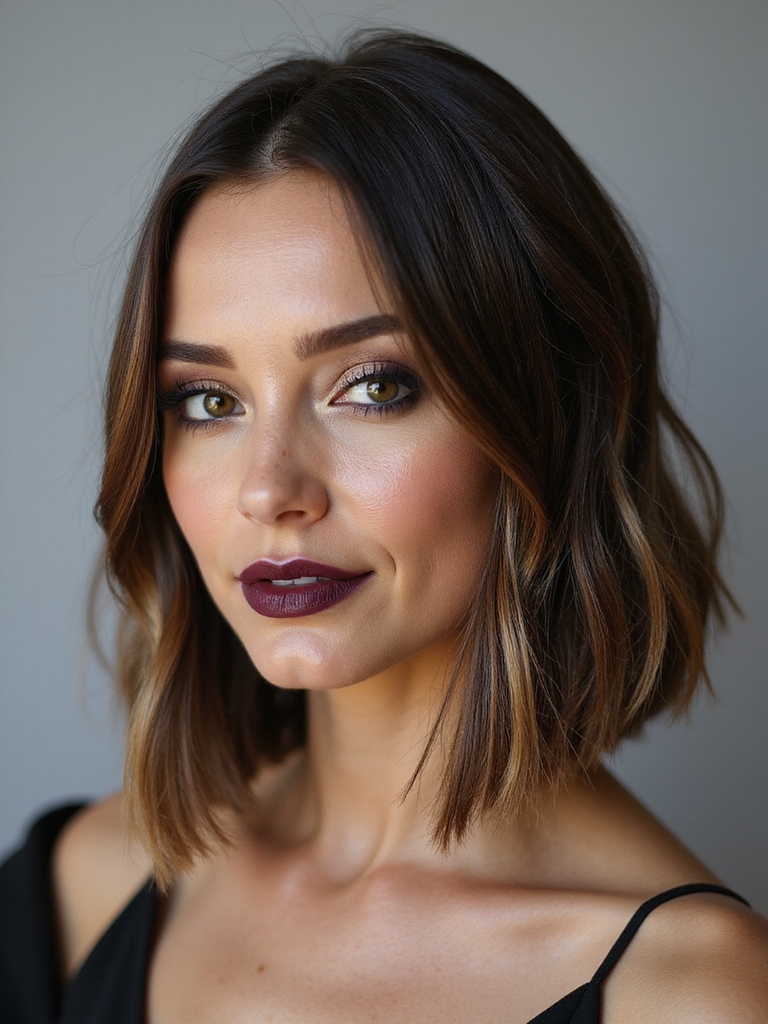
This look blends braid lengths and leaves softer pieces around the face, so the bob frames your features instead of cutting straight across them. The face-framing pieces are the flattering detail, drawing the eye to the cheekbones and softening a strong jaw.
Softness that flatters
It is a gentle, universally flattering option, and a good pick if a blunt braided line feels too hard on your face shape. The blended lengths also make the bob look fuller and more natural.
Keep the framing pieces light so they move freely, and the whole bob stays soft and easy to wear.
Who It Suits Best
Think about what your hair has actually been through lately before you pick a size and style. If your ends have been snapping off from daily heat and combing, almost any braided bob here will give them the break they need, since keeping the fragile ends safe does more for length retention than any product on a shelf.
A packed schedule benefits too, since the whole getting-ready routine shrinks to almost nothing once the install is done. Plenty of people only discover how much length they’d been quietly losing once they finally give it a rest.
Stressed or thinning edges call for extra caution: go knotless, size up the braids, and plan on a shorter wear so the tension stays light the whole time. Here’s a test I give clients: run a finger along your hairline right after the install.
It should feel snug, the way a ponytail feels, never like a pulled muscle. If it stings, throbs, or you can already see a little bump rising, that section is too tight, full stop, and it needs to come out and be redone before you leave the chair, not fixed at home a week later.
Braided Bob Questions
?How long does a braided bob last?
Most braided bobs wear well for six to eight weeks. Push much past that and new growth starts locking into the braid base, so removal turns into a slow, snaggy ordeal instead of a quick one — better to take them out on schedule even if they’re still looking good.
?How long does it take to install, and what does it cost?
Plan on roughly two to three hours for jumbo braids and up to six or more for micro, with most bob installs landing somewhere between. On price, expect somewhere in the $100-250 range, with the exact number swinging on how small the braids are, who’s doing the work, and your local market.
?Are bob braids actually protective?
Yes. They shield your fragile ends and cut out the daily combing, heat, and manipulation that cause breakage, which lets your natural hair rest and retain length. The short length also keeps the weight off your scalp compared with long braids.
?Will a braided bob damage my edges?
Not if it is done well. Choose a knotless base and avoid braids that are too tight or too small for your hairline, and never leave them in too long. If anything pulls or stings during the install, ask your braider to loosen it right away.
?How do I care for a braided bob?
Nighttime protection is non-negotiable: a satin scarf or bonnet every single night, no exceptions for a lazy evening. Your scalp still needs washing under there, so pick up a residue-free cleanser you can water down and squeeze straight along each part, roughly every couple of weeks, and follow up with a few drops of oil wherever it feels tight or flaky.
Curly or loose ends just want a spritz of water now and then to spring back. When you finally take it down, budget real time for it: soak each section generously in conditioner first and let it sit a few minutes before you start separating, since dry unraveling is what tears hair rather than releasing it.
Protect and Style at Once
The braided bob is proof that protective and stylish are not a trade-off. Underneath any of these looks, sleek and blunt or soft and beaded, your own hair gets a real break for a few weeks, and it shows in how much healthier it looks once you take the style down.
Start from how much install time and tension your scalp can give, then pick the size and style that fit your life. Bring clear photos to a braider you trust and speak up if anything feels tighter than it should. In exchange, your calendar clears of daily styling for weeks, and your own hair spends that whole stretch quietly rebuilding itself underneath.
Favorites to Revisit