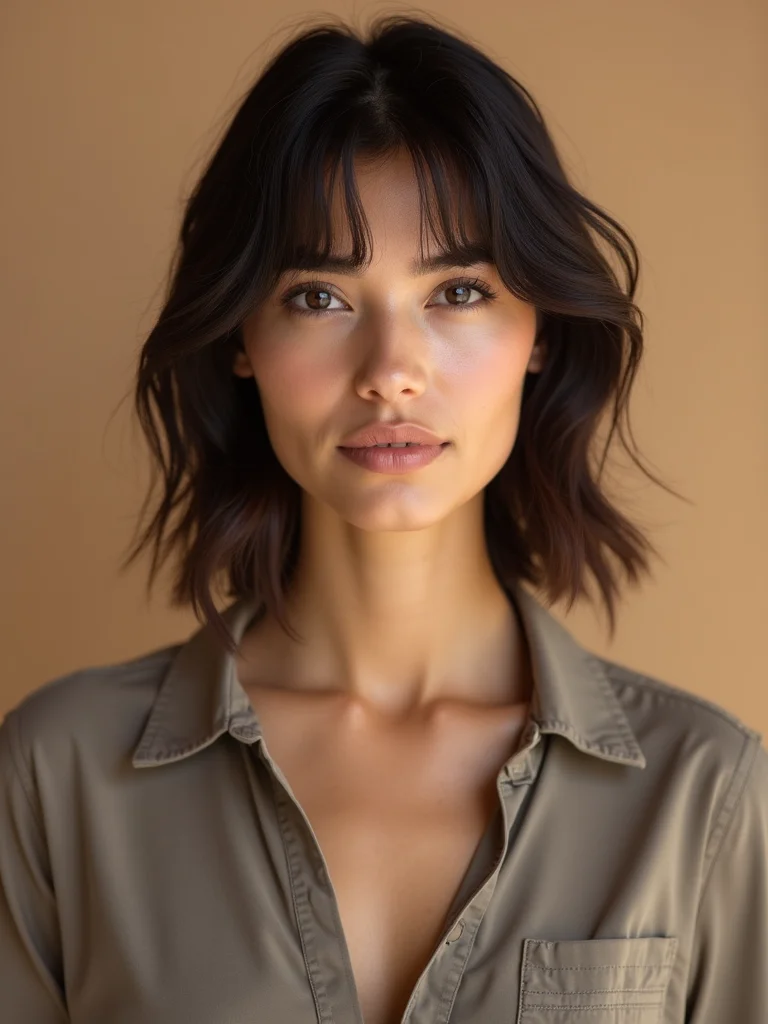
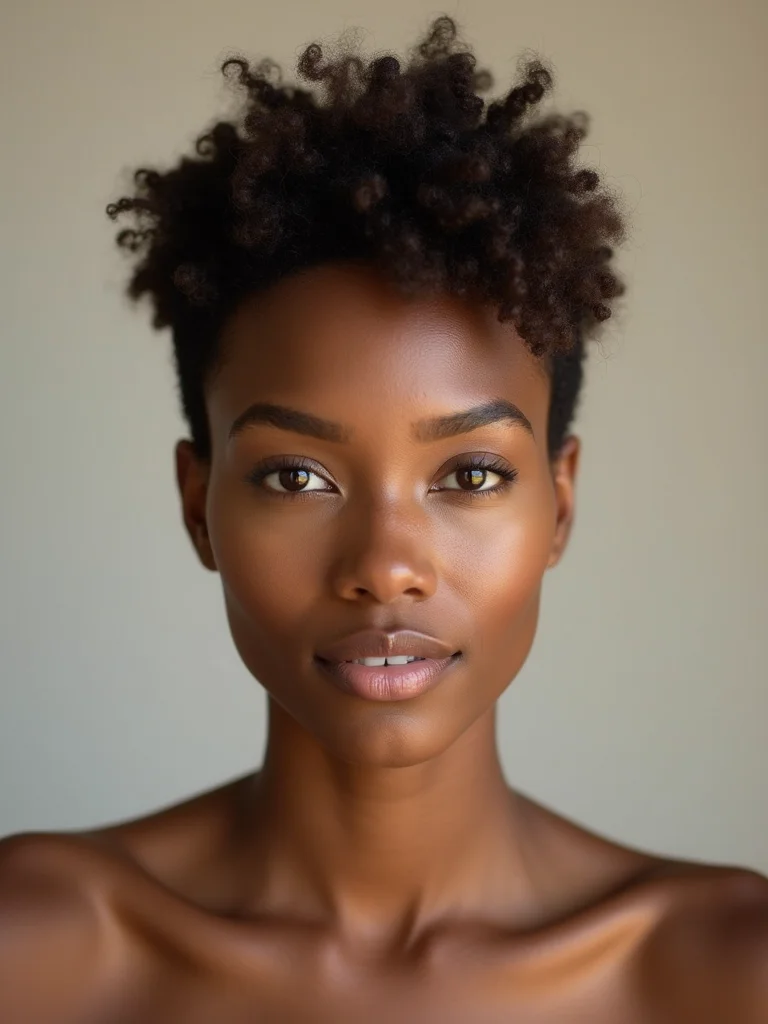
Six weeks after a big chop, most pixies hit a wall: too short to tuck, too long to lie flat, and the client is back in the chair asking what comes next. The long pixie is the answer nobody mentions until later — an in-between length that isn’t a compromise but its own destination, short enough to stay light and long enough to sweep, tuck, and soften into something a tighter crop can’t manage. That’s the long pixie cut in one sentence.
Sixteen versions of that length follow, sorted by texture and styling effort and how much attitude a client wants built into the cut. None of them ask for a full regrowth to get there.
Long Pixie, Quick Reference
- Length: keeps the top and fringe long while the sides and back stay short.
- Best for: anyone between a crop and a bob who wants low daily styling time.
- Upkeep: a shape-up around the five-week mark keeps the perimeter from blurring.
- Styling range: from soft and feathered to razored, shagged, or color-blocked.
- Curl-friendly: works on straight, wavy, and curly textures with the right cutting approach.
Softly Layered Long Pixie

Soft layers broken through the top take the stiffness out of a short cut, leaving pieces that fall and move on their own and break up what would otherwise sit in one flat block. It’s the version most stylists reach for first with a client who’s nervous about going short.
Why the Softness Reads So Easily
Nothing in the layering is sharp or spiky; the ends blend into each other, which is what lets the shape flatter such a wide range of face shapes without much adjustment. It just works.
A small amount of paste worked through with fingers is the entire routine most mornings, and the layers do most of the actual shaping on their own.
Side-Swept Long Pixie

A deep side part sends the long top sweeping across the forehead in one diagonal line, and that single sweep softens a pixie more than almost any other adjustment.
The deeper the part sits, the more volume piles up on the heavier side, which gives round and square faces a slimming diagonal to work with. The part does most of the work.
Drying with a round brush directs the sweep into place, and a light texture cream at the ends keeps the finish from looking too polished.
Choppy Long Pixie

Point-cut layers break the top into spiky, separated pieces that catch light and hold attention, trading the soft blend of a layered pixie for visible edge. The choppiness is cut in on purpose, snipped at an angle rather than straight across, so the ends stay irregular even after a wash.
A matte clay pinched through damp or dry hair defines the separation; the messier the pieces sit, the more intentional the finish looks, which keeps daily styling short. Thick or medium hair holds the spikes best, since very fine strands can look sparse once this much weight comes out. More choppy-texture ideas live at choppy pixie cut.
Ear-Tucked Long Pixie

A long enough top means the sides can tuck behind the ears in about ten seconds, turning a slightly overgrown pixie into something that looks polished and deliberate.
- Shows off the jawline and cheekbones without any extra styling.
- Doubles as the fastest fix for a rushed morning or a workout.
- Works whether the perimeter is fresh or a few weeks past due for a trim.
A quick way to match the tuck to the moment:
🎯Heading into a meeting with ten minutes to spare
Tuck both sides flat and smooth the top with a drop of gel for instant polish, no tools required.
🎯Coming from the gym with damp roots
Tuck one side only and let the rest air-dry; the asymmetry looks purposeful against second-day texture.
Long Top With a Tapered Pixie

A closely tapered nape under a long top gives the cut its cleanest contrast: short and sharp underneath, full and styleable on top, with none of the bulk a longer perimeter can carry.
- How short the taper runs changes the whole feel of the cut, worth discussing inch by inch with a stylist, since a photo alone rarely captures it.
- The tapered sides need attention faster than the top does, since a growing taper looks messier than a growing crown.
- A close taper suits most face shapes; a longer taper softens the transition for anyone nervous about too much contrast.
Tousled Long Pixie

Rough salt spray and a scrunch turn the top into deliberately undone, piecey texture that looks wind-styled, built for a wash-and-scrunch morning.
- Gets better as the day goes on, which makes it the lowest-effort option on this list.
- Suits straight and wavy hair best; very fine hair may need a texturizing spray underneath for the salt spray to grip.
- Pairs naturally with a side-swept or tapered base.
Sleek Long Pixie With a Micro Fringe

Blow-drying the top glassy-smooth against a short, blunt micro fringe creates sharp contrast between soft length and a hard line at the brow, a pairing that lands more fashion-editorial than everyday-casual.
- Needs a flat iron or a smoothing blow-dry most mornings to keep the sheen.
- The fringe alone needs its own trim schedule, since a blunt edge blurs faster than the layers around it.
- Suits straight or loosely wavy hair; very curly textures fight the sleek finish.
🅰️Sleek Micro Fringe
Glassy, smoothed top with a short, precise fringe. Needs daily heat styling and frequent fringe trims, but photographs sharp and editorial.
🅱️Tousled and Undone
Salt spray and fingers only. Looks better the messier it gets, and asks almost nothing of a morning routine.
Curly Long Pixie

Curly hair and extra length up top solve each other’s problems: the coils get room to spring into shape instead of drawing up tight, and the length keeps the whole silhouette from ballooning.
Cutting to the Curl, Not Against It
Curly hair needs shaping to its own curl pattern, with layers placed so coils stack and bounce instead of piling into a single dense mass. That takes a stylist who works with curls often.
A curl cream scrunched into damp hair defines the shape, and refreshing with water and a little product usually gets a second or third day out of the set. Curl-specific variations are rounded up at curly pixie hair.
Asymmetrical Long Pixie

Cutting one side noticeably longer than the other builds a strong diagonal line into the cut, and the longer side can sweep across the face for extra drama.
The asymmetry flatters by pulling the eye along a diagonal line, and it pairs well with a deep side part; a nearly-even pixie doesn’t create the same effect.
- Suits a confident wearer more than a first-time pixie client.
- Needs a stylist who can balance the two sides so the shorter one doesn’t just look unfinished.
- Grows out into a soft, side-swept shape, sidestepping the usual awkward stage.
| Asymmetry Level | Longer Side | Best For |
|---|---|---|
| Subtle | 1 to 2 inches longer | First-time pixie clients easing into edge |
| Bold | Chin-length or past | Confident wearers who want a statement |
Undercut Long Pixie

A hidden undercut beneath the long top strips out bulk underneath, so the top sits sleeker and lifts with less effort, and the shaved section only shows when the hair is swept back or tucked. It’s barely there day to day.
- Debulks thick hair especially well, since the weight comes out where nobody sees it.
- Adds a quick edge that can be hidden for work and shown off after hours.
- Growing it back out takes patience — expect a few in-between shape-ups before it blends.
Long Pixie Shag

Crossing a long pixie with a shag piles choppy, piecey layers through the whole top, usually with a soft fringe, for a result that leans more seventies than sleek.
The texture spreads through the whole top, giving the cut a loose, relaxed energy that feels looser than a standard pixie’s crown-focused shape.
- A texture paste pinched through damp layers brings out the separation.
- Suits anyone who wants more texture and movement than polish.
- For more on the style, see the wolf cut, its closest longer-length cousin.
Razor-Cut Long Pixie

A razor slices the ends into fine, feathered points instead of the blunt line scissors leave, giving the top a weightless, airy finish scissors alone can’t match.
Where a Razor Helps, and Where It Doesn’t
Straight and slightly wavy hair shows off the lightness best. Very fine or already-fragile hair can fray under the blade, so checking the hair’s condition before booking a razor cut matters more here than it does for most other cuts.
A light texture spray separates the feathered pieces without weighing them down, and the cut needs almost no other product most days.
Voluminous Crown Long Pixie

Lifting the top layers at the root and styling them up and back builds real height through the crown, while the sides stay closer to create a balanced, slightly retro silhouette.
The height flatters rounder faces especially well, adding length where a flatter crown would leave the face looking wider than it is.
- A volumizing product at the roots holds the lift through the day.
- A round brush lifting the crown while blow-drying builds the shape from scratch each morning.
- Best on hair with at least medium density; on finer strands, a root-lifting spray keeps the height from collapsing by afternoon.
A few cutting terms that come up when discussing this look with a stylist:
📖Root lift
Volume built by drying or styling hair up and away from the scalp.
📖Point-cutting
Cutting into the ends at a steep angle to soften a blunt line without removing length.
Color-Blocked Long Pixie

Color turns a long pixie from a cut into a statement, and bold blocking suits its angular shape especially well: a lighter panel over a darker base, or a bright block against a neutral one, plays up the lines already built into the cut.
Because a pixie carries so little hair overall, color changes cost less and process faster than the same treatment on long hair, which makes it a lower-commitment place to experiment with something bold.
Grown-Out Long Pixie

A long pixie is, in a sense, a grown-out pixie worn on purpose. Leaning into that in-between stage turns an awkward phase into a look of its own.
- Soft layers keep the growing length from turning shapeless as it extends past the original cut.
- A good stylist reshapes the layers at each stage so the grow-out always looks like a deliberate choice.
- Plan on about $55 per shape-up to keep the stage clean. More on managing the transition lives at growing out a pixie.
Long Pixie for Fine Hair

Fine hair carries the impression of fullness at shorter lengths far better than it does worn long and flat, which makes a long pixie one of the more forgiving cuts for thin strands.
The goal is added lift and movement through careful layer placement, since fine hair has little density to spare in the first place. A volumizing paste at the roots and a matte texture product through the ends keep the shape from collapsing by midday.
- Skips heavy creams and oils entirely; they flatten fine hair fast.
- A root-lift spray before blow-drying upside down builds most of the volume.
- See more fine-hair-specific cuts at layered pixie cut.
Worth Stopping At, Not Just Passing Through
Every version here lives in the same in-between window: too short to call a crop, too long to call a bob, and better for it. Feathered or razored, tousled or color-blocked, the length does the same basic job, carrying enough weight to style and little enough to stay light.
Save whichever version fits a current stage of growing out or cutting back, and bring the specific photo to the next appointment. The in-between often turns out to be the length worth staying at for a while.
Keep Reading