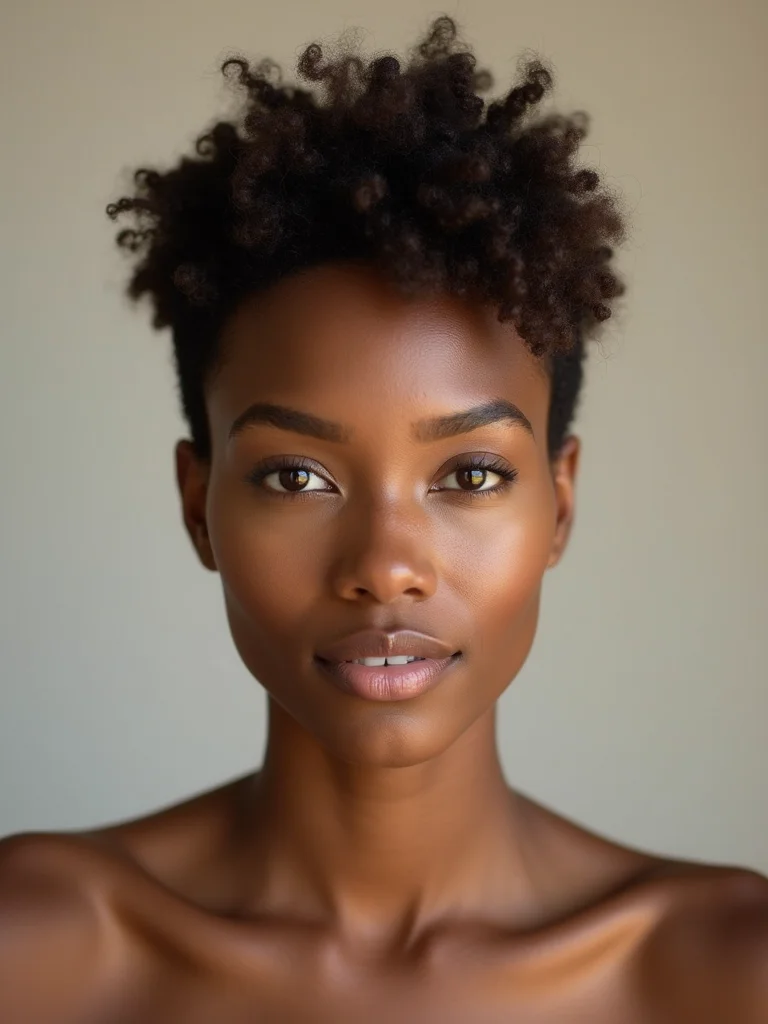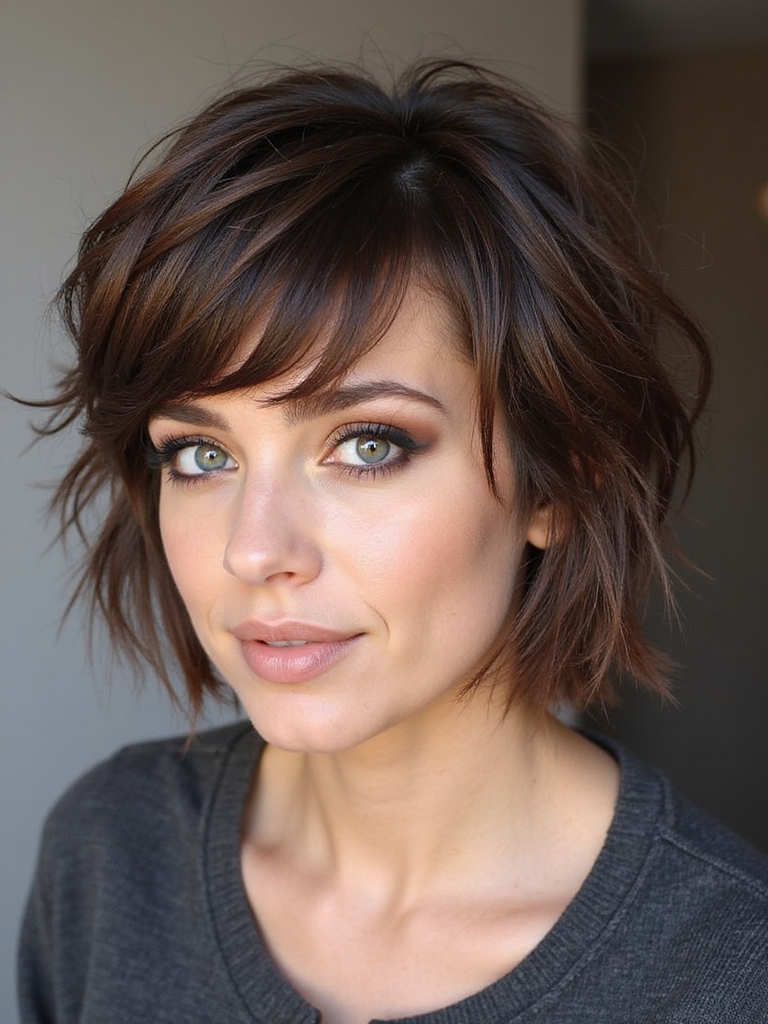
A short shag is quietly one of the lowest-maintenance haircuts a person can book right now: heavy layers and choppy texture, cropped short, turn into a cut that looks deliberately undone with almost no morning effort behind it. Big personality, small routine, is the whole appeal.
A stylist can usually spot a shag gone soft from across the salon: the choppy layers have grown into one solid mass and the whole point of the cut has quietly disappeared. What follows is how to keep that from happening, hair type by hair type.
What a Short Shag Actually Requires
- The shape comes from choppy interior layers, not from length; it works on hair from fine to thick once the layering is tailored.
- Upkeep is mostly the trim schedule: budget for a reshape close to every nine weeks to keep the layers from softening.
- Styling is largely hands-off; texture product into damp or dry hair and a scrunch is usually the whole routine.
Short Shag Basics
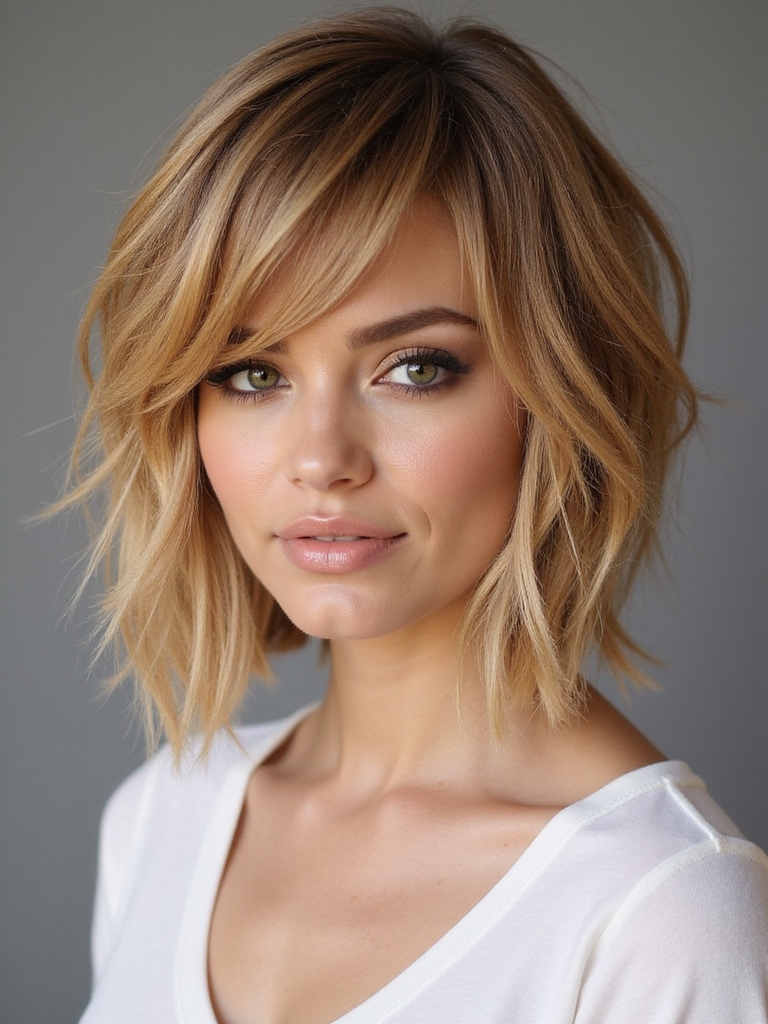
At its foundation, a short shag is defined by two things working together: heavy, choppy interior layering and a piecey, undone finish, cropped anywhere from the chin to the jaw. Remove either one and the cut stops reading as a shag.
- Choppy interior layers that remove weight and add movement
- A piecey, textured finish, never a smooth, blended one
- A length that stops somewhere between the chin and the jaw
Micro Shag for Fine Hair
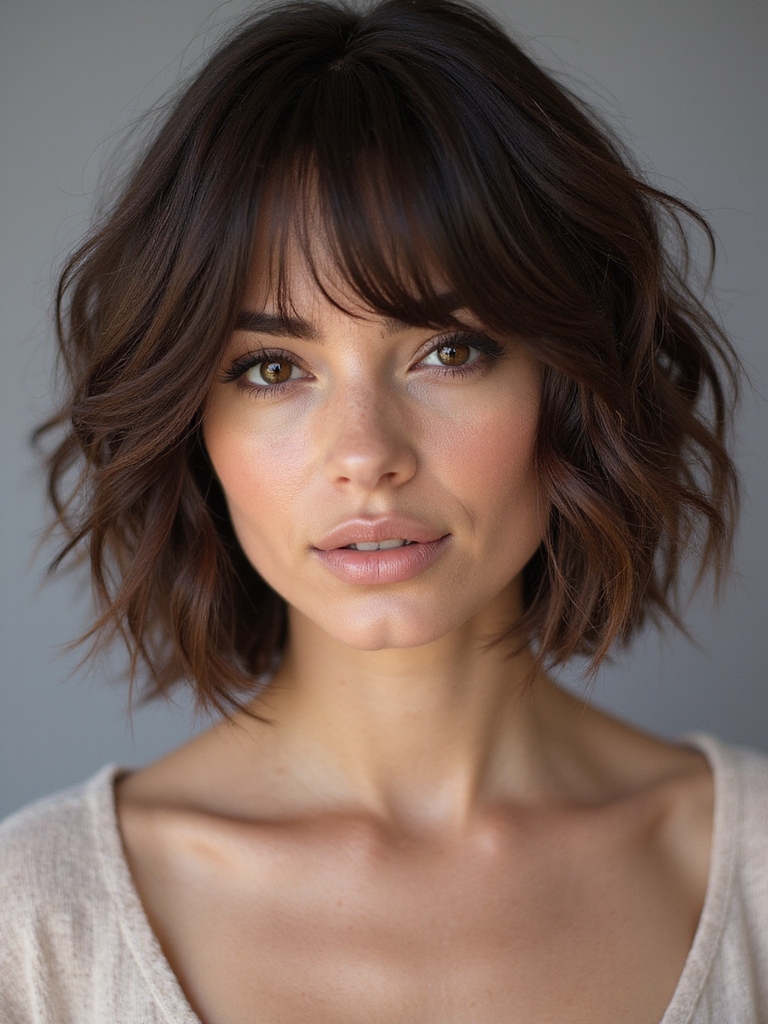
Fine hair is where a short shag earns its reputation. Breaking the length into fine, choppy pieces reads as more density than is actually there, while the short crop keeps the ends from thinning out and going limp.
A near-blunt baseline underneath keeps the ends looking full, with the choppy top layers doing the texture work. A volumizing mousse worked into the roots before drying holds onto the lift the cut is built for.
👍Why a Micro Shag Works on Fine Hair
- +A cheaper, lower-maintenance way to fake density than extensions or a keratin treatment
- +Suits color just as well, since fine hair takes lightener evenly
- +Works on second- and third-day hair better than most fine-hair cuts
👎Where It Takes Effort
- –A near-blunt baseline underneath limits how much length can safely come off at once
- –The near-blunt line means less room to hide a bad trim than a fully layered cut
- –Skipping the volumizing step at the root leaves it flatter than intended
The Short Wolf Cut

The short wolf cut is the shag’s boldest relative, stacking extra-heavy, disconnected layers at the crown for maximum volume and edge. It keeps the shag’s signature choppy texture but pushes the contrast noticeably further.
How Far Is Too Far?
The look is built for anyone chasing a real statement, all lift up top, all attitude. The short length keeps the shape from drifting toward full mullet territory the way a longer wolf cut sometimes does.
Working a matte paste into the crown while leaving the lengths loose and piecey covers most of the styling. The wolf cut guide covers longer, more dramatic versions of the same idea.
The Curly Short Shag
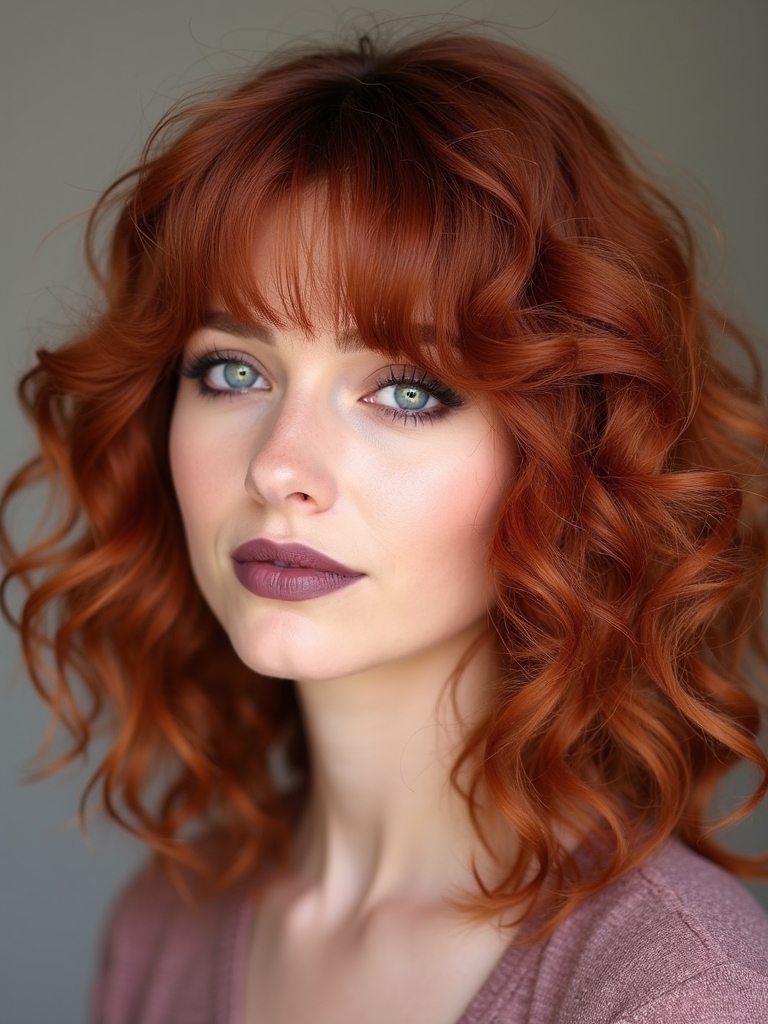
Curly hair and a short shag pair naturally. Choppy layers give curls somewhere to spring and clump instead of stacking into one heavy triangle, so a curly short shag sits full and defined rather than bulky.
Why Dry-Cutting Matters Here
Cutting it dry, in its natural pattern, matters more here than almost anywhere else on this list; cut wet, the layers land in the wrong spot the moment the curls spring back up.
Raking a curl cream through hair that’s still soaking wet, then letting it air-dry or finishing it with a diffuser, covers most of the routine. Among short cuts, this one is fairly forgiving to wear on curls.
Shattered Ends for Texture
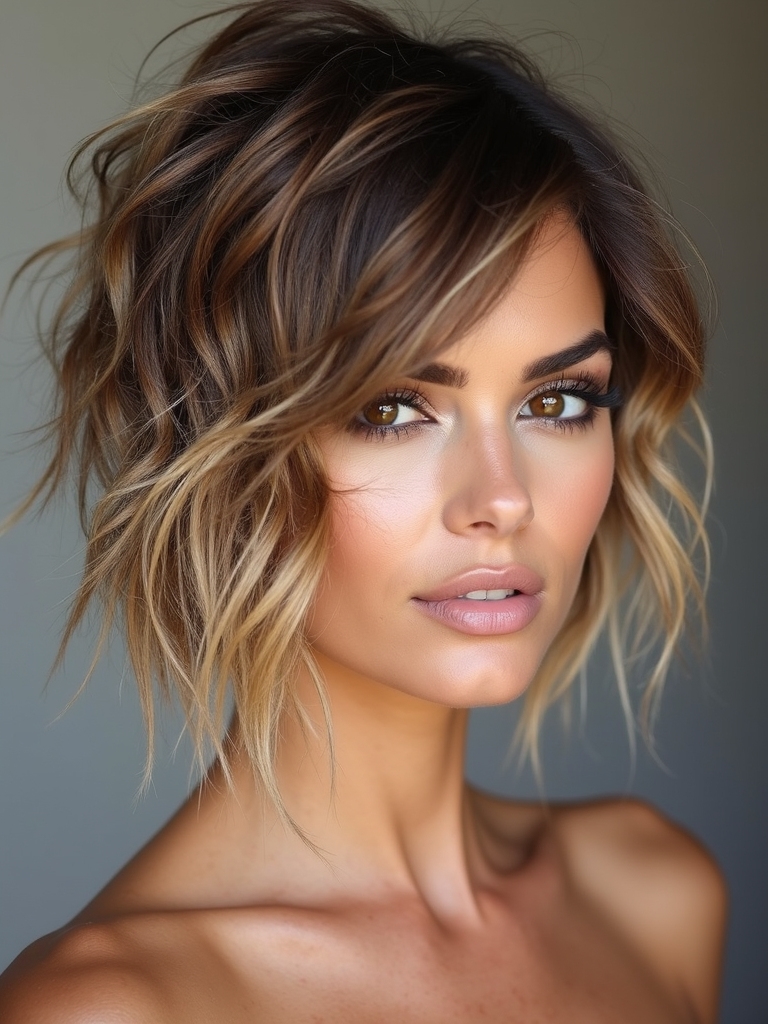
Shattered ends take a short shag’s texture to its sharpest point, with the very ends cut into fine, irregular, piecey points.
It lands as the edgiest finish in this lineup, built entirely around separation and movement.
- Suits straight to wavy hair, where the shattered points stay visible
- A little texture wax twisted through the ends keeps them defined and separated
- Best on healthy hair; already-damaged ends tend to look ragged instead of deliberate
Face-Framing a Short Shag
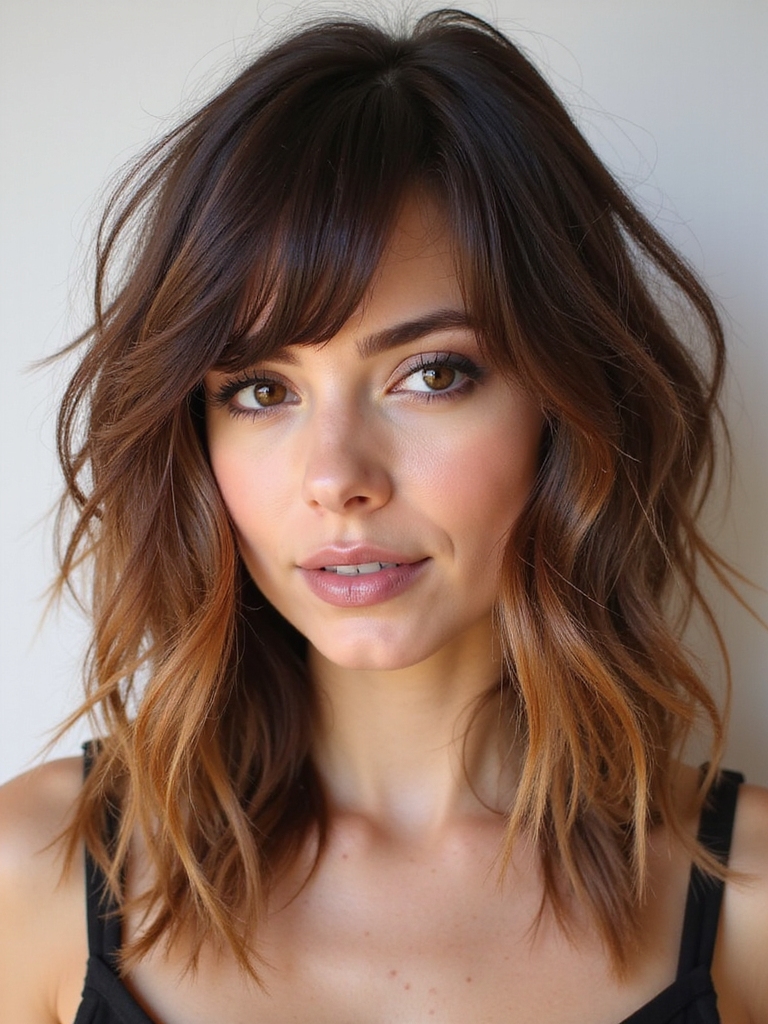
Face-framing is what makes a short shag feel personal. Shorter pieces cut around the face put movement exactly where the eye lands, sculpting the features that the length elsewhere leaves alone.
The Detail Worth Discussing Most
It’s worth discussing in detail at the consultation: longer pieces tend to lengthen a round face, while softer, shorter ones ease a stronger jawline.
The framing pieces can be tucked back or left forward; either way they shape the face. A round brush curves them in toward the cheeks for a softer finish.
Short Shag With Bangs
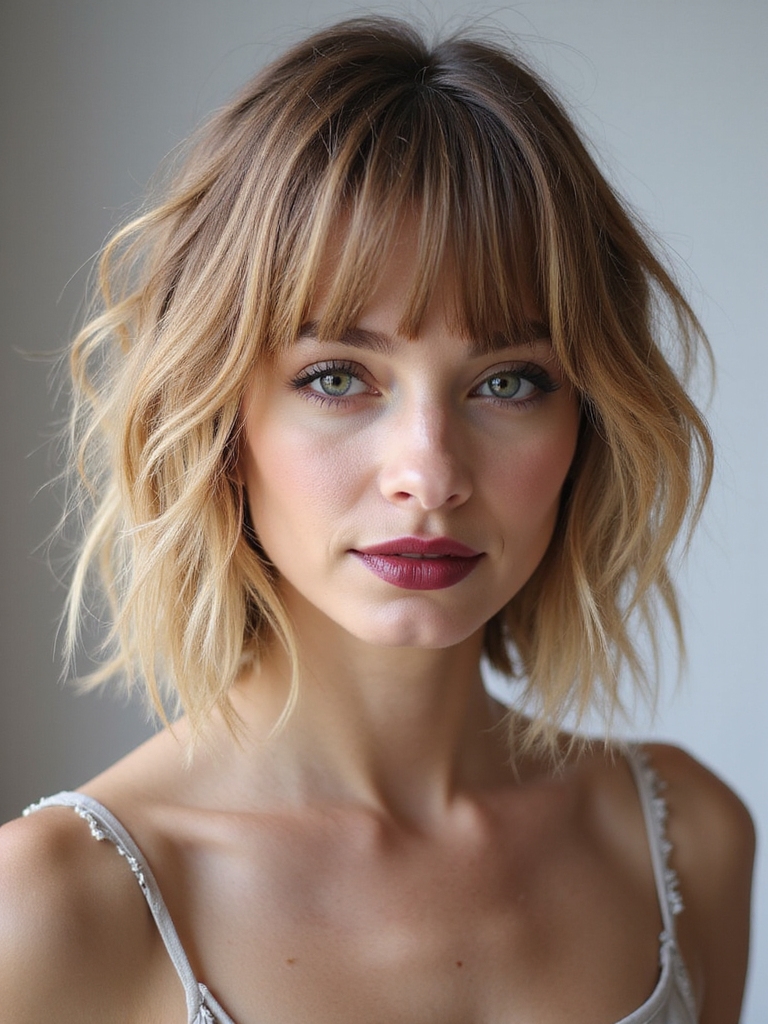
Bangs personalize a short shag more than almost any other single choice, and the cut’s own choppy layers blend a fringe in without a hard seam. Soft curtain bangs keep the look easy to live with, piecey bangs add more edge, and a wispy fringe softens the whole crop.
- Curtain bangs for an easy, grown-out feel; piecey bangs for more edge
- The shag’s texture blends the fringe right into the rest of the layers
- The short shag with bangs page covers more fringe pairings
Styling a Short Shag

What sets a short shag apart is how little daily styling it needs. The choppy layers carry most of the shape on their own, so most mornings ask for nothing beyond a scrunch of texture spray and a quick tousle with the fingers.
Two Directions to Take It
For more polish, rough-drying the crown for lift and twisting a little paste through the ends brings it up a notch. For maximum texture, a salt spray scrunched in and left to air-dry pushes it the other direction.
The one rule that holds across every version: a heavy hand flattens exactly the movement the cut is built around, so less product almost always looks better than more.
Building Short Shag Volume

For anyone chasing more lift, a short shag is built to deliver it without much extra effort. The choppy crown layers create height on their own, and a handful of simple habits push that further, useful for hair that tends to go flat by afternoon.
- Clip the crown sections up and blast them from underneath before touching the rest
- A root-lifting foam holds height better than a heavy cream
- Diffusing or rough-drying builds lift; a flat-iron or smoothing brush erases it
Color on a Short Shag
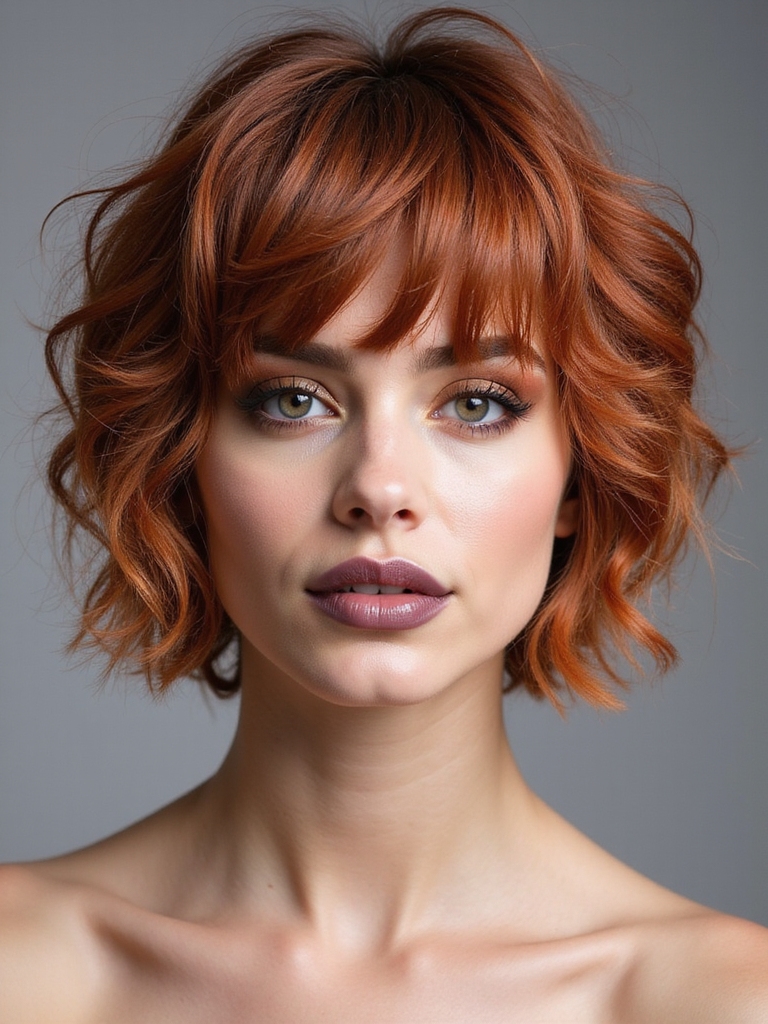
Color and a short shag amplify each other. The choppy layers catch light and shadow in a way that makes even a fairly subtle shade read with real dimension, and balayage or money-pieces play directly into that texture.
On a cut this short, color is also cheaper to apply and refresh than on longer length, which makes a short shag a fairly low-risk canvas for trying something bolder.
Color Timing
Booking a fresh color the same day as the cut usually works better in that order, color first, so the stylist can shape the choppy layers around exactly where the finished color sits. Cutting first and coloring weeks later is fine too, just expect the stylist to touch up a few pieces once the color settles in.
Talking to Your Stylist

The difference between a great short shag and a disappointing one almost always comes down to the consultation. Most stylists have seen this go wrong the same way: a client says “shag” and a stylist hears “long layers,” and the words alone were never going to close that gap.
What to Actually Say
Bringing photos that clearly show choppy, piecey layers helps, along with naming the technique directly: point-cutting, choppy layering, face-framing. Saying plainly that texture matters more than a smooth finish heads off the most common miscommunication.
It’s also worth being upfront about the actual daily routine; a cut meant to air-dry needs to be shaped differently than one meant to be blow-dried every day.
Short Shag Products
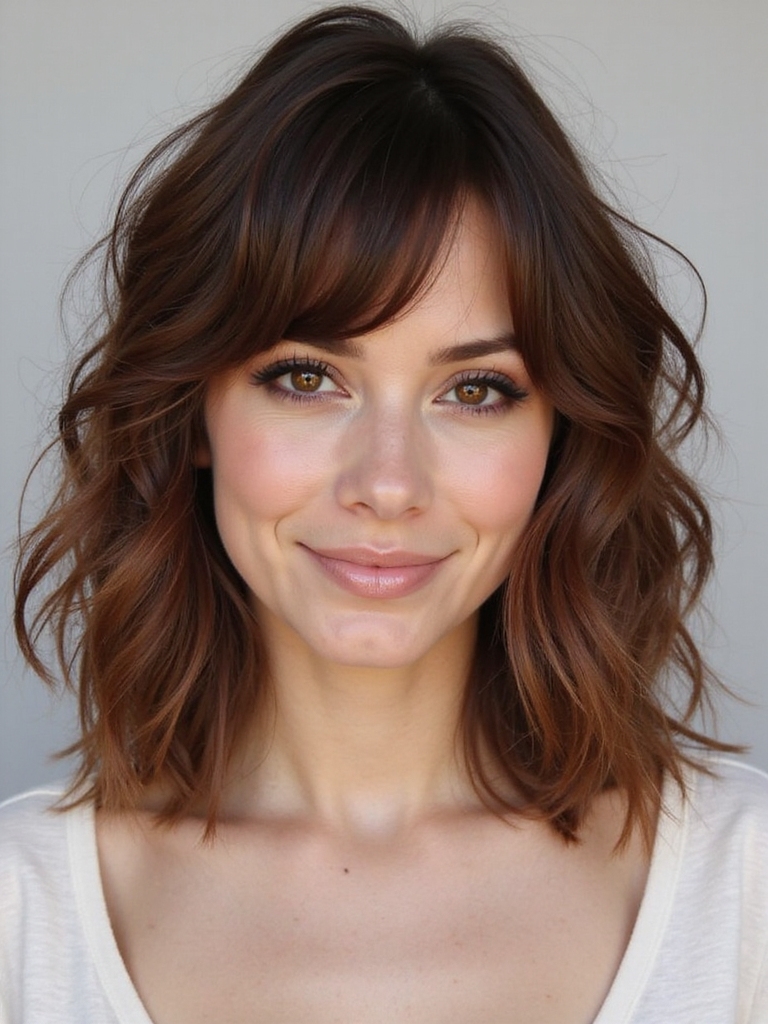
A short shag needs surprisingly little in the way of product, but a small, well-chosen kit keeps it looking its best. The goal throughout is touchable, piecey texture, so light and flexible formulas do more good here than anything heavy or greasy.
- A texture or sea-salt spray for grip and movement
- A matte paste to define and separate the ends
- A light dry shampoo to refresh the crown between washes
Matching the product to the moment:
🎯Just washed, hair still damp?
A texture spray scrunched through before air-drying builds the shape from the start.
🎯Second-day hair that needs a refresh?
A little dry shampoo at the roots plus a small amount of paste through the ends wakes it back up.
Air-Drying a Short Shag

A short shag is built to air-dry, and that’s a large part of its appeal. The choppy layers settle into a piecey, textured shape without any heat at all, so on most days the routine is wash, add product, and leave.
Wash, Product, Done
It’s the lowest-effort, lowest-damage way to wear the cut day to day, which matters most on the mornings there simply isn’t time for anything more.
Applying a texture spray to damp hair, scrunching it in, and leaving the hair alone while it dries gives the most defined result; the more it gets touched mid-dry, the less crisp the texture ends up.
Growing Out a Short Shag
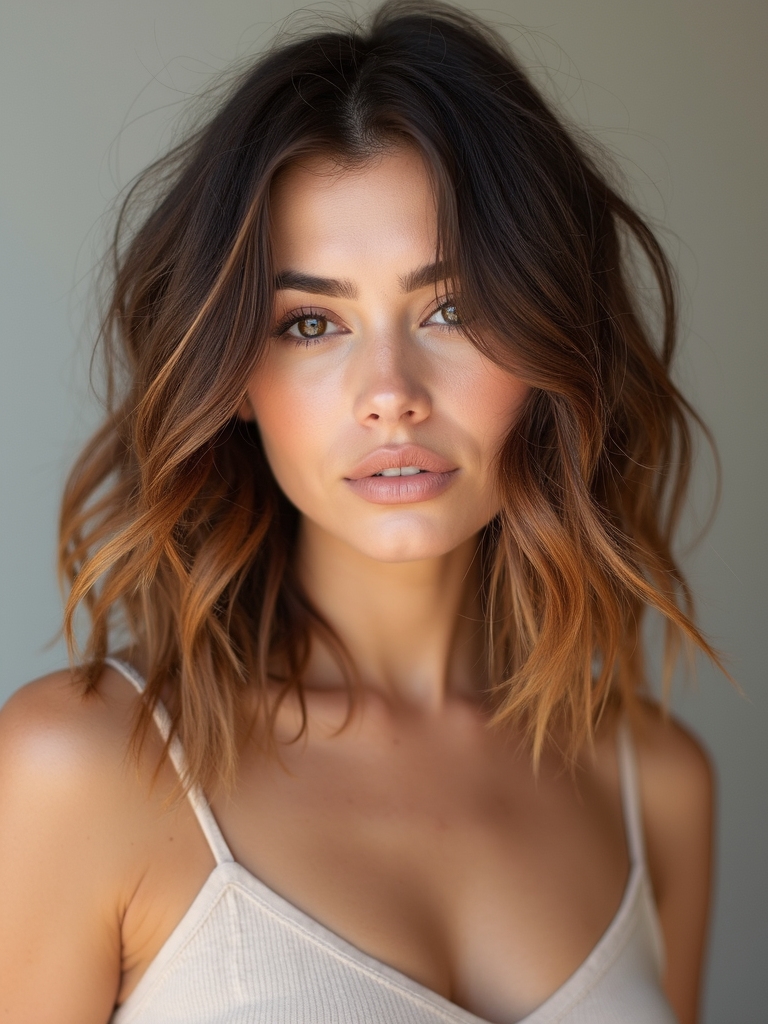
Few short cuts grow out as gracefully as a shag. Because the shape is already layered and disconnected, it lengthens into longer shaggy layers without much of an awkward, shapeless stage.
Through the in-between weeks, asking a stylist to refresh the face-framing pieces and keep the rest piecey keeps the shape looking deliberate the entire way, avoiding the one dense mass it would otherwise grow into.
Short Shag for Thick Hair
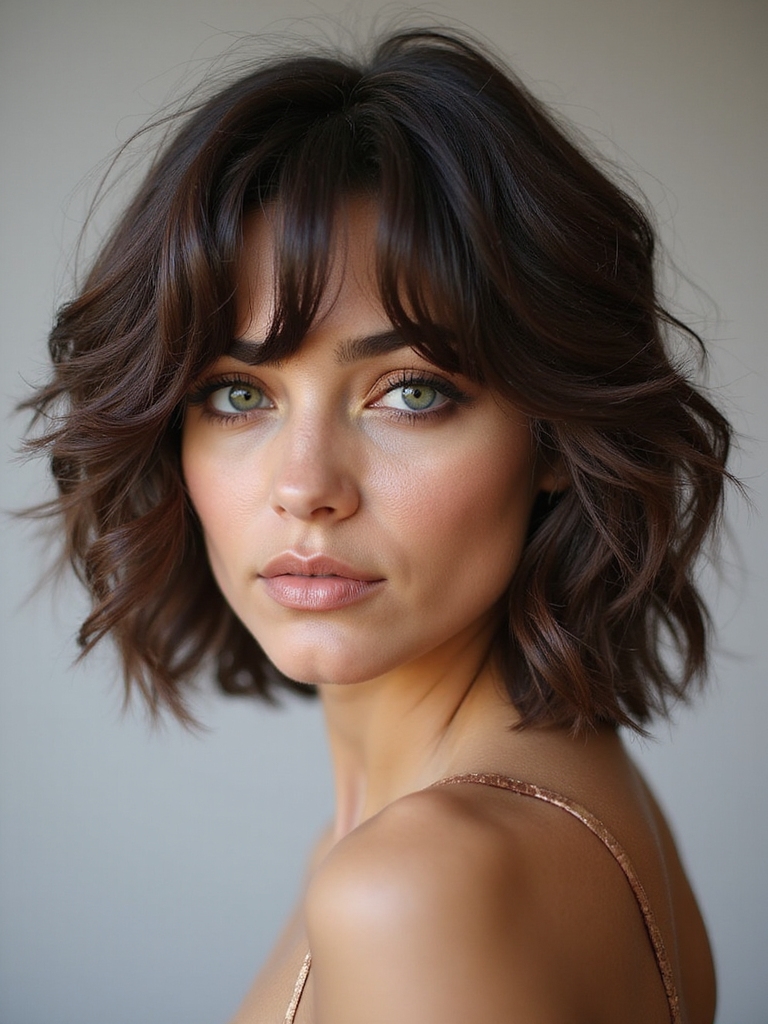
Thick hair makes a standout short shag once it’s layered to remove the actual bulk, not just shortened at the ends. Heavy interior layering lets the hair move and breathe, with the dense weight gone from underneath.
Done well, it turns hair that used to feel unmanageable into something light and full of movement, without changing the actual density growing in. It’s one of the more satisfying transformations to watch happen in the chair, since the change shows up the moment the extra weight comes out.
The specific request worth making at the consultation is internal thinning, aimed at the weight sitting underneath the surface, rather than a general trim that only shortens the top layer.
“Thick, dense hair usually needs a longer appointment than the standard cut slot, since the internal thinning takes real time to do evenly. Booking the first visit as a full haircut rather than a quick trim avoids a rushed, uneven result.”
The Statement Short Shag

For anyone after maximum impact, a statement short shag turns every element up at once: bold choppy layers, a daring fringe, and sometimes a vivid, high-contrast color.
The hair ends up doing a lot of the talking in a room, and it tends to photograph unusually well because of how much texture and contrast is built into the shape itself.
Pairing the choppy cut with a strong color choice or a micro fringe pushes it as far as it goes. The shaggy haircuts guide has softer takes on the same idea for anyone not ready to go this bold.
Styling Tips
Across every version here, two habits matter more than any single product: let the cut air-dry whenever the schedule allows, since heat styling flattens exactly the texture that makes it work, and stick to the trim schedule so a shag stays a shag instead of softening into an ordinary layered cut.
Budget close to $70 for the cut itself at a stylist comfortable with heavy layering, and expect a reshape close to every nine weeks to keep the choppy edges from softening into something blander.
Where This Cut Is Headed
A short shag keeps resurfacing because it solves a specific problem: real texture and personality without much daily upkeep behind it. The layering does the styling work, the cut grows out without an awkward stage, and it adapts across nearly every hair type once it’s cut to fit.
The main variable left is the consultation: bringing clear photos, naming the technique, and being honest about the routine that’s actually realistic day to day.
Don’t Miss These