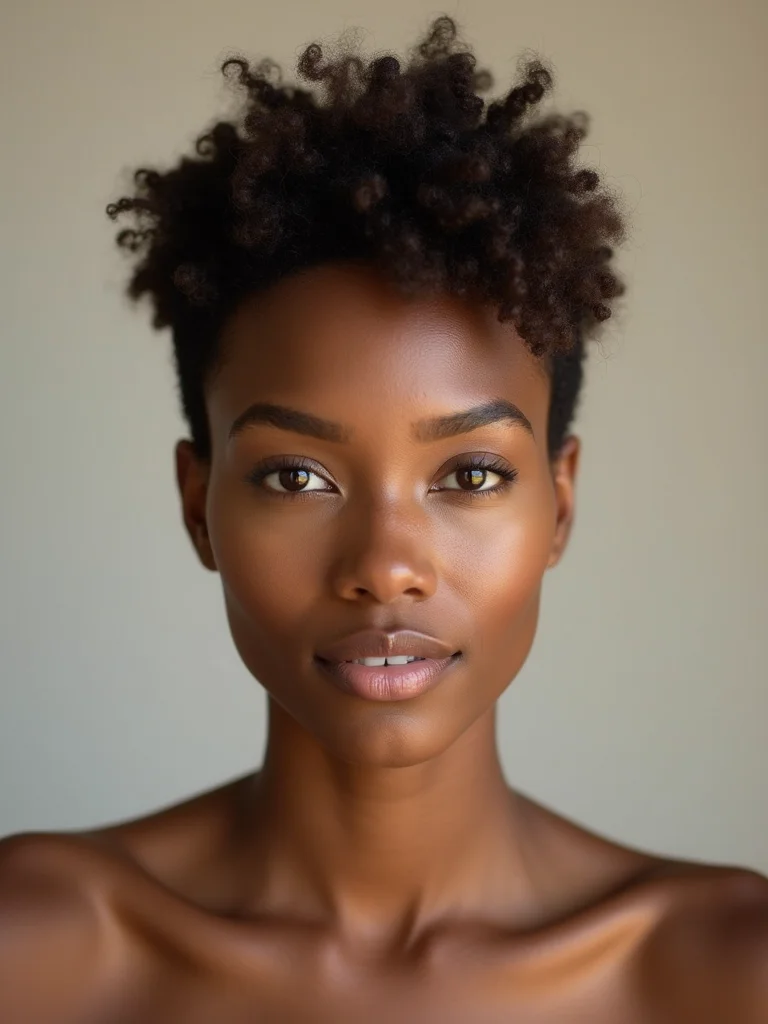
Medium shag hairstyles have outlasted nearly every other haircut trend since the seventies, and that is not an exaggeration. The cut walked out of rock clubs decades ago, survived every trend cycle since, and still lands on stylists’ appointment books most weeks. Forty-plus years is a long time for any cut to stay cool, and the medium shag has done it without trying very hard.
What keeps it timeless is built into the shape: soft, moving layers that flatter almost everyone and always look easy. The looks below are the versions that have earned their staying power, from the feathered classic to the curly shag to the polished blowout. For each one you will find who it flatters, the way to style it, and the upkeep it asks for.
The Shape, Simplified
The texture is cut directly into the layers, which is why the shag suits nearly every face shape and comes across cool without much daily effort. The mood shifts from soft and romantic to choppy and bold, while the underlying shape barely changes.
Upkeep is modest for a cut this versatile: a reshape every seven to eight weeks, roughly $50 to $90, keeps the layers honest. Matching the version to texture and daily routine is what actually decides how it looks from one week to the next.
Soft Feathered Layers

The feathered shag is the version most other shag variations borrow their shape from. Soft layers taper to feathered ends, so the hair separates and moves on its own. Almost nobody walks away from this shape unflattered, since the soft feathering quietly adjusts to whatever face shape and hair texture it lands on. Few cuts can say that.
Its appeal comes from how little it asks. A finger-dry and a mist of texture spray take about five minutes, and the layers do the rest. It is the cut most often handed to women who want something current that they will still love in two years.
It suits nearly every face and texture, which makes it the easiest starting point on this whole list. Thick hair may need a little internal thinning so the feathering does not pile up at the ends.

A Frizz-Friendly Curly Shag

Curls and coils take to the shag naturally, because the layers give each curl room to stack and bounce. The one rule that matters: it must be shaped dry, coil by coil, so the layers fall right once the curls spring up. What keeps it looking its best:
- Book a stylist who dry-cuts textured hair; a wet cut on curls lands shorter and squarer than planned.
- Work a curl cream into wet coils, scrunch upward, and let everything set as it dries.
- See the curly shag for the full cut-and-care routine.
📋Is the medium shag right for you?
- ✓You want movement and flattering layers without a long daily routine.
- ✓You can get back for a reshape every seven to eight weeks.
- ✓You want one cut you can wear undone, waved, or polished.
Wispy Curtain Bangs

Curtain bangs keep circling back into fashion every few years, and paired with a shag, they open the face and blend straight into the front layers with no hard line to manage. Why they work so well here:
- They flatter most faces and grow out softly, so trying them is low-risk.
- A quick round-brush sweep back and away is the whole styling step.
- They pair with every version here, from soft and wavy to choppy and bold.
A Wavy Shag With Curtain Layers
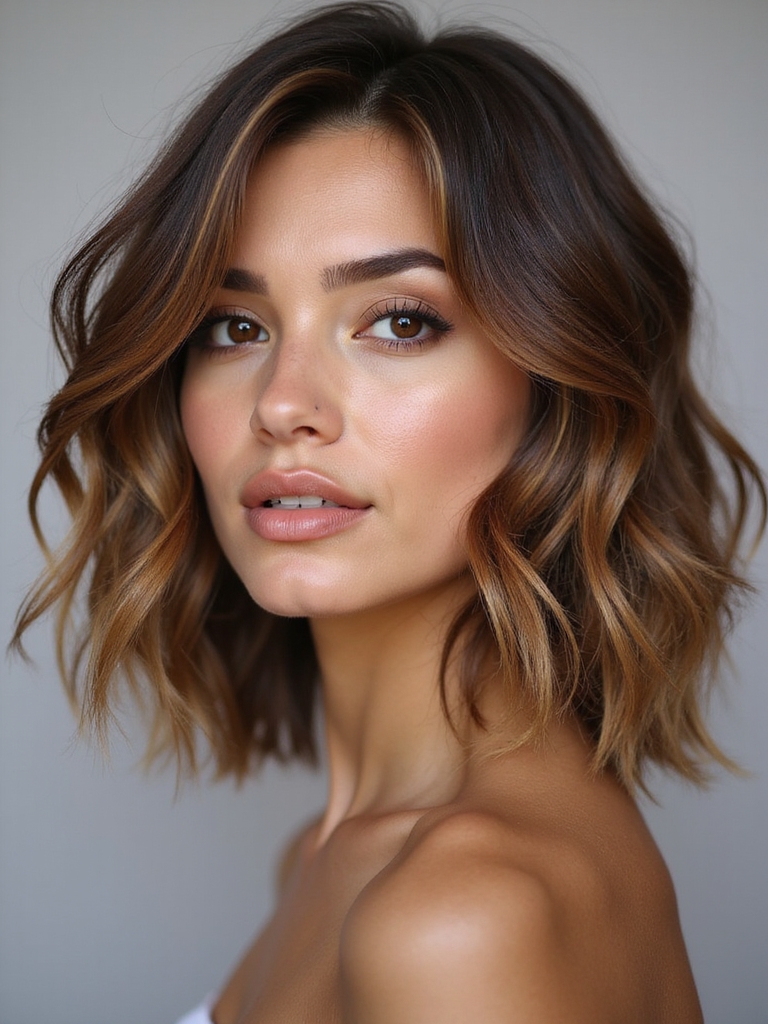
A soft wave through the shag, with face-framing pieces around the front, is the everyday version most people land on and stay with for years. The waves add gentle movement while the framing sweeps along the cheeks to soften the face.
The Everyday Default
It sits in the sweet spot between polished and undone, and that balance is what makes it the version most people settle into and keep for years. Build the wave with a wand, alternating directions so it stays loose, or braid damp hair overnight for a heatless version.
It flatters round and heart-shaped faces especially well. The wavy shag gallery shows how the same idea works shorter and longer.
Which timeless shag is yours? Match it to what you want most:
1I want soft and flattering
Go for the feathered classic or a wavy shag with curtain layers.
2I want bold and edgy
Try choppy micro bangs or the jagged seventies fringe, and accept the trims.
3I want easy and forgiving
Pick the air-dried shag or a curtain-bang version that grows out softly.
Choppy Shag, Micro Bangs
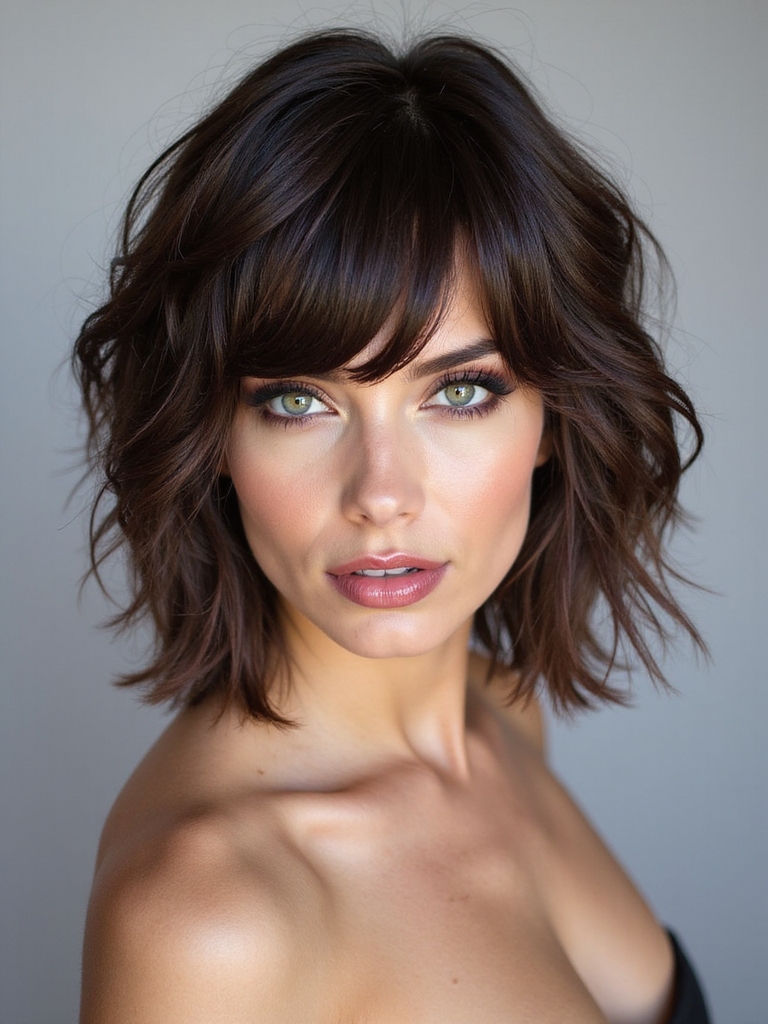
For the bold, choppy layers with high, wispy micro bangs are the edgiest classic in the shag family. The piecey ends and short fringe nod straight back to the cut’s rock-and-roll roots, and they still read fearless now.
The High-Commitment Pick
This is the high-commitment version, so go in clear-eyed. Micro bangs grow into your eyeline fast and need a trim roughly every two weeks to stay short, and the choppy ends want a matte paste to separate them.
It suits confident faces and straight-to-wavy hair best. If you love the energy but not the upkeep, a longer wispy fringe gives a softer take on the same idea.
Tapered Bangs, Layered Sides

Bottleneck bangs, fuller through the center and tapering to longer pieces at the sides, are the fringe to book if curtain bangs feel too open. They frame the eyes while blending into the layered sides of the shag, giving you the softness of a fringe and the structure of a real shape at the same time. Worth knowing:
- They flatter longer faces especially, since the fuller center adds width.
- Dry them down and slightly under with a round brush to keep the center full.
- They need shaping every few weeks, a touch more upkeep than curtain bangs.
ℹ️Worth Knowing
A shag and a standard layered cut start from the same basic idea, but the shag pushes the layering harder at the crown and through the ends. That extra layering is what gives it the piecey, undone texture a softer layered cut simply doesn’t have.
Cheekbone-Grazing Feathered Layers
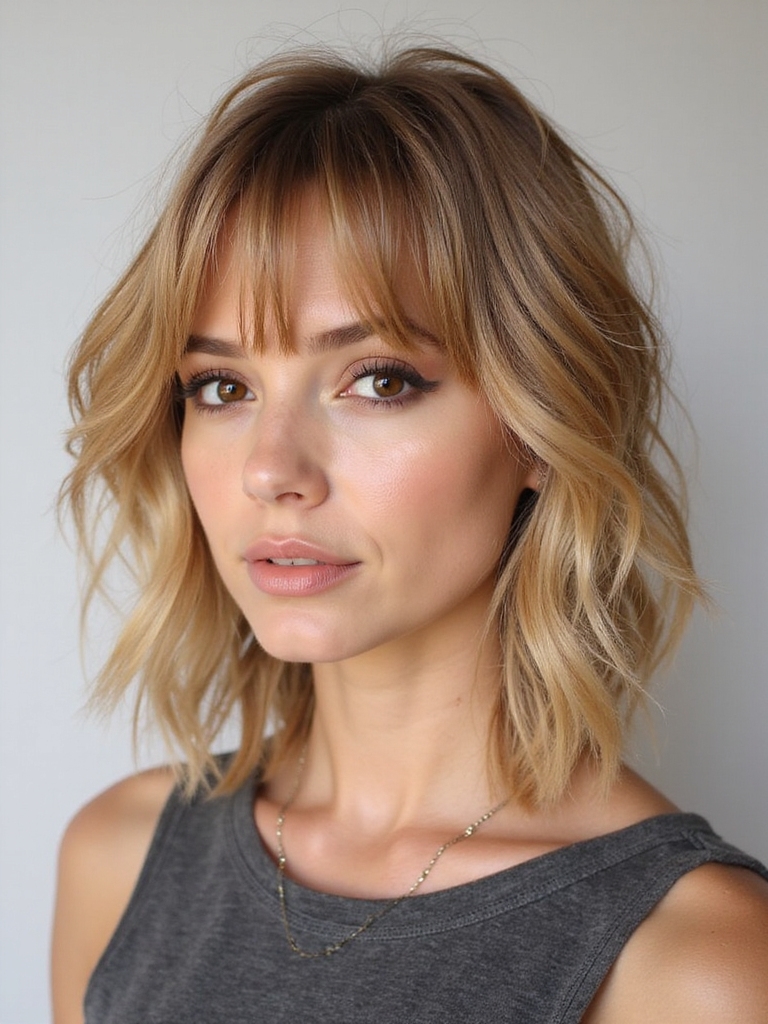
Cheekbone-grazing feathered layers are a gift to fine hair, because the soft framing fakes the look of more strands and movement. The feathering catches the light and adds the body fine hair rarely manages on its own.
Fine-haired clients tell me, almost word for word, that their hair suddenly looks like there is twice as much of it. Keep the layers soft and the perimeter close to blunt so the ends stay dense, and lift the roots with a vent brush and a light mousse.
Keep products light, since heavy creams flatten fine hair within hours. For a shorter take on the same fullness, see the shaggy bob for fine hair.
A Voluminous Layered Shag

On thick hair, a layered shag is the most direct answer to weight, because internal layering takes out the bulk so the hair finally moves. The same dense hair starts to swing and breathe. There is a particular lightness clients notice the second they shake it out. Here is how to ask for it:
- Request internal thinning that keeps the surface full and healthy-looking.
- Avoid heavy over-layering, which can make thick hair puff up at the crown.
- A reshape every six or seven weeks keeps the bulk from creeping back.
“Soft, blended layers over heavy disconnection wear longer between trims and grow out with less of a hard edge to manage. Heavy disconnection reads bold the day it’s cut but shows its growth lines faster.”
Razor-Textured Layers
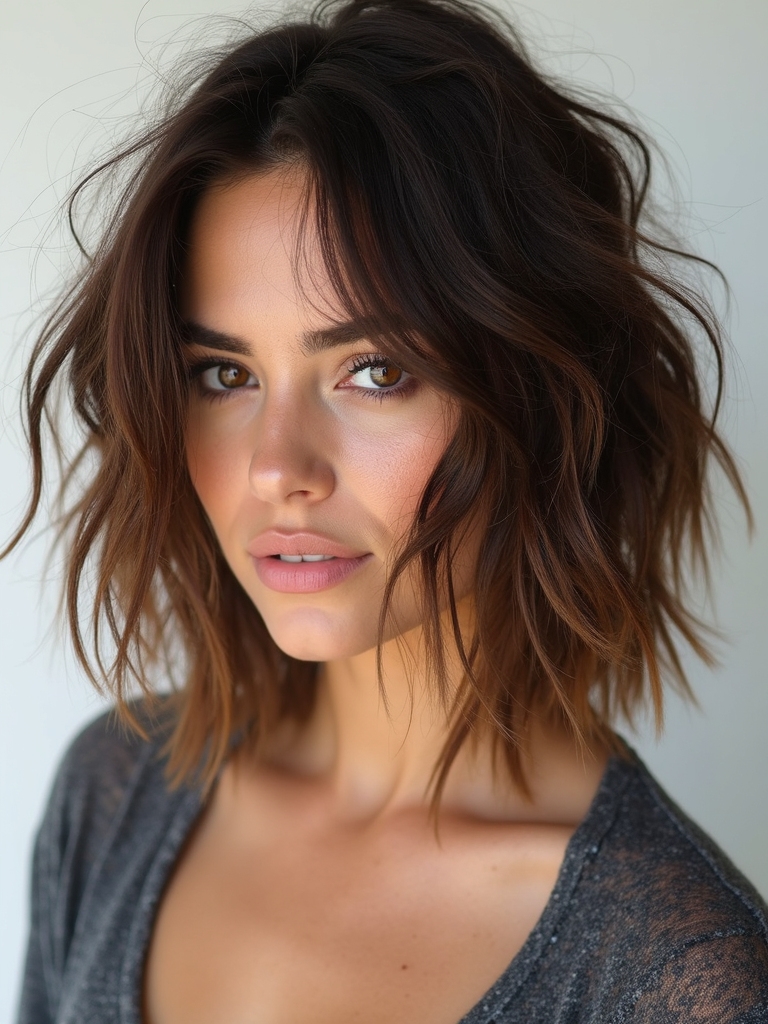
Razored layers give the shag its airiest, most weightless movement, with ends that taper and float. The technique has been part of the shag since the start, and it still delivers that soft, undone texture nothing else quite matches.
It comes with one honest condition I always raise first. Here is what to weigh:
- Razoring suits healthy, medium-density hair; it can fray fine or fragile ends.
- If your ends are dry or damaged, ask for point-cutting instead.
- Style with a light mist and a finger-tousle, and skip the flat iron to protect the ends.
A Razor-Cut Shag

Take the razor a step further and you get a shag with shattered, piecey ends and serious built-in texture. The ends are broken up into separated pieces, so the cut looks cool and a little undone even on a no-effort day.
It photographs beautifully. It is a clear step up in drama from the soft feathered version, with far more visible movement. The shattered ends love a rough dry and a little matte paste to pull the pieces apart.
It suits flat or fine hair that wants visible texture, on healthy strands. Keep the trims regular, around every six weeks, so the shattered ends stay sharp and deliberate. Skip them too long and the pieces just look frayed.
Jagged, Choppy Fringe

Here is the version that wears the shag’s history on its sleeve: a jagged, choppy fringe over heavily layered lengths, straight out of the seventies rock playbook. It is the original cool. And it still turns heads, decades after the first rock stars wore it on stage and made every other cut in the room look tame by comparison.
The jagged fringe is point-cut for a broken, piecey edge, and the layers are kept heavy and disconnected for attitude. Style it rough and undone, with paste through the ends. The 70s shag traces where this whole look began.
It suits the bold, and straight-to-wavy hair carries the jagged edge best. Expect a trim closer to every five or six weeks to keep the disconnection crisp.
An Air-Dried Shag

The air-dried shag earns its spot for a practical reason: it has always been the cut you can wash, scrunch, and forget. Soft, blended layers fall into shape on their own with zero heat. It is the version that fits an actually busy schedule. The routine:
- Scrunch a lightweight cream through damp hair and walk away.
- Let it dry untouched so the layers find their own pattern.
- On day two, shake the roots out with your fingers and add a quick spritz of dry texture spray.
A Polished Shag Blowout

The polished blowout proves the shag works for dressed-up days too, holding up just as well for a wedding as it does undone on a Tuesday. A round brush plus a drop of serum smooths the layers into a sleek finish with volume built in at the roots.
Blow-dry section by section, rolling the ends under for bounce, and finish with a lightweight serum so it stays light. Because the cut is layered, even this smooth, blown-out version holds its body instead of collapsing into a flat sheet.
It suits any face and is the version to choose when the shag needs to look dressed up. This is the look clients book for weddings and big nights out. It is the same cut worn undone all week, just styled for the evening.
Dimensional Ribboned Layers

Color is the finishing move that changes the whole mood, and ribboned highlights and lowlights make the shag’s layers look richer by catching the light as they move. Woven through the cut, lighter and darker pieces add a depth flat color cannot.
Color That Lasts
Ribboning, sometimes called dimensional balayage, grows out softly, so the upkeep stays low. A refresh every three to four months keeps it clean, and a dimensional service runs roughly $130 to $260 depending on length.
To show the color off, let a wave or a smooth finish move the light through it. A glossing treatment every few weeks keeps the tone fresh between salon visits.
Growing a Bob Into a Shag
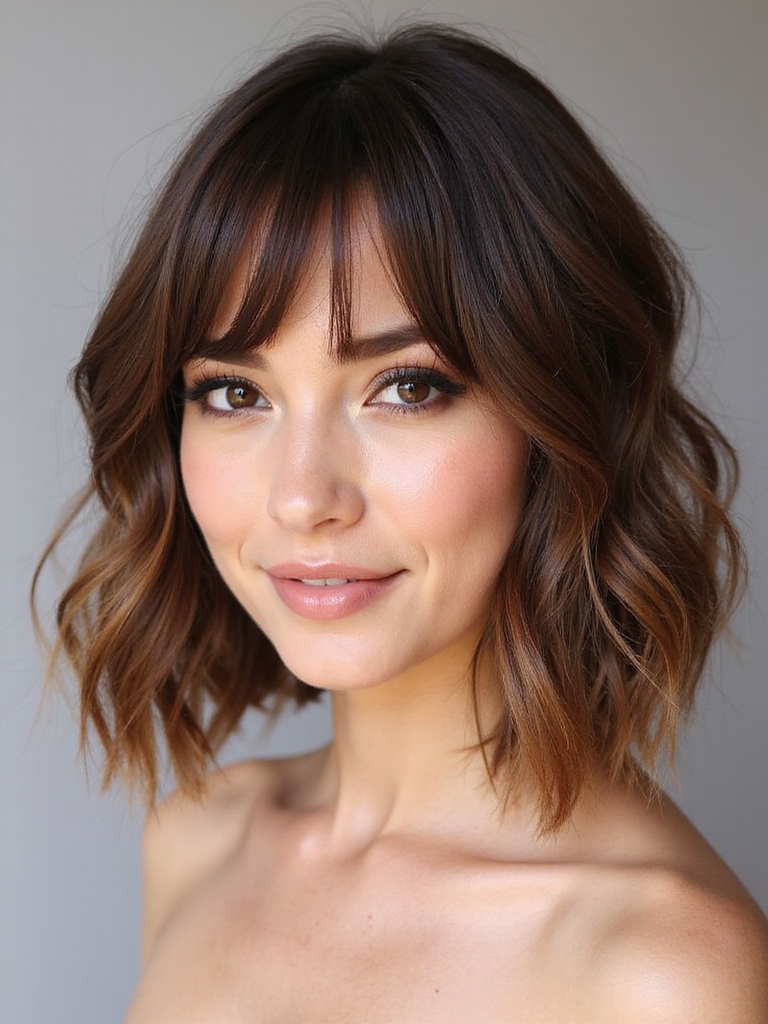
A bob grows into a shag more kindly than into almost any other cut, which makes the awkward grow-out phase almost painless. As a bob lengthens, soft layers carved through it gradually turn the blunt, one-length shape into the moving, feathered texture of a shag, so the grow-out looks like an intentional style at every stage.
Ask your stylist to add face-framing and internal layers as you grow, so the bob never sits as a heavy, shapeless block. Dusting trims roughly every nine weeks keep the ends clean while you transition.
This is the route I steer a lot of clients through when they are bored of a bob but not ready for big length. The shaggy lob is a natural midpoint on the way.
Protect, Moisturize, and Trim

A shag stays cool only if the hair underneath stays healthy, since the texture relies on ends that are not fried or frayed. A little routine care keeps the layers moving the way they should. Three habits matter most:
- Protect with a heat shield before any hot tool, and keep the iron off razored ends.
- Moisturize everything below the roots with a light leave-in, especially on curly and color-treated hair.
- Trim on schedule, since clean ends are what keep the shape reading sharp.
What to Expect
Booking a shag for the first time, expect a real consultation, not just a quick trim. A good stylist will ask about your texture, your face shape, and how much time you actually give your hair, then shape the layers around your answers. The cut itself is fast once the plan is set, and you will leave with hair that moves on its own.
Expect the upkeep to be modest but real. Most versions want a reshape every seven to eight weeks, while choppy, micro-bang, and disconnected styles need it sooner. Between visits, the cut asks for very little: a texture spray, a light cream, and a wash every couple of days to protect the grit that makes it fall into place.
Medium Shag Hairstyles, Answered
?Is the medium shag still in style?
Yes, and it has been for over fifty years. The soft, layered modern version is in especially high demand right now, because it flatters most faces and adds movement with little effort, whether it’s worn wavy or blown out smooth.
?Which medium shag is the most low-maintenance?
The soft feathered and air-dried versions. They are cut to fall into shape on their own, so a scrunch of product and no heat is the whole routine, with a reshape every seven to eight weeks.
?Does a medium shag suit fine or thick hair?
Both. Soft layers fake fullness on fine hair, while internal thinning removes weight from thick hair so it moves. The layering gets customized to your texture, so tell your stylist exactly what you’re working with before the first cut.
?How do I keep a shag from looking dated?
Ask for soft, blended layers over harsh disconnection, keep the ends healthy with a heat shield and light moisture, and trim on schedule. Soft layering is what keeps the cut looking current instead of dated, no matter which version you choose.
Cool That Outlasts the Trend Cycle
The medium shag has stayed cool for half a century for one simple reason: it flatters real people and moves on its own, so it holds up whatever the trend of the moment happens to be. Soft and feathered, curly and defined, jagged and bold, or polished for the evening, the same shape keeps reinventing itself while staying recognizably a shag.
If you have been waiting for a sign to book it, this is it. Pick the version that matches your texture and your routine, save an example of the layering you love, and ask your stylist to build it around you. It is a cut that pays off long after you leave the chair, and one you will still reach for years from now.
More to Explore