Here’s the thing no one tells you about the shaggy bob: the magic is entirely in the cutting, not the styling. Two stylists can hear the same request and hand you wildly different haircuts, because this style is all technique.
So this is a guide to the shaggy bob haircut itself, the actual cutting choices behind each version, from razor work to dry-cutting curls. Understand the techniques behind the chair and you’ll know exactly what to ask for, and why the cut you got last time fell flat.
What Makes the Cut Work
- The shaggy bob is defined by heavy internal layering, not its outline, which is why technique matters more than length.
- How the layers are cut, razor versus scissor, wet versus dry, point-cut versus blunt, changes the whole result.
- Curly and coily hair must be cut dry so the stylist can see each curl’s true fall and shrinkage.
- The right elevation and where the shortest layer starts decide whether you get volume or a triangle.
- Tell your stylist texturizing, not thinning, and name your layers in real terms; vague requests are how shags go wrong.
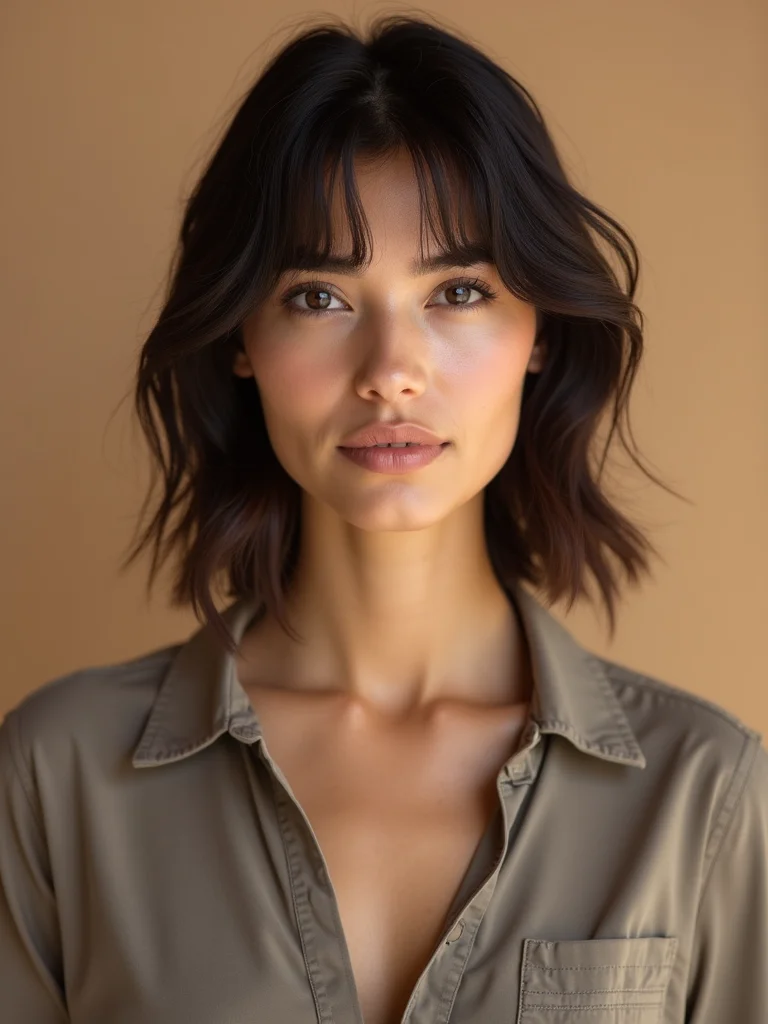
The Airy Tousled French Shag Bob

The French shag is cut to look undone but it’s actually precise work. The stylist keeps a soft, slightly stronger baseline at the perimeter, then cuts the internal layers at low elevation so they stay long and connected, finishing with a wispy fringe on top. Here’s what’s happening with the scissors:
- Point-cutting the ends, snipping into them vertically, so they break up and never look blunt.
- Keeping the layers soft and connected, never heavily disconnected, is what makes it read chic and wearable.
- A light fringe cut last, by eye, so it falls into the face-framing pieces naturally.
The Cheekbone-Length Curtain-Bang Shag Bob

When a client asks me for that soft, parted look, this is what I cut: a shag built around the fringe, with the bangs and the shortest face-framing layers cut as one continuous shape. The cutting sequence is what makes the curtain blend smoothly:
- The stylist parts the fringe section in a triangle from the crown, so the bangs connect to the layers behind them.
- They cut the center shortest and angle longer toward the cheekbones, creating the open, swept curtain shape.
- Everything is point-cut and softened so the fringe melts into the bob with no hard line dividing them.
Which cutting approach fits your hair? Start here:
🎯Healthy, medium to thick hair
A razor cut gives the softest, most feathered ends; just make sure your stylist has real, demonstrated skill with the blade.
🎯Curly or coily hair
A dry cut, worked curl by curl, so the shape accounts for spring and shrinkage and skips the triangle.
🎯Fine or fragile hair
Scissor point-cutting, not a razor, to keep weight at the ends and avoid fraying delicate hair.
The Razor-Cut Feathered Shag Bob

When you see a shag with impossibly soft, feathered, weightless ends, a razor did that, not scissors. The blade cuts each strand on an angle, tapering it to a fine point, which is why razored ends move and feather the way scissor-cut ends can’t.
The trade-off is real, and it’s why I’m picky about who gets a razor cut. The technique removes weight and thins the ends as it shapes, so it shines on healthy, medium to thick hair but can fray and frizz fragile or very fine ends.
It also demands genuine skill. A razor in unpracticed hands tears the hair and leaves it ragged, so this is the cut I’d never gamble on at a brand-new chair. Ask to see a stylist’s razor work before you commit.
The Dry-Cut Curly Shag Bob

For curly and coily hair, the single most important cutting rule is that it must be done dry, curl by curl, and any stylist who reaches for the water spray first is the wrong stylist for your texture. Here’s why dry-cutting is non-negotiable on curls:
- Wet curls stretch out straight, so a cut that looks right wet springs up far too short once it dries and shrinks.
- Cutting dry lets the stylist see exactly how each curl falls and place the layers to remove the triangle, flat-on-top and wide-at-the-bottom shape.
- It also protects your length; with shrinkage visible, no one accidentally takes off four inches that become six. This is the cut that lets a curly head finally wear a bob with shape.
Most people who say a haircut ‘didn’t work on them’ actually got the wrong cut, not the wrong hair. Nine times out of ten the shape was right but the technique was lazy, and texture got blamed for it.
The Choppy Wolf Bob With a Fringe

The wolf bob is the most aggressively layered cut on this list, a true hybrid that crops the heavy, disconnected layering of a wolf-style shag down to bob length. The technique is all about disconnection and high elevation.
Why the Disconnection Matters
To build it, the stylist lifts the crown sections nearly straight up and cuts them short, deliberately leaving a big jump in length between the short top and the longer perimeter. That disconnection is what creates the dramatic crown volume the cut is known for.
It’s a bold, technical cut, and it needs hair with some natural body to hold the shape; the heavy internal removal can look limp on very fine, straight hair that can’t support the volume.
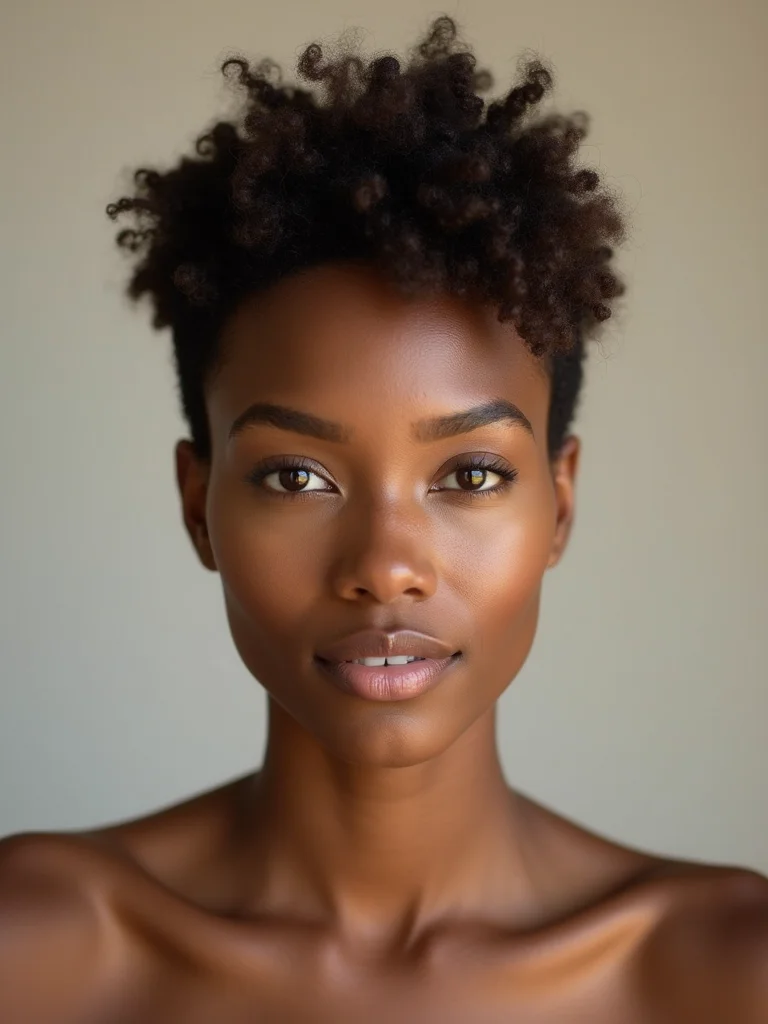
The Chin-Skimming Micro Shag Bob

The micro shag takes everything short, a chin-skimming length with heavy texture packed into a small canvas. With so little length to work with, the cutting has to be exact, because every layer shows.
Precision in a Small Space
The stylist works in fine sections, point-cutting deep into the ends to pack in maximum texture and separation across a short shape. There’s no length to hide a mistake, which is what makes this the most precise cut here.
I only put this in the hands of clients who truly want it, because it’s a confident, high-fashion look that puts your whole face on display, and because it’s so short it grows out fast, so plan on a reshape sooner than any other version on this list.
The cutting terms worth knowing before you sit down:
📖Elevation
How high the stylist lifts a section before cutting. Higher elevation makes shorter, more graduated layers and more volume; low elevation keeps weight and length.
📖Graduation
A stacked build-up of layers, usually at the back, that adds height. A little graduation gives a shag bob lift without a hard, blunt line.
📖Weight line
The horizontal band where the most hair mass gathers once layers are cut. Move it higher and the cut reads full and rounded; leave it low and the cut reads long and flat.
📖Texturizing vs thinning
Texturizing removes small amounts to add movement; thinning aggressively strips bulk. Say the word texturizing specifically when you sit down, especially on finer hair.
The Edgy Asymmetrical Shaggy Bob

Asymmetry is a deliberate cutting choice, one side cut clearly longer than the other to build a diagonal line into the shape. The shag texture softens what would otherwise be a sharp, graphic cut, so it reads edgy without looking severe.
The technical key is commitment to the difference: a stylist who only nudges one side a half-inch shorter gives you something that looks like an accident, while a confident inch or two of difference reads as design. The layering then follows the asymmetry, heavier and longer on the long side, lifted and shorter on the short side.
One practical note from the chair: tell your stylist which side you part on and which side faces the world in photos, because the longer side usually flatters most when it falls across your dominant side. Small detail, big difference in how balanced the finished cut looks on you.
The Face-Framing Swoopy Shaggy Lob

At collarbone length, the shaggy lob is the longest version here and the gentlest entry into the style, since the extra length keeps it from feeling like a big chop.
The swoopy, face-framing pieces are the signature, and they’re the part clients ask me for most often by showing a photo. They come from a specific cutting approach:
- The face-framing layers start high, around the cheekbone, and are cut at a long angle that lets them swoop dynamically along the jaw.
- The internal layers stay long and soft so the lob keeps weight and movement without going triangular.
- Point-cut ends throughout keep the longer length from hanging in a heavy, blunt line.
The Piecey Versatile Shaggy Bob

This is the one I cut more than any other in my chair, the everyday workhorse, the medium shaggy bob cut to be as low-effort and adaptable as possible. The whole point of the technique here is versatility, a cut that looks intentional whether you style it or not:
- Layers cut at an even, medium elevation throughout, so the texture is uniform and the cut works air-dried or with heat.
- Plenty of point-cut, piecey ends that fall into place naturally and never need precise styling.
- A length around the jaw to neck that you can tuck, half-up, or wear down without it ever looking unfinished.
The Wavy Shag Bob With Bangs

On naturally wavy hair, the shag bob with bangs is a near-perfect match, because the wave does half the texturizing for free.
The cutting works with that built-in movement, which is why I always check how someone’s hair dries before deciding where the layers and fringe land. The approach:
- Cut to account for the wave’s lift and bounce, often a touch longer since waves shrink up when dry.
- Soft, blended bangs cut to settle into the wave’s natural fall.
- Layers that follow the natural bend, enhancing the wave’s own movement.
Styling and Everyday Upkeep
Once the cut is right, living with a shaggy bob is easy in a way few other cuts manage, which is the whole appeal. The cut is designed to fall into place, so your daily job is light, but the salon side is where the real commitment sits.
Here’s the honest maintenance picture:
- Plan on a reshape around the seven-week mark on average, sooner for a short micro version, before the layers grow heavy and lose their movement.
- A daily minute of rough-drying or scrunching, plus a texture spray; most versions look best air-dried.
- A standard shaggy bob cut runs about $50 to $100, with a skilled razor or dry-curl cut at the higher end.
- Free bang trims between cuts at many salons if your version has a fringe; worth asking about.
It Was Always About the Cut
If your last shag bob disappointed you, odds are the cut, not your hair, was the problem. The difference between a shag that falls into place and one that just looks shapeless comes down to these choices: razor or scissor, wet or dry, where the layers start, how the ends are finished.
Now that you know what’s happening behind the chair, you can walk in and ask for the specific technique your hair needs, described in real terms. So which version, and which cut, is the one you’ll book?
Worth a Look