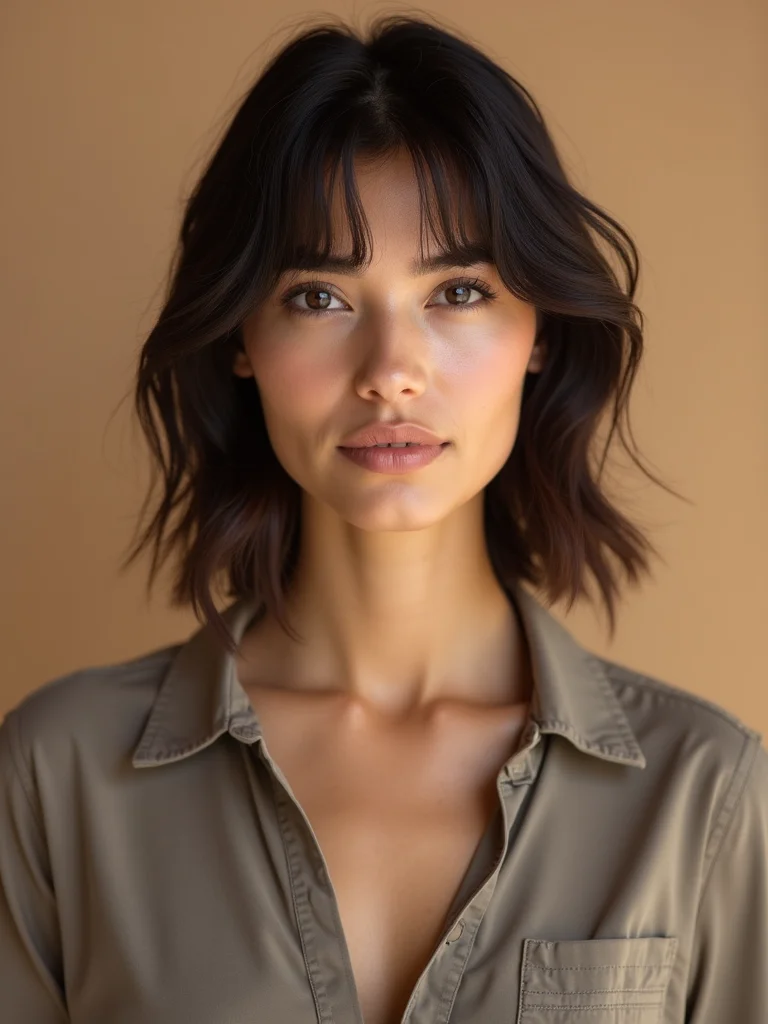
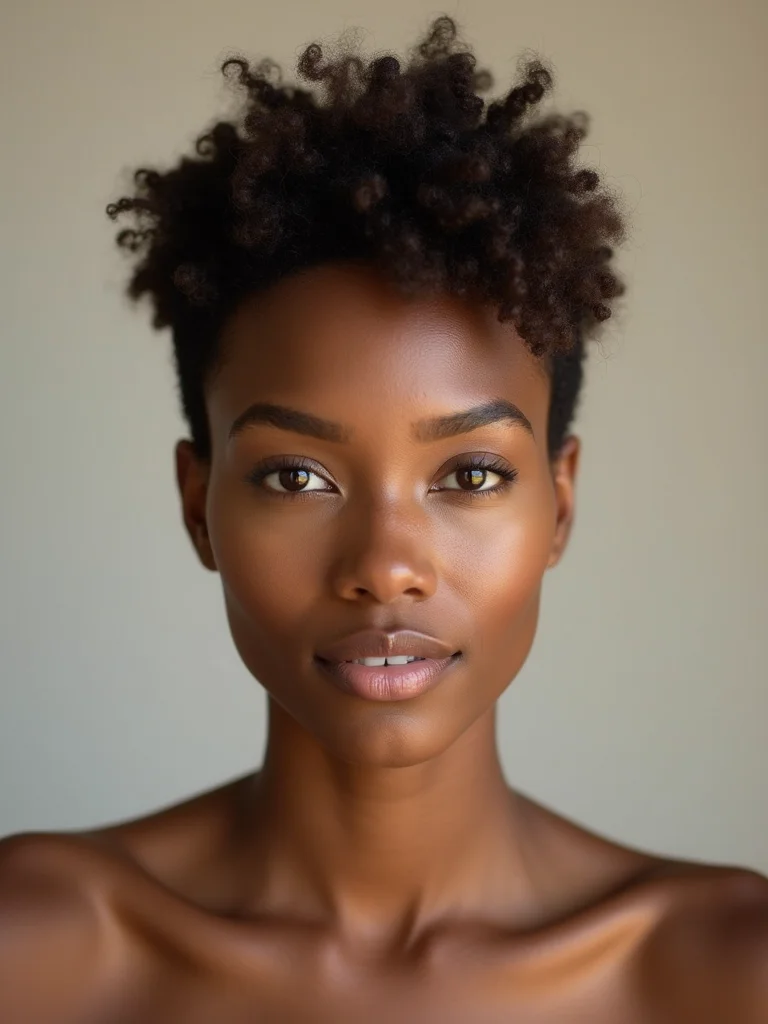
The wolf cut earns its hype for one real reason: heavy internal layering that moves on its own, the kind you don’t have to fight every morning. Cross a shag’s choppy texture with a mullet’s shorter crown and longer back, and the result looks intentional even on day three. The catch is that not every version suits every face or hair type, and a lot of the photos circulating online skip past that part entirely.
What follows breaks down the takes actually worth asking for, from a soft, shoulder-length version to the full mullet-adjacent extreme, plus how curl pattern, color, and volume change what you end up wearing.
Quick Facts Before You Book
- A wolf cut fuses a shag’s choppy layering with a mullet’s shorter, fuller crown.
- Most versions air-dry with a little product; heat styling stays optional.
- The internal layering creates most of the volume on its own, so fine hair benefits as much as thick hair.
- A reshape runs about the same as a standard trim, often around $55, since it’s ongoing upkeep on an existing shape.
The Softest Way to Wear a Wolf Cut

If the wolf cut sounds too loud for daily life, this is the version that argues otherwise. Keep the length around the shoulders and soften the layering, and the shape sits closer to a heavily textured shag than anything mullet-adjacent.
Who This Suits First
It’s the take I point most first-timers toward, since the shoulder length still gives you something to pull back on a rushed morning, which the shorter versions don’t offer. The layering stays soft enough that a ponytail still looks deliberate.
Where this version struggles is on hair that’s already fine and limp, since soft layering alone won’t manufacture volume that isn’t there to begin with. Ask specifically for the layers to start higher, closer to the crown, so the lift builds where it actually shows.

The Fringe Is What Gives It Attitude

A fringe is where this cut picks a side. Choppy, broken-up pieces that fall without a hard line tie the whole shape together and hand it an unbothered edge no plain layered shag quite manages. That edge is the whole difference.
- Point-cut or razored ends keep the fringe soft rather than blunt.
- A broken fringe grows out gracefully, blending into the layers framing your face.
- Trim it on roughly a monthly rhythm if you want it sitting exactly where it started.
Curly Hair Does Half the Work Already

Curl and coil patterns suit this cut naturally. All that cut-in volume channels what your hair is already producing into a real, deliberate shape. A wolf cut on curly hair looks less styled than almost any other version, because the curl pattern is doing real work. For a deeper look at cutting technique on curls specifically, the wolf cut for curly hair guide goes further into the details.
The non-negotiable here is cutting dry, once the curl has fully sprung back to its resting shape, since a stylist working on stretched, wet hair is really just guessing at where each layer lands once it dries and shrinks back.
Micro Bangs Push It to the Edge

Pair the cut with a blunt micro bang cropped high on the forehead and volume stops being subtle. It’s the most editorial way to wear a wolf cut. It isn’t for everyone.
Where this struggles is on narrower faces, since exposing the whole forehead adds visual length the cut doesn’t need there; a curved brow line softens the effect without losing the boldness.
- Growth shows fast here; plan on a trim close to every two weeks to hold the shape.
- Confidence is part of the styling; this is a look built to be noticed.
- Balanced or longer face shapes handle the exposed forehead best.
Long Layers That Still Frame the Face

The long version is built for anyone who loves their length but wants the flat, heavy feeling gone. It keeps inches through the back while building layered fullness through the crown and around the face, so from the front it reads as bold face-framing layers, and the fuller wolf shape only shows in profile. The long layered wolf cut guide expands on pairing this length with different layering intensities.
- Keeps enough length to still tie back, which the shorter takes give up entirely.
- Builds lift into hair that’s gone limp under its own weight.
- Grows out gradually into a slightly longer shag, sidestepping the awkward in-between stage most short cuts hit.
Crown-Heavy Lift for the Boldest Shape

At the short end, the wolf cut gets cropped close with maximum lift concentrated at the crown, and the shape gets choppier the shorter it goes. This is the loudest take on the whole spectrum.
It rewards confidence more than any other version here. There’s little length left to hide behind. If it doesn’t land the way you pictured, the whole shape shows it.
- Dries fastest of any version; a swipe of paste is usually the entire routine.
- Needs the most frequent shaping to keep from growing shaggy in the wrong way.
- Best on someone who actually wants the attention this shape draws.
Before You Commit
Do not judge a fresh short wolf cut on day one. The layers need a wash cycle to loosen and the volume to settle into its real shape; it almost always looks better on day three than it did leaving the chair.
Feathered Ends Decide How It Feels

However long the cut goes, the ends decide how it actually feels day to day. Feathering them into fine, airy points is what gives a wolf cut its weightless quality; a heavy, solid line does the opposite.
Razor Versus Scissors
A razor produces the softest feathering, though I reach for it only on healthy, medium-to-coarse hair; on fine or already-stressed strands it can fray the ends further.
Point-cutting with scissors gets a similar airy result without that added stress, so ask for it by name if your hair has been through any recent color or heat damage.
Wavy Hair Barely Has to Try

Wavy hair might be the easiest match of the bunch. The natural bend falls straight into the cut’s piecey, beachy body with minimal styling. It’s close to the lowest-effort version here. The wavy wolf cut guide has more on tailoring the layering specifically to wave pattern.
A salt or texture spray on damp hair, scrunched to encourage the bend, covers most mornings. Skip the round brush entirely; it smooths out the exact movement the cut is built around.
“I tell wavy clients to scrunch product into soaking-wet hair right out of the shower, since the extra water helps the wave clump together as it dries.”
Pushing It Toward a Mullet

Push the disconnect further and the wolf cut tips into mullet territory, with a fuller, shorter crown and a noticeably longer back. It’s the most exaggerated shape in the whole family, blurring the line between a wolf cut and a shaggy mullet.
Getting it right depends on one detail: the crown-to-length transition has to stay blended, which is what keeps the cut looking intentional as it grows. For an even shorter, punchier take on this same contrast, the short mullet wolf cut pushes it further still.
- The boldest silhouette of every version covered here.
- The crown loses its shape faster than the length does, so trims skew more frequent.
- Works best on someone already comfortable with a shorter, statement-making crown.
Curtain Bangs Soften the Whole Thing

If micro bangs feel like too much commitment, curtain bangs are the softer move that makes a wolf cut wearable for everyday life. Parted in the center and swept off to each side, they take the edge off the choppy layers without dulling the overall shape.
- Flatters the widest range of face shapes of any fringe option here.
- Blends smoothly into face-framing layers as it lengthens over the following weeks.
- A quick round-brush flick at the ends covers most of the daily styling it needs.
👍Where It Wins
- +Softens the cut without losing any of the volume
- +Works across nearly every face shape
- +Blends into the rest of the layering as it grows
👎Where It Struggles
- –Needs the center part to actually suit your natural growth pattern
- –Loses its shape faster on very fine hair without a texturizing spray
- –Can look flat if it’s cut too heavy where it should stay piecey
Building Real Lift Without Extra Layers

The wolf cut is engineered for body. A little technique takes it from pleasant to actually dramatic. The lift is mostly cut in already, so the job at home is just coaxing it back out as the hair dries.
Flip your head over, rough-dry or diffuse with your fingers lifting at the roots, then flip back and let gravity settle the rest. Finish with a texture spray misted underneath the top layer to build lift at the root without flattening the surface.
Tapering It for Coily and 4-Type Hair

On coily and 4-type hair, the wolf cut turns into a sculptural, tapered shape that works with the density instead of against it. Tapering the perimeter gives the volume a deliberate outline while keeping the length exactly where it’s wanted, and the result reads as a fully finished, intentional cut rather than an unshaped mass.
The taper itself is the specialized part: the perimeter needs to narrow gradually enough that the outline stays clean without cutting into length you want to keep. Ask specifically for a stylist experienced with coily texture, since that balance is its own dedicated skill, distinct from tapering straight or wavy hair.
Color That Plays Up the Movement

Color is what turns all that layered movement into something a camera actually picks up, catching light as individual pieces fall instead of one flat block. A shadow root melting into brighter or popped ends gives the layers real depth and dimension.
- A shadow root grows out softly, sparing frequent root touch-ups.
- Popped or contrasting ends highlight the choppy layering without a full-head service.
- Expect this kind of dimensional work to run close to double a single-process color, often landing around $150 depending on your stylist’s rates.
ℹ️A Note on Fading Between Visits
Popped or contrasting ends fade faster than a shadow root does, since they sit closer to the surface and take more sun and product exposure. A gloss refresh between full color appointments keeps the brightest ends from dulling early.
The Sleek Crown, Shaggy Ends Combination

For a more grown-up read, smooth the crown and let the texture live only in the ends. A sleek top over shaggy, piecey tips creates real contrast. That contrast is what makes this version work in an office.
It takes more active styling than the fully tousled versions, since the crown needs real smoothing, but the payoff is a shape that works equally well in a boardroom and afterward at a bar.
Smooth the crown with a brush and a few drops of serum, leaving the ends completely untouched. Keep the top smooth and the ends rough; that split is what sells the whole style.
The Real Air-Dried Routine

Most wolf cuts are engineered to air-dry well. That’s the whole reason I recommend the cut to clients who are tired of heat styling every single day.
The Whole Routine, Start to Finish
Out of the shower, scrunch a leave-in or mousse through damp hair, then let it dry while you get on with everything else. Once it’s dry, break up the pieces with a small amount of matte paste or a texture spray.
Resist touching it while it dries — that habit is usually what causes frizz. A diffuser on low speeds up the process without disturbing the texture the way direct heat would.
How to Get the Look
The disconnect and heavy layering this cut relies on take a real eye to balance, so the consultation is worth doing properly, not rushed. Bring two or three reference photos, then talk through specifics for each: how much fringe, how much crown volume, and exactly how much length has to stay.
Mention your natural texture and how much volume you actually want, since the same base cut can read subtle or enormous depending on how aggressively the layers get built in. One phrase worth using directly: ask for internal layers cut for movement, not just length removed.
Shaggy Wolf Cut Questions, Answered
?How is a wolf cut actually different from a shag or a mullet?
It borrows pieces from both. The choppy internal layering comes from a shag, while the shorter, fuller crown and disconnected back come from a mullet, pushed further than either alone. That combination is what gives it more volume and edge than a plain shag typically carries.
?Will heavy layering like this make thin hair look thicker?
Yes, and it’s one of the strongest cases for trying this cut on fine hair. The internal layering builds volume at the crown that fine strands rarely hold on their own, especially once it’s dried upside down and finished with a light texture product.
?Does this cut work if I’m not ready to commit to something bold?
The soft, shoulder-length version answers that directly. It asks for almost none of the daily upkeep the bolder takes need, and it still ties back for work or the gym, so it’s a low-risk way to try the shape before committing to anything louder.
One Cut, Several Levels of Bold
The wolf cut works because it scales: soft and shoulder-length at one end, full mullet-adjacent drama at the other, with plenty of room in between to land wherever actually suits your hair and your patience for styling.
Bring reference photos, name your natural texture honestly, and let the consultation carry the rest of the decision. That single conversation prevents more disappointing wolf cuts than any product on the shelf.
More to Explore