Here’s the honest truth about winter hair color for Black women: the shade you pick matters far less than the care you put behind it. I’ve watched a perfect auburn go dull in three weeks because nobody mentioned a satin scarf, and I’ve seen a plain gloss hold up like a salon job for two months because the person actually deep-conditioned. The color is the easy part.
So these ideas are built around what keeps a shade alive on textured, color-treated hair—how to read your undertone, where to spend and where to save, and the small habits that separate vivid from tired. We’ll cover shades, sure. Mostly we’ll cover what comes after.
Quick Answers
What matters most for keeping winter color on Black hair? Moisture and low friction. Deep-condition weekly, sleep on satin, and use a sulfate-free, color-safe wash. Color fades fast without those three, no matter how good the dye job was.
Should I color at home or at a salon? Glosses, root pens, and going darker are safe at home. Anything that lifts—balayage, copper, blonde—is worth a pro on textured hair, because a botched lift is hard to fix and harder on your curls.
Which winter shades need the least upkeep? Deep, warm shades close to your natural level—espresso, dark chocolate, soft black-brown. They hide regrowth and fade gracefully, so you can stretch 8 to 10 weeks between visits.
How do I change colors without damaging my hair? Slowly. Check your strength and porosity first, space appointments out, and use toners and glosses to shift tone instead of stripping. A big change belongs across two or more sessions.
Choosing Winter Shades by Your Undertone

Every winter color decision should start in the same place: your undertone, before you ever look at the shade on the model. The undertone is why the exact same chocolate brown glows on one person and goes flat on the next. Sort yours out first, and every other choice gets easier.
- Warm undertones (golden, olive) glow with caramel, copper, auburn, and warm chocolate.
- Cool undertones (blue, red) carry blue-black, icy ash, and berry-violet shades best.
- Neutral undertones wear both—lean on whichever your wardrobe and upkeep favor.

Rich Chocolate and Deep Brunette

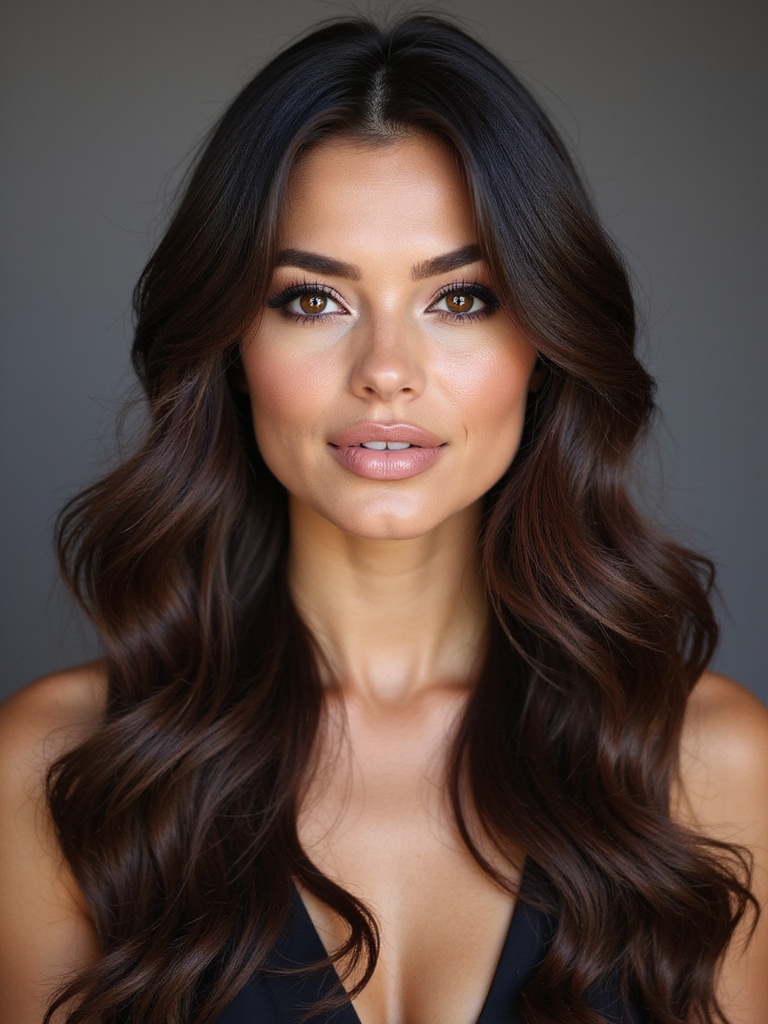
Rich chocolate is the workhorse winter shade, and the one I suggest most for a first color. It warms your whole face, adds light to a flat natural black, and sits close enough to most natural levels that regrowth never shows a hard line. A few deeper brunette pieces through the mid-lengths give it movement on curls and coils. The dark chocolate brown hair family is endlessly forgiving—hard to get wrong and easy to keep up.
- Best for warm and neutral undertones; ask for a cool-brown if you run cool.
- A gloss every 4 to 6 weeks keeps the depth from fading flat.
- Pairs with almost any makeup, which makes it the safe-but-rich choice.
🅰️Rich Chocolate
Pick chocolate for warmth, an easy grow-out, and a shade that flatters almost everyone.
🅱️Jet Black Glaze
Pick a jet black glaze for high-shine drama and the lowest upkeep of any color here.
Glossy Jet Black With Real Shine

If your hair is already dark, a jet black glaze is the lowest-effort upgrade there is—no lift, no commitment, just a glassy depth that makes everything else look sharper. It’s deposit-only, so it works on natural and relaxed textures without changing your actual color, only the shine. A jet black glaze runs about $40 to $70 and lasts 4 to 6 weeks. The jet black hair look is bold against minimalist makeup and a statement coat.
- Shine is the whole point—a matte black just looks like undyed hair.
- Gentle on the strand, since there’s no lightening involved.
- Refresh with an at-home glossing kit between salon visits.
Warm Auburn and Copper Tones

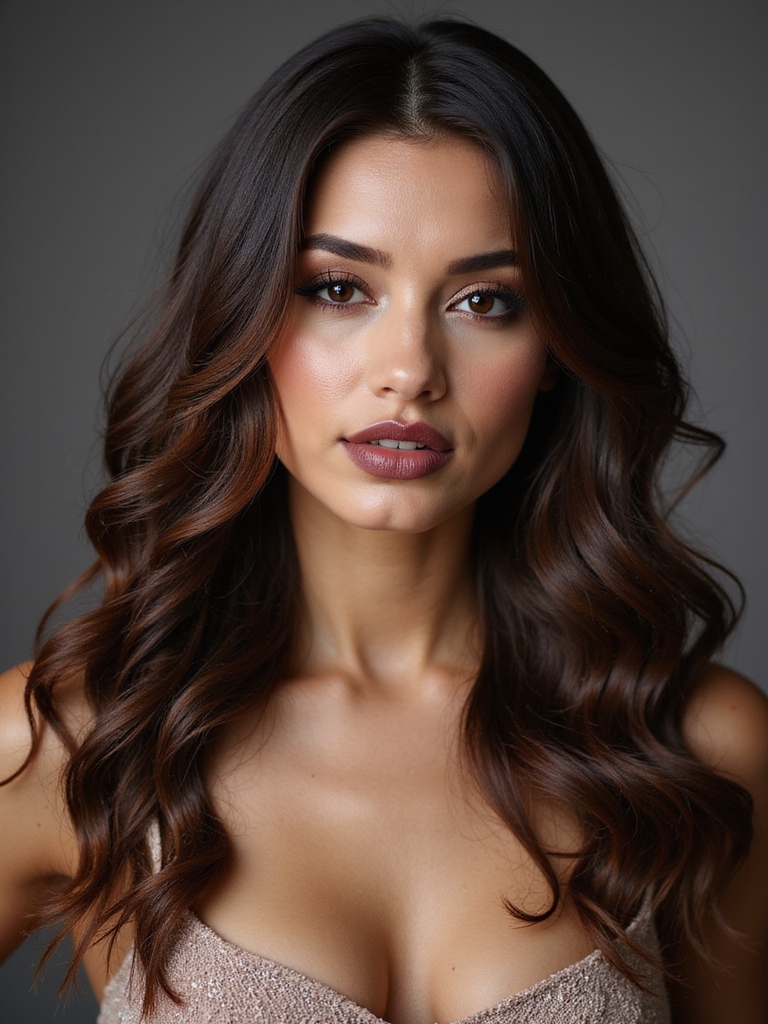
Auburn and copper are the brighteners—warm, reflective tones that heat up your complexion on the grayest day. They look modern against knitwear and leather, and on deep skin the copper catches light in a way a flat brown never will.
The Upkeep Trade
Here’s the honest part: warm reds and coppers fade fastest of all. The pigment sits high and washes out, so this is the shade that demands the most between-visit care. Cool washes, a color-depositing conditioner, and a gloss every few weeks are the price of admission.
Done as highlights or a soft balayage, it’s far more forgiving on both your wallet and your texture. The auburn copper hair guide breaks down keeping that glow from sliding to brass.
💡Before You Go Copper
Warm reds and coppers are the fastest-fading shades on deep hair. If you love the look but hate maintenance, ask for it as a few face-framing pieces instead of all-over. You get the glow with a fraction of the toning and touch-ups.
Burgundy and Wine for a Bold Statement

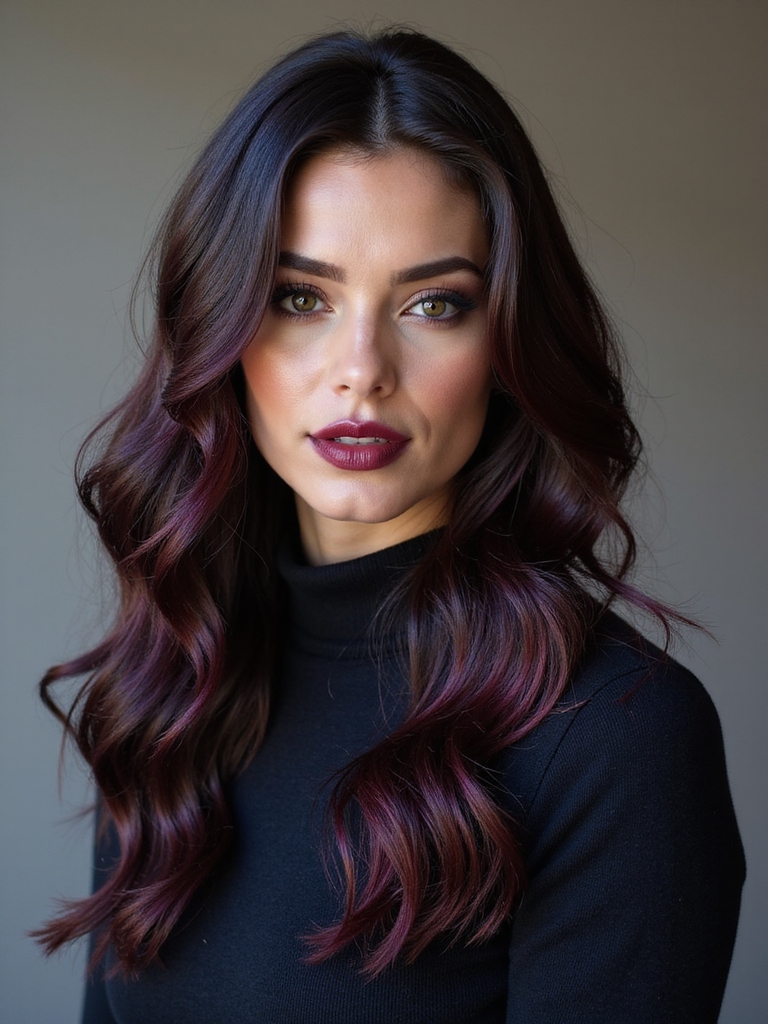
Burgundy and wine are my favorite way to be bold without being loud. The red-brown depth flatters a wide range of undertones, and under winter light it shifts from near-black to deep wine as you move.
It’s a statement that still looks grown-up, which is why it’s the one cautious clients pick when they finally want a real change. Match the undertone to your skin—cooler wines for cool skin, warmer burgundies for warm—and keep it glossed. Expect to refresh the tone monthly, since reds fade fast.
- A violet or red-depositing conditioner keeps the wine from going muddy brown.
- Gloss finishes give it the depth that makes burgundy look expensive.
- The burgundy hair guide covers undertone matching in detail.
Honey and Caramel Balayage

When you want lift and movement, honey and caramel balayage is the answer—hand-painted warmth that brightens the face and grows out without a line. On Black hair, placement is everything, and it belongs with a colorist who works with curl patterns.
Start the color mid-length and blend into the ends so it catches light through a twist-out or wash-and-go. A balayage on dark hair takes 3 to 4 hours and runs $150 to $300, but the grow-out grace means months before you’re back in the chair.
- Ask for warm, low-contrast tones so it blends into deep skin.
- Bond protection during the lift keeps your curl pattern intact.
- Deep-condition weekly afterward—lightened pieces drink up moisture.
Not sure how much lift you want? Match your comfort level:
🎯Lowest risk, lowest upkeep
A deposit-only gloss or a deep shade near your natural level—no lift, no regrowth line.
🎯Some brightness, still safe
A few face-framing highlights or a soft honey balayage with bond protection.
Subtle Face-Framing Highlights for Brightening

If full balayage feels like too much, a handful of face-framing highlights does most of the work for a fraction of the cost and the damage. A few warm, muted pieces around the hairline and cheekbones lift your features and brighten your whole face.
Because the lightened pieces are minimal and placed where you actually see them, the upkeep stays low and the risk to your texture stays small. It’s the move I suggest for anyone nervous about color who still wants a visible change. A face-frame runs about $60 to $120 and refreshes just a couple of times a year.
- Keep the tones warm and muted so they flatter rather than stripe.
- Placement near the face gives you the brightening with minimal lift.
- Gloss the rest of your hair to tie the highlights into your base.
Low-Maintenance Grow-Out Colors

Some winters you just don’t have time for the chair, and the smart play is a color built to grow out beautifully. Soft balayage, sunkissed caramel, or a rich espresso with warm undertones all fade gracefully and disguise new growth, so they look intentional for months.
The key is choosing a shade within a level or two of your natural color. The closer it sits to your roots, the longer you go before regrowth shows. That’s how you stretch one color all the way through a busy season.
These are the shades I point new moms and packed-calendar clients toward, the ones who can’t keep a six-week salon rhythm. Low effort, still polished—exactly what winter asks for.
ℹ️Good to Know
A color sitting within one or two levels of your natural shade hides regrowth far longer than a high-contrast one. That single choice is the difference between a touch-up every six weeks and one every ten.
Low-Manipulation Styles That Preserve Color

How you wear your hair matters as much as how you wash it when you’re protecting color. Low-manipulation styles—twists, braids, buns, protective sets—keep your color away from the daily friction and heat that dull it fastest.
Satin Is Non-Negotiable
A satin-lined cap or scarf is the single cheapest thing that protects color through winter. It cuts the friction from wool hats and cotton pillowcases that lifts the cuticle and pulls your tone out. I tell everyone to swap their nighttime setup before they spend a dollar on fancy product.
Pair that with styles that skip daily heat, and your color holds its shine for weeks longer. Wigs and protective sets give the dye a real rest between refreshes.
How to Hydrate and Seal in Winter

Winter air strips moisture fast, and color-treated textured hair feels it first. Lifting already opens the cuticle, so dry cold on top of that is what turns vivid color brittle and dull. Hydration stops being optional once it’s cold.
Layer a leave-in cream, seal with a light oil, and deep-condition weekly. Keep hot tools to a minimum and mist your edges and ends when they feel dry. A good deep conditioner costs less than one salon visit and protects every one you pay for.
- Leave-in cream first, then oil to seal the water in.
- Weekly deep conditioning—non-negotiable once it’s cold.
- Mist-refresh dry ends instead of re-washing and re-stripping.
Products That Keep Color Vivid Longer

The right shelf does real work between salon visits. A sulfate-free, color-safe shampoo is the foundation, since regular shampoo strips pigment shockingly fast. Build from there.
A color-depositing conditioner refreshes faded tone every wash, and a heat protectant guards against the dryness that fades color on wash-and-style days. None of it is fancy or expensive. It just has to be consistent.
I’d rather a client own three good color-safe basics they actually use than a shelf of treatments they ignore. Consistency is what keeps a shade glossy into February.
Salon vs. At-Home Coloring

The salon-or-DIY question comes down to one thing: are you depositing or lifting? Deposit-only color is forgiving and home-friendly. Lifting is where things go wrong on textured hair, and where a pro earns the cost.
- Safe at home: glosses, root pens, going darker, color-depositing masks.
- Worth a salon: balayage, copper, blonde, any lightening or big tonal change.
- On the fence? Let a salon do the lift and maintain it yourself at home.
Transitioning Between Colors Safely

Changing shades mid-winter is where people damage their hair, usually by trying to do it all in one sitting. The safe way starts before any color touches your head: check your strength and porosity, and be honest about what your hair can take.
Shift gradually. Use toners and glosses to move tone, lean on gentle color-removal, and space your appointments out. A big change from dark to light belongs across two or more sessions with conditioning in between.
If your hair is already fragile from a long winter, the kindest move is to wait, deep-condition for a few weeks, and transition once the strand is strong enough to handle it. The black hair with lowlights route adds change with very little damage while you build strength back.
Styling to Let Your Winter Color Shine

Color looks its best when your styling shows it off. Defined curls, a sharp lob, or soft layers all reflect light and reveal the dimension a good color has.
Accessories That Help
Satin scarves, gold hoops, and a matte beret frame color without dulling it—and the satin earns its keep by protecting your shade where fabric meets hair. Keep your styling products light so they don’t cloud the shine.
A twist-out or wash-and-go on a balayage shows every painted piece moving. On a deep solid shade, smooth styles and a glossy finish let the richness do the talking.
Seasonal Refresh and Touch-Up Timing

Winter shades sit deep and demand deliberate upkeep, so a simple schedule keeps color crisp without over-processing. You don’t need a complicated routine. You need a few intervals you’ll actually stick to.
A Schedule That Works
Root retouch every 6 to 8 weeks, a gloss or toner monthly, and a deep-conditioning treatment every two weeks. Trim and reassess each season so faded ends don’t drag the whole color down.
Map it once and let it run on autopilot. The people whose winter color still looks salon-fresh in March aren’t doing more—they’re doing the same small things on time.
More Winter Color Questions
?How often should I wash color-treated natural hair in winter?
Less than you think—every 5 to 7 days for most textures. Washing strips both moisture and pigment, so stretch it with a satin bonnet, dry shampoo at the roots, and a mid-week refresh spray instead of a full wash.
?Can I get a bright color on natural hair without ruining my curls?
Yes, if you go slow and protect the strand. Insist on a bond-builder during the lift, keep the brightest pieces off your most fragile sections, and commit to weekly deep conditioning. Two gentle sessions beat one harsh one.
?What’s the cheapest way to keep my color looking fresh?
A color-depositing conditioner in your shade. A small bottle refreshes tone every wash and stretches the weeks between salon glosses, which does more for less than almost anything else on the shelf, and it is far gentler than re-dyeing.
?Will winter color look different once spring light comes back?
A little. Deep shades that look perfect in flat winter light can come across slightly flat in bright sun, which is why many people lighten a touch in spring. Plan your deep winter color knowing you may want to brighten later.
The Color Is Yours to Keep
Pick the shade that fits your undertone and your patience, then put the real work where it counts: moisture, low friction, and a schedule you’ll keep. That’s the whole secret to winter color that still glows when the season ends. The dye job is one afternoon; the upkeep is what people actually see.
So before you book anything, ask yourself the honest question—not just which shade you want, but how much care you’re ready to give it. The answer points you straight to the right color, and to one that still looks like you come February.
Don’t Miss These