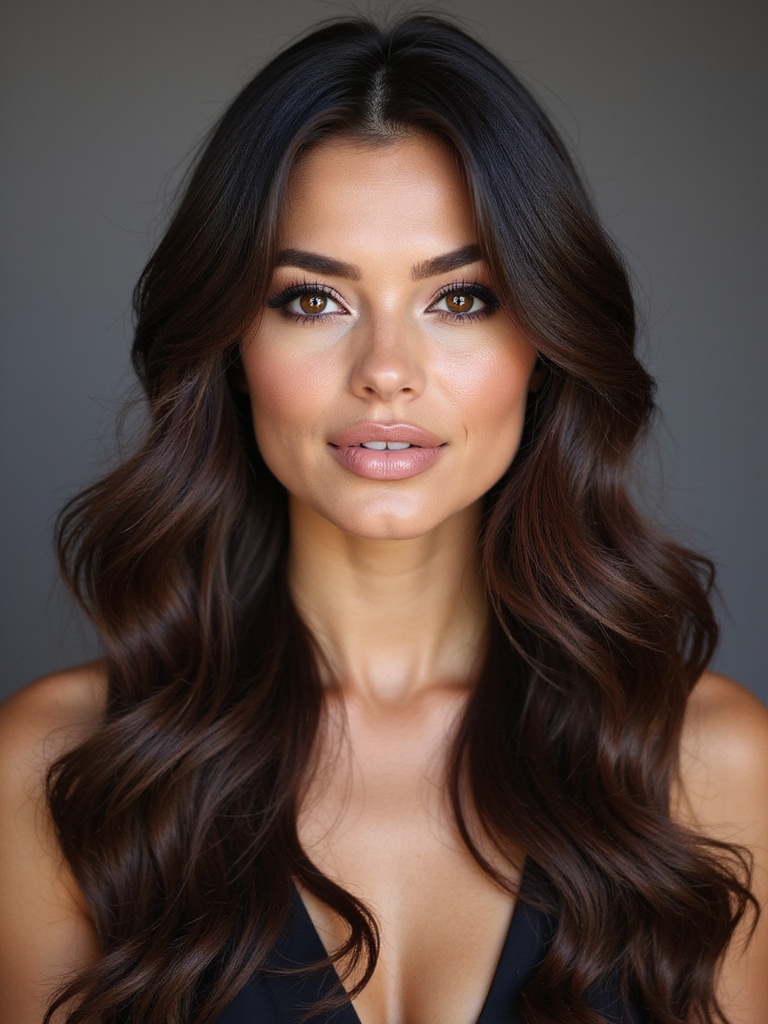
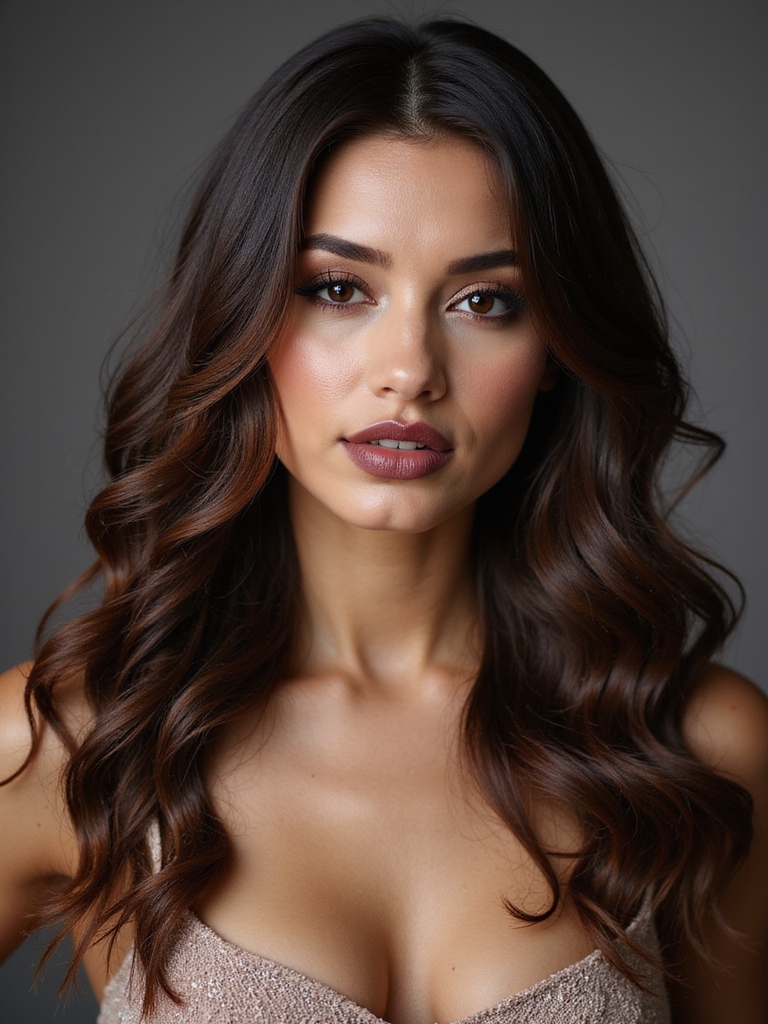
A client once showed me a photo of a warm, cozy autumn brunette and said she wanted that, but she walked out the first time with something flat and orange because she and her old stylist were speaking different languages. The shade she wanted existed; the words to ask for it did not.
That is the real gap with seasonal color: not the ideas, but how to communicate them. So this guide pairs fifteen warm, cozy fall-winter shades with the exact vocabulary and techniques to ask for, plus a glossary and a how-to-ask section, so you walk in able to describe what you actually want. Get the words right and the cozy color follows.
Asking for Cozy Color: The Short Version
- Bring a photo, but also describe the technique, since balayage, melt, and babylights all look completely different.
- Say whether you want warm or cool, because a colorist cannot read your mind on undertone.
- Name your maintenance limit up front, which decides between a rooted, grow-out-friendly shade and a high-upkeep one.
- Cozy autumn-winter color leans warm and deep, built with painted techniques that grow out softly.
Rich Chestnut Threaded With Copper

To get this one right, ask for a chestnut base with copper highlights woven through, and be specific that you want the copper subtle and concentrated near the face. The word that matters is highlights, not all-over, because an all-over copper-chestnut reads flat where you want dimension. This is the cozy brunette that says autumn but holds its depth into winter.
Tell your colorist you want warmth without brass, which signals them to keep the copper refined rather than orange. That single phrase saves the most disappointments I see with this shade.
- Ask for: chestnut base, fine copper highlights near the face.
- Say: warm but not brassy, to keep the copper refined.
- Avoid asking for all-over copper, which loses the dimension.
Deep Espresso With Soft Caramel Balayage

This one starts with a request, not a description: a soft caramel balayage over an espresso base. Naming the technique up front does most of the work, since a hand-painted balayage already grows in soft and blended, the exact quality that makes this shade read as cozy rather than harsh.
Getting the Contrast Level Right
Specify soft and low-contrast, because a high-contrast caramel on espresso reads summery and stripey rather than wintry. You want the caramel to whisper against the deep base, not shout. In my chair, the clients who say low-contrast up front are the ones who love their color six weeks later.
This is one to describe by its maintenance, too. Tell them you want it grow-out-friendly, and a good colorist will keep the balayage off your roots so you can stretch the months between visits.
Not sure which cozy shade to ask for? Start with what you want:
1Warm and rich
Chestnut with copper, auburn balayage, or mahogany red. Ask for warm but not brassy and name the shade.
2Cool but cozy
Smoky ash with frosted ends, plum lowlights, or a cool ash balayage. Say cool and ashy so they tone away the warmth.
3Lowest commitment
Face-framing pieces, a champagne peekaboo, or a shadowed-root blonde. Ask for the brightness kept off your roots.
Soft Toasted Almond Blonde

Toasted almond is the cozy blonde for the colder months, a warm, nutty beige-blonde that has enough depth not to wash you out under winter light. To ask for it, describe a warm, neutral blonde, not icy or platinum, since the warmth is exactly what makes it work as a fall-winter shade.
Describing a Warm Blonde
Say toasted specifically rather than just warm, and a colorist reaches for a deeper, golden-beige formula instead of a cooler one. That one adjective narrows down the mixing bowl considerably.
Mention that you want your roots kept soft, which tells them to shadow or smudge the root so this blonde grows out gracefully across both seasons rather than demanding a touch-up every few weeks.
Auburn Balayage With Face-Framing

Auburn is the rich red-brown that is practically the color of the season, and a balayage version with face-framing pieces is the modern way to wear it. Ask for an auburn base with face-framing balayage, which tells your colorist to brighten the front while keeping the depth everywhere else.
Pinning Down How Red You Mean
Be clear about how red you want it, since auburn ranges from warm brown with a red glint to a true coppery red. Describing it with a reference like cinnamon or chestnut-red helps your colorist land the exact warmth. My clients who bring a word, not just a photo, almost always get closer to what they pictured.
Reds fade fastest of all, so ask directly how to maintain it; a good colorist will recommend a red-toned conditioner, and naming the upkeep up front sets honest expectations for this glorious but demanding shade.
The technique words that get you the right result:
📖Balayage
Hand-painted color, freehand rather than foiled, for a soft, blended, natural-looking result with no harsh regrowth line.
📖Melt / ombré
A graduated fade from a deeper root into lighter or warmer ends, with no hard line, used for a soft, dimensional transition.
📖Babylights vs lowlights
Babylights are the finest highlights for subtle brightness; lowlights are deeper pieces added for depth and dimension.
Smoky Ash Brown With Frosted Ends

For the cooler end of cozy, ask for smoky ash brown with frosted ends when depth without warmth is the goal. Naming ‘ash’ tells your colorist to neutralize the brass out of the base, while ‘frosted ends’ means lightening and cool-toning just the tips for contrast.
Heading Off Brass Before It Starts
Say specifically that you run warm or go brassy if that is true, because it tells the colorist how much cool toner to use. This is the most common miscommunication with ashy shades, and naming it solves it.
Frosted ends do need lightening, so ask about bond builders and the condition of your ends. A colorist who knows their craft will tell you honestly whether your hair can take it or whether to ease in over a couple of visits.
Warm Sun-Kissed Dimension, Low-Maintenance

When low maintenance is the priority, lead the conversation with that word rather than the color. Ask for a warm, sun-kissed dimension that is low-maintenance, and your colorist will design the placement around your grow-out, keeping the brightness off the roots so it lasts. The exact shade matters less than the technique when upkeep is your real concern.
- Lead with low-maintenance, then describe the warmth you want.
- Ask for the brightness kept off the root for a soft grow-out.
- Say how long you want between visits, so they can plan placement.
| You want | Ask for | Upkeep |
|---|---|---|
| Soft, natural, grow-out-friendly | Balayage or melt | Low, every few months |
| Warmth just at the face | Face-framing pieces | Low, cheapest option |
| Even, all-over color | Single-process or gloss | Higher, root touch-ups |
Warm Mahogany Red

Mahogany red is the deep, warm red-brown that flatters golden and olive skin through the gray months. Name it specifically as mahogany rather than just ‘a warm red,’ since it’s a recognized shade a colorist can mix to without guessing at brightness or tone.
Finding Your Spot on the Red Spectrum
Tell your colorist if you want it more brown or more red, since mahogany lives on a spectrum. Saying deeper and more brown versus richer and more red helps them mix the exact balance you are picturing.
Because it is a red, raise maintenance in the same breath. Ask how to keep it from fading, and they will point you to a color-depositing conditioner that holds the warmth between appointments.
Refined Sunlit Face-Framing

Ask for face-framing pieces only if you want the smallest possible step into a warmer season. It’s the cheapest change on this list, brightening just the hair around your face with warm, sunlit pieces while leaving the rest untouched. It’s the phrase to use when you want a refresh without a full color.
Describe the warmth and where you want it, around the face, catching the light. A colorist hears face-framing and knows to keep the work concentrated and affordable, which makes this a smart first step if you are testing a warmer direction.
- Ask for: warm face-framing pieces only, not all-over.
- It is the most affordable seasonal warm-up there is.
- A great low-risk way to test a warmer shade first.
ℹ️Translate the Photo, Not Just Copy It
Bring the picture, but tell your colorist what you like about it: the warmth, the brightness at the face, the depth at the root. Colorists adjust a reference to suit your skin and starting point, so a shade that flatters the model may need tweaking to flatter you. Describing what drew you to the photo gets you a better result than asking to copy it outright.
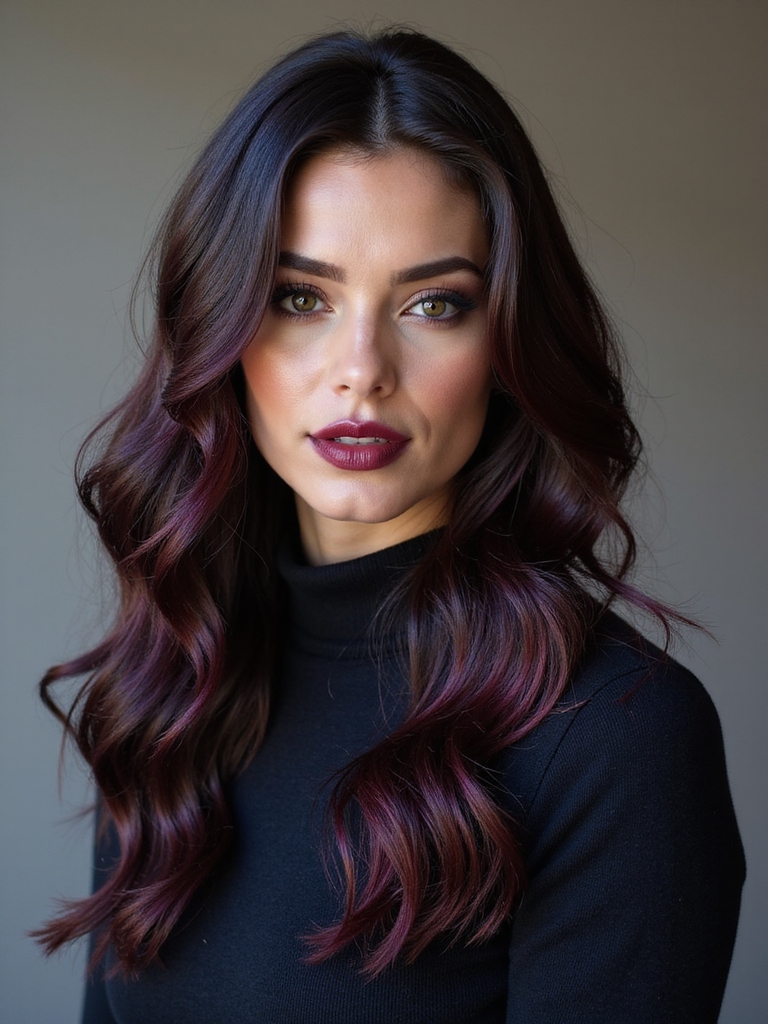
Muted Velvet Plum Lowlights

Plum lowlights add a cozy, jewel-toned depth to dark hair without lightening anything, which is the part worth stating clearly since most people default to asking for highlights out of habit. Ask for muted velvet plum specifically, and the request alone points your colorist toward a soft, sophisticated purple rather than a bold fashion shade. Here is how to describe it.
- Say lowlights, not highlights, since you are adding depth.
- Ask for muted and velvet to keep the plum soft and grown-up.
- Mention you want it to flash only in the light, not read purple.
- Specify cool plum so it suits a deep winter palette.
Warm Brunette With Champagne Peekaboo

A champagne peekaboo hides a soft, warm-blonde layer underneath a warm brunette, placed so it only flashes when you move or flip your hair. It adds playful brightness while your everyday look stays exactly the same.
Specify champagne for the blonde, which signals a warm, soft tone rather than an icy one that would clash with your cozy brunette. The warmth is what keeps the hidden layer feeling seasonal rather than summery.
Because only the under-layer is lightened, this spares most of your hair and your budget. Tell your colorist how much you want to show, and they will place the peekaboo higher or lower accordingly.
Golden Mocha Ombré

Golden mocha melts a deep mocha-brown root into warmer, golden ends, keeping the depth up top and the warmth below for a cozy, dimensional effect. Ask for it by describing exactly that: mocha root, gradually warming toward gold.
Say you want it soft and blended, not a harsh line, since a modern version of this fade is gradual rather than the hard-contrast look from years ago.
This grows out beautifully because the root stays deep, so mention if low upkeep matters and they will keep the transition placed to flatter your grow-out across both seasons.
Frosted Copper Accents

Frosted copper accents are a cool-warm hybrid, copper pieces with a frosted, lightened quality that bridges seasonal warmth and winter coolness. Ask for copper accents with a frosted finish, which signals you want them brightened and cool-toned rather than a solid warm copper. Here is the route to it.
- Say accents, so only a few pieces are colored, keeping it subtle.
- Ask for a frosted finish to cool and brighten the copper.
- Place them where the light hits for the most effect.
- A toning gloss keeps the frosted quality from warming up.
Neutral Beige Blonde With a Root Shadow

Neutral beige blonde is the cozy blonde that does not wash you out. Ask for it with a shadowed root specifically, and your colorist will blend a soft, deeper tone at the root so your regrowth melts in rather than announcing itself after a few weeks. That one addition is what turns a pretty blonde into a livable one through winter.
- Ask for: neutral beige blonde, shadowed or smudged root.
- Say neutral, not icy, so it stays warm enough for winter.
- The root shadow is what makes the grow-out painless.
Rustic Copper With Soft Waves
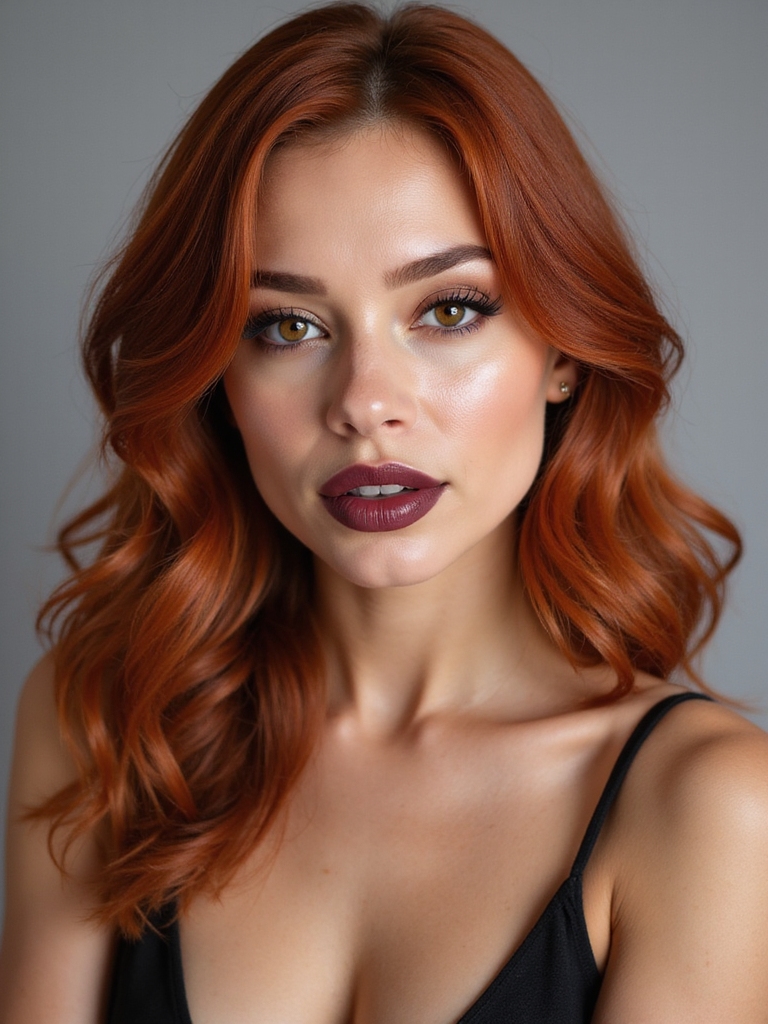
Rustic copper is the earthy, slightly muted copper that feels cozy and grounded rather than bright and brassy, perfect for autumn into winter. Ask for a muted or rustic copper, which signals you want it earthy rather than vivid, and mention you want depth so it does not read like a flat orange. Here is how to communicate it.
- Say muted or rustic so the copper stays earthy, not neon.
- Ask for some depth or dimension to avoid a flat result.
- Copper fades fast, so ask about a color-depositing conditioner.
- Soft waves show off the dimension best when you style it.
Cool Ash Face-Framing Balayage
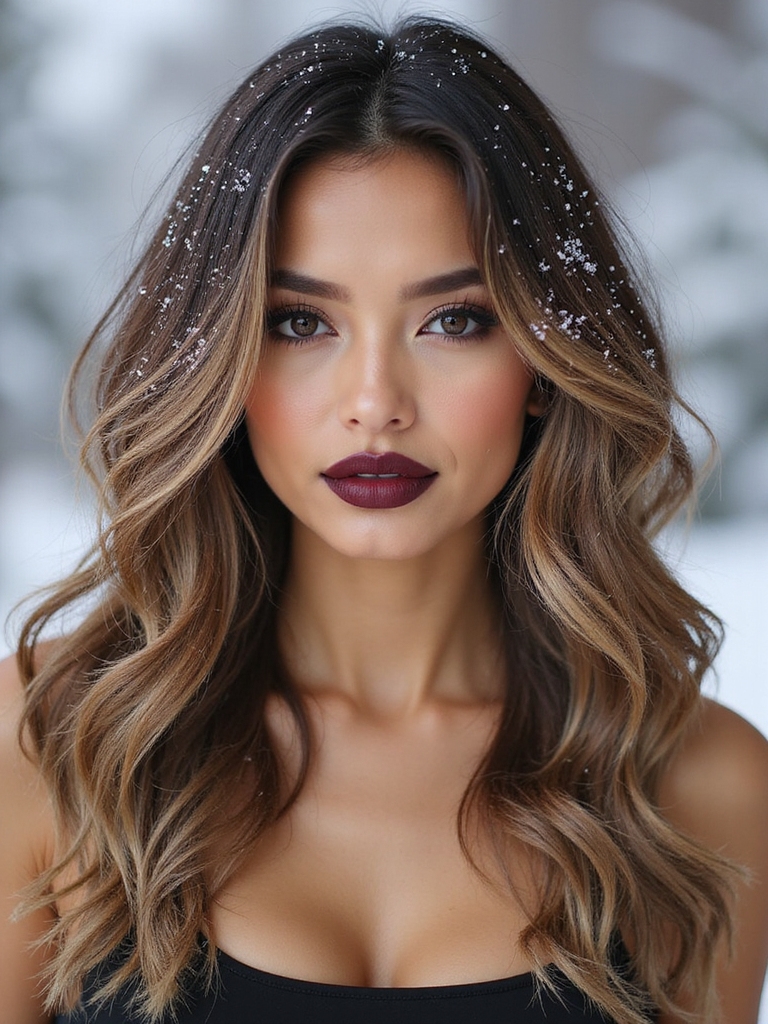
For people who want to lean cool for deep winter, a cool ash face-framing balayage is the shade to ask for, brightening the front with cool, ashy painted pieces over a deep base. Say cool and ashy clearly, since the colorist needs to know to tone these pieces away from warmth, and specify balayage so they are hand-painted and soft.
This is a smart way to shift a warmer fall color cooler as the season deepens, without recoloring everything. Tell your colorist you want to take it cooler for winter, and they can adjust just the face-framing and the toner rather than starting over.
- Ask for: cool, ashy face-framing balayage over a deep base.
- Say cool and ashy so the pieces are toned away from warmth.
- A good way to ease a warm shade cooler for deep winter.
How to Ask Your Stylist for Cozy Color
Walk in with three things and you will get what you want. First, a photo, ideally two: one of the color and one of your own hair in natural light, so your colorist can see your real starting point.
Second, the technique word, since balayage, melt, ombré, babylights, and lowlights all produce completely different results, and naming the right one is the single most useful thing you can do. Third, your honest maintenance limit, which decides everything about placement and cost.
Be specific about warm versus cool, too, because that one distinction is behind most color disappointments. On cost, expect a gloss or face-framing refresh around $40-90, all-over color $80-150, and a full balayage $150-250 or more. The time varies too: a gloss is about thirty minutes, while a full balayage runs two to three hours.
Most cozy shades want a refresh every couple of months. For more, our fall and winter hair color ideas, auburn hair, and caramel blonde hair guides each go deeper on a direction.
The Right Words Get the Right Color
The difference between the cozy fall-winter color you pictured and the one you end up with is almost always communication. The shades are everywhere; the vocabulary to ask for them is what most people are missing, and a photo plus the right technique word plus an honest word about upkeep gets you there nearly every time.
So before your next appointment, decide which of these cozy shades you are drawn to, then practice saying it out loud: the shade, the technique, the warmth, and the maintenance. Walk in able to describe it, and you give your colorist everything they need to make it real.
More Inspiration