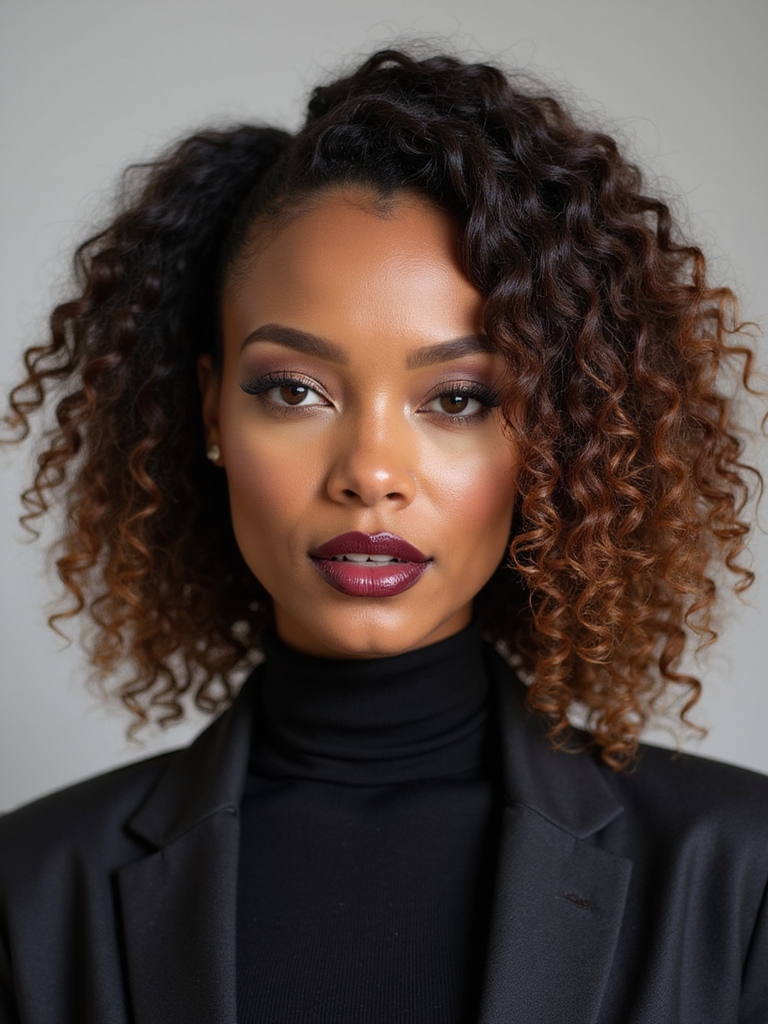
Picture the coldest week of the year. Your hair is tucked into neat braids, you pull a beanie on and off without a second thought, and weeks go by without a single bad hair day, because there is nothing to go wrong. That is what braids do in winter.
Braids are the protective style most people start with, and for good reason: they tuck your hair completely away from the cold, dry air for weeks at a time. These winter protective hairstyles with braids run from chunky cornrows to micro braids, with the prep and care that keep your real hair healthy underneath. Pick your braid, and let it carry you through the season.
Winter Braids, in Order
- Braids tuck your hair away from cold, dry air for weeks, which makes them one of the best winter protective styles.
- Prep matters most: cleanse, deep-condition, and seal before you braid, since you will not wash again for a while.
- Pick the braid for your goal: chunky cornrows for speed, box braids for versatility, micro braids for detail, faux locs for low upkeep.
- Moisturize the braids and scalp through the wear, and protect them at night with satin to keep them fresh.
- Take braids out on time, around six to eight weeks, and take them down gently on conditioned hair to protect your length.
Why Braids Are Perfect for Winter Hair Care
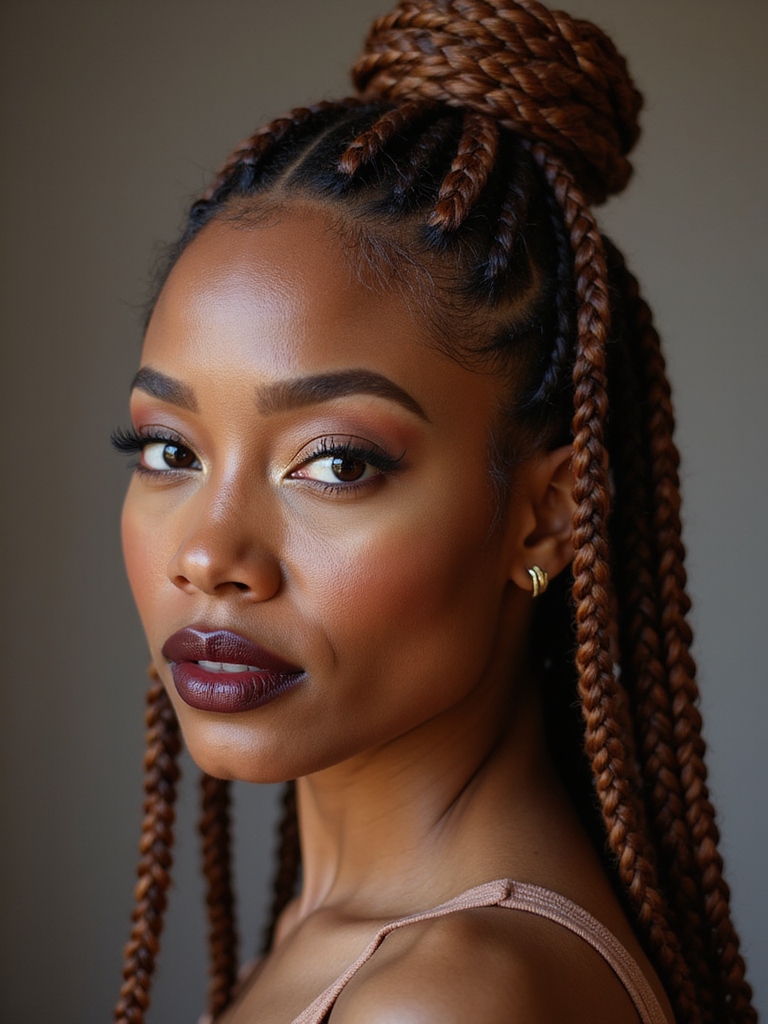
Braids earn their place in winter for one simple reason: they remove the daily styling that cold weather punishes. Your hair stays tucked, moisturized, and out of the wind, so it is not drying out, tangling, or breaking against scarves all day.
Set It and Protect It
Because a braided style lasts weeks, you are handling your hair far less, and less manipulation means less breakage. That is the whole logic of protective styling.
The cold-weather bonus is warmth and convenience. A braided style slips under any hat, survives the gym, and looks done from the moment you wake up. The winter braided hairstyles guide has even more braid looks to browse.

Preparing Your Hair: Cleansing and Deep Conditioning
What you do before the braids go in matters more than the braids themselves. Start with a clarifying wash to clear buildup, then a protein or moisture deep-conditioner depending on what your hair needs, since this is the last deep treatment it gets for weeks.
The Pre-Braid Ritual
Deep-condition under a cap with gentle heat so the moisture really sinks in, then detangle fully from the ends up. Braiding tangle-free hair is what prevents matting later.
A protein-moisture balance is the goal: too much protein and hair gets brittle, too little and it goes mushy. I tell clients to read their own hair, label aside, going in.
Which winter braid fits your goal? Pick by what you want most:
🎯Fast and warm
Chunky cornrows; full coverage in one short appointment
🎯Most versatile
Box braids; weeks of wear and a hundred ways to style them
🎯Lowest upkeep
Faux locs; four to eight weeks with almost no daily work
🎯Most natural movement
Micro braids; they move and style like loose hair
Lightweight Leave-In and Oil for Braided Styles
The products you reach for during the wear should be light, since heavy creams build up and flake under braids. A water-based leave-in for moisture and a light oil to seal it is all most braided styles need between washes.
- A water-based leave-in moisturizes without buildup.
- Seal with a light oil; skip heavy butters and greases.
- A nighttime spray keeps the braids and scalp from drying out.
Chunky Cornrows for Cozy Winter Warmth
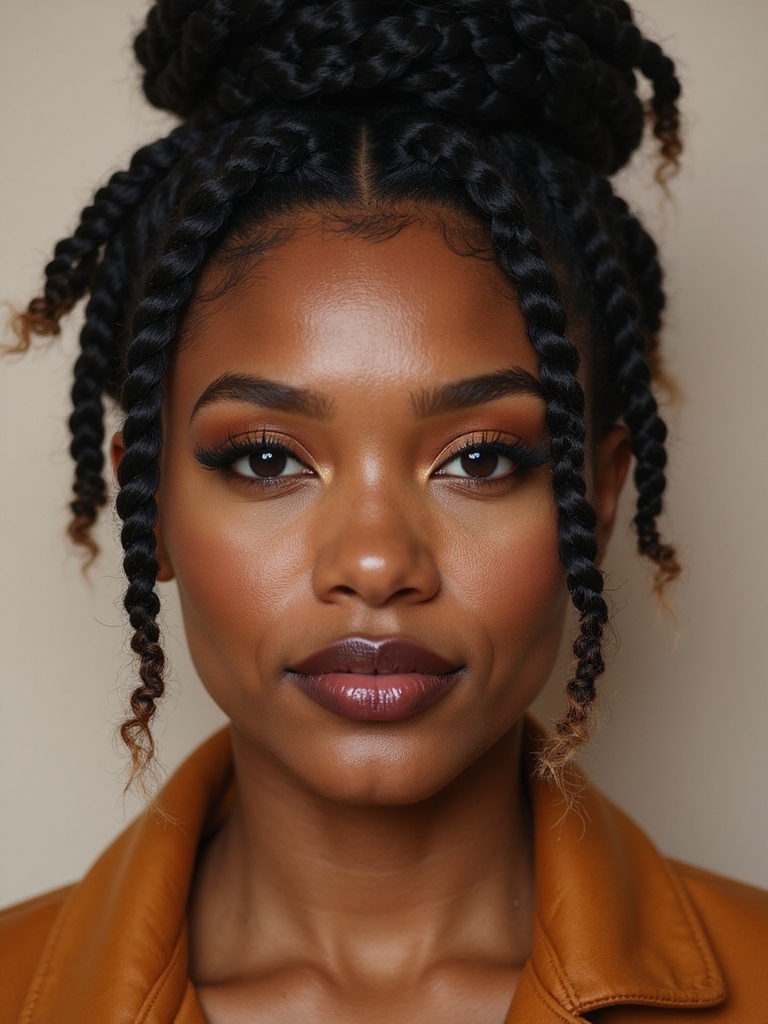
Chunky cornrows are the fastest braided protective style there is, since fewer, larger braids cover your whole head in a fraction of the time. They read bold and graphic, and they sit perfectly flat under a hat.
Because they are larger, they are also kinder to your scalp than tiny braids and quicker to take down. Chunky cornrows last one to two weeks and make a great base for a wig or a fast updo. They are my go-to when a client wants protection in one short appointment. The cornrow hairstyles guide has more patterns to try.
“I say this to every client who sits down for braids: it should never hurt. A good install feels snug for a day, then settles. If your edges sting, your hairline raises little bumps, or you leave with a headache, the braids are too tight, and tension like that is the number-one cause of traction alopecia. Speak up and ask to have the front loosened; a true professional will, every time.”
Classic Box Braids, Low-Maintenance and Versatile
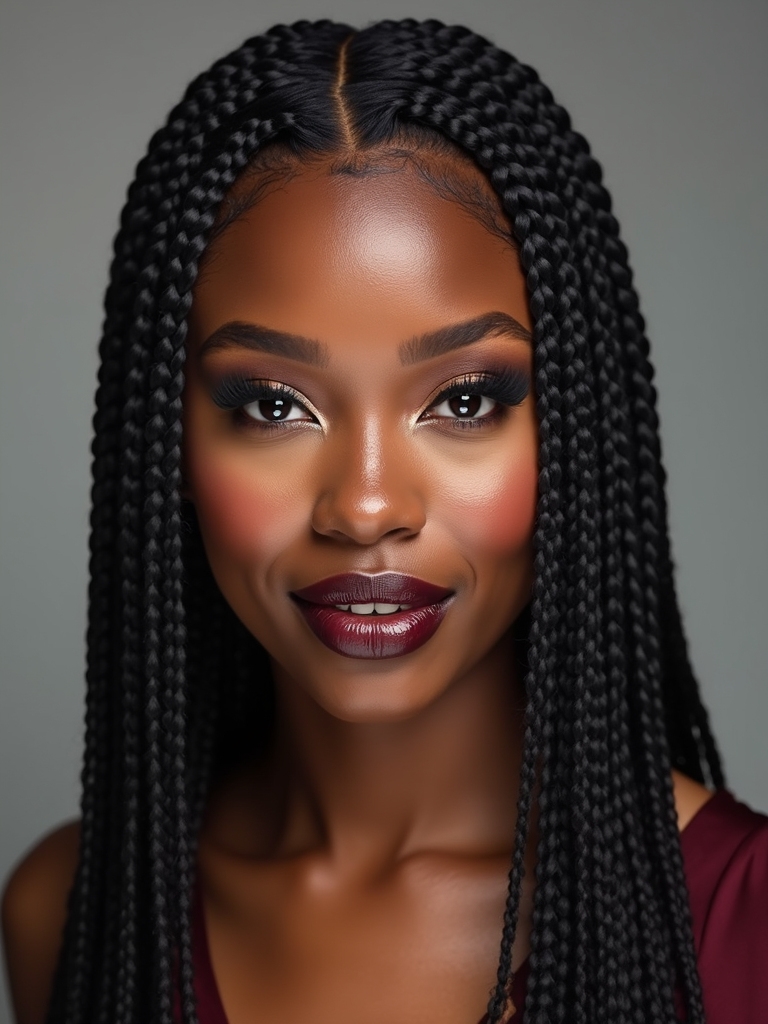
Box braids are the classic for a reason: they last six to eight weeks and style a hundred ways. Once they are in, you can wear them down, in a bun, half-up, or wrapped, so one install carries you through the whole season with new looks.
One Install, Many Looks
They tuck your natural hair away completely, which is exactly the protection winter calls for. Knotless box braids start the braid with your own hair for a flatter, gentler root.
Box braids run roughly $150 to $300 depending on length and size, and take several hours, but the weeks of hands-off wear pay it back. The box braids hairstyles guide has more ways to wear them.
Halo Braids for Festive Gatherings
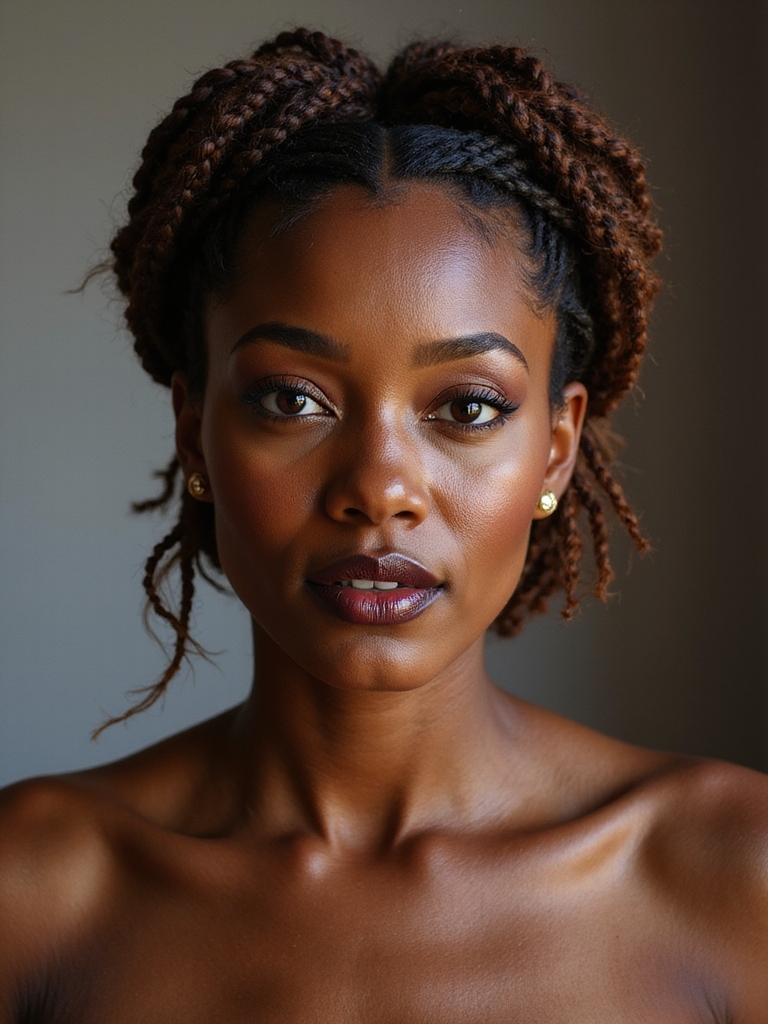
A halo braid, one braid wrapped around the crown, is the braided style that dresses up for an occasion. It keeps your length tucked and your neck clear while looking elegant enough for a holiday party.
It works over your own braids or on loose natural hair, and it pairs beautifully with sparkle pins for the festive season. A halo braid is the protective style that does not look like you are hiding your hair, just styling it well.
📋Before you book braids
- ✓Clarify, deep-condition, and detangle your hair fully a day or two before
- ✓Bring photos and decide on size and length, since both change the price and the wear time
- ✓Plan your take-down date now, six to eight weeks out, so you do not overstay the style
Faux Locs: Long-Lasting, Low-Maintenance Texture
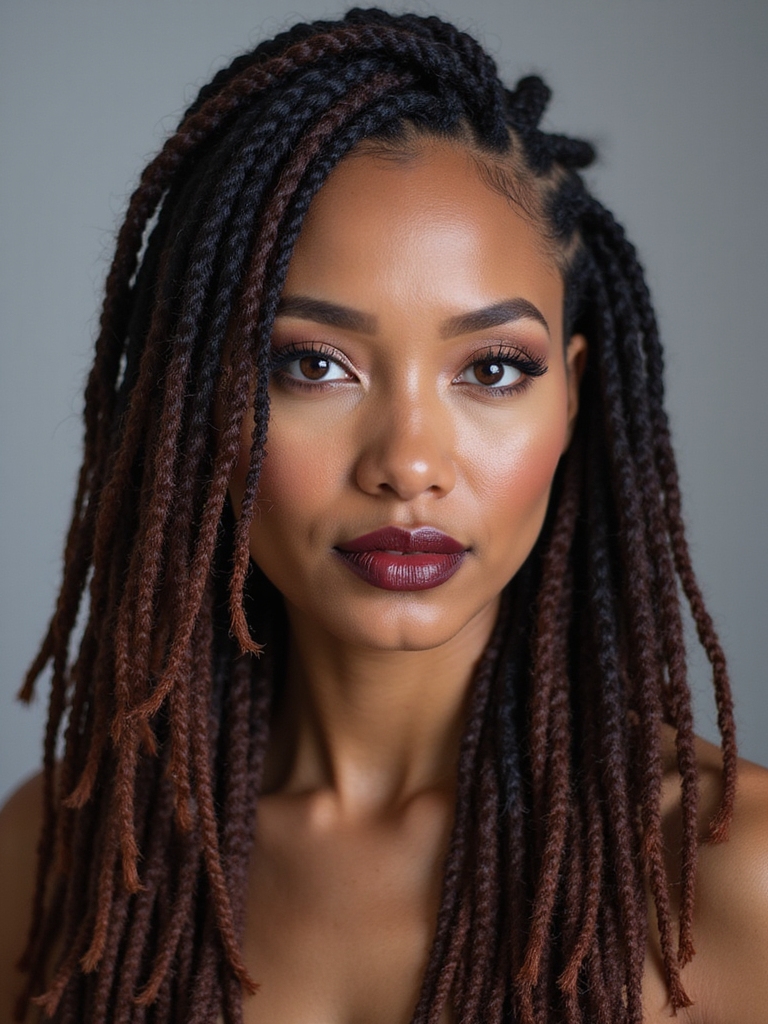
Faux locs give you the look of locs with none of the long-term commitment, and they are one of the lowest-maintenance braided styles for winter. Installed over your braided or twisted hair, they last four to eight weeks with almost no daily work.
They are a little heavier than braids, so a comfortable install matters, but once they are in, the upkeep is just moisture and a satin scarf at night. Faux locs also come in lighter, softer versions now that are easier on the scalp than the old method.
- The look of locs with four to eight weeks of wear.
- Choose lighter, softer faux locs for an easier install.
- Upkeep is just moisture and a satin scarf at night.
Feed-In Braids for Natural-Looking Volume
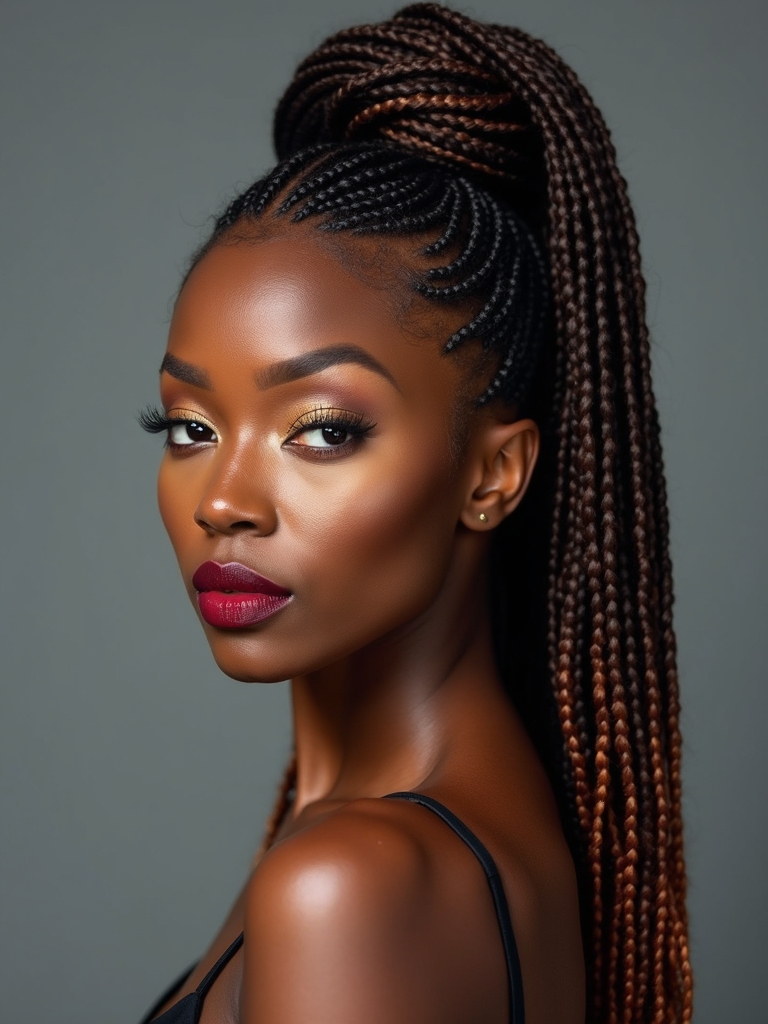
Feed-in braids add extension hair gradually along each braid, so the braid starts flat and thin at your hairline and builds fullness down its length. The result looks natural and puts less weight on your edges than braids loaded with hair from the root.
- Hair is added gradually, for a natural-looking braid.
- Lighter on your edges than root-heavy braids.
- Great for cornrow styles and braided ponytails alike.
A few braid terms worth knowing before your appointment:
📖Knotless braids
Box braids started with your own hair for a flatter, gentler root than knotted ones
📖Feed-in braids
Extension hair added gradually along the braid for a lighter, natural-looking result
📖Faux locs
Wrapped or crocheted extensions that mimic locs without the permanent commitment
📖Take-down
Carefully unraveling braids, ideally on conditioned hair, to avoid breakage
Micro Braids for Delicate Styling Options
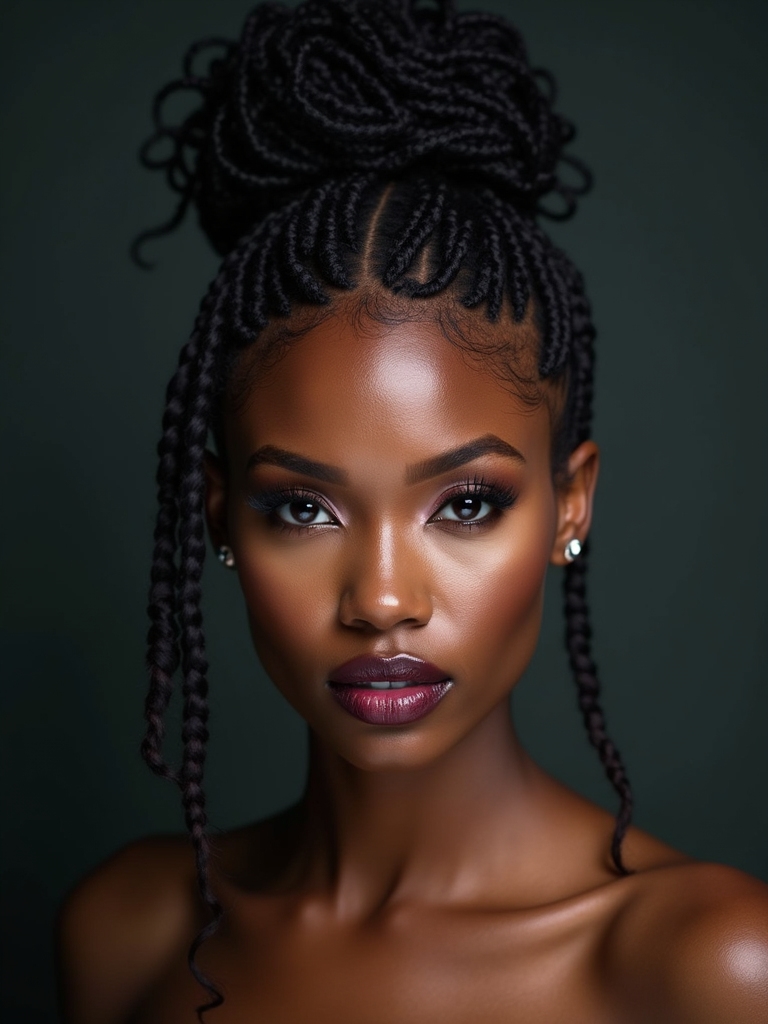
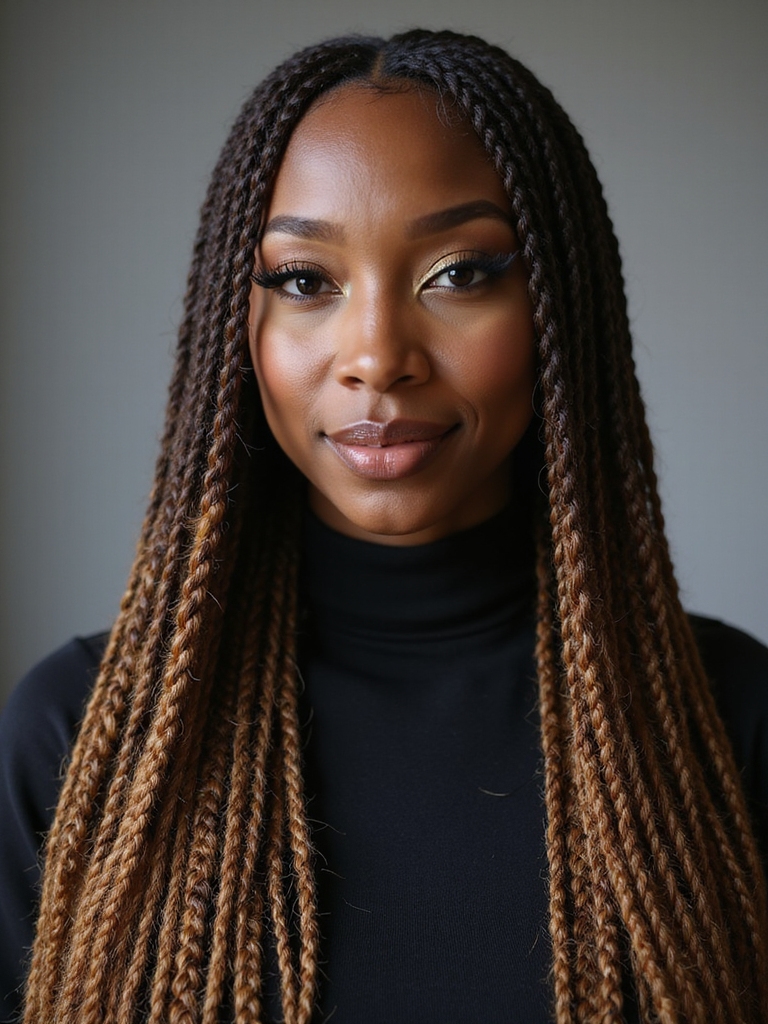
Micro braids are the most versatile of all, since their tiny size lets them move and style like loose hair. You can wear them in a bun, a ponytail, or down, and they fall and swing the way unbraided hair does.
The trade-off is time: micro braids take hours to install and just as long to take down, so they are a real commitment. I see the most breakage at micro-braid take-down, which is exactly why I never rush it, given how fine they are.
But for sheer styling freedom in a long-wear protective style, nothing beats them. Micro braids can last six to eight weeks with good care.
Braided Buns and Updos to Protect Ends
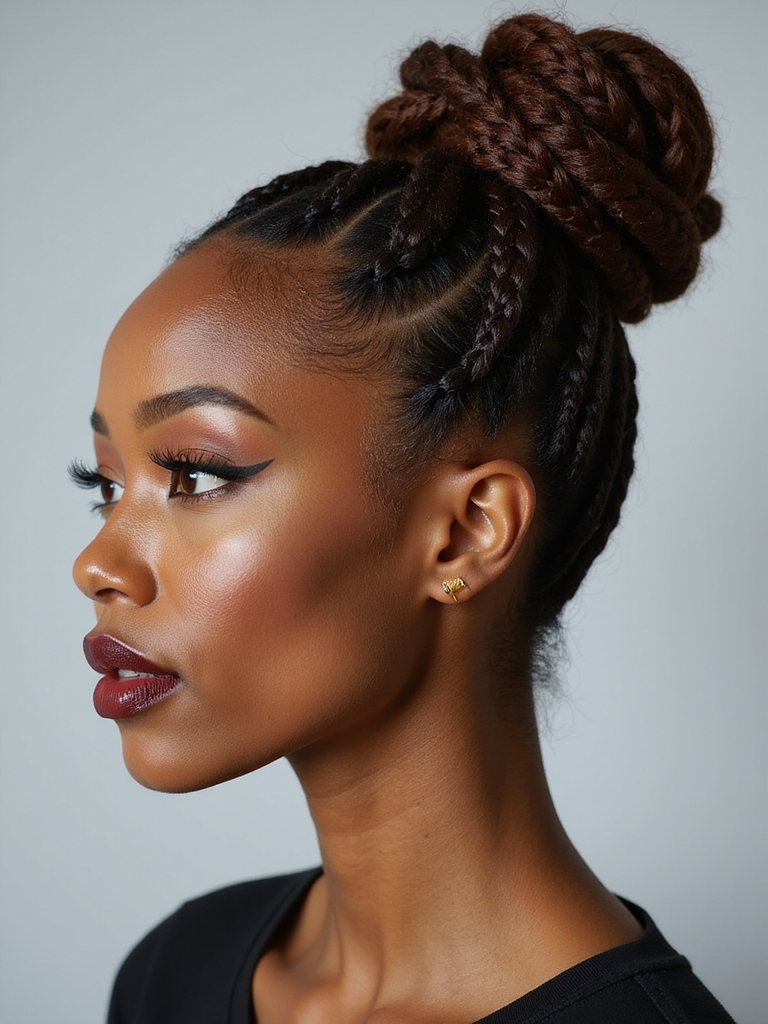
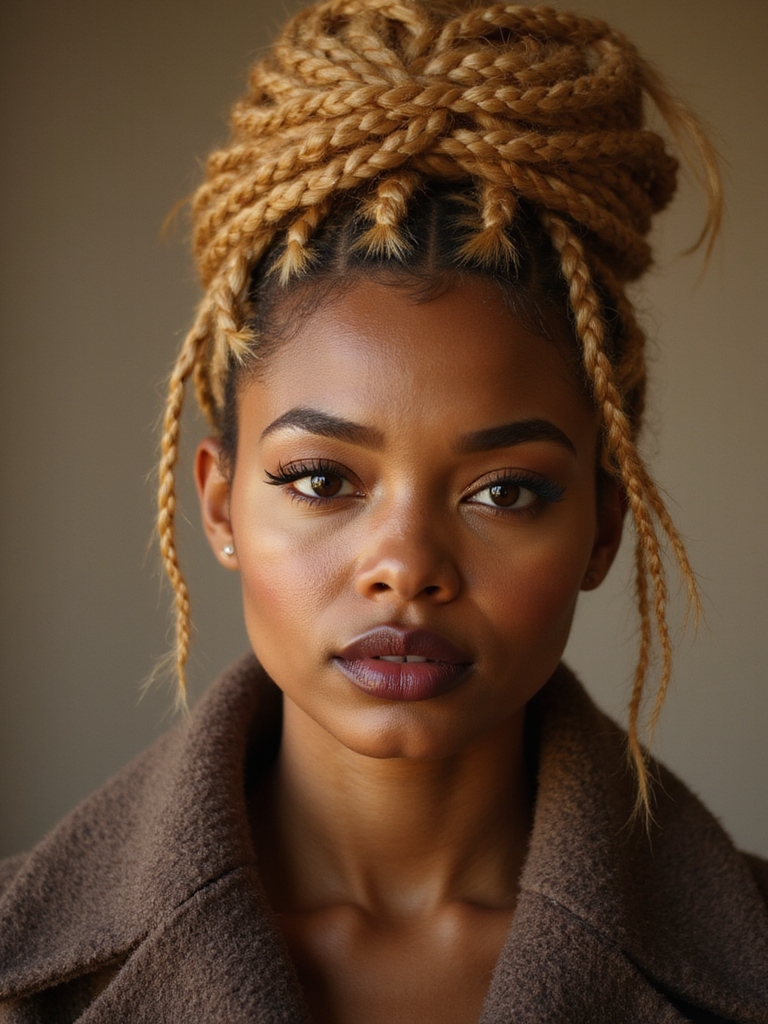
Once your braids are in, pulling them into a bun or updo adds a second layer of protection by tucking the ends away too. A braided bun keeps the very tips of your braids, the most exposed part, off your collar and out of the cold.
- An updo tucks the braid ends away for extra protection.
- Reads polished enough for work in seconds.
- Vary the placement day to day to spread the wear.
Scalp Care and Hydration During Cold Months
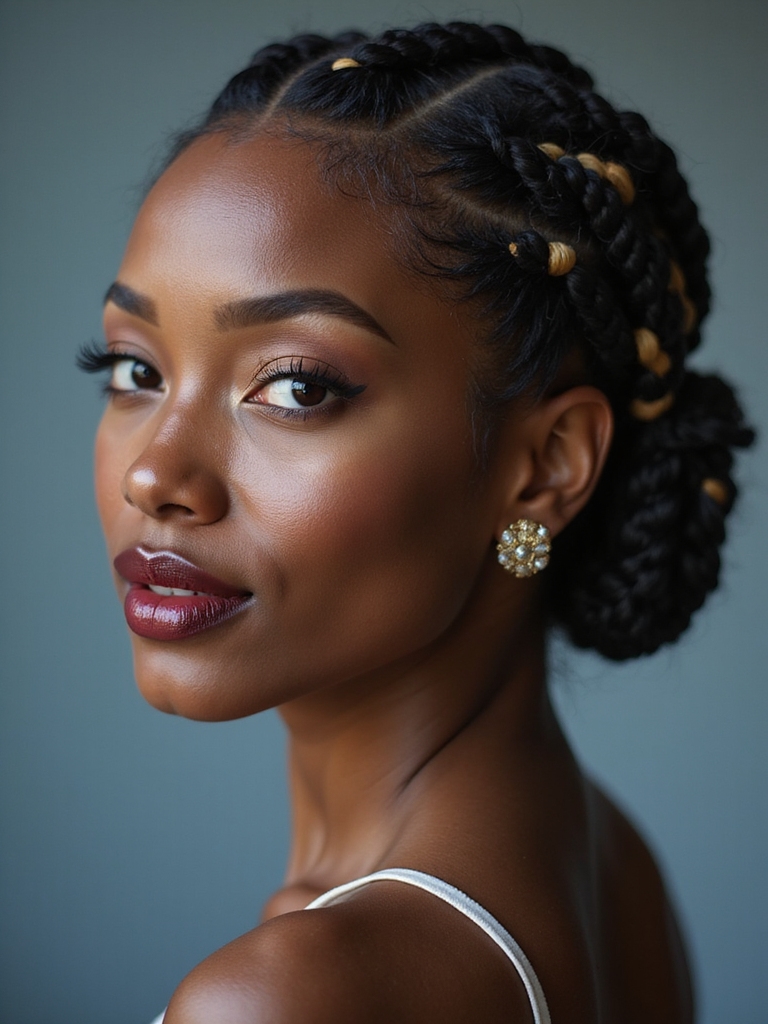
Your scalp does not braid away; it still needs cleansing and moisture for the weeks your hair is up. A dry, neglected scalp under braids gets itchy and flaky fast in winter’s dry air.
Use a scalp spray or diluted cleanser on an applicator bottle to reach between the braids, and follow with a light oil. A soothing scalp routine keeps the whole style comfortable. If your scalp turns sore or very flaky, it is time to cleanse it or take the braids down.
- Cleanse between the braids with a spray or diluted wash.
- Soothe with a light oil, applied to the scalp only.
- Soreness or heavy flaking is your cue to take them down.
Nighttime Routine to Preserve Braids
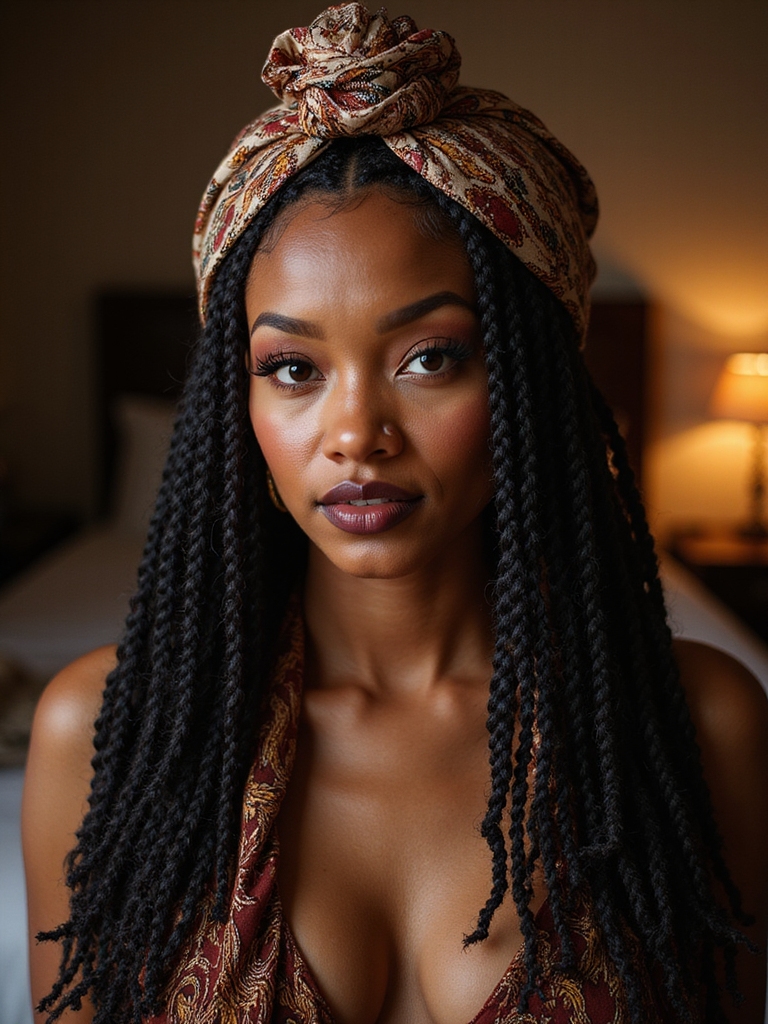
A satin or silk scarf at night is what separates braids that look fresh at week three from braids that look fuzzy at week one. Cotton pillowcases rough up the braids and pull moisture out while you sleep.
Two Minutes That Buy Weeks
Tie a satin scarf over your braids, or sleep on a silk pillowcase if a scarf slips off. For long braids, loosely gather them up so you are not lying on them all night.
A silk wrap keeps frizz down and moisture in, so the style stays sleek far longer. It is the single highest-payoff habit for braided hair.
Styling Accessories That Prevent Friction
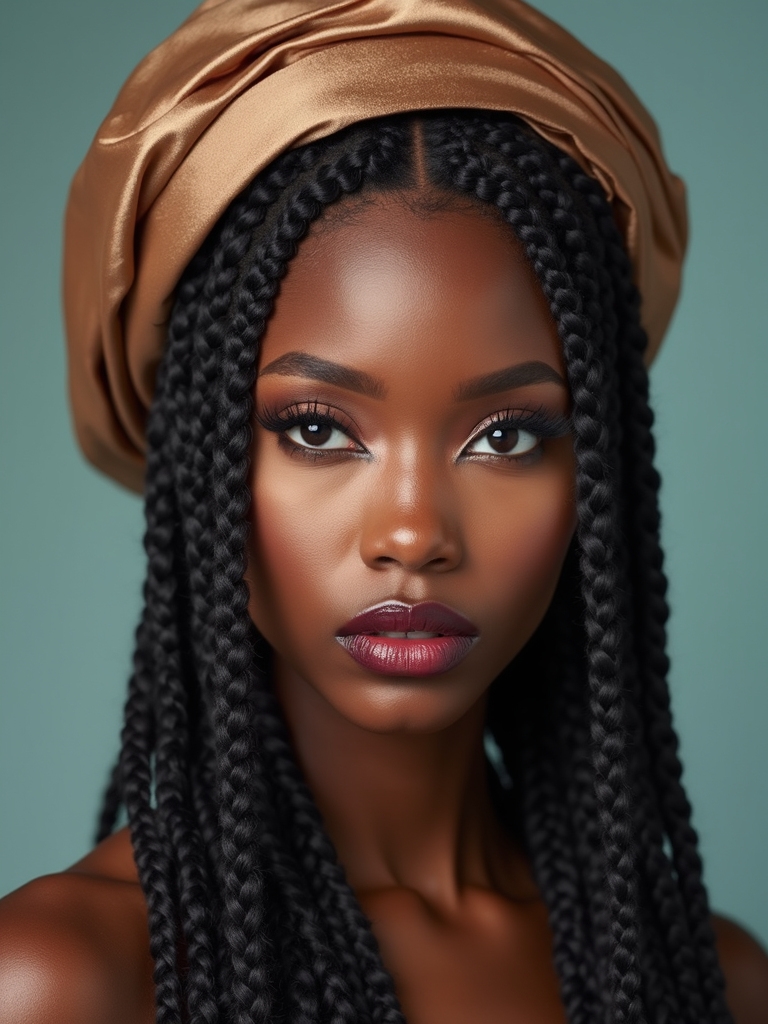
The accessories you choose with braids should protect, not snag. A satin-lined hat, smooth hair ties, and beads or cuffs with no rough edges all dress up braids without catching them.
Pretty and Protective
A satin-lined beanie is the key winter buy, since it gives you warmth without the wool friction that frays braids and edges. Skip tight elastics that dent and snap the braids.
Satin-lined accessories are worth the small splurge, usually $10 to $25 each. They protect the style every time you bundle up to head out.
Taking Braids Out: Gentle Detangling, No Damage
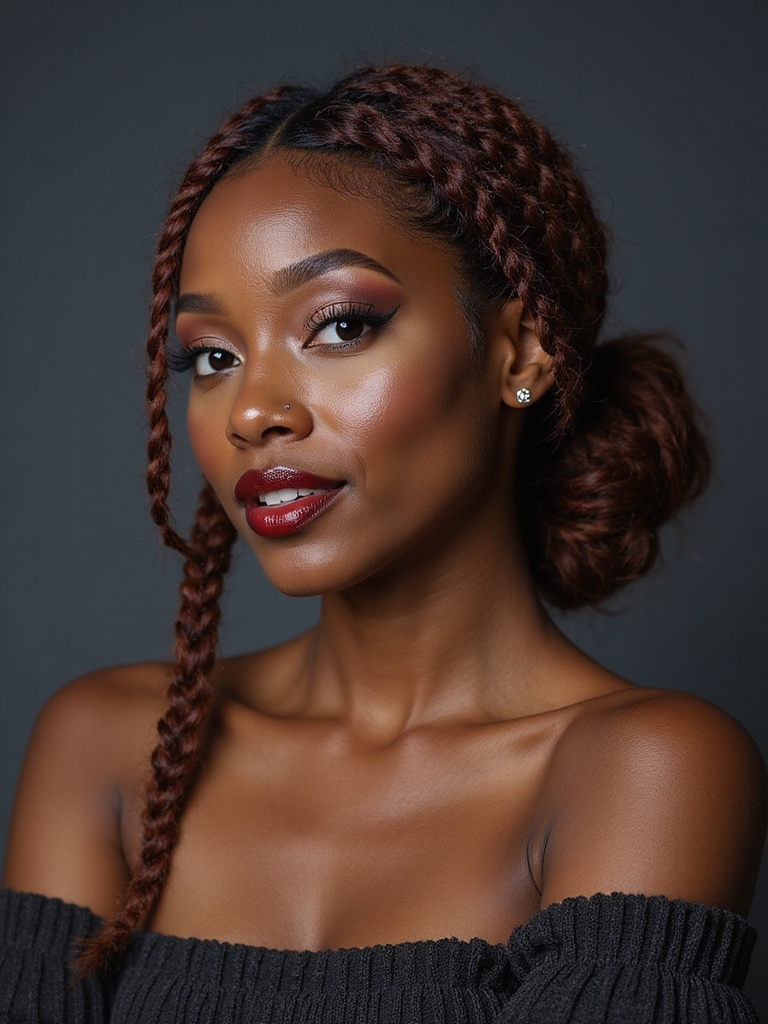
How you take braids out matters as much as how they went in, since rushed take-down is where most braid breakage happens. I start every take-down with conditioner and patience. Unravel each braid gently, and never rip through the shed hair that has collected. Spray the braids with a little water and conditioner as you go to slide them apart, and detangle each section fully before moving on.
A slow, conditioned take-down protects the length you grew under the style. Expect to lose some shed hair, which looks like a lot but is just weeks of normal shedding that could not fall out while braided. Deep-condition right after to restore moisture before your next style.
- Unravel gently and never rip through shed hair.
- Spray with water and conditioner to slide braids apart.
- Deep-condition right after to restore moisture.
Reviving a Braid Routine Between Wash Days
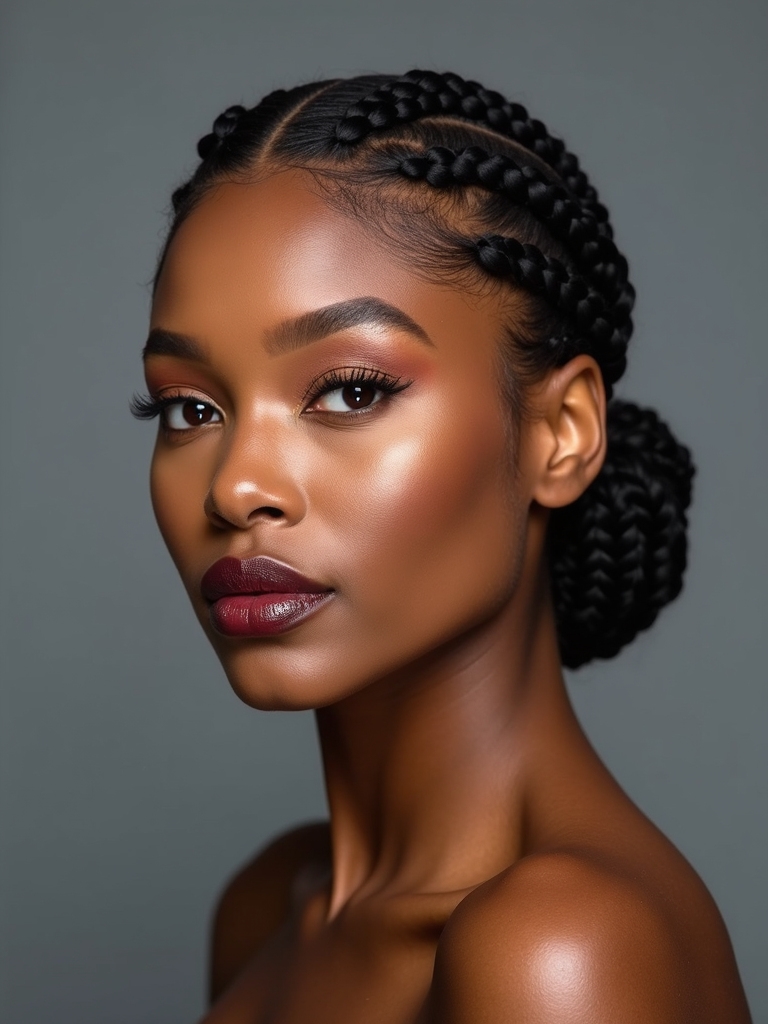
Braids do not need a full wash as often as loose hair, but they do need a mid-wear pick-me-up to look their best. A scalp-first routine, cleansing and moisturizing the scalp before you touch the braids, keeps everything healthy without disturbing the style.
Mist the braids with a light leave-in to revive them, smooth any frizz at the hairline, and re-tie the front pieces if they have loosened. A mid-wear pick-me-up every week or so keeps braids looking installed-yesterday for their whole run. Stretch your washes, but never skip the scalp.
Winter Braids, Answered
?How long do braided protective styles last?
It depends on the braid: chunky cornrows last one to two weeks, box braids and faux locs four to eight, and micro braids up to eight with care. Whatever the style, six to eight weeks is the outer limit, since past that, new growth and tangling start working against your hair at take-down.
?Do braids actually grow your hair?
Braids do not make hair grow faster, but they protect the length you already have by preventing the daily breakage that keeps hair short. Tucked-away, moisturized ends stay intact, so you keep more length, which looks like growth over a season.
?How do I keep braids from being itchy in winter?
Start with a clean scalp, then keep it moisturized through the wear with a light scalp oil or spray between the braids. Dry indoor heat is the usual culprit. If the itch is severe or comes with soreness, the braids may be too tight or overdue to come out.
?Are braids damaging to my edges?
Only when they are too tight or too heavy. Braids should never hurt or raise bumps along your hairline; that tension is the leading cause of traction alopecia. Ask for feed-in braids or a lighter style, and make sure the hairline is braided gently.
?Can I wash my hair while it is braided?
Yes, gently. Use a diluted shampoo or a scalp cleanser in an applicator bottle, focus on the scalp, and let the braids air-dry completely to avoid mildew. Washing every two to three weeks keeps a long-wear style fresh.
A Braid for Every Winter Week
Whatever your hair and your schedule, there is a braided style that fits: a quick set of chunky cornrows for a busy month, box braids for a whole season of looks, faux locs when you want to forget about your hair entirely. The braid you choose matters less than the care around it, the prep going in, the moisture through the wear, and the gentle take-down at the end.
That care is what turns a protective style into real protection. Braid well, moisturize often, mind your scalp, and take them out on time, and you will come out of winter with healthier, longer hair than you went in with. The winter protective hairstyles guide covers the non-braid options too, if you want to mix it up by spring.
Related Reads