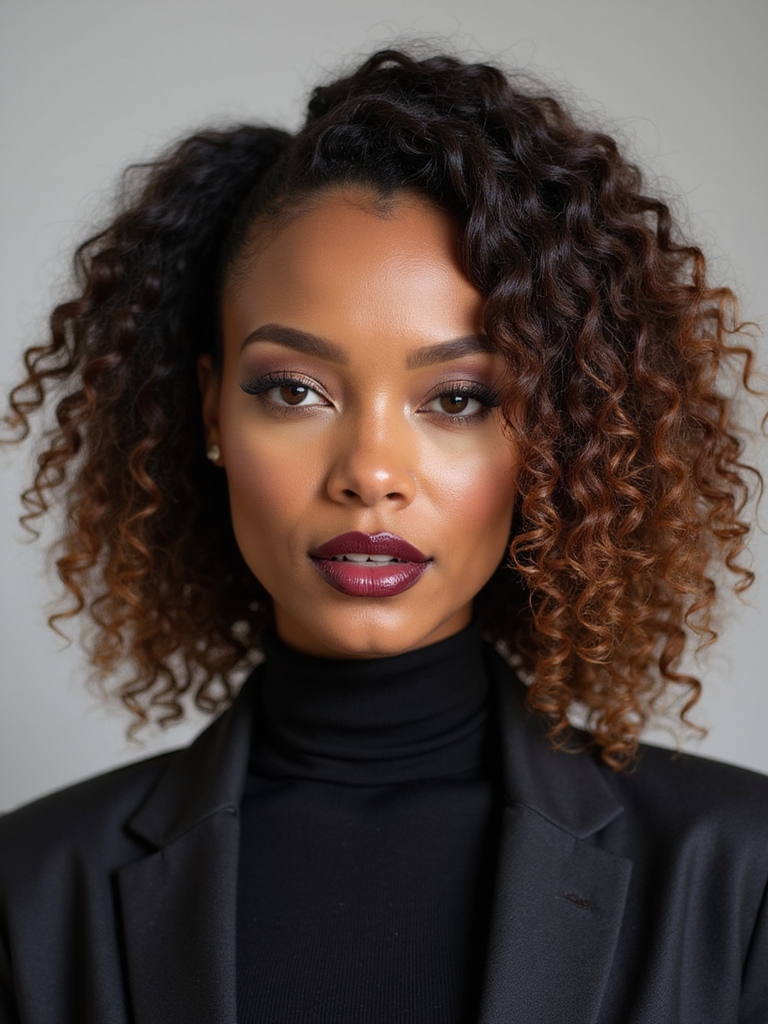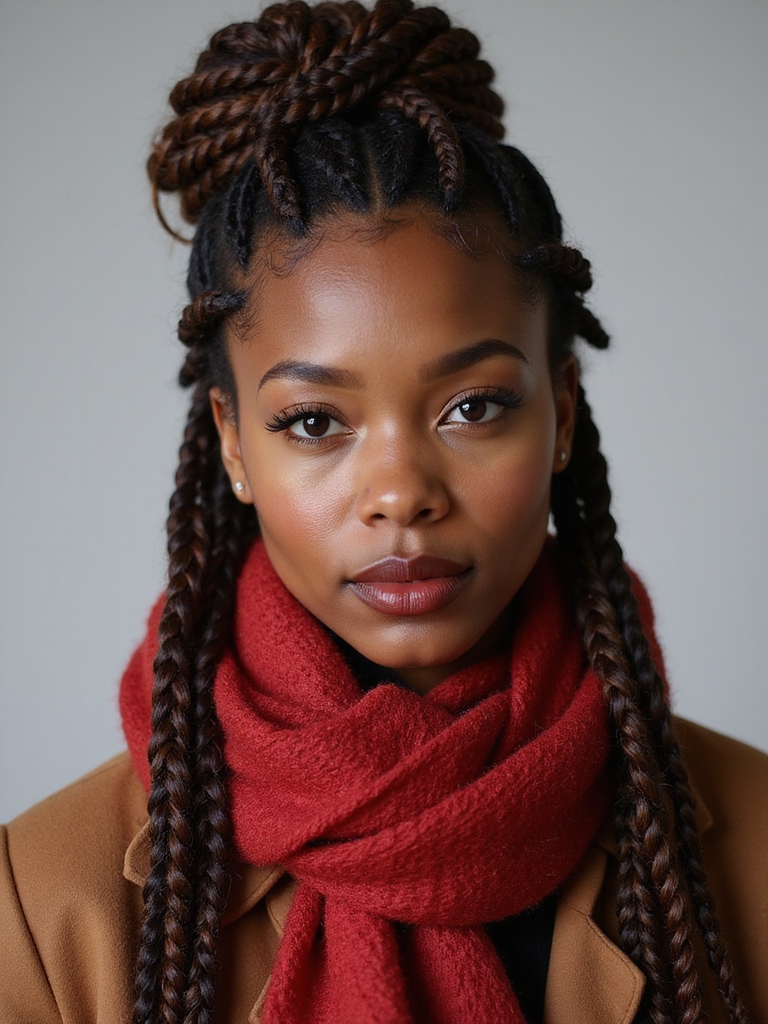
The first real cold snap shows up in my clients’ hair before the calendar admits it is winter. Coily and curly textures lose moisture fast in dry air, and wool scarves and coat collars rough up the strands they rub against all day. By February, the ends pay for it. These styles are built to get ahead of that.
Winter natural hairstyles are not about hiding your texture under length or heat. They are low-manipulation, moisture-sealing styles that tuck your fragile ends away from the cold and friction while still looking polished. These fifteen run from quick twist-outs to box braids, each one chosen to carry coily and curly hair through the season’s hardest stretch.
Winter Natural Hair, in Short
- Winter dries out coily and curly hair fast; the goal is sealing in moisture and keeping fragile ends tucked away.
- Low-manipulation protective styles (twists, buns, braids, cornrows) shield your ends from cold air and wool friction.
- Moisture first: a leave-in plus a sealing oil or butter does more for winter hair than any single style.
- A protective style only helps while it is healthy, so spritz and reseal through the week and take it down on schedule before it starts working against you.
Quick Moisture-Boosting Prep for Winter Styles
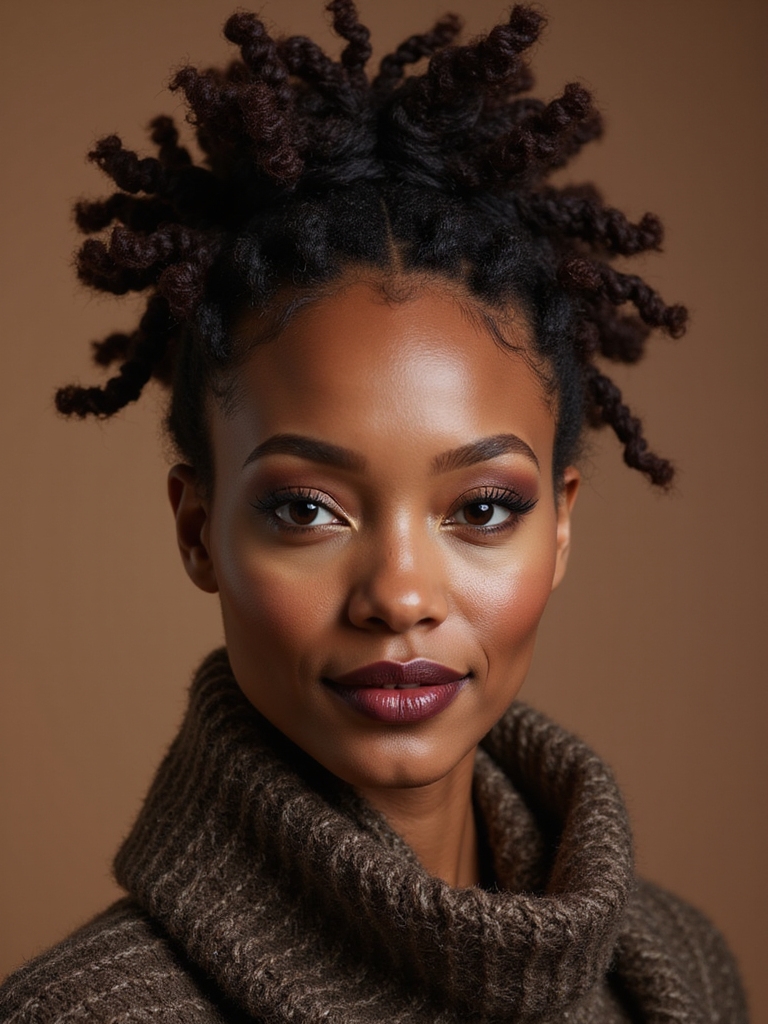
Before any winter style goes in, moisture comes first, because a protective style over dry, thirsty hair just locks the dryness in for a week. Start on damp hair, layer a water-based leave-in, then seal with a light oil or cream so the moisture cannot evaporate into the cold, dry air around you.
- Start on damp, not soaking hair so products absorb instead of sitting on top.
- Layer in order: water-based leave-in, then a sealing oil or butter, the LOC method.
- Heavier butters like shea hold moisture longer through dry winter air.

Low-Manipulation Twist-Outs for Busy Mornings
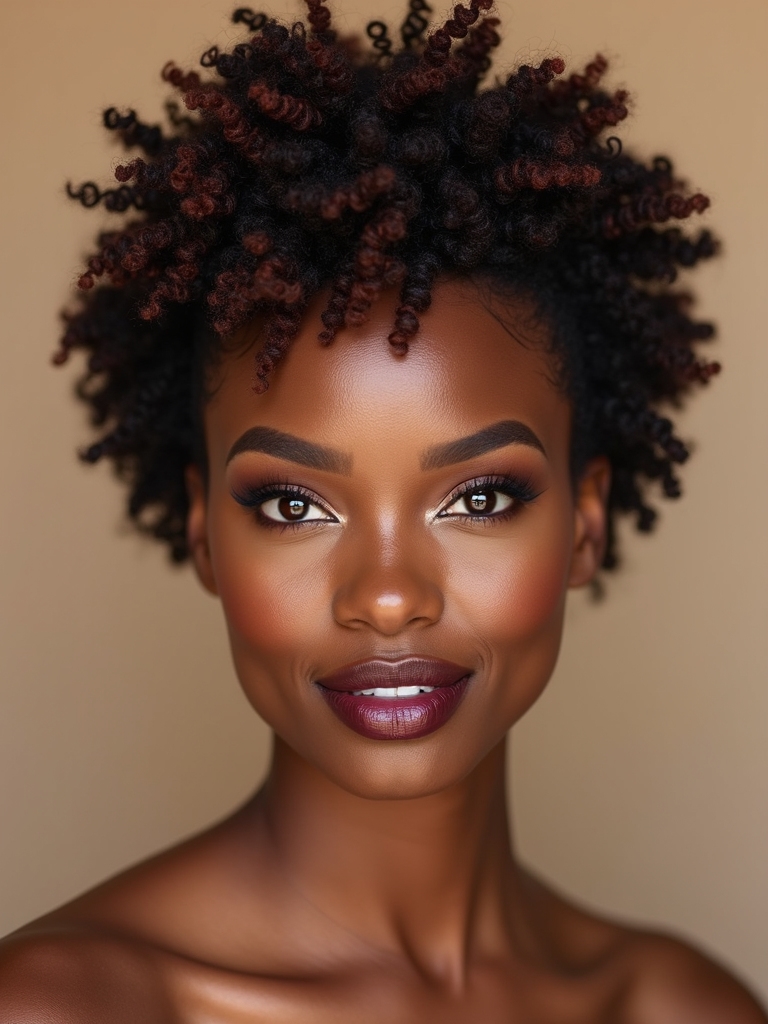
A twist-out is the workhorse of winter natural styling, because you set it once and wear it for days. Twist damp, product-laden hair into chunky two-strand twists at night, then unravel them in the morning for soft, defined coils with no heat at all.
The winter advantage is that each twist-out can be re-twisted at night and worn again, so you are manipulating your hair far less than a daily style would. Pineapple it overnight under a satin bonnet to keep the definition.
I tell every client who is new to natural hair to start here, because a twist-out forgives mistakes and teaches you how your curls behave. Chunkier twists mean faster takedown and more volume; smaller twists give tighter definition that holds longer.
Two winter natural-hair myths worth retiring:
❌ Myth: Tighter braids and twists last longer
✅ Reality: No; a style that pulls is a style that stresses your edges, and how long it lasts comes down to the install and your upkeep, not the tension
❌ Myth: A protective style means you can ignore your hair for weeks
✅ Reality: Your hair still needs moisture underneath; a weekly spritz and reseal is what keeps a protective style actually protective
Sleek Low Buns That Protect the Ends
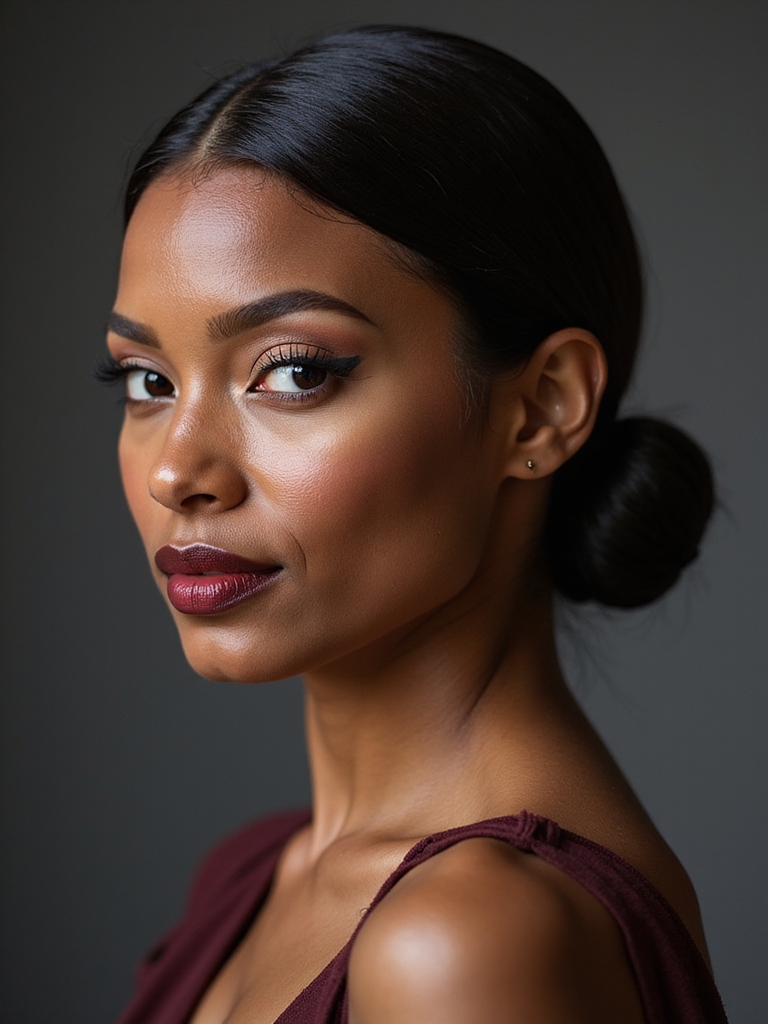
A low bun protects more of your hair than almost any everyday style, since it tucks your most fragile part, the ends, completely out of the weather. That alone prevents most winter breakage. Smooth your hair back with a brush and a little gel or cream, gather it low at the nape, and wrap it into a coiled bun.
The key for natural hair is to keep the smoothing gentle and the bun loose enough to sit comfortably at your hairline. A satin-lined bun form or a soft tie protects the hair as it holds the shape, which matters across a long winter of daily wear.
- Tucks your ends fully away from cold air and collar friction.
- Keep the base soft and low at the hairline.
- Works on blown-out or stretched natural hair for a clean, polished finish.
Protective Box Braids With a Polished Finish
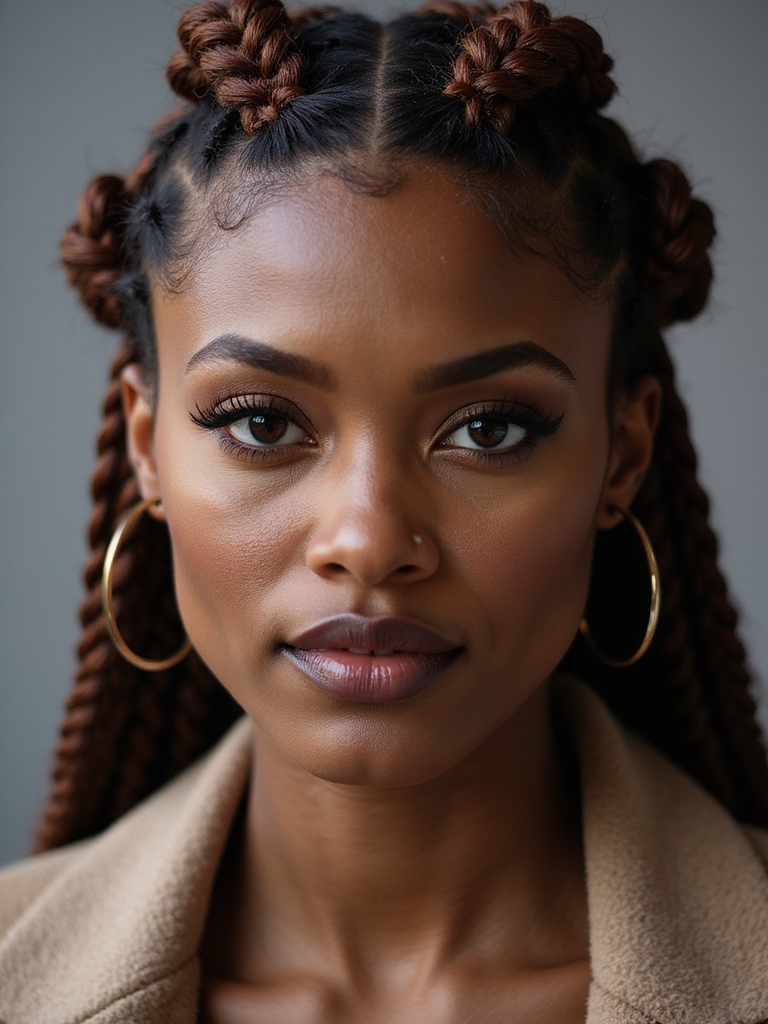
Box braids are the long-haul winter protective style: install them and they shield your natural hair through weeks of low-maintenance wear. They keep your strands tucked fully away from the cold. And they style a dozen ways: in a bun, half-up, or down. Worn for six to eight weeks and moisturized along the way, they carry you through the hardest stretch of the season.
Spritz your scalp and the braids with a light leave-in mix every few days so the style stays soft rather than drying out underneath. The winter protective hairstyles guide covers installs and takedown in more depth, and the winter hairstyles for Black women roundup has more ways to wear them.
- Tuck your hair away completely for six to eight weeks of wear.
- Style a dozen ways: bun, half-up, or down.
- Spritz and reseal every few days so the hair stays moisturized underneath.
A quick gut-check before you pick a winter protective style:
1How much daily time do you really have?
Almost none means box braids or cornrows; ten minutes means a twist-out or a low bun you refresh
2Do you keep up a night routine?
If a bonnet is not yet a habit, start there; no protective style survives cotton and dry heat all night
Flat-Twist Updos for Work or Evening
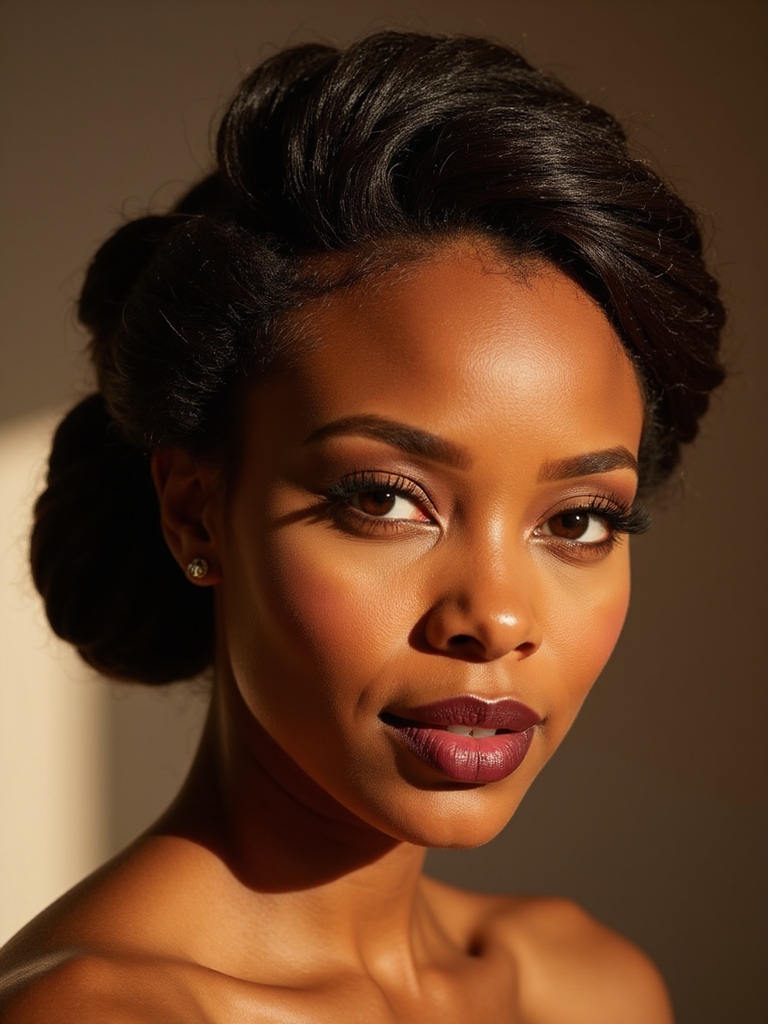
Flat twists, twists that lie flat against the scalp like cornrows but use two strands, make an elegant base for a winter updo. Twist sections back from your face and pin the lengths into a low chignon for a style that reads polished enough for the office or a holiday dinner.
Because flat twists keep the hair close to your head, they sit easily under a hat or hood without crushing, and they tuck your ends into the updo where the cold cannot reach. A flat-twist updo holds for two or three days, which makes it a high-payoff style for a busy week.
Pineapple Night Routine to Preserve Curls
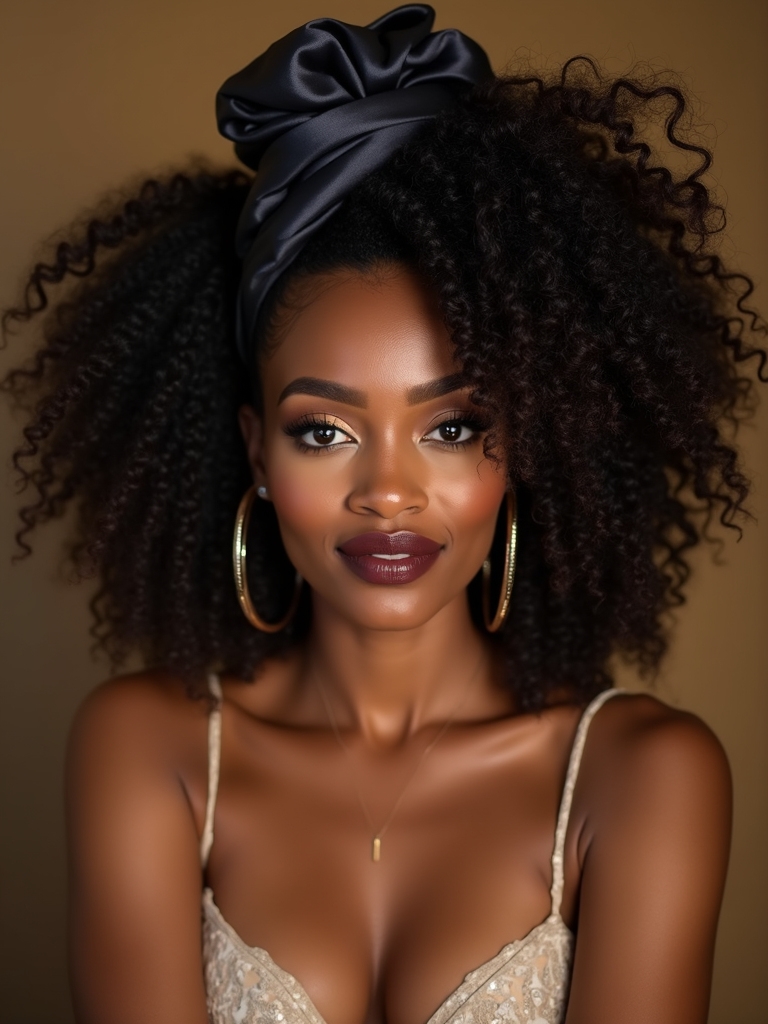
The pineapple is a night routine, the one that makes your daytime styles last. Gather your curls or twist-out loosely at the very top of your head with a soft scrunchie, like a pineapple, so the lengths stay off the pillow while you sleep.
It keeps your curl pattern and volume intact overnight. You wake to second- and third-day hair that needs only a light fluff. A satin or silk bonnet over the pineapple cuts the friction that flattens and frays curls against a cotton pillowcase.
In winter this matters even more, since dry indoor heat and cotton together pull moisture out of your hair all night. The pineapple plus satin is the cheapest insurance your curls have.
How to set a twist-out that lasts through the cold:
1Start on damp, moisturized hair
Layer a leave-in and a sealing cream so the twists set with moisture locked in
2Twist in clean sections
Two-strand twist each section to the ends; chunkier for volume, smaller for tighter definition
3Dry completely before takedown
Unravel only once fully dry, then separate gently and fluff the roots for height
Faux Hawk Braids for Edge-Friendly Style
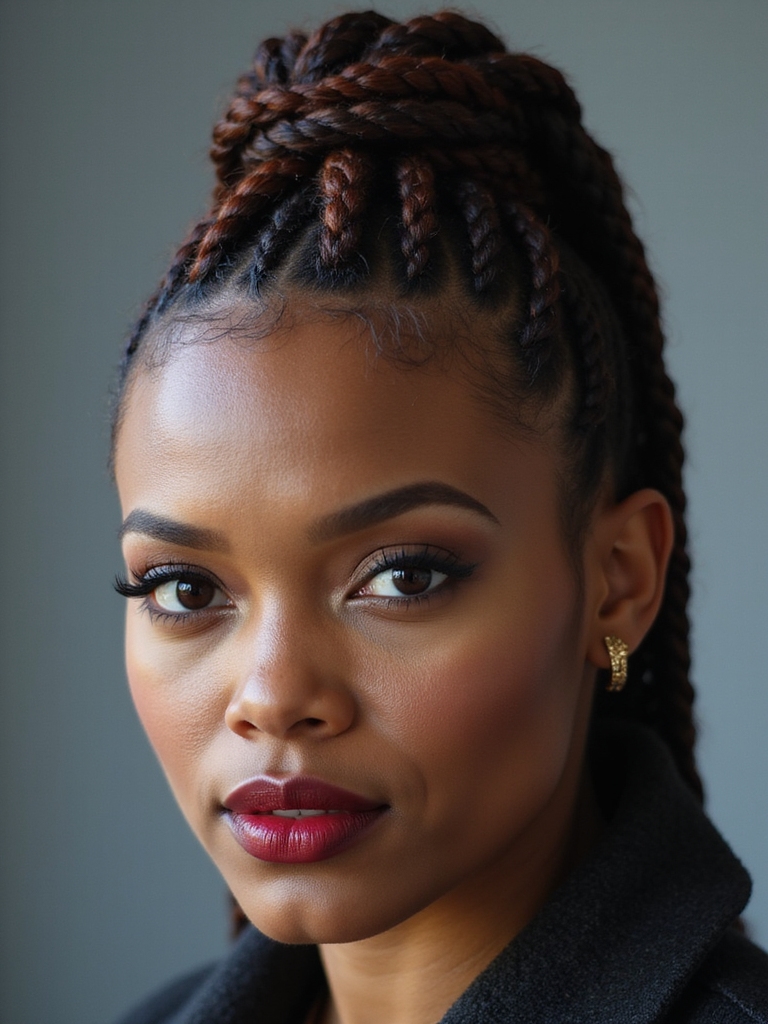
A braided faux hawk gives you an edgy, statement look without a drop of damage, which is why it earns a spot in a winter rotation. Cornrow or flat-twist the sides in toward the center. Then leave a fuller braid-out or twist-out down the middle for height and drama.
- All the attitude of a faux hawk with zero cutting or heat.
- The braided sides tuck away while the center stays full and expressive.
- Holds for several days and sits well under a beanie when you head out.
Halo Braid Variations for Gentle Styling
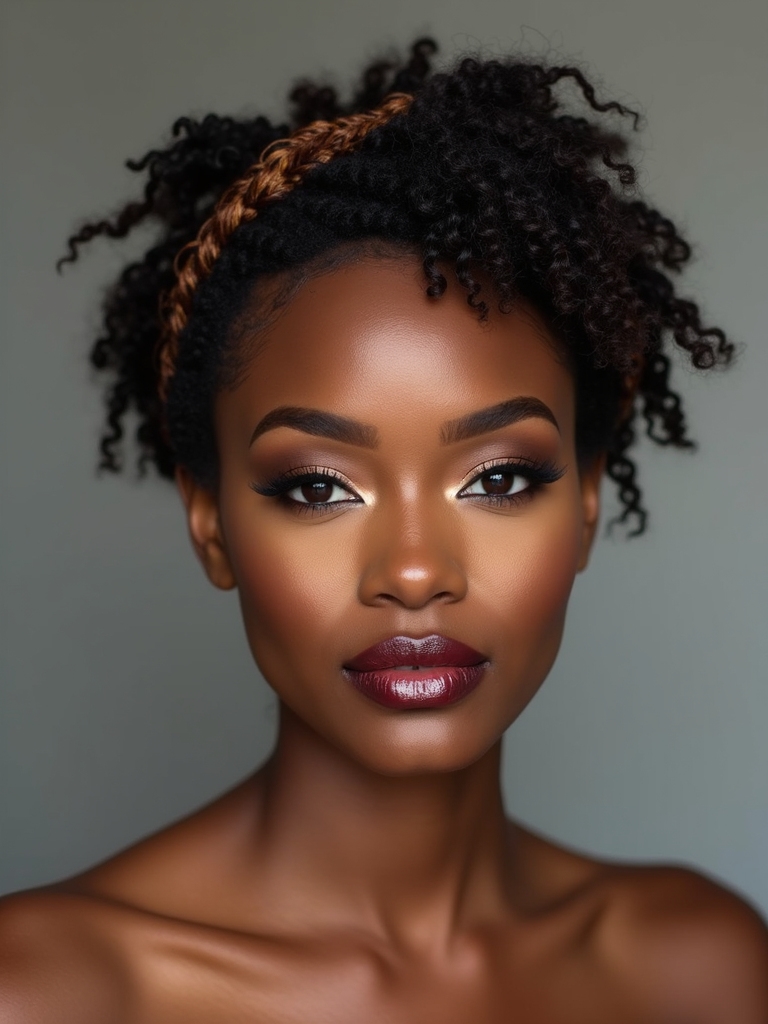
A halo braid, one braid wrapped around your head like a crown, is the soft, romantic end of protective styling. It keeps every inch of your length tucked up and off your neck, away from scarf friction, while looking pretty enough for an occasion.
It is a gentle style because the single braid spreads the hold evenly across your whole head. A halo braid works on stretched natural hair or over freshly twisted hair, and it tucks beautifully under a winter hat. Mist it with water and a little leave-in to keep it soft across a few days of wear.
🅰️Own-hair styles
Twist-outs, flat twists, and buns; lowest cost, fully refreshable, but need restyling every few days
🅱️Extension styles
Box braids and cornrows; weeks of hands-off wear, but install and takedown ask more time up front
Simple Two-Strand Twist Styles for Every Day
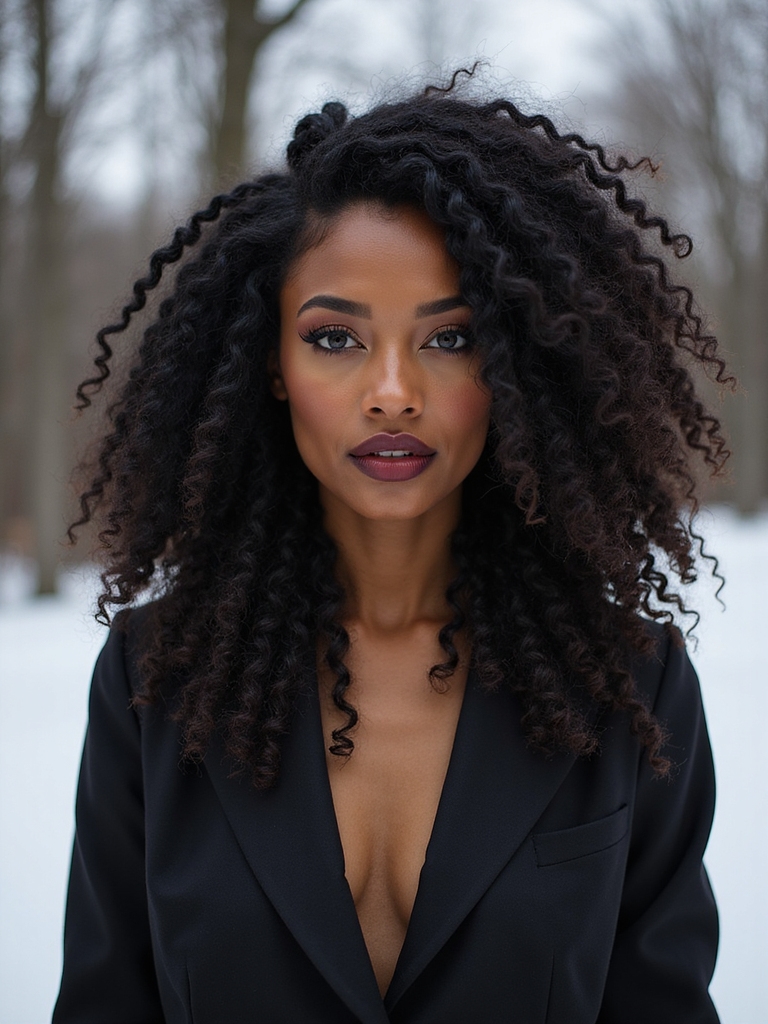
Two-strand twists are the most versatile protective style you can do yourself, no braiding skill required. Section damp hair, twist two pieces around each other down to the ends, and you have a style you can wear as-is for a week or unravel into a twist-out later.
Worn Two Ways
Worn in, the twists are a tidy, low-effort protective style that tucks your ends and holds for days. Worn out, you unravel them for definition and volume, so one set of twists gives you two completely different looks.
For winter, leave them in a little longer between restyles to cut down on manipulation, and refresh with a light oil at the roots and ends. They are the foundation most natural-hair winters are built on.
Half-Up Styles That Shield the Back of the Neck
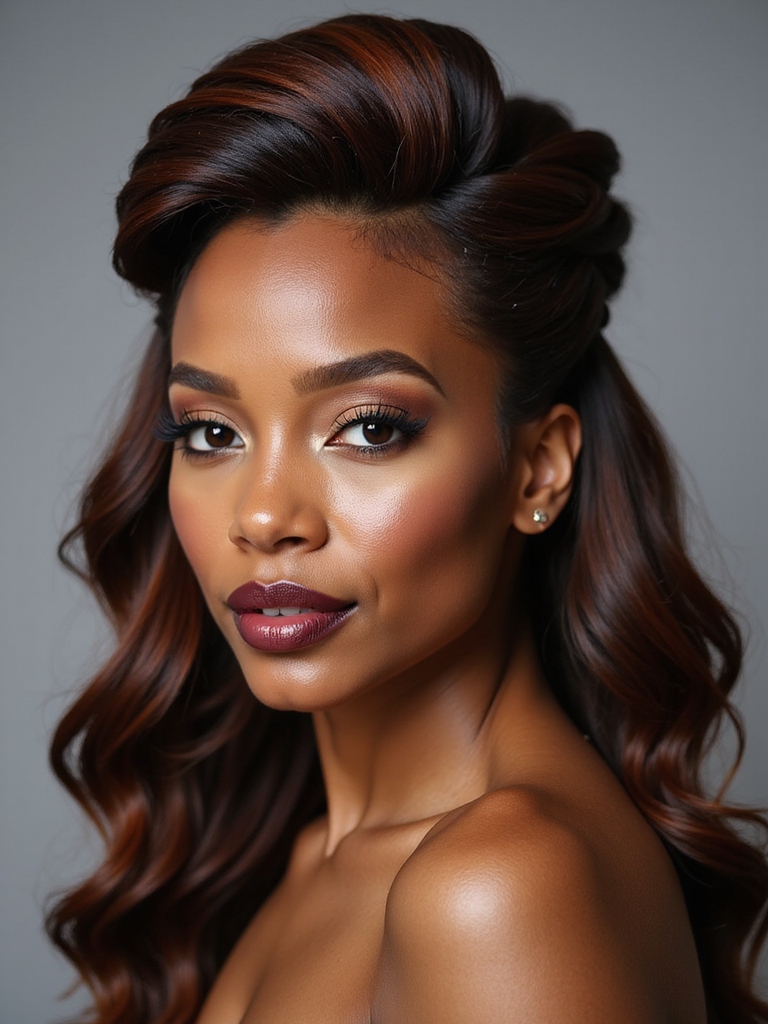
A half-up style is the compromise for days you want your length visible but still protected where it counts. Pull the top half into a puff, twist, or bun, and let the bottom half stay down, then tuck or loosely twist those ends to keep them off your collar.
The nape is the most friction-prone, breakage-prone spot in winter, rubbing against scarves and collars all day long. A half-up that gathers or tucks the back keeps that vulnerable section shielded. A half-up puff is quick, cute, and far kinder to your ends than wearing them fully loose against wool.
Flat-Twist and Bun Hybrid for Maximum Protection
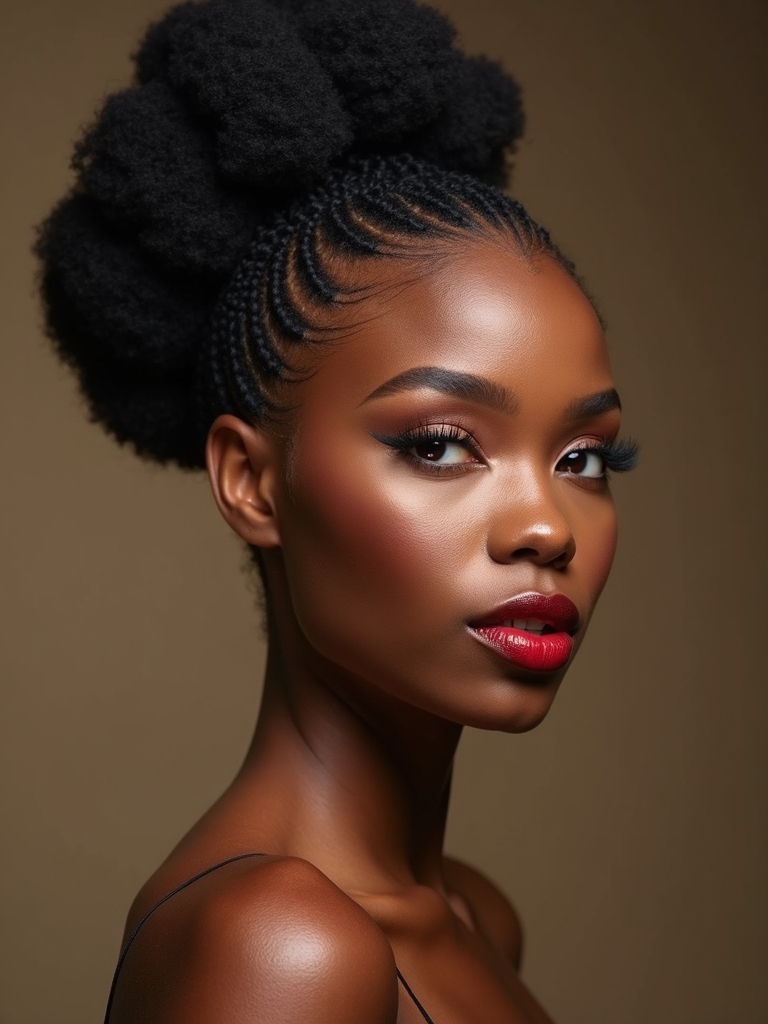
When you want the most protection a no-extensions style can give, combine flat twists with a bun. Flat-twist the hair back from your hairline, then gather the lengths and the twist ends into a low bun so nothing is left exposed. The flat twists keep your roots smooth and your scalp covered, while the bun seals every end away from the cold.
This hybrid holds for several days, sits flat under a hat, and reads polished enough for work. It is what I hand clients when they want protection and a put-together look in the same move. Mist and re-oil the twists every couple of days to keep the style soft and moisturized.
- Flat twists cover the scalp; the bun seals the ends, so nothing stays exposed.
- Lies flat under a hat or hood without crushing.
- Re-mist every couple of days to keep the twists soft.
Silk-Lined Buns That Block Winter Friction

A silk- or satin-lined bun takes the protective bun a step further by addressing the friction the wrap itself can cause. Coil your hair into a low bun and secure it with a satin scrunchie, or tuck it into a silk-lined accessory, so even the tie is not roughing up your strands all day.
- Satin or silk ties prevent the snagging that cotton elastics cause.
- Keeps a low profile under scarves, hoods, and hats.
- The most friction-conscious version of an everyday protective bun.
Clean Cornrow Patterns for Long-Lasting Wear
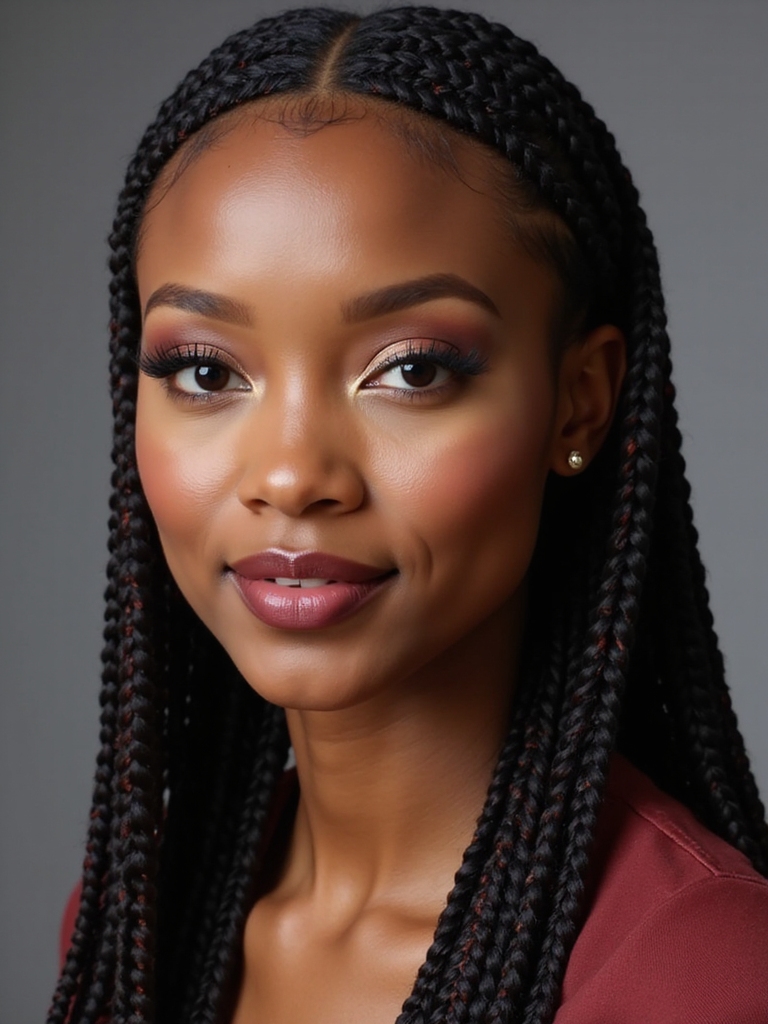
Cornrows are the long-lasting backbone of protective styling, braided flat to the scalp in patterns that hold for a week or more with almost no daily upkeep. Straight-back rows are the simplest and look clean and sleek; more intricate patterns turn the style itself into the statement. They keep your hair completely tucked and your ends protected, and they sit perfectly flat under any winter hat.
Cornrows worn under a wig or as a base also make a smooth foundation for other styles. Spray your scalp and the braids with a light leave-in mix every few days so the style stays fresh across its long wear. The winter hair braid ideas roundup has more pattern inspiration.
- Hold a week or more with minimal daily upkeep.
- Sit completely flat under hats, hoods, and wigs.
- Straight-back for sleek, intricate patterns for a statement.
Mid-Week Spritz to Revive and Reseal
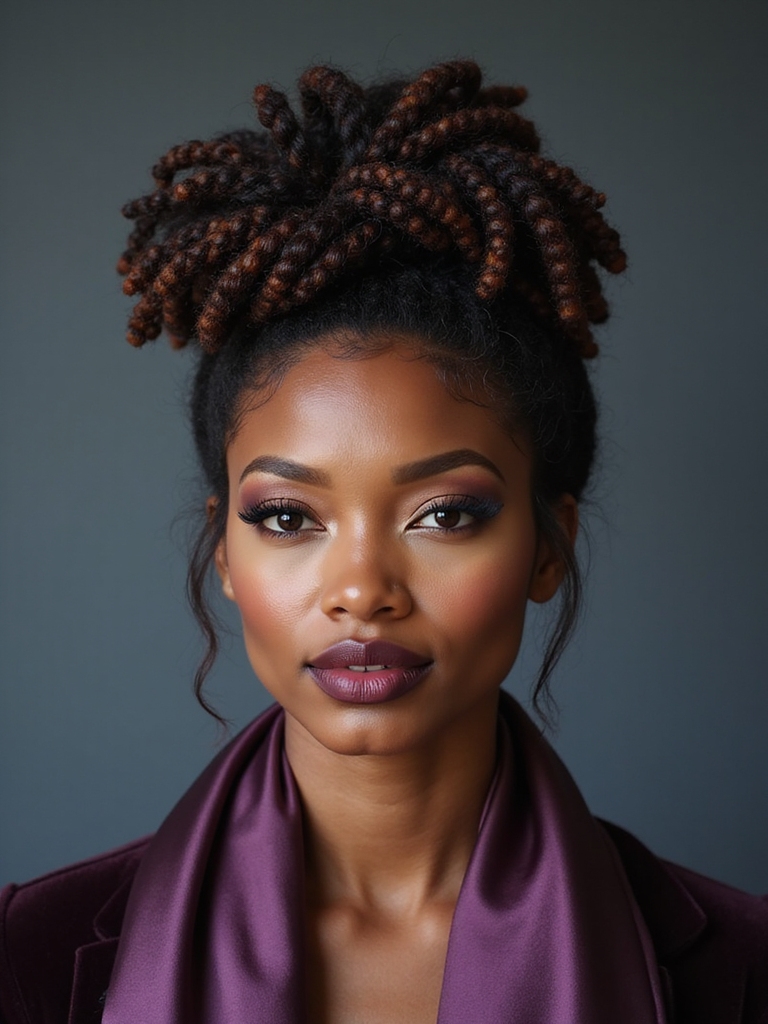
Any protective style is only as good as the moisture underneath it, and winter air pulls that moisture out faster than you would think. Midway through the week, revive the style with a spritz and reseal it before it starts to look tired.
Fill a spray bottle with water and a splash of leave-in, mist your hair and scalp lightly, then follow with a few drops of oil to seal it in. A mid-week spritz keeps twists, braids, and buns soft and moisturized, so they look soft and moisturized through day five and beyond.
- Water plus leave-in in a spray bottle is the simplest mid-week refresh.
- Always reseal with a light oil so the moisture does not just evaporate.
- Focus on your ends and hairline, the spots that dry out first.
Snag-Free Accessories: Pins, Clips, and Scarves
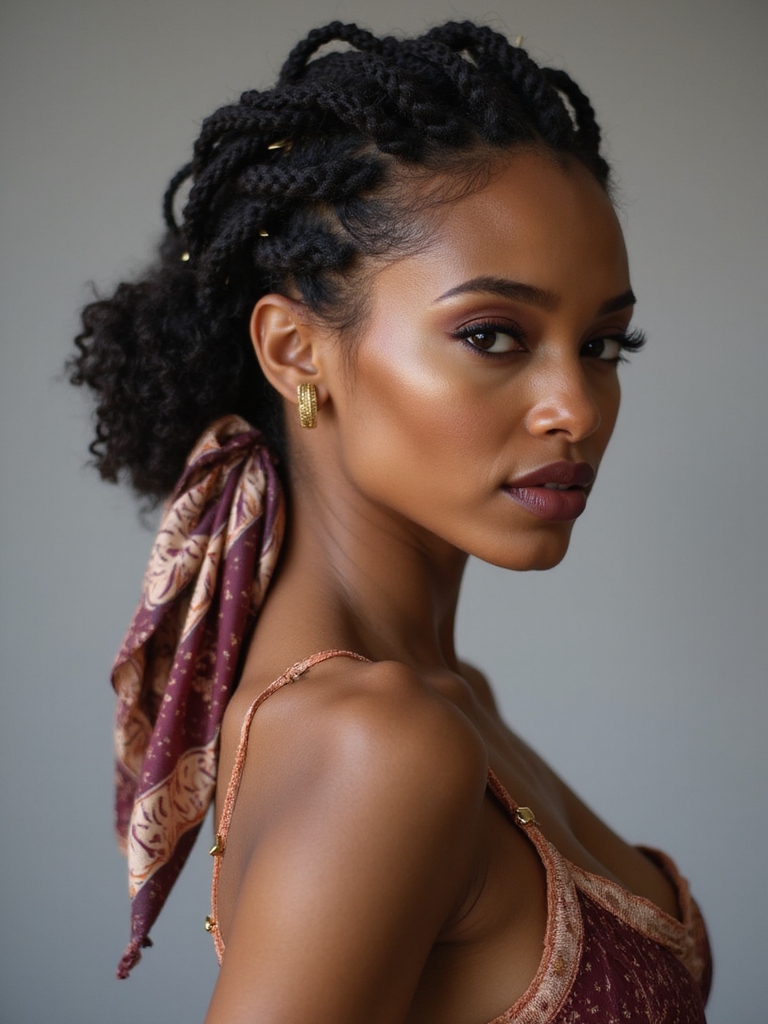
The right accessories let you change up a protective style without undoing the protection, as long as they are snag-free. Three things do the work here. Smooth bobby pins, snag-free clips, and satin or silk scarves dress up a bun or twist-out, all without catching and tearing the hair the way rough metal or cotton can.
- Choose smooth, snag-free clips and pins over rough-edged metal ones.
- Satin and silk scarves add color and warmth without friction.
- Accessories let you restyle without taking the whole look down.
Maintenance & Care
Two habits carry natural hair through winter more than any single style. The first is moisture, on repeat: a leave-in and a sealing oil or butter every few days, because dry cold air and indoor heat strip coily and curly hair constantly.
The second is night protection, every night: a satin or silk bonnet or pillowcase so the day’s moisture survives the night. It costs almost nothing. A bonnet runs a few dollars and a good satin pillowcase lands around $15 to $30, which is the cheapest hair insurance you will ever buy.
Beyond that, be gentle with your edges and your schedule. Keep protective styles comfortable at the hairline, and take braids and twists down on time rather than holding them an extra two weeks, since both tight installs and over-worn styles are what stress fragile edges over a season.
Listen to your hair. If a style feels sore or your scalp is tender, that is the signal to loosen or take it down. Done with a light hand, these styles protect your length all winter and let your texture come through the spring stronger than it went in.
Texture That Comes Through Spring Stronger
The throughline of every style here is the same: protect your ends, seal in moisture, and handle your hair less when the weather is working against it. Every one works with your coily and curly hair instead of against it, carrying it through the months that are hardest on it without heat or a fight.
Begin with whichever style matches your real schedule, whether that is a five-minute low bun or a set of box braids you keep for two months, and build the moisture and night routine around it. Which of these will you try first this season? Pick one, give it a real two weeks, and watch how much better your hair looks coming out of winter than it usually does.
More Looks Worth Saving