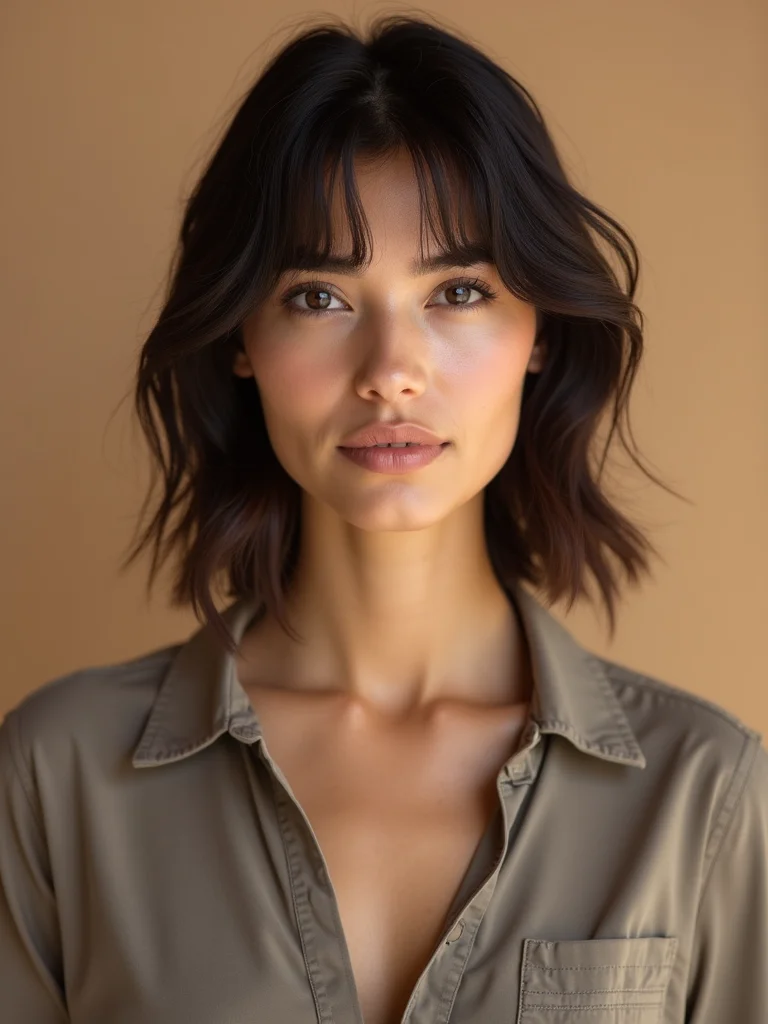
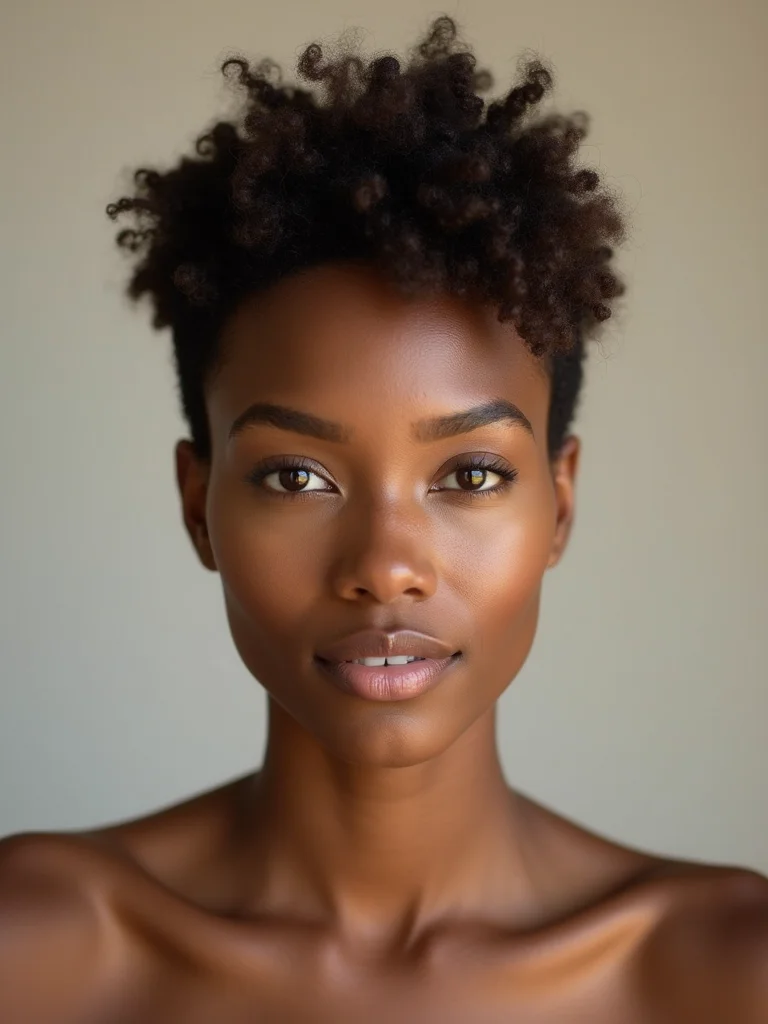
The wolf cut earns its popularity from one trick: the same basic shape reshapes itself around whoever is wearing it. Soft or edgy, big or barely-there, no two versions ever end up looking quite the same, because the cut takes its cues from texture and personality rather than forcing one fixed look.
Fifteen ways to wear it follow below, each with notes on tailoring it to a specific hair type and vibe, plus the styling habits that pull the whole thing together. The goal isn’t copying a photo exactly; it’s landing on the version that actually matches the hair already in the mirror.
The Wolf Cut, Quickly Explained
Why does the wolf cut suit so many different people? Its layers and length adjust endlessly, so the same base idea comes across soft or edgy, big or subtle, purely based on how it’s shaped to a specific texture.
How does it get tailored to a specific face? Mostly by shifting where the layers and face-framing pieces begin. Sections that start around the cheekbones flatter the widest range of face shapes.
Is it actually low-effort day to day? Once it’s cut to match natural texture, yes. The shape is designed to air-dry into something intentionally undone, so most mornings need only a little product.
The Soft, Face-Framing Wolf Cut

For anyone after pretty and approachable over edgy, this version dials the wolf cut down to its gentlest setting. Layers stay blended, and face-framing pieces stay soft, delivering the cut’s signature movement without any of its rock-and-roll sharpness. A quick guide to asking for it:
- Request soft, blended layers instead of heavy, choppy separation.
- Keep face-framing pieces gentle so they flatter without adding visual drama.
- This version suits work, weekends, and nearly everything between those two.
A Choppy Micro Wolf Cut

At the opposite end of the spectrum sits the choppy micro wolf cut, short and sharp with playful, broken-up texture throughout. The shorter length combined with choppy ends makes this the most fashion-forward version on the list, the kind of cut that makes a statement before a single word gets said.
Built for the Bold
This version rewards confidence and a willingness to style a little, since short, textured pieces need a touch of product to look deliberate rather than simply messy. On the right person, though, nothing else here carries quite the same edge.
Trims land on a tighter schedule than any of the longer versions covered below, typically every three to four weeks and a modest $35 to $55 each, since the shortest pieces soften fastest as they grow.
A quick way to figure out where to start:
1Decide on attitude first
Soft and blended lands as pretty; choppy and separated lands as edgy. Pick the mood before picking a length.
2Match length to commitment
Shorter, choppier versions ask for more upkeep and confidence; longer, softer versions ease in with less risk.
Wolf Cut Layers That Define Curls

Curly hair takes to the wolf cut especially well, since the layering gives coils and curls room to spring into a full, rounded shape instead of piling flat under their own weight. The defined, bouncy result ranks among the most striking ways to wear this cut, working with natural texture instead of fighting it.
The one non-negotiable rule is cutting dry, so a stylist can gauge precisely where each curl settles before committing to a single cut. Get that detail right, and a curly wolf cut becomes some of the lowest-effort, most personality-filled hair on this entire list.
An Airy Wolf Cut Built for Fine Hair

Fine hair and the wolf cut make an underrated match, since layering creates body that thin strands can’t hold on their own. Kept airy and soft, the cut builds many lightweight pieces that lift away from the head, so fine hair suddenly looks like it’s carrying far more volume than it actually is.
The key request at the chair is soft layering, not aggressive thinning, since removing density only highlights how fine the strands already are. The goal is fullness built in, not weight taken out.
A little volumizing product worked into the roots, followed by a soft air-dry, gives fine hair movement it otherwise struggles to hold on its own.
Wolf Cut Paired With Curtain Bangs

Adding curtain bangs ranks as one of the most popular ways to personalize a wolf cut, and for good reason: the soft, parted fringe frames the face and ties the whole shape together into one cohesive line.
The bangs share the same airy, swept quality as the rest of the layers, so the front flows naturally into the cut rather than reading as a separate addition tacked on afterward. That shared grow-out pattern also makes this pairing a relatively low-stress commitment over time.
On wavy or curly hair specifically, the bangs need cutting dry too, so they land at the correct length once the natural bend sets in.
Shoulder-Length Wolf Cut

Shoulder length hits the sweet spot for anyone wanting the wolf cut without a dramatic change: still long enough for a ponytail on busy mornings, while the layering underneath stays visible instead of getting swallowed by sheer length. A few reasons this version works so well as a starting point:
- Long enough to pull back for work or workouts, short enough to still show real layers.
- Suits most face shapes and hair textures without much adjustment needed.
- Grows out gracefully into long layers later, with no awkward in-between stage to push through.
One Wolf Cut, Styled Different Ways

One of the more useful things about a textured wolf cut is how differently the exact same haircut can be styled, sleek on one day and tousled on the next. Built-in texture means the cut adapts to mood rather than locking anyone into a single fixed look. A few ways to switch it up:
- Rough-dry and scrunch with fingers for undone, piled-up texture.
- Round-brush the ends under for a smoother, more polished finish.
- Slick the front section back for a sharper, more editorial feel on occasion.
“Anyone unsure about committing to short layers can ask specifically for a shoulder-length version first. It delivers the movement without closing the door on going longer again later.”
A Long Wolf Cut With Feathered Movement

For anyone not ready to lose length, a long wolf cut delivers the layered, airy movement of the trend while keeping hair meaningfully long. Feathered layering through the lengths adds swing and lift without a dramatic length change. A few reasons this lands as the lowest-risk entry point:
- Keeps existing length while still adding real layered movement throughout.
- Offers the gentlest way to test the shape before committing to anything shorter.
- If the look doesn’t land well, the layers simply grow back into the original length.
Layered Crown for Extra Lift

For hair that falls flat specifically at the crown, concentrating layers up top builds lift and height exactly where it’s needed most. Shorter, stacked crown layers stand away from the head once styled, adding volume that makes the entire cut feel fuller and more dynamic overall. For more fullness-focused ideas, the fluffy wolf cut guide goes further into building volume.
A stylist can add this layering at the crown specifically, and a round brush or a light tease during styling pushes that height up further. A small amount of root lift here changes the whole silhouette more than most people expect.
Razoring Isn’t Right for Every Strand
Razor-cutting looks striking but adds real stress to already-fragile hair. Anyone with recent color, chemical treatment, or heat damage should ask a stylist whether scissors would be the safer choice instead.
Shaggy Wolf Cut With Piecey Ends

The shaggy wolf cut leans hard into the style’s rock-and-roll roots, built from heavily layered, piled-up texture and piecey, separated ends throughout. This version suits anyone after real attitude in their hair, since the piecey finish reads more downtown than polished. The shaggy wolf cut guide covers this direction in more depth.
That piecey finish is half cutting technique and half styling choice, so a small amount of texture paste worked through dry ends helps define the separation further. Generally, the messier this version looks, the better it tends to actually work.
It suits anyone chasing maximum texture with minimum daily fuss, since the shaggy shape is designed to look intentionally grown-in rather than freshly cut.
Beachy, Wavy Wolf Cut

Wave pattern does most of the styling work in this version, activating the choppy layers with barely any effort from whoever is wearing them. What a straight-hair cut would need a hot tool to fake, wavy hair produces almost on its own once the layering sits right.
Most days call for nothing beyond a scrunch of product worked into damp strands, followed by an ordinary air-dry. Few versions on this entire list ask for less daily upkeep than this one does.
A sea-salt spray scrunched in while hair is still damp pushes the beachy texture further, and cutting the layers dry keeps the visible length honest instead of springing up shorter once everything sets.
Blunt Bangs on a Mullet-Leaning Wolf Cut

For the trend-forward, pairing blunt bangs with a wolf cut that leans slightly toward mullet territory makes for one of the boldest combinations in this whole lineup. Sharp, blunt fringe plays directly against soft, shaggy layers, while a subtle mullet shape at the back adds real retro attitude.
This counts as a committed look, so going in with confidence matters more here than with softer versions. On the right person, though, it’s easily one of the most striking entries on this list.
- Blunt bangs create sharp contrast against the softer shag layers surrounding them.
- A subtle mullet shape at the back brings genuine retro, edgy attitude.
- This version suits confident, trend-forward dressers more than anyone playing it safe.
Razor-Cut Wolf for Feathery Texture

A razor-cut wolf carries the softest, most weightless texture of any version here, since the razor tapers each piece down to a fine, feathery point. The result is airy, edgy dimension with a wispy quality scissors alone can’t quite replicate. A few things worth knowing:
- The razor produces feathery, weightless texture distinct from scissor-cut layers.
- This works best on healthy hair, since razoring can stress already-fragile or damaged strands.
- A light styling product protects the finer, more delicate ends this technique creates.
A quick gut check before booking this version:
1Would sharp, blunt bangs feel exciting or stressful day to day?
If exciting, this pairing likely fits. If stressful, a softer curtain-bang version might suit better.
2Is a noticeable retro edge appealing?
The subtle mullet shaping is the whole point here; skip it for a cleaner, more classic wolf cut instead.
A Color-Boosted Wolf Cut

Adding highlights or a balayage takes a wolf cut from simply cool to something else entirely, since color makes every individual layer pop with extra visible dimension. For a fuller color transformation, the dyed wolf cut guide covers bolder shade options. Lighter pieces catch movement and show off each choppy layer, so the cut looks more textured and considerably more expensive than shape alone could manage. A few things to think through first:
- Highlights and balayage emphasize the cut’s layered movement more than a flat single color ever could.
- Face-framing brightness specifically tends to lift the whole complexion, not just the hairstyle.
- This means two separate commitments, a cut and a color, each carrying its own upkeep on its own schedule.
Wolf Cut for Growing Out a Fringe

For anyone stuck in the awkward stage of growing out old bangs, a wolf cut works as a genuine rescue, since its layering blends grown-out fringe directly into the rest of the shape rather than leaving it stranded.
Instead of fighting that in-between length, the cut incorporates it as face-framing, turning the bangs into part of the overall design rather than a problem that needs hiding. A stylist works those growing-out pieces directly into the surrounding layers so everything flows together as one shape.
- Existing growing-out length gets folded into face-framing instead of standing apart awkwardly.
- No dramatic length change is required to make this transition work smoothly.
- The layers effectively disguise the awkward stage most people try to grow through blindly.
Common Mistakes to Avoid
The most common misstep is bringing in a single reference photo without discussing how the same shape will actually translate onto a different texture or density. What looks bouncy and full on thick, wavy hair can fall flat entirely on fine, straight strands without real adjustment.
A second common mistake is over-styling early on, reaching for heat and heavy product before learning how the cut actually behaves once it air-dries naturally. Giving the shape a few wears before judging it usually reveals texture the cut was already designed to work with.
Wolf Cut Questions, Answered
?Does a wolf cut work on every hair type?
Yes, since it’s really a family of layered shapes rather than one single haircut. A stylist adjusts layering and length to fit fine, thick, straight, wavy, curly, or coily texture, which is why two different people can request the same cut and leave looking completely different.
?How is a wolf cut different from a regular shag?
A wolf cut generally combines shag-style layering with a mullet-inspired silhouette, meaning more concentrated volume at the crown and a slightly graduated back. A traditional shag tends to distribute layers more evenly throughout.
?Will growing out a wolf cut look awkward at some point?
Less than most heavily layered cuts. Because the layers already blend multiple lengths together, grow-out tends to soften gradually into a longer shag rather than hitting one obvious awkward stage.
?Can a wolf cut work on hair that’s never held layers well before?
Often yes, especially with the right amount of layering for a specific density. Hair that’s gone flat with heavier, blunt layering in the past sometimes just needed lighter, more strategically placed layers rather than no layers at all.
?How often does a wolf cut actually need a trim?
It varies by version. Shorter, choppier styles need shaping roughly every three to four weeks, often $35 to $55 a visit, while longer, softer versions can stretch to two or three months between visits without losing their shape.
One Cut, Reshaped Around Whoever Wears It
The wolf cut never really goes out of style because it was never one fixed look to begin with. Soft or sharp, long or short, big or barely-there, it reshapes around whoever is wearing it, which means the right version is the one matching actual texture and personality, not a photo from someone else’s head.
Pick the elements that feel truly wearable, bring them to a stylist who can tailor the layering specifically, and let the cut settle into daily life. It tends to look even better a few weeks in than it does walking straight out of the salon chair.
More Inspiration