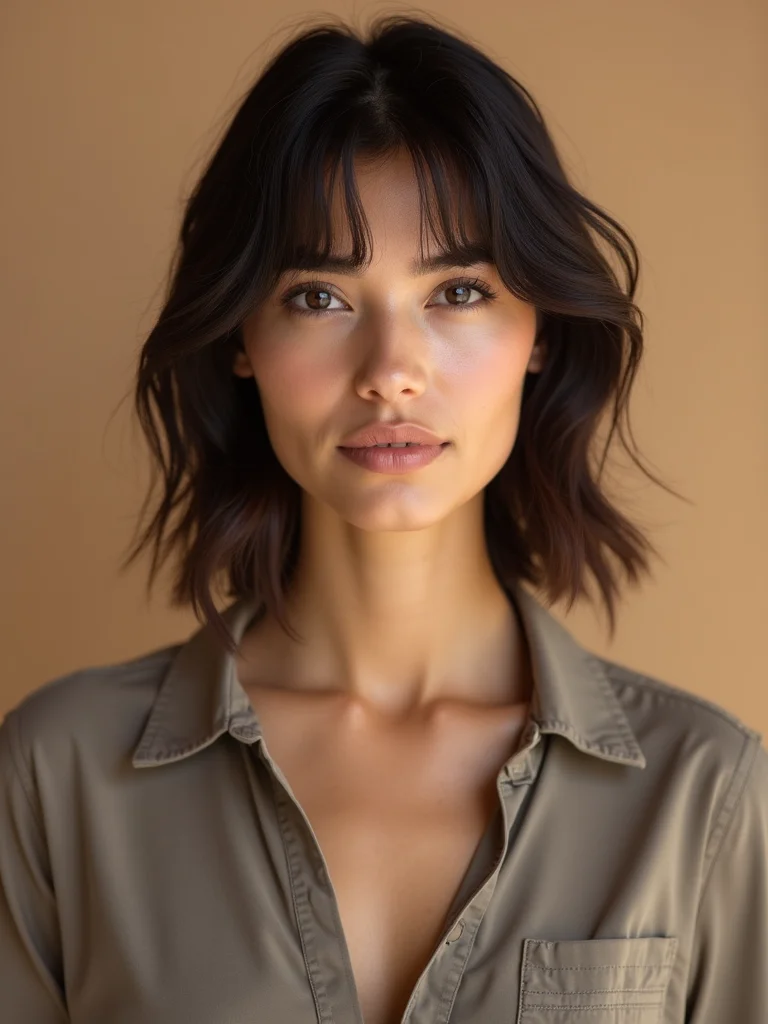
The myth: fashion color and a wolf cut don’t mix, since so much choppy texture should make bold shades look messy instead of intentional. The opposite tends to hold true. That same broken-up layering splits color into smaller pieces, so even a loud shade moves as texture rather than sitting as one flat block.
Fifteen dyed wolf cuts follow, ranging from a low-commitment neon tip to a full-head pastel transformation, each carrying its own bleach and upkeep reality. The base cut itself, covered in our wolf cut women guide, stays the same throughout; only the color changes.
Two Things That Actually Decide the Shade for You
Two things decide whether a dyed wolf cut works for a given head of hair, and neither one is the shade itself. The starting point matters first: most vivid and pastel colors need hair lifted to a pale level before the dye goes on, which is a real commitment to hair health, not just a color appointment.
Upkeep tolerance matters just as much. Fashion colors fade with every wash, so some versions here want a gloss refresh regularly while others, especially the deep or hidden shades, tolerate a far more casual routine.
Neon-Tipped Shaggy Wolf Cut

Neon tips work as the easiest entry into fashion color, since keeping brightness to just the ends means less bleach and an easy exit later. The shaggy layering catches that neon and scatters it through the choppy ends, so color flashes with movement rather than covering the whole head.
Most colorists steer bleach-hesitant clients toward this version first, since it tests the commitment with the least risk. Only the ends need lightening, which spares the roots and scalp from repeated processing.
- Color stays confined to the choppy ends only
- Roots and scalp avoid repeated bleach exposure
- Easy to cut away once the trend feels done
Midnight Blue Layers With Smoky Roots

A smoky root melting into midnight blue keeps the transition soft, so regrowth blends into shadow instead of showing an obvious grow-out line. Dark, saturated blues like this one need noticeably less bleach than a pastel would, since the base only has to lift partway before the dye takes.
- A soft root melt disguises regrowth for months
- Needs less lightening than a pastel version would
- Deep tones like this hold saturation longer between refreshes
Rose Quartz Pastel Wolf Cut

Rose quartz sits at the pale, cool end of pink, and getting there usually means lifting the whole head to a near-white level before the pastel tone goes on top.
That level of lift asks a lot of the hair, so bond-building treatments during the process aren’t optional if the goal is to keep the ends from snapping. Once achieved, the pastel itself fades gently rather than turning brassy.
- Requires lifting to a near-white base first
- Bond builders protect strength through the lightening process
- Fades softly instead of turning brassy over time
Emerald Shag With Inky Depth

Emerald sits deep and jewel-toned rather than bright, which makes it one of the more forgiving fashion colors to maintain since it looks intentional even as it fades.
The shag’s layering breaks the green into smaller sections of light and shadow, giving the color real dimension instead of one flat block, almost as though it was dyed in pieces rather than all at once.
Darker fashion shades like this generally need less lift than pastels, so the hair goes through less processing overall to reach the finished result.
👍What Pastel Pink Delivers
- +Reads soft and wearable rather than costume-like
- +Fades gracefully instead of turning brassy
- +Photographs exceptionally well in natural light
👎What It Asks of the Hair
- –Usually needs a full lift to near-white first
- –Bond-building treatments add time and cost
- –Fades faster than darker fashion shades
Sunset Coral-to-Gold Wolf Cut

A coral-to-gold gradient mimics the exact color shift of a sunset, warm coral settling at the roots and fading into gold toward the ends. The wolf cut’s choppy layers blend that transition naturally, since each section catches a slightly different point along the gradient.
- Warm coral at the root fades into gold at the ends
- Choppy layers blend the gradient without hard lines
- Suits warm and golden skin tones especially well
Platinum Wolf Cut With Shadowed Roots

Platinum with shadowed roots keeps the drama of an all-over icy blonde while cutting down on how often it needs touching up, since a darker root doesn’t show a hard line as it grows. Most colorists still recommend a toner refresh about once a month to keep the platinum from pulling yellow between visits.
- An icy, near-white tone from about ear-level down to the ends
- A shadowed root buys extra time between salon visits
- One of the higher total-bleach shades on this list
Cherry Cola Wolf Cut With Glossy Shine

Cherry cola blends deep red into brown for a shade that stays rich without turning loud, closer to a cost-effective glaze than a full fashion-color commitment.
Because it’s built on a brown base rather than a lifted one, most heads can go straight to color without the bleach step other shades on this list require. A glossing treatment roughly once a month keeps the red from fading toward flat brown, and that top-up service typically runs $35 to $50 on its own.
🅰️Shadowed Root
Root left darker on purpose; regrowth blends in for months
🅱️All-Over Platinum
Bleached to the scalp; sharper look but a visible line within weeks
Icy Lavender Layers With a Cool Sheen

Icy lavender sits pale and cool, closer to a tinted platinum than a true purple, and it needs the same near-white base most pastels do.
The payoff is a shade that photographs with a soft, almost silvery sheen under most lighting, and that alone keeps demand for it steady despite the upkeep it asks for.
- Built on a near-white base, like most pastel tones
- Reads cooler and more silvery than a true purple
- A purple-toned shampoo slows the fade toward yellow
Firelight Copper-Crimson Wolf Cut

Copper-crimson sits at the warmer, more natural-adjacent end of fashion color, close enough to a bold red that it stays believable, not costume. Anyone wanting the warmth without the full commitment might prefer copper brown hair as a gentler starting point.
On hair that’s already medium brown or lighter, this shade sometimes skips lightening entirely and goes straight to a demi-permanent gloss, keeping the whole appointment shorter and cheaper than a full bleach service.
- Warm copper-red tone with face-framing brightness
- Stays closer to natural than most fashion colors on this list
- Often finishes in a single, shorter salon visit
Hidden Rainbow Underlayer at the Nape

A hidden rainbow layer tucks bright, saturated color underneath the top layers, visible only when the hair moves, gets tied up, or catches wind.
Bold Color, Kept Out of Plain Sight
That placement makes it a workplace-friendly way to wear truly bold color, since the everyday view from the top stays completely natural.
The underlayer still needs the same bleach prep as any bright fashion color; the low-visibility part is about placement, not a shortcut around lightening.
Matte Black Wolf Cut With Indigo Sheen

Matte black with a hint of indigo takes true black and shifts it just slightly cooler, so the color looks intentional rather than simply unwashed or faded.
A Fashion Color That Barely Reads as One
This is one of the lowest-upkeep shades on this list, since it needs no lift at all on hair that’s already naturally dark; the toner-level indigo shift is a surface treatment, not a bleach job.
The sheen shows up mostly in direct light, a subtle cool cast rather than an obvious color change, which suits anyone who wants a fashion detail without announcing it.
How visible do you want the color day to day?
🎯Barely visible, mostly for you
A nape underlayer stays hidden except when hair moves or ties up
🎯Visible but not the main event
A money-piece or face-framing section shows more often, still leaves most of the head natural
Cotton Candy Gradient With Choppy Bangs

A cotton candy gradient blends pastel pink and blue in soft, cloud-like sections through the length, with choppy bangs adding texture right at the front where the color shows first.
Getting two pastel tones to blend without a muddy transition zone in between takes real skill, and not every colorist offers that specific gradient technique.
Choppy bangs cut into a gradient this pale put the transition right at eye level, since bangs get seen and handled more than any other section of hair.
Copper Glow Textured Wolf Cut

A warm copper glow leans natural rather than fashion-forward, close enough to a bold red-blonde that most people assume it’s simply an enhanced version of the hair’s own color.
The Most Natural-Reading Fashion Color Here
The wolf cut’s texture catches that copper particularly well, since choppy pieces reflect light from more angles than a smooth, one-length cut would.
Depending on the starting shade, this one can sometimes skip bleach entirely and go straight to a demi-permanent color, which keeps both cost and damage lower than most shades on this list.
Before You Commit to a Two-Tone Pastel
Blending two pastel shades without a visible seam usually takes more than one salon visit, and it’s not a color a first-time colorist should attempt freehand. Plan on around $200 for the initial appointment, bring reference photos, and expect the session to run long.
Teal and Charcoal Split-Dye Wolf Cut

A split-dye look divides the hair down the middle into two distinct colors, teal on one side and charcoal on the other, rather than blending them together.
The wolf cut’s layering keeps each half looking deliberate, not accidental; choppy texture already carries its own sense of styling on both sides of the part. Because each side gets colored independently, a colorist can also push one half bolder than the other without committing the whole head to that same saturation.
Soft Peach Feathered Wolf Cut

Soft peach sits gentle and warm, closer to a tinted blonde than a true fashion color, which makes it one of the more office-appropriate bold shades on this list.
Feathered layers catch the peach tone in thin, wispy sections rather than solid blocks, so the color shows as warmth and light, not an obvious dye job.
Because the base tone stays close to natural blonde territory, upkeep on this one tends to be lighter than the true pastels earlier in this list.
Who It Suits Best
Straight and wavy hair show off sharp color transitions most clearly, since there’s little texture to blur a root melt or a split-dye line; both wolf cut straight hair and wolf cut wavy hair carry these shades cleanly.
Curlier textures tend to favor the deeper, more forgiving colors on this list, since curl pattern already breaks color into pieces the way choppy layering does on straighter hair; see wolf cut for curly hair for the base technique. Anyone pairing color with bangs should also weigh how quickly a lightened fringe fades, since it’s handled and washed more than any other section; wolf cut with fringe covers that combination directly.
Color Is the Variable, Not the Commitment
Every shade here runs through the same wolf cut base, which means the real decision isn’t about the haircut at all. It’s about how much bleach, upkeep, and change is actually manageable right now.
Start with whichever version asks the least of the hair currently. Nothing rules out a bigger leap once the smaller one proves out.
Related Reads