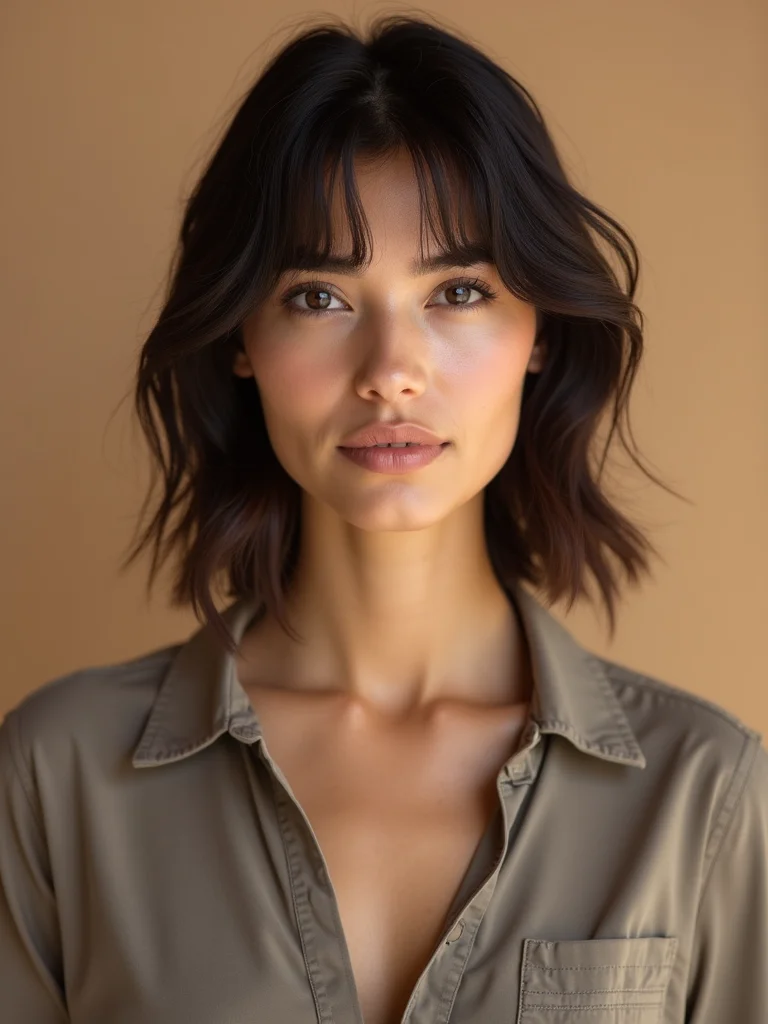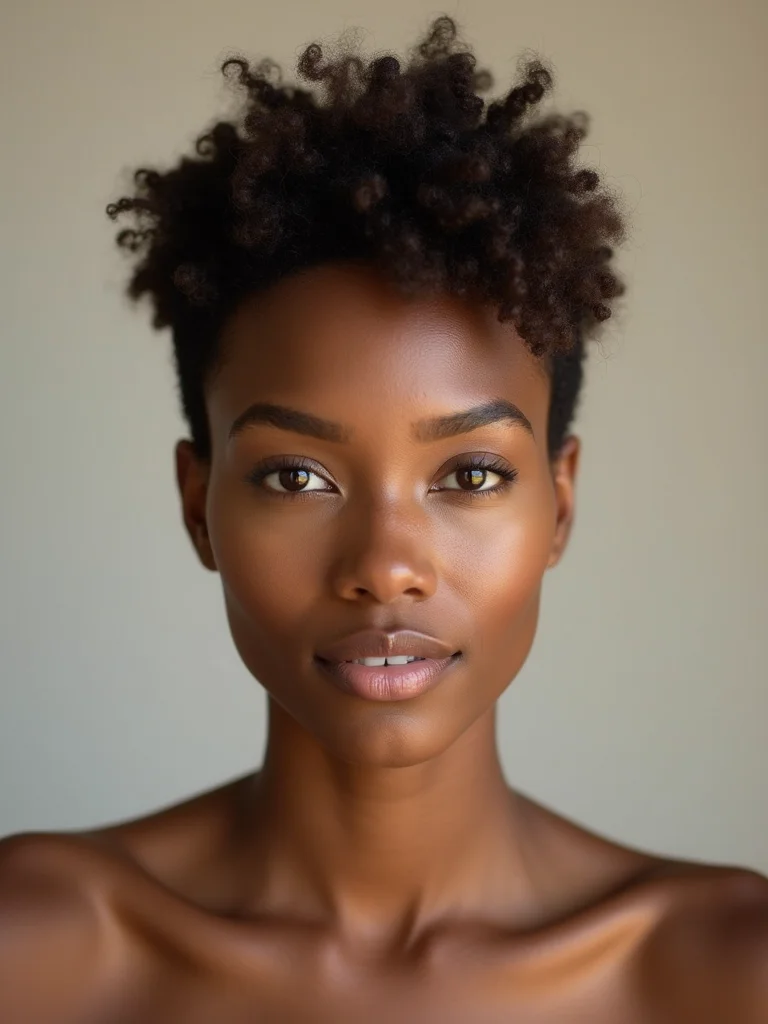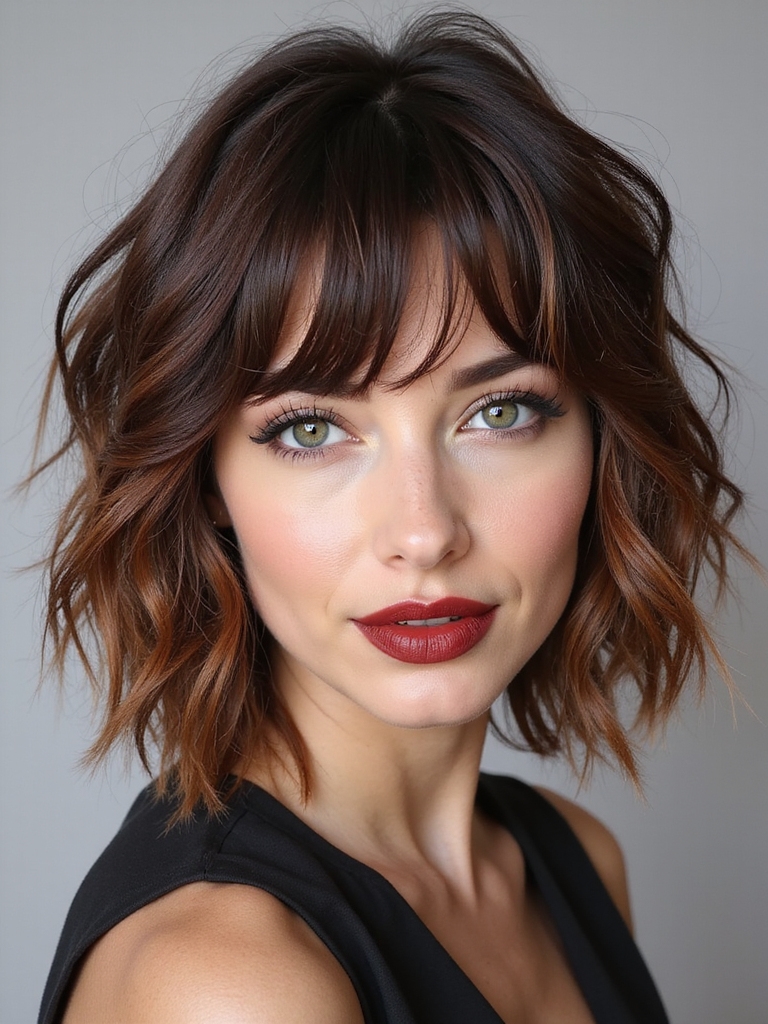
Say the word shag and plenty of people still picture a dated throwback — all spiky layers and rock-star swagger pulled straight from another decade. That image just isn’t accurate anymore. Today’s version is softer and considerably smarter, built to move with the hair rather than fight it.
The modern medium shag keeps the texture and movement that made the original famous while losing the harsh, over-thinned edges that dated it. Fifteen textured directions follow here, each with exactly what it takes to make that version work.
What Changed From the Original
- Density and texture decide which variation actually works, not face shape alone — this cut adapts more through layer placement than through picking a different silhouette entirely.
- Most versions need only a product and an air-dry, since the texture is built directly into the cut itself.
- A reshape on a roughly seven-week rhythm keeps the layers looking consistently crisp.
Classic Feathered Ends
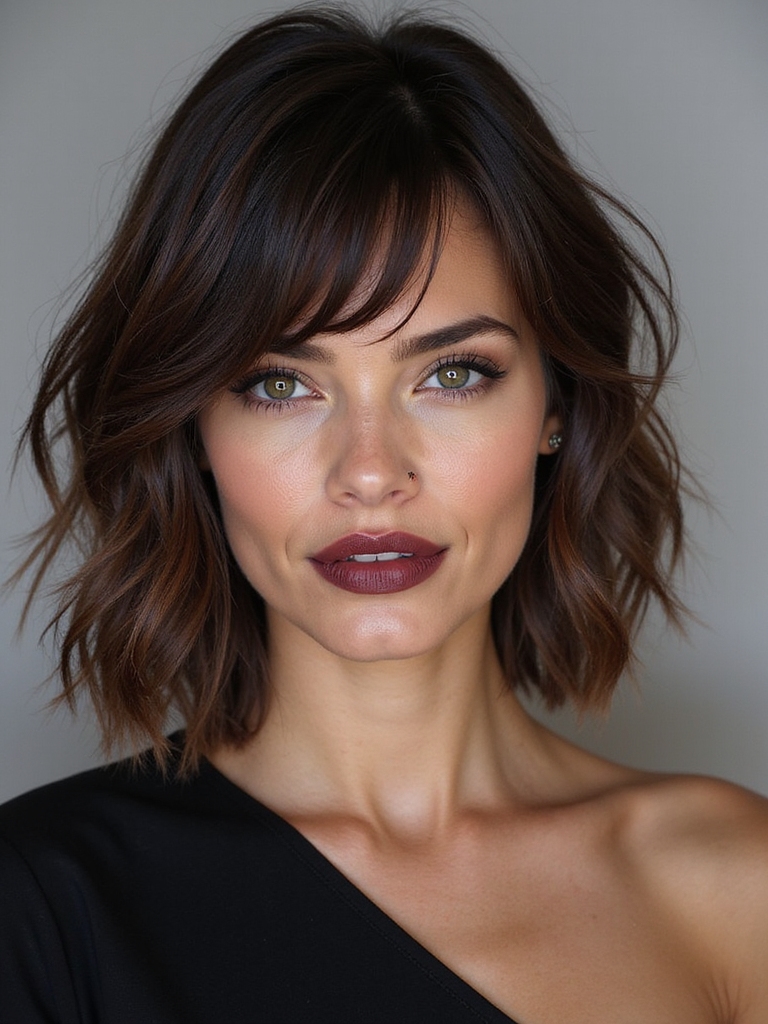
The feathered shag is where the modern story truly starts — it’s the version most people picture when they imagine this cut done well. Soft layers taper into feathered ends through a mid-length cut, letting the hair separate and move largely on its own.
Nearly everything else on this list works as a variation on this one soft, feathered idea, dressed up or down depending on the finish and layer placement chosen.
What keeps it current is the softness specifically — the layers blend gradually into each other, so the feathering falls soft in a way older, choppier versions never quite managed.
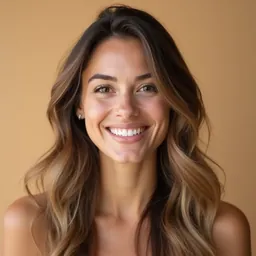
Curtain Bangs on a Shag
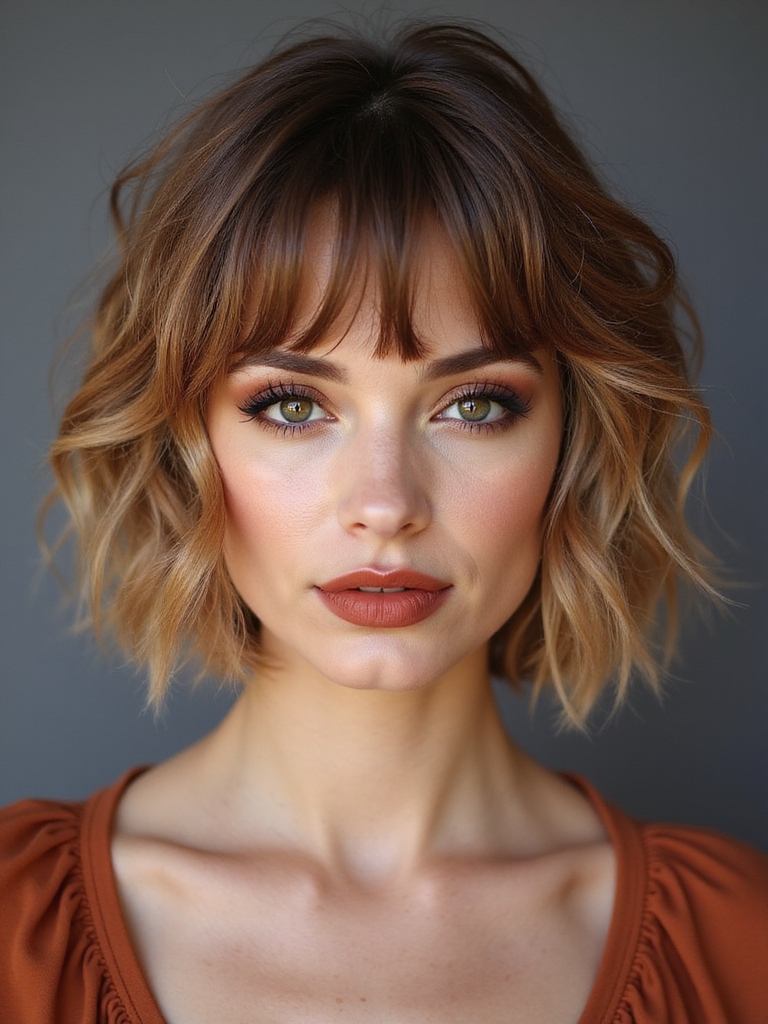
Curtain bangs are the most-requested add-on for this cut, turning a plain shag into something that frames the whole face. Parted at the center and swept to each side, they open up the face and blend directly into the front layers so nothing looks separately attached.
Why This Combination Gets Requested So Often
They suit an unusually wide range of face shapes and grow out gently, which makes them a low-pressure fringe to try even for someone hesitant about bangs generally.
Sweeping each side back with a round brush, then a blast of cool air to set the bend, is typically all the styling this pairing needs.
Choppy, Piecey Layers
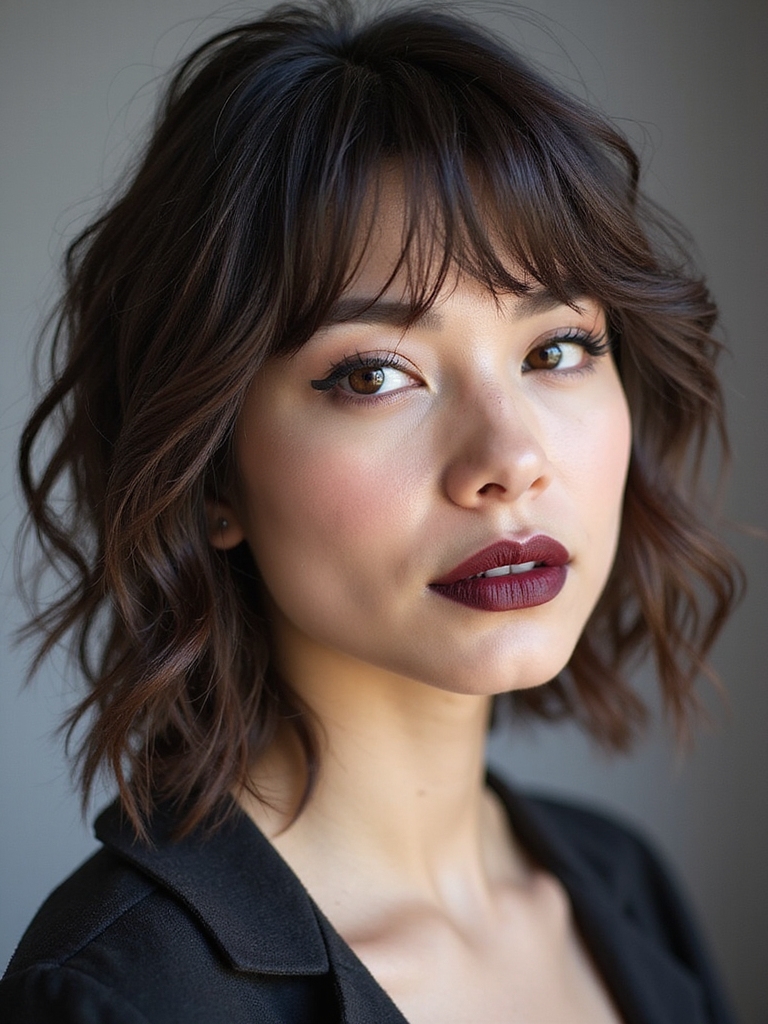
When visible texture is the goal, choppy layers deliver it directly. Point-cut ends separate into distinct, piecey sections that read bold and a little undone, and a swipe of matte paste pulls those pieces apart further into the most texture-forward version in the whole shag family.
The effect comes across sharp and deliberate, not accidental. It suits straight and wavy hair particularly well, pairing naturally with a more dramatic overall look.
- A pea-sized amount of matte paste, warmed between the palms first, works best.
- Pressing product in with fingers preserves the separation better than a brush would.
- Going lighter on fine hair prevents the pieces from looking greasy or clumped.
Wavy, Relaxed Texture
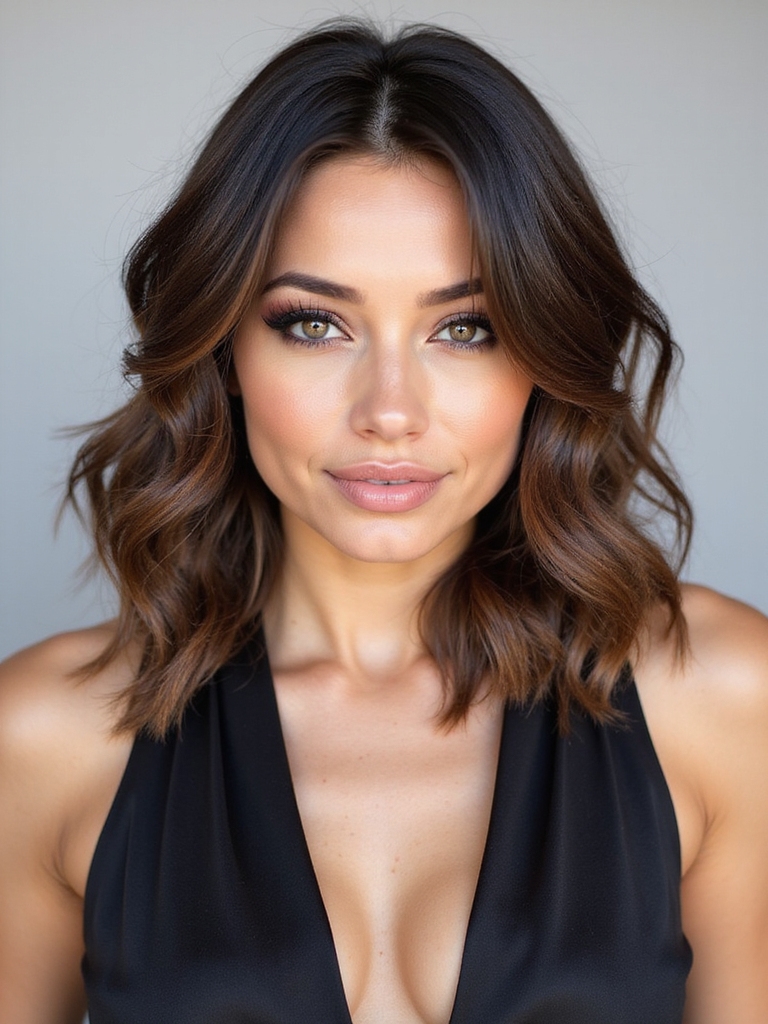
A soft wave running through the shag is the most wearable everyday version here, and the one most often suggested when a client wants something pretty without much daily effort.
The layers give the wave room to bend naturally, letting it fall into relaxed, undone movement that suits most textures and most faces equally well.
- A sea-salt spray misted through damp hair and scrunched from the ends up builds the wave.
- Air-drying works, though diffusing on low speeds things up when time is short.
- Breaking the waves apart by hand, then finishing with a drop of oil, keeps the texture soft instead of stiff.
A Razor-Cut Shag for Fine Hair
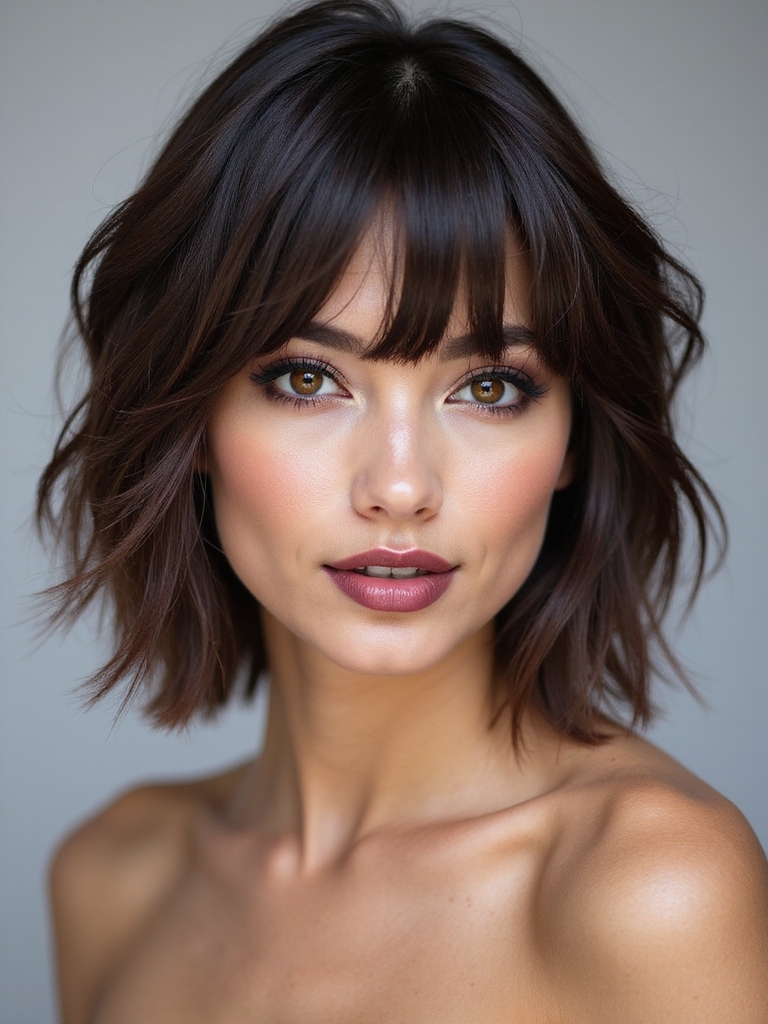
Fine hair and a softly razored shag pair naturally, since the blade tapers each end so it moves while the layers fake the look of extra volume. The result looks airy and light, with movement fine hair rarely gets left to its own devices.
The catch worth knowing upfront: razoring can fray hair that’s already fragile or damaged, so it works best on healthy, fine-to-medium strands specifically. Ends that are already dry tend to do better with point-cutting instead.
A Voluminous Shag for Thick Hair
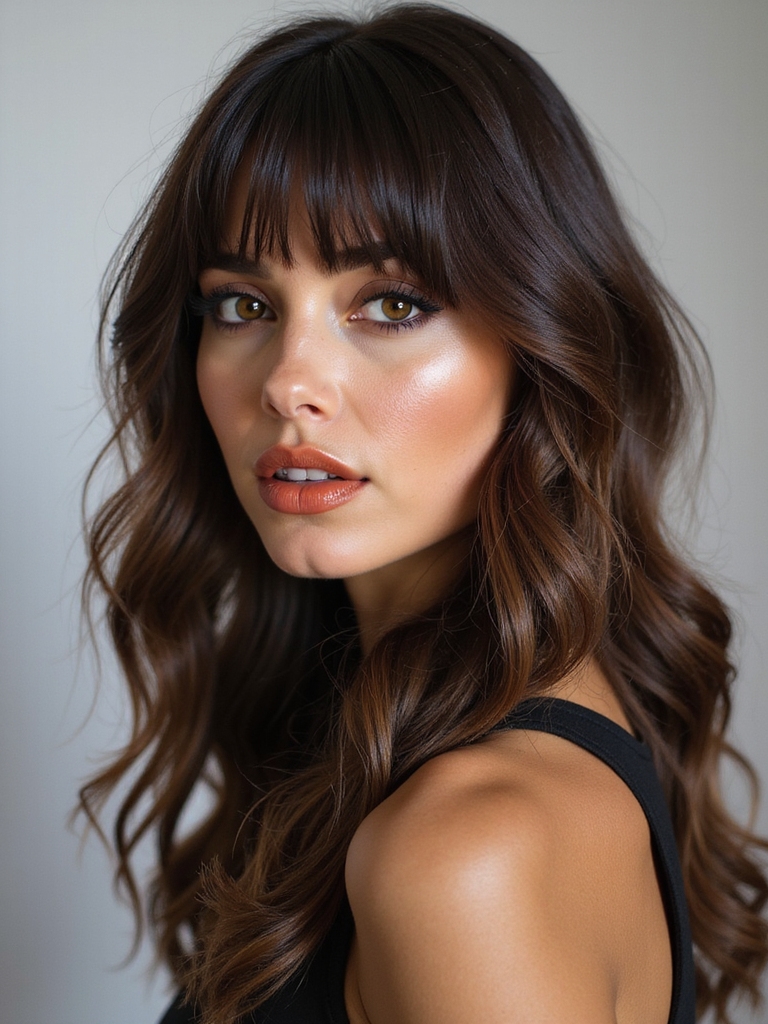
Thick hair is where this shag earns its reputation most, removing enough weight that the hair finally moves and builds real volume rather than sitting flat under its own density.
Where the Weight Actually Comes Off
Internal layers remove the bulk that makes thick hair sit heavy in the first place, and the same head of hair that felt dense before suddenly swings and moves with far less effort.
It suits almost any face shape, and pairs especially well with face-framing layers on a stronger jawline.
| Hair Type | Product to Reach For | Product to Skip |
|---|---|---|
| Thick | A lightweight cream that separates without adding weight | Heavy oils, which flatten the exact movement the layers create |
| Fine | A mousse or spray for hold before the ends get razored | Rich conditioners left in past the mid-lengths, which weigh strands down |
Face-Framing Layers
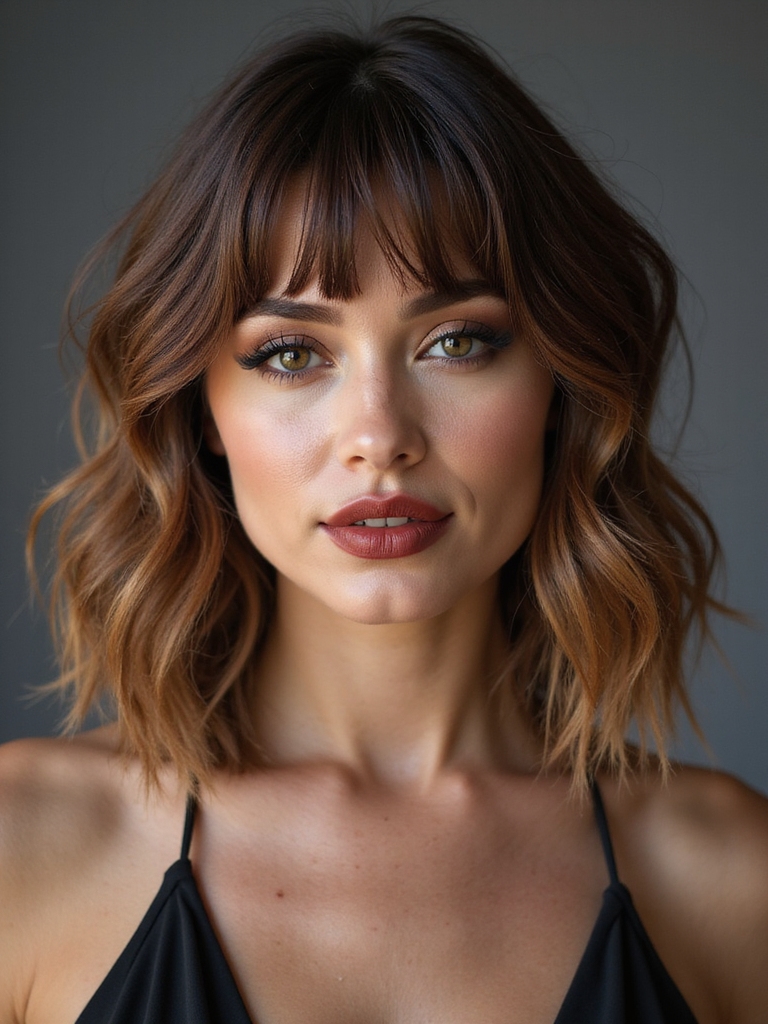
Face-framing layers do more quiet work in this cut than any other single element, cut to graze the cheekbones and jaw so they draw the eye inward and soften whatever needs softening most.
- Framing that starts at the cheekbone flatters without cutting the length too short.
- Rounder faces suit longer framing that falls past the chin for extra length.
- Square or strong jawlines suit softer, curved pieces that take the edge off sharp corners.
Side-Swept Bangs, Tousled
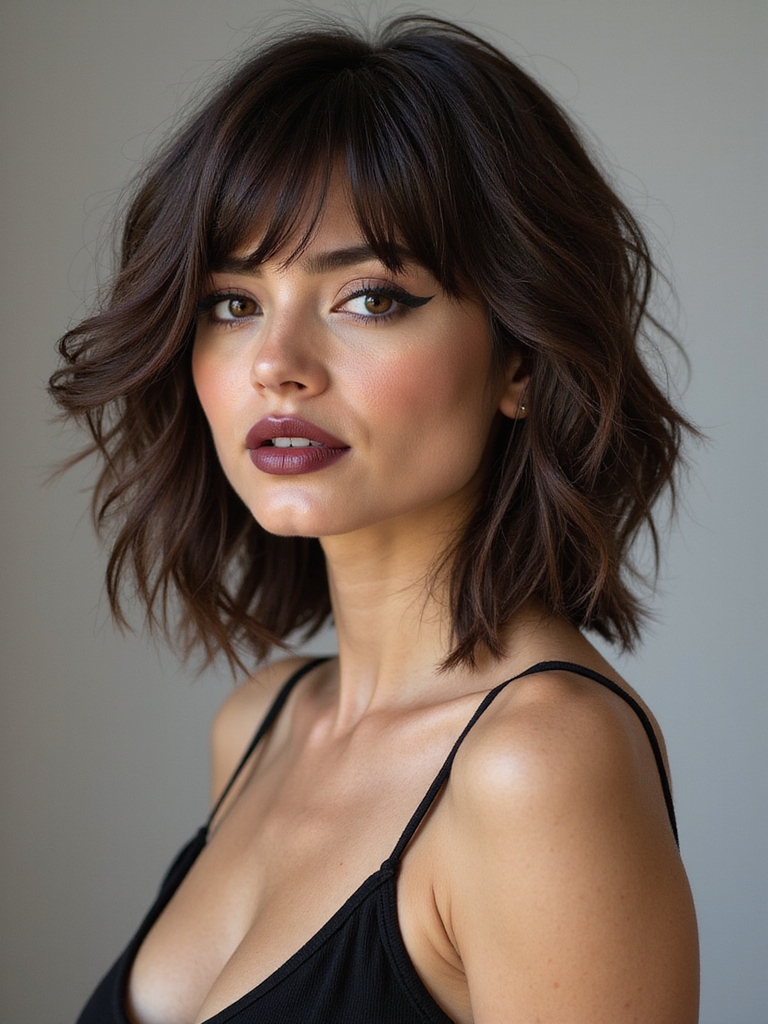
A side-swept fringe over a tousled shag draws a soft diagonal that flatters round and square faces, and it’s one of the easiest ways to change the whole look without touching the underlying cut at all.
- The bangs grow directly out of the existing layers, so nothing looks bolted on.
- A deep side part plus a round brush sweeps the fringe into place.
- A texture spray tousles the rest into something soft and matching.
👍Worth Knowing Before Asking for This
- +One of the cheaper ways to test a fringe, since a stylist can usually shape it from length already on the head.
- +Reversible without much regret — growing it back into the layers takes only a few months.
- +Photographs well from a three-quarter angle more than any other fringe pairing here.
👎Worth Weighing First
- –A cowlick near the part can fight the sweep direction, so mention that upfront.
- –Humidity is harder on this fringe than on a fuller curtain bang.
- –Color-treated hair may need the sweep re-set more often than natural color does.
A Curly Shag for Natural Texture
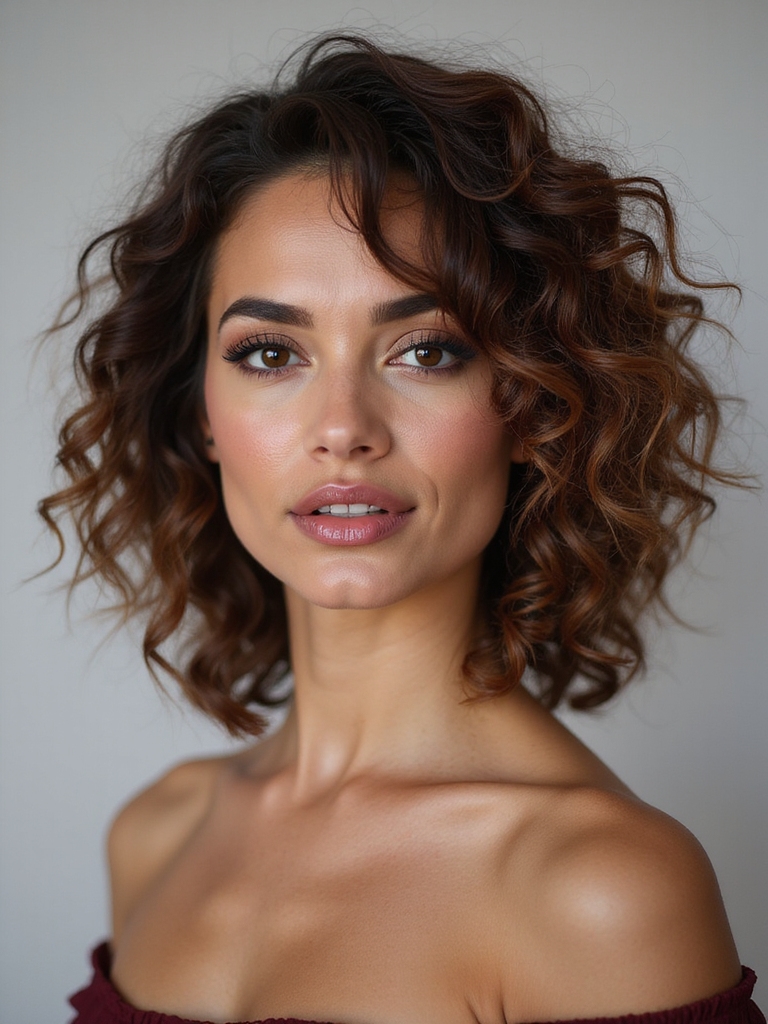
On curls and coils, this shag comes alive — but only when cut dry, section by section, so a stylist can shape the layers around the real, live pattern rather than a stretched, wet one. Cut on wet coils, the ends tend to dry up tighter and squarer than intended.
- A stylist experienced cutting textured hair dry makes a real difference here.
- Styling as a wash-and-go, with a curl cream or gel raked through soaking-wet hair, works best.
- Done right, the layers give curls real room to stack and bounce.
Wispy Micro Bangs
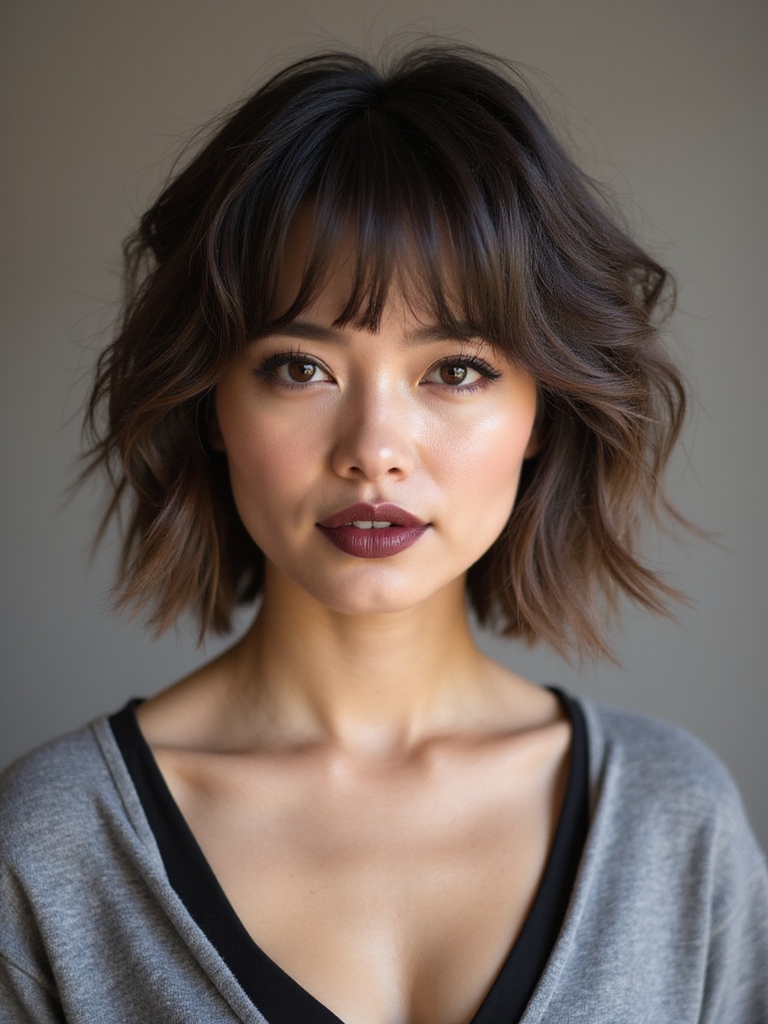
For anyone wanting real boldness, wispy micro bangs sit high on the forehead and add a distinctly fashion-forward edge to this shag. Kept soft and feathered instead of blunt, they land as modern and a little daring.
The catch is real commitment: micro bangs grow into the eyeline fast and need a shaping trim on a noticeably tight schedule to stay short. Anyone drawn to the look but not the upkeep tends to do better with a longer, wispier fringe instead.
Subtle Highlights for Texture
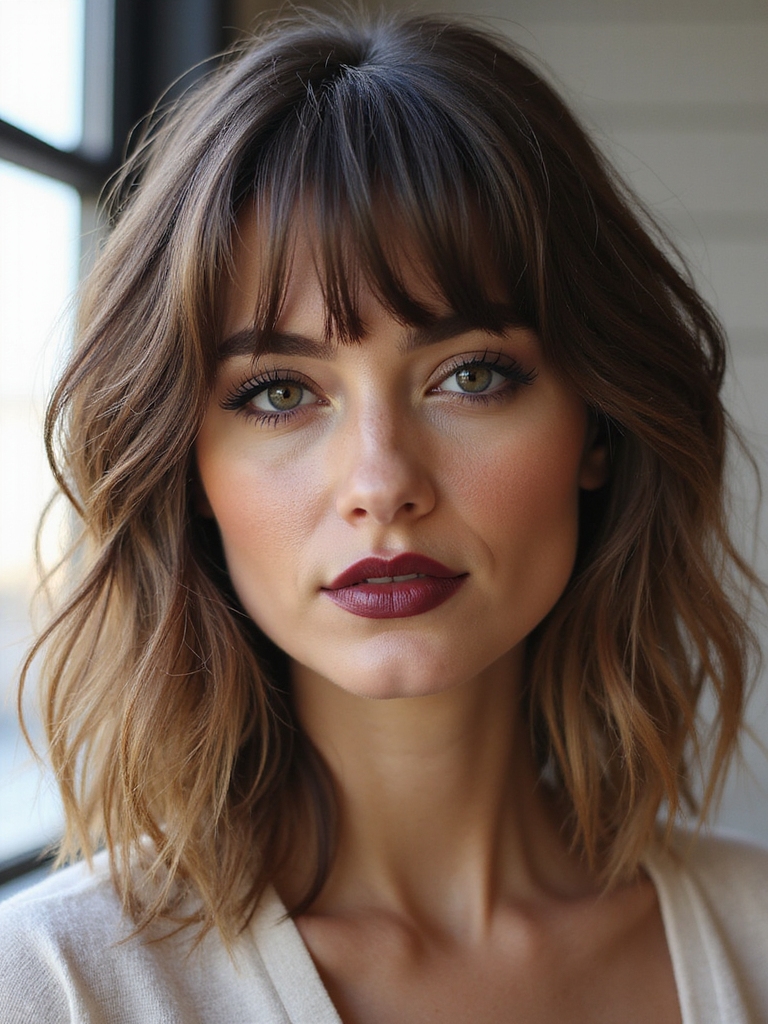
Color is the finishing move that makes this cut’s texture visibly pop, since lighter pieces catch light differently as the layers shift and move. Subtle highlights or a soft balayage add depth that flat color simply can’t, so the movement reads richer even on a plain air-dry day.
- Face-framing brightness lights up the front layers and the complexion together.
- A grown-out-friendly placement keeps regrowth soft, with no hard line showing through.
- A dimensional service typically runs $120 to $220 depending on length and area, with retouches spaced further apart than a single-process color.
The Shagged Lob
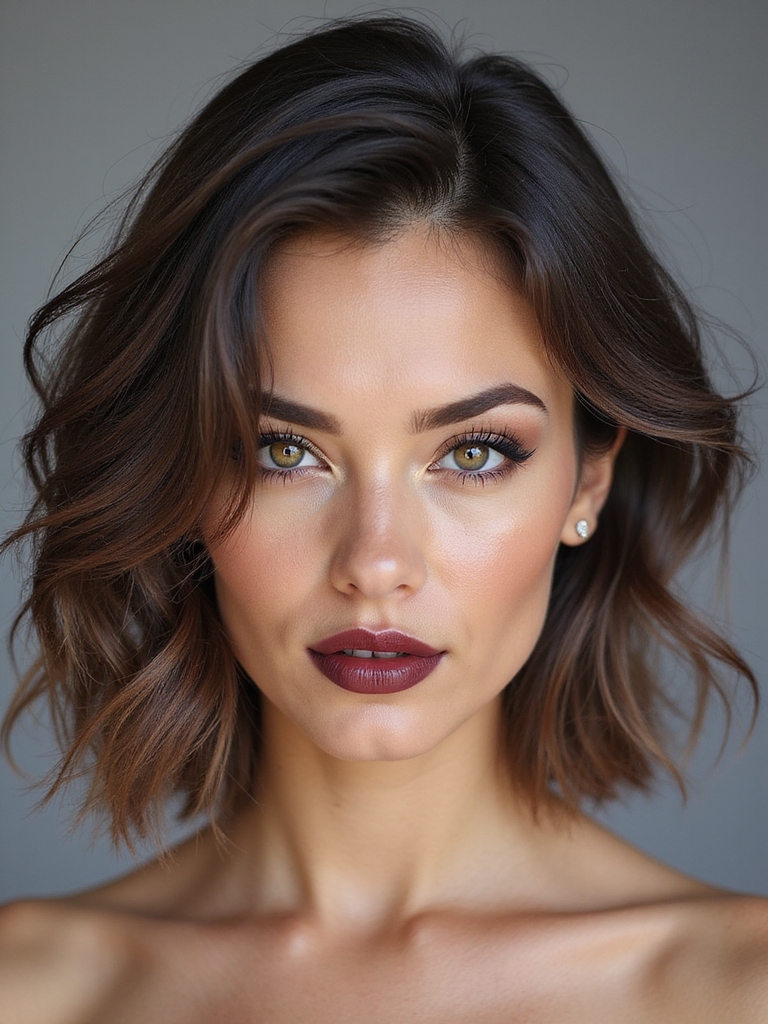
The shagged lob takes this cut to its longest point, a collarbone length that keeps the shag’s texture while adding soft, undone waves throughout.
Length Without Losing the Movement
It suits anyone who loves the movement of a shag but isn’t quite ready to part with length that took months or years to grow out in the first place.
A sea-salt spray builds the undone wave, and the collarbone length still ties back easily on a busy day when styling isn’t an option.
📋Is This the Right Length for You?
- ✓You want shag texture but aren’t ready to lose real length.
- ✓You’re currently growing out a shorter shag and need a versatile in-between stage.
- ✓You still want the option to tie hair back on a busy morning.
Rock-and-Roll Edgy Layers
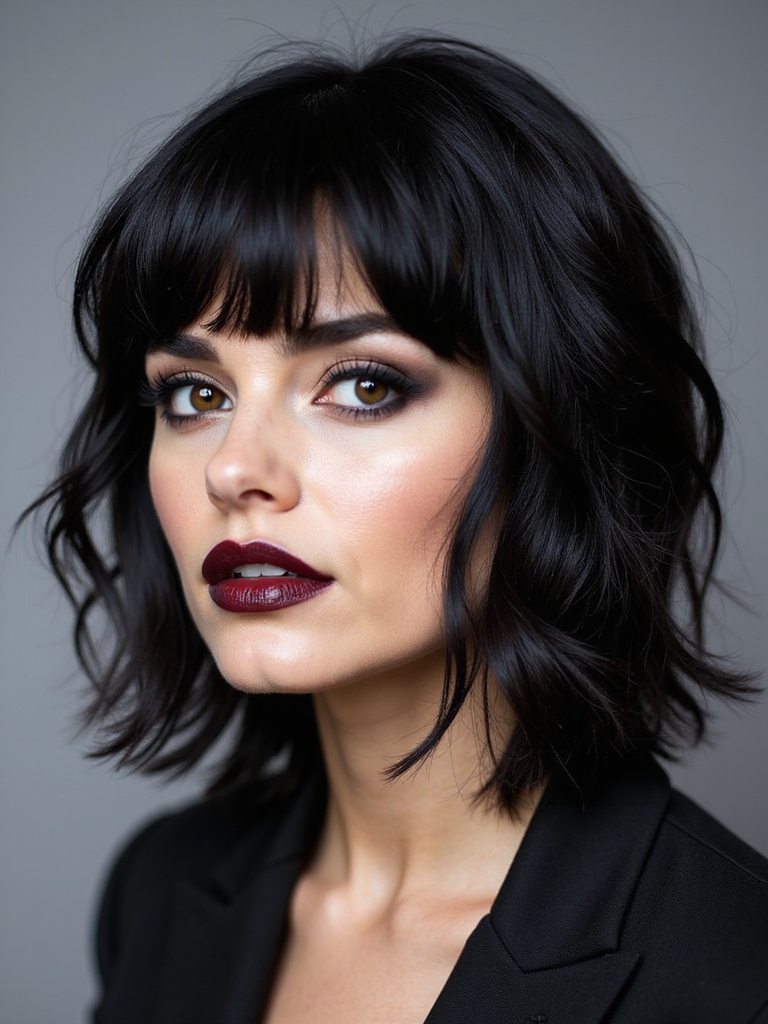
This version turns the volume all the way up — heavy, disconnected layers and real crown height that nod directly to the cut’s rebellious roots. It comes across edgy and makes a real statement instead of a quiet one.
- Building crown height with mousse and a rough, flipped-over dry gets most of the lift.
- Separating the layers with a matte paste creates that piecey, undone edge.
- A trim on a noticeably tighter rhythm than most shags keeps the disconnection looking crisp for longer stretches.
The Air-Dry Friendly Shag
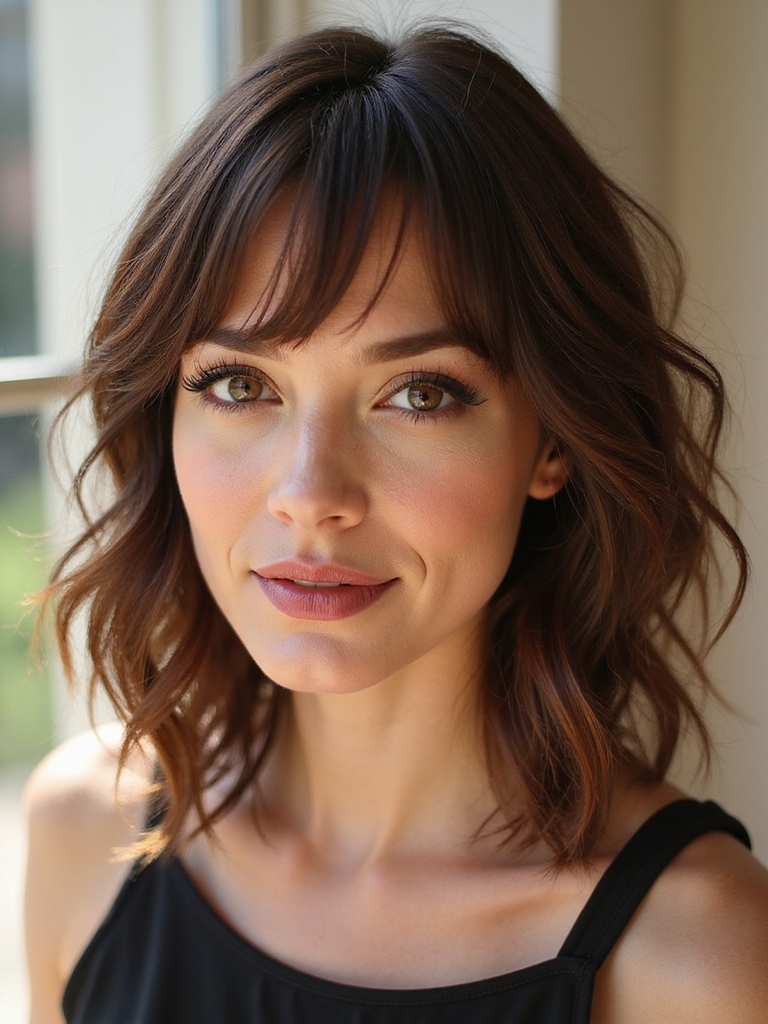
Some versions of this cut are built to look their best with zero heat involved, and this is the one worth requesting specifically if mornings tend to be a scramble.
The Routine Is Barely a Routine
Asking for soft, blended layers that fall into shape on their own is the entire brief — the actual routine afterward amounts to almost nothing.
Scrunching a lightweight cream through damp hair, then walking away and letting it dry into its own movement, is usually the whole process. Day-two hair often looks even better after a quick finger-tousle.
One Real Limitation
This version forgives skipped washes and rushed mornings, but it won’t hold a sleek, polished finish on demand — that’s a different cut and a different routine entirely.
Blunt Perimeter, Soft Layers
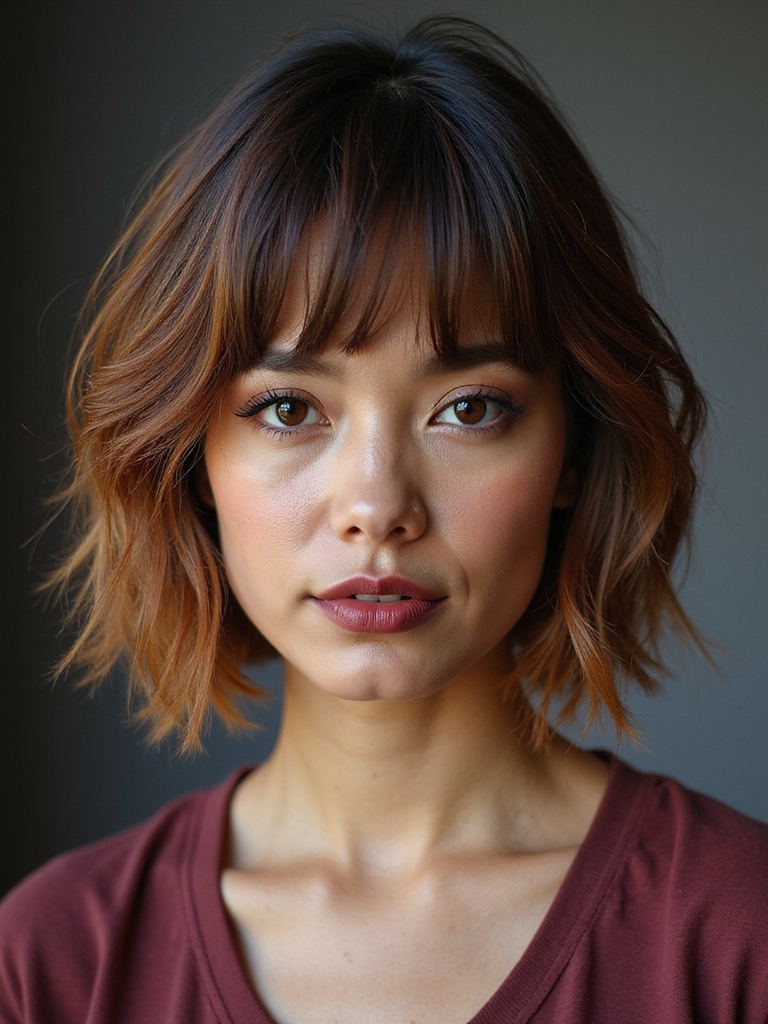
Anyone drawn to shag texture but worried about thin-looking ends has an answer in the blunt-perimeter version. It keeps a strong, near-blunt hemline for density while layering only the interior for movement, delivering fullness and texture at the same time.
It’s an especially smart choice for fine or medium hair that needs visible weight sitting right at the bottom of the cut.
- Requesting a blunt or near-blunt perimeter keeps the ends looking properly full.
- Interior layers starting below the crown add movement without thinning the ends.
- Face-framing pieces added on top keep the signature softness up front.
What to Expect
This cut is low-effort day to day, but it isn’t no-effort — a little care keeps it looking consistently current. Washing every two to three days preserves the natural grit the texture relies on, and lighter products consistently outperform heavy creams, which tend to flatten the very movement the cut is built around.
The real non-negotiable is the trim schedule: a reshape on a roughly seven-week rhythm keeps layers crisp, with disconnected or micro-bang versions needing it noticeably sooner. A soft, blended version can stretch a little longer between visits than a choppier one.
Medium Shag Questions, Answered
?Is the medium shag actually still in style, or is it fading out?
Still very much in demand — it’s one of the more requested cuts across nearly every texture right now, largely because it adapts through small layer changes rather than needing a completely different haircut for each hair type.
?What’s the real difference between a modern shag and the original 70s version?
Mostly the layering technique. Today’s version uses soft, blended layers that keep weight in the ends, while the original relied on hard, heavily thinned steps that dated far faster.
?Does this cut actually work well on fine hair, or does it thin things out further?
It tends to work well specifically because soft layers fake the look of fullness and movement rather than removing more density. Keeping the perimeter close to blunt helps the ends avoid looking sparse.
?How much does the color add-on typically cost compared to the cut itself?
A dimensional color service like subtle highlights or balayage generally costs more than the haircut alone, often landing in a considerably wider range, but it can be spaced out further between visits than the trim schedule requires.
Modern, and Shaped Around You
Fifteen directions from one base shape is a lot of range for a single haircut, and that range is really the point: density, texture, and how much time gets spent on styling decide the version, not a single universal ‘best’ cut.
It becomes whatever gets asked of it: air-dry easy, boldly choppy, softly waved, or full and blunt. Bring a clear picture of the version that appeals most, talk through the real texture honestly, and let a stylist build the specific cut around it.
More Worth Saving