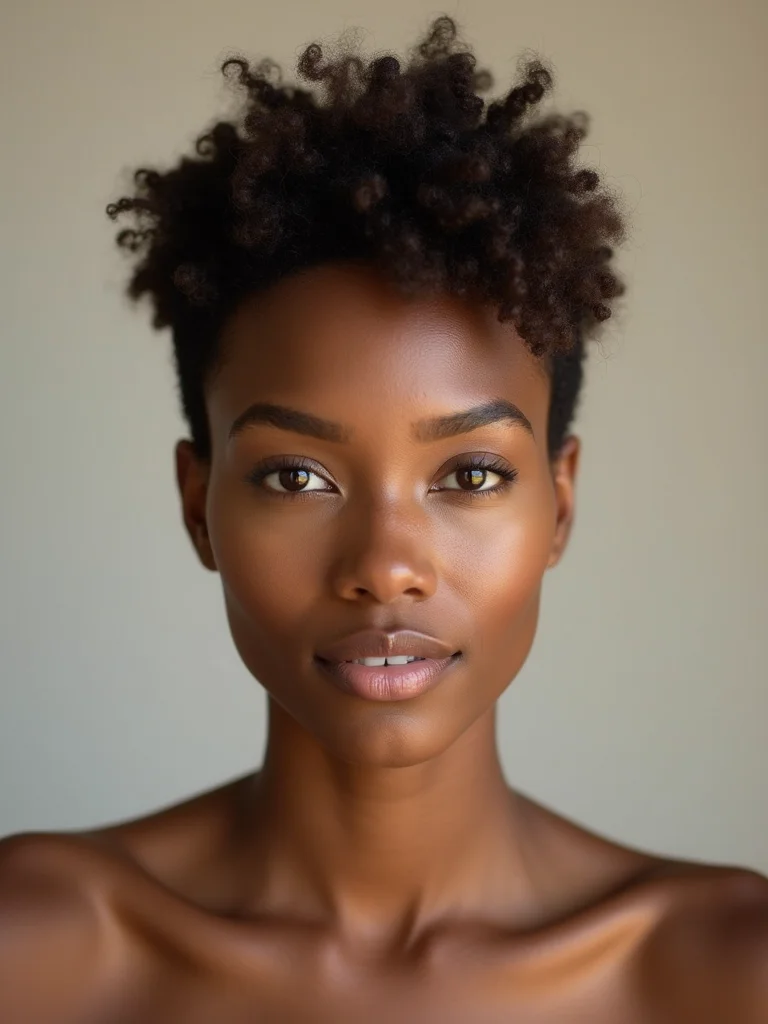
A regular bob and a stacked bob can look nearly identical from the front and completely different from behind. The difference is all in the back, where a stacked bob has short, graduated layers piled up to build a rounded, lifted shape. That hidden architecture is the whole reason this cut exists, and it’s why it delivers volume a one-length bob simply can’t.
If your hair falls flat, goes limp by noon, or reads thin at the back of your head, the stack is the fix. It builds body into the cut itself, so the fullness holds without an hour of round-brushing. Here are sixteen short stacked bobs worth knowing, each a different take on that volume, with how the stacking works and what to bring to your stylist.
Why Stack a Bob
- A stacked bob has short graduated layers at the back that pile up for a rounded, lifted shape.
- It builds volume into the cut, so fine or flat hair looks fuller with less styling.
- The stack sharpens the silhouette from behind, which a blunt one-length bob can’t do.
- Upkeep is real: the graduated shape wants a trim every five to seven weeks, around $50 to $75.
The Classic Stacked Bob
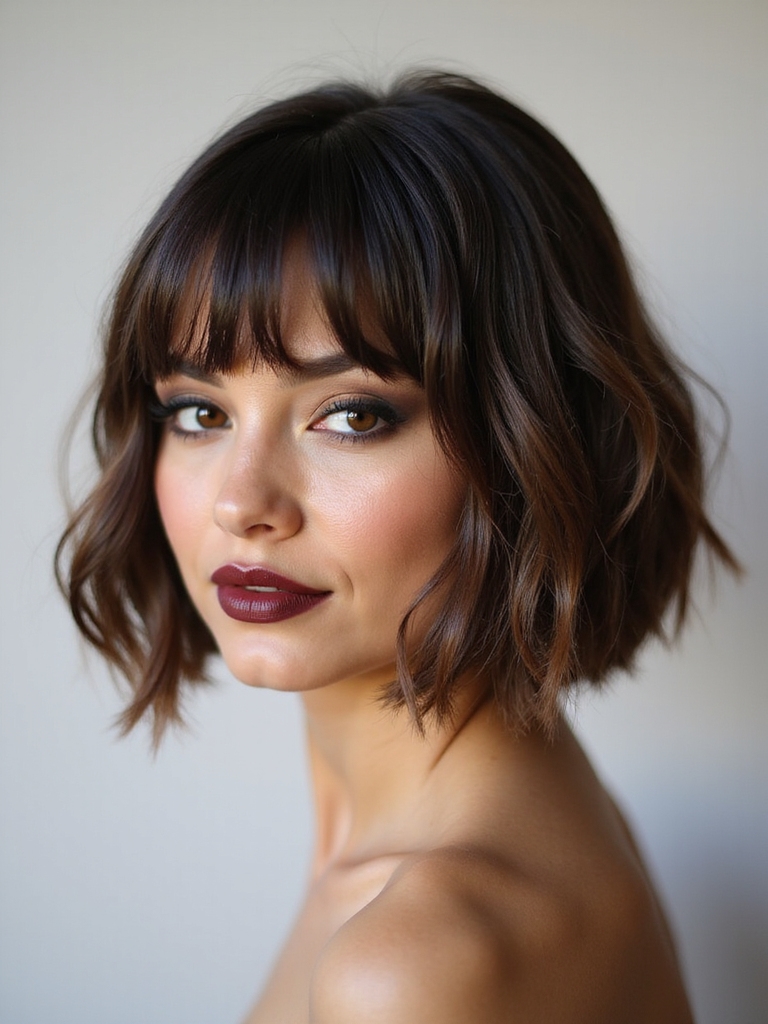
The classic stacked bob is the shape everything else here builds on, with the back cut in short, graduated layers that stack up to a rounded, full silhouette while the front stays a touch longer. Seen from behind, it’s all lift and shape. That is the whole point.
It’s the volume workhorse, a favorite for fine or flat hair because the fullness is cut into the hair rather than sprayed on. A round-brush blow-dry maximizes the rounded shape, but even air-dried it holds more body than a blunt bob ever could.

The Angled Inverted Stack
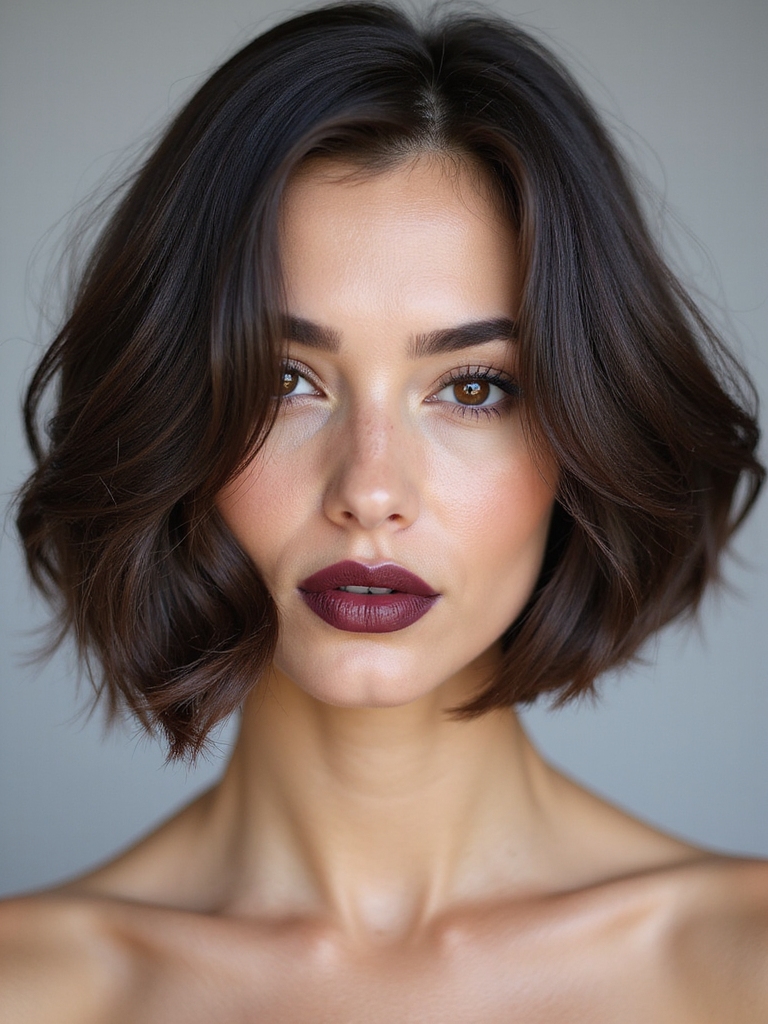
Take the stack and angle the front longer than the back and you get the inverted stacked bob, a sharp, dramatic shape with steep graduation at the back and long face-framing pieces up front. It’s the boldest, most graphic version, all clean lines and edge.
The steep angle exaggerates the volume at the crown and the sharpness along the jaw, so it reads modern and precise. Maximum drama, minimum length lost — that’s the trade this version makes, and it pairs naturally with the angled bob family.
The Pixie-Bob Stack
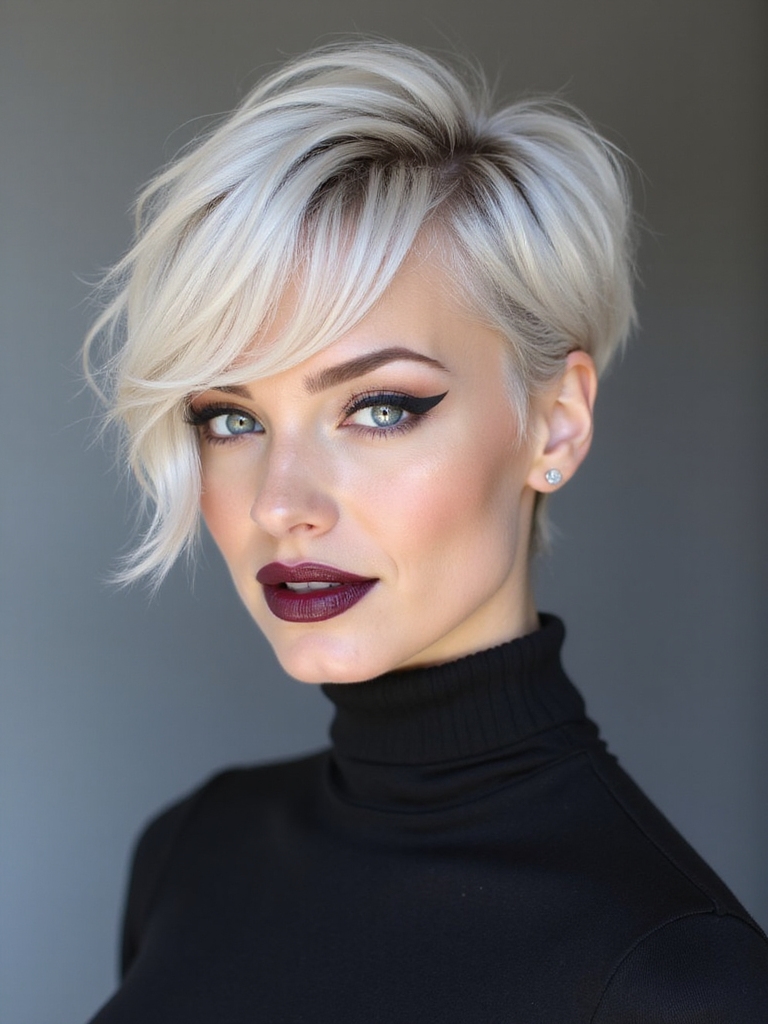
Crop a stacked bob shorter and steeper and it edges toward pixie territory, with the stacked back cut very close for serious lift and the front left long enough to still read bob. It’s the shortest, most daring stack here. The volume is spectacular.
The tightly stacked nape gives it an almost architectural shape from behind, while the longer front keeps it feminine and wearable. It’s a smart stepping stone for anyone thinking about going full pixie but wanting to keep a little length up front.
📋Booking a Stacked Bob
- ✓Bring a photo of the back, since the stack is all about the rear silhouette.
- ✓Say how much lift you want; a steep stack reads bolder than a soft one.
- ✓Mention your hair type, since fine, thick, and curly hair each stack differently.
The Chin-Length Stacked Bob
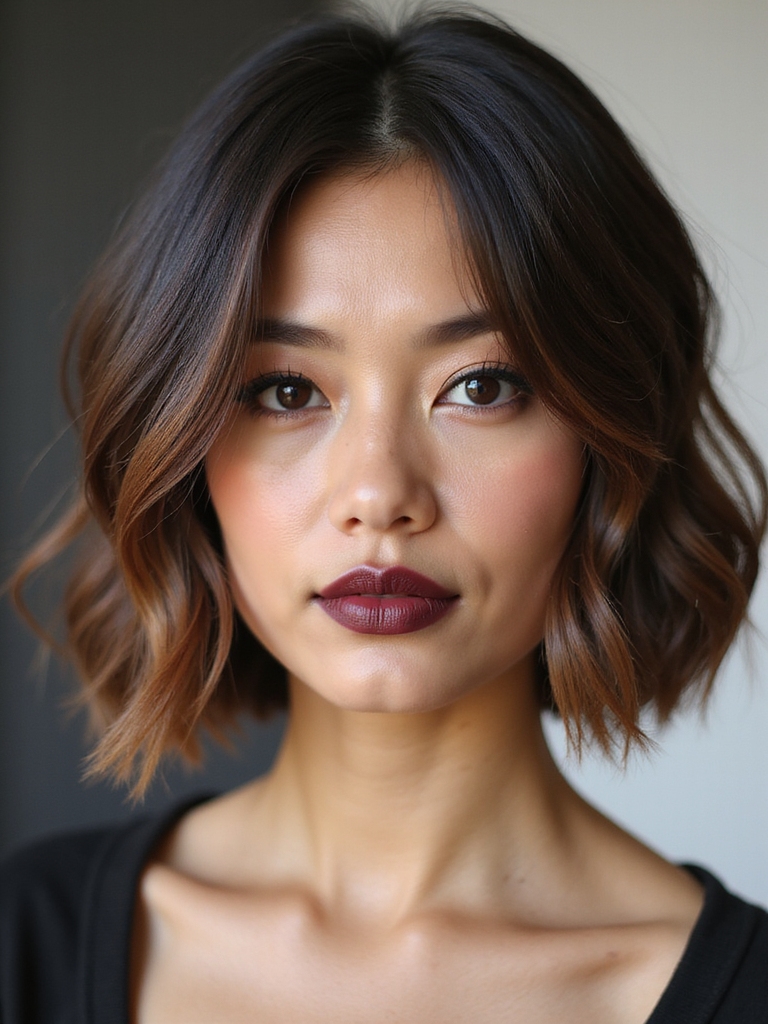
Not every stack has to be steep. The chin-length stacked bob keeps the graduation soft and subtle, adding just enough back volume to lift the shape without the dramatic angle. It’s the most universally flattering, wearable version. Why it suits so many:
- The gentle stack adds body without a bold, high-contrast shape.
- Chin length flatters nearly every face shape on its own.
- It’s the easiest stacked bob to grow out gracefully.
The Stacked Bob With Curtain Bangs
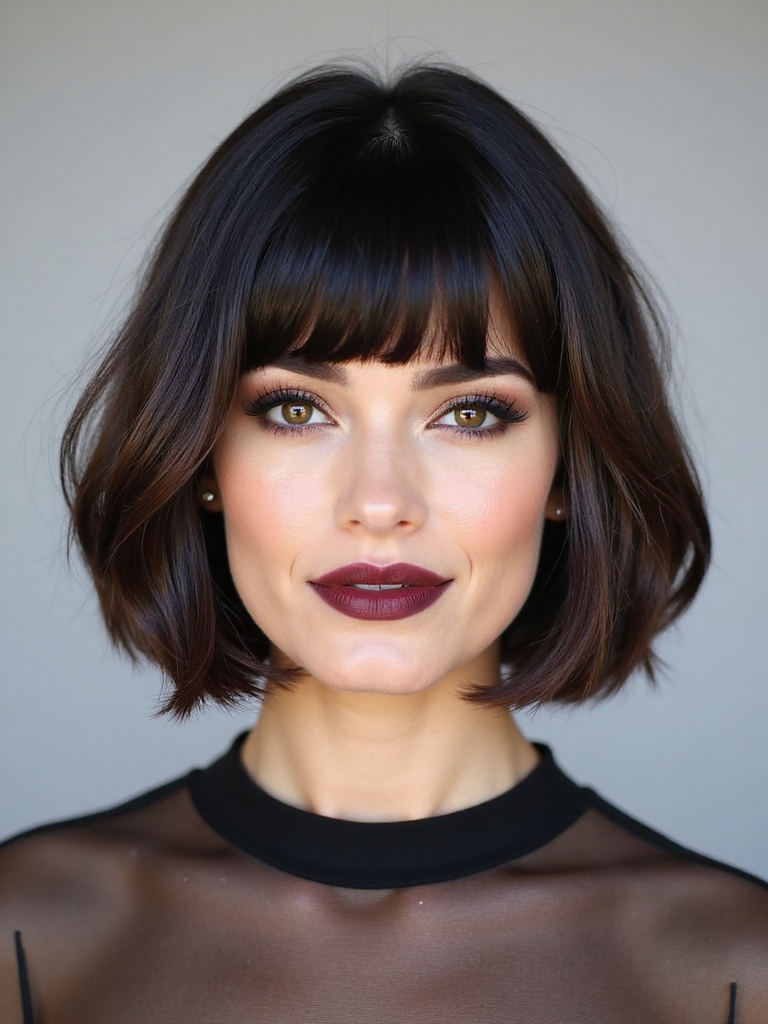
Add curtain bangs to a stacked bob and you balance the volume at the back with soft, face-framing movement up front, so the whole shape feels intentional from every angle. The middle-parted fringe falls at an angle along the cheekbones and melts into the longer front pieces.
It’s the most-requested stacked bob detail right now, because the bangs soften the graphic back and frame the face beautifully. They can be swept aside on off days, and they want a light trim every few weeks to keep grazing right.
The Nape-Tapered Stacked Bob
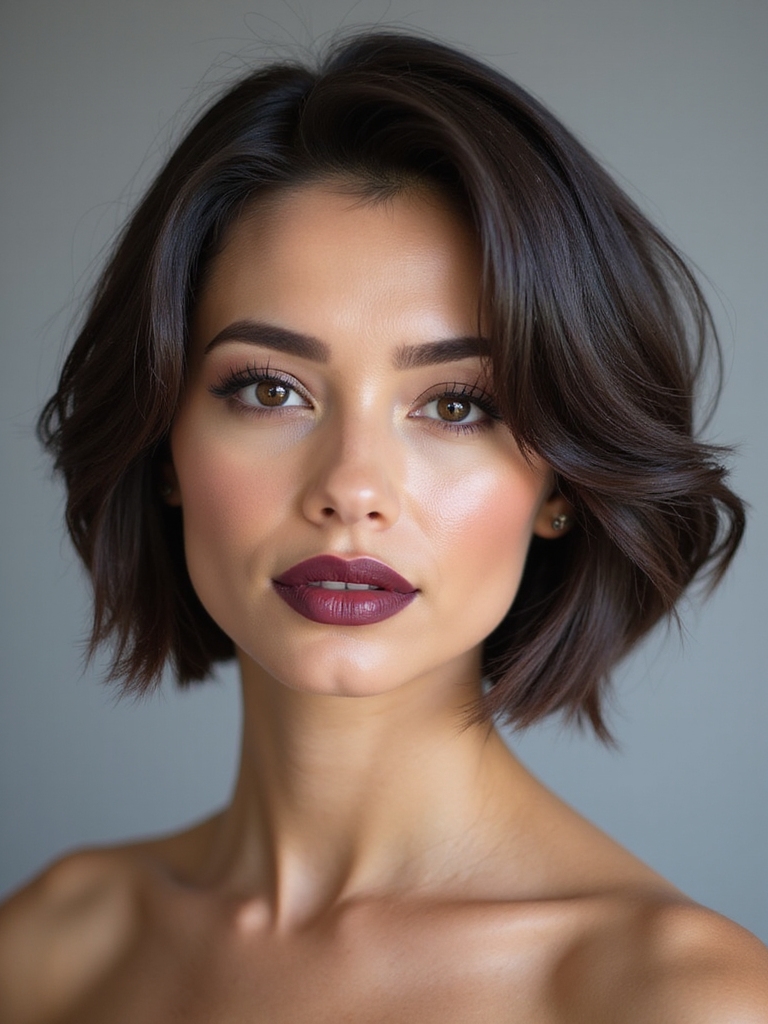
The detail that makes or breaks a stacked bob is the nape, and this version tapers it especially close, cutting the very bottom layers tight to the neck so the stack above them lifts even higher. It’s the most sculptural, lifted stack there is.
The Most Lifted Shape
That tapered nape creates a clean, tucked-under shape that pushes the rounded volume up and out, which is why it photographs so beautifully from behind. It’s a favorite for anyone who wants the fullest possible back.
The trade-off is upkeep, since a tapered nape is the first thing to grow fuzzy and lose its crispness. Plan on the shorter end of the trim schedule to keep that clean, lifted line.
Add bangs to your stacked bob, or keep the face clear?
🎯With curtain bangs
Soft face-framing movement balances the volume at the back beautifully.
🎯No bangs
A clean, fringe-free front keeps the focus on the sharp stacked silhouette.
The Wavy Stacked Bob
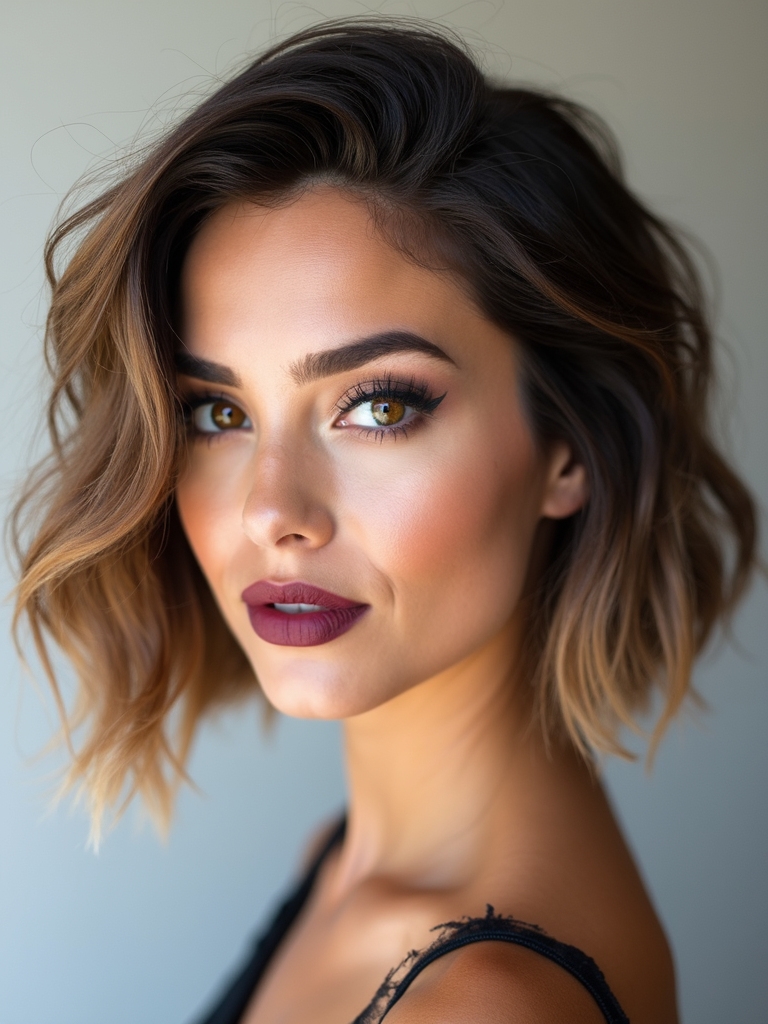
Wavy hair and a stacked bob are a volume dream team, since the stacking builds the shape while the natural wave springs it even fuller. A wavy stacked bob has body for days. The texture hides the layer lines, so it looks soft and full rather than structured.
The waves add movement to the rounded stack, giving a relaxed, bouncy finish that needs almost no effort. How to play up the body:
- Scrunch a sea-salt spray into damp hair to spring the waves.
- Diffuse on low or air-dry to keep the texture soft and full.
- The stack plus the wave gives fine wavy hair serious volume.
The Curly Stacked Bob
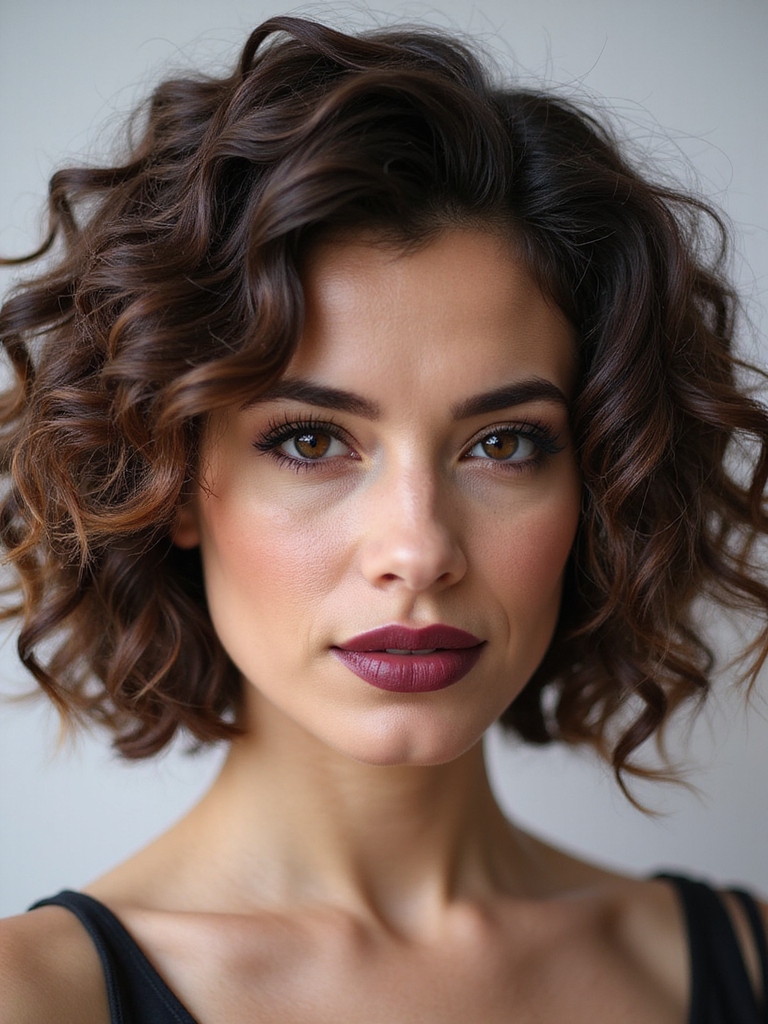
On curly and coily hair, stacking is a smart way to control volume and shape, with the graduated back keeping the curls from stacking into a heavy triangle and lifting them into a rounded, balanced form instead. Since curls pull up noticeably once they’re dry, the stylist needs to see exactly where each one lands before deciding how much to remove.
For coils and tighter textures, the stack is shaped gently so it rounds the silhouette while respecting the shrinkage, and a wash-and-go with a curl cream keeps it defined. A weekly deep-conditioning habit keeps a curly stack springy, since the shape lives on moisture and bounce.
“Stacking curly hair is one of the best ways to control a bob that wants to grow wide instead of down. The graduated back lifts the curls into a rounded shape and keeps the weight balanced. Ask specifically whether your stylist works dry — a wet-cut curly stack tends to come out uneven once it springs back up.”
The Asymmetrical Stacked Bob
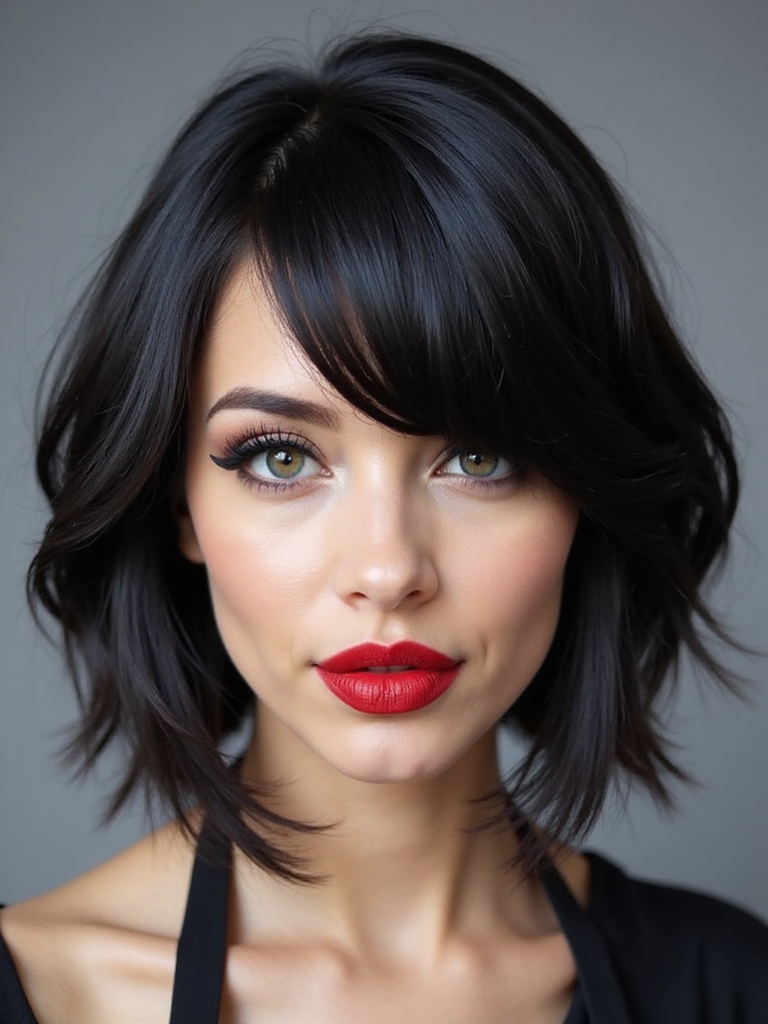
The asymmetrical stacked bob combines two shape-makers, cutting one side longer than the other on top of the graduated back for a look with movement coming from every direction. It’s the version for anyone who finds a symmetrical stack a touch too neat.
The uneven front adds edge and draws the eye, while the stacked back keeps the volume high, so the whole cut feels dynamic and modern. Pushing the part low and off-center heightens both the asymmetry and the lift.
It’s a bolder ask that rewards a confident stylist, so bring a clear photo of the length difference you want. Done well, few short cuts turn as many heads.
The Razor-Cut Stacked Bob
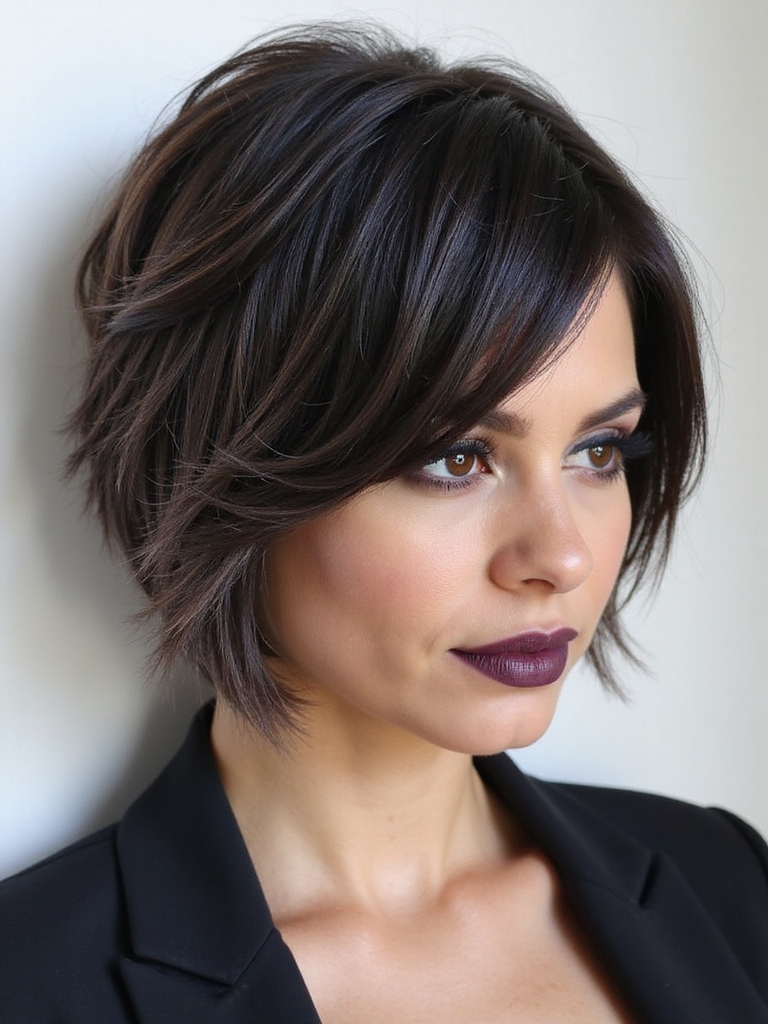
For a softer, more textured take on the stack, the razor-cut version uses a razor rather than scissors to graduate the back, creating feathery, piecey layers instead of clean, blunt steps. It trades precision for movement and an undone finish. What to know:
- The razor gives the stack soft, feathered layers with lots of texture.
- It’s ideal for thick hair, since razoring removes weight as it stacks.
- Follow with a moisture routine, since razored ends can dry out.
The Blunt Bob With Hidden Stack
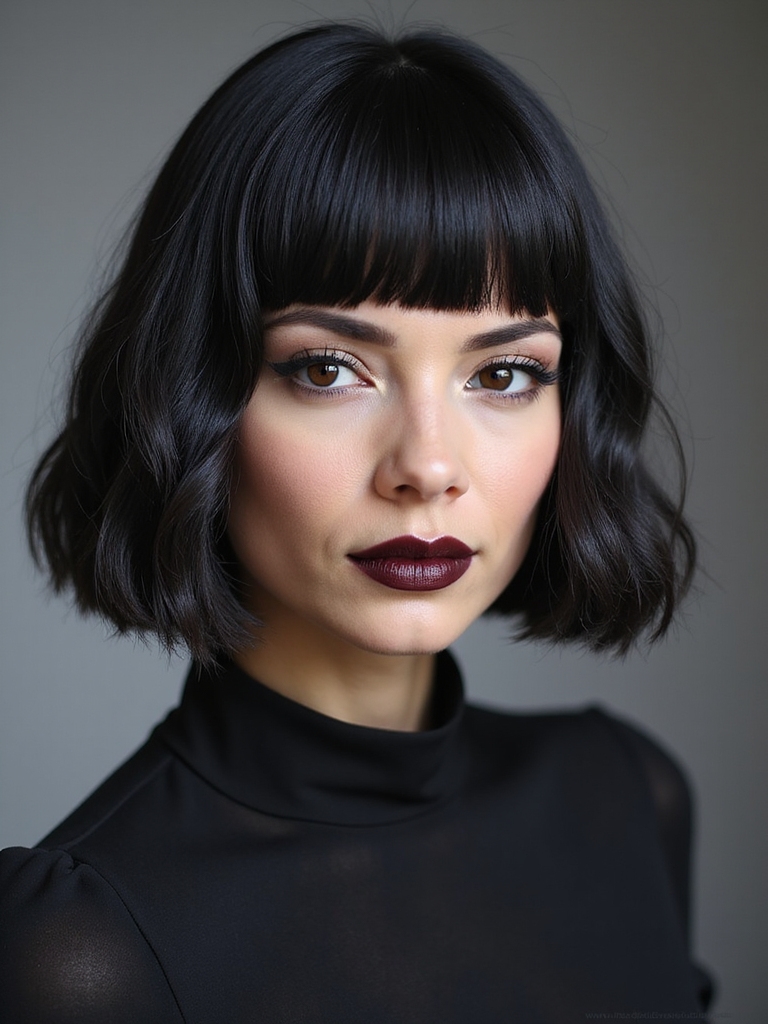
Here’s the clever one: a bob that looks blunt and one-length from the outside but hides graduated layers underneath to build secret volume. You get the crisp, dense look of a blunt bob with the lift of a stack. No one can see how it’s done.
The hidden layers are cut inside the shape, so the surface stays smooth and blunt while the interior does the volumizing work. It’s the perfect trick for anyone who loves a blunt bob but wishes it had more body.
It’s especially smart for fine hair that wants both the density of a blunt line and the lift of a stack. Ask your stylist for internal graduation with a blunt perimeter, and you get the best of both.
The Side-Swept Stacked Bob
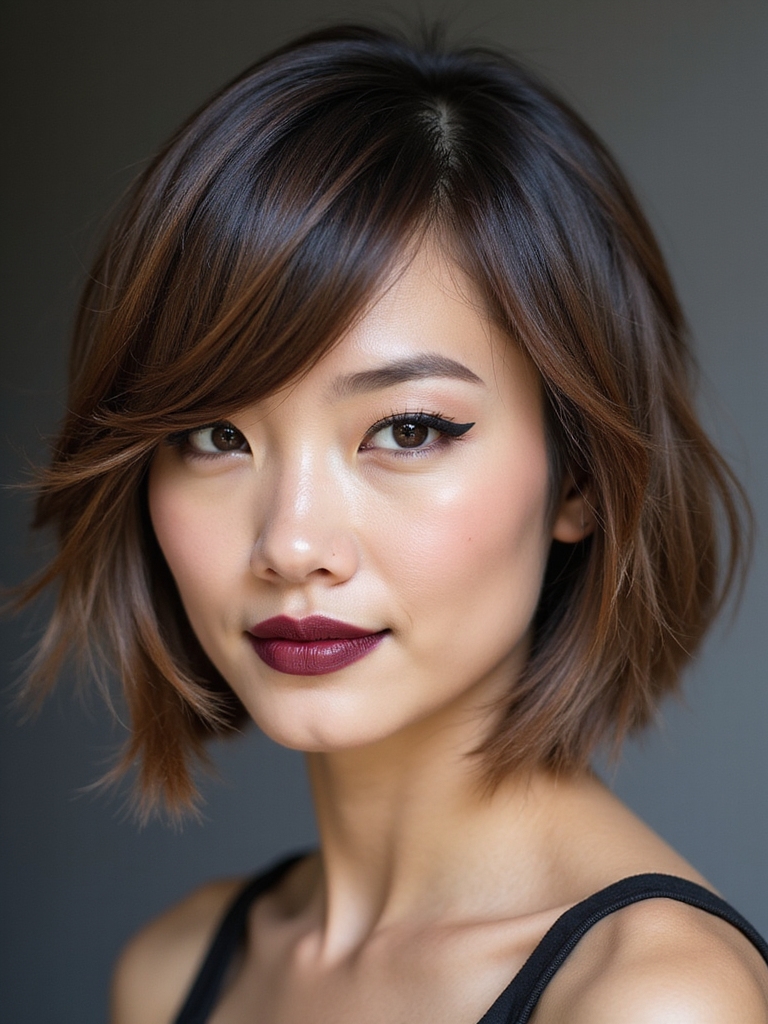
Sometimes the styling makes the stack, and a deep side-swept part doubles down on the volume a stacked bob already has without any extra cutting. Sweeping the hair dramatically to one side lifts the roots and drapes the length across the forehead for extra glamour.
The side sweep works with the stacked shape, piling even more height at the crown while the graduated back keeps the fullness going all the way down. It’s a red-carpet-leaning way to wear an everyday cut.
Set the sweep with a little root-lift spray and a blow-dry pushed hard to one side. The stack holds the volume, so the style stays lifted far longer than it would on a flat one-length bob.
The Undercut Stacked Bob
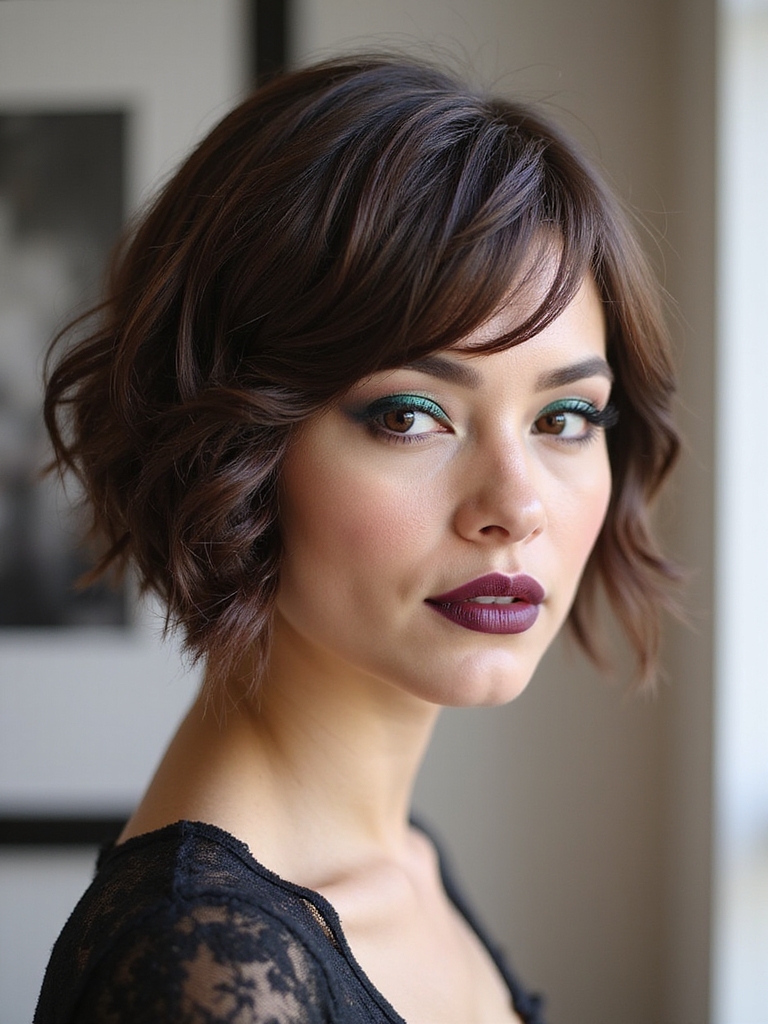
For very thick hair, an undercut hidden beneath a stacked bob changes everything, removing bulk at the nape so the stack above sits lighter and lifts higher instead of ballooning wide. It’s the pro move for wrangling heavy hair into a neat stack. Why it works:
- The hidden undercut debulks thick hair so the stack lifts cleanly.
- It stays invisible under the length, so the look is all polished bob.
- It needs a clipper touch-up every few weeks to keep the nape close.
The Fine-Hair Stacked Bob
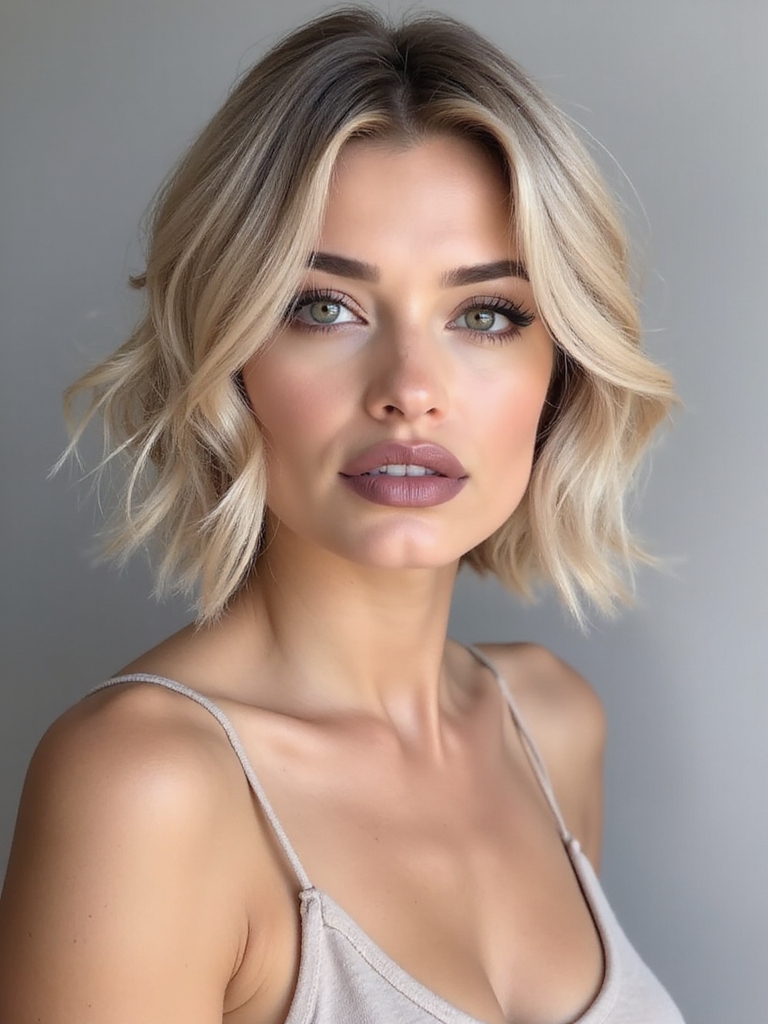
If there’s one haircut fine hair should know about, it’s the stacked bob, because the graduated layers create the illusion of body that thin hair struggles to hold. Stacking concentrates and lifts the hair you have, so a fine-haired stacked bob looks dramatically fuller than the same hair worn long or blunt.
The key is a stack calibrated to fine hair, enough graduation to build lift without over-thinning the ends. A few pointers:
- The graduated back builds volume fine hair can’t get from length.
- Keep the perimeter fairly solid so the ends don’t look wispy.
- A root-lift spray and a round brush make the stack look even bigger.
🅰️Stacked
Graduated layers build real, lasting volume into the cut, ideal for fine or flat hair.
🅱️Blunt one-length
A single clean line looks dense and sharp but sits flatter and needs styling for body.
The Low-Maintenance Stacked Bob
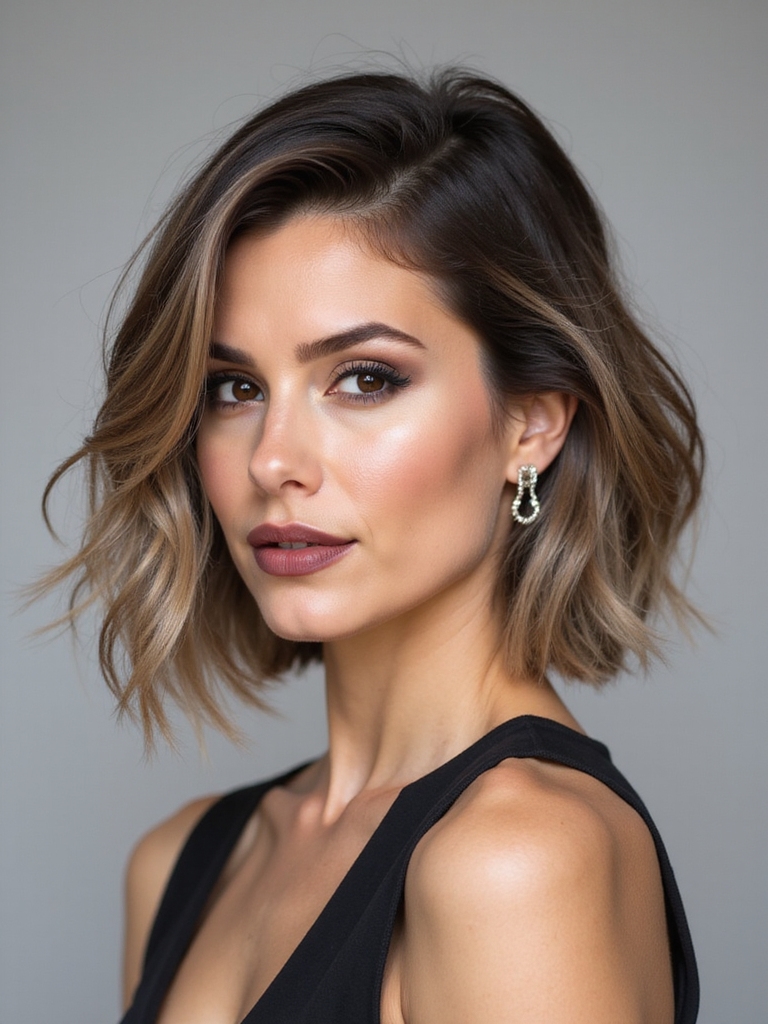
A stacked bob doesn’t have to mean daily blow-drying. Cut a little softer, with gentler graduation, it becomes a wash-and-wear volume cut that falls into its rounded shape as it air-dries. Fullness without the daily styling commitment is exactly what this version delivers.
The Easiest to Live With
The softer stack still lifts the shape but forgives an air-dry and a stretch between trims. The volume is built in, so you get body without ever touching a round brush.
Ask for a soft, grown-out-friendly stack, use a little mousse on damp hair, and let it dry. A quick scrunch is the whole routine, which makes this the most low-fuss way to keep some lift. Compare it to the wider short bob options to find your fit.
Styling a Stacked Bob for Maximum Volume
The good news about a stacked bob is that the cut carries most of the volume load, so your job is simply to bring out what’s already built in. For the biggest lift, flip your head forward and blow-dry the back with a round brush, rolling the sections under and up as you go, then finish with a cool shot to lock the rounded shape.
The one product that earns its place is a root-lift spray worked into the crown before drying, with a whisper of texture spray at the end so the body holds.
Product restraint is half the battle here. Anything heavy, thick oils, buttery creams, a too-generous pump of serum, drags the stack down and kills the lift you booked the cut for, so keep whatever you use light and save it for the length below the crown, never the roots.
When the crown deflates by mid-afternoon, a fast burst of dry shampoo worked into the roots brings the height right back. Handle the volume with a light touch and it holds all day, which is the entire reason to stack a bob in the first place.
Stacked Bob Questions
?What is a stacked bob, exactly?
It’s a bob with short, graduated layers built up at the back of the head, which stack to create a rounded, lifted shape and extra volume. From the front it can look like an ordinary bob, but from behind the difference is obvious: a stacked bob has height and a sculpted, tucked-under silhouette that a one-length bob can’t produce.
?Is a stacked bob good for fine hair?
It’s one of the best cuts for fine hair. The graduated layers concentrate and lift the hair you have, creating the illusion of fullness that thin hair struggles to hold on its own. Ask for a stack calibrated to fine hair, with enough graduation for lift but a fairly solid perimeter so the ends don’t look wispy, and add a root-lift spray for even more body.
?How often does a stacked bob need trimming?
Every five to seven weeks, at around $50 to $75, since the graduated shape and tapered nape lose their crispness as they grow. Steeper, more angled stacks need trimming sooner to hold their sharp line, while softer, chin-length stacks can stretch a little longer. The precise back shape is what you’re maintaining, so don’t skip it too long.
?Can I get a stacked bob with curly hair?
Yes, and stacking is a smart way to shape curls, since the graduated back stops them from stacking into a heavy triangle and lifts them into a rounded form. The one rule is that it must be cut dry, curl by curl, so the shape suits your pattern and shrinkage. A wash-and-go with a curl cream keeps it defined and full.
?How do I style a stacked bob for the most volume?
Let the cut do the work and amplify it. Blow-dry the back with a round brush, rolling under and up, and use a root-lift spray at the crown before drying for the biggest boost. Keep products light and off the roots, since heavy creams flatten the stack, and refresh the lift with a shot of dry shampoo at the crown if it falls flat later in the day.
Volume, Cut Right In
The magic of a stacked bob is that it solves the flat-hair problem at the source, building fullness into the cut so you’re not fighting for volume every morning. From the soft chin-length version to the steep inverted stack to the hidden-layer blunt bob, there’s a way to get that lift for every hair type and every level of drama you’re after. Once the graduation is cut in, your morning styling time drops to almost nothing.
So think about how much volume and edge you want, and how much upkeep you’ll give that graduated shape, then pick the stack that matches. Come in with a clear shot of the back you’re after, ask for the graduation and length by name, and try it once. Odds are you’ll never go back to a flat one-length bob again.
Keep Reading