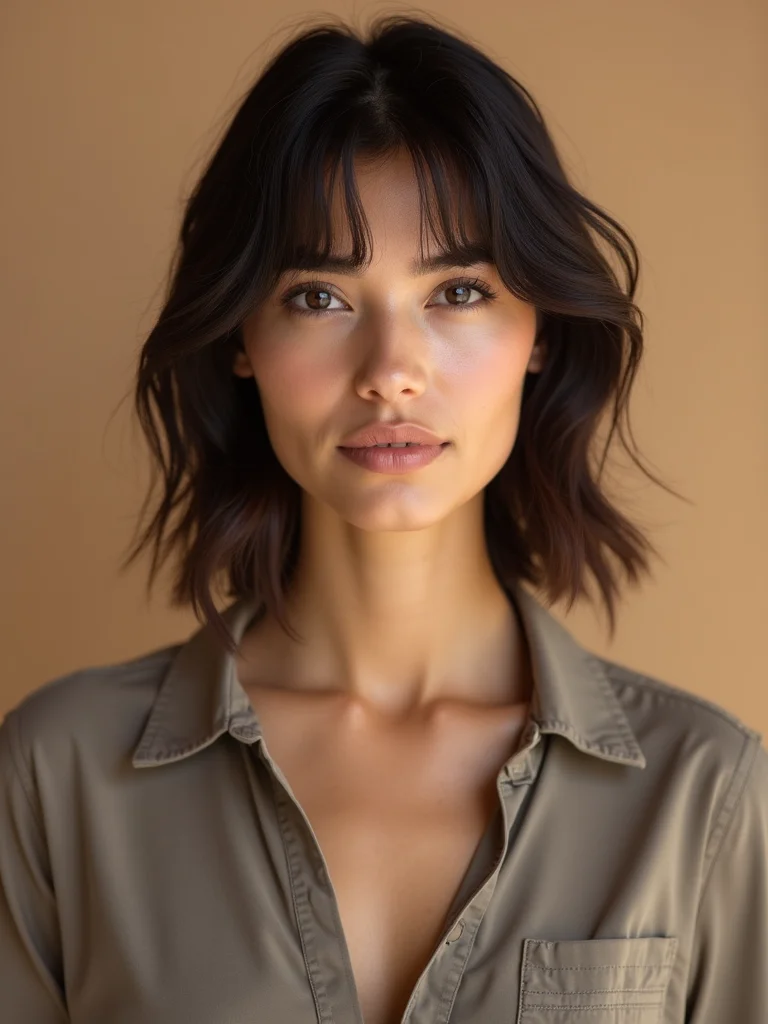
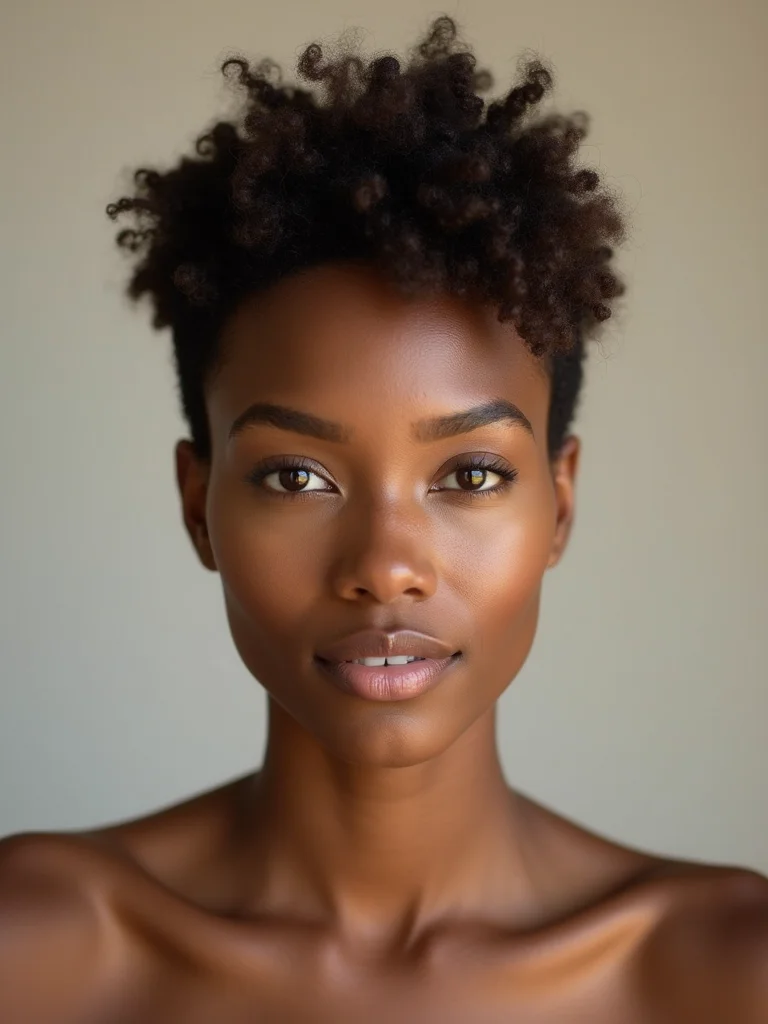
Run a hand through a boho bob and the texture does most of the talking: soft, a little broken up, built to look like almost no effort went into it. That impression is engineered into the cut itself rather than layered on with an extra fifteen minutes of styling.
Fifteen ways to wear it follow, each one noting exactly how much gets added on top of that base cut and air-dry, from styles that ask for nothing extra at all to the ones that need a scarf, a braid, or a wand in hand.
What the Boho Bob Actually Requires
Does a boho bob work on straight hair? Yes, though the texture has to be built in with a wand or a salt spray when natural wave isn’t already there. Expect a few extra minutes of styling compared with hair that already has movement to work with.
Is a boho bob actually low-maintenance? The cut itself is forgiving, since soft layers and an air-dry finish grow out without a hard line. The individual variations below add their own upkeep on top of that baseline, so the real tier depends on which one gets chosen.
Does curly hair need anything different for a boho bob? The cutting stage matters most: curls should be shaped dry, curl by curl, with extra length left for shrinkage. Get that right and the day-to-day styling sits close to the lowest-effort end of the list.
Tousled Beach-Wave Bob

A beach-wave bob asks for the least of anything on this list: the wave itself is the whole style, no extra step layered on top of the base cut. The wavy bob guide covers more on building this same movement.
- Sea-salt spray on damp hair, scrunched and left to air-dry, builds the texture in ten minutes or less
- Uneven waves look intentional; forcing them into a uniform curl undoes the effect
- Grows out with almost no visible transition, since the shape lives entirely in the movement itself
Wispy Curtain-Bang Bob
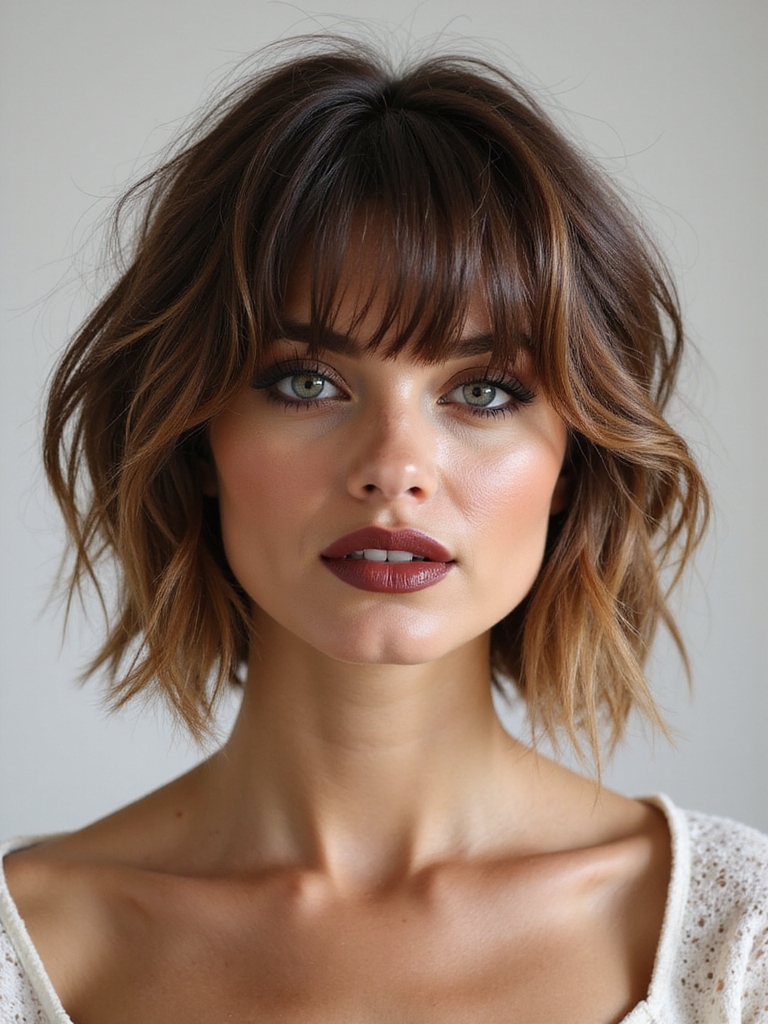
Adding a wispy curtain fringe puts one extra decision on top of the base bob: a soft, center-parted piece that opens outward at the cheekbones with real movement built in.
You’ll notice it blends straight into the surrounding layers, so the fringe and the rest of the texture come across as one continuous idea.
The one real cost is trim frequency. Everything else about this pairing stays as low-effort as the base cut, since the fringe grows into face-framing length that needs almost no correcting along the way.
Textured Shaggy Bob
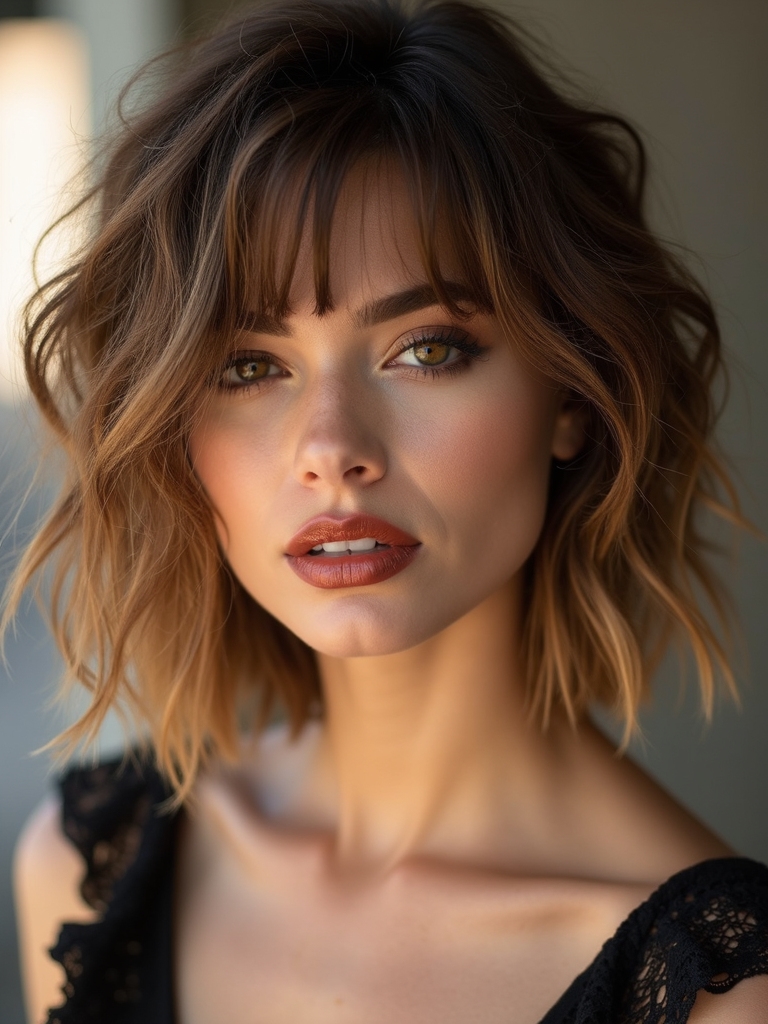
A shaggy version leans on choppy, separated layers for its texture, which means the cut itself does almost all of the work, far more than any product or technique could. The shaggy bob guide breaks the cut down further.
- Fine or flat hair benefits most, since the layering fakes volume that wouldn’t be there otherwise
- A texture cream worked through dry ends is the only product this really needs
- Grow-out hides unusually well, since the layers are already broken up before regrowth even starts
Collarbone-Skimming Boho Lob

Stretching the length down to the collarbone doesn’t add a styling step so much as change what the cut can do: there’s enough length here to tie back on busy days, which a shorter boho bob can’t manage. The long bob with layers guide has more on this length.
The trade-off is patience. A lob takes longer to reach starting from a shorter cut, though once it’s there, the upkeep sits at the same low-effort level as any other boho length.
“Ask for soft, long layers cut right at the collarbone, with the layers doing the work a single blunt line underneath wouldn’t; that’s what lets the lob tie back cleanly.”
Piecey Layers With a Middle Part

A clean center part paired with piecey layers adds exactly one visible decision on top of the base texture: where the hair splits, and how separated the pieces around it look.
One Decision, Not a Routine
Balanced and oval faces tend to get the most out of this pairing, since a middle part sits evenly from both sides.
A small amount of texture paste, worked through dry ends, is the only extra step. Expect the pieces to want to clump back together without it, which undoes the separated look this pairing is built on.
Air-Dried Curly Bob

For naturally curly hair, this version needs almost nothing added, since the coils themselves are already doing the texture work every other pairing on this list is chasing. The curly bob hairstyles guide covers more curl-specific cutting notes.
Cutting happens dry, curl by curl, in the hair’s own pattern, with extra length built in for how much the coils pull up once released. Cut wet, the same curls spring back shorter than planned.
Get that first cut right and styling afterward is a curl cream on soaking-wet hair, a scrunch, and an air-dry left completely alone until it’s done.
Soft Braided Accent Bob
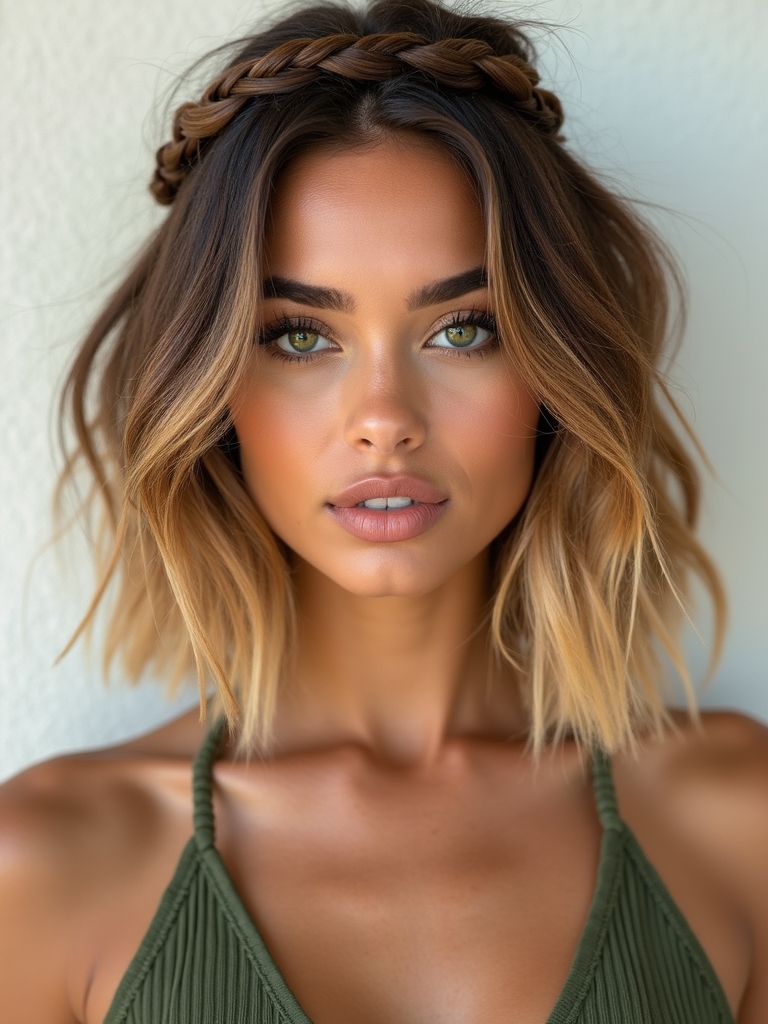
A small braid, tucked in near the part or twisted back at the temple, is the first pairing on this list that adds a genuine extra step: thirty seconds, but a deliberate one.
Expect the braid to look most boho once it’s loosened slightly after braiding, pulled apart a touch so it matches the texture of everything around it. Braided tight and neat, it comes across as a different style entirely.
One small accent plait is enough. Layering on a second or third starts to shift the whole look into a fully braided style.
Scarf-Wrapped Boho Bob

A silk scarf, knotted at the crown or tied at the nape, is styling in the truest sense: nothing about the cut changes, but a flat, second-day bob suddenly looks like a deliberate choice.
It’s also the most practical entry on this list, useful on a bad-hair day or over a fringe that’s between trims, well beyond a decorative option.
A few scarf terms worth knowing before tying one:
📖Turban wrap
The scarf covers most of the hair, folded and tucked at the front with no visible knot.
📖Headband knot
A narrower fold worn back from the hairline, tied at the nape or crown, with the rest of the hair left loose or half-up.
Sun-Kissed Highlighted Bob
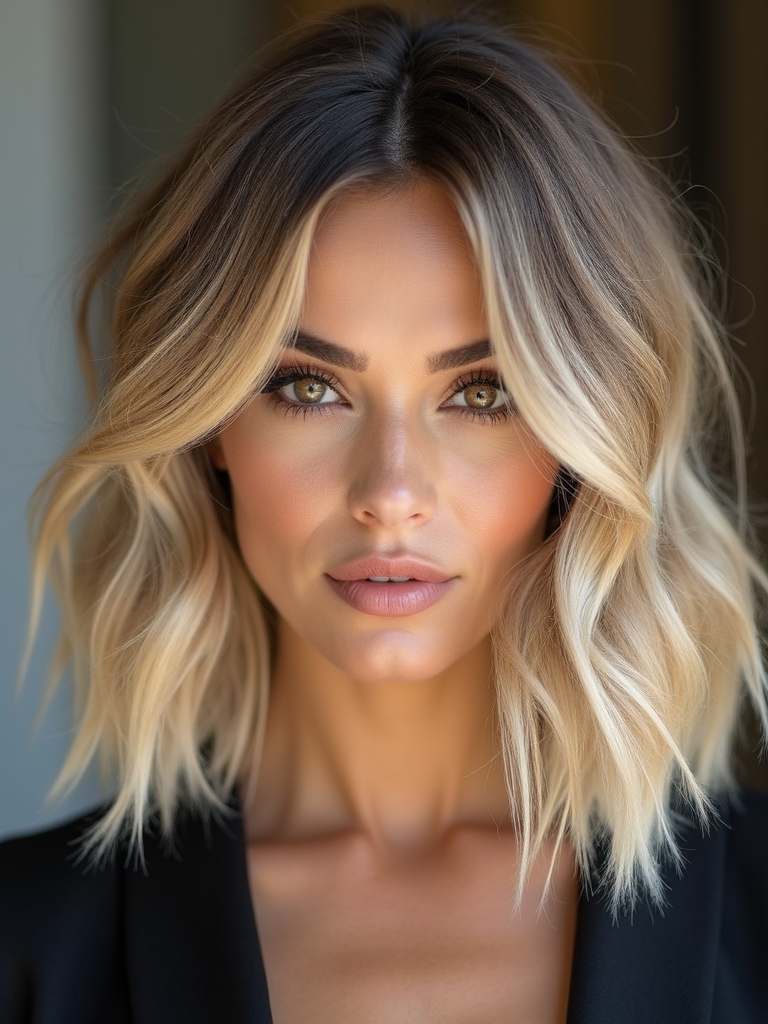
Color adds its own layer of low-effort logic here: soft, rooted highlights or a gentle balayage brighten near the face without a hard line at the regrowth.
Expect that rooted placement to carry the boho feeling on its own. A sharp regrowth line pulls the eye toward maintenance; a soft one lets months pass unnoticed.
- Brightest near the face, deeper at the root, for the most natural-looking transition
- A gloss appointment refreshes tone between full color sessions without touching the root
- Works with the bob’s existing texture rather than fighting it, since dimension shows through waves more than through flat hair
Wavy Bob With Face-Framing Layers

Face-framing layers are a targeted addition: just the pieces nearest the cheekbones and jaw, shaped to fall a little shorter than the rest of the length.
They draw the eye toward the face and give the waves a defined starting point, without turning into a full layering job across the whole head.
- A blow-dry with a brush, bending the ends back and under, is the one extra step this pairing benefits from
- Suits most face shapes, since the framing pieces can be shaped shorter or longer to adjust the effect
- Blends into the surrounding layers within a few weeks of growth, no real transition to manage
Messy Bob With a Micro Fringe

Pairing a deliberately messy bob with a short, high micro fringe is the boldest combination on this list, and the only one that pushes into real high-upkeep territory.
The One Pairing That Isn’t Low-Effort
The contrast is the whole appeal: soft, undone texture everywhere except one sharp, intentional line at the brow.
Expect fast regrowth and trims on a tight schedule to hold that line, a real trade-off against every low-effort pairing above it.
Before Committing to Micro
A micro fringe grows visibly within two weeks and changes the whole shape of the face while it does. Sit with the decision for a few days before booking it, since there’s no quick way to grow it back out once it’s cut this short.
Boho Bob With Loose Tendrils

Leaving a few pieces loose at the temples and nape is a softening move layered onto an updo or half-up style.
Expect a slight bend from a wand or a finger-twist, loose enough that each piece looks like it escaped on its own.
- Works across any updo or half-up version of the boho bob
- Two or three pieces are enough; more starts to look unfinished
- Softens the line of a pinned-back style without adding any real time to it
Half-Up Knot on a Wavy Bob

A half-up knot takes the top section, twists it loosely, and lets the rest of the waves fall, turning a two-minute move into most of a hairstyle.
Expect a slightly loose, almost-falling-apart knot to land as boho; a tight, neat one comes across as a completely different, more polished style.
- Gathers hair off the face while keeping all the loose movement below it visible
- Works well on second-day hair, where existing texture holds the knot better than freshly washed strands
- A few pieces left out around the face soften the whole shape
💡Keeping the Knot From Sliding
A few bobby pins crossed in an X underneath the knot, not through the top of it, hold a loose style in place without flattening the volume around it.
Sea-Salt Natural-Texture Bob
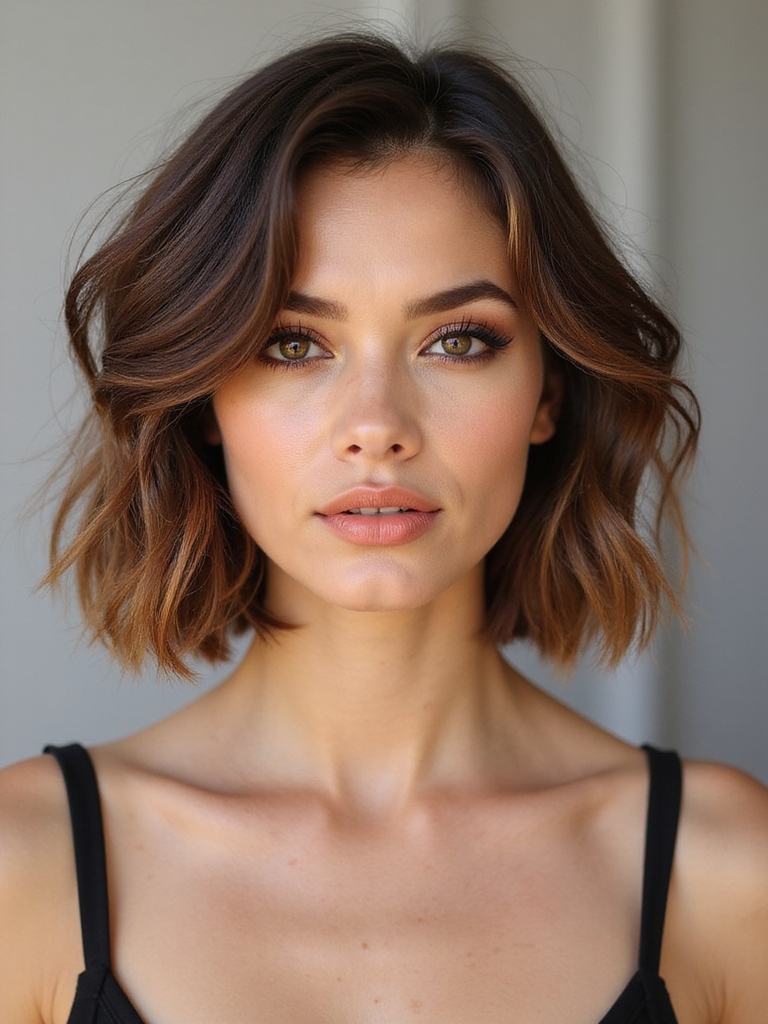
For hair with at least a little natural wave already, a sea-salt spray is close to the entire routine: spray on damp or dry hair, scrunch, and let the texture do the rest.
Expect the most texture-building power on second-day hair, where the salt has less natural oil competing with it and grips the strands more easily.
This sits at the very bottom of the effort scale, the boho look with zero new product steps added to an existing routine.
Flip-Out Textured Bob
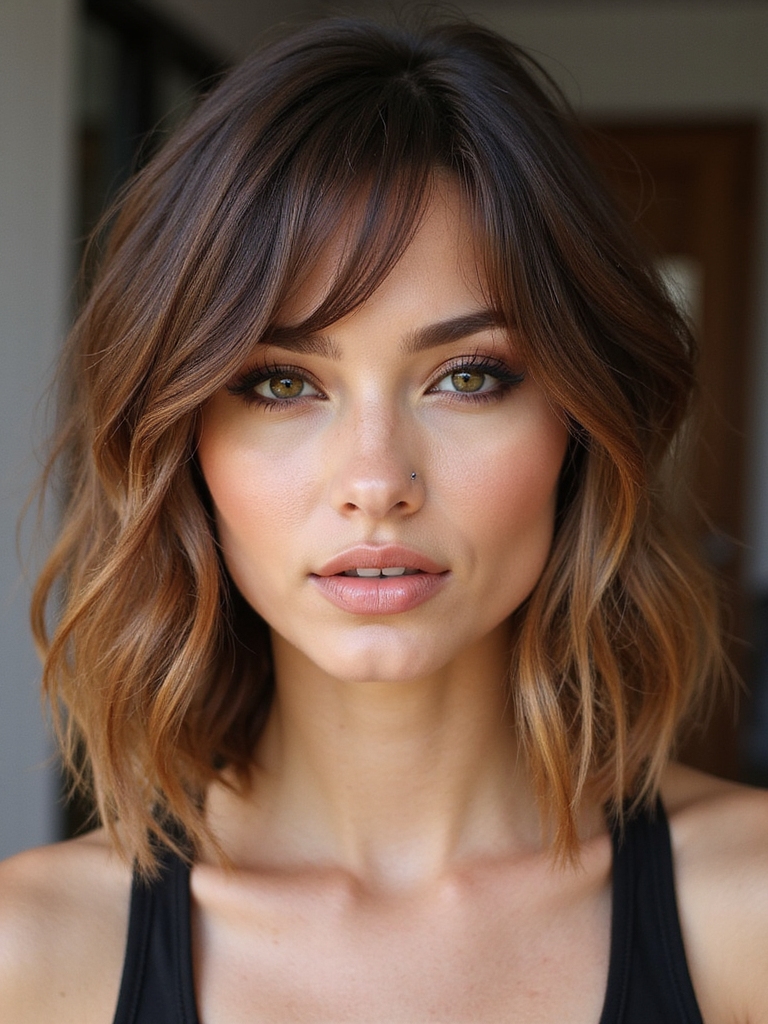
Flipping the ends out instead of under is a small styling choice made after the cut is already done, giving a boho bob a casual, slightly retro bounce at the tips.
- A flat iron or a round brush at just the ends creates the flip, no need to touch the roots
- Keeping the flip soft and a little irregular matters more than a uniform curl would
- Works on any of the lengths covered above, since it’s a finishing move that applies across the board
Styling Tips
Two habits carry more weight than any single product across every pairing above: leaning on air-drying more often than heat tools, and stretching the wash schedule a little, since second-day texture holds a boho finish better than freshly washed hair. Plan on around $20 for a texture spray, which covers most of these looks on its own.
The cut carries most of the responsibility, though, and it’s part of why a boho bob suits bob hairstyles for fine hair particularly well. Soft layers and a rooted color grow out without a hard line to manage, which is the real reason this whole category feels low-fuss well beyond anything a specific product does.
?Is a boho bob the same thing as a messy bob?
Not quite. A messy bob can be any texture styled loosely, while a boho bob specifically relies on soft layers, an air-dried finish, and a rooted or gently placed color to look undone in a considered way, the opposite of simply unbrushed.
?Can a boho bob work for a formal event?
Yes, usually through one of the dressed-up variations covered above rather than the plainest everyday version. A scarf wrap, a half-up knot, or a soft braid accent all look intentional enough for something dressier while still keeping the relaxed, undone feel fully intact.
?How often does a boho bob need a trim to keep its shape?
Less often than a sleek, blunt bob. The soft layering is designed to grow out without a hard line showing, so most of the fifteen pairings above can stretch well past a typical cutting schedule before the shape starts to lose its point.
?Does a boho bob suit fine hair?
It’s one of the better options for fine hair, since the piecey layering fakes volume and movement that a single blunt length wouldn’t create on its own. The shaggier and more textured versions above tend to work especially well.
Built Into the Cut, Not the Routine
Every pairing above traces back to the same two decisions: soft, broken-up layers and an air-dry finish that doesn’t chase a precise line. Everything else, from a scarf to a fringe to a half-up knot, is optional detail layered on top.
Worth bringing a specific length and texture goal to the next appointment, rather than just a photo of the finished style, since the styling on top only works if the cut underneath is doing its job first.
Where to Next