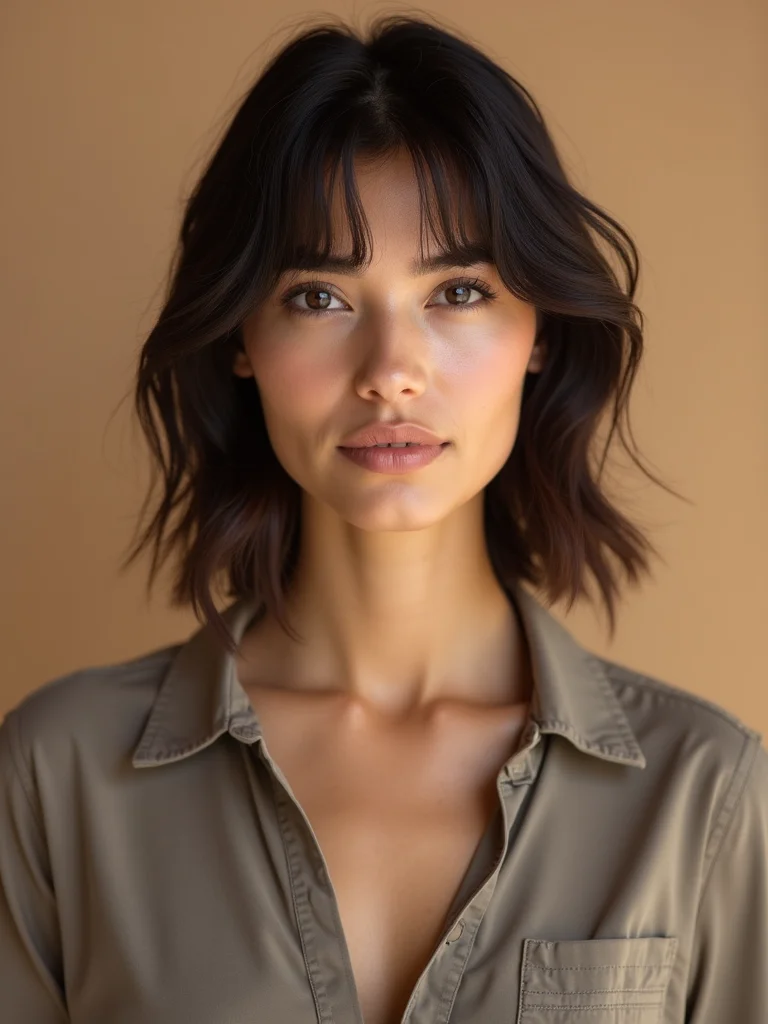
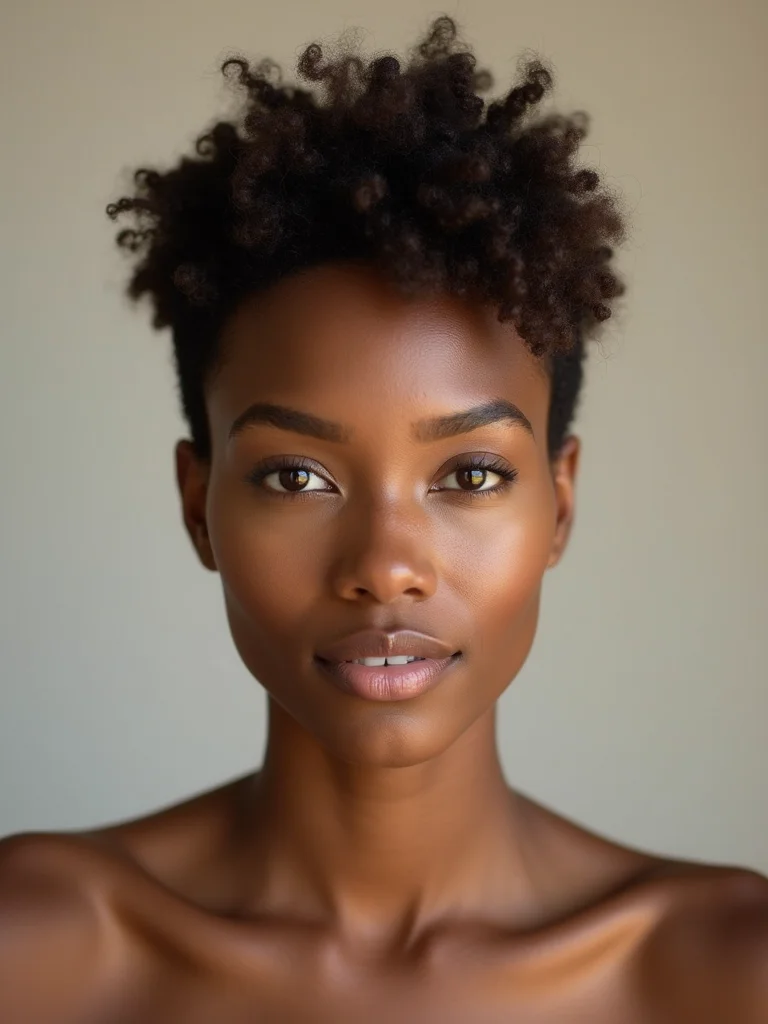
A layered cut is the most commonly requested change behind a chair, and also the most commonly misunderstood one. Layers are not a single look; they’re a technique, and the right version depends entirely on hair type, length, and how much daily styling someone is actually willing to do.
Sixteen versions follow below, organized by hair type and texture first, since that’s what actually decides whether a layered cut works, plus an honest maintenance breakdown and the mistakes worth dodging before booking.
Layers by the Numbers
| Factor | What It Means | Why It Matters |
|---|---|---|
| Best for | Nearly every hair type, technique adjusted case by case | There’s no single ‘layered cut’ |
| Upkeep | Ranges widely by version | Soft layers stretch for months; short choppy ones need more visits |
| Pairs well with | Curtain or bottleneck bangs, a wolf cut, or a low-maintenance lob | The surrounding cut sets how the layers actually read |
Soft, Blended Layers for Fine Hair
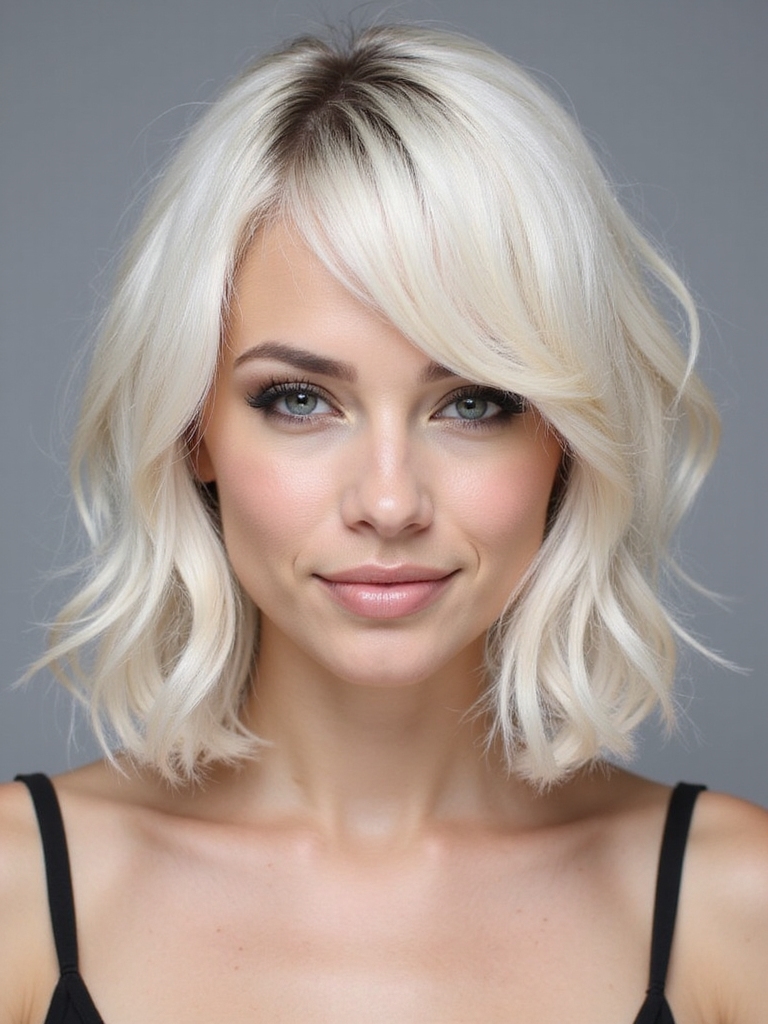
Fine hair and heavy layering rarely get along, since too much thinning strips out the little weight fine hair already has. Soft, blended micro-layering solves that by keeping the perimeter mostly intact while adding lift only where it counts. A few adjustments make the difference:
- Keep the layers high, concentrated close to the crown.
- A mostly blunt perimeter preserves the appearance of density.
- A root-lift mousse and a small round brush finish the look at home.
Long Layers With Face-Framing Pieces

Long layers with face-framing pieces add shape to long hair without sacrificing length, which makes this a common request from anyone growing a shorter cut out. The framing pieces open up the face while the rest of the length stays full.
Most stylists start the shortest framing piece around the cheekbone or jaw and keep the interior layers long, which keeps the ends looking noticeably thick. This suits nearly any face shape well, since the framing does the work a shorter fringe would otherwise handle.
- Suits anyone prioritizing length over dramatic movement.
- Grows out with very little visible line.
- A lightweight cream keeps the framing pieces moving softly.
Shaggy Layers for Thick, Heavy Hair

Thick, heavy hair carries shaggy layering better than almost any other texture, since removing internal bulk is what keeps the shape from blowing out into a triangle by afternoon. Heavy layering here isn’t a risk; it’s closer to a requirement for this density.
The cut works by taking weight out from inside the length, going well beyond a simple trim, which lets the shape move and fall freely.
- Best suited to hair that feels heavy or bulky by afternoon.
- A texture spray defines the shaggy ends without adding grease.
- Ask specifically for internal weight removal by name.
Where Shaggy Layers Struggle
On very fine or already-thin hair, this much internal thinning can go too far and leave the ends looking sparse. It’s built specifically for density.
Curtain Bangs Paired With Subtle Layers

Pairing curtain bangs with subtle layers ties the whole cut together, with the fringe echoing the same soft movement carried through the lengths below it. It’s a forgiving combination:
- The fringe grows out into the layers with no awkward in-between stage.
- Works on nearly any length, from a lob to long hair.
- Fewer layers overall suit anyone skipping daily round-brushing.
Wolf Cut for Worn-In Texture

The wolf cut is the boldest shape on this list, a shag-mullet hybrid built from short, choppy layers up top and longer, ragged ends below. Wearing it well means letting go of the polished blow-dry entirely:
- Best on hair with some natural texture or wave already.
- A texture spray scrunched through damp hair is close to the entire routine.
- Grows into more length while the underlying shape holds.
Layered Lob for Easy Everyday Styling

The layered lob lands around the collarbone with layers cut through the length, and few shapes on this list flex as easily: long enough for a low ponytail, short enough to feel current. What makes it work day to day:
- Air-dries into a soft bend on its own, most days.
- A round brush turns the ends under for a more polished finish.
- Balances a wide range of hair types without heavy layering.
Invisible Layers for Airy Movement
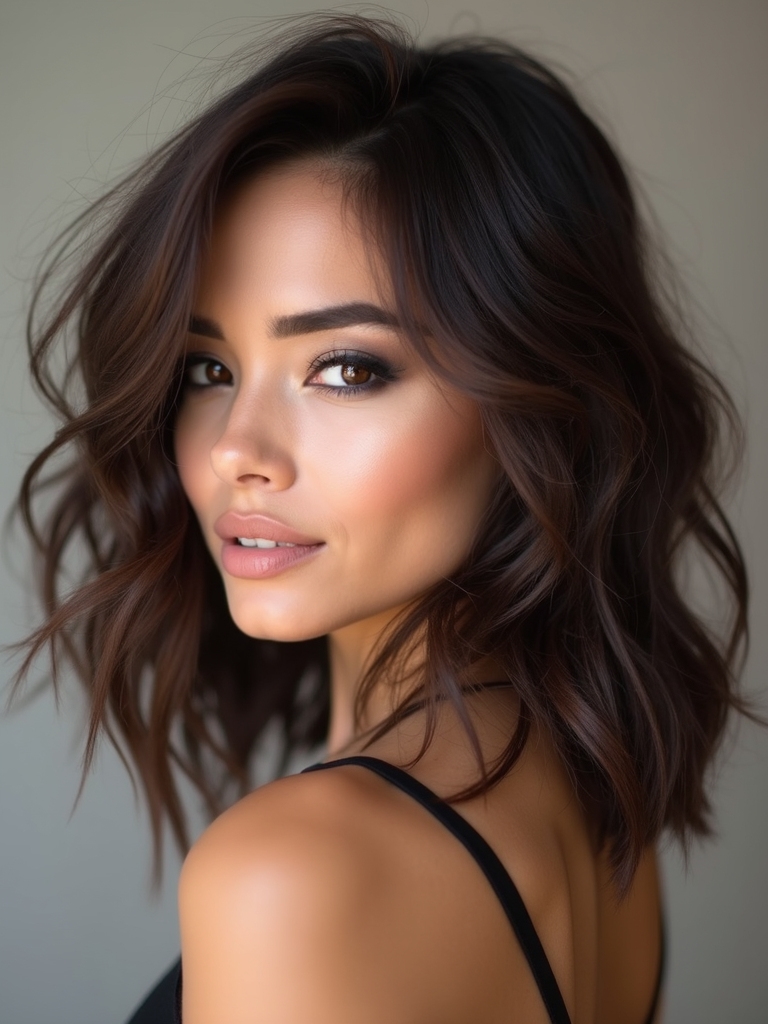
Invisible layering is a technique rather than a look. The layers get cut inside the hair where no line shows on the surface, so the length appears completely even while the interior moves like a layered cut.
Most pros reach for this specifically for anyone who loves the density of one-length hair but is tired of how heavy and flat it can sit. The weight comes out from within, so the ends still read full.
Asking for internal or invisible layering by name matters, since it’s cut with a different technique than surface layering. A stylist unfamiliar with the request may default to visible layers instead.
Not sure whether to ask for invisible or visible layers? A quick way to decide:
🎯Hair feels heavy and flat, but the ends look fine
Invisible layers add movement without changing the outline.
🎯Hair feels shapeless and needs a visible change
Visible layers reshape the whole silhouette from the outside.
Curly Layers That Define the Coil
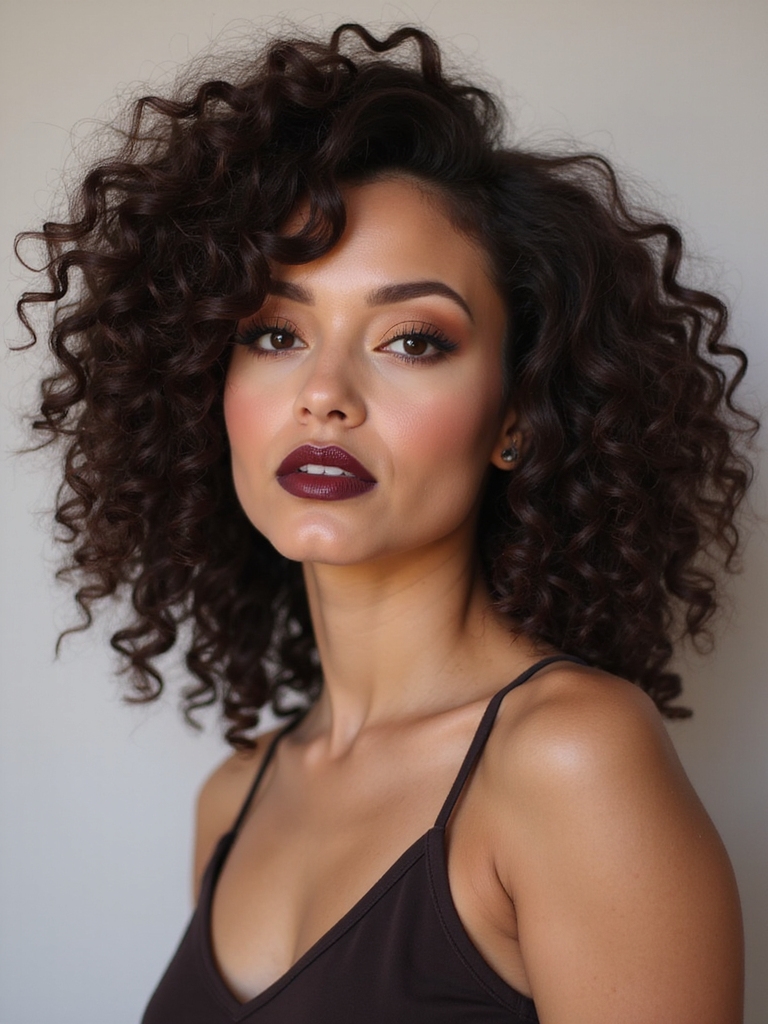
On curly and coily hair, layers give each curl room to clump and spring into a defined shape, heading off the heavy, triangular silhouette a single length tends to create.
The cut has to happen dry, in the hair’s natural state, so a stylist can shape around how each curl actually falls and account for shrinkage. A wet cut on coils tends to dry noticeably shorter than planned, sometimes short enough to change the whole outcome.
- Ask specifically whether the stylist cuts curls dry, curl by curl.
- A curl cream defines the shape once the cut is finished.
- Layers here build volume all the way up at the crown.
Wavy Layers With Beachy Texture
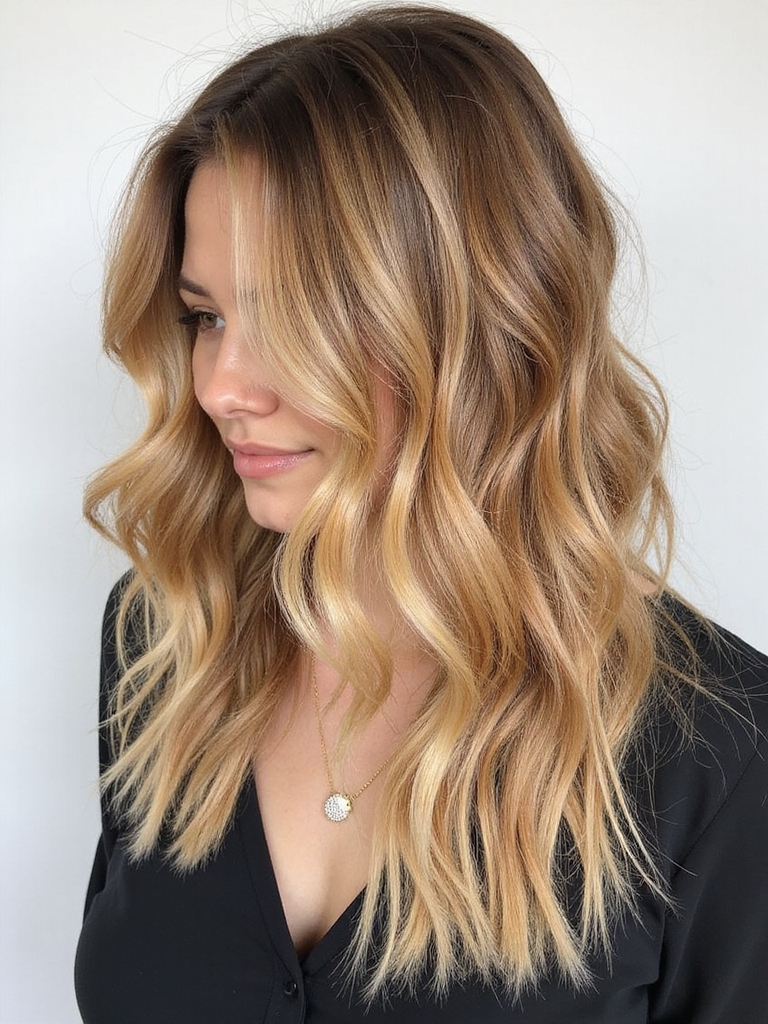
Wavy hair and layers pair naturally, since the layers give the wave pattern somewhere to bend and move. A few adjustments keep the texture looking intentional:
- Long, light layers are usually enough; over-layering can frizz the shorter ends.
- A sea-salt spray scrunched into damp hair brings out the beachy bend.
- Air-drying and finger-raking finish the look without heat.
💡Reading Wave Pattern First
Loose, S-shaped waves and tighter, springier ones respond differently to the same layering, so a stylist who checks the pattern dry, before cutting, tends to place the layers more accurately than one working from a wet, stretched-out guess.
Layered Pixie With a Feathered Crown

A layered pixie keeps things short and light, with feathered layers at the crown giving a cropped shape real height and texture straight off the scalp. What it asks of the person wearing it:
- Frequent trims, since a pixie loses its line faster than any longer cut.
- A styling routine that takes under two minutes on most days.
- A commitment to short hair generally, since it’s not an easy length to grow out gracefully.
Mid-Length Layers for Bounce and Lift
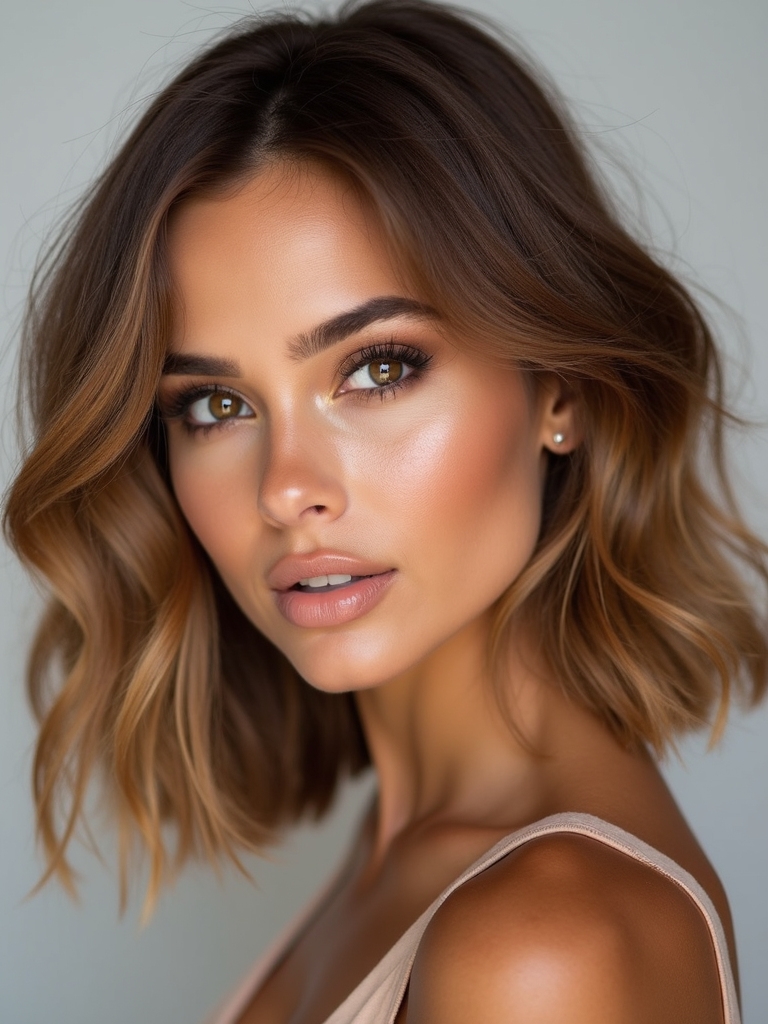
Mid-length hair, somewhere between the shoulders and the collarbone, is the most common length there is, and layering is what keeps it from reading as one flat, heavy block.
Placing the layers lower, through the belly of the length down to the ends, is what actually carries the movement here rather than layering placed near the root.
- Suits the in-between length most people actually have.
- Round-brushing the ends under or out adds bounce for everyday wear.
- Works with straight, wavy, or loosely curled textures alike.
📋Before Booking Mid-Length Layers
- ✓Know the current density and hair type, since fine and thick hair take different amounts of layering.
- ✓Decide on daily styling time realistically before the cut happens.
- ✓Bring a reference photo close to the current length as well as the style.
Razored Layers for Piecey Separation

Razored layers are cut with a blade, feathering the ends into a finer, piecey separation than a scissor-cut layer produces.
Where a Razor Helps and Where It Doesn’t
The technique shines on medium-to-thick hair that needs some of its weight taken down, giving the ends serious texture without a heavy, blunt line dragging on it.
On very fine hair, heavy razoring can leave the ends looking stringy, so a lighter hand and well-conditioned ends matter more on finer density.
Layered Cut With Bottleneck Bangs
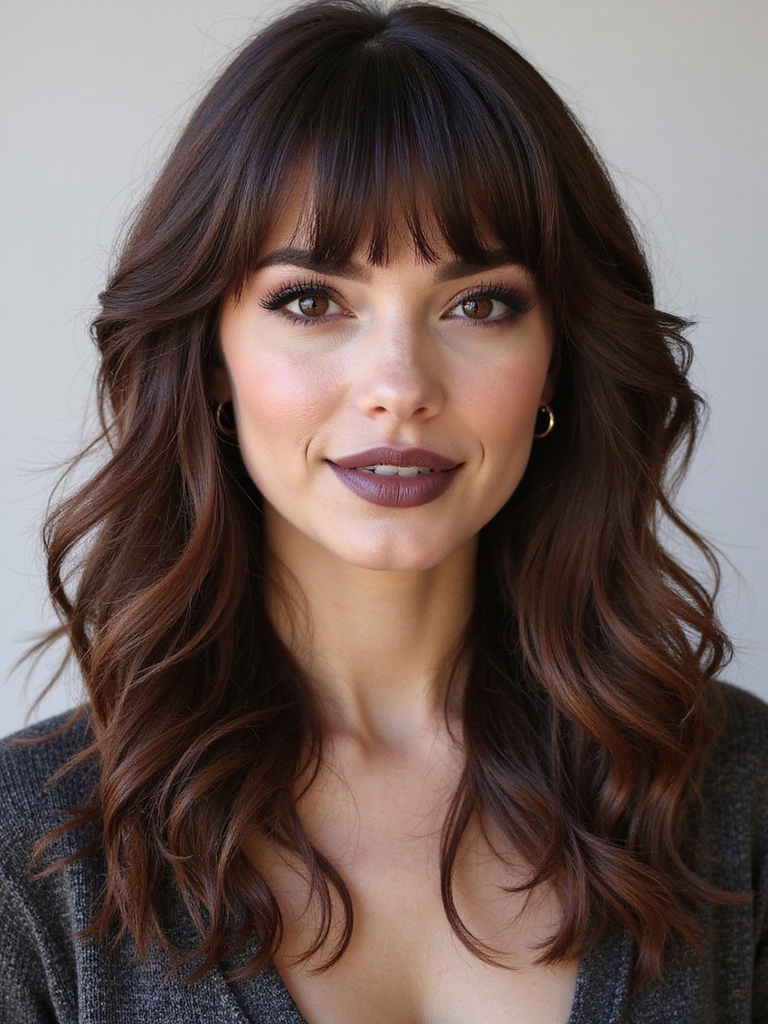
Bottleneck bangs are the newer cousin of curtain bangs: shorter and rounder through the center, longer at the sides, curving in like the neck of a bottle. Cut into a layered shape, they frame the face with a soft, rounded fringe.
They share the same forgiving grow-out as a curtain fringe but read a touch more shaped and current. A round brush curves the center down and the sides back to hold the bottle shape.
U-Shape or V-Shape Layers for Length Lovers

For long hair, a U-shape or V-shape carves the back into a soft curve or a sharp point without taking length off the top, giving the layers a defined silhouette instead of a vague taper. The two read differently:
- A U-shape looks soft and rounded, closer to a classic layered look.
- A V-shape looks sharper and more elongating, best on hair well past the shoulders.
- Both leave the top length almost entirely untouched.
Layered Styles for Low-Maintenance Routines

For anyone whose real priority is wash-and-go ease, low-maintenance layering keeps the layers long, soft, and forgiving, so the shape looks intentional air-dried and grows out without an awkward stage.
The goal is a cut that behaves with minimal styling and stretches the time between trims. Long, soft layers that blend gradually into each other work best here.
How to Communicate Layering Goals With a Stylist

The fastest way to a layered cut that actually matches expectations is bringing more than the word ‘layers’ into the consultation. Most pros point to specifics, face shape, current density, and how much daily styling is realistic, as the details that actually shape the outcome, far more than the word itself.
What Actually Gets a Stylist to the Right Cut
Two reference photos tend to work better than one: a look that’s wanted, and a look that should be avoided. The contrast tells a stylist more than either photo alone would.
Naming the actual goal, whether that’s volume, movement, weight removal, or face-framing specifically, narrows the technique fast, since each of those calls for a different placement of layers.
Maintenance & Care
Upkeep for a layered cut mostly comes down to shape, more than any fixed schedule. Soft, long layers stretch comfortably for months between visits, while short, choppy, or heavily razored versions lose their definition sooner and call for more frequent trims.
Most of this is a longer service than a plain trim, often ninety minutes to two hours depending on how much internal thinning the cut requires; most salons price a full layered cut somewhere around $60 to $150, more for very thick or long hair. Bringing a clear reference and naming a realistic styling routine up front tends to matter more than the trim schedule itself.
Layered Cuts, a Closer Look
?How do you know how many layers is too many?
Watch the ends closest to the front. If they start looking wispy, uneven, or thin, that’s usually the sign a cut has gone past what the hair’s density can support. The fix is dialing back the layering at the next visit.
?Do layers work on hair that’s already damaged or dry?
They can help, since removing bulk often makes damaged ends look less obvious, but layering alone won’t fix dryness. A stylist evaluating condition first, before deciding how aggressive to go, gets a better result than layering on top of unaddressed damage.
?Can a layered cut be grown out into one length again?
Yes, though the timeline depends on how short the shortest layers are. Soft, long layering grows out with barely any visible stage; heavily razored or very short internal layers take noticeably longer to blend back into one length.
?Is a layered cut a good option for very thin hair?
It can be, but only with a light hand and a stylist willing to hold back. Thin hair usually does better with fewer, higher layers, since the heavier layering that suits thick or wavy textures behaves differently on finer density.
Two Questions Before Booking
Every layered cut, whatever the styling name, does one of two jobs: it removes weight where hair sits too heavy, or it adds movement where hair falls flat. The most common mistakes trace back to skipping that distinction: over-layering fine hair, cutting curls wet instead of dry, or chasing a photo without naming a realistic styling routine.
Getting honest about two things first, what the hair actually does and how much time it realistically gets each morning, does more to guarantee a good outcome than any single reference photo could.
More to Explore