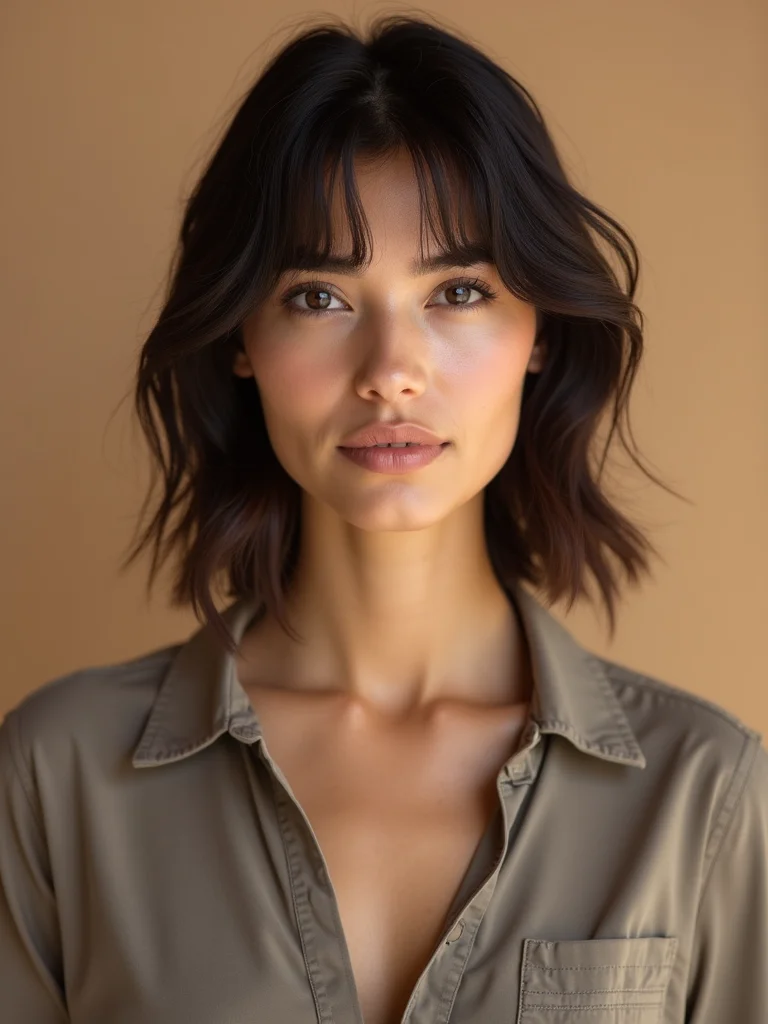
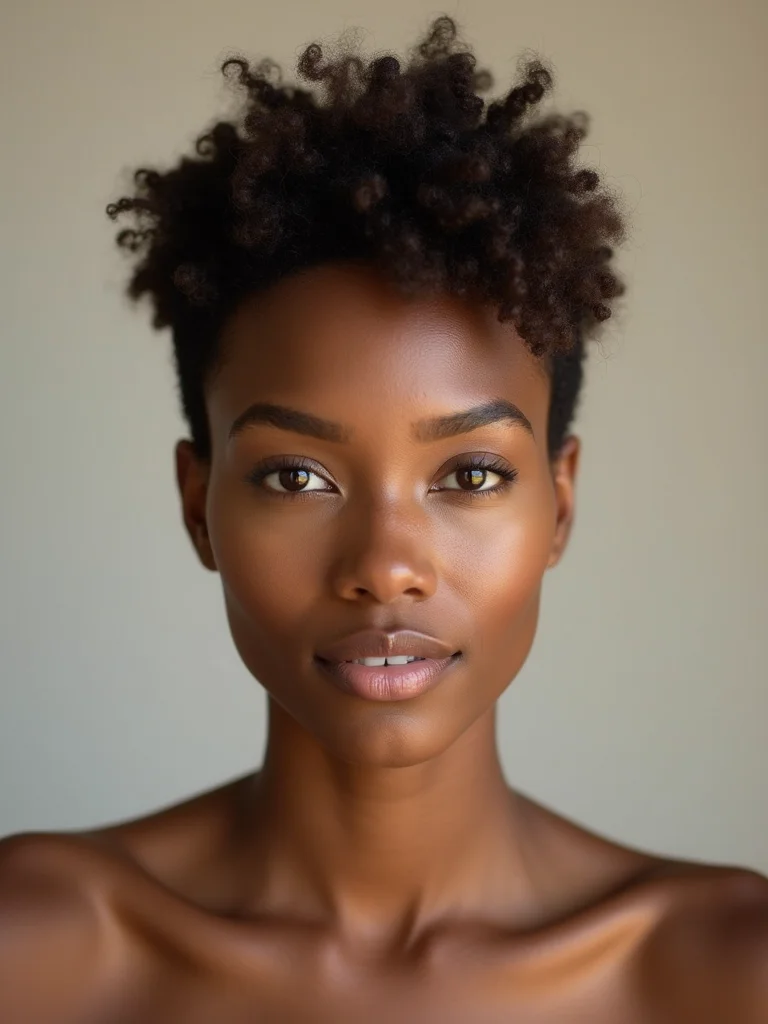
Long hair has a habit of hanging there, heavy and flat, no matter how much you grow. A long shag fixes exactly that. Where one-length hair sits like a curtain, the shag’s layers build volume at the crown and send flow all the way down, so a length that would otherwise droop suddenly has body, bounce, and movement to spare.
That is the whole promise of the cut: volume where you lack it, flow where you want it. The sixteen long shag hairstyles below show how the layering delivers both across every hair type, from feathered and beachy to curly and razored, with honest notes on the styling that keeps the volume up and the mistakes that flatten it.
Volume and Flow at a Glance
- The long shag builds volume by stacking layers up at the crown, then sends flow down through feathered, textured lengths.
- It brings flat, heavy long hair to life, adding body to fine hair and movement to thick hair with the same basic shape.
- The volume is low-upkeep: the layers grow out gracefully, so a long shag refreshes only every eight to twelve weeks at around $60 to $110.
Long Shag With Face-Framing
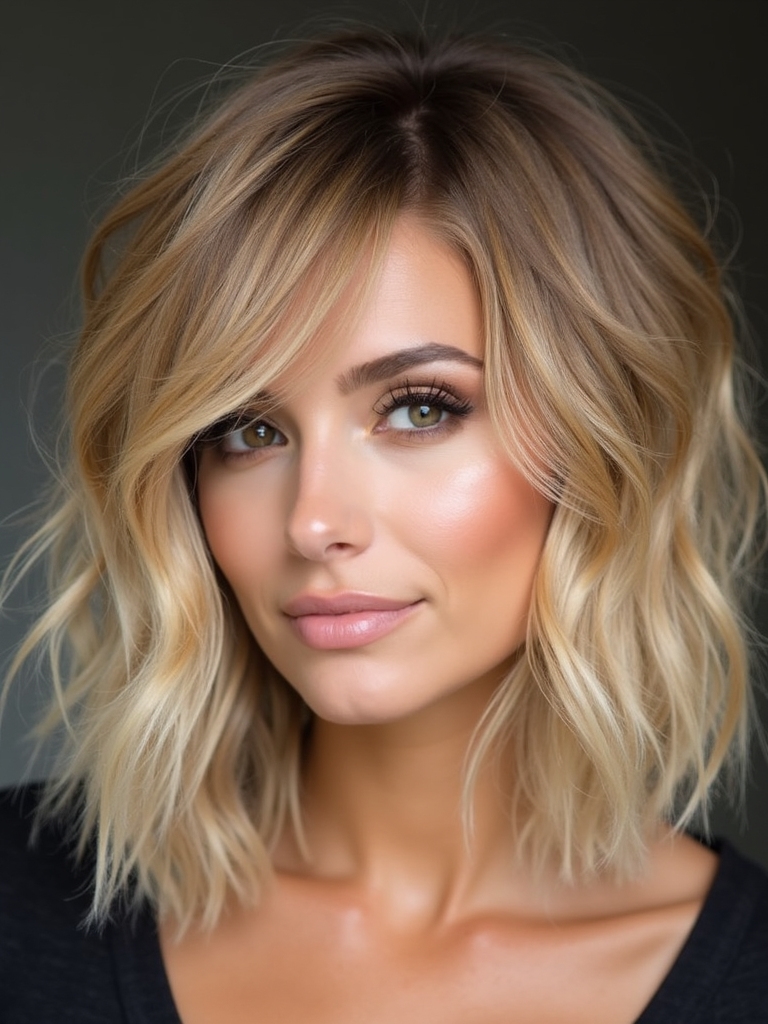
Face-framing layers bring the shag’s flow right up to the front, with soft, graduated pieces that sweep around the cheeks and jaw. They draw the eye to the face and add movement where the hair meets your features, blending into the rest of the layers so the whole front flows together.
This is the most flattering element of any shag, and it adds the most visible flow at the face. The pieces are tailored to your shape, starting higher to add width or lower to lengthen, so they suit you specifically.
- Soft graduated pieces frame the face and add front flow.
- These pieces flow into the surrounding layers so nothing looks separate.
- Placed higher to widen the face or lower to lengthen it.
Long Shag With Curtain Bangs
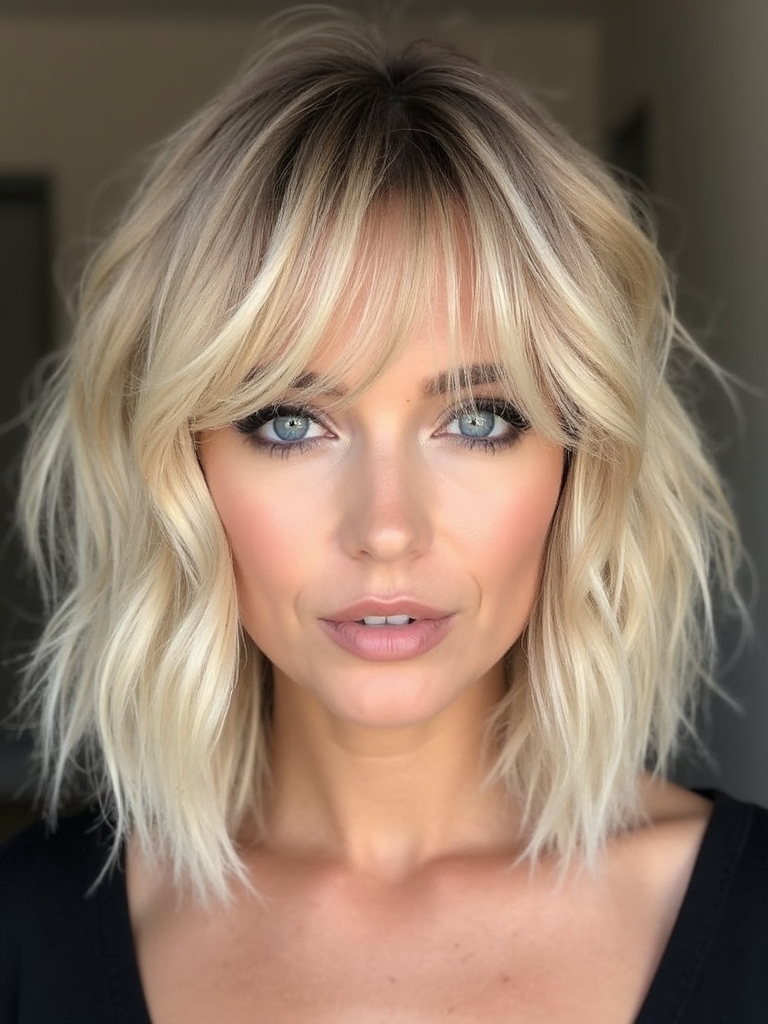
Curtain bangs balance all the length of a long shag with a soft, open frame at the face. Parted in the middle and falling away on each side, they bring the eye up and add flow at the front, keeping a long shag from feeling bottom-heavy.
It is the most popular shag fringe, flattering nearly every face and growing out into the layers gracefully. The curtain shape adds movement up top while the length flows below. More on the fringe in our curtain bangs guide.
- Curtain bangs add a soft frame and lift the front.
- They keep a long length from feeling bottom-heavy.
- Flatter most faces and grow out into the layers.
Where do you need the volume and flow most?
🎯My hair is flat at the roots
A crown-layer or wolf-inspired shag stacks layers up top for maximum lift.
🎯My hair is heavy and hangs flat
A debulked or razor-cut shag sheds weight so the length finally flows.
Thick Long Shag
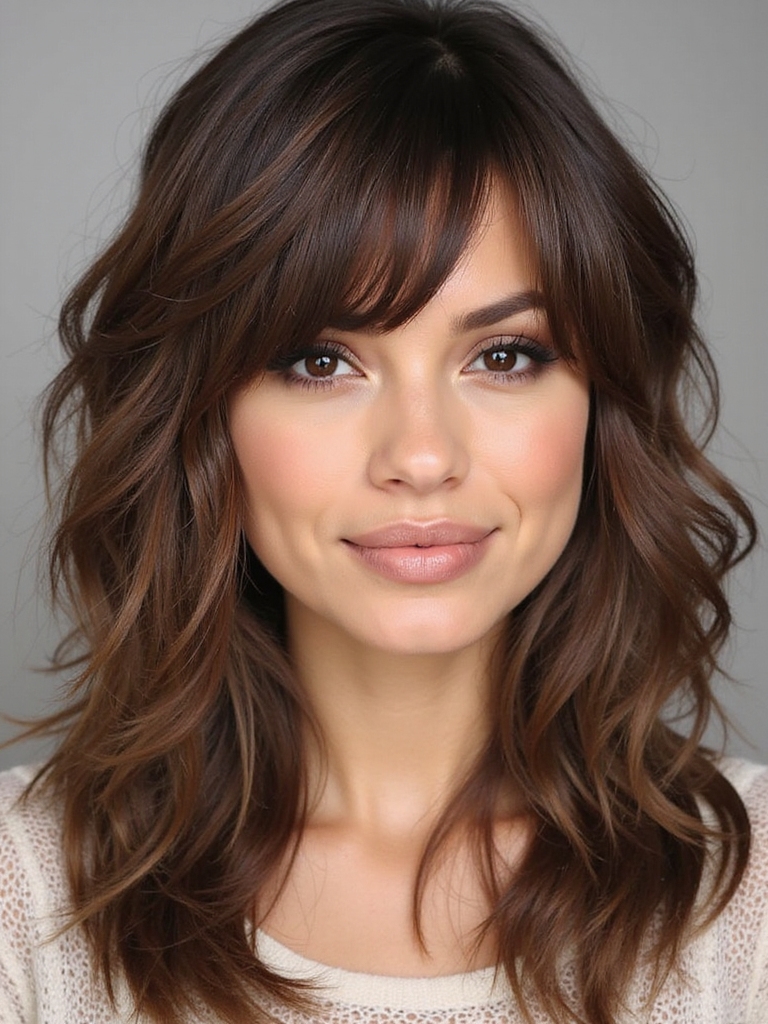
Thick hair makes a glorious long shag once the bulk is managed, the layers shedding weight from inside so the density turns into flow rather than a heavy, immovable mass. Internal debulking carves the weight out so thick hair swings and moves, while the perimeter stays full, which means thick hair keeps its enviable fullness but finally moves with it.
The mistake to avoid is over-thinning the ends, which leaves thick hair stringy, so ask for the weight taken from the interior. Handled this way, thick hair gives a shag the most natural volume and flow of any type.
- Internal debulking turns thick density into flowing movement.
- Weight comes from the interior, the perimeter stays full.
- Thick hair keeps its fullness but finally swings with it.
Feathered Long Shag
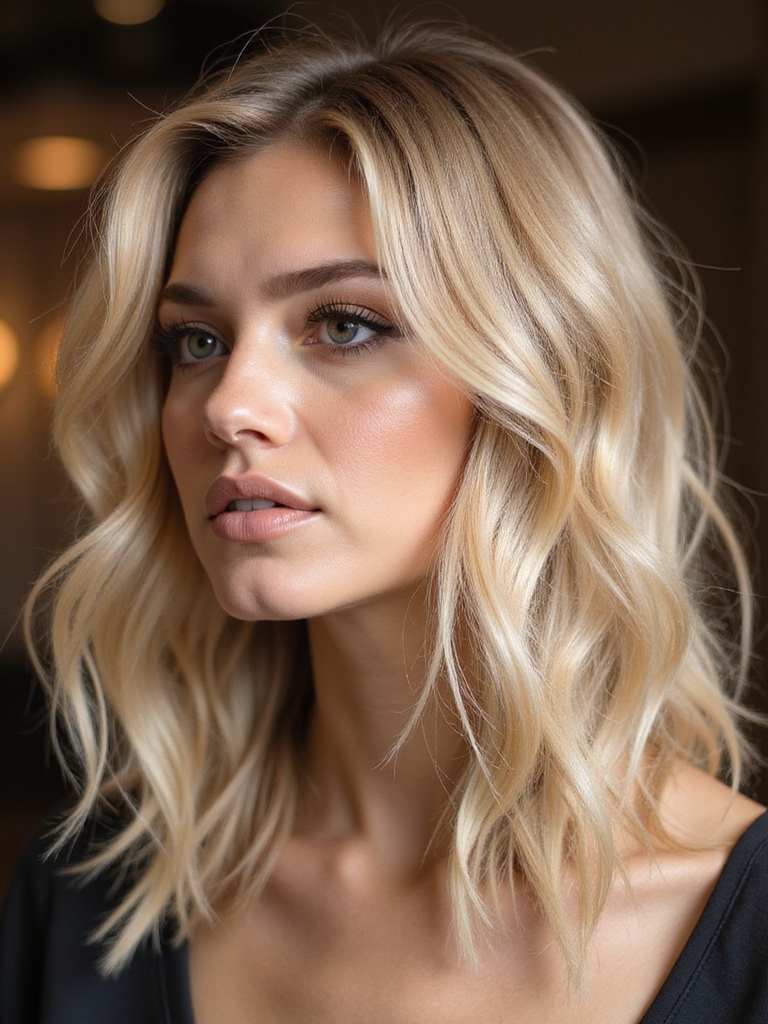
The feathered long shag delivers the softest flow of all, the ends tapered to fine, weightless points that float and move with the lightest touch. The layers are feathered all through the lengths so the hair never hangs heavy, instead flicking and flowing in airy pieces.
It is the gentlest, most romantic version of the cut, suiting straight and wavy hair especially, where the feathered ends show off best, and a round brush flicking the layers back as you dry brings out that signature soft, flowing movement.
- Feathered, tapered ends float and flow with no weight.
- The softest, most romantic version of the shag.
- A round brush flicks the layers back for the classic flow.
ℹ️Volume comes from the crown
A shag’s volume is built at the crown, where shorter layers are stacked to lift the roots. That is why a shag adds body where flat hair falls limp. If your shag lacks volume, the layers were likely cut too long up top, not too few overall.
Beachy Long Shag
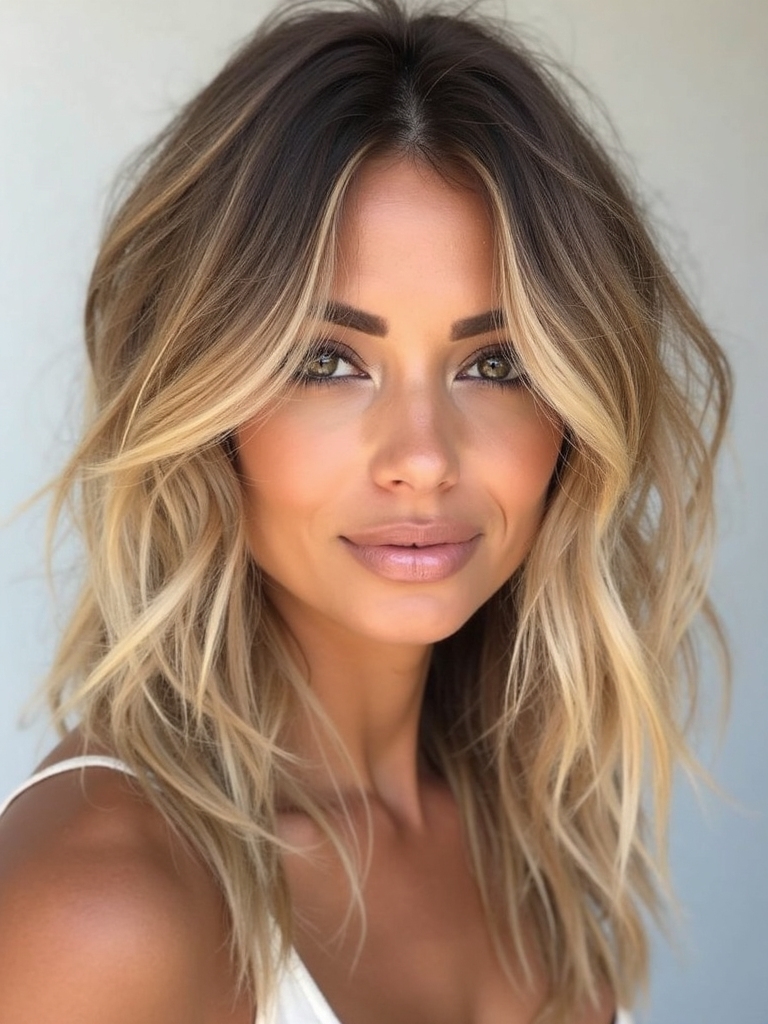
A beachy long shag leans into loose, undone waves for relaxed volume and easy flow. The layers give the waves somewhere to bend, so the hair falls in soft, dimensional movement that looks like the ocean styled it, with body up top and flow through the lengths.
This is the lowest-effort shag of all for anyone with a natural wave, the cut and texture working together with no heat needed. Even on a no-styling morning, the waves make the cut look deliberate.
Scrunch a salt spray through damp hair, let it dry on its own, and the bend takes care of the rest. It is volume and flow with almost no work.
Long Shag for Fine Hair
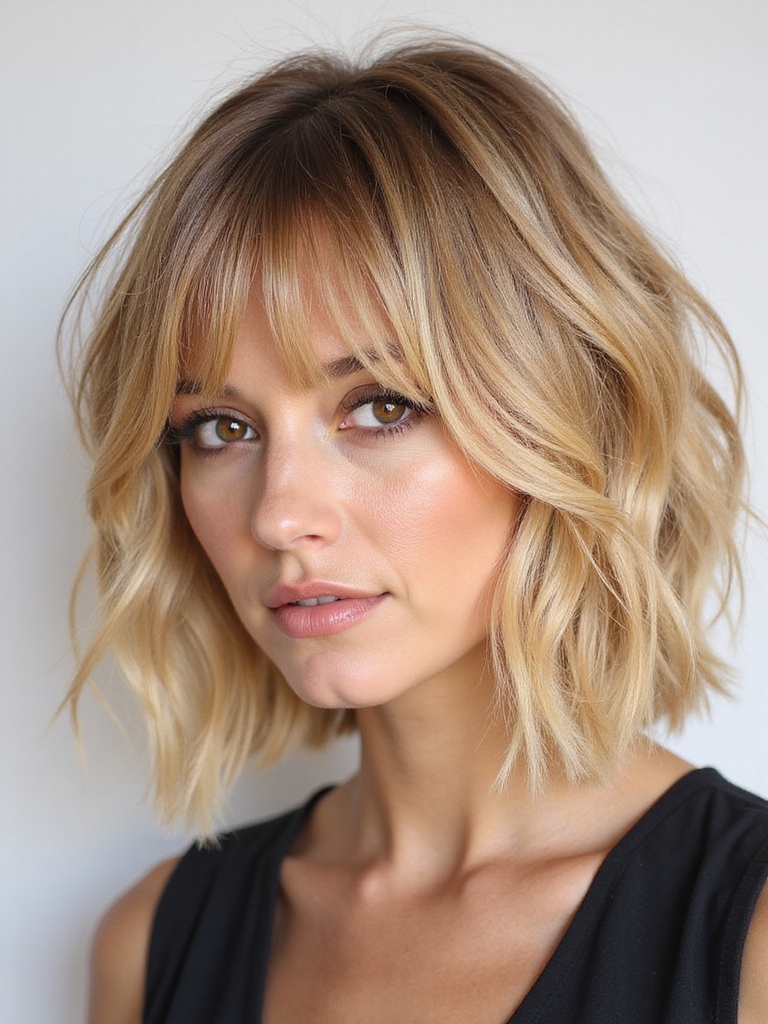
I tell fine-haired clients a long shag will do more for their volume than any product, gaining them flow and body they could never grow on their own. The layers, kept light and placed up at the crown, lift the roots and build the look of body, while the texture sends flow down the lengths, so fine hair finally has movement rather than hanging limp and flat.
The key on fine hair is gentle layering, never aggressive thinning, which would leave the ends sparse. A volumizing mousse at the roots boosts the lift, and the shag does the rest, turning flat fine hair into a cut with real body.
- Light crown layers lift fine roots and build the look of body.
- A volumizing mousse boosts the volume even further.
- Avoid aggressive thinning, which leaves fine ends sparse.
“The complaint I hear most about long hair is that it just hangs there. A shag is my answer every time. By stacking layers at the crown and feathering the lengths, I turn a flat, heavy length into a cut with real body, and clients are always amazed how much lighter it feels.”
Long Curly Shag
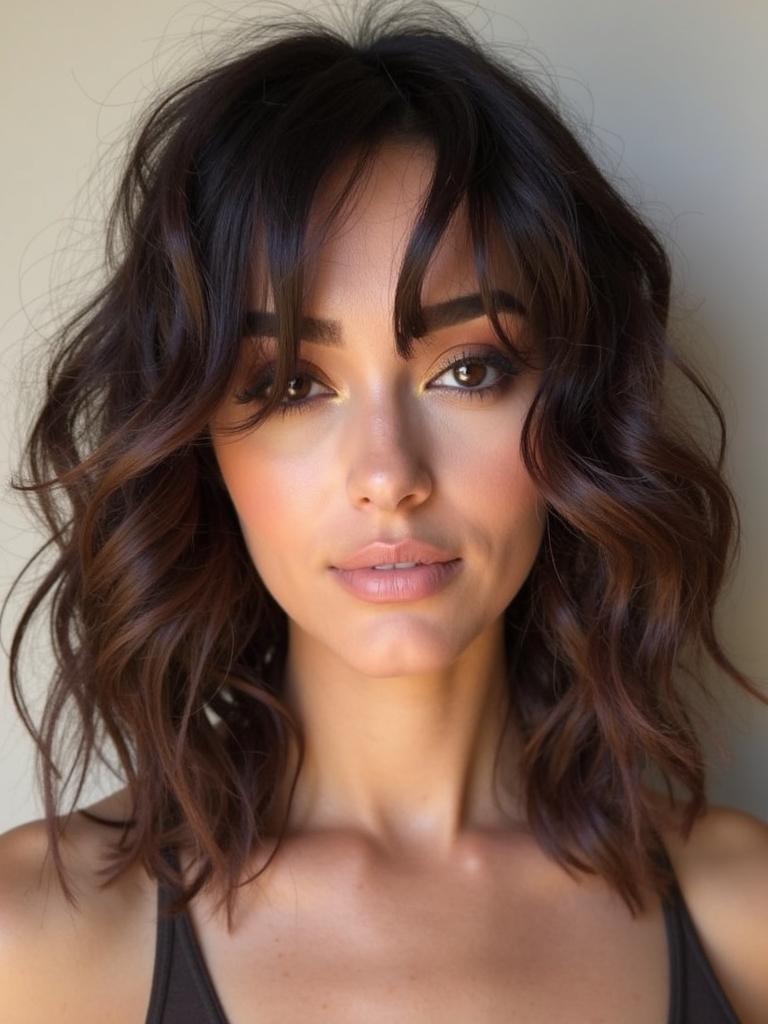
I cut curly shags whenever a client lets me, because curly hair takes the cut with bold, natural volume, the layers freeing the coils to bounce and stack into a full, shaped silhouette. The shag’s heavy layering keeps curls from building into a dense, heavy triangle, instead letting them spring into a lively shape with flow and definition.
The rule for curls is a dry cut, so the layers land right once the coils draw up, which means seeking out a stylist who shapes textured hair regularly. A curl cream scrunched into damp hair and a low diffuse bring out the volume, making a curly shag among the most striking versions of the cut.
- The layers free curls to bounce instead of building a triangle.
- Cut dry so the layers suit how the coils draw up.
- Work a curl cream through and diffuse gently to lock in the bounce.
Crown-Layer Long Shag
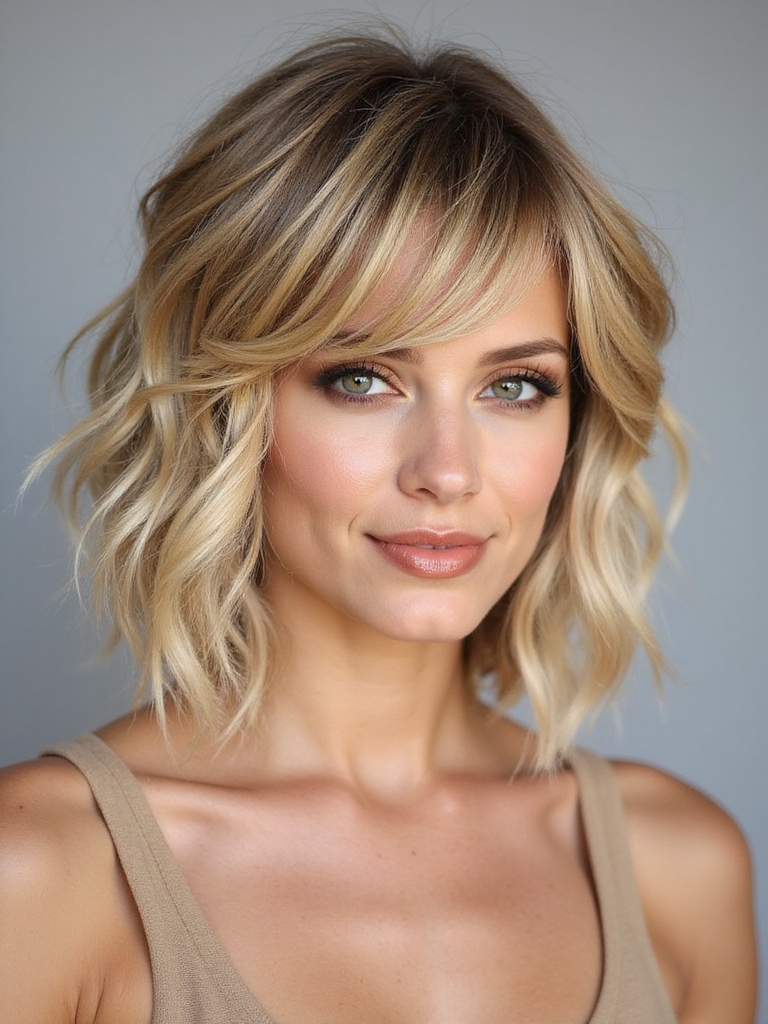
Concentrating the layers up at the crown is how a long shag builds its most dramatic volume, lifting the roots where flat hair falls limp. Shorter layers stacked around the crown spring up for height, so the cut has real lift at the top while the lengths flow below, a balance that flatters by adding length to the face.
I send clients with stubbornly flat crowns straight to this version, common as that complaint is on fine and straight types, and a volumizing mousse with a round brush lifting the crown layers holds the height all day.
- Shorter crown layers spring up for maximum lift.
- Lift up top, flow below, for a flattering balance.
- Especially good for hair that falls flat at the crown.
💡Don’t blow it flat
A smooth, flat blow-dry undoes a shag’s volume faster than anything else. The cut wants lift and texture, so rough-dry it with your fingers, lift at the roots, and finish by scrunching in a texture spray. Save the round-brush blowout for the days you want the glossy, bouncy version.
Chin-Grazing Fringe Long Shag
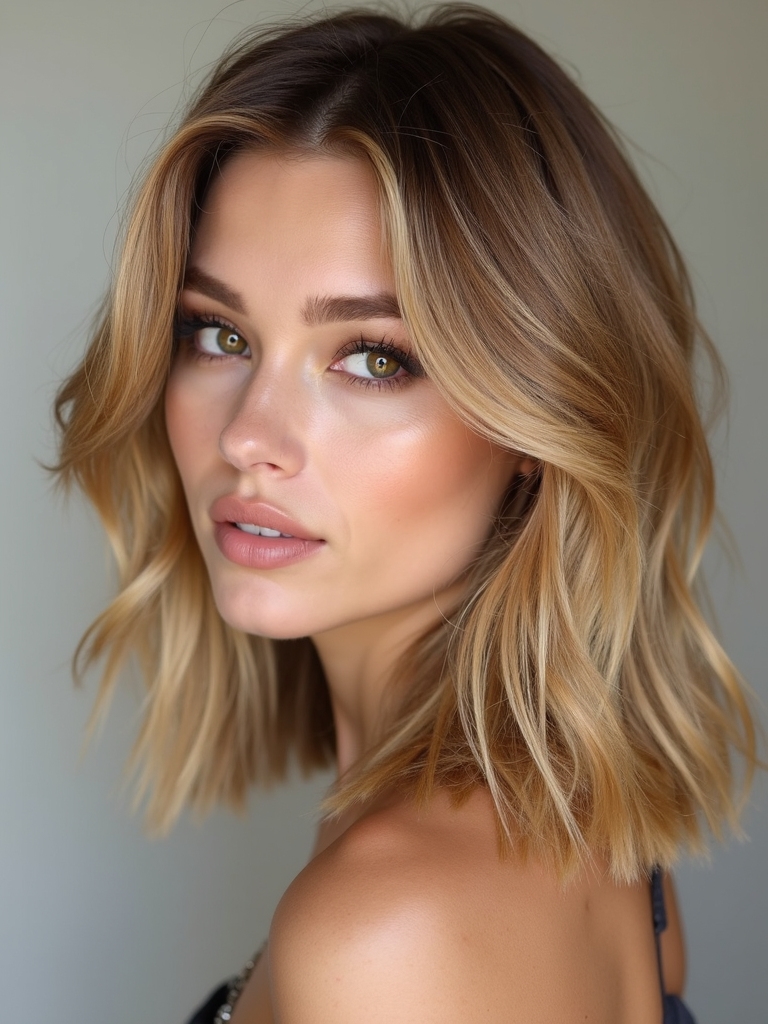
A long, chin-grazing fringe is a softer, more flowing alternative to a short bang, the fringe pieces falling all the way to the chin and merging with the layers around the face. Because they are long, these fringe pieces add movement and flow around the face without the upkeep of a short fringe, grazing the cheekbones and chin in light, lengthy strands.
This fringe barely asks for upkeep, melting into the surrounding layers as it grows and skipping the awkward stage entirely. A round brush sweeps the long fringe back into the flowing layers.
- Long fringe pieces graze the chin and add flowing movement.
- Lower upkeep than a short bang, with a graceful grow-out.
- Blends into the surrounding layers as it grows.
Wolf-Inspired Long Shag
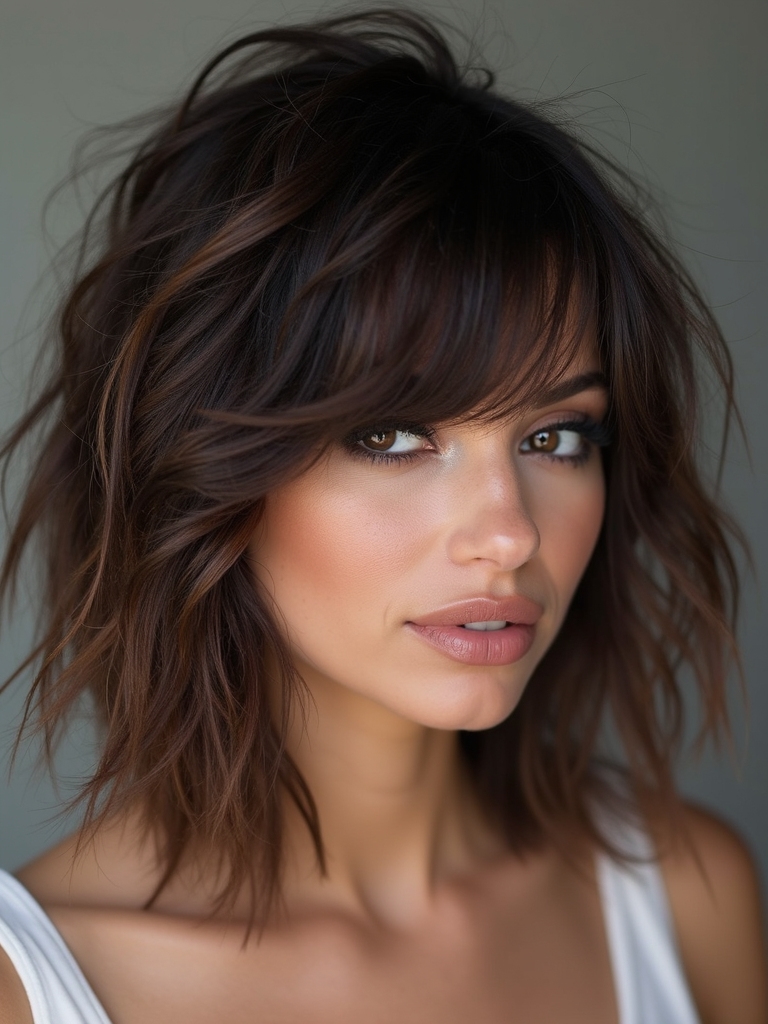
Borrowing from the wolf cut, a wolf-inspired long shag piles heavy, choppy texture at the crown and tapers out through the lengths for bold, dramatic volume. It is the shag at its most extreme, the heavy crown layers building serious height while the lengths flow out shaggy and textured, a blend of seventies shag and modern mullet energy.
It is the version for anyone who wants maximum volume and a real statement, and a poor match for very fine hair, which cannot hold all that crown volume. Work in a light texture spray, then rough-scrunch through for maximum wild texture.
- Heavy crown texture and tapered lengths build bold volume.
- A blend of seventies shag and modern mullet energy.
- A poor match for very fine hair that cannot hold the volume.
Razor-Cut Long Shag
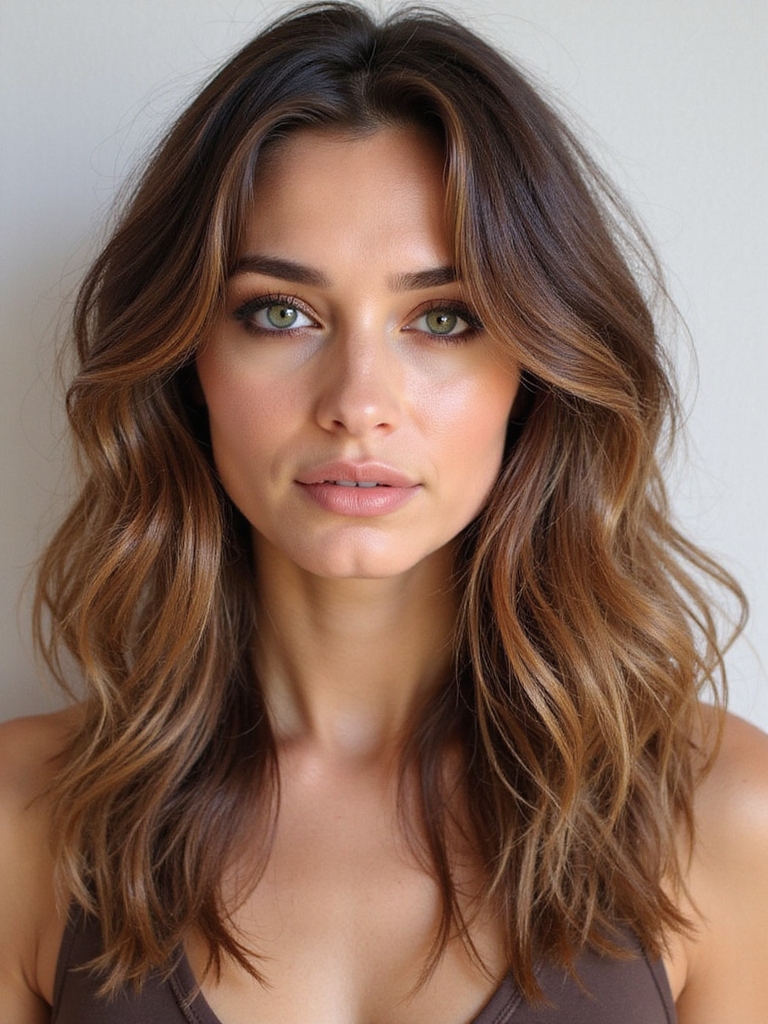
A razored long shag has the most weightless flow of all, the blade slicing the layers into fine, feathery points that move with the lightest air. The razor sheds weight and adds an airy, soft quality scissors cannot match, so the hair flows freely with hardly any heaviness at the ends.
It suits healthy, straight to wavy hair best, since the razor can roughen fragile or damaged hair, so it is worth discussing your hair’s condition before the blade comes out. A light texture spray plays up the feathered, flowing finish, and the result is volume that moves like silk.
- The razor slices the layers into weightless, feathery points.
- The airiest flow of any shag, soft and light.
- Loveliest on healthy strands, since a razor roughens fragile hair.
Side-Swept Long Shag
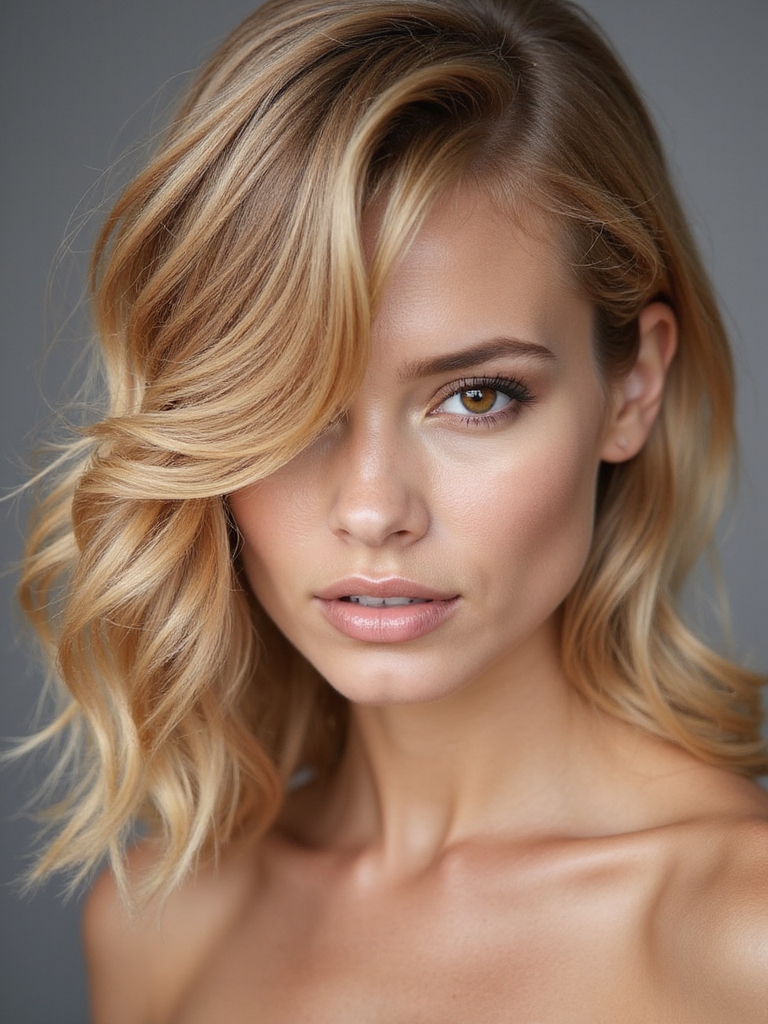
Sweeping a long shag from a deep side part adds instant volume and a flattering flow to one side. The deeper part throws the hair across and lifts it at the root, so the shag gains body and a soft, asymmetric sweep that frames the face with movement.
Volume from the part
Volume shows up fast this way, with no new cut required: just part the hair deeper. The swept side picks up lift and flow, while a cheek-framing fringe carries the movement around the face.
A round brush directs the sweep and a deeper part builds the lift. It is the quickest restyle for a shag that needs a volume boost.
Face-Hugging Tendrils Long Shag
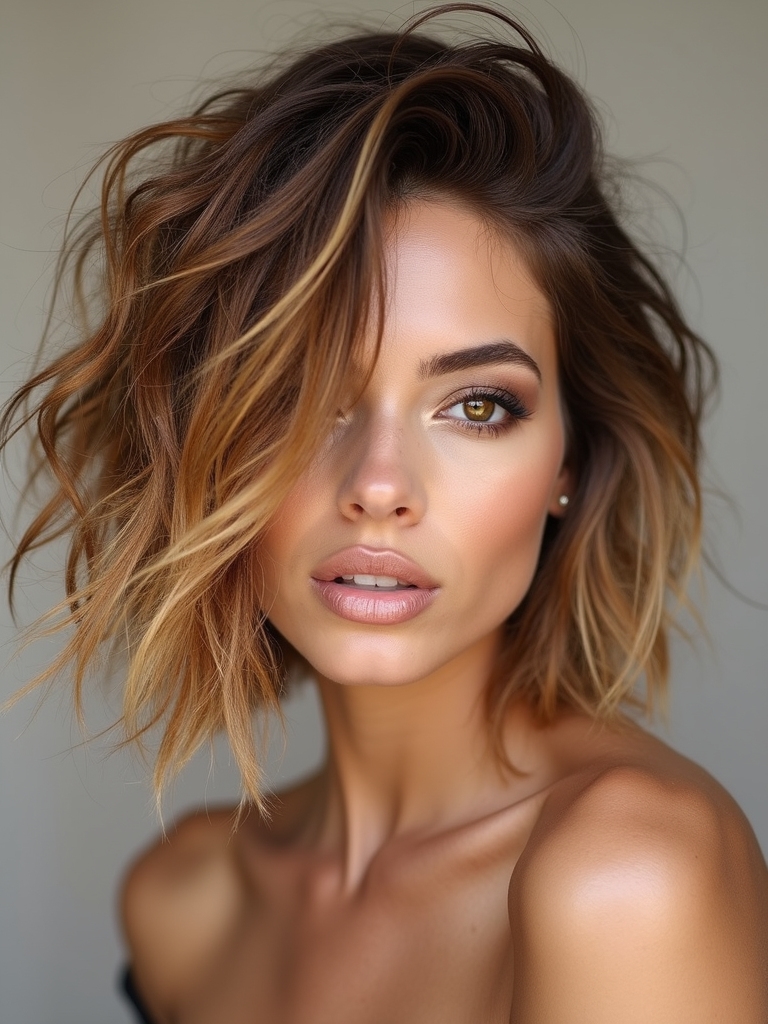
Leaving soft, tapered tendrils to hug the face is the delicate detail that adds romance and movement to a long shag. Fine pieces are left loose at the temples and along the fringe, falling forward to frame the face in barely-there strands that move with you.
These tendrils do an outsized amount of flattering work, softening any hard line of the cut and drawing attention gently to the eyes and cheekbones. They suit anyone who wants softness and flow right at the face.
A little light cream keeps the tendrils defined rather than stringy. They are the finishing touch that makes a shag feel romantic and finished.
Highlighted Long Shag
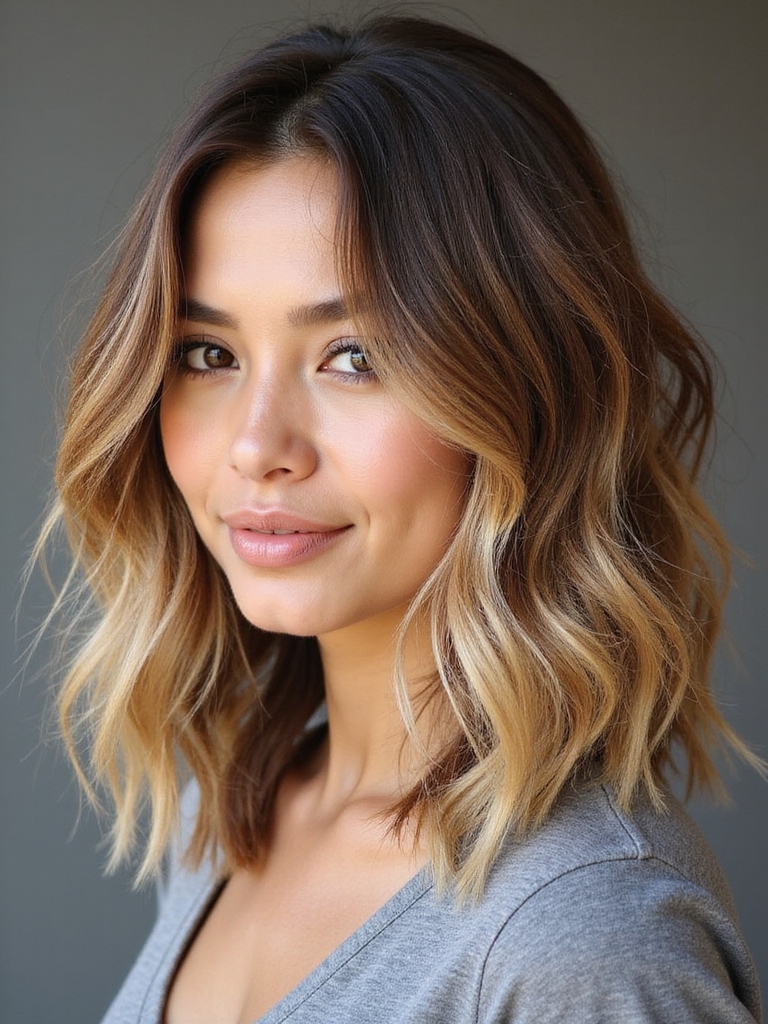
Color amplifies a long shag’s flow, with highlights woven through the layers to catch the light as the hair moves. Because the shag is so textured, highlights read especially rich on it, the movement of the cut showing off the dimension and the color showing off the movement.
A soft, grown-in technique like balayage suits the shag’s undone spirit best, brightening the face frame and the ends while keeping the grow-out easy. Browse shades in our hair color ideas before you book your colorist.
- Highlights catch the light as the shag’s layers move.
- Texture makes color read especially rich on a shag.
- A balayage technique keeps the grow-out soft and easy.
Low-Maintenance Long Shag
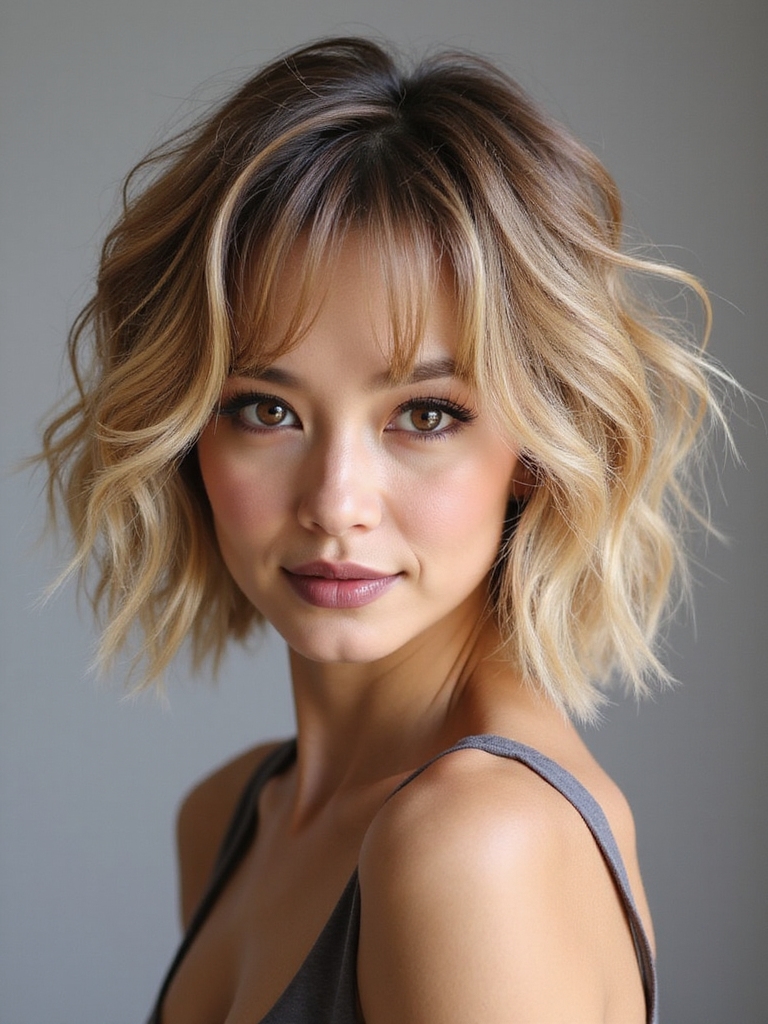
The long shag may be the easiest low-upkeep way to get volume and flow, since the cut does the work and grows out gracefully. The soft, feathered layers lengthen into more movement as they grow, so the shag holds its volume and flow for months without an awkward stage, which means fewer salon trips and a forgiving everyday routine.
Working a little texture spray through with your fingers is usually all the styling it asks for, making it the rare cut that delivers real volume with almost no daily effort.
- The layers grow out gracefully, holding volume for months.
- A quick pass of texture spray is the whole daily routine.
- Real volume and flow with very little upkeep.
Heatless Long Shag Styling
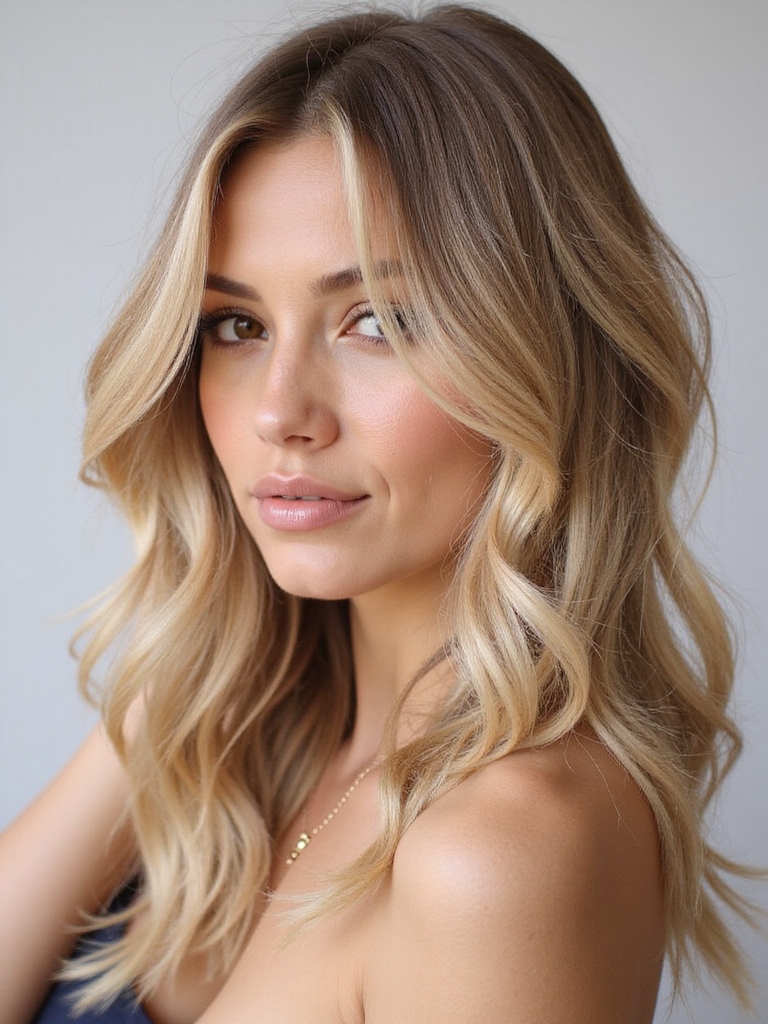
A long shag delivers volume and flow with no heat at all, and the hair stays healthier for it. Apply a leave-in cream, then scrunch as it air-dries, and the layers fall into textured, undone movement on their own; for extra crown lift, clip the roots up while the hair dries or sleep in loose braids for a soft, no-heat wave. The cut is built to look styled undone, so skipping the hot tools costs you nothing and the hair thanks you for it.
- The layers air-dry into textured movement with no heat.
- Clip the roots up while drying for heatless crown lift.
- Loose overnight braids add a soft, no-heat wave.
Common Long Shag Mistakes to Avoid
The biggest mistake people make with a long shag is flattening the volume they paid for. The cut is built to be lifted and textured, so weighing it down with heavy creams or oils, or blow-drying it smooth and flat, undoes the whole point. Reach for a light texture spray and lift at the roots, not a rich serum that drags the movement flat.
The second mistake is the wrong layering for your hair: fine hair needs the layers up top for volume, thick hair needs them spread to shed weight, and over-texturizing fine hair leaves it stringy, so be specific about your texture at the chair.
The third pitfall is treating a shag like a wash-and-forget cut with no styling at all. The volume and flow come alive with a quick scrunch of product and a little root lift, which takes only a couple of minutes but makes all the difference. Tell your stylist your hair type and whether you lean soft or textured, keep a texture spray on hand, and ask for a dry cut if your hair is curly.
A long shag cut runs around $60 to $110, refreshing only every eight to twelve weeks. For more, see our long shag styles and long shag cut ideas galleries.
Body Where You Want It
The long shag endures because it solves the one thing long hair cannot do on its own: it builds volume at the crown and sends flow down the lengths, turning flat, heavy hair into a cut with body and bounce. Feathered or razored, beachy or wolf-inspired, fine or thick, every version here delivers that same lift and movement, with a grow-out so easy it forgives a busy life.
So where does your hair need it most, volume at the flat crown or flow through heavy lengths? Picture the version that fixes your hair’s particular complaint, name your texture to a stylist who knows the cut, and a long shag will give you body exactly where you want it. For fringe pairings, see our long shag with bangs ideas.
More to Try